
Get trending papers in your email inbox once a day!
Get trending papers in your email inbox!
Subscribe

A 5-Point Minimal Solver for Event Camera Relative Motion Estimation
Event-based cameras are ideal for line-based motion estimation, since they predominantly respond to edges in the scene. However, accurately determining the camera displacement based on events continues to be an open problem. This is because line feature extraction and dynamics estimation are tightly coupled when using event cameras, and no precise model is currently available for describing the complex structures generated by lines in the space-time volume of events. We solve this problem by deriving the correct non-linear parametrization of such manifolds, which we term eventails, and demonstrate its application to event-based linear motion estimation, with known rotation from an Inertial Measurement Unit. Using this parametrization, we introduce a novel minimal 5-point solver that jointly estimates line parameters and linear camera velocity projections, which can be fused into a single, averaged linear velocity when considering multiple lines. We demonstrate on both synthetic and real data that our solver generates more stable relative motion estimates than other methods while capturing more inliers than clustering based on spatio-temporal planes. In particular, our method consistently achieves a 100% success rate in estimating linear velocity where existing closed-form solvers only achieve between 23% and 70%. The proposed eventails contribute to a better understanding of spatio-temporal event-generated geometries and we thus believe it will become a core building block of future event-based motion estimation algorithms.

EGVD: Event-Guided Video Diffusion Model for Physically Realistic Large-Motion Frame Interpolation
Video frame interpolation (VFI) in scenarios with large motion remains challenging due to motion ambiguity between frames. While event cameras can capture high temporal resolution motion information, existing event-based VFI methods struggle with limited training data and complex motion patterns. In this paper, we introduce Event-Guided Video Diffusion Model (EGVD), a novel framework that leverages the powerful priors of pre-trained stable video diffusion models alongside the precise temporal information from event cameras. Our approach features a Multi-modal Motion Condition Generator (MMCG) that effectively integrates RGB frames and event signals to guide the diffusion process, producing physically realistic intermediate frames. We employ a selective fine-tuning strategy that preserves spatial modeling capabilities while efficiently incorporating event-guided temporal information. We incorporate input-output normalization techniques inspired by recent advances in diffusion modeling to enhance training stability across varying noise levels. To improve generalization, we construct a comprehensive dataset combining both real and simulated event data across diverse scenarios. Extensive experiments on both real and simulated datasets demonstrate that EGVD significantly outperforms existing methods in handling large motion and challenging lighting conditions, achieving substantial improvements in perceptual quality metrics (27.4% better LPIPS on Prophesee and 24.1% on BSRGB) while maintaining competitive fidelity measures. Code and datasets available at: https://github.com/OpenImagingLab/EGVD.

MTevent: A Multi-Task Event Camera Dataset for 6D Pose Estimation and Moving Object Detection
Mobile robots are reaching unprecedented speeds, with platforms like Unitree B2, and Fraunhofer O3dyn achieving maximum speeds between 5 and 10 m/s. However, effectively utilizing such speeds remains a challenge due to the limitations of RGB cameras, which suffer from motion blur and fail to provide real-time responsiveness. Event cameras, with their asynchronous operation, and low-latency sensing, offer a promising alternative for high-speed robotic perception. In this work, we introduce MTevent, a dataset designed for 6D pose estimation and moving object detection in highly dynamic environments with large detection distances. Our setup consists of a stereo-event camera and an RGB camera, capturing 75 scenes, each on average 16 seconds, and featuring 16 unique objects under challenging conditions such as extreme viewing angles, varying lighting, and occlusions. MTevent is the first dataset to combine high-speed motion, long-range perception, and real-world object interactions, making it a valuable resource for advancing event-based vision in robotics. To establish a baseline, we evaluate the task of 6D pose estimation using NVIDIA's FoundationPose on RGB images, achieving an Average Recall of 0.22 with ground-truth masks, highlighting the limitations of RGB-based approaches in such dynamic settings. With MTevent, we provide a novel resource to improve perception models and foster further research in high-speed robotic vision. The dataset is available for download https://huggingface.co/datasets/anas-gouda/MTevent
ETAP: Event-based Tracking of Any Point
Tracking any point (TAP) recently shifted the motion estimation paradigm from focusing on individual salient points with local templates to tracking arbitrary points with global image contexts. However, while research has mostly focused on driving the accuracy of models in nominal settings, addressing scenarios with difficult lighting conditions and high-speed motions remains out of reach due to the limitations of the sensor. This work addresses this challenge with the first event camera-based TAP method. It leverages the high temporal resolution and high dynamic range of event cameras for robust high-speed tracking, and the global contexts in TAP methods to handle asynchronous and sparse event measurements. We further extend the TAP framework to handle event feature variations induced by motion -- thereby addressing an open challenge in purely event-based tracking -- with a novel feature-alignment loss which ensures the learning of motion-robust features. Our method is trained with data from a new data generation pipeline and systematically ablated across all design decisions. Our method shows strong cross-dataset generalization and performs 136% better on the average Jaccard metric than the baselines. Moreover, on an established feature tracking benchmark, it achieves a 20% improvement over the previous best event-only method and even surpasses the previous best events-and-frames method by 4.1%. Our code is available at https://github.com/tub-rip/ETAP

Deblur e-NeRF: NeRF from Motion-Blurred Events under High-speed or Low-light Conditions
The stark contrast in the design philosophy of an event camera makes it particularly ideal for operating under high-speed, high dynamic range and low-light conditions, where standard cameras underperform. Nonetheless, event cameras still suffer from some amount of motion blur, especially under these challenging conditions, in contrary to what most think. This is attributed to the limited bandwidth of the event sensor pixel, which is mostly proportional to the light intensity. Thus, to ensure that event cameras can truly excel in such conditions where it has an edge over standard cameras, it is crucial to account for event motion blur in downstream applications, especially reconstruction. However, none of the recent works on reconstructing Neural Radiance Fields (NeRFs) from events, nor event simulators, have considered the full effects of event motion blur. To this end, we propose, Deblur e-NeRF, a novel method to directly and effectively reconstruct blur-minimal NeRFs from motion-blurred events generated under high-speed motion or low-light conditions. The core component of this work is a physically-accurate pixel bandwidth model proposed to account for event motion blur under arbitrary speed and lighting conditions. We also introduce a novel threshold-normalized total variation loss to improve the regularization of large textureless patches. Experiments on real and novel realistically simulated sequences verify our effectiveness. Our code, event simulator and synthetic event dataset will be open-sourced.

EventTransAct: A video transformer-based framework for Event-camera based action recognition
Recognizing and comprehending human actions and gestures is a crucial perception requirement for robots to interact with humans and carry out tasks in diverse domains, including service robotics, healthcare, and manufacturing. Event cameras, with their ability to capture fast-moving objects at a high temporal resolution, offer new opportunities compared to standard action recognition in RGB videos. However, previous research on event camera action recognition has primarily focused on sensor-specific network architectures and image encoding, which may not be suitable for new sensors and limit the use of recent advancements in transformer-based architectures. In this study, we employ a computationally efficient model, namely the video transformer network (VTN), which initially acquires spatial embeddings per event-frame and then utilizes a temporal self-attention mechanism. In order to better adopt the VTN for the sparse and fine-grained nature of event data, we design Event-Contrastive Loss (L_{EC}) and event-specific augmentations. Proposed L_{EC} promotes learning fine-grained spatial cues in the spatial backbone of VTN by contrasting temporally misaligned frames. We evaluate our method on real-world action recognition of N-EPIC Kitchens dataset, and achieve state-of-the-art results on both protocols - testing in seen kitchen (74.9\% accuracy) and testing in unseen kitchens (42.43\% and 46.66\% Accuracy). Our approach also takes less computation time compared to competitive prior approaches, which demonstrates the potential of our framework EventTransAct for real-world applications of event-camera based action recognition. Project Page: https://tristandb8.github.io/EventTransAct_webpage/
EvTexture: Event-driven Texture Enhancement for Video Super-Resolution
Event-based vision has drawn increasing attention due to its unique characteristics, such as high temporal resolution and high dynamic range. It has been used in video super-resolution (VSR) recently to enhance the flow estimation and temporal alignment. Rather than for motion learning, we propose in this paper the first VSR method that utilizes event signals for texture enhancement. Our method, called EvTexture, leverages high-frequency details of events to better recover texture regions in VSR. In our EvTexture, a new texture enhancement branch is presented. We further introduce an iterative texture enhancement module to progressively explore the high-temporal-resolution event information for texture restoration. This allows for gradual refinement of texture regions across multiple iterations, leading to more accurate and rich high-resolution details. Experimental results show that our EvTexture achieves state-of-the-art performance on four datasets. For the Vid4 dataset with rich textures, our method can get up to 4.67dB gain compared with recent event-based methods. Code: https://github.com/DachunKai/EvTexture.


Robust e-NeRF: NeRF from Sparse & Noisy Events under Non-Uniform Motion
Event cameras offer many advantages over standard cameras due to their distinctive principle of operation: low power, low latency, high temporal resolution and high dynamic range. Nonetheless, the success of many downstream visual applications also hinges on an efficient and effective scene representation, where Neural Radiance Field (NeRF) is seen as the leading candidate. Such promise and potential of event cameras and NeRF inspired recent works to investigate on the reconstruction of NeRF from moving event cameras. However, these works are mainly limited in terms of the dependence on dense and low-noise event streams, as well as generalization to arbitrary contrast threshold values and camera speed profiles. In this work, we propose Robust e-NeRF, a novel method to directly and robustly reconstruct NeRFs from moving event cameras under various real-world conditions, especially from sparse and noisy events generated under non-uniform motion. It consists of two key components: a realistic event generation model that accounts for various intrinsic parameters (e.g. time-independent, asymmetric threshold and refractory period) and non-idealities (e.g. pixel-to-pixel threshold variation), as well as a complementary pair of normalized reconstruction losses that can effectively generalize to arbitrary speed profiles and intrinsic parameter values without such prior knowledge. Experiments on real and novel realistically simulated sequences verify our effectiveness. Our code, synthetic dataset and improved event simulator are public.
Uncertainty-Weighted Image-Event Multimodal Fusion for Video Anomaly Detection
Most existing video anomaly detectors rely solely on RGB frames, which lack the temporal resolution needed to capture abrupt or transient motion cues, key indicators of anomalous events. To address this limitation, we propose Image-Event Fusion for Video Anomaly Detection (IEF-VAD), a framework that synthesizes event representations directly from RGB videos and fuses them with image features through a principled, uncertainty-aware process. The system (i) models heavy-tailed sensor noise with a Student`s-t likelihood, deriving value-level inverse-variance weights via a Laplace approximation; (ii) applies Kalman-style frame-wise updates to balance modalities over time; and (iii) iteratively refines the fused latent state to erase residual cross-modal noise. Without any dedicated event sensor or frame-level labels, IEF-VAD sets a new state of the art across multiple real-world anomaly detection benchmarks. These findings highlight the utility of synthetic event representations in emphasizing motion cues that are often underrepresented in RGB frames, enabling accurate and robust video understanding across diverse applications without requiring dedicated event sensors. Code and models are available at https://github.com/EavnJeong/IEF-VAD.


EvAnimate: Event-conditioned Image-to-Video Generation for Human Animation
Conditional human animation transforms a static reference image into a dynamic sequence by applying motion cues such as poses. These motion cues are typically derived from video data but are susceptible to limitations including low temporal resolution, motion blur, overexposure, and inaccuracies under low-light conditions. In contrast, event cameras provide data streams with exceptionally high temporal resolution, a wide dynamic range, and inherent resistance to motion blur and exposure issues. In this work, we propose EvAnimate, a framework that leverages event streams as motion cues to animate static human images. Our approach employs a specialized event representation that transforms asynchronous event streams into 3-channel slices with controllable slicing rates and appropriate slice density, ensuring compatibility with diffusion models. Subsequently, a dual-branch architecture generates high-quality videos by harnessing the inherent motion dynamics of the event streams, thereby enhancing both video quality and temporal consistency. Specialized data augmentation strategies further enhance cross-person generalization. Finally, we establish a new benchmarking, including simulated event data for training and validation, and a real-world event dataset capturing human actions under normal and extreme scenarios. The experiment results demonstrate that EvAnimate achieves high temporal fidelity and robust performance in scenarios where traditional video-derived cues fall short.
TMA: Temporal Motion Aggregation for Event-based Optical Flow
Event cameras have the ability to record continuous and detailed trajectories of objects with high temporal resolution, thereby providing intuitive motion cues for optical flow estimation. Nevertheless, most existing learning-based approaches for event optical flow estimation directly remould the paradigm of conventional images by representing the consecutive event stream as static frames, ignoring the inherent temporal continuity of event data. In this paper, we argue that temporal continuity is a vital element of event-based optical flow and propose a novel Temporal Motion Aggregation (TMA) approach to unlock its potential. Technically, TMA comprises three components: an event splitting strategy to incorporate intermediate motion information underlying the temporal context, a linear lookup strategy to align temporally fine-grained motion features and a novel motion pattern aggregation module to emphasize consistent patterns for motion feature enhancement. By incorporating temporally fine-grained motion information, TMA can derive better flow estimates than existing methods at early stages, which not only enables TMA to obtain more accurate final predictions, but also greatly reduces the demand for a number of refinements. Extensive experiments on DSEC-Flow and MVSEC datasets verify the effectiveness and superiority of our TMA. Remarkably, compared to E-RAFT, TMA achieves a 6\% improvement in accuracy and a 40\% reduction in inference time on DSEC-Flow. Code will be available at https://github.com/ispc-lab/TMA.
Taming Contrast Maximization for Learning Sequential, Low-latency, Event-based Optical Flow
Event cameras have recently gained significant traction since they open up new avenues for low-latency and low-power solutions to complex computer vision problems. To unlock these solutions, it is necessary to develop algorithms that can leverage the unique nature of event data. However, the current state-of-the-art is still highly influenced by the frame-based literature, and usually fails to deliver on these promises. In this work, we take this into consideration and propose a novel self-supervised learning pipeline for the sequential estimation of event-based optical flow that allows for the scaling of the models to high inference frequencies. At its core, we have a continuously-running stateful neural model that is trained using a novel formulation of contrast maximization that makes it robust to nonlinearities and varying statistics in the input events. Results across multiple datasets confirm the effectiveness of our method, which establishes a new state of the art in terms of accuracy for approaches trained or optimized without ground truth.
Temporal Residual Guided Diffusion Framework for Event-Driven Video Reconstruction
Event-based video reconstruction has garnered increasing attention due to its advantages, such as high dynamic range and rapid motion capture capabilities. However, current methods often prioritize the extraction of temporal information from continuous event flow, leading to an overemphasis on low-frequency texture features in the scene, resulting in over-smoothing and blurry artifacts. Addressing this challenge necessitates the integration of conditional information, encompassing temporal features, low-frequency texture, and high-frequency events, to guide the Denoising Diffusion Probabilistic Model (DDPM) in producing accurate and natural outputs. To tackle this issue, we introduce a novel approach, the Temporal Residual Guided Diffusion Framework, which effectively leverages both temporal and frequency-based event priors. Our framework incorporates three key conditioning modules: a pre-trained low-frequency intensity estimation module, a temporal recurrent encoder module, and an attention-based high-frequency prior enhancement module. In order to capture temporal scene variations from the events at the current moment, we employ a temporal-domain residual image as the target for the diffusion model. Through the combination of these three conditioning paths and the temporal residual framework, our framework excels in reconstructing high-quality videos from event flow, mitigating issues such as artifacts and over-smoothing commonly observed in previous approaches. Extensive experiments conducted on multiple benchmark datasets validate the superior performance of our framework compared to prior event-based reconstruction methods.
HR-INR: Continuous Space-Time Video Super-Resolution via Event Camera
Continuous space-time video super-resolution (C-STVSR) aims to simultaneously enhance video resolution and frame rate at an arbitrary scale. Recently, implicit neural representation (INR) has been applied to video restoration, representing videos as implicit fields that can be decoded at an arbitrary scale. However, the highly ill-posed nature of C-STVSR limits the effectiveness of current INR-based methods: they assume linear motion between frames and use interpolation or feature warping to generate features at arbitrary spatiotemporal positions with two consecutive frames. This restrains C-STVSR from capturing rapid and nonlinear motion and long-term dependencies (involving more than two frames) in complex dynamic scenes. In this paper, we propose a novel C-STVSR framework, called HR-INR, which captures both holistic dependencies and regional motions based on INR. It is assisted by an event camera, a novel sensor renowned for its high temporal resolution and low latency. To fully utilize the rich temporal information from events, we design a feature extraction consisting of (1) a regional event feature extractor - taking events as inputs via the proposed event temporal pyramid representation to capture the regional nonlinear motion and (2) a holistic event-frame feature extractor for long-term dependence and continuity motion. We then propose a novel INR-based decoder with spatiotemporal embeddings to capture long-term dependencies with a larger temporal perception field. We validate the effectiveness and generalization of our method on four datasets (both simulated and real data), showing the superiority of our method.

EMDM: Efficient Motion Diffusion Model for Fast and High-Quality Motion Generation
We introduce Efficient Motion Diffusion Model (EMDM) for fast and high-quality human motion generation. Current state-of-the-art generative diffusion models have produced impressive results but struggle to achieve fast generation without sacrificing quality. On the one hand, previous works, like motion latent diffusion, conduct diffusion within a latent space for efficiency, but learning such a latent space can be a non-trivial effort. On the other hand, accelerating generation by naively increasing the sampling step size, e.g., DDIM, often leads to quality degradation as it fails to approximate the complex denoising distribution. To address these issues, we propose EMDM, which captures the complex distribution during multiple sampling steps in the diffusion model, allowing for much fewer sampling steps and significant acceleration in generation. This is achieved by a conditional denoising diffusion GAN to capture multimodal data distributions among arbitrary (and potentially larger) step sizes conditioned on control signals, enabling fewer-step motion sampling with high fidelity and diversity. To minimize undesired motion artifacts, geometric losses are imposed during network learning. As a result, EMDM achieves real-time motion generation and significantly improves the efficiency of motion diffusion models compared to existing methods while achieving high-quality motion generation. Our code will be publicly available upon publication.


Focus Is All You Need: Loss Functions For Event-based Vision
Event cameras are novel vision sensors that output pixel-level brightness changes ("events") instead of traditional video frames. These asynchronous sensors offer several advantages over traditional cameras, such as, high temporal resolution, very high dynamic range, and no motion blur. To unlock the potential of such sensors, motion compensation methods have been recently proposed. We present a collection and taxonomy of twenty two objective functions to analyze event alignment in motion compensation approaches (Fig. 1). We call them Focus Loss Functions since they have strong connections with functions used in traditional shape-from-focus applications. The proposed loss functions allow bringing mature computer vision tools to the realm of event cameras. We compare the accuracy and runtime performance of all loss functions on a publicly available dataset, and conclude that the variance, the gradient and the Laplacian magnitudes are among the best loss functions. The applicability of the loss functions is shown on multiple tasks: rotational motion, depth and optical flow estimation. The proposed focus loss functions allow to unlock the outstanding properties of event cameras.
PRE-Mamba: A 4D State Space Model for Ultra-High-Frequent Event Camera Deraining
Event cameras excel in high temporal resolution and dynamic range but suffer from dense noise in rainy conditions. Existing event deraining methods face trade-offs between temporal precision, deraining effectiveness, and computational efficiency. In this paper, we propose PRE-Mamba, a novel point-based event camera deraining framework that fully exploits the spatiotemporal characteristics of raw event and rain. Our framework introduces a 4D event cloud representation that integrates dual temporal scales to preserve high temporal precision, a Spatio-Temporal Decoupling and Fusion module (STDF) that enhances deraining capability by enabling shallow decoupling and interaction of temporal and spatial information, and a Multi-Scale State Space Model (MS3M) that captures deeper rain dynamics across dual-temporal and multi-spatial scales with linear computational complexity. Enhanced by frequency-domain regularization, PRE-Mamba achieves superior performance (0.95 SR, 0.91 NR, and 0.4s/M events) with only 0.26M parameters on EventRain-27K, a comprehensive dataset with labeled synthetic and real-world sequences. Moreover, our method generalizes well across varying rain intensities, viewpoints, and even snowy conditions.
Un-EvMoSeg: Unsupervised Event-based Independent Motion Segmentation
Event cameras are a novel type of biologically inspired vision sensor known for their high temporal resolution, high dynamic range, and low power consumption. Because of these properties, they are well-suited for processing fast motions that require rapid reactions. Although event cameras have recently shown competitive performance in unsupervised optical flow estimation, performance in detecting independently moving objects (IMOs) is lacking behind, although event-based methods would be suited for this task based on their low latency and HDR properties. Previous approaches to event-based IMO segmentation have been heavily dependent on labeled data. However, biological vision systems have developed the ability to avoid moving objects through daily tasks without being given explicit labels. In this work, we propose the first event framework that generates IMO pseudo-labels using geometric constraints. Due to its unsupervised nature, our method can handle an arbitrary number of not predetermined objects and is easily scalable to datasets where expensive IMO labels are not readily available. We evaluate our approach on the EVIMO dataset and show that it performs competitively with supervised methods, both quantitatively and qualitatively.
Temporal Event Stereo via Joint Learning with Stereoscopic Flow
Event cameras are dynamic vision sensors inspired by the biological retina, characterized by their high dynamic range, high temporal resolution, and low power consumption. These features make them capable of perceiving 3D environments even in extreme conditions. Event data is continuous across the time dimension, which allows a detailed description of each pixel's movements. To fully utilize the temporally dense and continuous nature of event cameras, we propose a novel temporal event stereo, a framework that continuously uses information from previous time steps. This is accomplished through the simultaneous training of an event stereo matching network alongside stereoscopic flow, a new concept that captures all pixel movements from stereo cameras. Since obtaining ground truth for optical flow during training is challenging, we propose a method that uses only disparity maps to train the stereoscopic flow. The performance of event-based stereo matching is enhanced by temporally aggregating information using the flows. We have achieved state-of-the-art performance on the MVSEC and the DSEC datasets. The method is computationally efficient, as it stacks previous information in a cascading manner. The code is available at https://github.com/mickeykang16/TemporalEventStereo.
Motion Matters: Motion-guided Modulation Network for Skeleton-based Micro-Action Recognition
Micro-Actions (MAs) are an important form of non-verbal communication in social interactions, with potential applications in human emotional analysis. However, existing methods in Micro-Action Recognition often overlook the inherent subtle changes in MAs, which limits the accuracy of distinguishing MAs with subtle changes. To address this issue, we present a novel Motion-guided Modulation Network (MMN) that implicitly captures and modulates subtle motion cues to enhance spatial-temporal representation learning. Specifically, we introduce a Motion-guided Skeletal Modulation module (MSM) to inject motion cues at the skeletal level, acting as a control signal to guide spatial representation modeling. In parallel, we design a Motion-guided Temporal Modulation module (MTM) to incorporate motion information at the frame level, facilitating the modeling of holistic motion patterns in micro-actions. Finally, we propose a motion consistency learning strategy to aggregate the motion cues from multi-scale features for micro-action classification. Experimental results on the Micro-Action 52 and iMiGUE datasets demonstrate that MMN achieves state-of-the-art performance in skeleton-based micro-action recognition, underscoring the importance of explicitly modeling subtle motion cues. The code will be available at https://github.com/momiji-bit/MMN.

EventFly: Event Camera Perception from Ground to the Sky
Cross-platform adaptation in event-based dense perception is crucial for deploying event cameras across diverse settings, such as vehicles, drones, and quadrupeds, each with unique motion dynamics, viewpoints, and class distributions. In this work, we introduce EventFly, a framework for robust cross-platform adaptation in event camera perception. Our approach comprises three key components: i) Event Activation Prior (EAP), which identifies high-activation regions in the target domain to minimize prediction entropy, fostering confident, domain-adaptive predictions; ii) EventBlend, a data-mixing strategy that integrates source and target event voxel grids based on EAP-driven similarity and density maps, enhancing feature alignment; and iii) EventMatch, a dual-discriminator technique that aligns features from source, target, and blended domains for better domain-invariant learning. To holistically assess cross-platform adaptation abilities, we introduce EXPo, a large-scale benchmark with diverse samples across vehicle, drone, and quadruped platforms. Extensive experiments validate our effectiveness, demonstrating substantial gains over popular adaptation methods. We hope this work can pave the way for more adaptive, high-performing event perception across diverse and complex environments.


EventSplat: 3D Gaussian Splatting from Moving Event Cameras for Real-time Rendering
We introduce a method for using event camera data in novel view synthesis via Gaussian Splatting. Event cameras offer exceptional temporal resolution and a high dynamic range. Leveraging these capabilities allows us to effectively address the novel view synthesis challenge in the presence of fast camera motion. For initialization of the optimization process, our approach uses prior knowledge encoded in an event-to-video model. We also use spline interpolation for obtaining high quality poses along the event camera trajectory. This enhances the reconstruction quality from fast-moving cameras while overcoming the computational limitations traditionally associated with event-based Neural Radiance Field (NeRF) methods. Our experimental evaluation demonstrates that our results achieve higher visual fidelity and better performance than existing event-based NeRF approaches while being an order of magnitude faster to render.
DiET-GS: Diffusion Prior and Event Stream-Assisted Motion Deblurring 3D Gaussian Splatting
Reconstructing sharp 3D representations from blurry multi-view images are long-standing problem in computer vision. Recent works attempt to enhance high-quality novel view synthesis from the motion blur by leveraging event-based cameras, benefiting from high dynamic range and microsecond temporal resolution. However, they often reach sub-optimal visual quality in either restoring inaccurate color or losing fine-grained details. In this paper, we present DiET-GS, a diffusion prior and event stream-assisted motion deblurring 3DGS. Our framework effectively leverages both blur-free event streams and diffusion prior in a two-stage training strategy. Specifically, we introduce the novel framework to constraint 3DGS with event double integral, achieving both accurate color and well-defined details. Additionally, we propose a simple technique to leverage diffusion prior to further enhance the edge details. Qualitative and quantitative results on both synthetic and real-world data demonstrate that our DiET-GS is capable of producing significantly better quality of novel views compared to the existing baselines. Our project page is https://diet-gs.github.io


Deformable Neural Radiance Fields using RGB and Event Cameras
Modeling Neural Radiance Fields for fast-moving deformable objects from visual data alone is a challenging problem. A major issue arises due to the high deformation and low acquisition rates. To address this problem, we propose to use event cameras that offer very fast acquisition of visual change in an asynchronous manner. In this work, we develop a novel method to model the deformable neural radiance fields using RGB and event cameras. The proposed method uses the asynchronous stream of events and calibrated sparse RGB frames. In our setup, the camera pose at the individual events required to integrate them into the radiance fields remains unknown. Our method jointly optimizes these poses and the radiance field. This happens efficiently by leveraging the collection of events at once and actively sampling the events during learning. Experiments conducted on both realistically rendered graphics and real-world datasets demonstrate a significant benefit of the proposed method over the state-of-the-art and the compared baseline. This shows a promising direction for modeling deformable neural radiance fields in real-world dynamic scenes.
EvEnhancer: Empowering Effectiveness, Efficiency and Generalizability for Continuous Space-Time Video Super-Resolution with Events
Continuous space-time video super-resolution (C-STVSR) endeavors to upscale videos simultaneously at arbitrary spatial and temporal scales, which has recently garnered increasing interest. However, prevailing methods struggle to yield satisfactory videos at out-of-distribution spatial and temporal scales. On the other hand, event streams characterized by high temporal resolution and high dynamic range, exhibit compelling promise in vision tasks. This paper presents EvEnhancer, an innovative approach that marries the unique advantages of event streams to elevate effectiveness, efficiency, and generalizability for C-STVSR. Our approach hinges on two pivotal components: 1) Event-adapted synthesis capitalizes on the spatiotemporal correlations between frames and events to discern and learn long-term motion trajectories, enabling the adaptive interpolation and fusion of informative spatiotemporal features; 2) Local implicit video transformer integrates local implicit video neural function with cross-scale spatiotemporal attention to learn continuous video representations utilized to generate plausible videos at arbitrary resolutions and frame rates. Experiments show that EvEnhancer achieves superiority on synthetic and real-world datasets and preferable generalizability on out-of-distribution scales against state-of-the-art methods. Code is available at https://github.com/W-Shuoyan/EvEnhancer.
CACE-Net: Co-guidance Attention and Contrastive Enhancement for Effective Audio-Visual Event Localization
The audio-visual event localization task requires identifying concurrent visual and auditory events from unconstrained videos within a network model, locating them, and classifying their category. The efficient extraction and integration of audio and visual modal information have always been challenging in this field. In this paper, we introduce CACE-Net, which differs from most existing methods that solely use audio signals to guide visual information. We propose an audio-visual co-guidance attention mechanism that allows for adaptive bi-directional cross-modal attentional guidance between audio and visual information, thus reducing inconsistencies between modalities. Moreover, we have observed that existing methods have difficulty distinguishing between similar background and event and lack the fine-grained features for event classification. Consequently, we employ background-event contrast enhancement to increase the discrimination of fused feature and fine-tuned pre-trained model to extract more refined and discernible features from complex multimodal inputs. Specifically, we have enhanced the model's ability to discern subtle differences between event and background and improved the accuracy of event classification in our model. Experiments on the AVE dataset demonstrate that CACE-Net sets a new benchmark in the audio-visual event localization task, proving the effectiveness of our proposed methods in handling complex multimodal learning and event localization in unconstrained videos. Code is available at https://github.com/Brain-Cog-Lab/CACE-Net.

Event-guided Low-light Video Semantic Segmentation
Recent video semantic segmentation (VSS) methods have demonstrated promising results in well-lit environments. However, their performance significantly drops in low-light scenarios due to limited visibility and reduced contextual details. In addition, unfavorable low-light conditions make it harder to incorporate temporal consistency across video frames and thus, lead to video flickering effects. Compared with conventional cameras, event cameras can capture motion dynamics, filter out temporal-redundant information, and are robust to lighting conditions. To this end, we propose EVSNet, a lightweight framework that leverages event modality to guide the learning of a unified illumination-invariant representation. Specifically, we leverage a Motion Extraction Module to extract short-term and long-term temporal motions from event modality and a Motion Fusion Module to integrate image features and motion features adaptively. Furthermore, we use a Temporal Decoder to exploit video contexts and generate segmentation predictions. Such designs in EVSNet result in a lightweight architecture while achieving SOTA performance. Experimental results on 3 large-scale datasets demonstrate our proposed EVSNet outperforms SOTA methods with up to 11x higher parameter efficiency.
Learning Event-guided Exposure-agnostic Video Frame Interpolation via Adaptive Feature Blending
Exposure-agnostic video frame interpolation (VFI) is a challenging task that aims to recover sharp, high-frame-rate videos from blurry, low-frame-rate inputs captured under unknown and dynamic exposure conditions. Event cameras are sensors with high temporal resolution, making them especially advantageous for this task. However, existing event-guided methods struggle to produce satisfactory results on severely low-frame-rate blurry videos due to the lack of temporal constraints. In this paper, we introduce a novel event-guided framework for exposure-agnostic VFI, addressing this limitation through two key components: a Target-adaptive Event Sampling (TES) and a Target-adaptive Importance Mapping (TIM). Specifically, TES samples events around the target timestamp and the unknown exposure time to better align them with the corresponding blurry frames. TIM then generates an importance map that considers the temporal proximity and spatial relevance of consecutive features to the target. Guided by this map, our framework adaptively blends consecutive features, allowing temporally aligned features to serve as the primary cues while spatially relevant ones offer complementary support. Extensive experiments on both synthetic and real-world datasets demonstrate the effectiveness of our approach in exposure-agnostic VFI scenarios.
FUSE: Label-Free Image-Event Joint Monocular Depth Estimation via Frequency-Decoupled Alignment and Degradation-Robust Fusion
Image-event joint depth estimation methods leverage complementary modalities for robust perception, yet face challenges in generalizability stemming from two factors: 1) limited annotated image-event-depth datasets causing insufficient cross-modal supervision, and 2) inherent frequency mismatches between static images and dynamic event streams with distinct spatiotemporal patterns, leading to ineffective feature fusion. To address this dual challenge, we propose Frequency-decoupled Unified Self-supervised Encoder (FUSE) with two synergistic components: The Parameter-efficient Self-supervised Transfer (PST) establishes cross-modal knowledge transfer through latent space alignment with image foundation models, effectively mitigating data scarcity by enabling joint encoding without depth ground truth. Complementing this, we propose the Frequency-Decoupled Fusion module (FreDFuse) to explicitly decouple high-frequency edge features from low-frequency structural components, resolving modality-specific frequency mismatches through physics-aware fusion. This combined approach enables FUSE to construct a universal image-event encoder that only requires lightweight decoder adaptation for target datasets. Extensive experiments demonstrate state-of-the-art performance with 14% and 24.9% improvements in Abs.Rel on MVSEC and DENSE datasets. The framework exhibits remarkable zero-shot adaptability to challenging scenarios including extreme lighting and motion blur, significantly advancing real-world deployment capabilities. The source code for our method is publicly available at: https://github.com/sunpihai-up/FUSE

SMF: Template-free and Rig-free Animation Transfer using Kinetic Codes
Animation retargetting applies sparse motion description (e.g., keypoint sequences) to a character mesh to produce a semantically plausible and temporally coherent full-body mesh sequence. Existing approaches come with restrictions -- they require access to template-based shape priors or artist-designed deformation rigs, suffer from limited generalization to unseen motion and/or shapes, or exhibit motion jitter. We propose Self-supervised Motion Fields (SMF), a self-supervised framework that is trained with only sparse motion representations, without requiring dataset-specific annotations, templates, or rigs. At the heart of our method are Kinetic Codes, a novel autoencoder-based sparse motion encoding, that exposes a semantically rich latent space, simplifying large-scale training. Our architecture comprises dedicated spatial and temporal gradient predictors, which are jointly trained in an end-to-end fashion. The combined network, regularized by the Kinetic Codes' latent space, has good generalization across both unseen shapes and new motions. We evaluated our method on unseen motion sampled from AMASS, D4D, Mixamo, and raw monocular video for animation transfer on various characters with varying shapes and topology. We report a new SoTA on the AMASS dataset in the context of generalization to unseen motion. Code, weights, and supplementary are available on the project webpage at https://motionfields.github.io/
Generalizing Event-Based Motion Deblurring in Real-World Scenarios
Event-based motion deblurring has shown promising results by exploiting low-latency events. However, current approaches are limited in their practical usage, as they assume the same spatial resolution of inputs and specific blurriness distributions. This work addresses these limitations and aims to generalize the performance of event-based deblurring in real-world scenarios. We propose a scale-aware network that allows flexible input spatial scales and enables learning from different temporal scales of motion blur. A two-stage self-supervised learning scheme is then developed to fit real-world data distribution. By utilizing the relativity of blurriness, our approach efficiently ensures the restored brightness and structure of latent images and further generalizes deblurring performance to handle varying spatial and temporal scales of motion blur in a self-distillation manner. Our method is extensively evaluated, demonstrating remarkable performance, and we also introduce a real-world dataset consisting of multi-scale blurry frames and events to facilitate research in event-based deblurring.
Benchmarking Microsaccade Recognition with Event Cameras: A Novel Dataset and Evaluation
Microsaccades are small, involuntary eye movements vital for visual perception and neural processing. Traditional microsaccade studies typically use eye trackers or frame-based analysis, which, while precise, are costly and limited in scalability and temporal resolution. Event-based sensing offers a high-speed, low-latency alternative by capturing fine-grained spatiotemporal changes efficiently. This work introduces a pioneering event-based microsaccade dataset to support research on small eye movement dynamics in cognitive computing. Using Blender, we render high-fidelity eye movement scenarios and simulate microsaccades with angular displacements from 0.5 to 2.0 degrees, divided into seven distinct classes. These are converted to event streams using v2e, preserving the natural temporal dynamics of microsaccades, with durations ranging from 0.25 ms to 2.25 ms. We evaluate the dataset using Spiking-VGG11, Spiking-VGG13, and Spiking-VGG16, and propose Spiking-VGG16Flow, an optical-flow-enhanced variant implemented in SpikingJelly. The models achieve around 90 percent average accuracy, successfully classifying microsaccades by angular displacement, independent of event count or duration. These results demonstrate the potential of spiking neural networks for fine motion recognition and establish a benchmark for event-based vision research. The dataset, code, and trained models will be publicly available at https://waseemshariff126.github.io/microsaccades/ .
GS2E: Gaussian Splatting is an Effective Data Generator for Event Stream Generation
We introduce GS2E (Gaussian Splatting to Event), a large-scale synthetic event dataset for high-fidelity event vision tasks, captured from real-world sparse multi-view RGB images. Existing event datasets are often synthesized from dense RGB videos, which typically lack viewpoint diversity and geometric consistency, or depend on expensive, difficult-to-scale hardware setups. GS2E overcomes these limitations by first reconstructing photorealistic static scenes using 3D Gaussian Splatting, and subsequently employing a novel, physically-informed event simulation pipeline. This pipeline generally integrates adaptive trajectory interpolation with physically-consistent event contrast threshold modeling. Such an approach yields temporally dense and geometrically consistent event streams under diverse motion and lighting conditions, while ensuring strong alignment with underlying scene structures. Experimental results on event-based 3D reconstruction demonstrate GS2E's superior generalization capabilities and its practical value as a benchmark for advancing event vision research.
ETTrack: Enhanced Temporal Motion Predictor for Multi-Object Tracking
Many Multi-Object Tracking (MOT) approaches exploit motion information to associate all the detected objects across frames. However, many methods that rely on filtering-based algorithms, such as the Kalman Filter, often work well in linear motion scenarios but struggle to accurately predict the locations of objects undergoing complex and non-linear movements. To tackle these scenarios, we propose a motion-based MOT approach with an enhanced temporal motion predictor, ETTrack. Specifically, the motion predictor integrates a transformer model and a Temporal Convolutional Network (TCN) to capture short-term and long-term motion patterns, and it predicts the future motion of individual objects based on the historical motion information. Additionally, we propose a novel Momentum Correction Loss function that provides additional information regarding the motion direction of objects during training. This allows the motion predictor rapidly adapt to motion variations and more accurately predict future motion. Our experimental results demonstrate that ETTrack achieves a competitive performance compared with state-of-the-art trackers on DanceTrack and SportsMOT, scoring 56.4% and 74.4% in HOTA metrics, respectively.
BroadWay: Boost Your Text-to-Video Generation Model in a Training-free Way
The text-to-video (T2V) generation models, offering convenient visual creation, have recently garnered increasing attention. Despite their substantial potential, the generated videos may present artifacts, including structural implausibility, temporal inconsistency, and a lack of motion, often resulting in near-static video. In this work, we have identified a correlation between the disparity of temporal attention maps across different blocks and the occurrence of temporal inconsistencies. Additionally, we have observed that the energy contained within the temporal attention maps is directly related to the magnitude of motion amplitude in the generated videos. Based on these observations, we present BroadWay, a training-free method to improve the quality of text-to-video generation without introducing additional parameters, augmenting memory or sampling time. Specifically, BroadWay is composed of two principal components: 1) Temporal Self-Guidance improves the structural plausibility and temporal consistency of generated videos by reducing the disparity between the temporal attention maps across various decoder blocks. 2) Fourier-based Motion Enhancement enhances the magnitude and richness of motion by amplifying the energy of the map. Extensive experiments demonstrate that BroadWay significantly improves the quality of text-to-video generation with negligible additional cost.



Neuromorphic Camera Denoising using Graph Neural Network-driven Transformers
Neuromorphic vision is a bio-inspired technology that has triggered a paradigm shift in the computer-vision community and is serving as a key-enabler for a multitude of applications. This technology has offered significant advantages including reduced power consumption, reduced processing needs, and communication speed-ups. However, neuromorphic cameras suffer from significant amounts of measurement noise. This noise deteriorates the performance of neuromorphic event-based perception and navigation algorithms. In this paper, we propose a novel noise filtration algorithm to eliminate events which do not represent real log-intensity variations in the observed scene. We employ a Graph Neural Network (GNN)-driven transformer algorithm, called GNN-Transformer, to classify every active event pixel in the raw stream into real-log intensity variation or noise. Within the GNN, a message-passing framework, called EventConv, is carried out to reflect the spatiotemporal correlation among the events, while preserving their asynchronous nature. We also introduce the Known-object Ground-Truth Labeling (KoGTL) approach for generating approximate ground truth labels of event streams under various illumination conditions. KoGTL is used to generate labeled datasets, from experiments recorded in chalenging lighting conditions. These datasets are used to train and extensively test our proposed algorithm. When tested on unseen datasets, the proposed algorithm outperforms existing methods by 8.8% in terms of filtration accuracy. Additional tests are also conducted on publicly available datasets to demonstrate the generalization capabilities of the proposed algorithm in the presence of illumination variations and different motion dynamics. Compared to existing solutions, qualitative results verified the superior capability of the proposed algorithm to eliminate noise while preserving meaningful scene events.
AE-NeRF: Augmenting Event-Based Neural Radiance Fields for Non-ideal Conditions and Larger Scene
Compared to frame-based methods, computational neuromorphic imaging using event cameras offers significant advantages, such as minimal motion blur, enhanced temporal resolution, and high dynamic range. The multi-view consistency of Neural Radiance Fields combined with the unique benefits of event cameras, has spurred recent research into reconstructing NeRF from data captured by moving event cameras. While showing impressive performance, existing methods rely on ideal conditions with the availability of uniform and high-quality event sequences and accurate camera poses, and mainly focus on the object level reconstruction, thus limiting their practical applications. In this work, we propose AE-NeRF to address the challenges of learning event-based NeRF from non-ideal conditions, including non-uniform event sequences, noisy poses, and various scales of scenes. Our method exploits the density of event streams and jointly learn a pose correction module with an event-based NeRF (e-NeRF) framework for robust 3D reconstruction from inaccurate camera poses. To generalize to larger scenes, we propose hierarchical event distillation with a proposal e-NeRF network and a vanilla e-NeRF network to resample and refine the reconstruction process. We further propose an event reconstruction loss and a temporal loss to improve the view consistency of the reconstructed scene. We established a comprehensive benchmark that includes large-scale scenes to simulate practical non-ideal conditions, incorporating both synthetic and challenging real-world event datasets. The experimental results show that our method achieves a new state-of-the-art in event-based 3D reconstruction.


EvMic: Event-based Non-contact sound recovery from effective spatial-temporal modeling
When sound waves hit an object, they induce vibrations that produce high-frequency and subtle visual changes, which can be used for recovering the sound. Early studies always encounter trade-offs related to sampling rate, bandwidth, field of view, and the simplicity of the optical path. Recent advances in event camera hardware show good potential for its application in visual sound recovery, because of its superior ability in capturing high-frequency signals. However, existing event-based vibration recovery methods are still sub-optimal for sound recovery. In this work, we propose a novel pipeline for non-contact sound recovery, fully utilizing spatial-temporal information from the event stream. We first generate a large training set using a novel simulation pipeline. Then we designed a network that leverages the sparsity of events to capture spatial information and uses Mamba to model long-term temporal information. Lastly, we train a spatial aggregation block to aggregate information from different locations to further improve signal quality. To capture event signals caused by sound waves, we also designed an imaging system using a laser matrix to enhance the gradient and collected multiple data sequences for testing. Experimental results on synthetic and real-world data demonstrate the effectiveness of our method.

ReMoMask: Retrieval-Augmented Masked Motion Generation
Text-to-Motion (T2M) generation aims to synthesize realistic and semantically aligned human motion sequences from natural language descriptions. However, current approaches face dual challenges: Generative models (e.g., diffusion models) suffer from limited diversity, error accumulation, and physical implausibility, while Retrieval-Augmented Generation (RAG) methods exhibit diffusion inertia, partial-mode collapse, and asynchronous artifacts. To address these limitations, we propose ReMoMask, a unified framework integrating three key innovations: 1) A Bidirectional Momentum Text-Motion Model decouples negative sample scale from batch size via momentum queues, substantially improving cross-modal retrieval precision; 2) A Semantic Spatio-temporal Attention mechanism enforces biomechanical constraints during part-level fusion to eliminate asynchronous artifacts; 3) RAG-Classier-Free Guidance incorporates minor unconditional generation to enhance generalization. Built upon MoMask's RVQ-VAE, ReMoMask efficiently generates temporally coherent motions in minimal steps. Extensive experiments on standard benchmarks demonstrate the state-of-the-art performance of ReMoMask, achieving a 3.88% and 10.97% improvement in FID scores on HumanML3D and KIT-ML, respectively, compared to the previous SOTA method RAG-T2M. Code: https://github.com/AIGeeksGroup/ReMoMask. Website: https://aigeeksgroup.github.io/ReMoMask.

YCB-Ev SD: Synthetic event-vision dataset for 6DoF object pose estimation
We introduce YCB-Ev SD, a synthetic dataset of event-camera data at standard definition (SD) resolution for 6DoF object pose estimation. While synthetic data has become fundamental in frame-based computer vision, event-based vision lacks comparable comprehensive resources. Addressing this gap, we present 50,000 event sequences of 34 ms duration each, synthesized from Physically Based Rendering (PBR) scenes of YCB-Video objects following the Benchmark for 6D Object Pose (BOP) methodology. Our generation framework employs simulated linear camera motion to ensure complete scene coverage, including background activity. Through systematic evaluation of event representations for CNN-based inference, we demonstrate that time-surfaces with linear decay and dual-channel polarity encoding achieve superior pose estimation performance, outperforming exponential decay and single-channel alternatives by significant margins. Our analysis reveals that polarity information contributes most substantially to performance gains, while linear temporal encoding preserves critical motion information more effectively than exponential decay. The dataset is provided in a structured format with both raw event streams and precomputed optimal representations to facilitate immediate research use and reproducible benchmarking. The dataset is publicly available at https://huggingface.co/datasets/paroj/ycbev_sd.

EA-VTR: Event-Aware Video-Text Retrieval
Understanding the content of events occurring in the video and their inherent temporal logic is crucial for video-text retrieval. However, web-crawled pre-training datasets often lack sufficient event information, and the widely adopted video-level cross-modal contrastive learning also struggles to capture detailed and complex video-text event alignment. To address these challenges, we make improvements from both data and model perspectives. In terms of pre-training data, we focus on supplementing the missing specific event content and event temporal transitions with the proposed event augmentation strategies. Based on the event-augmented data, we construct a novel Event-Aware Video-Text Retrieval model, ie, EA-VTR, which achieves powerful video-text retrieval ability through superior video event awareness. EA-VTR can efficiently encode frame-level and video-level visual representations simultaneously, enabling detailed event content and complex event temporal cross-modal alignment, ultimately enhancing the comprehensive understanding of video events. Our method not only significantly outperforms existing approaches on multiple datasets for Text-to-Video Retrieval and Video Action Recognition tasks, but also demonstrates superior event content perceive ability on Multi-event Video-Text Retrieval and Video Moment Retrieval tasks, as well as outstanding event temporal logic understanding ability on Test of Time task.



E-MoFlow: Learning Egomotion and Optical Flow from Event Data via Implicit Regularization
The estimation of optical flow and 6-DoF ego-motion, two fundamental tasks in 3D vision, has typically been addressed independently. For neuromorphic vision (e.g., event cameras), however, the lack of robust data association makes solving the two problems separately an ill-posed challenge, especially in the absence of supervision via ground truth. Existing works mitigate this ill-posedness by either enforcing the smoothness of the flow field via an explicit variational regularizer or leveraging explicit structure-and-motion priors in the parametrization to improve event alignment. The former notably introduces bias in results and computational overhead, while the latter, which parametrizes the optical flow in terms of the scene depth and the camera motion, often converges to suboptimal local minima. To address these issues, we propose an unsupervised framework that jointly optimizes egomotion and optical flow via implicit spatial-temporal and geometric regularization. First, by modeling camera's egomotion as a continuous spline and optical flow as an implicit neural representation, our method inherently embeds spatial-temporal coherence through inductive biases. Second, we incorporate structure-and-motion priors through differential geometric constraints, bypassing explicit depth estimation while maintaining rigorous geometric consistency. As a result, our framework (called E-MoFlow) unifies egomotion and optical flow estimation via implicit regularization under a fully unsupervised paradigm. Experiments demonstrate its versatility to general 6-DoF motion scenarios, achieving state-of-the-art performance among unsupervised methods and competitive even with supervised approaches.

PACE: Data-Driven Virtual Agent Interaction in Dense and Cluttered Environments
We present PACE, a novel method for modifying motion-captured virtual agents to interact with and move throughout dense, cluttered 3D scenes. Our approach changes a given motion sequence of a virtual agent as needed to adjust to the obstacles and objects in the environment. We first take the individual frames of the motion sequence most important for modeling interactions with the scene and pair them with the relevant scene geometry, obstacles, and semantics such that interactions in the agents motion match the affordances of the scene (e.g., standing on a floor or sitting in a chair). We then optimize the motion of the human by directly altering the high-DOF pose at each frame in the motion to better account for the unique geometric constraints of the scene. Our formulation uses novel loss functions that maintain a realistic flow and natural-looking motion. We compare our method with prior motion generating techniques and highlight the benefits of our method with a perceptual study and physical plausibility metrics. Human raters preferred our method over the prior approaches. Specifically, they preferred our method 57.1% of the time versus the state-of-the-art method using existing motions, and 81.0% of the time versus a state-of-the-art motion synthesis method. Additionally, our method performs significantly higher on established physical plausibility and interaction metrics. Specifically, we outperform competing methods by over 1.2% in terms of the non-collision metric and by over 18% in terms of the contact metric. We have integrated our interactive system with Microsoft HoloLens and demonstrate its benefits in real-world indoor scenes. Our project website is available at https://gamma.umd.edu/pace/.
Decompose the Sounds and Pixels, Recompose the Events
In this paper, we propose a framework centering around a novel architecture called the Event Decomposition Recomposition Network (EDRNet) to tackle the Audio-Visual Event (AVE) localization problem in the supervised and weakly supervised settings. AVEs in the real world exhibit common unravelling patterns (termed as Event Progress Checkpoints (EPC)), which humans can perceive through the cooperation of their auditory and visual senses. Unlike earlier methods which attempt to recognize entire event sequences, the EDRNet models EPCs and inter-EPC relationships using stacked temporal convolutions. Based on the postulation that EPC representations are theoretically consistent for an event category, we introduce the State Machine Based Video Fusion, a novel augmentation technique that blends source videos using different EPC template sequences. Additionally, we design a new loss function called the Land-Shore-Sea loss to compactify continuous foreground and background representations. Lastly, to alleviate the issue of confusing events during weak supervision, we propose a prediction stabilization method called Bag to Instance Label Correction. Experiments on the AVE dataset show that our collective framework outperforms the state-of-the-art by a sizable margin.

EvRT-DETR: Latent Space Adaptation of Image Detectors for Event-based Vision
Event-based cameras (EBCs) have emerged as a bio-inspired alternative to traditional cameras, offering advantages in power efficiency, temporal resolution, and high dynamic range. However, the development of image analysis methods for EBCs is challenging due to the sparse and asynchronous nature of the data. This work addresses the problem of object detection for EBC cameras. The current approaches to EBC object detection focus on constructing complex data representations and rely on specialized architectures. We introduce I2EvDet (Image-to-Event Detection), a novel adaptation framework that bridges mainstream object detection with temporal event data processing. First, we demonstrate that a Real-Time DEtection TRansformer, or RT-DETR, a state-of-the-art natural image detector, trained on a simple image-like representation of the EBC data achieves performance comparable to specialized EBC methods. Next, as part of our framework, we develop an efficient adaptation technique that transforms image-based detectors into event-based detection models by modifying their frozen latent representation space through minimal architectural additions. The resulting EvRT-DETR model reaches state-of-the-art performance on the standard benchmark datasets Gen1 (mAP +2.3) and 1Mpx/Gen4 (mAP +1.4). These results demonstrate a fundamentally new approach to EBC object detection through principled adaptation of mainstream architectures, offering an efficient alternative with potential applications to other temporal visual domains. The code is available at: https://github.com/realtime-intelligence/evrt-detr


MMG-Ego4D: Multi-Modal Generalization in Egocentric Action Recognition
In this paper, we study a novel problem in egocentric action recognition, which we term as "Multimodal Generalization" (MMG). MMG aims to study how systems can generalize when data from certain modalities is limited or even completely missing. We thoroughly investigate MMG in the context of standard supervised action recognition and the more challenging few-shot setting for learning new action categories. MMG consists of two novel scenarios, designed to support security, and efficiency considerations in real-world applications: (1) missing modality generalization where some modalities that were present during the train time are missing during the inference time, and (2) cross-modal zero-shot generalization, where the modalities present during the inference time and the training time are disjoint. To enable this investigation, we construct a new dataset MMG-Ego4D containing data points with video, audio, and inertial motion sensor (IMU) modalities. Our dataset is derived from Ego4D dataset, but processed and thoroughly re-annotated by human experts to facilitate research in the MMG problem. We evaluate a diverse array of models on MMG-Ego4D and propose new methods with improved generalization ability. In particular, we introduce a new fusion module with modality dropout training, contrastive-based alignment training, and a novel cross-modal prototypical loss for better few-shot performance. We hope this study will serve as a benchmark and guide future research in multimodal generalization problems. The benchmark and code will be available at https://github.com/facebookresearch/MMG_Ego4D.


Temporal-Guided Visual Foundation Models for Event-Based Vision
Event cameras offer unique advantages for vision tasks in challenging environments, yet processing asynchronous event streams remains an open challenge. While existing methods rely on specialized architectures or resource-intensive training, the potential of leveraging modern Visual Foundation Models (VFMs) pretrained on image data remains under-explored for event-based vision. To address this, we propose Temporal-Guided VFM (TGVFM), a novel framework that integrates VFMs with our temporal context fusion block seamlessly to bridge this gap. Our temporal block introduces three key components: (1) Long-Range Temporal Attention to model global temporal dependencies, (2) Dual Spatiotemporal Attention for multi-scale frame correlation, and (3) Deep Feature Guidance Mechanism to fuse semantic-temporal features. By retraining event-to-video models on real-world data and leveraging transformer-based VFMs, TGVFM preserves spatiotemporal dynamics while harnessing pretrained representations. Experiments demonstrate SoTA performance across semantic segmentation, depth estimation, and object detection, with improvements of 16%, 21%, and 16% over existing methods, respectively. Overall, this work unlocks the cross-modality potential of image-based VFMs for event-based vision with temporal reasoning. Code is available at https://github.com/XiaRho/TGVFM.
DailyDVS-200: A Comprehensive Benchmark Dataset for Event-Based Action Recognition
Neuromorphic sensors, specifically event cameras, revolutionize visual data acquisition by capturing pixel intensity changes with exceptional dynamic range, minimal latency, and energy efficiency, setting them apart from conventional frame-based cameras. The distinctive capabilities of event cameras have ignited significant interest in the domain of event-based action recognition, recognizing their vast potential for advancement. However, the development in this field is currently slowed by the lack of comprehensive, large-scale datasets, which are critical for developing robust recognition frameworks. To bridge this gap, we introduces DailyDVS-200, a meticulously curated benchmark dataset tailored for the event-based action recognition community. DailyDVS-200 is extensive, covering 200 action categories across real-world scenarios, recorded by 47 participants, and comprises more than 22,000 event sequences. This dataset is designed to reflect a broad spectrum of action types, scene complexities, and data acquisition diversity. Each sequence in the dataset is annotated with 14 attributes, ensuring a detailed characterization of the recorded actions. Moreover, DailyDVS-200 is structured to facilitate a wide range of research paths, offering a solid foundation for both validating existing approaches and inspiring novel methodologies. By setting a new benchmark in the field, we challenge the current limitations of neuromorphic data processing and invite a surge of new approaches in event-based action recognition techniques, which paves the way for future explorations in neuromorphic computing and beyond. The dataset and source code are available at https://github.com/QiWang233/DailyDVS-200.

Event-based Temporally Dense Optical Flow Estimation with Sequential Neural Networks
Prior works on event-based optical flow estimation have investigated several gradient-based learning methods to train neural networks for predicting optical flow. However, they do not utilize the fast data rate of event data streams and rely on a spatio-temporal representation constructed from a collection of events over a fixed period of time (often between two grayscale frames). As a result, optical flow is only evaluated at a frequency much lower than the rate data is produced by an event-based camera, leading to a temporally sparse optical flow estimation. To predict temporally dense optical flow, we cast the problem as a sequential learning task and propose a training methodology to train sequential networks for continuous prediction on an event stream. We propose two types of networks: one focused on performance and another focused on compute efficiency. We first train long-short term memory networks (LSTMs) on the DSEC dataset and demonstrated 10x temporally dense optical flow estimation over existing flow estimation approaches. The additional benefit of having a memory to draw long temporal correlations back in time results in a 19.7% improvement in flow prediction accuracy of LSTMs over similar networks with no memory elements. We subsequently show that the inherent recurrence of spiking neural networks (SNNs) enables them to learn and estimate temporally dense optical flow with 31.8% lesser parameters than LSTM, but with a slightly increased error. This demonstrates potential for energy-efficient implementation of fast optical flow prediction using SNNs.
AMMSM: Adaptive Motion Magnification and Sparse Mamba for Micro-Expression Recognition
Micro-expressions are typically regarded as unconscious manifestations of a person's genuine emotions. However, their short duration and subtle signals pose significant challenges for downstream recognition. We propose a multi-task learning framework named the Adaptive Motion Magnification and Sparse Mamba (AMMSM) to address this. This framework aims to enhance the accurate capture of micro-expressions through self-supervised subtle motion magnification, while the sparse spatial selection Mamba architecture combines sparse activation with the advanced Visual Mamba model to model key motion regions and their valuable representations more effectively. Additionally, we employ evolutionary search to optimize the magnification factor and the sparsity ratios of spatial selection, followed by fine-tuning to improve performance further. Extensive experiments on two standard datasets demonstrate that the proposed AMMSM achieves state-of-the-art (SOTA) accuracy and robustness.
GET: Group Event Transformer for Event-Based Vision
Event cameras are a type of novel neuromorphic sen-sor that has been gaining increasing attention. Existing event-based backbones mainly rely on image-based designs to extract spatial information within the image transformed from events, overlooking important event properties like time and polarity. To address this issue, we propose a novel Group-based vision Transformer backbone for Event-based vision, called Group Event Transformer (GET), which de-couples temporal-polarity information from spatial infor-mation throughout the feature extraction process. Specifi-cally, we first propose a new event representation for GET, named Group Token, which groups asynchronous events based on their timestamps and polarities. Then, GET ap-plies the Event Dual Self-Attention block, and Group Token Aggregation module to facilitate effective feature commu-nication and integration in both the spatial and temporal-polarity domains. After that, GET can be integrated with different downstream tasks by connecting it with vari-ous heads. We evaluate our method on four event-based classification datasets (Cifar10-DVS, N-MNIST, N-CARS, and DVS128Gesture) and two event-based object detection datasets (1Mpx and Gen1), and the results demonstrate that GET outperforms other state-of-the-art methods. The code is available at https://github.com/Peterande/GET-Group-Event-Transformer.
Implicit Event-RGBD Neural SLAM
Implicit neural SLAM has achieved remarkable progress recently. Nevertheless, existing methods face significant challenges in non-ideal scenarios, such as motion blur or lighting variation, which often leads to issues like convergence failures, localization drifts, and distorted mapping. To address these challenges, we propose EN-SLAM, the first event-RGBD implicit neural SLAM framework, which effectively leverages the high rate and high dynamic range advantages of event data for tracking and mapping. Specifically, EN-SLAM proposes a differentiable CRF (Camera Response Function) rendering technique to generate distinct RGB and event camera data via a shared radiance field, which is optimized by learning a unified implicit representation with the captured event and RGBD supervision. Moreover, based on the temporal difference property of events, we propose a temporal aggregating optimization strategy for the event joint tracking and global bundle adjustment, capitalizing on the consecutive difference constraints of events, significantly enhancing tracking accuracy and robustness. Finally, we construct the simulated dataset DEV-Indoors and real captured dataset DEV-Reals containing 6 scenes, 17 sequences with practical motion blur and lighting changes for evaluations. Experimental results show that our method outperforms the SOTA methods in both tracking ATE and mapping ACC with a real-time 17 FPS in various challenging environments. Project page: https://delinqu.github.io/EN-SLAM.


Learning heterogeneous delays in a layer of spiking neurons for fast motion detection
The precise timing of spikes emitted by neurons plays a crucial role in shaping the response of efferent biological neurons. This temporal dimension of neural activity holds significant importance in understanding information processing in neurobiology, especially for the performance of neuromorphic hardware, such as event-based cameras. Nonetheless, many artificial neural models disregard this critical temporal dimension of neural activity. In this study, we present a model designed to efficiently detect temporal spiking motifs using a layer of spiking neurons equipped with heterogeneous synaptic delays. Our model capitalizes on the diverse synaptic delays present on the dendritic tree, enabling specific arrangements of temporally precise synaptic inputs to synchronize upon reaching the basal dendritic tree. We formalize this process as a time-invariant logistic regression, which can be trained using labeled data. To demonstrate its practical efficacy, we apply the model to naturalistic videos transformed into event streams, simulating the output of the biological retina or event-based cameras. To evaluate the robustness of the model in detecting visual motion, we conduct experiments by selectively pruning weights and demonstrate that the model remains efficient even under significantly reduced workloads. In conclusion, by providing a comprehensive, event-driven computational building block, the incorporation of heterogeneous delays has the potential to greatly improve the performance of future spiking neural network algorithms, particularly in the context of neuromorphic chips.
Physics-Driven Spatiotemporal Modeling for AI-Generated Video Detection
AI-generated videos have achieved near-perfect visual realism (e.g., Sora), urgently necessitating reliable detection mechanisms. However, detecting such videos faces significant challenges in modeling high-dimensional spatiotemporal dynamics and identifying subtle anomalies that violate physical laws. In this paper, we propose a physics-driven AI-generated video detection paradigm based on probability flow conservation principles. Specifically, we propose a statistic called Normalized Spatiotemporal Gradient (NSG), which quantifies the ratio of spatial probability gradients to temporal density changes, explicitly capturing deviations from natural video dynamics. Leveraging pre-trained diffusion models, we develop an NSG estimator through spatial gradients approximation and motion-aware temporal modeling without complex motion decomposition while preserving physical constraints. Building on this, we propose an NSG-based video detection method (NSG-VD) that computes the Maximum Mean Discrepancy (MMD) between NSG features of the test and real videos as a detection metric. Last, we derive an upper bound of NSG feature distances between real and generated videos, proving that generated videos exhibit amplified discrepancies due to distributional shifts. Extensive experiments confirm that NSG-VD outperforms state-of-the-art baselines by 16.00% in Recall and 10.75% in F1-Score, validating the superior performance of NSG-VD. The source code is available at https://github.com/ZSHsh98/NSG-VD.
Large Motion Model for Unified Multi-Modal Motion Generation
Human motion generation, a cornerstone technique in animation and video production, has widespread applications in various tasks like text-to-motion and music-to-dance. Previous works focus on developing specialist models tailored for each task without scalability. In this work, we present Large Motion Model (LMM), a motion-centric, multi-modal framework that unifies mainstream motion generation tasks into a generalist model. A unified motion model is appealing since it can leverage a wide range of motion data to achieve broad generalization beyond a single task. However, it is also challenging due to the heterogeneous nature of substantially different motion data and tasks. LMM tackles these challenges from three principled aspects: 1) Data: We consolidate datasets with different modalities, formats and tasks into a comprehensive yet unified motion generation dataset, MotionVerse, comprising 10 tasks, 16 datasets, a total of 320k sequences, and 100 million frames. 2) Architecture: We design an articulated attention mechanism ArtAttention that incorporates body part-aware modeling into Diffusion Transformer backbone. 3) Pre-Training: We propose a novel pre-training strategy for LMM, which employs variable frame rates and masking forms, to better exploit knowledge from diverse training data. Extensive experiments demonstrate that our generalist LMM achieves competitive performance across various standard motion generation tasks over state-of-the-art specialist models. Notably, LMM exhibits strong generalization capabilities and emerging properties across many unseen tasks. Additionally, our ablation studies reveal valuable insights about training and scaling up large motion models for future research.


RTime-QA: A Benchmark for Atomic Temporal Event Understanding in Large Multi-modal Models
Understanding accurate atomic temporal event is essential for video comprehension. However, current video-language benchmarks often fall short to evaluate Large Multi-modal Models' (LMMs) temporal event understanding capabilities, as they can be effectively addressed using image-language models. In this paper, we introduce RTime-QA, a novel benchmark specifically designed to assess the atomic temporal event understanding ability of LMMs. RTime-QA comprises 822 high-quality, carefully-curated video-text questions, each meticulously annotated by human experts. Each question features a video depicting an atomic temporal event, paired with both correct answers and temporal negative descriptions, specifically designed to evaluate temporal understanding. To advance LMMs' temporal event understanding ability, we further introduce RTime-IT, a 14k instruction-tuning dataset that employs a similar annotation process as RTime-QA. Extensive experimental analysis demonstrates that RTime-QA presents a significant challenge for LMMs: the state-of-the-art model Qwen2-VL achieves only 34.6 on strict-ACC metric, substantially lagging behind human performance. Furthermore, our experiments reveal that RTime-IT effectively enhance LMMs' capacity in temporal understanding. By fine-tuning on RTime-IT, our Qwen2-VL achieves 65.9 on RTime-QA.
CMTA: Cross-Modal Temporal Alignment for Event-guided Video Deblurring
Video deblurring aims to enhance the quality of restored results in motion-blurred videos by effectively gathering information from adjacent video frames to compensate for the insufficient data in a single blurred frame. However, when faced with consecutively severe motion blur situations, frame-based video deblurring methods often fail to find accurate temporal correspondence among neighboring video frames, leading to diminished performance. To address this limitation, we aim to solve the video deblurring task by leveraging an event camera with micro-second temporal resolution. To fully exploit the dense temporal resolution of the event camera, we propose two modules: 1) Intra-frame feature enhancement operates within the exposure time of a single blurred frame, iteratively enhancing cross-modality features in a recurrent manner to better utilize the rich temporal information of events, 2) Inter-frame temporal feature alignment gathers valuable long-range temporal information to target frames, aggregating sharp features leveraging the advantages of the events. In addition, we present a novel dataset composed of real-world blurred RGB videos, corresponding sharp videos, and event data. This dataset serves as a valuable resource for evaluating event-guided deblurring methods. We demonstrate that our proposed methods outperform state-of-the-art frame-based and event-based motion deblurring methods through extensive experiments conducted on both synthetic and real-world deblurring datasets. The code and dataset are available at https://github.com/intelpro/CMTA.
Inceptive Event Time-Surfaces for Object Classification Using Neuromorphic Cameras
This paper presents a novel fusion of low-level approaches for dimensionality reduction into an effective approach for high-level objects in neuromorphic camera data called Inceptive Event Time-Surfaces (IETS). IETSs overcome several limitations of conventional time-surfaces by increasing robustness to noise, promoting spatial consistency, and improving the temporal localization of (moving) edges. Combining IETS with transfer learning improves state-of-the-art performance on the challenging problem of object classification utilizing event camera data.
Towards Real-world Event-guided Low-light Video Enhancement and Deblurring
In low-light conditions, capturing videos with frame-based cameras often requires long exposure times, resulting in motion blur and reduced visibility. While frame-based motion deblurring and low-light enhancement have been studied, they still pose significant challenges. Event cameras have emerged as a promising solution for improving image quality in low-light environments and addressing motion blur. They provide two key advantages: capturing scene details well even in low light due to their high dynamic range, and effectively capturing motion information during long exposures due to their high temporal resolution. Despite efforts to tackle low-light enhancement and motion deblurring using event cameras separately, previous work has not addressed both simultaneously. To explore the joint task, we first establish real-world datasets for event-guided low-light enhancement and deblurring using a hybrid camera system based on beam splitters. Subsequently, we introduce an end-to-end framework to effectively handle these tasks. Our framework incorporates a module to efficiently leverage temporal information from events and frames. Furthermore, we propose a module to utilize cross-modal feature information to employ a low-pass filter for noise suppression while enhancing the main structural information. Our proposed method significantly outperforms existing approaches in addressing the joint task. Our project pages are available at https://github.com/intelpro/ELEDNet.
Video to Events: Recycling Video Datasets for Event Cameras
Event cameras are novel sensors that output brightness changes in the form of a stream of asynchronous "events" instead of intensity frames. They offer significant advantages with respect to conventional cameras: high dynamic range (HDR), high temporal resolution, and no motion blur. Recently, novel learning approaches operating on event data have achieved impressive results. Yet, these methods require a large amount of event data for training, which is hardly available due the novelty of event sensors in computer vision research. In this paper, we present a method that addresses these needs by converting any existing video dataset recorded with conventional cameras to synthetic event data. This unlocks the use of a virtually unlimited number of existing video datasets for training networks designed for real event data. We evaluate our method on two relevant vision tasks, i.e., object recognition and semantic segmentation, and show that models trained on synthetic events have several benefits: (i) they generalize well to real event data, even in scenarios where standard-camera images are blurry or overexposed, by inheriting the outstanding properties of event cameras; (ii) they can be used for fine-tuning on real data to improve over state-of-the-art for both classification and semantic segmentation.
eKalibr-Inertial: Continuous-Time Spatiotemporal Calibration for Event-Based Visual-Inertial Systems
The bioinspired event camera, distinguished by its exceptional temporal resolution, high dynamic range, and low power consumption, has been extensively studied in recent years for motion estimation, robotic perception, and object detection. In ego-motion estimation, the visual-inertial setup is commonly adopted due to complementary characteristics between sensors (e.g., scale perception and low drift). For optimal event-based visual-inertial fusion, accurate spatiotemporal (extrinsic and temporal) calibration is required. In this work, we present eKalibr-Inertial, an accurate spatiotemporal calibrator for event-based visual-inertial systems, utilizing the widely used circle grid board. Building upon the grid pattern recognition and tracking methods in eKalibr and eKalibr-Stereo, the proposed method starts with a rigorous and efficient initialization, where all parameters in the estimator would be accurately recovered. Subsequently, a continuous-time-based batch optimization is conducted to refine the initialized parameters toward better states. The results of extensive real-world experiments show that eKalibr-Inertial can achieve accurate event-based visual-inertial spatiotemporal calibration. The implementation of eKalibr-Inertial is open-sourced at (https://github.com/Unsigned-Long/eKalibr) to benefit the research community.
Diffusion4D: Fast Spatial-temporal Consistent 4D Generation via Video Diffusion Models
The availability of large-scale multimodal datasets and advancements in diffusion models have significantly accelerated progress in 4D content generation. Most prior approaches rely on multiple image or video diffusion models, utilizing score distillation sampling for optimization or generating pseudo novel views for direct supervision. However, these methods are hindered by slow optimization speeds and multi-view inconsistency issues. Spatial and temporal consistency in 4D geometry has been extensively explored respectively in 3D-aware diffusion models and traditional monocular video diffusion models. Building on this foundation, we propose a strategy to migrate the temporal consistency in video diffusion models to the spatial-temporal consistency required for 4D generation. Specifically, we present a novel framework, Diffusion4D, for efficient and scalable 4D content generation. Leveraging a meticulously curated dynamic 3D dataset, we develop a 4D-aware video diffusion model capable of synthesizing orbital views of dynamic 3D assets. To control the dynamic strength of these assets, we introduce a 3D-to-4D motion magnitude metric as guidance. Additionally, we propose a novel motion magnitude reconstruction loss and 3D-aware classifier-free guidance to refine the learning and generation of motion dynamics. After obtaining orbital views of the 4D asset, we perform explicit 4D construction with Gaussian splatting in a coarse-to-fine manner. The synthesized multi-view consistent 4D image set enables us to swiftly generate high-fidelity and diverse 4D assets within just several minutes. Extensive experiments demonstrate that our method surpasses prior state-of-the-art techniques in terms of generation efficiency and 4D geometry consistency across various prompt modalities.


Ev-TTA: Test-Time Adaptation for Event-Based Object Recognition
We introduce Ev-TTA, a simple, effective test-time adaptation algorithm for event-based object recognition. While event cameras are proposed to provide measurements of scenes with fast motions or drastic illumination changes, many existing event-based recognition algorithms suffer from performance deterioration under extreme conditions due to significant domain shifts. Ev-TTA mitigates the severe domain gaps by fine-tuning the pre-trained classifiers during the test phase using loss functions inspired by the spatio-temporal characteristics of events. Since the event data is a temporal stream of measurements, our loss function enforces similar predictions for adjacent events to quickly adapt to the changed environment online. Also, we utilize the spatial correlations between two polarities of events to handle noise under extreme illumination, where different polarities of events exhibit distinctive noise distributions. Ev-TTA demonstrates a large amount of performance gain on a wide range of event-based object recognition tasks without extensive additional training. Our formulation can be successfully applied regardless of input representations and further extended into regression tasks. We expect Ev-TTA to provide the key technique to deploy event-based vision algorithms in challenging real-world applications where significant domain shift is inevitable.
Generalizable Implicit Motion Modeling for Video Frame Interpolation
Motion modeling is critical in flow-based Video Frame Interpolation (VFI). Existing paradigms either consider linear combinations of bidirectional flows or directly predict bilateral flows for given timestamps without exploring favorable motion priors, thus lacking the capability of effectively modeling spatiotemporal dynamics in real-world videos. To address this limitation, in this study, we introduce Generalizable Implicit Motion Modeling (GIMM), a novel and effective approach to motion modeling for VFI. Specifically, to enable GIMM as an effective motion modeling paradigm, we design a motion encoding pipeline to model spatiotemporal motion latent from bidirectional flows extracted from pre-trained flow estimators, effectively representing input-specific motion priors. Then, we implicitly predict arbitrary-timestep optical flows within two adjacent input frames via an adaptive coordinate-based neural network, with spatiotemporal coordinates and motion latent as inputs. Our GIMM can be smoothly integrated with existing flow-based VFI works without further modifications. We show that GIMM performs better than the current state of the art on the VFI benchmarks.

Learning to Generate Object Interactions with Physics-Guided Video Diffusion
Recent models for video generation have achieved remarkable progress and are now deployed in film, social media production, and advertising. Beyond their creative potential, such models also hold promise as world simulators for robotics and embodied decision making. Despite strong advances, however, current approaches still struggle to generate physically plausible object interactions and lack physics-grounded control mechanisms. To address this limitation, we introduce KineMask, an approach for physics-guided video generation that enables realistic rigid body control, interactions, and effects. Given a single image and a specified object velocity, our method generates videos with inferred motions and future object interactions. We propose a two-stage training strategy that gradually removes future motion supervision via object masks. Using this strategy we train video diffusion models (VDMs) on synthetic scenes of simple interactions and demonstrate significant improvements of object interactions in real scenes. Furthermore, KineMask integrates low-level motion control with high-level textual conditioning via predictive scene descriptions, leading to effective support for synthesis of complex dynamical phenomena. Extensive experiments show that KineMask achieves strong improvements over recent models of comparable size. Ablation studies further highlight the complementary roles of low- and high-level conditioning in VDMs. Our code, model, and data will be made publicly available.
VT-LVLM-AR: A Video-Temporal Large Vision-Language Model Adapter for Fine-Grained Action Recognition in Long-Term Videos
Human action recognition in long-term videos, characterized by complex backgrounds and subtle action differences, poses significant challenges for traditional deep learning models due to computational overhead, difficulty in capturing long-range temporal dependencies, and limited semantic understanding. While Large Language Models (LLMs) and Large Vision-Language Models (LVLMs) have shown remarkable capabilities in multi-modal understanding and reasoning, their direct application to continuous video streams for fine-grained action recognition remains an open problem. This paper introduces VT-LVLM-AR (Video-Temporal Large Vision-Language Model Adapter for Action Recognition), a novel framework designed to bridge this gap. VT-LVLM-AR comprises a Video-to-Event Mapper (VTEM) that efficiently transforms raw video into compact, semantically rich, and temporally coherent "visual event sequences" through lightweight spatio-temporal feature extraction, adaptive temporal pooling, and conceptual quantization with an event coherence bias. These visual event sequences are then fed into an LVLM-based Action Reasoning module, specifically a frozen LLaVA-1.5 model, adapted using parameter-efficient Prompt Tuning (P-Tuning v2) for action classification. Comprehensive evaluations on the NTU RGB+D and NTU RGB+D 120 datasets demonstrate that VT-LVLM-AR consistently achieves state-of-the-art performance, surpassing existing methods (e.g., 94.1% accuracy on NTU RGB+D X-Sub). Ablation studies confirm the critical contributions of VTEM's components and the efficacy of Prompt Tuning, while human evaluations underscore the interpretability of our visual event representations. This work highlights the immense potential of leveraging LVLMs for robust and interpretable video action understanding through effective video-to-language translation and efficient model adaptation.
Multi-Modal Motion Retrieval by Learning a Fine-Grained Joint Embedding Space
Motion retrieval is crucial for motion acquisition, offering superior precision, realism, controllability, and editability compared to motion generation. Existing approaches leverage contrastive learning to construct a unified embedding space for motion retrieval from text or visual modality. However, these methods lack a more intuitive and user-friendly interaction mode and often overlook the sequential representation of most modalities for improved retrieval performance. To address these limitations, we propose a framework that aligns four modalities -- text, audio, video, and motion -- within a fine-grained joint embedding space, incorporating audio for the first time in motion retrieval to enhance user immersion and convenience. This fine-grained space is achieved through a sequence-level contrastive learning approach, which captures critical details across modalities for better alignment. To evaluate our framework, we augment existing text-motion datasets with synthetic but diverse audio recordings, creating two multi-modal motion retrieval datasets. Experimental results demonstrate superior performance over state-of-the-art methods across multiple sub-tasks, including an 10.16% improvement in R@10 for text-to-motion retrieval and a 25.43% improvement in R@1 for video-to-motion retrieval on the HumanML3D dataset. Furthermore, our results show that our 4-modal framework significantly outperforms its 3-modal counterpart, underscoring the potential of multi-modal motion retrieval for advancing motion acquisition.
LLM-EvRep: Learning an LLM-Compatible Event Representation Using a Self-Supervised Framework
Recent advancements in event-based recognition have demonstrated significant promise, yet most existing approaches rely on extensive training, limiting their adaptability for efficient processing of event-driven visual content. Meanwhile, large language models (LLMs) have exhibited remarkable zero-shot capabilities across diverse domains, but their application to event-based visual recognition remains largely unexplored. To bridge this gap, we propose LLM-EvGen, an event representation generator that produces LLM-compatible event representations LLM-EvRep, thereby enhancing the performance of LLMs on event recognition tasks. The generator is trained using a self-supervised framework, aligning the generated representations with semantic consistency and structural fidelity. Comprehensive experiments were conducted on three datasets: N-ImageNet, N-Caltech101, and N-MNIST. The results demonstrate that our method, LLM-EvRep, outperforms the event-to-video method, E2VID, by 15.93\%, 0.82\%, and 50.21\%, respectively, in recognition tasks when evaluated using GPT-4o.
EVREAL: Towards a Comprehensive Benchmark and Analysis Suite for Event-based Video Reconstruction
Event cameras are a new type of vision sensor that incorporates asynchronous and independent pixels, offering advantages over traditional frame-based cameras such as high dynamic range and minimal motion blur. However, their output is not easily understandable by humans, making the reconstruction of intensity images from event streams a fundamental task in event-based vision. While recent deep learning-based methods have shown promise in video reconstruction from events, this problem is not completely solved yet. To facilitate comparison between different approaches, standardized evaluation protocols and diverse test datasets are essential. This paper proposes a unified evaluation methodology and introduces an open-source framework called EVREAL to comprehensively benchmark and analyze various event-based video reconstruction methods from the literature. Using EVREAL, we give a detailed analysis of the state-of-the-art methods for event-based video reconstruction, and provide valuable insights into the performance of these methods under varying settings, challenging scenarios, and downstream tasks.
Space-Time Video Super-resolution with Neural Operator
This paper addresses the task of space-time video super-resolution (ST-VSR). Existing methods generally suffer from inaccurate motion estimation and motion compensation (MEMC) problems for large motions. Inspired by recent progress in physics-informed neural networks, we model the challenges of MEMC in ST-VSR as a mapping between two continuous function spaces. Specifically, our approach transforms independent low-resolution representations in the coarse-grained continuous function space into refined representations with enriched spatiotemporal details in the fine-grained continuous function space. To achieve efficient and accurate MEMC, we design a Galerkin-type attention function to perform frame alignment and temporal interpolation. Due to the linear complexity of the Galerkin-type attention mechanism, our model avoids patch partitioning and offers global receptive fields, enabling precise estimation of large motions. The experimental results show that the proposed method surpasses state-of-the-art techniques in both fixed-size and continuous space-time video super-resolution tasks.
Expanding Event Modality Applications through a Robust CLIP-Based Encoder
This paper introduces a powerful encoder that transfers CLIP`s capabilities to event-based data, enhancing its utility and expanding its applicability across diverse domains. While large-scale datasets have significantly advanced image-based models, the scarcity of comprehensive event datasets has limited performance potential in event modality. To address this challenge, we adapt CLIP`s architecture to align event embeddings with image embeddings, supporting zero-shot learning and preserving text alignment while mitigating catastrophic forgetting. Our encoder achieves strong performance in object recognition, with competitive results in zero-shot and few-shot learning tasks. Notably, it generalizes effectively to events extracted from video data without requiring additional training, highlighting its versatility. Additionally, we integrate this encoder within a cross-modality framework that facilitates interaction across five modalities-Image, Event, Text, Sound, and Depth-expanding the possibilities for cross-modal applications. Overall, this work underscores the transformative potential of a robust event encoder, broadening the scope and utility of event-based data across various fields.
Reconstruction as a Bridge for Event-Based Visual Question Answering
Integrating event cameras with Multimodal Large Language Models (MLLMs) promises general scene understanding in challenging visual conditions, yet requires navigating a trade-off between preserving the unique advantages of event data and ensuring compatibility with frame-based models. We address this challenge by using reconstruction as a bridge, proposing a straightforward Frame-based Reconstruction and Tokenization (FRT) method and designing an efficient Adaptive Reconstruction and Tokenization (ART) method that leverages event sparsity. For robust evaluation, we introduce EvQA, the first objective, real-world benchmark for event-based MLLMs, comprising 1,000 event-Q&A pairs from 22 public datasets. Our experiments demonstrate that our methods achieve state-of-the-art performance on EvQA, highlighting the significant potential of MLLMs in event-based vision.
Combined Physics and Event Camera Simulator for Slip Detection
Robot manipulation is a common task in fields like industrial manufacturing. Detecting when objects slip from a robot's grasp is crucial for safe and reliable operation. Event cameras, which register pixel-level brightness changes at high temporal resolution (called ``events''), offer an elegant feature when mounted on a robot's end effector: since they only detect motion relative to their viewpoint, a properly grasped object produces no events, while a slipping object immediately triggers them. To research this feature, representative datasets are essential, both for analytic approaches and for training machine learning models. The majority of current research on slip detection with event-based data is done on real-world scenarios and manual data collection, as well as additional setups for data labeling. This can result in a significant increase in the time required for data collection, a lack of flexibility in scene setups, and a high level of complexity in the repetition of experiments. This paper presents a simulation pipeline for generating slip data using the described camera-gripper configuration in a robot arm, and demonstrates its effectiveness through initial data-driven experiments. The use of a simulator, once it is set up, has the potential to reduce the time spent on data collection, provide the ability to alter the setup at any time, simplify the process of repetition and the generation of arbitrarily large data sets. Two distinct datasets were created and validated through visual inspection and artificial neural networks (ANNs). Visual inspection confirmed photorealistic frame generation and accurate slip modeling, while three ANNs trained on this data achieved high validation accuracy and demonstrated good generalization capabilities on a separate test set, along with initial applicability to real-world data. Project page: https://github.com/tub-rip/event_slip


Just Dance with π! A Poly-modal Inductor for Weakly-supervised Video Anomaly Detection
Weakly-supervised methods for video anomaly detection (VAD) are conventionally based merely on RGB spatio-temporal features, which continues to limit their reliability in real-world scenarios. This is due to the fact that RGB-features are not sufficiently distinctive in setting apart categories such as shoplifting from visually similar events. Therefore, towards robust complex real-world VAD, it is essential to augment RGB spatio-temporal features by additional modalities. Motivated by this, we introduce the Poly-modal Induced framework for VAD: "PI-VAD", a novel approach that augments RGB representations by five additional modalities. Specifically, the modalities include sensitivity to fine-grained motion (Pose), three dimensional scene and entity representation (Depth), surrounding objects (Panoptic masks), global motion (optical flow), as well as language cues (VLM). Each modality represents an axis of a polygon, streamlined to add salient cues to RGB. PI-VAD includes two plug-in modules, namely Pseudo-modality Generation module and Cross Modal Induction module, which generate modality-specific prototypical representation and, thereby, induce multi-modal information into RGB cues. These modules operate by performing anomaly-aware auxiliary tasks and necessitate five modality backbones -- only during training. Notably, PI-VAD achieves state-of-the-art accuracy on three prominent VAD datasets encompassing real-world scenarios, without requiring the computational overhead of five modality backbones at inference.
Masked Motion Encoding for Self-Supervised Video Representation Learning
How to learn discriminative video representation from unlabeled videos is challenging but crucial for video analysis. The latest attempts seek to learn a representation model by predicting the appearance contents in the masked regions. However, simply masking and recovering appearance contents may not be sufficient to model temporal clues as the appearance contents can be easily reconstructed from a single frame. To overcome this limitation, we present Masked Motion Encoding (MME), a new pre-training paradigm that reconstructs both appearance and motion information to explore temporal clues. In MME, we focus on addressing two critical challenges to improve the representation performance: 1) how to well represent the possible long-term motion across multiple frames; and 2) how to obtain fine-grained temporal clues from sparsely sampled videos. Motivated by the fact that human is able to recognize an action by tracking objects' position changes and shape changes, we propose to reconstruct a motion trajectory that represents these two kinds of change in the masked regions. Besides, given the sparse video input, we enforce the model to reconstruct dense motion trajectories in both spatial and temporal dimensions. Pre-trained with our MME paradigm, the model is able to anticipate long-term and fine-grained motion details. Code is available at https://github.com/XinyuSun/MME.
EvaGaussians: Event Stream Assisted Gaussian Splatting from Blurry Images
3D Gaussian Splatting (3D-GS) has demonstrated exceptional capabilities in 3D scene reconstruction and novel view synthesis. However, its training heavily depends on high-quality, sharp images and accurate camera poses. Fulfilling these requirements can be challenging in non-ideal real-world scenarios, where motion-blurred images are commonly encountered in high-speed moving cameras or low-light environments that require long exposure times. To address these challenges, we introduce Event Stream Assisted Gaussian Splatting (EvaGaussians), a novel approach that integrates event streams captured by an event camera to assist in reconstructing high-quality 3D-GS from blurry images. Capitalizing on the high temporal resolution and dynamic range offered by the event camera, we leverage the event streams to explicitly model the formation process of motion-blurred images and guide the deblurring reconstruction of 3D-GS. By jointly optimizing the 3D-GS parameters and recovering camera motion trajectories during the exposure time, our method can robustly facilitate the acquisition of high-fidelity novel views with intricate texture details. We comprehensively evaluated our method and compared it with previous state-of-the-art deblurring rendering methods. Both qualitative and quantitative comparisons demonstrate that our method surpasses existing techniques in restoring fine details from blurry images and producing high-fidelity novel views.

What's in the Flow? Exploiting Temporal Motion Cues for Unsupervised Generic Event Boundary Detection
Generic Event Boundary Detection (GEBD) task aims to recognize generic, taxonomy-free boundaries that segment a video into meaningful events. Current methods typically involve a neural model trained on a large volume of data, demanding substantial computational power and storage space. We explore two pivotal questions pertaining to GEBD: Can non-parametric algorithms outperform unsupervised neural methods? Does motion information alone suffice for high performance? This inquiry drives us to algorithmically harness motion cues for identifying generic event boundaries in videos. In this work, we propose FlowGEBD, a non-parametric, unsupervised technique for GEBD. Our approach entails two algorithms utilizing optical flow: (i) Pixel Tracking and (ii) Flow Normalization. By conducting thorough experimentation on the challenging Kinetics-GEBD and TAPOS datasets, our results establish FlowGEBD as the new state-of-the-art (SOTA) among unsupervised methods. FlowGEBD exceeds the neural models on the Kinetics-GEBD dataset by obtaining an [email protected] score of 0.713 with an absolute gain of 31.7% compared to the unsupervised baseline and achieves an average F1 score of 0.623 on the TAPOS validation dataset.

LAMP: Learn A Motion Pattern for Few-Shot-Based Video Generation
With the impressive progress in diffusion-based text-to-image generation, extending such powerful generative ability to text-to-video raises enormous attention. Existing methods either require large-scale text-video pairs and a large number of training resources or learn motions that are precisely aligned with template videos. It is non-trivial to balance a trade-off between the degree of generation freedom and the resource costs for video generation. In our study, we present a few-shot-based tuning framework, LAMP, which enables text-to-image diffusion model Learn A specific Motion Pattern with 8~16 videos on a single GPU. Specifically, we design a first-frame-conditioned pipeline that uses an off-the-shelf text-to-image model for content generation so that our tuned video diffusion model mainly focuses on motion learning. The well-developed text-to-image techniques can provide visually pleasing and diverse content as generation conditions, which highly improves video quality and generation freedom. To capture the features of temporal dimension, we expand the pretrained 2D convolution layers of the T2I model to our novel temporal-spatial motion learning layers and modify the attention blocks to the temporal level. Additionally, we develop an effective inference trick, shared-noise sampling, which can improve the stability of videos with computational costs. Our method can also be flexibly applied to other tasks, e.g. real-world image animation and video editing. Extensive experiments demonstrate that LAMP can effectively learn the motion pattern on limited data and generate high-quality videos. The code and models are available at https://rq-wu.github.io/projects/LAMP.


4D Myocardium Reconstruction with Decoupled Motion and Shape Model
Estimating the shape and motion state of the myocardium is essential in diagnosing cardiovascular diseases.However, cine magnetic resonance (CMR) imaging is dominated by 2D slices, whose large slice spacing challenges inter-slice shape reconstruction and motion acquisition.To address this problem, we propose a 4D reconstruction method that decouples motion and shape, which can predict the inter-/intra- shape and motion estimation from a given sparse point cloud sequence obtained from limited slices. Our framework comprises a neural motion model and an end-diastolic (ED) shape model. The implicit ED shape model can learn a continuous boundary and encourage the motion model to predict without the supervision of ground truth deformation, and the motion model enables canonical input of the shape model by deforming any point from any phase to the ED phase. Additionally, the constructed ED-space enables pre-training of the shape model, thereby guiding the motion model and addressing the issue of data scarcity. We propose the first 4D myocardial dataset as we know and verify our method on the proposed, public, and cross-modal datasets, showing superior reconstruction performance and enabling various clinical applications.
Priority-Centric Human Motion Generation in Discrete Latent Space
Text-to-motion generation is a formidable task, aiming to produce human motions that align with the input text while also adhering to human capabilities and physical laws. While there have been advancements in diffusion models, their application in discrete spaces remains underexplored. Current methods often overlook the varying significance of different motions, treating them uniformly. It is essential to recognize that not all motions hold the same relevance to a particular textual description. Some motions, being more salient and informative, should be given precedence during generation. In response, we introduce a Priority-Centric Motion Discrete Diffusion Model (M2DM), which utilizes a Transformer-based VQ-VAE to derive a concise, discrete motion representation, incorporating a global self-attention mechanism and a regularization term to counteract code collapse. We also present a motion discrete diffusion model that employs an innovative noise schedule, determined by the significance of each motion token within the entire motion sequence. This approach retains the most salient motions during the reverse diffusion process, leading to more semantically rich and varied motions. Additionally, we formulate two strategies to gauge the importance of motion tokens, drawing from both textual and visual indicators. Comprehensive experiments on the HumanML3D and KIT-ML datasets confirm that our model surpasses existing techniques in fidelity and diversity, particularly for intricate textual descriptions.

EMR-MSF: Self-Supervised Recurrent Monocular Scene Flow Exploiting Ego-Motion Rigidity
Self-supervised monocular scene flow estimation, aiming to understand both 3D structures and 3D motions from two temporally consecutive monocular images, has received increasing attention for its simple and economical sensor setup. However, the accuracy of current methods suffers from the bottleneck of less-efficient network architecture and lack of motion rigidity for regularization. In this paper, we propose a superior model named EMR-MSF by borrowing the advantages of network architecture design under the scope of supervised learning. We further impose explicit and robust geometric constraints with an elaborately constructed ego-motion aggregation module where a rigidity soft mask is proposed to filter out dynamic regions for stable ego-motion estimation using static regions. Moreover, we propose a motion consistency loss along with a mask regularization loss to fully exploit static regions. Several efficient training strategies are integrated including a gradient detachment technique and an enhanced view synthesis process for better performance. Our proposed method outperforms the previous self-supervised works by a large margin and catches up to the performance of supervised methods. On the KITTI scene flow benchmark, our approach improves the SF-all metric of the state-of-the-art self-supervised monocular method by 44% and demonstrates superior performance across sub-tasks including depth and visual odometry, amongst other self-supervised single-task or multi-task methods.
MOOSE: Pay Attention to Temporal Dynamics for Video Understanding via Optical Flows
Many motion-centric video analysis tasks, such as atomic actions, detecting atypical motor behavior in individuals with autism, or analyzing articulatory motion in real-time MRI of human speech, require efficient and interpretable temporal modeling. Capturing temporal dynamics is a central challenge in video analysis, often requiring significant computational resources and fine-grained annotations that are not widely available. This paper presents MOOSE (Motion Flow Over Spatial Space), a novel temporally-centric video encoder explicitly integrating optical flow with spatial embeddings to model temporal information efficiently, inspired by human perception of motion. Unlike prior models, MOOSE takes advantage of rich, widely available pre-trained visual and optical flow encoders instead of training video models from scratch. This significantly reduces computational complexity while enhancing temporal interpretability. Our primary contributions includes (1) proposing a computationally efficient temporally-centric architecture for video understanding (2) demonstrating enhanced interpretability in modeling temporal dynamics; and (3) achieving state-of-the-art performance on diverse benchmarks, including clinical, medical, and standard action recognition datasets, confirming the broad applicability and effectiveness of our approach.


Unsupervised Domain Adaptation for Training Event-Based Networks Using Contrastive Learning and Uncorrelated Conditioning
Event-based cameras offer reliable measurements for preforming computer vision tasks in high-dynamic range environments and during fast motion maneuvers. However, adopting deep learning in event-based vision faces the challenge of annotated data scarcity due to recency of event cameras. Transferring the knowledge that can be obtained from conventional camera annotated data offers a practical solution to this challenge. We develop an unsupervised domain adaptation algorithm for training a deep network for event-based data image classification using contrastive learning and uncorrelated conditioning of data. Our solution outperforms the existing algorithms for this purpose.
Learning Optical Flow from Event Camera with Rendered Dataset
We study the problem of estimating optical flow from event cameras. One important issue is how to build a high-quality event-flow dataset with accurate event values and flow labels. Previous datasets are created by either capturing real scenes by event cameras or synthesizing from images with pasted foreground objects. The former case can produce real event values but with calculated flow labels, which are sparse and inaccurate. The later case can generate dense flow labels but the interpolated events are prone to errors. In this work, we propose to render a physically correct event-flow dataset using computer graphics models. In particular, we first create indoor and outdoor 3D scenes by Blender with rich scene content variations. Second, diverse camera motions are included for the virtual capturing, producing images and accurate flow labels. Third, we render high-framerate videos between images for accurate events. The rendered dataset can adjust the density of events, based on which we further introduce an adaptive density module (ADM). Experiments show that our proposed dataset can facilitate event-flow learning, whereas previous approaches when trained on our dataset can improve their performances constantly by a relatively large margin. In addition, event-flow pipelines when equipped with our ADM can further improve performances.
Seamless Human Motion Composition with Blended Positional Encodings
Conditional human motion generation is an important topic with many applications in virtual reality, gaming, and robotics. While prior works have focused on generating motion guided by text, music, or scenes, these typically result in isolated motions confined to short durations. Instead, we address the generation of long, continuous sequences guided by a series of varying textual descriptions. In this context, we introduce FlowMDM, the first diffusion-based model that generates seamless Human Motion Compositions (HMC) without any postprocessing or redundant denoising steps. For this, we introduce the Blended Positional Encodings, a technique that leverages both absolute and relative positional encodings in the denoising chain. More specifically, global motion coherence is recovered at the absolute stage, whereas smooth and realistic transitions are built at the relative stage. As a result, we achieve state-of-the-art results in terms of accuracy, realism, and smoothness on the Babel and HumanML3D datasets. FlowMDM excels when trained with only a single description per motion sequence thanks to its Pose-Centric Cross-ATtention, which makes it robust against varying text descriptions at inference time. Finally, to address the limitations of existing HMC metrics, we propose two new metrics: the Peak Jerk and the Area Under the Jerk, to detect abrupt transitions.
Motion Anything: Any to Motion Generation
Conditional motion generation has been extensively studied in computer vision, yet two critical challenges remain. First, while masked autoregressive methods have recently outperformed diffusion-based approaches, existing masking models lack a mechanism to prioritize dynamic frames and body parts based on given conditions. Second, existing methods for different conditioning modalities often fail to integrate multiple modalities effectively, limiting control and coherence in generated motion. To address these challenges, we propose Motion Anything, a multimodal motion generation framework that introduces an Attention-based Mask Modeling approach, enabling fine-grained spatial and temporal control over key frames and actions. Our model adaptively encodes multimodal conditions, including text and music, improving controllability. Additionally, we introduce Text-Music-Dance (TMD), a new motion dataset consisting of 2,153 pairs of text, music, and dance, making it twice the size of AIST++, thereby filling a critical gap in the community. Extensive experiments demonstrate that Motion Anything surpasses state-of-the-art methods across multiple benchmarks, achieving a 15% improvement in FID on HumanML3D and showing consistent performance gains on AIST++ and TMD. See our project website https://steve-zeyu-zhang.github.io/MotionAnything




MotionSight: Boosting Fine-Grained Motion Understanding in Multimodal LLMs
Despite advancements in Multimodal Large Language Models (MLLMs), their proficiency in fine-grained video motion understanding remains critically limited. They often lack inter-frame differencing and tend to average or ignore subtle visual cues. Furthermore, while visual prompting has shown potential in static images, its application to video's temporal complexities, particularly for fine-grained motion understanding, remains largely unexplored. We investigate whether inherent capability can be unlocked and boost MLLMs' motion perception and enable distinct visual signatures tailored to decouple object and camera motion cues. In this study, we introduce MotionSight, a novel zero-shot method pioneering object-centric visual spotlight and motion blur as visual prompts to effectively improve fine-grained motion understanding without training. To convert this into valuable data assets, we curated MotionVid-QA, the first large-scale dataset for fine-grained video motion understanding, with hierarchical annotations including SFT and preference data, {\Theta}(40K) video clips and {\Theta}(87K) QAs. Experiments show MotionSight achieves state-of-the-art open-source performance and competitiveness with commercial models. In particular, for fine-grained motion understanding we present a novel zero-shot technique and a large-scale, high-quality dataset. All the code and annotations will be publicly available.



HyperMotion: DiT-Based Pose-Guided Human Image Animation of Complex Motions
Recent advances in diffusion models have significantly improved conditional video generation, particularly in the pose-guided human image animation task. Although existing methods are capable of generating high-fidelity and time-consistent animation sequences in regular motions and static scenes, there are still obvious limitations when facing complex human body motions (Hypermotion) that contain highly dynamic, non-standard motions, and the lack of a high-quality benchmark for evaluation of complex human motion animations. To address this challenge, we introduce the Open-HyperMotionX Dataset and HyperMotionX Bench, which provide high-quality human pose annotations and curated video clips for evaluating and improving pose-guided human image animation models under complex human motion conditions. Furthermore, we propose a simple yet powerful DiT-based video generation baseline and design spatial low-frequency enhanced RoPE, a novel module that selectively enhances low-frequency spatial feature modeling by introducing learnable frequency scaling. Our method significantly improves structural stability and appearance consistency in highly dynamic human motion sequences. Extensive experiments demonstrate the effectiveness of our dataset and proposed approach in advancing the generation quality of complex human motion image animations. Code and dataset will be made publicly available.

EventDance: Unsupervised Source-free Cross-modal Adaptation for Event-based Object Recognition
In this paper, we make the first attempt at achieving the cross-modal (i.e., image-to-events) adaptation for event-based object recognition without accessing any labeled source image data owning to privacy and commercial issues. Tackling this novel problem is non-trivial due to the novelty of event cameras and the distinct modality gap between images and events. In particular, as only the source model is available, a hurdle is how to extract the knowledge from the source model by only using the unlabeled target event data while achieving knowledge transfer. To this end, we propose a novel framework, dubbed EventDance for this unsupervised source-free cross-modal adaptation problem. Importantly, inspired by event-to-video reconstruction methods, we propose a reconstruction-based modality bridging (RMB) module, which reconstructs intensity frames from events in a self-supervised manner. This makes it possible to build up the surrogate images to extract the knowledge (i.e., labels) from the source model. We then propose a multi-representation knowledge adaptation (MKA) module that transfers the knowledge to target models learning events with multiple representation types for fully exploring the spatiotemporal information of events. The two modules connecting the source and target models are mutually updated so as to achieve the best performance. Experiments on three benchmark datasets with two adaption settings show that EventDance is on par with prior methods utilizing the source data.

Chasing Day and Night: Towards Robust and Efficient All-Day Object Detection Guided by an Event Camera
The ability to detect objects in all lighting (i.e., normal-, over-, and under-exposed) conditions is crucial for real-world applications, such as self-driving.Traditional RGB-based detectors often fail under such varying lighting conditions.Therefore, recent works utilize novel event cameras to supplement or guide the RGB modality; however, these methods typically adopt asymmetric network structures that rely predominantly on the RGB modality, resulting in limited robustness for all-day detection. In this paper, we propose EOLO, a novel object detection framework that achieves robust and efficient all-day detection by fusing both RGB and event modalities. Our EOLO framework is built based on a lightweight spiking neural network (SNN) to efficiently leverage the asynchronous property of events. Buttressed by it, we first introduce an Event Temporal Attention (ETA) module to learn the high temporal information from events while preserving crucial edge information. Secondly, as different modalities exhibit varying levels of importance under diverse lighting conditions, we propose a novel Symmetric RGB-Event Fusion (SREF) module to effectively fuse RGB-Event features without relying on a specific modality, thus ensuring a balanced and adaptive fusion for all-day detection. In addition, to compensate for the lack of paired RGB-Event datasets for all-day training and evaluation, we propose an event synthesis approach based on the randomized optical flow that allows for directly generating the event frame from a single exposure image. We further build two new datasets, E-MSCOCO and E-VOC based on the popular benchmarks MSCOCO and PASCAL VOC. Extensive experiments demonstrate that our EOLO outperforms the state-of-the-art detectors,e.g.,RENet,by a substantial margin (+3.74% mAP50) in all lighting conditions.Our code and datasets will be available at https://vlislab22.github.io/EOLO/

Towards Physical Understanding in Video Generation: A 3D Point Regularization Approach
We present a novel video generation framework that integrates 3-dimensional geometry and dynamic awareness. To achieve this, we augment 2D videos with 3D point trajectories and align them in pixel space. The resulting 3D-aware video dataset, PointVid, is then used to fine-tune a latent diffusion model, enabling it to track 2D objects with 3D Cartesian coordinates. Building on this, we regularize the shape and motion of objects in the video to eliminate undesired artifacts, \eg, nonphysical deformation. Consequently, we enhance the quality of generated RGB videos and alleviate common issues like object morphing, which are prevalent in current video models due to a lack of shape awareness. With our 3D augmentation and regularization, our model is capable of handling contact-rich scenarios such as task-oriented videos. These videos involve complex interactions of solids, where 3D information is essential for perceiving deformation and contact. Furthermore, our model improves the overall quality of video generation by promoting the 3D consistency of moving objects and reducing abrupt changes in shape and motion.




Text-driven Human Motion Generation with Motion Masked Diffusion Model
Text-driven human motion generation is a multimodal task that synthesizes human motion sequences conditioned on natural language. It requires the model to satisfy textual descriptions under varying conditional inputs, while generating plausible and realistic human actions with high diversity. Existing diffusion model-based approaches have outstanding performance in the diversity and multimodality of generation. However, compared to autoregressive methods that train motion encoders before inference, diffusion methods lack in fitting the distribution of human motion features which leads to an unsatisfactory FID score. One insight is that the diffusion model lack the ability to learn the motion relations among spatio-temporal semantics through contextual reasoning. To solve this issue, in this paper, we proposed Motion Masked Diffusion Model (MMDM), a novel human motion masked mechanism for diffusion model to explicitly enhance its ability to learn the spatio-temporal relationships from contextual joints among motion sequences. Besides, considering the complexity of human motion data with dynamic temporal characteristics and spatial structure, we designed two mask modeling strategies: time frames mask and body parts mask. During training, MMDM masks certain tokens in the motion embedding space. Then, the diffusion decoder is designed to learn the whole motion sequence from masked embedding in each sampling step, this allows the model to recover a complete sequence from incomplete representations. Experiments on HumanML3D and KIT-ML dataset demonstrate that our mask strategy is effective by balancing motion quality and text-motion consistency.
SEE: See Everything Every Time -- Adaptive Brightness Adjustment for Broad Light Range Images via Events
Event cameras, with a high dynamic range exceeding 120dB, significantly outperform traditional embedded cameras, robustly recording detailed changing information under various lighting conditions, including both low- and high-light situations. However, recent research on utilizing event data has primarily focused on low-light image enhancement, neglecting image enhancement and brightness adjustment across a broader range of lighting conditions, such as normal or high illumination. Based on this, we propose a novel research question: how to employ events to enhance and adaptively adjust the brightness of images captured under broad lighting conditions? To investigate this question, we first collected a new dataset, SEE-600K, consisting of 610,126 images and corresponding events across 202 scenarios, each featuring an average of four lighting conditions with over a 1000-fold variation in illumination. Subsequently, we propose a framework that effectively utilizes events to smoothly adjust image brightness through the use of prompts. Our framework captures color through sensor patterns, uses cross-attention to model events as a brightness dictionary, and adjusts the image's dynamic range to form a broad light-range representation (BLR), which is then decoded at the pixel level based on the brightness prompt. Experimental results demonstrate that our method not only performs well on the low-light enhancement dataset but also shows robust performance on broader light-range image enhancement using the SEE-600K dataset. Additionally, our approach enables pixel-level brightness adjustment, providing flexibility for post-processing and inspiring more imaging applications. The dataset and source code are publicly available at:https://github.com/yunfanLu/SEE.

Towards Physically Plausible Video Generation via VLM Planning
Video diffusion models (VDMs) have advanced significantly in recent years, enabling the generation of highly realistic videos and drawing the attention of the community in their potential as world simulators. However, despite their capabilities, VDMs often fail to produce physically plausible videos due to an inherent lack of understanding of physics, resulting in incorrect dynamics and event sequences. To address this limitation, we propose a novel two-stage image-to-video generation framework that explicitly incorporates physics. In the first stage, we employ a Vision Language Model (VLM) as a coarse-grained motion planner, integrating chain-of-thought and physics-aware reasoning to predict a rough motion trajectories/changes that approximate real-world physical dynamics while ensuring the inter-frame consistency. In the second stage, we use the predicted motion trajectories/changes to guide the video generation of a VDM. As the predicted motion trajectories/changes are rough, noise is added during inference to provide freedom to the VDM in generating motion with more fine details. Extensive experimental results demonstrate that our framework can produce physically plausible motion, and comparative evaluations highlight the notable superiority of our approach over existing methods. More video results are available on our Project Page: https://madaoer.github.io/projects/physically_plausible_video_generation.


MOVE: A Simple Motion-Based Data Collection Paradigm for Spatial Generalization in Robotic Manipulation
Imitation learning method has shown immense promise for robotic manipulation, yet its practical deployment is fundamentally constrained by the data scarcity. Despite prior work on collecting large-scale datasets, there still remains a significant gap to robust spatial generalization. We identify a key limitation: individual trajectories, regardless of their length, are typically collected from a single, static spatial configuration of the environment. This includes fixed object and target spatial positions as well as unchanging camera viewpoints, which significantly restricts the diversity of spatial information available for learning. To address this critical bottleneck in data efficiency, we propose MOtion-Based Variability Enhancement (MOVE), a simple yet effective data collection paradigm that enables the acquisition of richer spatial information from dynamic demonstrations. Our core contribution is an augmentation strategy that injects motion into any movable objects within the environment for each demonstration. This process implicitly generates a dense and diverse set of spatial configurations within a single trajectory. We conduct extensive experiments in both simulation and real-world environments to validate our approach. For example, in simulation tasks requiring strong spatial generalization, MOVE achieves an average success rate of 39.1\%, a 76.1\% relative improvement over the static data collection paradigm (22.2\%), and yields up to 2--5times gains in data efficiency on certain tasks. Our code is available at https://github.com/lucywang720/MOVE.
AToM: Aligning Text-to-Motion Model at Event-Level with GPT-4Vision Reward
Recently, text-to-motion models have opened new possibilities for creating realistic human motion with greater efficiency and flexibility. However, aligning motion generation with event-level textual descriptions presents unique challenges due to the complex relationship between textual prompts and desired motion outcomes. To address this, we introduce AToM, a framework that enhances the alignment between generated motion and text prompts by leveraging reward from GPT-4Vision. AToM comprises three main stages: Firstly, we construct a dataset MotionPrefer that pairs three types of event-level textual prompts with generated motions, which cover the integrity, temporal relationship and frequency of motion. Secondly, we design a paradigm that utilizes GPT-4Vision for detailed motion annotation, including visual data formatting, task-specific instructions and scoring rules for each sub-task. Finally, we fine-tune an existing text-to-motion model using reinforcement learning guided by this paradigm. Experimental results demonstrate that AToM significantly improves the event-level alignment quality of text-to-motion generation.


FineTec: Fine-Grained Action Recognition Under Temporal Corruption via Skeleton Decomposition and Sequence Completion
Recognizing fine-grained actions from temporally corrupted skeleton sequences remains a significant challenge, particularly in real-world scenarios where online pose estimation often yields substantial missing data. Existing methods often struggle to accurately recover temporal dynamics and fine-grained spatial structures, resulting in the loss of subtle motion cues crucial for distinguishing similar actions. To address this, we propose FineTec, a unified framework for Fine-grained action recognition under Temporal Corruption. FineTec first restores a base skeleton sequence from corrupted input using context-aware completion with diverse temporal masking. Next, a skeleton-based spatial decomposition module partitions the skeleton into five semantic regions, further divides them into dynamic and static subgroups based on motion variance, and generates two augmented skeleton sequences via targeted perturbation. These, along with the base sequence, are then processed by a physics-driven estimation module, which utilizes Lagrangian dynamics to estimate joint accelerations. Finally, both the fused skeleton position sequence and the fused acceleration sequence are jointly fed into a GCN-based action recognition head. Extensive experiments on both coarse-grained (NTU-60, NTU-120) and fine-grained (Gym99, Gym288) benchmarks show that FineTec significantly outperforms previous methods under various levels of temporal corruption. Specifically, FineTec achieves top-1 accuracies of 89.1% and 78.1% on the challenging Gym99-severe and Gym288-severe settings, respectively, demonstrating its robustness and generalizability. Code and datasets could be found at https://smartdianlab.github.io/projects-FineTec/.
MotionFix: Text-Driven 3D Human Motion Editing
The focus of this paper is on 3D motion editing. Given a 3D human motion and a textual description of the desired modification, our goal is to generate an edited motion as described by the text. The key challenges include the scarcity of training data and the need to design a model that accurately edits the source motion. In this paper, we address both challenges. We propose a methodology to semi-automatically collect a dataset of triplets comprising (i) a source motion, (ii) a target motion, and (iii) an edit text, introducing the new MotionFix dataset. Access to this data allows us to train a conditional diffusion model, TMED, that takes both the source motion and the edit text as input. We develop several baselines to evaluate our model, comparing it against models trained solely on text-motion pair datasets, and demonstrate the superior performance of our model trained on triplets. We also introduce new retrieval-based metrics for motion editing, establishing a benchmark on the evaluation set of MotionFix. Our results are promising, paving the way for further research in fine-grained motion generation. Code, models, and data are available at https://motionfix.is.tue.mpg.de/ .
Repurposing Pre-trained Video Diffusion Models for Event-based Video Interpolation
Video Frame Interpolation aims to recover realistic missing frames between observed frames, generating a high-frame-rate video from a low-frame-rate video. However, without additional guidance, the large motion between frames makes this problem ill-posed. Event-based Video Frame Interpolation (EVFI) addresses this challenge by using sparse, high-temporal-resolution event measurements as motion guidance. This guidance allows EVFI methods to significantly outperform frame-only methods. However, to date, EVFI methods have relied on a limited set of paired event-frame training data, severely limiting their performance and generalization capabilities. In this work, we overcome the limited data challenge by adapting pre-trained video diffusion models trained on internet-scale datasets to EVFI. We experimentally validate our approach on real-world EVFI datasets, including a new one that we introduce. Our method outperforms existing methods and generalizes across cameras far better than existing approaches.


Efficient Video Action Detection with Token Dropout and Context Refinement
Streaming video clips with large-scale video tokens impede vision transformers (ViTs) for efficient recognition, especially in video action detection where sufficient spatiotemporal representations are required for precise actor identification. In this work, we propose an end-to-end framework for efficient video action detection (EVAD) based on vanilla ViTs. Our EVAD consists of two specialized designs for video action detection. First, we propose a spatiotemporal token dropout from a keyframe-centric perspective. In a video clip, we maintain all tokens from its keyframe, preserve tokens relevant to actor motions from other frames, and drop out the remaining tokens in this clip. Second, we refine scene context by leveraging remaining tokens for better recognizing actor identities. The region of interest (RoI) in our action detector is expanded into temporal domain. The captured spatiotemporal actor identity representations are refined via scene context in a decoder with the attention mechanism. These two designs make our EVAD efficient while maintaining accuracy, which is validated on three benchmark datasets (i.e., AVA, UCF101-24, JHMDB). Compared to the vanilla ViT backbone, our EVAD reduces the overall GFLOPs by 43% and improves real-time inference speed by 40% with no performance degradation. Moreover, even at similar computational costs, our EVAD can improve the performance by 1.1 mAP with higher resolution inputs. Code is available at https://github.com/MCG-NJU/EVAD.


FinePhys: Fine-grained Human Action Generation by Explicitly Incorporating Physical Laws for Effective Skeletal Guidance
Despite significant advances in video generation, synthesizing physically plausible human actions remains a persistent challenge, particularly in modeling fine-grained semantics and complex temporal dynamics. For instance, generating gymnastics routines such as "switch leap with 0.5 turn" poses substantial difficulties for current methods, often yielding unsatisfactory results. To bridge this gap, we propose FinePhys, a Fine-grained human action generation framework that incorporates Physics to obtain effective skeletal guidance. Specifically, FinePhys first estimates 2D poses in an online manner and then performs 2D-to-3D dimension lifting via in-context learning. To mitigate the instability and limited interpretability of purely data-driven 3D poses, we further introduce a physics-based motion re-estimation module governed by Euler-Lagrange equations, calculating joint accelerations via bidirectional temporal updating. The physically predicted 3D poses are then fused with data-driven ones, offering multi-scale 2D heatmap guidance for the diffusion process. Evaluated on three fine-grained action subsets from FineGym (FX-JUMP, FX-TURN, and FX-SALTO), FinePhys significantly outperforms competitive baselines. Comprehensive qualitative results further demonstrate FinePhys's ability to generate more natural and plausible fine-grained human actions.


Towards Event-oriented Long Video Understanding
With the rapid development of video Multimodal Large Language Models (MLLMs), numerous benchmarks have been proposed to assess their video understanding capability. However, due to the lack of rich events in the videos, these datasets may suffer from the short-cut bias that the answers can be deduced from a few frames, without the need to watch the entire video. To address this issue, we introduce Event-Bench, an event-oriented long video understanding benchmark built on existing datasets and human annotations. Event-Bench includes six event-related tasks and 2,190 test instances to comprehensively evaluate video event understanding ability. Additionally, we propose Video Instruction Merging~(VIM), a cost-effective method that enhances video MLLMs using merged, event-intensive video instructions, addressing the scarcity of human-annotated, event-intensive data. Extensive experiments show that the best-performing model, GPT-4o, achieves an overall accuracy of 53.33, significantly outperforming the best open-source model by 41.42%. Leveraging an effective instruction synthesis method and an adaptive model architecture, VIM surpasses both state-of-the-art open-source models and GPT-4V on the Event-Bench. All code, data, and models are publicly available at https://github.com/RUCAIBox/Event-Bench.
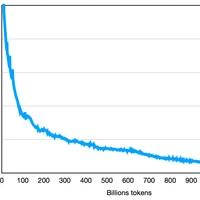

MASS: Motion-Aware Spatial-Temporal Grounding for Physics Reasoning and Comprehension in Vision-Language Models
Vision Language Models (VLMs) perform well on standard video tasks but struggle with physics-driven reasoning involving motion dynamics and spatial interactions. This limitation reduces their ability to interpret real or AI-generated content (AIGC) videos and to generate physically consistent content. We present an approach that addresses this gap by translating physical-world context cues into interpretable representations aligned with VLMs' perception, comprehension, and reasoning. We introduce MASS-Bench, a comprehensive benchmark consisting of 4,350 real-world and AIGC videos and 8,361 free-form video question-answering pairs focused on physics-related comprehension tasks, with detailed annotations including visual detections, sub-segment grounding, and full-sequence 3D motion tracking of entities. We further present MASS, a model-agnostic method that injects spatial-temporal signals into the VLM language space via depth-based 3D encoding and visual grounding, coupled with a motion tracker for object dynamics. To strengthen cross-modal alignment and reasoning, we apply reinforcement fine-tuning. Experiments and ablations show that our refined VLMs outperform comparable and larger baselines, as well as prior state-of-the-art models, by 8.7% and 6.0%, achieving performance comparable to close-source SoTA VLMs such as Gemini-2.5-Flash on physics reasoning and comprehension. These results validate the effectiveness of our approach.

Exploring Object-Centric Temporal Modeling for Efficient Multi-View 3D Object Detection
In this paper, we propose a long-sequence modeling framework, named StreamPETR, for multi-view 3D object detection. Built upon the sparse query design in the PETR series, we systematically develop an object-centric temporal mechanism. The model is performed in an online manner and the long-term historical information is propagated through object queries frame by frame. Besides, we introduce a motion-aware layer normalization to model the movement of the objects. StreamPETR achieves significant performance improvements only with negligible computation cost, compared to the single-frame baseline. On the standard nuScenes benchmark, it is the first online multi-view method that achieves comparable performance (67.6% NDS & 65.3% AMOTA) with lidar-based methods. The lightweight version realizes 45.0% mAP and 31.7 FPS, outperforming the state-of-the-art method (SOLOFusion) by 2.3% mAP and 1.8x faster FPS. Code has been available at https://github.com/exiawsh/StreamPETR.git.
Conditional Generative Modeling is All You Need for Marked Temporal Point Processes
Recent advancements in generative modeling have made it possible to generate high-quality content from context information, but a key question remains: how to teach models to know when to generate content? To answer this question, this study proposes a novel event generative model that draws its statistical intuition from marked temporal point processes, and offers a clean, flexible, and computationally efficient solution for a wide range of applications involving multi-dimensional marks. We aim to capture the distribution of the point process without explicitly specifying the conditional intensity or probability density. Instead, we use a conditional generator that takes the history of events as input and generates the high-quality subsequent event that is likely to occur given the prior observations. The proposed framework offers a host of benefits, including exceptional efficiency in learning the model and generating samples, as well as considerable representational power to capture intricate dynamics in multi- or even high-dimensional event space. Our numerical results demonstrate superior performance compared to other state-of-the-art baselines.
MTReD: 3D Reconstruction Dataset for Fly-over Videos of Maritime Domain
This work tackles 3D scene reconstruction for a video fly-over perspective problem in the maritime domain, with a specific emphasis on geometrically and visually sound reconstructions. This will allow for downstream tasks such as segmentation, navigation, and localization. To our knowledge, there is no dataset available in this domain. As such, we propose a novel maritime 3D scene reconstruction benchmarking dataset, named as MTReD (Maritime Three-Dimensional Reconstruction Dataset). The MTReD comprises 19 fly-over videos curated from the Internet containing ships, islands, and coastlines. As the task is aimed towards geometrical consistency and visual completeness, the dataset uses two metrics: (1) Reprojection error; and (2) Perception based metrics. We find that existing perception-based metrics, such as Learned Perceptual Image Patch Similarity (LPIPS), do not appropriately measure the completeness of a reconstructed image. Thus, we propose a novel semantic similarity metric utilizing DINOv2 features coined DiFPS (DinoV2 Features Perception Similarity). We perform initial evaluation on two baselines: (1) Structured from Motion (SfM) through Colmap; and (2) the recent state-of-the-art MASt3R model. We find that the reconstructed scenes by MASt3R have higher reprojection errors, but superior perception based metric scores. To this end, some pre-processing methods are explored, and we find a pre-processing method which improves both the reprojection error and perception-based score. We envisage our proposed MTReD to stimulate further research in these directions. The dataset and all the code will be made available in https://github.com/RuiYiYong/MTReD.
Motion-I2V: Consistent and Controllable Image-to-Video Generation with Explicit Motion Modeling
We introduce Motion-I2V, a novel framework for consistent and controllable image-to-video generation (I2V). In contrast to previous methods that directly learn the complicated image-to-video mapping, Motion-I2V factorizes I2V into two stages with explicit motion modeling. For the first stage, we propose a diffusion-based motion field predictor, which focuses on deducing the trajectories of the reference image's pixels. For the second stage, we propose motion-augmented temporal attention to enhance the limited 1-D temporal attention in video latent diffusion models. This module can effectively propagate reference image's feature to synthesized frames with the guidance of predicted trajectories from the first stage. Compared with existing methods, Motion-I2V can generate more consistent videos even at the presence of large motion and viewpoint variation. By training a sparse trajectory ControlNet for the first stage, Motion-I2V can support users to precisely control motion trajectories and motion regions with sparse trajectory and region annotations. This offers more controllability of the I2V process than solely relying on textual instructions. Additionally, Motion-I2V's second stage naturally supports zero-shot video-to-video translation. Both qualitative and quantitative comparisons demonstrate the advantages of Motion-I2V over prior approaches in consistent and controllable image-to-video generation.




EfficientMT: Efficient Temporal Adaptation for Motion Transfer in Text-to-Video Diffusion Models
The progress on generative models has led to significant advances on text-to-video (T2V) generation, yet the motion controllability of generated videos remains limited. Existing motion transfer methods explored the motion representations of reference videos to guide generation. Nevertheless, these methods typically rely on sample-specific optimization strategy, resulting in high computational burdens. In this paper, we propose EfficientMT, a novel and efficient end-to-end framework for video motion transfer. By leveraging a small set of synthetic paired motion transfer samples, EfficientMT effectively adapts a pretrained T2V model into a general motion transfer framework that can accurately capture and reproduce diverse motion patterns. Specifically, we repurpose the backbone of the T2V model to extract temporal information from reference videos, and further propose a scaler module to distill motion-related information. Subsequently, we introduce a temporal integration mechanism that seamlessly incorporates reference motion features into the video generation process. After training on our self-collected synthetic paired samples, EfficientMT enables general video motion transfer without requiring test-time optimization. Extensive experiments demonstrate that our EfficientMT outperforms existing methods in efficiency while maintaining flexible motion controllability. Our code will be available https://github.com/PrototypeNx/EfficientMT.

Event-boosted Deformable 3D Gaussians for Fast Dynamic Scene Reconstruction
3D Gaussian Splatting (3D-GS) enables real-time rendering but struggles with fast motion due to low temporal resolution of RGB cameras. To address this, we introduce the first approach combining event cameras, which capture high-temporal-resolution, continuous motion data, with deformable 3D-GS for fast dynamic scene reconstruction. We observe that threshold modeling for events plays a crucial role in achieving high-quality reconstruction. Therefore, we propose a GS-Threshold Joint Modeling (GTJM) strategy, creating a mutually reinforcing process that greatly improves both 3D reconstruction and threshold modeling. Moreover, we introduce a Dynamic-Static Decomposition (DSD) strategy that first identifies dynamic areas by exploiting the inability of static Gaussians to represent motions, then applies a buffer-based soft decomposition to separate dynamic and static areas. This strategy accelerates rendering by avoiding unnecessary deformation in static areas, and focuses on dynamic areas to enhance fidelity. Our approach achieves high-fidelity dynamic reconstruction at 156 FPS with a 400times400 resolution on an RTX 3090 GPU.
3D Motion Magnification: Visualizing Subtle Motions with Time Varying Radiance Fields
Motion magnification helps us visualize subtle, imperceptible motion. However, prior methods only work for 2D videos captured with a fixed camera. We present a 3D motion magnification method that can magnify subtle motions from scenes captured by a moving camera, while supporting novel view rendering. We represent the scene with time-varying radiance fields and leverage the Eulerian principle for motion magnification to extract and amplify the variation of the embedding of a fixed point over time. We study and validate our proposed principle for 3D motion magnification using both implicit and tri-plane-based radiance fields as our underlying 3D scene representation. We evaluate the effectiveness of our method on both synthetic and real-world scenes captured under various camera setups.


MM-Pyramid: Multimodal Pyramid Attentional Network for Audio-Visual Event Localization and Video Parsing
Recognizing and localizing events in videos is a fundamental task for video understanding. Since events may occur in auditory and visual modalities, multimodal detailed perception is essential for complete scene comprehension. Most previous works attempted to analyze videos from a holistic perspective. However, they do not consider semantic information at multiple scales, which makes the model difficult to localize events in different lengths. In this paper, we present a Multimodal Pyramid Attentional Network (MM-Pyramid) for event localization. Specifically, we first propose the attentive feature pyramid module. This module captures temporal pyramid features via several stacking pyramid units, each of them is composed of a fixed-size attention block and dilated convolution block. We also design an adaptive semantic fusion module, which leverages a unit-level attention block and a selective fusion block to integrate pyramid features interactively. Extensive experiments on audio-visual event localization and weakly-supervised audio-visual video parsing tasks verify the effectiveness of our approach.

Articulate That Object Part (ATOP): 3D Part Articulation via Text and Motion Personalization
We present ATOP (Articulate That Object Part), a novel few-shot method based on motion personalization to articulate a static 3D object with respect to a part and its motion as prescribed in a text prompt. Given the scarcity of available datasets with motion attribute annotations, existing methods struggle to generalize well in this task. In our work, the text input allows us to tap into the power of modern-day diffusion models to generate plausible motion samples for the right object category and part. In turn, the input 3D object provides image prompting to personalize the generated video to that very object we wish to articulate. Our method starts with a few-shot finetuning for category-specific motion generation, a key first step to compensate for the lack of articulation awareness by current diffusion models. For this, we finetune a pre-trained multi-view image generation model for controllable multi-view video generation, using a small collection of video samples obtained for the target object category. This is followed by motion video personalization that is realized by multi-view rendered images of the target 3D object. At last, we transfer the personalized video motion to the target 3D object via differentiable rendering to optimize part motion parameters by a score distillation sampling loss. Experimental results on PartNet-Sapien and ACD datasets show that our method is capable of generating realistic motion videos and predicting 3D motion parameters in a more accurate and generalizable way, compared to prior works in the few-shot setting.
Modelling Human Visual Motion Processing with Trainable Motion Energy Sensing and a Self-attention Network
Visual motion processing is essential for humans to perceive and interact with dynamic environments. Despite extensive research in cognitive neuroscience, image-computable models that can extract informative motion flow from natural scenes in a manner consistent with human visual processing have yet to be established. Meanwhile, recent advancements in computer vision (CV), propelled by deep learning, have led to significant progress in optical flow estimation, a task closely related to motion perception. Here we propose an image-computable model of human motion perception by bridging the gap between biological and CV models. Specifically, we introduce a novel two-stages approach that combines trainable motion energy sensing with a recurrent self-attention network for adaptive motion integration and segregation. This model architecture aims to capture the computations in V1-MT, the core structure for motion perception in the biological visual system, while providing the ability to derive informative motion flow for a wide range of stimuli, including complex natural scenes. In silico neurophysiology reveals that our model's unit responses are similar to mammalian neural recordings regarding motion pooling and speed tuning. The proposed model can also replicate human responses to a range of stimuli examined in past psychophysical studies. The experimental results on the Sintel benchmark demonstrate that our model predicts human responses better than the ground truth, whereas the state-of-the-art CV models show the opposite. Our study provides a computational architecture consistent with human visual motion processing, although the physiological correspondence may not be exact.
Go Beyond Earth: Understanding Human Actions and Scenes in Microgravity Environments
Despite substantial progress in video understanding, most existing datasets are limited to Earth's gravitational conditions. However, microgravity alters human motion, interactions, and visual semantics, revealing a critical gap for real-world vision systems. This presents a challenge for domain-robust video understanding in safety-critical space applications. To address this, we introduce MicroG-4M, the first benchmark for spatio-temporal and semantic understanding of human activities in microgravity. Constructed from real-world space missions and cinematic simulations, the dataset includes 4,759 clips covering 50 actions, 1,238 context-rich captions, and over 7,000 question-answer pairs on astronaut activities and scene understanding. MicroG-4M supports three core tasks: fine-grained multi-label action recognition, temporal video captioning, and visual question answering, enabling a comprehensive evaluation of both spatial localization and semantic reasoning in microgravity contexts. We establish baselines using state-of-the-art models. All data, annotations, and code are available at https://github.com/LEI-QI-233/HAR-in-Space.
N-ImageNet: Towards Robust, Fine-Grained Object Recognition with Event Cameras
We introduce N-ImageNet, a large-scale dataset targeted for robust, fine-grained object recognition with event cameras. The dataset is collected using programmable hardware in which an event camera consistently moves around a monitor displaying images from ImageNet. N-ImageNet serves as a challenging benchmark for event-based object recognition, due to its large number of classes and samples. We empirically show that pretraining on N-ImageNet improves the performance of event-based classifiers and helps them learn with few labeled data. In addition, we present several variants of N-ImageNet to test the robustness of event-based classifiers under diverse camera trajectories and severe lighting conditions, and propose a novel event representation to alleviate the performance degradation. To the best of our knowledge, we are the first to quantitatively investigate the consequences caused by various environmental conditions on event-based object recognition algorithms. N-ImageNet and its variants are expected to guide practical implementations for deploying event-based object recognition algorithms in the real world.
Fine-tuning Segment Anything for Real-Time Tumor Tracking in Cine-MRI
In this work, we address the TrackRAD2025 challenge of real-time tumor tracking in cine-MRI sequences of the thoracic and abdominal regions under strong data scarcity constraints. Two complementary strategies were explored: (i) unsupervised registration with the IMPACT similarity metric and (ii) foundation model-based segmentation leveraging SAM 2.1 and its recent variants through prompt-based interaction. Due to the one-second runtime constraint, the SAM-based method was ultimately selected. The final configuration used SAM2.1 b+ with mask-based prompts from the first annotated slice, fine-tuned solely on the small labeled subset from TrackRAD2025. Training was configured to minimize overfitting, using 1024x1024 patches (batch size 1), standard augmentations, and a balanced Dice + IoU loss. A low uniform learning rate (0.0001) was applied to all modules (prompt encoder, decoder, Hiera backbone) to preserve generalization while adapting to annotator-specific styles. Training lasted 300 epochs (~12h on RTX A6000, 48GB). The same inference strategy was consistently applied across all anatomical sites and MRI field strengths. Test-time augmentation was considered but ultimately discarded due to negligible performance gains. The final model was selected based on the highest Dice Similarity Coefficient achieved on the validation set after fine-tuning. On the hidden test set, the model reached a Dice score of 0.8794, ranking 6th overall in the TrackRAD2025 challenge. These results highlight the strong potential of foundation models for accurate and real-time tumor tracking in MRI-guided radiotherapy.

Human Motion Diffusion Model
Natural and expressive human motion generation is the holy grail of computer animation. It is a challenging task, due to the diversity of possible motion, human perceptual sensitivity to it, and the difficulty of accurately describing it. Therefore, current generative solutions are either low-quality or limited in expressiveness. Diffusion models, which have already shown remarkable generative capabilities in other domains, are promising candidates for human motion due to their many-to-many nature, but they tend to be resource hungry and hard to control. In this paper, we introduce Motion Diffusion Model (MDM), a carefully adapted classifier-free diffusion-based generative model for the human motion domain. MDM is transformer-based, combining insights from motion generation literature. A notable design-choice is the prediction of the sample, rather than the noise, in each diffusion step. This facilitates the use of established geometric losses on the locations and velocities of the motion, such as the foot contact loss. As we demonstrate, MDM is a generic approach, enabling different modes of conditioning, and different generation tasks. We show that our model is trained with lightweight resources and yet achieves state-of-the-art results on leading benchmarks for text-to-motion and action-to-motion. https://guytevet.github.io/mdm-page/ .
Example-based Motion Synthesis via Generative Motion Matching
We present GenMM, a generative model that "mines" as many diverse motions as possible from a single or few example sequences. In stark contrast to existing data-driven methods, which typically require long offline training time, are prone to visual artifacts, and tend to fail on large and complex skeletons, GenMM inherits the training-free nature and the superior quality of the well-known Motion Matching method. GenMM can synthesize a high-quality motion within a fraction of a second, even with highly complex and large skeletal structures. At the heart of our generative framework lies the generative motion matching module, which utilizes the bidirectional visual similarity as a generative cost function to motion matching, and operates in a multi-stage framework to progressively refine a random guess using exemplar motion matches. In addition to diverse motion generation, we show the versatility of our generative framework by extending it to a number of scenarios that are not possible with motion matching alone, including motion completion, key frame-guided generation, infinite looping, and motion reassembly. Code and data for this paper are at https://wyysf-98.github.io/GenMM/


MotionRAG: Motion Retrieval-Augmented Image-to-Video Generation
Image-to-video generation has made remarkable progress with the advancements in diffusion models, yet generating videos with realistic motion remains highly challenging. This difficulty arises from the complexity of accurately modeling motion, which involves capturing physical constraints, object interactions, and domain-specific dynamics that are not easily generalized across diverse scenarios. To address this, we propose MotionRAG, a retrieval-augmented framework that enhances motion realism by adapting motion priors from relevant reference videos through Context-Aware Motion Adaptation (CAMA). The key technical innovations include: (i) a retrieval-based pipeline extracting high-level motion features using video encoder and specialized resamplers to distill semantic motion representations; (ii) an in-context learning approach for motion adaptation implemented through a causal transformer architecture; (iii) an attention-based motion injection adapter that seamlessly integrates transferred motion features into pretrained video diffusion models. Extensive experiments demonstrate that our method achieves significant improvements across multiple domains and various base models, all with negligible computational overhead during inference. Furthermore, our modular design enables zero-shot generalization to new domains by simply updating the retrieval database without retraining any components. This research enhances the core capability of video generation systems by enabling the effective retrieval and transfer of motion priors, facilitating the synthesis of realistic motion dynamics.

