
Get trending papers in your email inbox once a day!
Get trending papers in your email inbox!
Subscribe
TAG-MoE: Task-Aware Gating for Unified Generative Mixture-of-Experts
Unified image generation and editing models suffer from severe task interference in dense diffusion transformers architectures, where a shared parameter space must compromise between conflicting objectives (e.g., local editing v.s. subject-driven generation). While the sparse Mixture-of-Experts (MoE) paradigm is a promising solution, its gating networks remain task-agnostic, operating based on local features, unaware of global task intent. This task-agnostic nature prevents meaningful specialization and fails to resolve the underlying task interference. In this paper, we propose a novel framework to inject semantic intent into MoE routing. We introduce a Hierarchical Task Semantic Annotation scheme to create structured task descriptors (e.g., scope, type, preservation). We then design Predictive Alignment Regularization to align internal routing decisions with the task's high-level semantics. This regularization evolves the gating network from a task-agnostic executor to a dispatch center. Our model effectively mitigates task interference, outperforming dense baselines in fidelity and quality, and our analysis shows that experts naturally develop clear and semantically correlated specializations.

CameraMaster: Unified Camera Semantic-Parameter Control for Photography Retouching
Text-guided diffusion models have greatly advanced image editing and generation. However, achieving physically consistent image retouching with precise parameter control (e.g., exposure, white balance, zoom) remains challenging. Existing methods either rely solely on ambiguous and entangled text prompts, which hinders precise camera control, or train separate heads/weights for parameter adjustment, which compromises scalability, multi-parameter composition, and sensitivity to subtle variations. To address these limitations, we propose CameraMaster, a unified camera-aware framework for image retouching. The key idea is to explicitly decouple the camera directive and then coherently integrate two critical information streams: a directive representation that captures the photographer's intent, and a parameter embedding that encodes precise camera settings. CameraMaster first uses the camera parameter embedding to modulate both the camera directive and the content semantics. The modulated directive is then injected into the content features via cross-attention, yielding a strongly camera-sensitive semantic context. In addition, the directive and camera embeddings are injected as conditioning and gating signals into the time embedding, enabling unified, layer-wise modulation throughout the denoising process and enforcing tight semantic-parameter alignment. To train and evaluate CameraMaster, we construct a large-scale dataset of 78K image-prompt pairs annotated with camera parameters. Extensive experiments show that CameraMaster produces monotonic and near-linear responses to parameter variations, supports seamless multi-parameter composition, and significantly outperforms existing methods.

SkillFormer: Unified Multi-View Video Understanding for Proficiency Estimation
Assessing human skill levels in complex activities is a challenging problem with applications in sports, rehabilitation, and training. In this work, we present SkillFormer, a parameter-efficient architecture for unified multi-view proficiency estimation from egocentric and exocentric videos. Building on the TimeSformer backbone, SkillFormer introduces a CrossViewFusion module that fuses view-specific features using multi-head cross-attention, learnable gating, and adaptive self-calibration. We leverage Low-Rank Adaptation to fine-tune only a small subset of parameters, significantly reducing training costs. In fact, when evaluated on the EgoExo4D dataset, SkillFormer achieves state-of-the-art accuracy in multi-view settings while demonstrating remarkable computational efficiency, using 4.5x fewer parameters and requiring 3.75x fewer training epochs than prior baselines. It excels in multiple structured tasks, confirming the value of multi-view integration for fine-grained skill assessment.


Language-Guided Multi-Agent Learning in Simulations: A Unified Framework and Evaluation
This paper introduces LLM-MARL, a unified framework that incorporates large language models (LLMs) into multi-agent reinforcement learning (MARL) to enhance coordination, communication, and generalization in simulated game environments. The framework features three modular components of Coordinator, Communicator, and Memory, which dynamically generate subgoals, facilitate symbolic inter-agent messaging, and support episodic recall. Training combines PPO with a language-conditioned loss and LLM query gating. LLM-MARL is evaluated in Google Research Football, MAgent Battle, and StarCraft II. Results show consistent improvements over MAPPO and QMIX in win rate, coordination score, and zero-shot generalization. Ablation studies demonstrate that subgoal generation and language-based messaging each contribute significantly to performance gains. Qualitative analysis reveals emergent behaviors such as role specialization and communication-driven tactics. By bridging language modeling and policy learning, this work contributes to the design of intelligent, cooperative agents in interactive simulations. It offers a path forward for leveraging LLMs in multi-agent systems used for training, games, and human-AI collaboration.
Mastering Text, Code and Math Simultaneously via Fusing Highly Specialized Language Models
Underlying data distributions of natural language, programming code, and mathematical symbols vary vastly, presenting a complex challenge for large language models (LLMs) that strive to achieve high performance across all three domains simultaneously. Achieving a very high level of proficiency for an LLM within a specific domain often requires extensive training with relevant corpora, which is typically accompanied by a sacrifice in performance in other domains. In this paper, we propose to fuse models that are already highly-specialized directly. The proposed fusing framework, UltraFuser, consists of three distinct specialists that are already sufficiently trained on language, coding, and mathematics. A token-level gating mechanism is introduced to blend the specialists' outputs. A two-stage training strategy accompanied by balanced sampling is designed to ensure stability. To effectively train the fused model, we further construct a high-quality supervised instruction tuning dataset, UltraChat 2, which includes text, code, and mathematical content. This dataset comprises approximately 300,000 instructions and covers a wide range of topics in each domain. Experiments show that our model could simultaneously achieve mastery of the three crucial domains.


Gated Attention for Large Language Models: Non-linearity, Sparsity, and Attention-Sink-Free
Gating mechanisms have been widely utilized, from early models like LSTMs and Highway Networks to recent state space models, linear attention, and also softmax attention. Yet, existing literature rarely examines the specific effects of gating. In this work, we conduct comprehensive experiments to systematically investigate gating-augmented softmax attention variants. Specifically, we perform a comprehensive comparison over 30 variants of 15B Mixture-of-Experts (MoE) models and 1.7B dense models trained on a 3.5 trillion token dataset. Our central finding is that a simple modification-applying a head-specific sigmoid gate after the Scaled Dot-Product Attention (SDPA)-consistently improves performance. This modification also enhances training stability, tolerates larger learning rates, and improves scaling properties. By comparing various gating positions and computational variants, we attribute this effectiveness to two key factors: (1) introducing non-linearity upon the low-rank mapping in the softmax attention, and (2) applying query-dependent sparse gating scores to modulate the SDPA output. Notably, we find this sparse gating mechanism mitigates 'attention sink' and enhances long-context extrapolation performance, and we also release related https://github.com/qiuzh20/gated_attention{codes} and https://huggingface.co/QwQZh/gated_attention{models} to facilitate future research.
Recurrence Meets Transformers for Universal Multimodal Retrieval
With the rapid advancement of multimodal retrieval and its application in LLMs and multimodal LLMs, increasingly complex retrieval tasks have emerged. Existing methods predominantly rely on task-specific fine-tuning of vision-language models and are limited to single-modality queries or documents. In this paper, we propose ReT-2, a unified retrieval model that supports multimodal queries, composed of both images and text, and searches across multimodal document collections where text and images coexist. ReT-2 leverages multi-layer representations and a recurrent Transformer architecture with LSTM-inspired gating mechanisms to dynamically integrate information across layers and modalities, capturing fine-grained visual and textual details. We evaluate ReT-2 on the challenging M2KR and M-BEIR benchmarks across different retrieval configurations. Results demonstrate that ReT-2 consistently achieves state-of-the-art performance across diverse settings, while offering faster inference and reduced memory usage compared to prior approaches. When integrated into retrieval-augmented generation pipelines, ReT-2 also improves downstream performance on Encyclopedic-VQA and InfoSeek datasets. Our source code and trained models are publicly available at: https://github.com/aimagelab/ReT-2
LiRank: Industrial Large Scale Ranking Models at LinkedIn
We present LiRank, a large-scale ranking framework at LinkedIn that brings to production state-of-the-art modeling architectures and optimization methods. We unveil several modeling improvements, including Residual DCN, which adds attention and residual connections to the famous DCNv2 architecture. We share insights into combining and tuning SOTA architectures to create a unified model, including Dense Gating, Transformers and Residual DCN. We also propose novel techniques for calibration and describe how we productionalized deep learning based explore/exploit methods. To enable effective, production-grade serving of large ranking models, we detail how to train and compress models using quantization and vocabulary compression. We provide details about the deployment setup for large-scale use cases of Feed ranking, Jobs Recommendations, and Ads click-through rate (CTR) prediction. We summarize our learnings from various A/B tests by elucidating the most effective technical approaches. These ideas have contributed to relative metrics improvements across the board at LinkedIn: +0.5% member sessions in the Feed, +1.76% qualified job applications for Jobs search and recommendations, and +4.3% for Ads CTR. We hope this work can provide practical insights and solutions for practitioners interested in leveraging large-scale deep ranking systems.



RAVEN: Query-Guided Representation Alignment for Question Answering over Audio, Video, Embedded Sensors, and Natural Language
Multimodal question answering (QA) often requires identifying which video, audio, or sensor tokens are relevant to the question. Yet modality disagreements are common: off-camera speech, background noise, or motion outside the field of view often mislead fusion models that weight all streams equally. We present RAVEN, a unified QA architecture whose core is QuART, a query-conditioned cross-modal gating module that assigns scalar relevance scores to each token across modalities, enabling the model to amplify informative signals and suppress distractors before fusion. RAVEN is trained through a three-stage pipeline comprising unimodal pretraining, query-aligned fusion, and disagreement-oriented fine-tuning -- each stage targeting a distinct challenge in multi-modal reasoning: representation quality, cross-modal relevance, and robustness to modality mismatch. To support training and evaluation, we release AVS-QA, a dataset of 300K synchronized Audio--Video-Sensor streams paired with automatically generated question-answer pairs. Experimental results on seven multi-modal QA benchmarks -- including egocentric and exocentric tasks -- show that RAVEN achieves up to 14.5\% and 8.0\% gains in accuracy compared to state-of-the-art multi-modal large language models, respectively. Incorporating sensor data provides an additional 16.4\% boost, and the model remains robust under modality corruption, outperforming SOTA baselines by 50.23\%. Our code and dataset are available at https://github.com/BASHLab/RAVEN.
Smaller But Better: Unifying Layout Generation with Smaller Large Language Models
We propose LGGPT, an LLM-based model tailored for unified layout generation. First, we propose Arbitrary Layout Instruction (ALI) and Universal Layout Response (ULR) as the uniform I/O template. ALI accommodates arbitrary layout generation task inputs across multiple layout domains, enabling LGGPT to unify both task-generic and domain-generic layout generation hitherto unexplored. Collectively, ALI and ULR boast a succinct structure that forgoes superfluous tokens typically found in existing HTML-based formats, facilitating efficient instruction tuning and boosting unified generation performance. In addition, we propose an Interval Quantization Encoding (IQE) strategy that compresses ALI into a more condensed structure. IQE precisely preserves valid layout clues while eliminating the less informative placeholders, facilitating LGGPT to capture complex and variable layout generation conditions during the unified training process. Experimental results demonstrate that LGGPT achieves superior or on par performance compared to existing methods. Notably, LGGPT strikes a prominent balance between proficiency and efficiency with a compact 1.5B parameter LLM, which beats prior 7B or 175B models even in the most extensive and challenging unified scenario. Furthermore, we underscore the necessity of employing LLMs for unified layout generation and suggest that 1.5B could be an optimal parameter size by comparing LLMs of varying scales. Code is available at https://github.com/NiceRingNode/LGGPT.
Generation Enhances Understanding in Unified Multimodal Models via Multi-Representation Generation
Unified Multimodal Models (UMMs) integrate both visual understanding and generation within a single framework. Their ultimate aspiration is to create a cycle where understanding and generation mutually reinforce each other. While recent post-training methods have successfully leveraged understanding to enhance generation, the reverse direction of utilizing generation to improve understanding remains largely unexplored. In this work, we propose UniMRG (Unified Multi-Representation Generation), a simple yet effective architecture-agnostic post-training method. UniMRG enhances the understanding capabilities of UMMs by incorporating auxiliary generation tasks. Specifically, we train UMMs to generate multiple intrinsic representations of input images, namely pixel (reconstruction), depth (geometry), and segmentation (structure), alongside standard visual understanding objectives. By synthesizing these diverse representations, UMMs capture complementary information regarding appearance, spatial relations, and structural layout. Consequently, UMMs develop a deeper and more comprehensive understanding of visual inputs. Extensive experiments across diverse UMM architectures demonstrate that our method notably enhances fine-grained perception, reduces hallucinations, and improves spatial understanding, while simultaneously boosting generation capabilities.
Expanded Gating Ranges Improve Activation Functions
Activation functions are core components of all deep learning architectures. Currently, the most popular activation functions are smooth ReLU variants like GELU and SiLU. These are self-gated activation functions where the range of the gating function is between zero and one. In this paper, we explore the viability of using arctan as a gating mechanism. A self-gated activation function that uses arctan as its gating function has a monotonically increasing first derivative. To make this activation function competitive, it is necessary to introduce a trainable parameter for every MLP block to expand the range of the gating function beyond zero and one. We find that this technique also improves existing self-gated activation functions. We conduct an empirical evaluation of Expanded ArcTan Linear Unit (xATLU), Expanded GELU (xGELU), and Expanded SiLU (xSiLU) and show that they outperform existing activation functions within a transformer architecture. Additionally, expanded gating ranges show promising results in improving first-order Gated Linear Units (GLU).
RealUnify: Do Unified Models Truly Benefit from Unification? A Comprehensive Benchmark
The integration of visual understanding and generation into unified multimodal models represents a significant stride toward general-purpose AI. However, a fundamental question remains unanswered by existing benchmarks: does this architectural unification actually enable synergetic interaction between the constituent capabilities? Existing evaluation paradigms, which primarily assess understanding and generation in isolation, are insufficient for determining whether a unified model can leverage its understanding to enhance its generation, or use generative simulation to facilitate deeper comprehension. To address this critical gap, we introduce RealUnify, a benchmark specifically designed to evaluate bidirectional capability synergy. RealUnify comprises 1,000 meticulously human-annotated instances spanning 10 categories and 32 subtasks. It is structured around two core axes: 1) Understanding Enhances Generation, which requires reasoning (e.g., commonsense, logic) to guide image generation, and 2) Generation Enhances Understanding, which necessitates mental simulation or reconstruction (e.g., of transformed or disordered visual inputs) to solve reasoning tasks. A key contribution is our dual-evaluation protocol, which combines direct end-to-end assessment with a diagnostic stepwise evaluation that decomposes tasks into distinct understanding and generation phases. This protocol allows us to precisely discern whether performance bottlenecks stem from deficiencies in core abilities or from a failure to integrate them. Through large-scale evaluations of 12 leading unified models and 6 specialized baselines, we find that current unified models still struggle to achieve effective synergy, indicating that architectural unification alone is insufficient. These results highlight the need for new training strategies and inductive biases to fully unlock the potential of unified modeling.



Learning to Skip the Middle Layers of Transformers
Conditional computation is a popular strategy to make Transformers more efficient. Existing methods often target individual modules (e.g., mixture-of-experts layers) or skip layers independently of one another. However, interpretability research has demonstrated that the middle layers of Transformers exhibit greater redundancy, and that early layers aggregate information into token positions. Guided by these insights, we propose a novel architecture that dynamically skips a variable number of layers from the middle outward. In particular, a learned gating mechanism determines whether to bypass a symmetric span of central blocks based on the input, and a gated attention mechanism prevents subsequent tokens from attending to skipped token positions. Residual norms are controlled with a 'sandwich' or 'perilayernorm' scheme and gate sparsity with an adaptive regularization loss. We had aimed to reduce compute requirements for 'simpler' tokens and potentially foster an emergent multi-level representational hierarchy but, at the scales investigated, our approach does not achieve improvements in the trade-off between validation cross-entropy and estimated FLOPs compared to dense baselines with fewer layers. We release our code at https://github.com/tim-lawson/skip-middle.

Gated Delta Networks: Improving Mamba2 with Delta Rule
Linear Transformers have gained attention as efficient alternatives to standard Transformers, but their performance in retrieval and long-context tasks has been limited. To address these limitations, recent work has explored two distinct mechanisms: gating for adaptive memory control and the delta update rule for precise memory modifications. We observe that these mechanisms are complementary: gating enables rapid memory erasure while the delta rule facilitates targeted updates. Building on this insight, we introduce the gated delta rule and develop a parallel training algorithm optimized for modern hardware. Our proposed architecture, Gated DeltaNet, consistently surpasses existing models like Mamba2 and DeltaNet across multiple benchmarks, including language modeling, common-sense reasoning, in-context retrieval, length extrapolation, and long-context understanding. We further enhance performance by developing hybrid architectures that combine Gated DeltaNet layers with sliding window attention or Mamba2 layers, achieving both improved training efficiency and superior task performance.


Universal In-Context Approximation By Prompting Fully Recurrent Models
Zero-shot and in-context learning enable solving tasks without model fine-tuning, making them essential for developing generative model solutions. Therefore, it is crucial to understand whether a pretrained model can be prompted to approximate any function, i.e., whether it is a universal in-context approximator. While it was recently shown that transformer models do possess this property, these results rely on their attention mechanism. Hence, these findings do not apply to fully recurrent architectures like RNNs, LSTMs, and the increasingly popular SSMs. We demonstrate that RNNs, LSTMs, GRUs, Linear RNNs, and linear gated architectures such as Mamba and Hawk/Griffin can also serve as universal in-context approximators. To streamline our argument, we introduce a programming language called LSRL that compiles to these fully recurrent architectures. LSRL may be of independent interest for further studies of fully recurrent models, such as constructing interpretability benchmarks. We also study the role of multiplicative gating and observe that architectures incorporating such gating (e.g., LSTMs, GRUs, Hawk/Griffin) can implement certain operations more stably, making them more viable candidates for practical in-context universal approximation.
Depthwise Convolution is All You Need for Learning Multiple Visual Domains
There is a growing interest in designing models that can deal with images from different visual domains. If there exists a universal structure in different visual domains that can be captured via a common parameterization, then we can use a single model for all domains rather than one model per domain. A model aware of the relationships between different domains can also be trained to work on new domains with less resources. However, to identify the reusable structure in a model is not easy. In this paper, we propose a multi-domain learning architecture based on depthwise separable convolution. The proposed approach is based on the assumption that images from different domains share cross-channel correlations but have domain-specific spatial correlations. The proposed model is compact and has minimal overhead when being applied to new domains. Additionally, we introduce a gating mechanism to promote soft sharing between different domains. We evaluate our approach on Visual Decathlon Challenge, a benchmark for testing the ability of multi-domain models. The experiments show that our approach can achieve the highest score while only requiring 50% of the parameters compared with the state-of-the-art approaches.
UnifiedGesture: A Unified Gesture Synthesis Model for Multiple Skeletons
The automatic co-speech gesture generation draws much attention in computer animation. Previous works designed network structures on individual datasets, which resulted in a lack of data volume and generalizability across different motion capture standards. In addition, it is a challenging task due to the weak correlation between speech and gestures. To address these problems, we present UnifiedGesture, a novel diffusion model-based speech-driven gesture synthesis approach, trained on multiple gesture datasets with different skeletons. Specifically, we first present a retargeting network to learn latent homeomorphic graphs for different motion capture standards, unifying the representations of various gestures while extending the dataset. We then capture the correlation between speech and gestures based on a diffusion model architecture using cross-local attention and self-attention to generate better speech-matched and realistic gestures. To further align speech and gesture and increase diversity, we incorporate reinforcement learning on the discrete gesture units with a learned reward function. Extensive experiments show that UnifiedGesture outperforms recent approaches on speech-driven gesture generation in terms of CCA, FGD, and human-likeness. All code, pre-trained models, databases, and demos are available to the public at https://github.com/YoungSeng/UnifiedGesture.
GateON: an unsupervised method for large scale continual learning
The objective of continual learning (CL) is to learn tasks sequentially without retraining on earlier tasks. However, when subjected to CL, traditional neural networks exhibit catastrophic forgetting and limited generalization. To overcome these problems, we introduce a novel method called 'Gate and Obstruct Network' (GateON). GateON combines learnable gating of activity and online estimation of parameter relevance to safeguard crucial knowledge from being overwritten. Our method generates partially overlapping pathways between tasks which permits forward and backward transfer during sequential learning. GateON addresses the issue of network saturation after parameter fixation by a re-activation mechanism of fixed neurons, enabling large-scale continual learning. GateON is implemented on a wide range of networks (fully-connected, CNN, Transformers), has low computational complexity, effectively learns up to 100 MNIST learning tasks, and achieves top-tier results for pre-trained BERT in CL-based NLP tasks.
MSViT: Dynamic Mixed-Scale Tokenization for Vision Transformers
The input tokens to Vision Transformers carry little semantic meaning as they are defined as regular equal-sized patches of the input image, regardless of its content. However, processing uniform background areas of an image should not necessitate as much compute as dense, cluttered areas. To address this issue, we propose a dynamic mixed-scale tokenization scheme for ViT, MSViT. Our method introduces a conditional gating mechanism that selects the optimal token scale for every image region, such that the number of tokens is dynamically determined per input. The proposed gating module is lightweight, agnostic to the choice of transformer backbone, and trained within a few epochs (e.g., 20 epochs on ImageNet) with little training overhead. In addition, to enhance the conditional behavior of the gate during training, we introduce a novel generalization of the batch-shaping loss. We show that our gating module is able to learn meaningful semantics despite operating locally at the coarse patch-level. We validate MSViT on the tasks of classification and segmentation where it leads to improved accuracy-complexity trade-off.


Unified-IO: A Unified Model for Vision, Language, and Multi-Modal Tasks
We propose Unified-IO, a model that performs a large variety of AI tasks spanning classical computer vision tasks, including pose estimation, object detection, depth estimation and image generation, vision-and-language tasks such as region captioning and referring expression, to natural language processing tasks such as question answering and paraphrasing. Developing a single unified model for such a large variety of tasks poses unique challenges due to the heterogeneous inputs and outputs pertaining to each task, including RGB images, per-pixel maps, binary masks, bounding boxes, and language. We achieve this unification by homogenizing every supported input and output into a sequence of discrete vocabulary tokens. This common representation across all tasks allows us to train a single transformer-based architecture, jointly on over 90 diverse datasets in the vision and language fields. Unified-IO is the first model capable of performing all 7 tasks on the GRIT benchmark and produces strong results across 16 diverse benchmarks like NYUv2-Depth, ImageNet, VQA2.0, OK-VQA, Swig, VizWizGround, BoolQ, and SciTail, with no task-specific fine-tuning. Code and demos for Unified-IO are available at: https://unified-io.allenai.org.

UniMoE-Audio: Unified Speech and Music Generation with Dynamic-Capacity MoE
Recent advances in unified multimodal models indicate a clear trend towards comprehensive content generation. However, the auditory domain remains a significant challenge, with music and speech often developed in isolation, hindering progress towards universal audio synthesis. This separation stems from inherent task conflicts and severe data imbalances, which impede the development of a truly unified audio generation model. To address this challenge, we propose UniMoE-Audio, a unified speech and music generation model within a novel Dynamic-Capacity Mixture-of-Experts (MoE) framework. Architecturally, UniMoE-Audio introduces a Top-P routing strategy for dynamic expert number allocation, and a hybrid expert design comprising routed experts for domain-specific knowledge, shared experts for domain-agnostic features, and null experts for adaptive computation skipping. To tackle data imbalance, we introduce a three-stage training curriculum: 1) Independent Specialist Training leverages original datasets to instill domain-specific knowledge into each "proto-expert" without interference; 2) MoE Integration and Warmup incorporates these specialists into the UniMoE-Audio architecture, warming up the gate module and shared expert using a subset of balanced dataset; and 3) Synergistic Joint Training trains the entire model end-to-end on the fully balanced dataset, fostering enhanced cross-domain synergy. Extensive experiments show that UniMoE-Audio not only achieves state-of-the-art performance on major speech and music generation benchmarks, but also demonstrates superior synergistic learning, mitigating the performance degradation typically seen in naive joint training. Our findings highlight the substantial potential of specialized MoE architecture and curated training strategies in advancing the field of universal audio generation. Homepage: https://mukioxun.github.io/Uni-MoE-site/home.html

Unified Multimodal Understanding and Generation Models: Advances, Challenges, and Opportunities
Recent years have seen remarkable progress in both multimodal understanding models and image generation models. Despite their respective successes, these two domains have evolved independently, leading to distinct architectural paradigms: While autoregressive-based architectures have dominated multimodal understanding, diffusion-based models have become the cornerstone of image generation. Recently, there has been growing interest in developing unified frameworks that integrate these tasks. The emergence of GPT-4o's new capabilities exemplifies this trend, highlighting the potential for unification. However, the architectural differences between the two domains pose significant challenges. To provide a clear overview of current efforts toward unification, we present a comprehensive survey aimed at guiding future research. First, we introduce the foundational concepts and recent advancements in multimodal understanding and text-to-image generation models. Next, we review existing unified models, categorizing them into three main architectural paradigms: diffusion-based, autoregressive-based, and hybrid approaches that fuse autoregressive and diffusion mechanisms. For each category, we analyze the structural designs and innovations introduced by related works. Additionally, we compile datasets and benchmarks tailored for unified models, offering resources for future exploration. Finally, we discuss the key challenges facing this nascent field, including tokenization strategy, cross-modal attention, and data. As this area is still in its early stages, we anticipate rapid advancements and will regularly update this survey. Our goal is to inspire further research and provide a valuable reference for the community. The references associated with this survey are available on GitHub (https://github.com/AIDC-AI/Awesome-Unified-Multimodal-Models).



Unified Video Action Model
A unified video and action model holds significant promise for robotics, where videos provide rich scene information for action prediction, and actions provide dynamics information for video prediction. However, effectively combining video generation and action prediction remains challenging, and current video generation-based methods struggle to match the performance of direct policy learning in action accuracy and inference speed. To bridge this gap, we introduce the Unified Video Action model (UVA), which jointly optimizes video and action predictions to achieve both high accuracy and efficient action inference. The key lies in learning a joint video-action latent representation and decoupling video-action decoding. The joint latent representation bridges the visual and action domains, effectively modeling the relationship between video and action sequences. Meanwhile, the decoupled decoding, powered by two lightweight diffusion heads, enables high-speed action inference by bypassing video generation during inference. Such a unified framework further enables versatile functionality through masked input training. By selectively masking actions or videos, a single model can tackle diverse tasks beyond policy learning, such as forward and inverse dynamics modeling and video generation. Via an extensive set of experiments, we demonstrate that UVA can serve as a general-purpose solution for a wide range of robotics tasks, such as policy learning, forward/inverse dynamics and video observation prediction, without compromising performance compared to methods tailored for specific applications. Results are best viewed on https://unified-video-action-model.github.io/.
Pyramidal Adaptive Cross-Gating for Multimodal Detection
Object detection in aerial imagery is a critical task in applications such as UAV reconnaissance. Although existing methods have extensively explored feature interaction between different modalities, they commonly rely on simple fusion strategies for feature aggregation. This introduces two critical flaws: it is prone to cross-modal noise and disrupts the hierarchical structure of the feature pyramid, thereby impairing the fine-grained detection of small objects. To address this challenge, we propose the Pyramidal Adaptive Cross-Gating Network (PACGNet), an architecture designed to perform deep fusion within the backbone. To this end, we design two core components: the Symmetrical Cross-Gating (SCG) module and the Pyramidal Feature-aware Multimodal Gating (PFMG) module. The SCG module employs a bidirectional, symmetrical "horizontal" gating mechanism to selectively absorb complementary information, suppress noise, and preserve the semantic integrity of each modality. The PFMG module reconstructs the feature hierarchy via a progressive hierarchical gating mechanism. This leverages the detailed features from a preceding, higher-resolution level to guide the fusion at the current, lower-resolution level, effectively preserving fine-grained details as features propagate. Through evaluations conducted on the DroneVehicle and VEDAI datasets, our PACGNet sets a new state-of-the-art benchmark, with mAP50 scores reaching 81.7% and 82.1% respectively.

Jointly-Learned Exit and Inference for a Dynamic Neural Network : JEI-DNN
Large pretrained models, coupled with fine-tuning, are slowly becoming established as the dominant architecture in machine learning. Even though these models offer impressive performance, their practical application is often limited by the prohibitive amount of resources required for every inference. Early-exiting dynamic neural networks (EDNN) circumvent this issue by allowing a model to make some of its predictions from intermediate layers (i.e., early-exit). Training an EDNN architecture is challenging as it consists of two intertwined components: the gating mechanism (GM) that controls early-exiting decisions and the intermediate inference modules (IMs) that perform inference from intermediate representations. As a result, most existing approaches rely on thresholding confidence metrics for the gating mechanism and strive to improve the underlying backbone network and the inference modules. Although successful, this approach has two fundamental shortcomings: 1) the GMs and the IMs are decoupled during training, leading to a train-test mismatch; and 2) the thresholding gating mechanism introduces a positive bias into the predictive probabilities, making it difficult to readily extract uncertainty information. We propose a novel architecture that connects these two modules. This leads to significant performance improvements on classification datasets and enables better uncertainty characterization capabilities.
Unified Model for Image, Video, Audio and Language Tasks
Large Language Models (LLMs) have made the ambitious quest for generalist agents significantly far from being a fantasy. A key hurdle for building such general models is the diversity and heterogeneity of tasks and modalities. A promising solution is unification, allowing the support of a myriad of tasks and modalities within one unified framework. While few large models (e.g., Flamingo (Alayrac et al., 2022), trained on massive datasets, can support more than two modalities, current small to mid-scale unified models are still limited to 2 modalities, usually image-text or video-text. The question that we ask is: is it possible to build efficiently a unified model that can support all modalities? To answer this, we propose UnIVAL, a step further towards this ambitious goal. Without relying on fancy datasets sizes or models with billions of parameters, the ~ 0.25B parameter UnIVAL model goes beyond two modalities and unifies text, images, video, and audio into a single model. Our model is efficiently pretrained on many tasks, based on task balancing and multimodal curriculum learning. UnIVAL shows competitive performance to existing state-of-the-art approaches, across image and video-text tasks. The feature representations learned from image and video-text modalities, allows the model to achieve competitive performance when finetuned on audio-text tasks, despite not being pretrained on audio. Thanks to the unified model, we propose a novel study on multimodal model merging via weight interpolation of models trained on different multimodal tasks, showing their benefits in particular for out-of-distribution generalization. Finally, we motivate unification by showing the synergy between tasks. The model weights and code are released here: https://github.com/mshukor/UnIVAL.



Communication Learning in Multi-Agent Systems from Graph Modeling Perspective
In numerous artificial intelligence applications, the collaborative efforts of multiple intelligent agents are imperative for the successful attainment of target objectives. To enhance coordination among these agents, a distributed communication framework is often employed. However, indiscriminate information sharing among all agents can be resource-intensive, and the adoption of manually pre-defined communication architectures imposes constraints on inter-agent communication, thus limiting the potential for effective collaboration. Moreover, the communication framework often remains static during inference, which may result in sustained high resource consumption, as in most cases, only key decisions necessitate information sharing among agents. In this study, we introduce a novel approach wherein we conceptualize the communication architecture among agents as a learnable graph. We formulate this problem as the task of determining the communication graph while enabling the architecture parameters to update normally, thus necessitating a bi-level optimization process. Utilizing continuous relaxation of the graph representation and incorporating attention units, our proposed approach, CommFormer, efficiently optimizes the communication graph and concurrently refines architectural parameters through gradient descent in an end-to-end manner. Additionally, we introduce a temporal gating mechanism for each agent, enabling dynamic decisions on whether to receive shared information at a given time, based on current observations, thus improving decision-making efficiency. Extensive experiments on a variety of cooperative tasks substantiate the robustness of our model across diverse cooperative scenarios, where agents are able to develop more coordinated and sophisticated strategies regardless of changes in the number of agents.

Statistical Perspective of Top-K Sparse Softmax Gating Mixture of Experts
Top-K sparse softmax gating mixture of experts has been widely used for scaling up massive deep-learning architectures without increasing the computational cost. Despite its popularity in real-world applications, the theoretical understanding of that gating function has remained an open problem. The main challenge comes from the structure of the top-K sparse softmax gating function, which partitions the input space into multiple regions with distinct behaviors. By focusing on a Gaussian mixture of experts, we establish theoretical results on the effects of the top-K sparse softmax gating function on both density and parameter estimations. Our results hinge upon defining novel loss functions among parameters to capture different behaviors of the input regions. When the true number of experts k_{ast} is known, we demonstrate that the convergence rates of density and parameter estimations are both parametric on the sample size. However, when k_{ast} becomes unknown and the true model is over-specified by a Gaussian mixture of k experts where k > k_{ast}, our findings suggest that the number of experts selected from the top-K sparse softmax gating function must exceed the total cardinality of a certain number of Voronoi cells associated with the true parameters to guarantee the convergence of the density estimation. Moreover, while the density estimation rate remains parametric under this setting, the parameter estimation rates become substantially slow due to an intrinsic interaction between the softmax gating and expert functions.
Gated Associative Memory: A Parallel O(N) Architecture for Efficient Sequence Modeling
The Transformer architecture, underpinned by the self-attention mechanism, has become the de facto standard for sequence modeling tasks. However, its core computational primitive scales quadratically with sequence length (O(N^2)), creating a significant bottleneck for processing long contexts. In this paper, we propose the Gated Associative Memory (GAM) network, a novel, fully parallel architecture for sequence modeling that exhibits linear complexity (O(N)) with respect to sequence length. The GAM block replaces the self-attention layer with two parallel pathways: a causal convolution to efficiently capture local, position-dependent context, and a parallel associative memory retrieval mechanism to model global, content-based patterns. These pathways are dynamically fused using a gating mechanism, allowing the model to flexibly combine local and global information for each token. We implement GAM from scratch and conduct a rigorous comparative analysis against a standard Transformer model and a modern linear-time baseline (Mamba) on the WikiText-2 benchmark, as well as against the Transformer on the TinyStories dataset. Our experiments demonstrate that GAM is consistently faster, outperforming both baselines on training speed, and achieves a superior or competitive final validation perplexity across all datasets, establishing it as a promising and efficient alternative for sequence modeling.

A Simple Approach to Unifying Diffusion-based Conditional Generation
Recent progress in image generation has sparked research into controlling these models through condition signals, with various methods addressing specific challenges in conditional generation. Instead of proposing another specialized technique, we introduce a simple, unified framework to handle diverse conditional generation tasks involving a specific image-condition correlation. By learning a joint distribution over a correlated image pair (e.g. image and depth) with a diffusion model, our approach enables versatile capabilities via different inference-time sampling schemes, including controllable image generation (e.g. depth to image), estimation (e.g. image to depth), signal guidance, joint generation (image & depth), and coarse control. Previous attempts at unification often introduce significant complexity through multi-stage training, architectural modification, or increased parameter counts. In contrast, our simple formulation requires a single, computationally efficient training stage, maintains the standard model input, and adds minimal learned parameters (15% of the base model). Moreover, our model supports additional capabilities like non-spatially aligned and coarse conditioning. Extensive results show that our single model can produce comparable results with specialized methods and better results than prior unified methods. We also demonstrate that multiple models can be effectively combined for multi-signal conditional generation.
When to Ponder: Adaptive Compute Allocation for Code Generation via Test-Time Training
Large language models apply uniform computation to all inputs, regardless of difficulty. We propose PonderTTT, a gating strategy using the TTT layer's self-supervised reconstruction loss to selectively trigger Test-Time Training (TTT) updates. The gating decision itself is training-free--requiring no learned classifier or auxiliary networks; only a single scalar threshold is initially calibrated on unlabeled data and continuously adapted via EMA to maintain target update rates. Our experiments with GPT-2 models (124M to 1.5B) on code language modeling (The Stack v2, teacher-forced perplexity) demonstrate that this signal is inference-compatible, requiring no ground-truth labels. Our Reconstruction Gating achieves 82-89% Oracle Recovery while being fully training-free, significantly outperforming Random Skip baselines (up to 16% lower loss on OOD languages).
Unified Vision and Language Prompt Learning
Prompt tuning, a parameter- and data-efficient transfer learning paradigm that tunes only a small number of parameters in a model's input space, has become a trend in the vision community since the emergence of large vision-language models like CLIP. We present a systematic study on two representative prompt tuning methods, namely text prompt tuning and visual prompt tuning. A major finding is that none of the unimodal prompt tuning methods performs consistently well: text prompt tuning fails on data with high intra-class visual variances while visual prompt tuning cannot handle low inter-class variances. To combine the best from both worlds, we propose a simple approach called Unified Prompt Tuning (UPT), which essentially learns a tiny neural network to jointly optimize prompts across different modalities. Extensive experiments on over 11 vision datasets show that UPT achieves a better trade-off than the unimodal counterparts on few-shot learning benchmarks, as well as on domain generalization benchmarks. Code and models will be released to facilitate future research.

On Expert Estimation in Hierarchical Mixture of Experts: Beyond Softmax Gating Functions
With the growing prominence of the Mixture of Experts (MoE) architecture in developing large-scale foundation models, we investigate the Hierarchical Mixture of Experts (HMoE), a specialized variant of MoE that excels in handling complex inputs and improving performance on targeted tasks. Our analysis highlights the advantages of using the Laplace gating function over the traditional Softmax gating within the HMoE frameworks. We theoretically demonstrate that applying the Laplace gating function at both levels of the HMoE model helps eliminate undesirable parameter interactions caused by the Softmax gating and, therefore, accelerates the expert convergence as well as enhances the expert specialization. Empirical validation across diverse scenarios supports these theoretical claims. This includes large-scale multimodal tasks, image classification, and latent domain discovery and prediction tasks, where our modified HMoE models show great performance improvements compared to the conventional HMoE models.
ViG: Linear-complexity Visual Sequence Learning with Gated Linear Attention
Recently, linear complexity sequence modeling networks have achieved modeling capabilities similar to Vision Transformers on a variety of computer vision tasks, while using fewer FLOPs and less memory. However, their advantage in terms of actual runtime speed is not significant. To address this issue, we introduce Gated Linear Attention (GLA) for vision, leveraging its superior hardware-awareness and efficiency. We propose direction-wise gating to capture 1D global context through bidirectional modeling and a 2D gating locality injection to adaptively inject 2D local details into 1D global context. Our hardware-aware implementation further merges forward and backward scanning into a single kernel, enhancing parallelism and reducing memory cost and latency. The proposed model, ViG, offers a favorable trade-off in accuracy, parameters, and FLOPs on ImageNet and downstream tasks, outperforming popular Transformer and CNN-based models. Notably, ViG-S matches DeiT-B's accuracy while using only 27% of the parameters and 20% of the FLOPs, running 2times faster on 224times224 images. At 1024times1024 resolution, ViG-T uses 5.2times fewer FLOPs, saves 90% GPU memory, runs 4.8times faster, and achieves 20.7% higher top-1 accuracy than DeiT-T. These results position ViG as an efficient and scalable solution for visual representation learning. Code is available at https://github.com/hustvl/ViG.

What Layers When: Learning to Skip Compute in LLMs with Residual Gates
We introduce GateSkip, a simple residual-stream gating mechanism that enables token-wise layer skipping in decoder-only LMs. Each Attention/MLP branch is equipped with a sigmoid-linear gate that condenses the branch's output before it re-enters the residual stream. During inference we rank tokens by the gate values and skip low-importance ones using a per-layer budget. While early-exit or router-based Mixture-of-Depths models are known to be unstable and need extensive retraining, our smooth, differentiable gates fine-tune stably on top of pretrained models. On long-form reasoning, we save up to 15\% compute while retaining over 90\% of baseline accuracy. On instruction-tuned models we see accuracy gains at full compute and match baseline quality near 50\% savings. The learned gates give insight into transformer information flow (e.g., BOS tokens act as anchors), and the method combines easily with quantization, pruning, and self-speculative decoding.

TokenHSI: Unified Synthesis of Physical Human-Scene Interactions through Task Tokenization
Synthesizing diverse and physically plausible Human-Scene Interactions (HSI) is pivotal for both computer animation and embodied AI. Despite encouraging progress, current methods mainly focus on developing separate controllers, each specialized for a specific interaction task. This significantly hinders the ability to tackle a wide variety of challenging HSI tasks that require the integration of multiple skills, e.g., sitting down while carrying an object. To address this issue, we present TokenHSI, a single, unified transformer-based policy capable of multi-skill unification and flexible adaptation. The key insight is to model the humanoid proprioception as a separate shared token and combine it with distinct task tokens via a masking mechanism. Such a unified policy enables effective knowledge sharing across skills, thereby facilitating the multi-task training. Moreover, our policy architecture supports variable length inputs, enabling flexible adaptation of learned skills to new scenarios. By training additional task tokenizers, we can not only modify the geometries of interaction targets but also coordinate multiple skills to address complex tasks. The experiments demonstrate that our approach can significantly improve versatility, adaptability, and extensibility in various HSI tasks. Website: https://liangpan99.github.io/TokenHSI/




Does Understanding Inform Generation in Unified Multimodal Models? From Analysis to Path Forward
Recent years have witnessed significant progress in Unified Multimodal Models, yet a fundamental question remains: Does understanding truly inform generation? To investigate this, we introduce UniSandbox, a decoupled evaluation framework paired with controlled, synthetic datasets to avoid data leakage and enable detailed analysis. Our findings reveal a significant understanding-generation gap, which is mainly reflected in two key dimensions: reasoning generation and knowledge transfer. Specifically, for reasoning generation tasks, we observe that explicit Chain-of-Thought (CoT) in the understanding module effectively bridges the gap, and further demonstrate that a self-training approach can successfully internalize this ability, enabling implicit reasoning during generation. Additionally, for knowledge transfer tasks, we find that CoT assists the generative process by helping retrieve newly learned knowledge, and also discover that query-based architectures inherently exhibit latent CoT-like properties that affect this transfer. UniSandbox provides preliminary insights for designing future unified architectures and training strategies that truly bridge the gap between understanding and generation. Code and data are available at https://github.com/PKU-YuanGroup/UniSandBox

UniQ: Unified Decoder with Task-specific Queries for Efficient Scene Graph Generation
Scene Graph Generation(SGG) is a scene understanding task that aims at identifying object entities and reasoning their relationships within a given image. In contrast to prevailing two-stage methods based on a large object detector (e.g., Faster R-CNN), one-stage methods integrate a fixed-size set of learnable queries to jointly reason relational triplets <subject, predicate, object>. This paradigm demonstrates robust performance with significantly reduced parameters and computational overhead. However, the challenge in one-stage methods stems from the issue of weak entanglement, wherein entities involved in relationships require both coupled features shared within triplets and decoupled visual features. Previous methods either adopt a single decoder for coupled triplet feature modeling or multiple decoders for separate visual feature extraction but fail to consider both. In this paper, we introduce UniQ, a Unified decoder with task-specific Queries architecture, where task-specific queries generate decoupled visual features for subjects, objects, and predicates respectively, and unified decoder enables coupled feature modeling within relational triplets. Experimental results on the Visual Genome dataset demonstrate that UniQ has superior performance to both one-stage and two-stage methods.
UniVideo: Unified Understanding, Generation, and Editing for Videos
Unified multimodal models have shown promising results in multimodal content generation and editing but remain largely limited to the image domain. In this work, we present UniVideo, a versatile framework that extends unified modeling to the video domain. UniVideo adopts a dual-stream design, combining a Multimodal Large Language Model (MLLM) for instruction understanding with a Multimodal DiT (MMDiT) for video generation. This design enables accurate interpretation of complex multimodal instructions while preserving visual consistency. Built on this architecture, UniVideo unifies diverse video generation and editing tasks under a single multimodal instruction paradigm and is jointly trained across them. Extensive experiments demonstrate that UniVideo matches or surpasses state-of-the-art task-specific baselines in text/image-to-video generation, in-context video generation and in-context video editing. Notably, the unified design of UniVideo enables two forms of generalization. First, UniVideo supports task composition, such as combining editing with style transfer, by integrating multiple capabilities within a single instruction. Second, even without explicit training on free-form video editing, UniVideo transfers its editing capability from large-scale image editing data to this setting, handling unseen instructions such as green-screening characters or changing materials within a video. Beyond these core capabilities, UniVideo also supports visual-prompt-based video generation, where the MLLM interprets visual prompts and guides the MMDiT during synthesis. To foster future research, we will release our model and code.

Gated Slot Attention for Efficient Linear-Time Sequence Modeling
Linear attention Transformers and their gated variants, celebrated for enabling parallel training and efficient recurrent inference, still fall short in recall-intensive tasks compared to traditional Transformers and demand significant resources for training from scratch. This paper introduces Gated Slot Attention (GSA), which enhances Attention with Bounded-memory-Control (ABC) by incorporating a gating mechanism inspired by Gated Linear Attention (GLA). Essentially, GSA comprises a two-layer GLA linked via softmax, utilizing context-aware memory reading and adaptive forgetting to improve memory capacity while maintaining compact recurrent state size. This design greatly enhances both training and inference efficiency through GLA's hardware-efficient training algorithm and reduced state size. Additionally, retaining the softmax operation is particularly beneficial in "finetuning pretrained Transformers to RNNs" (T2R) settings, reducing the need for extensive training from scratch. Extensive experiments confirm GSA's superior performance in scenarios requiring in-context recall and in T2R settings.


GatedFWA: Linear Flash Windowed Attention with Gated Associative Memory
Modern autoregressive models rely on attention, yet the Softmax full attention in Transformers scales quadratically with sequence length. Sliding Window Attention (SWA) achieves linear-time encoding/decoding by constraining the attention pattern, but under an Associative Memory interpretation, its difference-style update renders the training objective effectively unbounded. In contrast, Softmax attention normalizes updates, leading to memory shrinkage and gradient vanishing. We propose GatedFWA: a Memory-Gated (Flash) Windowed Attention mechanism that preserves SWAs efficiency while stabilizing memory updates and making gradient flow controllable. In essence, GatedFWA accumulate a per-token/head gate into a decay bias added to the attention logits, acting as a learnable contraction in the memory recurrence. We implement a fused one-pass gate preprocessing and a FlashAttention-compatible kernel that injects the gate under a sliding mask, ensuring I/O efficiency and numerical stability. On language modelling benchmarks, GatedFWA delivers competitive throughput with negligible overhead and better use of global context, and it integrates cleanly with token compression/selection methods such as NSA and generalizes to various autoregressive domains.

NExT-OMNI: Towards Any-to-Any Omnimodal Foundation Models with Discrete Flow Matching
Next-generation multimodal foundation models capable of any-to-any cross-modal generation and multi-turn interaction will serve as core components of artificial general intelligence systems, playing a pivotal role in human-machine interaction. However, most existing multimodal models remain constrained by autoregressive architectures, whose inherent limitations prevent a balanced integration of understanding and generation capabilities. Although hybrid and decoupling strategies have been explored to address these tasks within unified frameworks separately, their redundant, non-integrated designs limit their applicability to broader scenarios, such as cross-modal retrieval. In this work, we introduce NExT-OMNI, an open-source omnimodal foundation model that achieves unified modeling through discrete flow paradigms. By leveraging metric-induced probability paths and kinetic optimal velocities, NExT-OMNI natively supports any-to-any understanding and generation with enhanced response efficiency, while enabling broader application scenarios through concise unified representations rather than task-decoupled designs. Trained on large-scale interleaved text, image, video, and audio data, NExT-OMNI delivers competitive performance on multimodal generation and understanding benchmarks, while outperforming prior unified models in multi-turn multimodal interaction and cross-modal retrieval, highlighting its architectural advantages as a next-generation multimodal foundation model. To advance further research, we release training details, data protocols, and open-source both the code and model checkpoints.
GATE OpenING: A Comprehensive Benchmark for Judging Open-ended Interleaved Image-Text Generation
Multimodal Large Language Models (MLLMs) have made significant strides in visual understanding and generation tasks. However, generating interleaved image-text content remains a challenge, which requires integrated multimodal understanding and generation abilities. While the progress in unified models offers new solutions, existing benchmarks are insufficient for evaluating these methods due to data size and diversity limitations. To bridge this gap, we introduce GATE OpenING (OpenING), a comprehensive benchmark comprising 5,400 high-quality human-annotated instances across 56 real-world tasks. OpenING covers diverse daily scenarios such as travel guide, design, and brainstorming, offering a robust platform for challenging interleaved generation methods. In addition, we present IntJudge, a judge model for evaluating open-ended multimodal generation methods. Trained with a novel data pipeline, our IntJudge achieves an agreement rate of 82. 42% with human judgments, outperforming GPT-based evaluators by 11.34%. Extensive experiments on OpenING reveal that current interleaved generation methods still have substantial room for improvement. Key findings on interleaved image-text generation are further presented to guide the development of next-generation models. The OpenING is open-sourced at https://opening.github.io.


ReGLA: Refining Gated Linear Attention
Recent advancements in Large Language Models (LLMs) have set themselves apart with their exceptional performance in complex language modelling tasks. However, these models are also known for their significant computational and storage requirements, primarily due to the quadratic computation complexity of softmax attention. To mitigate this issue, linear attention has been designed to reduce the quadratic space-time complexity that is inherent in standard transformers. In this work, we embarked on a comprehensive exploration of three key components that substantially impact the performance of the Gated Linear Attention module: feature maps, normalization, and the gating mechanism. We developed a feature mapping function to address some crucial issues that previous suggestions overlooked. Then we offered further rationale for the integration of normalization layers to stabilize the training process. Moreover, we explored the saturation phenomenon of the gating mechanism and augmented it with a refining module. We conducted extensive experiments and showed our architecture outperforms previous Gated Linear Attention mechanisms in extensive tasks including training from scratch and post-linearization with continual pre-training.

Learning Heterogeneous Mixture of Scene Experts for Large-scale Neural Radiance Fields
Recent NeRF methods on large-scale scenes have underlined the importance of scene decomposition for scalable NeRFs. Although achieving reasonable scalability, there are several critical problems remaining unexplored, i.e., learnable decomposition, modeling scene heterogeneity, and modeling efficiency. In this paper, we introduce Switch-NeRF++, a Heterogeneous Mixture of Hash Experts (HMoHE) network that addresses these challenges within a unified framework. It is a highly scalable NeRF that learns heterogeneous decomposition and heterogeneous NeRFs efficiently for large-scale scenes in an end-to-end manner. In our framework, a gating network learns to decomposes scenes and allocates 3D points to specialized NeRF experts. This gating network is co-optimized with the experts, by our proposed Sparsely Gated Mixture of Experts (MoE) NeRF framework. We incorporate a hash-based gating network and distinct heterogeneous hash experts. The hash-based gating efficiently learns the decomposition of the large-scale scene. The distinct heterogeneous hash experts consist of hash grids of different resolution ranges, enabling effective learning of the heterogeneous representation of different scene parts. These design choices make our framework an end-to-end and highly scalable NeRF solution for real-world large-scale scene modeling to achieve both quality and efficiency. We evaluate our accuracy and scalability on existing large-scale NeRF datasets and a new dataset with very large-scale scenes (>6.5km^2) from UrbanBIS. Extensive experiments demonstrate that our approach can be easily scaled to various large-scale scenes and achieve state-of-the-art scene rendering accuracy. Furthermore, our method exhibits significant efficiency, with an 8x acceleration in training and a 16x acceleration in rendering compared to Switch-NeRF. Codes will be released in https://github.com/MiZhenxing/Switch-NeRF.

Causal Head Gating: A Framework for Interpreting Roles of Attention Heads in Transformers
We present causal head gating (CHG), a scalable method for interpreting the functional roles of attention heads in transformer models. CHG learns soft gates over heads and assigns them a causal taxonomy - facilitating, interfering, or irrelevant - based on their impact on task performance. Unlike prior approaches in mechanistic interpretability, which are hypothesis-driven and require prompt templates or target labels, CHG applies directly to any dataset using standard next-token prediction. We evaluate CHG across multiple large language models (LLMs) in the Llama 3 model family and diverse tasks, including syntax, commonsense, and mathematical reasoning, and show that CHG scores yield causal, not merely correlational, insight validated via ablation and causal mediation analyses. We also introduce contrastive CHG, a variant that isolates sub-circuits for specific task components. Our findings reveal that LLMs contain multiple sparse task-sufficient sub-circuits, that individual head roles depend on interactions with others (low modularity), and that instruction following and in-context learning rely on separable mechanisms.
Klear: Unified Multi-Task Audio-Video Joint Generation
Audio-video joint generation has progressed rapidly, yet substantial challenges still remain. Non-commercial approaches still suffer audio-visual asynchrony, poor lip-speech alignment, and unimodal degradation, which can be stemmed from weak audio-visual correspondence modeling, limited generalization, and scarce high-quality dense-caption data. To address these issues, we introduce Klear and delve into three axes--model architecture, training strategy, and data curation. Architecturally, we adopt a single-tower design with unified DiT blocks and an Omni-Full Attention mechanism, achieving tight audio-visual alignment and strong scalability. Training-wise, we adopt a progressive multitask regime--random modality masking to joint optimization across tasks, and a multistage curriculum, yielding robust representations, strengthening A-V aligned world knowledge, and preventing unimodal collapse. For datasets, we present the first large-scale audio-video dataset with dense captions, and introduce a novel automated data-construction pipeline which annotates and filters millions of diverse, high-quality, strictly aligned audio-video-caption triplets. Building on this, Klear scales to large datasets, delivering high-fidelity, semantically and temporally aligned, instruction-following generation in both joint and unimodal settings while generalizing robustly to out-of-distribution scenarios. Across tasks, it substantially outperforms prior methods by a large margin and achieves performance comparable to Veo 3, offering a unified, scalable path toward next-generation audio-video synthesis.
UniRef++: Segment Every Reference Object in Spatial and Temporal Spaces
The reference-based object segmentation tasks, namely referring image segmentation (RIS), few-shot image segmentation (FSS), referring video object segmentation (RVOS), and video object segmentation (VOS), aim to segment a specific object by utilizing either language or annotated masks as references. Despite significant progress in each respective field, current methods are task-specifically designed and developed in different directions, which hinders the activation of multi-task capabilities for these tasks. In this work, we end the current fragmented situation and propose UniRef++ to unify the four reference-based object segmentation tasks with a single architecture. At the heart of our approach is the proposed UniFusion module which performs multiway-fusion for handling different tasks with respect to their specified references. And a unified Transformer architecture is then adopted for achieving instance-level segmentation. With the unified designs, UniRef++ can be jointly trained on a broad range of benchmarks and can flexibly complete multiple tasks at run-time by specifying the corresponding references. We evaluate our unified models on various benchmarks. Extensive experimental results indicate that our proposed UniRef++ achieves state-of-the-art performance on RIS and RVOS, and performs competitively on FSS and VOS with a parameter-shared network. Moreover, we showcase that the proposed UniFusion module could be easily incorporated into the current advanced foundation model SAM and obtain satisfactory results with parameter-efficient finetuning. Codes and models are available at https://github.com/FoundationVision/UniRef.

UniVG: A Generalist Diffusion Model for Unified Image Generation and Editing
Text-to-Image (T2I) diffusion models have shown impressive results in generating visually compelling images following user prompts. Building on this, various methods further fine-tune the pre-trained T2I model for specific tasks. However, this requires separate model architectures, training designs, and multiple parameter sets to handle different tasks. In this paper, we introduce UniVG, a generalist diffusion model capable of supporting a diverse range of image generation tasks with a single set of weights. UniVG treats multi-modal inputs as unified conditions to enable various downstream applications, ranging from T2I generation, inpainting, instruction-based editing, identity-preserving generation, and layout-guided generation, to depth estimation and referring segmentation. Through comprehensive empirical studies on data mixing and multi-task training, we provide detailed insights into the training processes and decisions that inform our final designs. For example, we show that T2I generation and other tasks, such as instruction-based editing, can coexist without performance trade-offs, while auxiliary tasks like depth estimation and referring segmentation enhance image editing. Notably, our model can even outperform some task-specific models on their respective benchmarks, marking a significant step towards a unified image generation model.


Muddit: Liberating Generation Beyond Text-to-Image with a Unified Discrete Diffusion Model
Unified generation models aim to handle diverse tasks across modalities -- such as text generation, image generation, and vision-language reasoning -- within a single architecture and decoding paradigm. Autoregressive unified models suffer from slow inference due to sequential decoding, and non-autoregressive unified models suffer from weak generalization due to limited pretrained backbones. We introduce Muddit, a unified discrete diffusion transformer that enables fast and parallel generation across both text and image modalities. Unlike prior unified diffusion models trained from scratch, Muddit integrates strong visual priors from a pretrained text-to-image backbone with a lightweight text decoder, enabling flexible and high-quality multimodal generation under a unified architecture. Empirical results show that Muddit achieves competitive or superior performance compared to significantly larger autoregressive models in both quality and efficiency. The work highlights the potential of purely discrete diffusion, when equipped with strong visual priors, as a scalable and effective backbone for unified generation.


LightBagel: A Light-weighted, Double Fusion Framework for Unified Multimodal Understanding and Generation
Unified multimodal models have recently shown remarkable gains in both capability and versatility, yet most leading systems are still trained from scratch and require substantial computational resources. In this paper, we show that competitive performance can be obtained far more efficiently by strategically fusing publicly available models specialized for either generation or understanding. Our key design is to retain the original blocks while additionally interleaving multimodal self-attention blocks throughout the networks. This double fusion mechanism (1) effectively enables rich multi-modal fusion while largely preserving the original strengths of the base models, and (2) catalyzes synergistic fusion of high-level semantic representations from the understanding encoder with low-level spatial signals from the generation encoder. By training with only ~ 35B tokens, this approach achieves strong results across multiple benchmarks: 0.91 on GenEval for compositional text-to-image generation, 82.16 on DPG-Bench for complex text-to-image generation, 6.06 on GEditBench, and 3.77 on ImgEdit-Bench for image editing. By fully releasing the entire suite of code, model weights, and datasets, we hope to support future research on unified multimodal modeling.
Towards a Unified Conversational Recommendation System: Multi-task Learning via Contextualized Knowledge Distillation
In Conversational Recommendation System (CRS), an agent is asked to recommend a set of items to users within natural language conversations. To address the need for both conversational capability and personalized recommendations, prior works have utilized separate recommendation and dialogue modules. However, such approach inevitably results in a discrepancy between recommendation results and generated responses. To bridge the gap, we propose a multi-task learning for a unified CRS, where a single model jointly learns both tasks via Contextualized Knowledge Distillation (ConKD). We introduce two versions of ConKD: hard gate and soft gate. The former selectively gates between two task-specific teachers, while the latter integrates knowledge from both teachers. Our gates are computed on-the-fly in a context-specific manner, facilitating flexible integration of relevant knowledge. Extensive experiments demonstrate that our single model significantly improves recommendation performance while enhancing fluency, and achieves comparable results in terms of diversity.
OmniAID: Decoupling Semantic and Artifacts for Universal AI-Generated Image Detection in the Wild
A truly universal AI-Generated Image (AIGI) detector must simultaneously generalize across diverse generative models and varied semantic content. Current state-of-the-art methods learn a single, entangled forgery representation, conflating content-dependent flaws with content-agnostic artifacts, and are further constrained by outdated benchmarks. To overcome these limitations, we propose OmniAID, a novel framework centered on a decoupled Mixture-of-Experts (MoE) architecture. The core of our method is a hybrid expert system designed to decouple: (1) semantic flaws across distinct content domains, and (2) content-dependent flaws from content-agnostic universal artifacts. This system employs a set of Routable Specialized Semantic Experts, each for a distinct domain (e.g., human, animal), complemented by a Fixed Universal Artifact Expert. This architecture is trained using a novel two-stage strategy: we first train the experts independently with domain-specific hard-sampling to ensure specialization, and subsequently train a lightweight gating network for effective input routing. By explicitly decoupling "what is generated" (content-specific flaws) from "how it is generated" (universal artifacts), OmniAID achieves robust generalization. To address outdated benchmarks and validate real-world applicability, we introduce Mirage, a new large-scale, contemporary dataset. Extensive experiments, using both traditional benchmarks and our Mirage dataset, demonstrate our model surpasses existing monolithic detectors, establishing a new and robust standard for AIGI authentication against modern, in-the-wild threats.

UniScene: Unified Occupancy-centric Driving Scene Generation
Generating high-fidelity, controllable, and annotated training data is critical for autonomous driving. Existing methods typically generate a single data form directly from a coarse scene layout, which not only fails to output rich data forms required for diverse downstream tasks but also struggles to model the direct layout-to-data distribution. In this paper, we introduce UniScene, the first unified framework for generating three key data forms - semantic occupancy, video, and LiDAR - in driving scenes. UniScene employs a progressive generation process that decomposes the complex task of scene generation into two hierarchical steps: (a) first generating semantic occupancy from a customized scene layout as a meta scene representation rich in both semantic and geometric information, and then (b) conditioned on occupancy, generating video and LiDAR data, respectively, with two novel transfer strategies of Gaussian-based Joint Rendering and Prior-guided Sparse Modeling. This occupancy-centric approach reduces the generation burden, especially for intricate scenes, while providing detailed intermediate representations for the subsequent generation stages. Extensive experiments demonstrate that UniScene outperforms previous SOTAs in the occupancy, video, and LiDAR generation, which also indeed benefits downstream driving tasks. Project page: https://arlo0o.github.io/uniscene/



Idea-Gated Transformers: Enforcing Semantic Coherence via Differentiable Vocabulary Pruning
Autoregressive Language Models (LLMs) trained on Next-Token Prediction (NTP) often suffer from ``Topic Drift'' where the generation wanders away from the initial prompt due to a reliance on local associations rather than global planning holtzman2019curious. While scaling model size mitigates this brown2020language, the fundamental myopia of the NTP objective remains. In this work, we introduce the Idea-Gated Transformer, a novel architecture that separates semantic planning from syntactic generation. We introduce an auxiliary ``Idea Head'' trained to predict the bag-of-words distribution for a future context window, creating a latent ``Concept Vector'' that actively gates the main vocabulary during generation. We propose a differentiable gating mechanism that suppresses semantically irrelevant tokens, effectively pruning the search space in real-time. Experiments on WikiText-103 demonstrate that while the Idea-Gated model achieves comparable validation perplexity to a standard GPT-2 baseline, it exhibits significantly superior Domain Retention. Qualitative and quantitative analysis reveals that the gating mechanism successfully locks generation into specific semantic clusters (e.g., Finance, Science) and resists associative drift, offering a parameter-efficient path toward more controllable language modeling.
Adaptive Gating in Mixture-of-Experts based Language Models
Large language models, such as OpenAI's ChatGPT, have demonstrated exceptional language understanding capabilities in various NLP tasks. Sparsely activated mixture-of-experts (MoE) has emerged as a promising solution for scaling models while maintaining a constant number of computational operations. Existing MoE model adopts a fixed gating network where each token is computed by the same number of experts. However, this approach contradicts our intuition that the tokens in each sequence vary in terms of their linguistic complexity and, consequently, require different computational costs. Little is discussed in prior research on the trade-off between computation per token and model performance. This paper introduces adaptive gating in MoE, a flexible training strategy that allows tokens to be processed by a variable number of experts based on expert probability distribution. The proposed framework preserves sparsity while improving training efficiency. Additionally, curriculum learning is leveraged to further reduce training time. Extensive experiments on diverse NLP tasks show that adaptive gating reduces at most 22.5% training time while maintaining inference quality. Moreover, we conduct a comprehensive analysis of the routing decisions and present our insights when adaptive gating is used.

UltraCUA: A Foundation Model for Computer Use Agents with Hybrid Action
Multimodal agents for computer use rely exclusively on primitive actions (click, type, scroll) that require accurate visual grounding and lengthy execution chains, leading to cascading failures and performance bottlenecks. While other agents leverage rich programmatic interfaces (APIs, MCP servers, tools), computer-use agents (CUAs) remain isolated from these capabilities. We present UltraCUA, a foundation model that bridges this gap through hybrid action -- seamlessly integrating GUI primitives with high-level programmatic tool calls. To achieve this, our approach comprises four key components: (1) an automated pipeline that scales programmatic tools from software documentation, open-source repositories, and code generation; (2) a synthetic data engine producing over 17,000 verifiable tasks spanning real-world computer-use scenarios; (3) a large-scale high-quality hybrid action trajectory collection with both low-level GUI actions and high-level programmatic tool calls; and (4) a two-stage training pipeline combining supervised fine-tuning with online reinforcement learning, enabling strategic alternation between low-level and high-level actions. Experiments with our 7B and 32B models demonstrate substantial improvements over state-of-the-art agents. On OSWorld, UltraCUA models achieve an average 22% relative improvement over base models, while being 11% faster in terms of steps. Out-of-domain evaluation on WindowsAgentArena shows our model reaches 21.7% success rate, outperforming baselines trained on Windows data. The hybrid action mechanism proves critical, reducing error propagation while maintaining execution efficiency.

Learning to Chain Operations by Routing Information Through a Global Workspace
We present a model inspired by the Global Workspace Theory that integrates specialized modules to perform a sequential reasoning task. A controller selectively routes information between modules through the workspace using a gating mechanism. This approach allows the model to chain operations by iteratively broadcasting information between specialized domains, mimicking System-2 reasoning. We evaluate the model's performance on a simple addition task, where two addends must be summed. The task can be solved by routing information sequentially through an Input module, an Increment module (multiple times), and finally an Output module. We consider two implementations of this system with increasing complexity. First, using hand-designed modules operating on one-hot digit representations, the controller (a LSTM recurrent network) learns to select the appropriate modules (input, increment, output) in the appropriate sequence. Second, we replace the hand-designed modules with learned representation modules for MNIST images and an increment module trained on the task objectives; here again, the controller learns the appropriate sequential module selection to solve the task. Finally, we show that the Global Workspace model, while having fewer parameters, outperforms LSTMs and Transformers when tested on unseen addition operations (both interpolations and extrapolations of addition operations seen during training). Our results highlight the potential of architectures inspired by the Global Workspace Theory to enhance deep learning's reasoning capabilities.
UniLION: Towards Unified Autonomous Driving Model with Linear Group RNNs
Although transformers have demonstrated remarkable capabilities across various domains, their quadratic attention mechanisms introduce significant computational overhead when processing long-sequence data. In this paper, we present a unified autonomous driving model, UniLION, which efficiently handles large-scale LiDAR point clouds, high-resolution multi-view images, and even temporal sequences based on the linear group RNN operator (i.e., performs linear RNN for grouped features). Remarkably, UniLION serves as a single versatile architecture that can seamlessly support multiple specialized variants (i.e., LiDAR-only, temporal LiDAR, multi-modal, and multi-modal temporal fusion configurations) without requiring explicit temporal or multi-modal fusion modules. Moreover, UniLION consistently delivers competitive and even state-of-the-art performance across a wide range of core tasks, including 3D perception (e.g., 3D object detection, 3D object tracking, 3D occupancy prediction, BEV map segmentation), prediction (e.g., motion prediction), and planning (e.g., end-to-end planning). This unified paradigm naturally simplifies the design of multi-modal and multi-task autonomous driving systems while maintaining superior performance. Ultimately, we hope UniLION offers a fresh perspective on the development of 3D foundation models in autonomous driving. Code is available at https://github.com/happinesslz/UniLION

UI-UG: A Unified MLLM for UI Understanding and Generation
Although Multimodal Large Language Models (MLLMs) have been widely applied across domains, they are still facing challenges in domain-specific tasks, such as User Interface (UI) understanding accuracy and UI generation quality. In this paper, we introduce UI-UG (a unified MLLM for UI Understanding and Generation), integrating both capabilities. For understanding tasks, we employ Supervised Fine-tuning (SFT) combined with Group Relative Policy Optimization (GRPO) to enhance fine-grained understanding on the modern complex UI data. For generation tasks, we further use Direct Preference Optimization (DPO) to make our model generate human-preferred UIs. In addition, we propose an industrially effective workflow, including the design of an LLM-friendly domain-specific language (DSL), training strategies, rendering processes, and evaluation metrics. In experiments, our model achieves state-of-the-art (SOTA) performance on understanding tasks, outperforming both larger general-purpose MLLMs and similarly-sized UI-specialized models. Our model is also on par with these larger MLLMs in UI generation performance at a fraction of the computational cost. We also demonstrate that integrating understanding and generation tasks can improve accuracy and quality for both tasks.
PILL: Plug Into LLM with Adapter Expert and Attention Gate
Due to the remarkable capabilities of powerful Large Language Models (LLMs) in effectively following instructions, there has been a growing number of assistants in the community to assist humans. Recently, significant progress has been made in the development of Vision Language Models (VLMs), expanding the capabilities of LLMs and enabling them to execute more diverse instructions. However, it is foreseeable that models will likely need to handle tasks involving additional modalities such as speech, video, and others. This poses a particularly prominent challenge of dealing with the complexity of mixed modalities. To address this, we introduce a novel architecture called PILL: Plug Into LLM with adapter expert and attention gate to better decouple these complex modalities and leverage efficient fine-tuning. We introduce two modules: Firstly, utilizing Mixture-of-Modality-Adapter-Expert to independently handle different modalities, enabling better adaptation to downstream tasks while preserving the expressive capability of the original model. Secondly, by introducing Modality-Attention-Gating, which enables adaptive control of the contribution of modality tokens to the overall representation. In addition, we have made improvements to the Adapter to enhance its learning and expressive capabilities. Experimental results demonstrate that our approach exhibits competitive performance compared to other mainstream methods for modality fusion. For researchers interested in our work, we provide free access to the code and models at https://github.com/DsaltYfish/PILL.
MotionLab: Unified Human Motion Generation and Editing via the Motion-Condition-Motion Paradigm
Human motion generation and editing are key components of computer graphics and vision. However, current approaches in this field tend to offer isolated solutions tailored to specific tasks, which can be inefficient and impractical for real-world applications. While some efforts have aimed to unify motion-related tasks, these methods simply use different modalities as conditions to guide motion generation. Consequently, they lack editing capabilities, fine-grained control, and fail to facilitate knowledge sharing across tasks. To address these limitations and provide a versatile, unified framework capable of handling both human motion generation and editing, we introduce a novel paradigm: Motion-Condition-Motion, which enables the unified formulation of diverse tasks with three concepts: source motion, condition, and target motion. Based on this paradigm, we propose a unified framework, MotionLab, which incorporates rectified flows to learn the mapping from source motion to target motion, guided by the specified conditions. In MotionLab, we introduce the 1) MotionFlow Transformer to enhance conditional generation and editing without task-specific modules; 2) Aligned Rotational Position Encoding} to guarantee the time synchronization between source motion and target motion; 3) Task Specified Instruction Modulation; and 4) Motion Curriculum Learning for effective multi-task learning and knowledge sharing across tasks. Notably, our MotionLab demonstrates promising generalization capabilities and inference efficiency across multiple benchmarks for human motion. Our code and additional video results are available at: https://diouo.github.io/motionlab.github.io/.


Language Modeling with Gated Convolutional Networks
The pre-dominant approach to language modeling to date is based on recurrent neural networks. Their success on this task is often linked to their ability to capture unbounded context. In this paper we develop a finite context approach through stacked convolutions, which can be more efficient since they allow parallelization over sequential tokens. We propose a novel simplified gating mechanism that outperforms Oord et al (2016) and investigate the impact of key architectural decisions. The proposed approach achieves state-of-the-art on the WikiText-103 benchmark, even though it features long-term dependencies, as well as competitive results on the Google Billion Words benchmark. Our model reduces the latency to score a sentence by an order of magnitude compared to a recurrent baseline. To our knowledge, this is the first time a non-recurrent approach is competitive with strong recurrent models on these large scale language tasks.
LLM-Agent-UMF: LLM-based Agent Unified Modeling Framework for Seamless Integration of Multi Active/Passive Core-Agents
The integration of tools in LLM-based agents overcame the difficulties of standalone LLMs and traditional agents' limited capabilities. However, the conjunction of these technologies and the proposed enhancements in several state-of-the-art works followed a non-unified software architecture resulting in a lack of modularity. Indeed, they focused mainly on functionalities and overlooked the definition of the component's boundaries within the agent. This caused terminological and architectural ambiguities between researchers which we addressed in this paper by proposing a unified framework that establishes a clear foundation for LLM-based agents' development from both functional and software architectural perspectives. Our framework, LLM-Agent-UMF (LLM-based Agent Unified Modeling Framework), clearly distinguishes between the different components of an agent, setting LLMs, and tools apart from a newly introduced element: the core-agent, playing the role of the central coordinator of the agent which comprises five modules: planning, memory, profile, action, and security, the latter often neglected in previous works. Differences in the internal structure of core-agents led us to classify them into a taxonomy of passive and active types. Based on this, we proposed different multi-core agent architectures combining unique characteristics of various individual agents. For evaluation purposes, we applied this framework to a selection of state-of-the-art agents, thereby demonstrating its alignment with their functionalities and clarifying the overlooked architectural aspects. Moreover, we thoroughly assessed four of our proposed architectures by integrating distinctive agents into hybrid active/passive core-agents' systems. This analysis provided clear insights into potential improvements and highlighted the challenges involved in the combination of specific agents.

Unimedvl: Unifying Medical Multimodal Understanding And Generation Through Observation-Knowledge-Analysis
Medical diagnostic applications require models that can process multimodal medical inputs (images, patient histories, lab results) and generate diverse outputs including both textual reports and visual content (annotations, segmentation masks, and images). Despite this need, existing medical AI systems disrupt this unified process: medical image understanding models interpret images but cannot generate visual outputs, while medical image generation models synthesize images but cannot provide textual explanations. This leads to gaps in data representation, feature integration, and task-level multimodal capabilities. To this end, we propose a multi-level framework that draws inspiration from diagnostic workflows through the Observation-Knowledge-Analysis (OKA) paradigm. Specifically, at the observation level, we construct UniMed-5M, a dataset comprising over 5.6M samples that reformat diverse unimodal data into multimodal pairs for foundational observation. At the knowledge level, we propose Progressive Curriculum Learning that systematically introduces medical multimodal knowledge. At the analysis level, we introduce UniMedVL, the first medical unified multimodal model for the simultaneous analysis of image understanding and generation tasks within a single architecture. UniMedVL achieves superior performance on five medical image understanding benchmarks, while matching specialized models in generation quality across eight medical imaging modalities. Crucially, our unified architecture enables bidirectional knowledge sharing: generation tasks enhance visual understanding features, demonstrating that integrating traditionally separate capabilities within a single medical framework unlocks improvements across diverse medical vision-language tasks. Code is available at https://github.com/uni-medical/UniMedVL.

PixelWorld: Towards Perceiving Everything as Pixels
Existing foundation models typically process visual input as pixels and textual input as tokens, a paradigm that contrasts with human perception, where both modalities are processed in a unified manner. With the rise of embodied and agentic AI, where inputs primarily come from camera pixels, the need for a unified perception framework becomes increasingly evident. In this paper, we propose to unify all modalities (text, tables, code, diagrams, images, etc) as pixel inputs, i.e. "Perceive Everything as Pixels" (PEAP). We introduce PixelWorld, a novel evaluation suite that unifies all the mentioned modalities into pixel space to gauge the existing models' performance. Our findings show that (1) PEAP outperforms baseline with token-based input in multimodal datasets, benefiting from unified input for better disambiguation, (2) significant declines in reasoning and coding capabilities across all models when processing pixel-based input, underscoring the need to enhance foundation models' perceptual abilities, (3) larger models can maintain strong performance on non-reasoning tasks under PEAP, while smaller models like Phi-3.5-V suffer significant performance degradation, (4) the attention pattern of PEAP is highly aligned with text token input, (5) PEAP can be accelerated significantly by exploiting the spatial sparsity. We conclude that the existing frontier models are competent in pixel perception, however, there is still headroom for improvement. Our code, dataset will be released upon acceptance.


Universal Source Separation with Weakly Labelled Data
Universal source separation (USS) is a fundamental research task for computational auditory scene analysis, which aims to separate mono recordings into individual source tracks. There are three potential challenges awaiting the solution to the audio source separation task. First, previous audio source separation systems mainly focus on separating one or a limited number of specific sources. There is a lack of research on building a unified system that can separate arbitrary sources via a single model. Second, most previous systems require clean source data to train a separator, while clean source data are scarce. Third, there is a lack of USS system that can automatically detect and separate active sound classes in a hierarchical level. To use large-scale weakly labeled/unlabeled audio data for audio source separation, we propose a universal audio source separation framework containing: 1) an audio tagging model trained on weakly labeled data as a query net; and 2) a conditional source separation model that takes query net outputs as conditions to separate arbitrary sound sources. We investigate various query nets, source separation models, and training strategies and propose a hierarchical USS strategy to automatically detect and separate sound classes from the AudioSet ontology. By solely leveraging the weakly labelled AudioSet, our USS system is successful in separating a wide variety of sound classes, including sound event separation, music source separation, and speech enhancement. The USS system achieves an average signal-to-distortion ratio improvement (SDRi) of 5.57 dB over 527 sound classes of AudioSet; 10.57 dB on the DCASE 2018 Task 2 dataset; 8.12 dB on the MUSDB18 dataset; an SDRi of 7.28 dB on the Slakh2100 dataset; and an SSNR of 9.00 dB on the voicebank-demand dataset. We release the source code at https://github.com/bytedance/uss

Is Temperature Sample Efficient for Softmax Gaussian Mixture of Experts?
Dense-to-sparse gating mixture of experts (MoE) has recently become an effective alternative to a well-known sparse MoE. Rather than fixing the number of activated experts as in the latter model, which could limit the investigation of potential experts, the former model utilizes the temperature to control the softmax weight distribution and the sparsity of the MoE during training in order to stabilize the expert specialization. Nevertheless, while there are previous attempts to theoretically comprehend the sparse MoE, a comprehensive analysis of the dense-to-sparse gating MoE has remained elusive. Therefore, we aim to explore the impacts of the dense-to-sparse gate on the maximum likelihood estimation under the Gaussian MoE in this paper. We demonstrate that due to interactions between the temperature and other model parameters via some partial differential equations, the convergence rates of parameter estimations are slower than any polynomial rates, and could be as slow as O(1/log(n)), where n denotes the sample size. To address this issue, we propose using a novel activation dense-to-sparse gate, which routes the output of a linear layer to an activation function before delivering them to the softmax function. By imposing linearly independence conditions on the activation function and its derivatives, we show that the parameter estimation rates are significantly improved to polynomial rates.
Being-H0.5: Scaling Human-Centric Robot Learning for Cross-Embodiment Generalization
We introduce Being-H0.5, a foundational Vision-Language-Action (VLA) model designed for robust cross-embodiment generalization across diverse robotic platforms. While existing VLAs often struggle with morphological heterogeneity and data scarcity, we propose a human-centric learning paradigm that treats human interaction traces as a universal "mother tongue" for physical interaction. To support this, we present UniHand-2.0, the largest embodied pre-training recipe to date, comprising over 35,000 hours of multimodal data across 30 distinct robotic embodiments. Our approach introduces a Unified Action Space that maps heterogeneous robot controls into semantically aligned slots, enabling low-resource robots to bootstrap skills from human data and high-resource platforms. Built upon this human-centric foundation, we design a unified sequential modeling and multi-task pre-training paradigm to bridge human demonstrations and robotic execution. Architecturally, Being-H0.5 utilizes a Mixture-of-Transformers design featuring a novel Mixture-of-Flow (MoF) framework to decouple shared motor primitives from specialized embodiment-specific experts. Finally, to make cross-embodiment policies stable in the real world, we introduce Manifold-Preserving Gating for robustness under sensory shift and Universal Async Chunking to universalize chunked control across embodiments with different latency and control profiles. We empirically demonstrate that Being-H0.5 achieves state-of-the-art results on simulated benchmarks, such as LIBERO (98.9%) and RoboCasa (53.9%), while also exhibiting strong cross-embodiment capabilities on five robotic platforms.

Gompertz Linear Units: Leveraging Asymmetry for Enhanced Learning Dynamics
Activation functions are fundamental elements of deep learning architectures as they significantly influence training dynamics. ReLU, while widely used, is prone to the dying neuron problem, which has been mitigated by variants such as LeakyReLU, PReLU, and ELU that better handle negative neuron outputs. Recently, self-gated activations like GELU and Swish have emerged as state-of-the-art alternatives, leveraging their smoothness to ensure stable gradient flow and prevent neuron inactivity. In this work, we introduce the Gompertz Linear Unit (GoLU), a novel self-gated activation function defined as GoLU(x) = x , Gompertz(x), where Gompertz(x) = e^{-e^{-x}}. The GoLU activation leverages the asymmetry in the Gompertz function to reduce variance in the latent space more effectively compared to GELU and Swish, while preserving robust gradient flow. Extensive experiments across diverse tasks, including Image Classification, Language Modeling, Semantic Segmentation, Object Detection, Instance Segmentation, and Diffusion, highlight GoLU's superior performance relative to state-of-the-art activation functions, establishing GoLU as a robust alternative to existing activation functions.

Quantifying the Gap between Understanding and Generation within Unified Multimodal Models
Recent advances in unified multimodal models (UMM) have demonstrated remarkable progress in both understanding and generation tasks. However, whether these two capabilities are genuinely aligned and integrated within a single model remains unclear. To investigate this question, we introduce GapEval, a bidirectional benchmark designed to quantify the gap between understanding and generation capabilities, and quantitatively measure the cognitive coherence of the two "unified" directions. Each question can be answered in both modalities (image and text), enabling a symmetric evaluation of a model's bidirectional inference capability and cross-modal consistency. Experiments reveal a persistent gap between the two directions across a wide range of UMMs with different architectures, suggesting that current models achieve only surface-level unification rather than deep cognitive convergence of the two. To further explore the underlying mechanism, we conduct an empirical study from the perspective of knowledge manipulation to illustrate the underlying limitations. Our findings indicate that knowledge within UMMs often remains disjoint. The capability emergence and knowledge across modalities are unsynchronized, paving the way for further exploration.

Universal Manipulation Interface: In-The-Wild Robot Teaching Without In-The-Wild Robots
We present Universal Manipulation Interface (UMI) -- a data collection and policy learning framework that allows direct skill transfer from in-the-wild human demonstrations to deployable robot policies. UMI employs hand-held grippers coupled with careful interface design to enable portable, low-cost, and information-rich data collection for challenging bimanual and dynamic manipulation demonstrations. To facilitate deployable policy learning, UMI incorporates a carefully designed policy interface with inference-time latency matching and a relative-trajectory action representation. The resulting learned policies are hardware-agnostic and deployable across multiple robot platforms. Equipped with these features, UMI framework unlocks new robot manipulation capabilities, allowing zero-shot generalizable dynamic, bimanual, precise, and long-horizon behaviors, by only changing the training data for each task. We demonstrate UMI's versatility and efficacy with comprehensive real-world experiments, where policies learned via UMI zero-shot generalize to novel environments and objects when trained on diverse human demonstrations. UMI's hardware and software system is open-sourced at https://umi-gripper.github.io.


Universal Conditional Logic: A Formal Language for Prompt Engineering
We present Universal Conditional Logic (UCL), a mathematical framework for prompt optimization that transforms prompt engineering from heuristic practice into systematic optimization. Through systematic evaluation (N=305, 11 models, 4 iterations), we demonstrate significant token reduction (29.8%, t(10)=6.36, p < 0.001, Cohen's d = 2.01) with corresponding cost savings. UCL's structural overhead function O_s(A) explains version-specific performance differences through the Over-Specification Paradox: beyond threshold S* = 0.509, additional specification degrades performance quadratically. Core mechanisms -- indicator functions (I_i in {0,1}), structural overhead (O_s = gamma * sum(ln C_k)), early binding -- are validated. Notably, optimal UCL configuration varies by model architecture -- certain models (e.g., Llama 4 Scout) require version-specific adaptations (V4.1). This work establishes UCL as a calibratable framework for efficient LLM interaction, with model-family-specific optimization as a key research direction.

Masked Gated Linear Unit
Gated Linear Units (GLUs) have become essential components in the feed-forward networks of state-of-the-art Large Language Models (LLMs). However, they require twice as many memory reads compared to feed-forward layers without gating, due to the use of separate weight matrices for the gate and value streams. To address this bottleneck, we introduce Masked Gated Linear Units (MGLUs), a novel family of GLUs with an efficient kernel implementation. The core contribution of MGLUs include: (1) the Mixture of Element-wise Gating (MoEG) architecture that learns multiple binary masks, each determining gate or value assignments at the element level on a single shared weight matrix resulting in reduced memory transfer, and (2) FlashMGLU, a hardware-friendly kernel that yields up to a 19.7 times inference-time speed-up over a naive PyTorch MGLU and is 47% more memory-efficient and 34% faster than standard GLUs despite added architectural complexity on an RTX5090 GPU. In LLM experiments, the Swish-activated variant SwiMGLU preserves its memory advantages while matching - or even surpassing - the downstream accuracy of the SwiGLU baseline.
Planning-oriented Autonomous Driving
Modern autonomous driving system is characterized as modular tasks in sequential order, i.e., perception, prediction, and planning. In order to perform a wide diversity of tasks and achieve advanced-level intelligence, contemporary approaches either deploy standalone models for individual tasks, or design a multi-task paradigm with separate heads. However, they might suffer from accumulative errors or deficient task coordination. Instead, we argue that a favorable framework should be devised and optimized in pursuit of the ultimate goal, i.e., planning of the self-driving car. Oriented at this, we revisit the key components within perception and prediction, and prioritize the tasks such that all these tasks contribute to planning. We introduce Unified Autonomous Driving (UniAD), a comprehensive framework up-to-date that incorporates full-stack driving tasks in one network. It is exquisitely devised to leverage advantages of each module, and provide complementary feature abstractions for agent interaction from a global perspective. Tasks are communicated with unified query interfaces to facilitate each other toward planning. We instantiate UniAD on the challenging nuScenes benchmark. With extensive ablations, the effectiveness of using such a philosophy is proven by substantially outperforming previous state-of-the-arts in all aspects. Code and models are public.


NaviMaster: Learning a Unified Policy for GUI and Embodied Navigation Tasks
Recent advances in Graphical User Interface (GUI) and embodied navigation have driven significant progress, yet these domains have largely evolved in isolation, with disparate datasets and training paradigms. In this paper, we observe that both tasks can be formulated as Markov Decision Processes (MDP), suggesting a foundational principle for their unification. Hence, we present NaviMaster, the first unified agent capable of seamlessly integrating GUI navigation and embodied navigation within a single framework. Specifically, NaviMaster (i) proposes a visual-target trajectory collection pipeline that generates trajectories for both GUI and embodied tasks in one formulation. (ii) employs a unified reinforcement learning framework on the mix data for better generalization. (iii) designs a novel distance-aware reward to ensure efficient learning from the trajectories. Through extensive experiments on out-of-domain benchmarks, NaviMaster is shown to outperform state-of-the-art agents in GUI navigation, spatial affordance prediction, and embodied navigation. Ablation studies further confirm the efficacy of our unified training strategy, data mixing strategy, and reward design.
CoDA: Coordinated Diffusion Noise Optimization for Whole-Body Manipulation of Articulated Objects
Synthesizing whole-body manipulation of articulated objects, including body motion, hand motion, and object motion, is a critical yet challenging task with broad applications in virtual humans and robotics. The core challenges are twofold. First, achieving realistic whole-body motion requires tight coordination between the hands and the rest of the body, as their movements are interdependent during manipulation. Second, articulated object manipulation typically involves high degrees of freedom and demands higher precision, often requiring the fingers to be placed at specific regions to actuate movable parts. To address these challenges, we propose a novel coordinated diffusion noise optimization framework. Specifically, we perform noise-space optimization over three specialized diffusion models for the body, left hand, and right hand, each trained on its own motion dataset to improve generalization. Coordination naturally emerges through gradient flow along the human kinematic chain, allowing the global body posture to adapt in response to hand motion objectives with high fidelity. To further enhance precision in hand-object interaction, we adopt a unified representation based on basis point sets (BPS), where end-effector positions are encoded as distances to the same BPS used for object geometry. This unified representation captures fine-grained spatial relationships between the hand and articulated object parts, and the resulting trajectories serve as targets to guide the optimization of diffusion noise, producing highly accurate interaction motion. We conduct extensive experiments demonstrating that our method outperforms existing approaches in motion quality and physical plausibility, and enables various capabilities such as object pose control, simultaneous walking and manipulation, and whole-body generation from hand-only data.


Looking to Learn: Token-wise Dynamic Gating for Low-Resource Vision-Language Modelling
Training vision-language models on cognitively-plausible amounts of data requires rethinking how models integrate multimodal information. Within the constraints of the Vision track for the BabyLM Challenge 2025, we propose a lightweight decoder-based architecture with (1) token-wise dynamic gating for adaptive fusion of linguistic and visual cues, (2) feature modulation and channel attention to maximise the utility of limited visual information and (3) auxiliary contrastive objectives for visual grounding. Evaluation on five benchmarks (BLiMP, BLiMP Supplement, EWoK, Winoground and VQA) shows competitive or superior performance to multimodal baselines. More notably, our dynamic gate discovers interpretable patterns without explicit supervision, favouring visual cues for content words and linguistic cues for function words. While we identify limitations in the Challenge constraints, such as the information bottleneck created by global image embeddings and training instability from the dataset split, our findings establish dynamic gating as a powerful tool for efficient multimodal learning, offering both interpretability and performance even under severe constraints.
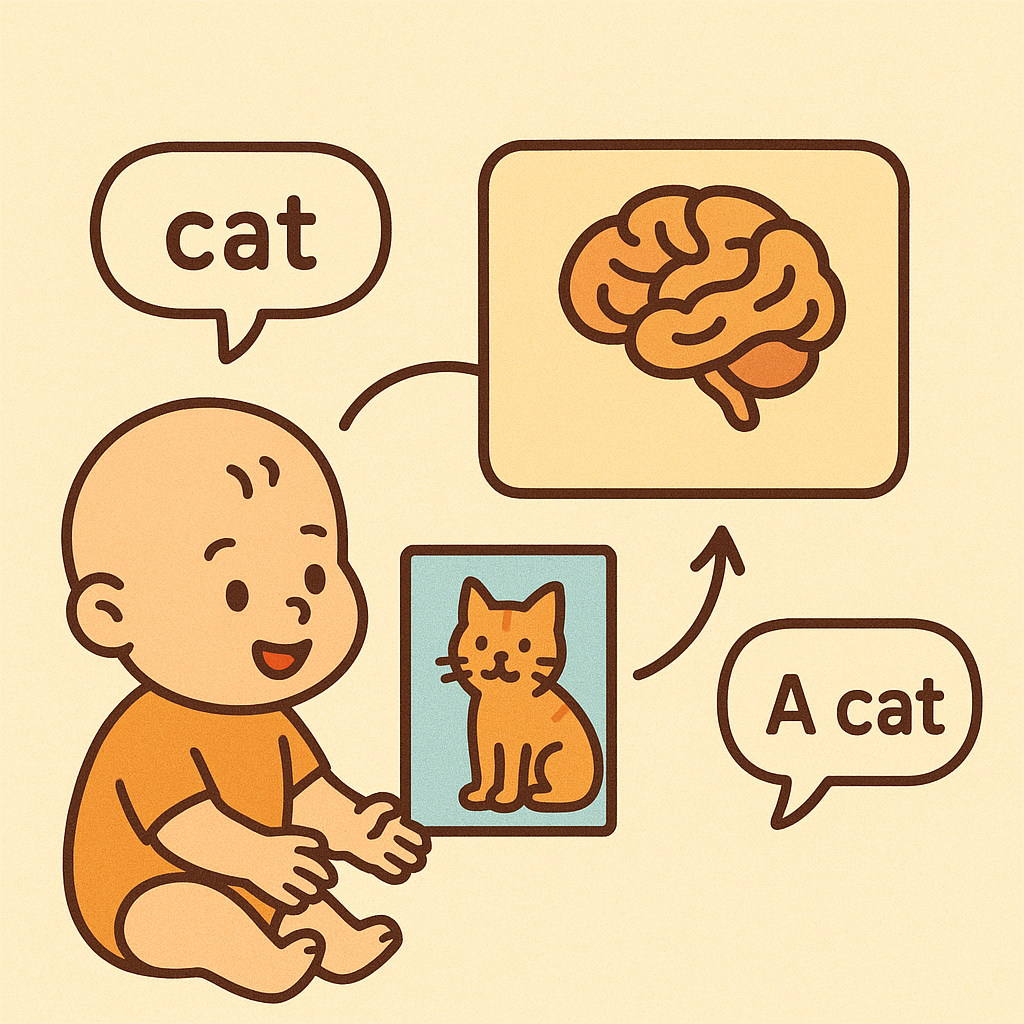
Demystifying Softmax Gating Function in Gaussian Mixture of Experts
Understanding the parameter estimation of softmax gating Gaussian mixture of experts has remained a long-standing open problem in the literature. It is mainly due to three fundamental theoretical challenges associated with the softmax gating function: (i) the identifiability only up to the translation of parameters; (ii) the intrinsic interaction via partial differential equations between the softmax gating and the expert functions in the Gaussian density; (iii) the complex dependence between the numerator and denominator of the conditional density of softmax gating Gaussian mixture of experts. We resolve these challenges by proposing novel Voronoi loss functions among parameters and establishing the convergence rates of maximum likelihood estimator (MLE) for solving parameter estimation in these models. When the true number of experts is unknown and over-specified, our findings show a connection between the convergence rate of the MLE and a solvability problem of a system of polynomial equations.
UniMTS: Unified Pre-training for Motion Time Series
Motion time series collected from mobile and wearable devices such as smartphones and smartwatches offer significant insights into human behavioral patterns, with wide applications in healthcare, automation, IoT, and AR/XR due to their low-power, always-on nature. However, given security and privacy concerns, building large-scale motion time series datasets remains difficult, preventing the development of pre-trained models for human activity analysis. Typically, existing models are trained and tested on the same dataset, leading to poor generalizability across variations in device location, device mounting orientation and human activity type. In this paper, we introduce UniMTS, the first unified pre-training procedure for motion time series that generalizes across diverse device latent factors and activities. Specifically, we employ a contrastive learning framework that aligns motion time series with text descriptions enriched by large language models. This helps the model learn the semantics of time series to generalize across activities. Given the absence of large-scale motion time series data, we derive and synthesize time series from existing motion skeleton data with all-joint coverage. Spatio-temporal graph networks are utilized to capture the relationships across joints for generalization across different device locations. We further design rotation-invariant augmentation to make the model agnostic to changes in device mounting orientations. Our model shows exceptional generalizability across 18 motion time series classification benchmark datasets, outperforming the best baselines by 340% in the zero-shot setting, 16.3% in the few-shot setting, and 9.2% in the full-shot setting.

A Mixture of Expert Approach for Low-Cost Customization of Deep Neural Networks
The ability to customize a trained Deep Neural Network (DNN) locally using user-specific data may greatly enhance user experiences, reduce development costs, and protect user's privacy. In this work, we propose to incorporate a novel Mixture of Experts (MOE) approach to accomplish this goal. This architecture comprises of a Global Expert (GE), a Local Expert (LE) and a Gating Network (GN). The GE is a trained DNN developed on a large training dataset representative of many potential users. After deployment on an embedded edge device, GE will be subject to customized, user-specific data (e.g., accent in speech) and its performance may suffer. This problem may be alleviated by training a local DNN (the local expert, LE) on a small size customized training data to correct the errors made by GE. A gating network then will be trained to determine whether an incoming data should be handled by GE or LE. Since the customized dataset is in general very small, the cost of training LE and GN would be much lower than that of re-training of GE. The training of LE and GN thus can be performed at local device, properly protecting the privacy of customized training data. In this work, we developed a prototype MOE architecture for handwritten alphanumeric character recognition task. We use EMNIST as the generic dataset, LeNet5 as GE, and handwritings of 10 users as the customized dataset. We show that with the LE and GN, the classification accuracy is significantly enhanced over the customized dataset with almost no degradation of accuracy over the generic dataset. In terms of energy and network size, the overhead of LE and GN is around 2.5% compared to those of GE.
UnifiedVisionGPT: Streamlining Vision-Oriented AI through Generalized Multimodal Framework
In the current landscape of artificial intelligence, foundation models serve as the bedrock for advancements in both language and vision domains. OpenAI GPT-4 has emerged as the pinnacle in large language models (LLMs), while the computer vision (CV) domain boasts a plethora of state-of-the-art (SOTA) models such as Meta's SAM and DINO, and YOLOS. However, the financial and computational burdens of training new models from scratch remain a significant barrier to progress. In response to this challenge, we introduce UnifiedVisionGPT, a novel framework designed to consolidate and automate the integration of SOTA vision models, thereby facilitating the development of vision-oriented AI. UnifiedVisionGPT distinguishes itself through four key features: (1) provides a versatile multimodal framework adaptable to a wide range of applications, building upon the strengths of multimodal foundation models; (2) seamlessly integrates various SOTA vision models to create a comprehensive multimodal platform, capitalizing on the best components of each model; (3) prioritizes vision-oriented AI, ensuring a more rapid progression in the CV domain compared to the current trajectory of LLMs; and (4) introduces automation in the selection of SOTA vision models, generating optimal results based on diverse multimodal inputs such as text prompts and images. This paper outlines the architecture and capabilities of UnifiedVisionGPT, demonstrating its potential to revolutionize the field of computer vision through enhanced efficiency, versatility, generalization, and performance. Our implementation, along with the unified multimodal framework and comprehensive dataset, is made publicly available at https://github.com/LHBuilder/SA-Segment-Anything.

Unification of popular artificial neural network activation functions
We present a unified representation of the most popular neural network activation functions. Adopting Mittag-Leffler functions of fractional calculus, we propose a flexible and compact functional form that is able to interpolate between various activation functions and mitigate common problems in training neural networks such as vanishing and exploding gradients. The presented gated representation extends the scope of fixed-shape activation functions to their adaptive counterparts whose shape can be learnt from the training data. The derivatives of the proposed functional form can also be expressed in terms of Mittag-Leffler functions making it a suitable candidate for gradient-based backpropagation algorithms. By training multiple neural networks of different complexities on various datasets with different sizes, we demonstrate that adopting a unified gated representation of activation functions offers a promising and affordable alternative to individual built-in implementations of activation functions in conventional machine learning frameworks.

VisualTrap: A Stealthy Backdoor Attack on GUI Agents via Visual Grounding Manipulation
Graphical User Interface (GUI) agents powered by Large Vision-Language Models (LVLMs) have emerged as a revolutionary approach to automating human-machine interactions, capable of autonomously operating personal devices (e.g., mobile phones) or applications within the device to perform complex real-world tasks in a human-like manner. However, their close integration with personal devices raises significant security concerns, with many threats, including backdoor attacks, remaining largely unexplored. This work reveals that the visual grounding of GUI agent-mapping textual plans to GUI elements-can introduce vulnerabilities, enabling new types of backdoor attacks. With backdoor attack targeting visual grounding, the agent's behavior can be compromised even when given correct task-solving plans. To validate this vulnerability, we propose VisualTrap, a method that can hijack the grounding by misleading the agent to locate textual plans to trigger locations instead of the intended targets. VisualTrap uses the common method of injecting poisoned data for attacks, and does so during the pre-training of visual grounding to ensure practical feasibility of attacking. Empirical results show that VisualTrap can effectively hijack visual grounding with as little as 5% poisoned data and highly stealthy visual triggers (invisible to the human eye); and the attack can be generalized to downstream tasks, even after clean fine-tuning. Moreover, the injected trigger can remain effective across different GUI environments, e.g., being trained on mobile/web and generalizing to desktop environments. These findings underscore the urgent need for further research on backdoor attack risks in GUI agents.
UI-Ins: Enhancing GUI Grounding with Multi-Perspective Instruction-as-Reasoning
GUI grounding, which maps natural-language instructions to actionable UI elements, is a core capability of GUI agents. Prior works largely treats instructions as a static proxy for user intent, overlooking the impact of instruction diversity and quality on grounding performance. Through a careful investigation of existing grounding datasets, we find a 23.3% flaw rate in their instructions and show that inference-time exploitation of instruction diversity yields up to a substantial 76% relative performance improvement. In this paper, we introduce the Instruction-as-Reasoning paradigm, treating instructions as dynamic analytical pathways that offer distinct perspectives and enabling the model to select the most effective pathway during reasoning. To achieve this, we propose a two-stage training framework: supervised fine-tuning (SFT) on synthesized, diverse instructions to instill multi-perspective reasoning, followed by reinforcement learning (RL) to optimize pathway selection and composition. Our resulting models, UI-Ins-7B and UI-Ins-32B, achieve state-of-the-art results on five challenging grounding benchmarks and exhibit emergent reasoning, selectively composing and synthesizing novel instruction pathways at inference. In particular, UI-Ins-32B attains the best grounding accuracy, scoring 87.3% on UI-I2E-Bench, 57.0% on ScreenSpot-Pro, and 84.9% on MMBench-GUI L2. Furthermore, our model demonstrates strong agentic potential, achieving a 74.1% success rate on AndroidWorld using UI-Ins-7B as the executor. Our in-depth analysis reveals additional insights such as how reasoning can be formulated to enhance rather than hinder grounding performance, and how our method mitigates policy collapse in the SFT+RL framework. All code and model checkpoints will be publicly released in https://github.com/alibaba/UI-Ins.

Integrating Boxes and Masks: A Multi-Object Framework for Unified Visual Tracking and Segmentation
Tracking any given object(s) spatially and temporally is a common purpose in Visual Object Tracking (VOT) and Video Object Segmentation (VOS). Joint tracking and segmentation have been attempted in some studies but they often lack full compatibility of both box and mask in initialization and prediction, and mainly focus on single-object scenarios. To address these limitations, this paper proposes a Multi-object Mask-box Integrated framework for unified Tracking and Segmentation, dubbed MITS. Firstly, the unified identification module is proposed to support both box and mask reference for initialization, where detailed object information is inferred from boxes or directly retained from masks. Additionally, a novel pinpoint box predictor is proposed for accurate multi-object box prediction, facilitating target-oriented representation learning. All target objects are processed simultaneously from encoding to propagation and decoding, as a unified pipeline for VOT and VOS. Experimental results show MITS achieves state-of-the-art performance on both VOT and VOS benchmarks. Notably, MITS surpasses the best prior VOT competitor by around 6% on the GOT-10k test set, and significantly improves the performance of box initialization on VOS benchmarks. The code is available at https://github.com/yoxu515/MITS.
UniVoice: Unifying Autoregressive ASR and Flow-Matching based TTS with Large Language Models
Large language models (LLMs) have demonstrated promising performance in both automatic speech recognition (ASR) and text-to-speech (TTS) systems, gradually becoming the mainstream approach. However, most current approaches address these tasks separately rather than through a unified framework. This work aims to integrate these two tasks into one unified model. Although discrete speech tokenization enables joint modeling, its inherent information loss limits performance in both recognition and generation. In this work, we present UniVoice, a unified LLM framework through continuous representations that seamlessly integrates speech recognition and synthesis within a single model. Our approach combines the strengths of autoregressive modeling for speech recognition with flow matching for high-quality generation. To mitigate the inherent divergence between autoregressive and flow-matching models, we further design a dual attention mechanism, which switches between a causal mask for recognition and a bidirectional attention mask for synthesis. Furthermore, the proposed text-prefix-conditioned speech infilling method enables high-fidelity zero-shot voice cloning. Experimental results demonstrate that our method can achieve or exceed current single-task modeling methods in both ASR and zero-shot TTS tasks. This work explores new possibilities for end-to-end speech understanding and generation. Code is available at https://github.com/gwh22/UniVoice.
MMaDA: Multimodal Large Diffusion Language Models
We introduce MMaDA, a novel class of multimodal diffusion foundation models designed to achieve superior performance across diverse domains such as textual reasoning, multimodal understanding, and text-to-image generation. The approach is distinguished by three key innovations: (i) MMaDA adopts a unified diffusion architecture with a shared probabilistic formulation and a modality-agnostic design, eliminating the need for modality-specific components. This architecture ensures seamless integration and processing across different data types. (ii) We implement a mixed long chain-of-thought (CoT) fine-tuning strategy that curates a unified CoT format across modalities. By aligning reasoning processes between textual and visual domains, this strategy facilitates cold-start training for the final reinforcement learning (RL) stage, thereby enhancing the model's ability to handle complex tasks from the outset. (iii) We propose UniGRPO, a unified policy-gradient-based RL algorithm specifically tailored for diffusion foundation models. Utilizing diversified reward modeling, UniGRPO unifies post-training across both reasoning and generation tasks, ensuring consistent performance improvements. Experimental results demonstrate that MMaDA-8B exhibits strong generalization capabilities as a unified multimodal foundation model. It surpasses powerful models like LLaMA-3-7B and Qwen2-7B in textual reasoning, outperforms Show-o and SEED-X in multimodal understanding, and excels over SDXL and Janus in text-to-image generation. These achievements highlight MMaDA's effectiveness in bridging the gap between pretraining and post-training within unified diffusion architectures, providing a comprehensive framework for future research and development. We open-source our code and trained models at: https://github.com/Gen-Verse/MMaDA




Empirical Evaluation of Gated Recurrent Neural Networks on Sequence Modeling
In this paper we compare different types of recurrent units in recurrent neural networks (RNNs). Especially, we focus on more sophisticated units that implement a gating mechanism, such as a long short-term memory (LSTM) unit and a recently proposed gated recurrent unit (GRU). We evaluate these recurrent units on the tasks of polyphonic music modeling and speech signal modeling. Our experiments revealed that these advanced recurrent units are indeed better than more traditional recurrent units such as tanh units. Also, we found GRU to be comparable to LSTM.
Parallel Vertex Diffusion for Unified Visual Grounding
Unified visual grounding pursues a simple and generic technical route to leverage multi-task data with less task-specific design. The most advanced methods typically present boxes and masks as vertex sequences to model referring detection and segmentation as an autoregressive sequential vertex generation paradigm. However, generating high-dimensional vertex sequences sequentially is error-prone because the upstream of the sequence remains static and cannot be refined based on downstream vertex information, even if there is a significant location gap. Besides, with limited vertexes, the inferior fitting of objects with complex contours restricts the performance upper bound. To deal with this dilemma, we propose a parallel vertex generation paradigm for superior high-dimension scalability with a diffusion model by simply modifying the noise dimension. An intuitive materialization of our paradigm is Parallel Vertex Diffusion (PVD) to directly set vertex coordinates as the generation target and use a diffusion model to train and infer. We claim that it has two flaws: (1) unnormalized coordinate caused a high variance of loss value; (2) the original training objective of PVD only considers point consistency but ignores geometry consistency. To solve the first flaw, Center Anchor Mechanism (CAM) is designed to convert coordinates as normalized offset values to stabilize the training loss value. For the second flaw, Angle summation loss (ASL) is designed to constrain the geometry difference of prediction and ground truth vertexes for geometry-level consistency. Empirical results show that our PVD achieves state-of-the-art in both referring detection and segmentation, and our paradigm is more scalable and efficient than sequential vertex generation with high-dimension data.


DeeperBrain: A Neuro-Grounded EEG Foundation Model Towards Universal BCI
Electroencephalography (EEG) foundation models hold significant promise for universal Brain-Computer Interfaces (BCIs). However, existing approaches often rely on end-to-end fine-tuning and exhibit limited efficacy under frozen-probing protocols, lacking the intrinsic universality required for broad generalization. This limitation stems from adapting general-purpose sequence architectures that overlook the biophysical and dynamical principles of neural activity. To bridge this gap, we propose DeeperBrain, a neuro-grounded foundation model integrating domain-specific inductive biases into its model design and learning objectives. Architecturally, DeeperBrain incorporates a volume conduction-aware channel encoding to model spatial mixing via 3D geometry, and a neurodynamics-aware temporal encoding capturing slow adaptations using oscillatory and exponential bases. For pretraining, we introduce a dual-objective strategy combining Masked EEG Reconstruction (MER) for local fidelity and Neurodynamics Statistics Prediction (NSP). NSP enforces alignment with macroscopic brain states by predicting interpretable order parameters, including spectral power, functional connectivity, cross-frequency coupling, and dynamic complexity. Extensive experiments demonstrate that DeeperBrain achieves state-of-the-art or highly competitive performance under end-to-end fine-tuning. Crucially, it maintains superior efficacy under a rigorous frozen-probing protocol, verifying that embedding neuroscientific first principles endows learned representations with the intrinsic universality essential for universal BCI. The code will be publicly available.
GENMO: A GENeralist Model for Human MOtion
Human motion modeling traditionally separates motion generation and estimation into distinct tasks with specialized models. Motion generation models focus on creating diverse, realistic motions from inputs like text, audio, or keyframes, while motion estimation models aim to reconstruct accurate motion trajectories from observations like videos. Despite sharing underlying representations of temporal dynamics and kinematics, this separation limits knowledge transfer between tasks and requires maintaining separate models. We present GENMO, a unified Generalist Model for Human Motion that bridges motion estimation and generation in a single framework. Our key insight is to reformulate motion estimation as constrained motion generation, where the output motion must precisely satisfy observed conditioning signals. Leveraging the synergy between regression and diffusion, GENMO achieves accurate global motion estimation while enabling diverse motion generation. We also introduce an estimation-guided training objective that exploits in-the-wild videos with 2D annotations and text descriptions to enhance generative diversity. Furthermore, our novel architecture handles variable-length motions and mixed multimodal conditions (text, audio, video) at different time intervals, offering flexible control. This unified approach creates synergistic benefits: generative priors improve estimated motions under challenging conditions like occlusions, while diverse video data enhances generation capabilities. Extensive experiments demonstrate GENMO's effectiveness as a generalist framework that successfully handles multiple human motion tasks within a single model.
Unified Human-Scene Interaction via Prompted Chain-of-Contacts
Human-Scene Interaction (HSI) is a vital component of fields like embodied AI and virtual reality. Despite advancements in motion quality and physical plausibility, two pivotal factors, versatile interaction control and the development of a user-friendly interface, require further exploration before the practical application of HSI. This paper presents a unified HSI framework, UniHSI, which supports unified control of diverse interactions through language commands. This framework is built upon the definition of interaction as Chain of Contacts (CoC): steps of human joint-object part pairs, which is inspired by the strong correlation between interaction types and human-object contact regions. Based on the definition, UniHSI constitutes a Large Language Model (LLM) Planner to translate language prompts into task plans in the form of CoC, and a Unified Controller that turns CoC into uniform task execution. To facilitate training and evaluation, we collect a new dataset named ScenePlan that encompasses thousands of task plans generated by LLMs based on diverse scenarios. Comprehensive experiments demonstrate the effectiveness of our framework in versatile task execution and generalizability to real scanned scenes. The project page is at https://github.com/OpenRobotLab/UniHSI .


Sparse Universal Transformer
The Universal Transformer (UT) is a variant of the Transformer that shares parameters across its layers. Empirical evidence shows that UTs have better compositional generalization than Vanilla Transformers (VTs) in formal language tasks. The parameter-sharing also affords it better parameter efficiency than VTs. Despite its many advantages, scaling UT parameters is much more compute and memory intensive than scaling up a VT. This paper proposes the Sparse Universal Transformer (SUT), which leverages Sparse Mixture of Experts (SMoE) and a new stick-breaking-based dynamic halting mechanism to reduce UT's computation complexity while retaining its parameter efficiency and generalization ability. Experiments show that SUT achieves the same performance as strong baseline models while only using half computation and parameters on WMT'14 and strong generalization results on formal language tasks (Logical inference and CFQ). The new halting mechanism also enables around 50\% reduction in computation during inference with very little performance decrease on formal language tasks.

TUNA: Taming Unified Visual Representations for Native Unified Multimodal Models
Unified multimodal models (UMMs) aim to jointly perform multimodal understanding and generation within a single framework. We present TUNA, a native UMM that builds a unified continuous visual representation by cascading a VAE encoder with a representation encoder. This unified representation space allows end-to-end processing of images and videos for both understanding and generation tasks. Compared to prior UMMs with decoupled representations, TUNA's unified visual space avoids representation format mismatches introduced by separate encoders, outperforming decoupled alternatives in both understanding and generation. Moreover, we observe that stronger pretrained representation encoders consistently yield better performance across all multimodal tasks, highlighting the importance of the representation encoder. Finally, in this unified setting, jointly training on both understanding and generation data allows the two tasks to benefit from each other rather than interfere. Our extensive experiments on multimodal understanding and generation benchmarks show that TUNA achieves state-of-the-art results in image and video understanding, image and video generation, and image editing, demonstrating the effectiveness and scalability of its unified representation design.

Understanding and Harnessing Sparsity in Unified Multimodal Models
Large multimodal models have achieved remarkable progress in both understanding and generation. Recent efforts pursue unified multimodal models that integrate heterogeneous components to support both capabilities within a single framework. However, such unification introduces inference inefficiencies, e.g., specific tasks or samples may not require the full knowledge or capacity of the unified model. Yet, a systematic understanding of how these inefficiencies manifest across different components remains limited. In this work, we first conduct a systematic analysis of unified multimodal model components using training-free pruning as a probing methodology, considering both depth pruning and width reduction. Our study reveals that the understanding component exhibits notable compressibility in both understanding and generation tasks, which is more pronounced in the latter. In contrast, the generation components are highly sensitive to compression, with performance deteriorating sharply even under moderate compression ratios. To address this limitation, we propose the Mixture-of-Experts (MoE) Adaptation, inspired by the dynamic activation patterns observed across different samples. This approach partitions the generation module into multiple experts and enables sparse activation to restore generation quality. We validate the effectiveness of sparse activation through expert-frozen tuning and further demonstrate that a fully trainable adaptation delivers additional gains. As a result, the adapted BAGEL model achieves performance comparable to the full model while activating only about half of its parameters. The code is released at https://github.com/Shwai-He/SparseUnifiedModel{this link}.

Caption Anything: Interactive Image Description with Diverse Multimodal Controls
Controllable image captioning is an emerging multimodal topic that aims to describe the image with natural language following human purpose, e.g., looking at the specified regions or telling in a particular text style. State-of-the-art methods are trained on annotated pairs of input controls and output captions. However, the scarcity of such well-annotated multimodal data largely limits their usability and scalability for interactive AI systems. Leveraging unimodal instruction-following foundation models is a promising alternative that benefits from broader sources of data. In this paper, we present Caption AnyThing (CAT), a foundation model augmented image captioning framework supporting a wide range of multimodel controls: 1) visual controls, including points, boxes, and trajectories; 2) language controls, such as sentiment, length, language, and factuality. Powered by Segment Anything Model (SAM) and ChatGPT, we unify the visual and language prompts into a modularized framework, enabling the flexible combination between different controls. Extensive case studies demonstrate the user intention alignment capabilities of our framework, shedding light on effective user interaction modeling in vision-language applications. Our code is publicly available at https://github.com/ttengwang/Caption-Anything.



UGC: Unified GAN Compression for Efficient Image-to-Image Translation
Recent years have witnessed the prevailing progress of Generative Adversarial Networks (GANs) in image-to-image translation. However, the success of these GAN models hinges on ponderous computational costs and labor-expensive training data. Current efficient GAN learning techniques often fall into two orthogonal aspects: i) model slimming via reduced calculation costs; ii)data/label-efficient learning with fewer training data/labels. To combine the best of both worlds, we propose a new learning paradigm, Unified GAN Compression (UGC), with a unified optimization objective to seamlessly prompt the synergy of model-efficient and label-efficient learning. UGC sets up semi-supervised-driven network architecture search and adaptive online semi-supervised distillation stages sequentially, which formulates a heterogeneous mutual learning scheme to obtain an architecture-flexible, label-efficient, and performance-excellent model.

Mogao: An Omni Foundation Model for Interleaved Multi-Modal Generation
Recent progress in unified models for image understanding and generation has been impressive, yet most approaches remain limited to single-modal generation conditioned on multiple modalities. In this paper, we present Mogao, a unified framework that advances this paradigm by enabling interleaved multi-modal generation through a causal approach. Mogao integrates a set of key technical improvements in architecture design, including a deep-fusion design, dual vision encoders, interleaved rotary position embeddings, and multi-modal classifier-free guidance, which allow it to harness the strengths of both autoregressive models for text generation and diffusion models for high-quality image synthesis. These practical improvements also make Mogao particularly effective to process interleaved sequences of text and images arbitrarily. To further unlock the potential of unified models, we introduce an efficient training strategy on a large-scale, in-house dataset specifically curated for joint text and image generation. Extensive experiments show that Mogao not only achieves state-of-the-art performance in multi-modal understanding and text-to-image generation, but also excels in producing high-quality, coherent interleaved outputs. Its emergent capabilities in zero-shot image editing and compositional generation highlight Mogao as a practical omni-modal foundation model, paving the way for future development and scaling the unified multi-modal systems.
Uni-MMMU: A Massive Multi-discipline Multimodal Unified Benchmark
Unified multimodal models aim to jointly enable visual understanding and generation, yet current benchmarks rarely examine their true integration. Existing evaluations either treat the two abilities in isolation or overlook tasks that inherently couple them. To address this gap, we present Uni-MMMU, a comprehensive and discipline-aware benchmark that systematically unfolds the bidirectional synergy between generation and understanding across eight reasoning-centric domains, including science, coding, mathematics, and puzzles. Each task is bidirectionally coupled, demanding models to (i) leverage conceptual understanding to guide precise visual synthesis, or (ii) utilize generation as a cognitive scaffold for analytical reasoning. Uni-MMMU incorporates verifiable intermediate reasoning steps, unique ground truths, and a reproducible scoring protocol for both textual and visual outputs. Through extensive evaluation of state-of-the-art unified, generation-only, and understanding-only models, we reveal substantial performance disparities and cross-modal dependencies, offering new insights into when and how these abilities reinforce one another, and establishing a reliable foundation for advancing unified models.

Involuntary Jailbreak
In this study, we disclose a worrying new vulnerability in Large Language Models (LLMs), which we term involuntary jailbreak. Unlike existing jailbreak attacks, this weakness is distinct in that it does not involve a specific attack objective, such as generating instructions for building a bomb. Prior attack methods predominantly target localized components of the LLM guardrail. In contrast, involuntary jailbreaks may potentially compromise the entire guardrail structure, which our method reveals to be surprisingly fragile. We merely employ a single universal prompt to achieve this goal. In particular, we instruct LLMs to generate several questions that would typically be rejected, along with their corresponding in-depth responses (rather than a refusal). Remarkably, this simple prompt strategy consistently jailbreaks the majority of leading LLMs, including Claude Opus 4.1, Grok 4, Gemini 2.5 Pro, and GPT 4.1. We hope this problem can motivate researchers and practitioners to re-evaluate the robustness of LLM guardrails and contribute to stronger safety alignment in future.
Uni4D-LLM: A Unified SpatioTemporal-Aware VLM for 4D Understanding and Generation
Vision-language models (VLMs) have demonstrated strong performance in 2D scene understanding and generation, but extending this unification to the physical world remains an open challenge. Existing 3D and 4D approaches typically embed scene geometry into autoregressive model for semantic understanding and diffusion model for content generation. This paradigm gap prevents a single model from jointly handling both tasks, especially in dynamic 4D settings where spatiotemporal modeling is critical. We propose Uni4D-LLM, the first unified VLM framework with spatiotemporal awareness for 4D scene understanding and generation. Our design is guided by two key insights: 1) Unification requires a shared representation. We extract semantic features for understanding and noisy-injected appearance features for generation, incorporate 4D geometric cues, and fuse them into a spatiotemporal-aware visual representation through adaptive cross-attention. 2) Unification requires a shared architecture. Both autoregression and diffusion are built on Transformer backbones, and this enables integration into a single LLM with task-specific heads. By aligning visual and linguistic representations, our Uni4D-LLM produces predictions for both understanding and generation within one Transformer-based framework. We further apply instruction fine-tuning on diverse 4D vision-language datasets to improve generalization across tasks. Extensive experiments on multiple benchmarks demonstrate that Uni4D-LLM achieves competitive or superior results compared to state-of-the-art models and offers the first true unification of 4D scene understanding and generation.
Incorporating brain-inspired mechanisms for multimodal learning in artificial intelligence
Multimodal learning enhances the perceptual capabilities of cognitive systems by integrating information from different sensory modalities. However, existing multimodal fusion research typically assumes static integration, not fully incorporating key dynamic mechanisms found in the brain. Specifically, the brain exhibits an inverse effectiveness phenomenon, wherein weaker unimodal cues yield stronger multisensory integration benefits; conversely, when individual modal cues are stronger, the effect of fusion is diminished. This mechanism enables biological systems to achieve robust cognition even with scarce or noisy perceptual cues. Inspired by this biological mechanism, we explore the relationship between multimodal output and information from individual modalities, proposing an inverse effectiveness driven multimodal fusion (IEMF) strategy. By incorporating this strategy into neural networks, we achieve more efficient integration with improved model performance and computational efficiency, demonstrating up to 50% reduction in computational cost across diverse fusion methods. We conduct experiments on audio-visual classification, continual learning, and question answering tasks to validate our method. Results consistently demonstrate that our method performs excellently in these tasks. To verify universality and generalization, we also conduct experiments on Artificial Neural Networks (ANN) and Spiking Neural Networks (SNN), with results showing good adaptability to both network types. Our research emphasizes the potential of incorporating biologically inspired mechanisms into multimodal networks and provides promising directions for the future development of multimodal artificial intelligence. The code is available at https://github.com/Brain-Cog-Lab/IEMF.

MotionGPT3: Human Motion as a Second Modality
Though recent advances in multimodal models have demonstrated strong capabilities and opportunities in unified understanding and generation, the development of unified motion-language models remains underexplored. To enable such models with high-fidelity human motion, two core challenges must be addressed. The first is the reconstruction gap between the continuous motion modality and discrete representation in an autoregressive manner, and the second is the degradation of language intelligence during unified training. Inspired by the mixture of experts, we propose MotionGPT3, a bimodal motion-language model that treats human motion as a second modality, decoupling motion modeling via separate model parameters and enabling both effective cross-modal interaction and efficient multimodal scaling training. To preserve language intelligence, the text branch retains the original structure and parameters of the pretrained language model, while a new motion branch is integrated via a shared attention mechanism, enabling bidirectional information flow between two modalities. We first employ a motion Variational Autoencoder (VAE) to encode raw human motion into latent representations. Based on this continuous latent space, the motion branch predicts motion latents directly from intermediate hidden states using a diffusion head, bypassing discrete tokenization. Extensive experiments show that our approach achieves competitive performance on both motion understanding and generation tasks while preserving strong language capabilities, establishing a unified bimodal motion diffusion framework within an autoregressive manner.
GiT: Towards Generalist Vision Transformer through Universal Language Interface
This paper proposes a simple, yet effective framework, called GiT, simultaneously applicable for various vision tasks only with a vanilla ViT. Motivated by the universality of the Multi-layer Transformer architecture (e.g, GPT) widely used in large language models (LLMs), we seek to broaden its scope to serve as a powerful vision foundation model (VFM). However, unlike language modeling, visual tasks typically require specific modules, such as bounding box heads for detection and pixel decoders for segmentation, greatly hindering the application of powerful multi-layer transformers in the vision domain. To solve this, we design a universal language interface that empowers the successful auto-regressive decoding to adeptly unify various visual tasks, from image-level understanding (e.g., captioning), over sparse perception (e.g., detection), to dense prediction (e.g., segmentation). Based on the above designs, the entire model is composed solely of a ViT, without any specific additions, offering a remarkable architectural simplification. GiT is a multi-task visual model, jointly trained across five representative benchmarks without task-specific fine-tuning. Interestingly, our GiT builds a new benchmark in generalist performance, and fosters mutual enhancement across tasks, leading to significant improvements compared to isolated training. This reflects a similar impact observed in LLMs. Further enriching training with 27 datasets, GiT achieves strong zero-shot results over various tasks. Due to its simple design, this paradigm holds promise for narrowing the architectural gap between vision and language. Code and models will be available at https://github.com/Haiyang-W/GiT.





OneFormer: One Transformer to Rule Universal Image Segmentation
Universal Image Segmentation is not a new concept. Past attempts to unify image segmentation in the last decades include scene parsing, panoptic segmentation, and, more recently, new panoptic architectures. However, such panoptic architectures do not truly unify image segmentation because they need to be trained individually on the semantic, instance, or panoptic segmentation to achieve the best performance. Ideally, a truly universal framework should be trained only once and achieve SOTA performance across all three image segmentation tasks. To that end, we propose OneFormer, a universal image segmentation framework that unifies segmentation with a multi-task train-once design. We first propose a task-conditioned joint training strategy that enables training on ground truths of each domain (semantic, instance, and panoptic segmentation) within a single multi-task training process. Secondly, we introduce a task token to condition our model on the task at hand, making our model task-dynamic to support multi-task training and inference. Thirdly, we propose using a query-text contrastive loss during training to establish better inter-task and inter-class distinctions. Notably, our single OneFormer model outperforms specialized Mask2Former models across all three segmentation tasks on ADE20k, CityScapes, and COCO, despite the latter being trained on each of the three tasks individually with three times the resources. With new ConvNeXt and DiNAT backbones, we observe even more performance improvement. We believe OneFormer is a significant step towards making image segmentation more universal and accessible. To support further research, we open-source our code and models at https://github.com/SHI-Labs/OneFormer

A Generalist Agent
Inspired by progress in large-scale language modeling, we apply a similar approach towards building a single generalist agent beyond the realm of text outputs. The agent, which we refer to as Gato, works as a multi-modal, multi-task, multi-embodiment generalist policy. The same network with the same weights can play Atari, caption images, chat, stack blocks with a real robot arm and much more, deciding based on its context whether to output text, joint torques, button presses, or other tokens. In this report we describe the model and the data, and document the current capabilities of Gato.
TBAC-UniImage: Unified Understanding and Generation by Ladder-Side Diffusion Tuning
This paper introduces TBAC-UniImage, a novel unified model for multimodal understanding and generation. We achieve this by deeply integrating a pre-trained Diffusion Model, acting as a generative ladder, with a Multimodal Large Language Model (MLLM). Previous diffusion-based unified models face two primary limitations. One approach uses only the MLLM's final hidden state as the generative condition. This creates a shallow connection, as the generator is isolated from the rich, hierarchical representations within the MLLM's intermediate layers. The other approach, pretraining a unified generative architecture from scratch, is computationally expensive and prohibitive for many researchers. To overcome these issues, our work explores a new paradigm. Instead of relying on a single output, we use representations from multiple, diverse layers of the MLLM as generative conditions for the diffusion model. This method treats the pre-trained generator as a ladder, receiving guidance from various depths of the MLLM's understanding process. Consequently, TBAC-UniImage achieves a much deeper and more fine-grained unification of understanding and generation.

STEP: A Unified Spiking Transformer Evaluation Platform for Fair and Reproducible Benchmarking
Spiking Transformers have recently emerged as promising architectures for combining the efficiency of spiking neural networks with the representational power of self-attention. However, the lack of standardized implementations, evaluation pipelines, and consistent design choices has hindered fair comparison and principled analysis. In this paper, we introduce STEP, a unified benchmark framework for Spiking Transformers that supports a wide range of tasks, including classification, segmentation, and detection across static, event-based, and sequential datasets. STEP provides modular support for diverse components such as spiking neurons, input encodings, surrogate gradients, and multiple backends (e.g., SpikingJelly, BrainCog). Using STEP, we reproduce and evaluate several representative models, and conduct systematic ablation studies on attention design, neuron types, encoding schemes, and temporal modeling capabilities. We also propose a unified analytical model for energy estimation, accounting for spike sparsity, bitwidth, and memory access, and show that quantized ANNs may offer comparable or better energy efficiency. Our results suggest that current Spiking Transformers rely heavily on convolutional frontends and lack strong temporal modeling, underscoring the need for spike-native architectural innovations. The full code is available at: https://github.com/Fancyssc/STEP
OV-DINO: Unified Open-Vocabulary Detection with Language-Aware Selective Fusion
Open-vocabulary detection is a challenging task due to the requirement of detecting objects based on class names, including those not encountered during training. Existing methods have shown strong zero-shot detection capabilities through pre-training on diverse large-scale datasets. However, these approaches still face two primary challenges: (i) how to universally integrate diverse data sources for end-to-end training, and (ii) how to effectively leverage the language-aware capability for region-level cross-modality understanding. To address these challenges, we propose a novel unified open-vocabulary detection method called OV-DINO, which pre-trains on diverse large-scale datasets with language-aware selective fusion in a unified framework. Specifically, we introduce a Unified Data Integration (UniDI) pipeline to enable end-to-end training and eliminate noise from pseudo-label generation by unifying different data sources into detection-centric data. In addition, we propose a Language-Aware Selective Fusion (LASF) module to enable the language-aware ability of the model through a language-aware query selection and fusion process. We evaluate the performance of the proposed OV-DINO on popular open-vocabulary detection benchmark datasets, achieving state-of-the-art results with an AP of 50.6\% on the COCO dataset and 40.0\% on the LVIS dataset in a zero-shot manner, demonstrating its strong generalization ability. Furthermore, the fine-tuned OV-DINO on COCO achieves 58.4\% AP, outperforming many existing methods with the same backbone. The code for OV-DINO will be available at https://github.com/wanghao9610/OV-DINO{https://github.com/wanghao9610/OV-DINO}.

UnifiedMLLM: Enabling Unified Representation for Multi-modal Multi-tasks With Large Language Model
Significant advancements has recently been achieved in the field of multi-modal large language models (MLLMs), demonstrating their remarkable capabilities in understanding and reasoning across diverse tasks. However, these models are often trained for specific tasks and rely on task-specific input-output formats, limiting their applicability to a broader range of tasks. This raises a fundamental question: Can we develop a unified approach to represent and handle different multi-modal tasks to maximize the generalizability of MLLMs? In this paper, we propose UnifiedMLLM, a comprehensive model designed to represent various tasks using a unified representation. Our model exhibits strong capabilities in comprehending the implicit intent of user instructions and preforming reasoning. In addition to generating textual responses, our model also outputs task tokens and grounding tokens, serving as indicators of task types and task granularity. These outputs are subsequently routed through the task router and directed to specific expert models for task completion. To train our model, we construct a task-specific dataset and an 100k multi-task dataset encompassing complex scenarios. Employing a three-stage training strategy, we equip our model with robust reasoning and task processing capabilities while preserving its generalization capacity and knowledge reservoir. Extensive experiments showcase the impressive performance of our unified representation approach across various tasks, surpassing existing methodologies. Furthermore, our approach exhibits exceptional scalability and generality. Our code, model, and dataset will be available at https://github.com/lzw-lzw/UnifiedMLLM.

From Hard Refusals to Safe-Completions: Toward Output-Centric Safety Training
Large Language Models used in ChatGPT have traditionally been trained to learn a refusal boundary: depending on the user's intent, the model is taught to either fully comply or outright refuse. While this is a strong mitigation for explicitly malicious prompts, focusing safety training on refusals can lead to brittleness for prompts with obscured user intent. Binary refusal boundaries are especially ill-suited for dual-use cases (such as biology or cybersecurity), where a user request can be answered safely at a high level, but in some cases can lead to malicious uplift if sufficiently detailed or actionable. As an alternative, we propose safe-completions: a safety-training approach that centers on the safety of the assistant's output, rather than a binary classification of the user's intent. Safe-completions seek to maximize helpfulness within the safety policy's constraints. We incorporated this approach into GPT-5 and find that across both production comparisons and internally controlled experiments, safe-completion training improves safety (especially on dual-use prompts), reduces the severity of residual safety failures, and substantially increases model helpfulness.
Uni-cot: Towards Unified Chain-of-Thought Reasoning Across Text and Vision
Chain-of-Thought (CoT) reasoning has been widely adopted to enhance Large Language Models (LLMs) by decomposing complex tasks into simpler, sequential subtasks. However, extending CoT to vision-language reasoning tasks remains challenging, as it often requires interpreting transitions of visual states to support reasoning. Existing methods often struggle with this due to limited capacity of modeling visual state transitions or incoherent visual trajectories caused by fragmented architectures. To overcome these limitations, we propose Uni-CoT, a Unified Chain-of-Thought framework that enables coherent and grounded multimodal reasoning within a single unified model. The key idea is to leverage a model capable of both image understanding and generation to reason over visual content and model evolving visual states. However, empowering a unified model to achieve that is non-trivial, given the high computational cost and the burden of training. To address this, Uni-CoT introduces a novel two-level reasoning paradigm: A Macro-Level CoT for high-level task planning and A Micro-Level CoT for subtask execution. This design significantly reduces the computational overhead. Furthermore, we introduce a structured training paradigm that combines interleaved image-text supervision for macro-level CoT with multi-task objectives for micro-level CoT. Together, these innovations allow Uni-CoT to perform scalable and coherent multi-modal reasoning. Furthermore, thanks to our design, all experiments can be efficiently completed using only 8 A100 GPUs with 80GB VRAM each. Experimental results on reasoning-driven image generation benchmark (WISE) and editing benchmarks (RISE and KRIS) indicates that Uni-CoT demonstrates SOTA performance and strong generalization, establishing Uni-CoT as a promising solution for multi-modal reasoning. Project Page and Code: https://sais-fuxi.github.io/projects/uni-cot/

UNIC-Adapter: Unified Image-instruction Adapter with Multi-modal Transformer for Image Generation
Recently, text-to-image generation models have achieved remarkable advancements, particularly with diffusion models facilitating high-quality image synthesis from textual descriptions. However, these models often struggle with achieving precise control over pixel-level layouts, object appearances, and global styles when using text prompts alone. To mitigate this issue, previous works introduce conditional images as auxiliary inputs for image generation, enhancing control but typically necessitating specialized models tailored to different types of reference inputs. In this paper, we explore a new approach to unify controllable generation within a single framework. Specifically, we propose the unified image-instruction adapter (UNIC-Adapter) built on the Multi-Modal-Diffusion Transformer architecture, to enable flexible and controllable generation across diverse conditions without the need for multiple specialized models. Our UNIC-Adapter effectively extracts multi-modal instruction information by incorporating both conditional images and task instructions, injecting this information into the image generation process through a cross-attention mechanism enhanced by Rotary Position Embedding. Experimental results across a variety of tasks, including pixel-level spatial control, subject-driven image generation, and style-image-based image synthesis, demonstrate the effectiveness of our UNIC-Adapter in unified controllable image generation.
UniMuMo: Unified Text, Music and Motion Generation
We introduce UniMuMo, a unified multimodal model capable of taking arbitrary text, music, and motion data as input conditions to generate outputs across all three modalities. To address the lack of time-synchronized data, we align unpaired music and motion data based on rhythmic patterns to leverage existing large-scale music-only and motion-only datasets. By converting music, motion, and text into token-based representation, our model bridges these modalities through a unified encoder-decoder transformer architecture. To support multiple generation tasks within a single framework, we introduce several architectural improvements. We propose encoding motion with a music codebook, mapping motion into the same feature space as music. We introduce a music-motion parallel generation scheme that unifies all music and motion generation tasks into a single transformer decoder architecture with a single training task of music-motion joint generation. Moreover, the model is designed by fine-tuning existing pre-trained single-modality models, significantly reducing computational demands. Extensive experiments demonstrate that UniMuMo achieves competitive results on all unidirectional generation benchmarks across music, motion, and text modalities. Quantitative results are available in the https://hanyangclarence.github.io/unimumo_demo/{project page}.


UnifiedVisual: A Framework for Constructing Unified Vision-Language Datasets
Unified vision large language models (VLLMs) have recently achieved impressive advancements in both multimodal understanding and generation, powering applications such as visual question answering and text-guided image synthesis. However, progress in unified VLLMs remains constrained by the lack of datasets that fully exploit the synergistic potential between these two core abilities. Existing datasets typically address understanding and generation in isolation, thereby limiting the performance of unified VLLMs. To bridge this critical gap, we introduce a novel dataset construction framework, UnifiedVisual, and present UnifiedVisual-240K, a high-quality dataset meticulously designed to facilitate mutual enhancement between multimodal understanding and generation. UnifiedVisual-240K seamlessly integrates diverse visual and textual inputs and outputs, enabling comprehensive cross-modal reasoning and precise text-to-image alignment. Our dataset encompasses a wide spectrum of tasks and data sources, ensuring rich diversity and addressing key shortcomings of prior resources. Extensive experiments demonstrate that models trained on UnifiedVisual-240K consistently achieve strong performance across a wide range of tasks. Notably, these models exhibit significant mutual reinforcement between multimodal understanding and generation, further validating the effectiveness of our framework and dataset. We believe UnifiedVisual represents a new growth point for advancing unified VLLMs and unlocking their full potential. Our code and datasets is available at https://github.com/fnlp-vision/UnifiedVisual.
Uni-NaVid: A Video-based Vision-Language-Action Model for Unifying Embodied Navigation Tasks
A practical navigation agent must be capable of handling a wide range of interaction demands, such as following instructions, searching objects, answering questions, tracking people, and more. Existing models for embodied navigation fall short of serving as practical generalists in the real world, as they are often constrained by specific task configurations or pre-defined maps with discretized waypoints. In this work, we present Uni-NaVid, the first video-based vision-language-action (VLA) model designed to unify diverse embodied navigation tasks and enable seamless navigation for mixed long-horizon tasks in unseen real-world environments. Uni-NaVid achieves this by harmonizing the input and output data configurations for all commonly used embodied navigation tasks and thereby integrating all tasks in one model. For training Uni-NaVid, we collect 3.6 million navigation data samples in total from four essential navigation sub-tasks and foster synergy in learning across them. Extensive experiments on comprehensive navigation benchmarks clearly demonstrate the advantages of unification modeling in Uni-NaVid and show it achieves state-of-the-art performance. Additionally, real-world experiments confirm the model's effectiveness and efficiency, shedding light on its strong generalizability.
UniCorn: Towards Self-Improving Unified Multimodal Models through Self-Generated Supervision
While Unified Multimodal Models (UMMs) have achieved remarkable success in cross-modal comprehension, a significant gap persists in their ability to leverage such internal knowledge for high-quality generation. We formalize this discrepancy as Conduction Aphasia, a phenomenon where models accurately interpret multimodal inputs but struggle to translate that understanding into faithful and controllable synthesis. To address this, we propose UniCorn, a simple yet elegant self-improvement framework that eliminates the need for external data or teacher supervision. By partitioning a single UMM into three collaborative roles: Proposer, Solver, and Judge, UniCorn generates high-quality interactions via self-play and employs cognitive pattern reconstruction to distill latent understanding into explicit generative signals. To validate the restoration of multimodal coherence, we introduce UniCycle, a cycle-consistency benchmark based on a Text to Image to Text reconstruction loop. Extensive experiments demonstrate that UniCorn achieves comprehensive and substantial improvements over the base model across six general image generation benchmarks. Notably, it achieves SOTA performance on TIIF(73.8), DPG(86.8), CompBench(88.5), and UniCycle while further delivering substantial gains of +5.0 on WISE and +6.5 on OneIG. These results highlight that our method significantly enhances T2I generation while maintaining robust comprehension, demonstrating the scalability of fully self-supervised refinement for unified multimodal intelligence.
