
Get trending papers in your email inbox once a day!
Get trending papers in your email inbox!
Subscribe


DiffusionEdge: Diffusion Probabilistic Model for Crisp Edge Detection
Limited by the encoder-decoder architecture, learning-based edge detectors usually have difficulty predicting edge maps that satisfy both correctness and crispness. With the recent success of the diffusion probabilistic model (DPM), we found it is especially suitable for accurate and crisp edge detection since the denoising process is directly applied to the original image size. Therefore, we propose the first diffusion model for the task of general edge detection, which we call DiffusionEdge. To avoid expensive computational resources while retaining the final performance, we apply DPM in the latent space and enable the classic cross-entropy loss which is uncertainty-aware in pixel level to directly optimize the parameters in latent space in a distillation manner. We also adopt a decoupled architecture to speed up the denoising process and propose a corresponding adaptive Fourier filter to adjust the latent features of specific frequencies. With all the technical designs, DiffusionEdge can be stably trained with limited resources, predicting crisp and accurate edge maps with much fewer augmentation strategies. Extensive experiments on four edge detection benchmarks demonstrate the superiority of DiffusionEdge both in correctness and crispness. On the NYUDv2 dataset, compared to the second best, we increase the ODS, OIS (without post-processing) and AC by 30.2%, 28.1% and 65.1%, respectively. Code: https://github.com/GuHuangAI/DiffusionEdge.
Tiny and Efficient Model for the Edge Detection Generalization
Most high-level computer vision tasks rely on low-level image operations as their initial processes. Operations such as edge detection, image enhancement, and super-resolution, provide the foundations for higher level image analysis. In this work we address the edge detection considering three main objectives: simplicity, efficiency, and generalization since current state-of-the-art (SOTA) edge detection models are increased in complexity for better accuracy. To achieve this, we present Tiny and Efficient Edge Detector (TEED), a light convolutional neural network with only 58K parameters, less than 0.2% of the state-of-the-art models. Training on the BIPED dataset takes less than 30 minutes, with each epoch requiring less than 5 minutes. Our proposed model is easy to train and it quickly converges within very first few epochs, while the predicted edge-maps are crisp and of high quality. Additionally, we propose a new dataset to test the generalization of edge detection, which comprises samples from popular images used in edge detection and image segmentation. The source code is available in https://github.com/xavysp/TEED.
Fine-grained Controllable Video Generation via Object Appearance and Context
Text-to-video generation has shown promising results. However, by taking only natural languages as input, users often face difficulties in providing detailed information to precisely control the model's output. In this work, we propose fine-grained controllable video generation (FACTOR) to achieve detailed control. Specifically, FACTOR aims to control objects' appearances and context, including their location and category, in conjunction with the text prompt. To achieve detailed control, we propose a unified framework to jointly inject control signals into the existing text-to-video model. Our model consists of a joint encoder and adaptive cross-attention layers. By optimizing the encoder and the inserted layer, we adapt the model to generate videos that are aligned with both text prompts and fine-grained control. Compared to existing methods relying on dense control signals such as edge maps, we provide a more intuitive and user-friendly interface to allow object-level fine-grained control. Our method achieves controllability of object appearances without finetuning, which reduces the per-subject optimization efforts for the users. Extensive experiments on standard benchmark datasets and user-provided inputs validate that our model obtains a 70% improvement in controllability metrics over competitive baselines.



ControlVideo: Adding Conditional Control for One Shot Text-to-Video Editing
In this paper, we present ControlVideo, a novel method for text-driven video editing. Leveraging the capabilities of text-to-image diffusion models and ControlNet, ControlVideo aims to enhance the fidelity and temporal consistency of videos that align with a given text while preserving the structure of the source video. This is achieved by incorporating additional conditions such as edge maps, fine-tuning the key-frame and temporal attention on the source video-text pair with carefully designed strategies. An in-depth exploration of ControlVideo's design is conducted to inform future research on one-shot tuning video diffusion models. Quantitatively, ControlVideo outperforms a range of competitive baselines in terms of faithfulness and consistency while still aligning with the textual prompt. Additionally, it delivers videos with high visual realism and fidelity w.r.t. the source content, demonstrating flexibility in utilizing controls containing varying degrees of source video information, and the potential for multiple control combinations. The project page is available at https://ml.cs.tsinghua.edu.cn/controlvideo/{https://ml.cs.tsinghua.edu.cn/controlvideo/}.

Dataset Enhancement with Instance-Level Augmentations
We present a method for expanding a dataset by incorporating knowledge from the wide distribution of pre-trained latent diffusion models. Data augmentations typically incorporate inductive biases about the image formation process into the training (e.g. translation, scaling, colour changes, etc.). Here, we go beyond simple pixel transformations and introduce the concept of instance-level data augmentation by repainting parts of the image at the level of object instances. The method combines a conditional diffusion model with depth and edge maps control conditioning to seamlessly repaint individual objects inside the scene, being applicable to any segmentation or detection dataset. Used as a data augmentation method, it improves the performance and generalization of the state-of-the-art salient object detection, semantic segmentation and object detection models. By redrawing all privacy-sensitive instances (people, license plates, etc.), the method is also applicable for data anonymization. We also release fully synthetic and anonymized expansions for popular datasets: COCO, Pascal VOC and DUTS.
Image-to-Image Translation with Conditional Adversarial Networks
We investigate conditional adversarial networks as a general-purpose solution to image-to-image translation problems. These networks not only learn the mapping from input image to output image, but also learn a loss function to train this mapping. This makes it possible to apply the same generic approach to problems that traditionally would require very different loss formulations. We demonstrate that this approach is effective at synthesizing photos from label maps, reconstructing objects from edge maps, and colorizing images, among other tasks. Indeed, since the release of the pix2pix software associated with this paper, a large number of internet users (many of them artists) have posted their own experiments with our system, further demonstrating its wide applicability and ease of adoption without the need for parameter tweaking. As a community, we no longer hand-engineer our mapping functions, and this work suggests we can achieve reasonable results without hand-engineering our loss functions either.
MegaSR: Mining Customized Semantics and Expressive Guidance for Image Super-Resolution
Pioneering text-to-image (T2I) diffusion models have ushered in a new era of real-world image super-resolution (Real-ISR), significantly enhancing the visual perception of reconstructed images. However, existing methods typically integrate uniform abstract textual semantics across all blocks, overlooking the distinct semantic requirements at different depths and the fine-grained, concrete semantics inherently present in the images themselves. Moreover, relying solely on a single type of guidance further disrupts the consistency of reconstruction. To address these issues, we propose MegaSR, a novel framework that mines customized block-wise semantics and expressive guidance for diffusion-based ISR. Compared to uniform textual semantics, MegaSR enables flexible adaptation to multi-granularity semantic awareness by dynamically incorporating image attributes at each block. Furthermore, we experimentally identify HED edge maps, depth maps, and segmentation maps as the most expressive guidance, and propose a multi-stage aggregation strategy to modulate them into the T2I models. Extensive experiments demonstrate the superiority of MegaSR in terms of semantic richness and structural consistency.
MagicStick: Controllable Video Editing via Control Handle Transformations
Text-based video editing has recently attracted considerable interest in changing the style or replacing the objects with a similar structure. Beyond this, we demonstrate that properties such as shape, size, location, motion, etc., can also be edited in videos. Our key insight is that the keyframe transformations of the specific internal feature (e.g., edge maps of objects or human pose), can easily propagate to other frames to provide generation guidance. We thus propose MagicStick, a controllable video editing method that edits the video properties by utilizing the transformation on the extracted internal control signals. In detail, to keep the appearance, we inflate both the pretrained image diffusion model and ControlNet to the temporal dimension and train low-rank adaptions (LORA) layers to fit the specific scenes. Then, in editing, we perform an inversion and editing framework. Differently, finetuned ControlNet is introduced in both inversion and generation for attention guidance with the proposed attention remix between the spatial attention maps of inversion and editing. Yet succinct, our method is the first method to show the ability of video property editing from the pre-trained text-to-image model. We present experiments on numerous examples within our unified framework. We also compare with shape-aware text-based editing and handcrafted motion video generation, demonstrating our superior temporal consistency and editing capability than previous works. The code and models will be made publicly available.





Crafting Distribution Shifts for Validation and Training in Single Source Domain Generalization
Single-source domain generalization attempts to learn a model on a source domain and deploy it to unseen target domains. Limiting access only to source domain data imposes two key challenges - how to train a model that can generalize and how to verify that it does. The standard practice of validation on the training distribution does not accurately reflect the model's generalization ability, while validation on the test distribution is a malpractice to avoid. In this work, we construct an independent validation set by transforming source domain images with a comprehensive list of augmentations, covering a broad spectrum of potential distribution shifts in target domains. We demonstrate a high correlation between validation and test performance for multiple methods and across various datasets. The proposed validation achieves a relative accuracy improvement over the standard validation equal to 15.4% or 1.6% when used for method selection or learning rate tuning, respectively. Furthermore, we introduce a novel family of methods that increase the shape bias through enhanced edge maps. To benefit from the augmentations during training and preserve the independence of the validation set, a k-fold validation process is designed to separate the augmentation types used in training and validation. The method that achieves the best performance on the augmented validation is selected from the proposed family. It achieves state-of-the-art performance on various standard benchmarks. Code at: https://github.com/NikosEfth/crafting-shifts

TrailBlazer: Trajectory Control for Diffusion-Based Video Generation
Within recent approaches to text-to-video (T2V) generation, achieving controllability in the synthesized video is often a challenge. Typically, this issue is addressed by providing low-level per-frame guidance in the form of edge maps, depth maps, or an existing video to be altered. However, the process of obtaining such guidance can be labor-intensive. This paper focuses on enhancing controllability in video synthesis by employing straightforward bounding boxes to guide the subject in various ways, all without the need for neural network training, finetuning, optimization at inference time, or the use of pre-existing videos. Our algorithm, TrailBlazer, is constructed upon a pre-trained (T2V) model, and easy to implement. The subject is directed by a bounding box through the proposed spatial and temporal attention map editing. Moreover, we introduce the concept of keyframing, allowing the subject trajectory and overall appearance to be guided by both a moving bounding box and corresponding prompts, without the need to provide a detailed mask. The method is efficient, with negligible additional computation relative to the underlying pre-trained model. Despite the simplicity of the bounding box guidance, the resulting motion is surprisingly natural, with emergent effects including perspective and movement toward the virtual camera as the box size increases.
Generating Images with 3D Annotations Using Diffusion Models
Diffusion models have emerged as a powerful generative method, capable of producing stunning photo-realistic images from natural language descriptions. However, these models lack explicit control over the 3D structure in the generated images. Consequently, this hinders our ability to obtain detailed 3D annotations for the generated images or to craft instances with specific poses and distances. In this paper, we propose 3D Diffusion Style Transfer (3D-DST), which incorporates 3D geometry control into diffusion models. Our method exploits ControlNet, which extends diffusion models by using visual prompts in addition to text prompts. We generate images of the 3D objects taken from 3D shape repositories (e.g., ShapeNet and Objaverse), render them from a variety of poses and viewing directions, compute the edge maps of the rendered images, and use these edge maps as visual prompts to generate realistic images. With explicit 3D geometry control, we can easily change the 3D structures of the objects in the generated images and obtain ground-truth 3D annotations automatically. This allows us to improve a wide range of vision tasks, e.g., classification and 3D pose estimation, in both in-distribution (ID) and out-of-distribution (OOD) settings. We demonstrate the effectiveness of our method through extensive experiments on ImageNet-100/200, ImageNet-R, PASCAL3D+, ObjectNet3D, and OOD-CV. The results show that our method significantly outperforms existing methods, e.g., 3.8 percentage points on ImageNet-100 using DeiT-B.


Image-to-Image Translation with Diffusion Transformers and CLIP-Based Image Conditioning
Image-to-image translation aims to learn a mapping between a source and a target domain, enabling tasks such as style transfer, appearance transformation, and domain adaptation. In this work, we explore a diffusion-based framework for image-to-image translation by adapting Diffusion Transformers (DiT), which combine the denoising capabilities of diffusion models with the global modeling power of transformers. To guide the translation process, we condition the model on image embeddings extracted from a pre-trained CLIP encoder, allowing for fine-grained and structurally consistent translations without relying on text or class labels. We incorporate both a CLIP similarity loss to enforce semantic consistency and an LPIPS perceptual loss to enhance visual fidelity during training. We validate our approach on two benchmark datasets: face2comics, which translates real human faces to comic-style illustrations, and edges2shoes, which translates edge maps to realistic shoe images. Experimental results demonstrate that DiT, combined with CLIP-based conditioning and perceptual similarity objectives, achieves high-quality, semantically faithful translations, offering a promising alternative to GAN-based models for paired image-to-image translation tasks.
TransDiff: Diffusion-Based Method for Manipulating Transparent Objects Using a Single RGB-D Image
Manipulating transparent objects presents significant challenges due to the complexities introduced by their reflection and refraction properties, which considerably hinder the accurate estimation of their 3D shapes. To address these challenges, we propose a single-view RGB-D-based depth completion framework, TransDiff, that leverages the Denoising Diffusion Probabilistic Models(DDPM) to achieve material-agnostic object grasping in desktop. Specifically, we leverage features extracted from RGB images, including semantic segmentation, edge maps, and normal maps, to condition the depth map generation process. Our method learns an iterative denoising process that transforms a random depth distribution into a depth map, guided by initially refined depth information, ensuring more accurate depth estimation in scenarios involving transparent objects. Additionally, we propose a novel training method to better align the noisy depth and RGB image features, which are used as conditions to refine depth estimation step by step. Finally, we utilized an improved inference process to accelerate the denoising procedure. Through comprehensive experimental validation, we demonstrate that our method significantly outperforms the baselines in both synthetic and real-world benchmarks with acceptable inference time. The demo of our method can be found on https://wang-haoxiao.github.io/TransDiff/

Do Generalised Classifiers really work on Human Drawn Sketches?
This paper, for the first time, marries large foundation models with human sketch understanding. We demonstrate what this brings -- a paradigm shift in terms of generalised sketch representation learning (e.g., classification). This generalisation happens on two fronts: (i) generalisation across unknown categories (i.e., open-set), and (ii) generalisation traversing abstraction levels (i.e., good and bad sketches), both being timely challenges that remain unsolved in the sketch literature. Our design is intuitive and centred around transferring the already stellar generalisation ability of CLIP to benefit generalised learning for sketches. We first "condition" the vanilla CLIP model by learning sketch-specific prompts using a novel auxiliary head of raster to vector sketch conversion. This importantly makes CLIP "sketch-aware". We then make CLIP acute to the inherently different sketch abstraction levels. This is achieved by learning a codebook of abstraction-specific prompt biases, a weighted combination of which facilitates the representation of sketches across abstraction levels -- low abstract edge-maps, medium abstract sketches in TU-Berlin, and highly abstract doodles in QuickDraw. Our framework surpasses popular sketch representation learning algorithms in both zero-shot and few-shot setups and in novel settings across different abstraction boundaries.

AnyControl: Create Your Artwork with Versatile Control on Text-to-Image Generation
The field of text-to-image (T2I) generation has made significant progress in recent years, largely driven by advancements in diffusion models. Linguistic control enables effective content creation, but struggles with fine-grained control over image generation. This challenge has been explored, to a great extent, by incorporating additional user-supplied spatial conditions, such as depth maps and edge maps, into pre-trained T2I models through extra encoding. However, multi-control image synthesis still faces several challenges. Specifically, current approaches are limited in handling free combinations of diverse input control signals, overlook the complex relationships among multiple spatial conditions, and often fail to maintain semantic alignment with provided textual prompts. This can lead to suboptimal user experiences. To address these challenges, we propose AnyControl, a multi-control image synthesis framework that supports arbitrary combinations of diverse control signals. AnyControl develops a novel Multi-Control Encoder that extracts a unified multi-modal embedding to guide the generation process. This approach enables a holistic understanding of user inputs, and produces high-quality, faithful results under versatile control signals, as demonstrated by extensive quantitative and qualitative evaluations. Our project page is available in https://any-control.github.io.
A Survey and Taxonomy of Adversarial Neural Networks for Text-to-Image Synthesis
Text-to-image synthesis refers to computational methods which translate human written textual descriptions, in the form of keywords or sentences, into images with similar semantic meaning to the text. In earlier research, image synthesis relied mainly on word to image correlation analysis combined with supervised methods to find best alignment of the visual content matching to the text. Recent progress in deep learning (DL) has brought a new set of unsupervised deep learning methods, particularly deep generative models which are able to generate realistic visual images using suitably trained neural network models. In this paper, we review the most recent development in the text-to-image synthesis research domain. Our survey first introduces image synthesis and its challenges, and then reviews key concepts such as generative adversarial networks (GANs) and deep convolutional encoder-decoder neural networks (DCNN). After that, we propose a taxonomy to summarize GAN based text-to-image synthesis into four major categories: Semantic Enhancement GANs, Resolution Enhancement GANs, Diversity Enhancement GANS, and Motion Enhancement GANs. We elaborate the main objective of each group, and further review typical GAN architectures in each group. The taxonomy and the review outline the techniques and the evolution of different approaches, and eventually provide a clear roadmap to summarize the list of contemporaneous solutions that utilize GANs and DCNNs to generate enthralling results in categories such as human faces, birds, flowers, room interiors, object reconstruction from edge maps (games) etc. The survey will conclude with a comparison of the proposed solutions, challenges that remain unresolved, and future developments in the text-to-image synthesis domain.
Text-Guided Scene Sketch-to-Photo Synthesis
We propose a method for scene-level sketch-to-photo synthesis with text guidance. Although object-level sketch-to-photo synthesis has been widely studied, whole-scene synthesis is still challenging without reference photos that adequately reflect the target style. To this end, we leverage knowledge from recent large-scale pre-trained generative models, resulting in text-guided sketch-to-photo synthesis without the need for reference images. To train our model, we use self-supervised learning from a set of photographs. Specifically, we use a pre-trained edge detector that maps both color and sketch images into a standardized edge domain, which reduces the gap between photograph-based edge images (during training) and hand-drawn sketch images (during inference). We implement our method by fine-tuning a latent diffusion model (i.e., Stable Diffusion) with sketch and text conditions. Experiments show that the proposed method translates original sketch images that are not extracted from color images into photos with compelling visual quality.

Control-A-Video: Controllable Text-to-Video Generation with Diffusion Models
This paper presents a controllable text-to-video (T2V) diffusion model, named Video-ControlNet, that generates videos conditioned on a sequence of control signals, such as edge or depth maps. Video-ControlNet is built on a pre-trained conditional text-to-image (T2I) diffusion model by incorporating a spatial-temporal self-attention mechanism and trainable temporal layers for efficient cross-frame modeling. A first-frame conditioning strategy is proposed to facilitate the model to generate videos transferred from the image domain as well as arbitrary-length videos in an auto-regressive manner. Moreover, Video-ControlNet employs a novel residual-based noise initialization strategy to introduce motion prior from an input video, producing more coherent videos. With the proposed architecture and strategies, Video-ControlNet can achieve resource-efficient convergence and generate superior quality and consistent videos with fine-grained control. Extensive experiments demonstrate its success in various video generative tasks such as video editing and video style transfer, outperforming previous methods in terms of consistency and quality. Project Page: https://controlavideo.github.io/




EdgeReasoning: Characterizing Reasoning LLM Deployment on Edge GPUs
Edge intelligence paradigm is increasingly demanded by the emerging autonomous systems, such as robotics. Beyond ensuring privacy-preserving operation and resilience in connectivity-limited environments, edge deployment offers significant energy and cost advantages over cloud-based solutions. However, deploying large language models (LLMs) for reasoning tasks on edge GPUs faces critical challenges from strict latency constraints and limited computational resources. To navigate these constraints, developers must balance multiple design factors - choosing reasoning versus non-reasoning architectures, selecting appropriate model sizes, allocating token budgets, and applying test-time scaling strategies - to meet target latency and optimize accuracy. Yet guidance on optimal combinations of these variables remains scarce. In this work, we present EdgeReasoning, a comprehensive study characterizing the deployment of reasoning LLMs on edge GPUs. We systematically quantify latency-accuracy tradeoffs across various LLM architectures and model sizes. We systematically evaluate prompt-based and model-tuning-based techniques for reducing reasoning token length while maintaining performance quality. We further profile test-time scaling methods with varying degrees of parallelism to maximize accuracy under strict latency budgets. Through these analyses, EdgeReasoning maps the Pareto frontier of achievable accuracy-latency configurations, offering systematic guidance for optimal edge deployment of reasoning LLMs.
A Layered Self-Supervised Knowledge Distillation Framework for Efficient Multimodal Learning on the Edge
We introduce Layered Self-Supervised Knowledge Distillation (LSSKD) framework for training compact deep learning models. Unlike traditional methods that rely on pre-trained teacher networks, our approach appends auxiliary classifiers to intermediate feature maps, generating diverse self-supervised knowledge and enabling one-to-one transfer across different network stages. Our method achieves an average improvement of 4.54\% over the state-of-the-art PS-KD method and a 1.14% gain over SSKD on CIFAR-100, with a 0.32% improvement on ImageNet compared to HASSKD. Experiments on Tiny ImageNet and CIFAR-100 under few-shot learning scenarios also achieve state-of-the-art results. These findings demonstrate the effectiveness of our approach in enhancing model generalization and performance without the need for large over-parameterized teacher networks. Importantly, at the inference stage, all auxiliary classifiers can be removed, yielding no extra computational cost. This makes our model suitable for deploying small language models on affordable low-computing devices. Owing to its lightweight design and adaptability, our framework is particularly suitable for multimodal sensing and cyber-physical environments that require efficient and responsive inference. LSSKD facilitates the development of intelligent agents capable of learning from limited sensory data under weak supervision.
EdgeQAT: Entropy and Distribution Guided Quantization-Aware Training for the Acceleration of Lightweight LLMs on the Edge
Despite the remarkable strides of Large Language Models (LLMs) in various fields, the wide applications of LLMs on edge devices are limited due to their massive parameters and computations. To address this, quantization is commonly adopted to generate lightweight LLMs with efficient computations and fast inference. However, Post-Training Quantization (PTQ) methods dramatically degrade in quality when quantizing weights, activations, and KV cache together to below 8 bits. Besides, many Quantization-Aware Training (QAT) works quantize model weights, leaving the activations untouched, which do not fully exploit the potential of quantization for inference acceleration on the edge. In this paper, we propose EdgeQAT, the Entropy and Distribution Guided QAT for the optimization of lightweight LLMs to achieve inference acceleration on Edge devices. We first identify that the performance drop of quantization primarily stems from the information distortion in quantized attention maps, demonstrated by the different distributions in quantized query and key of the self-attention mechanism. Then, the entropy and distribution guided QAT is proposed to mitigate the information distortion. Moreover, we design a token importance-aware adaptive method to dynamically quantize the tokens with different bit widths for further optimization and acceleration. Our extensive experiments verify the substantial improvements with our framework across various datasets. Furthermore, we achieve an on-device speedup of up to 2.37x compared with its FP16 counterparts across multiple edge devices, signaling a groundbreaking advancement.

OmniZoomer: Learning to Move and Zoom in on Sphere at High-Resolution
Omnidirectional images (ODIs) have become increasingly popular, as their large field-of-view (FoV) can offer viewers the chance to freely choose the view directions in immersive environments such as virtual reality. The M\"obius transformation is typically employed to further provide the opportunity for movement and zoom on ODIs, but applying it to the image level often results in blurry effect and aliasing problem. In this paper, we propose a novel deep learning-based approach, called OmniZoomer, to incorporate the M\"obius transformation into the network for movement and zoom on ODIs. By learning various transformed feature maps under different conditions, the network is enhanced to handle the increasing edge curvatures, which alleviates the blurry effect. Moreover, to address the aliasing problem, we propose two key components. Firstly, to compensate for the lack of pixels for describing curves, we enhance the feature maps in the high-resolution (HR) space and calculate the transformed index map with a spatial index generation module. Secondly, considering that ODIs are inherently represented in the spherical space, we propose a spherical resampling module that combines the index map and HR feature maps to transform the feature maps for better spherical correlation. The transformed feature maps are decoded to output a zoomed ODI. Experiments show that our method can produce HR and high-quality ODIs with the flexibility to move and zoom in to the object of interest. Project page is available at http://vlislab22.github.io/OmniZoomer/.
REFRAME: Reflective Surface Real-Time Rendering for Mobile Devices
This work tackles the challenging task of achieving real-time novel view synthesis for reflective surfaces across various scenes. Existing real-time rendering methods, especially those based on meshes, often have subpar performance in modeling surfaces with rich view-dependent appearances. Our key idea lies in leveraging meshes for rendering acceleration while incorporating a novel approach to parameterize view-dependent information. We decompose the color into diffuse and specular, and model the specular color in the reflected direction based on a neural environment map. Our experiments demonstrate that our method achieves comparable reconstruction quality for highly reflective surfaces compared to state-of-the-art offline methods, while also efficiently enabling real-time rendering on edge devices such as smartphones.
Upsample Anything: A Simple and Hard to Beat Baseline for Feature Upsampling
We present Upsample Anything, a lightweight test-time optimization (TTO) framework that restores low-resolution features to high-resolution, pixel-wise outputs without any training. Although Vision Foundation Models demonstrate strong generalization across diverse downstream tasks, their representations are typically downsampled by 14x/16x (e.g., ViT), which limits their direct use in pixel-level applications. Existing feature upsampling approaches depend on dataset-specific retraining or heavy implicit optimization, restricting scalability and generalization. Upsample Anything addresses these issues through a simple per-image optimization that learns an anisotropic Gaussian kernel combining spatial and range cues, effectively bridging Gaussian Splatting and Joint Bilateral Upsampling. The learned kernel acts as a universal, edge-aware operator that transfers seamlessly across architectures and modalities, enabling precise high-resolution reconstruction of features, depth, or probability maps. It runs in only approx0.419 s per 224x224 image and achieves state-of-the-art performance on semantic segmentation, depth estimation, and both depth and probability map upsampling. Project page: https://seominseok0429.github.io/Upsample-Anything/{https://seominseok0429.github.io/Upsample-Anything/}
MosaicFusion: Diffusion Models as Data Augmenters for Large Vocabulary Instance Segmentation
We present MosaicFusion, a simple yet effective diffusion-based data augmentation approach for large vocabulary instance segmentation. Our method is training-free and does not rely on any label supervision. Two key designs enable us to employ an off-the-shelf text-to-image diffusion model as a useful dataset generator for object instances and mask annotations. First, we divide an image canvas into several regions and perform a single round of diffusion process to generate multiple instances simultaneously, conditioning on different text prompts. Second, we obtain corresponding instance masks by aggregating cross-attention maps associated with object prompts across layers and diffusion time steps, followed by simple thresholding and edge-aware refinement processing. Without bells and whistles, our MosaicFusion can produce a significant amount of synthetic labeled data for both rare and novel categories. Experimental results on the challenging LVIS long-tailed and open-vocabulary benchmarks demonstrate that MosaicFusion can significantly improve the performance of existing instance segmentation models, especially for rare and novel categories. Code will be released at https://github.com/Jiahao000/MosaicFusion.




Controllable Text-to-3D Generation via Surface-Aligned Gaussian Splatting
While text-to-3D and image-to-3D generation tasks have received considerable attention, one important but under-explored field between them is controllable text-to-3D generation, which we mainly focus on in this work. To address this task, 1) we introduce Multi-view ControlNet (MVControl), a novel neural network architecture designed to enhance existing pre-trained multi-view diffusion models by integrating additional input conditions, such as edge, depth, normal, and scribble maps. Our innovation lies in the introduction of a conditioning module that controls the base diffusion model using both local and global embeddings, which are computed from the input condition images and camera poses. Once trained, MVControl is able to offer 3D diffusion guidance for optimization-based 3D generation. And, 2) we propose an efficient multi-stage 3D generation pipeline that leverages the benefits of recent large reconstruction models and score distillation algorithm. Building upon our MVControl architecture, we employ a unique hybrid diffusion guidance method to direct the optimization process. In pursuit of efficiency, we adopt 3D Gaussians as our representation instead of the commonly used implicit representations. We also pioneer the use of SuGaR, a hybrid representation that binds Gaussians to mesh triangle faces. This approach alleviates the issue of poor geometry in 3D Gaussians and enables the direct sculpting of fine-grained geometry on the mesh. Extensive experiments demonstrate that our method achieves robust generalization and enables the controllable generation of high-quality 3D content.

RoboHop: Segment-based Topological Map Representation for Open-World Visual Navigation
Mapping is crucial for spatial reasoning, planning and robot navigation. Existing approaches range from metric, which require precise geometry-based optimization, to purely topological, where image-as-node based graphs lack explicit object-level reasoning and interconnectivity. In this paper, we propose a novel topological representation of an environment based on "image segments", which are semantically meaningful and open-vocabulary queryable, conferring several advantages over previous works based on pixel-level features. Unlike 3D scene graphs, we create a purely topological graph with segments as nodes, where edges are formed by a) associating segment-level descriptors between pairs of consecutive images and b) connecting neighboring segments within an image using their pixel centroids. This unveils a "continuous sense of a place", defined by inter-image persistence of segments along with their intra-image neighbours. It further enables us to represent and update segment-level descriptors through neighborhood aggregation using graph convolution layers, which improves robot localization based on segment-level retrieval. Using real-world data, we show how our proposed map representation can be used to i) generate navigation plans in the form of "hops over segments" and ii) search for target objects using natural language queries describing spatial relations of objects. Furthermore, we quantitatively analyze data association at the segment level, which underpins inter-image connectivity during mapping and segment-level localization when revisiting the same place. Finally, we show preliminary trials on segment-level `hopping' based zero-shot real-world navigation. Project page with supplementary details: oravus.github.io/RoboHop/

Enhancing Online Road Network Perception and Reasoning with Standard Definition Maps
Autonomous driving for urban and highway driving applications often requires High Definition (HD) maps to generate a navigation plan. Nevertheless, various challenges arise when generating and maintaining HD maps at scale. While recent online mapping methods have started to emerge, their performance especially for longer ranges is limited by heavy occlusion in dynamic environments. With these considerations in mind, our work focuses on leveraging lightweight and scalable priors-Standard Definition (SD) maps-in the development of online vectorized HD map representations. We first examine the integration of prototypical rasterized SD map representations into various online mapping architectures. Furthermore, to identify lightweight strategies, we extend the OpenLane-V2 dataset with OpenStreetMaps and evaluate the benefits of graphical SD map representations. A key finding from designing SD map integration components is that SD map encoders are model agnostic and can be quickly adapted to new architectures that utilize bird's eye view (BEV) encoders. Our results show that making use of SD maps as priors for the online mapping task can significantly speed up convergence and boost the performance of the online centerline perception task by 30% (mAP). Furthermore, we show that the introduction of the SD maps leads to a reduction of the number of parameters in the perception and reasoning task by leveraging SD map graphs while improving the overall performance. Project Page: https://henryzhangzhy.github.io/sdhdmap/.

SNAP: Self-Supervised Neural Maps for Visual Positioning and Semantic Understanding
Semantic 2D maps are commonly used by humans and machines for navigation purposes, whether it's walking or driving. However, these maps have limitations: they lack detail, often contain inaccuracies, and are difficult to create and maintain, especially in an automated fashion. Can we use raw imagery to automatically create better maps that can be easily interpreted by both humans and machines? We introduce SNAP, a deep network that learns rich neural 2D maps from ground-level and overhead images. We train our model to align neural maps estimated from different inputs, supervised only with camera poses over tens of millions of StreetView images. SNAP can resolve the location of challenging image queries beyond the reach of traditional methods, outperforming the state of the art in localization by a large margin. Moreover, our neural maps encode not only geometry and appearance but also high-level semantics, discovered without explicit supervision. This enables effective pre-training for data-efficient semantic scene understanding, with the potential to unlock cost-efficient creation of more detailed maps.

LaneSegNet: Map Learning with Lane Segment Perception for Autonomous Driving
A map, as crucial information for downstream applications of an autonomous driving system, is usually represented in lanelines or centerlines. However, existing literature on map learning primarily focuses on either detecting geometry-based lanelines or perceiving topology relationships of centerlines. Both of these methods ignore the intrinsic relationship of lanelines and centerlines, that lanelines bind centerlines. While simply predicting both types of lane in one model is mutually excluded in learning objective, we advocate lane segment as a new representation that seamlessly incorporates both geometry and topology information. Thus, we introduce LaneSegNet, the first end-to-end mapping network generating lane segments to obtain a complete representation of the road structure. Our algorithm features two key modifications. One is a lane attention module to capture pivotal region details within the long-range feature space. Another is an identical initialization strategy for reference points, which enhances the learning of positional priors for lane attention. On the OpenLane-V2 dataset, LaneSegNet outperforms previous counterparts by a substantial gain across three tasks, i.e., map element detection (+4.8 mAP), centerline perception (+6.9 DET_l), and the newly defined one, lane segment perception (+5.6 mAP). Furthermore, it obtains a real-time inference speed of 14.7 FPS. Code is accessible at https://github.com/OpenDriveLab/LaneSegNet.

FeatSharp: Your Vision Model Features, Sharper
The feature maps of vision encoders are fundamental to myriad modern AI tasks, ranging from core perception algorithms (e.g. semantic segmentation, object detection, depth perception, etc.) to modern multimodal understanding in vision-language models (VLMs). Currently, in computer vision, the frontier of general purpose vision backbones is Vision Transformers (ViT), typically trained using contrastive loss (e.g. CLIP). A key problem with most off-the-shelf ViTs, particularly CLIP, is that these models are inflexibly low resolution. Most run at 224 times 224px, while the "high-resolution" versions are around 378-448px, but still inflexible. We introduce a novel method to coherently and cheaply upsample the feature maps of low-resolution vision encoders while picking up on fine-grained details that would otherwise be lost due to resolution. We demonstrate the effectiveness of this approach on core perception tasks as well as within agglomerative model training using RADIO as a way of providing richer targets for distillation. Code available at https://github.com/NVlabs/FeatSharp .
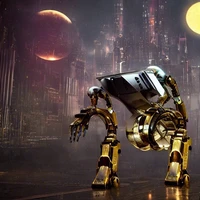

EdgeGaussians -- 3D Edge Mapping via Gaussian Splatting
With their meaningful geometry and their omnipresence in the 3D world, edges are extremely useful primitives in computer vision. 3D edges comprise of lines and curves, and methods to reconstruct them use either multi-view images or point clouds as input. State-of-the-art image-based methods first learn a 3D edge point cloud then fit 3D edges to it. The edge point cloud is obtained by learning a 3D neural implicit edge field from which the 3D edge points are sampled on a specific level set (0 or 1). However, such methods present two important drawbacks: i) it is not realistic to sample points on exact level sets due to float imprecision and training inaccuracies. Instead, they are sampled within a range of levels so the points do not lie accurately on the 3D edges and require further processing. ii) Such implicit representations are computationally expensive and require long training times. In this paper, we address these two limitations and propose a 3D edge mapping that is simpler, more efficient, and preserves accuracy. Our method learns explicitly the 3D edge points and their edge direction hence bypassing the need for point sampling. It casts a 3D edge point as the center of a 3D Gaussian and the edge direction as the principal axis of the Gaussian. Such a representation has the advantage of being not only geometrically meaningful but also compatible with the efficient training optimization defined in Gaussian Splatting. Results show that the proposed method produces edges as accurate and complete as the state-of-the-art while being an order of magnitude faster. Code is released at https://github.com/kunalchelani/EdgeGaussians.

Painting Outside as Inside: Edge Guided Image Outpainting via Bidirectional Rearrangement with Progressive Step Learning
Image outpainting is a very intriguing problem as the outside of a given image can be continuously filled by considering as the context of the image. This task has two main challenges. The first is to maintain the spatial consistency in contents of generated regions and the original input. The second is to generate a high-quality large image with a small amount of adjacent information. Conventional image outpainting methods generate inconsistent, blurry, and repeated pixels. To alleviate the difficulty of an outpainting problem, we propose a novel image outpainting method using bidirectional boundary region rearrangement. We rearrange the image to benefit from the image inpainting task by reflecting more directional information. The bidirectional boundary region rearrangement enables the generation of the missing region using bidirectional information similar to that of the image inpainting task, thereby generating the higher quality than the conventional methods using unidirectional information. Moreover, we use the edge map generator that considers images as original input with structural information and hallucinates the edges of unknown regions to generate the image. Our proposed method is compared with other state-of-the-art outpainting and inpainting methods both qualitatively and quantitatively. We further compared and evaluated them using BRISQUE, one of the No-Reference image quality assessment (IQA) metrics, to evaluate the naturalness of the output. The experimental results demonstrate that our method outperforms other methods and generates new images with 360{\deg}panoramic characteristics.
Generative Modeling of Graphs via Joint Diffusion of Node and Edge Attributes
Graph generation is integral to various engineering and scientific disciplines. Nevertheless, existing methodologies tend to overlook the generation of edge attributes. However, we identify critical applications where edge attributes are essential, making prior methods potentially unsuitable in such contexts. Moreover, while trivial adaptations are available, empirical investigations reveal their limited efficacy as they do not properly model the interplay among graph components. To address this, we propose a joint score-based model of nodes and edges for graph generation that considers all graph components. Our approach offers two key novelties: (i) node and edge attributes are combined in an attention module that generates samples based on the two ingredients; and (ii) node, edge and adjacency information are mutually dependent during the graph diffusion process. We evaluate our method on challenging benchmarks involving real-world and synthetic datasets in which edge features are crucial. Additionally, we introduce a new synthetic dataset that incorporates edge values. Furthermore, we propose a novel application that greatly benefits from the method due to its nature: the generation of traffic scenes represented as graphs. Our method outperforms other graph generation methods, demonstrating a significant advantage in edge-related measures.
CartoMark: a benchmark dataset for map pattern recognition and 1 map content retrieval with machine intelligence
Maps are fundamental medium to visualize and represent the real word in a simple and 16 philosophical way. The emergence of the 3rd wave information has made a proportion of maps are available to be generated ubiquitously, which would significantly enrich the dimensions and perspectives to understand the characteristics of the real world. However, a majority of map dataset have never been discovered, acquired and effectively used, and the map data used in many applications might not be completely fitted for the authentic demands of these applications. This challenge is emerged due to the lack of numerous well-labelled benchmark datasets for implementing the deep learning approaches into identifying complicated map content. Thus, we develop a large-scale benchmark dataset that includes well-labelled dataset for map text annotation recognition, map scene classification, map super-resolution reconstruction, and map style transferring. Furthermore, these well-labelled datasets would facilitate the state-of-the-art machine intelligence technologies to conduct map feature detection, map pattern recognition and map content retrieval. We hope our efforts would be useful for AI-enhanced cartographical applications.
Geometry-Aware Learning of Maps for Camera Localization
Maps are a key component in image-based camera localization and visual SLAM systems: they are used to establish geometric constraints between images, correct drift in relative pose estimation, and relocalize cameras after lost tracking. The exact definitions of maps, however, are often application-specific and hand-crafted for different scenarios (e.g. 3D landmarks, lines, planes, bags of visual words). We propose to represent maps as a deep neural net called MapNet, which enables learning a data-driven map representation. Unlike prior work on learning maps, MapNet exploits cheap and ubiquitous sensory inputs like visual odometry and GPS in addition to images and fuses them together for camera localization. Geometric constraints expressed by these inputs, which have traditionally been used in bundle adjustment or pose-graph optimization, are formulated as loss terms in MapNet training and also used during inference. In addition to directly improving localization accuracy, this allows us to update the MapNet (i.e., maps) in a self-supervised manner using additional unlabeled video sequences from the scene. We also propose a novel parameterization for camera rotation which is better suited for deep-learning based camera pose regression. Experimental results on both the indoor 7-Scenes dataset and the outdoor Oxford RobotCar dataset show significant performance improvement over prior work. The MapNet project webpage is https://goo.gl/mRB3Au.

Dense Extreme Inception Network for Edge Detection
<<<This is a pre-acceptance version, please, go through Pattern Recognition Journal on Sciencedirect to read the final version>>>. Edge detection is the basis of many computer vision applications. State of the art predominantly relies on deep learning with two decisive factors: dataset content and network's architecture. Most of the publicly available datasets are not curated for edge detection tasks. Here, we offer a solution to this constraint. First, we argue that edges, contours and boundaries, despite their overlaps, are three distinct visual features requiring separate benchmark datasets. To this end, we present a new dataset of edges. Second, we propose a novel architecture, termed Dense Extreme Inception Network for Edge Detection (DexiNed), that can be trained from scratch without any pre-trained weights. DexiNed outperforms other algorithms in the presented dataset. It also generalizes well to other datasets without any fine-tuning. The higher quality of DexiNed is also perceptually evident thanks to the sharper and finer edges it outputs.
Dynamic Graph CNN for Learning on Point Clouds
Point clouds provide a flexible geometric representation suitable for countless applications in computer graphics; they also comprise the raw output of most 3D data acquisition devices. While hand-designed features on point clouds have long been proposed in graphics and vision, however, the recent overwhelming success of convolutional neural networks (CNNs) for image analysis suggests the value of adapting insight from CNN to the point cloud world. Point clouds inherently lack topological information so designing a model to recover topology can enrich the representation power of point clouds. To this end, we propose a new neural network module dubbed EdgeConv suitable for CNN-based high-level tasks on point clouds including classification and segmentation. EdgeConv acts on graphs dynamically computed in each layer of the network. It is differentiable and can be plugged into existing architectures. Compared to existing modules operating in extrinsic space or treating each point independently, EdgeConv has several appealing properties: It incorporates local neighborhood information; it can be stacked applied to learn global shape properties; and in multi-layer systems affinity in feature space captures semantic characteristics over potentially long distances in the original embedding. We show the performance of our model on standard benchmarks including ModelNet40, ShapeNetPart, and S3DIS.
Graph Representation Learning for Road Type Classification
We present a novel learning-based approach to graph representations of road networks employing state-of-the-art graph convolutional neural networks. Our approach is applied to realistic road networks of 17 cities from Open Street Map. While edge features are crucial to generate descriptive graph representations of road networks, graph convolutional networks usually rely on node features only. We show that the highly representative edge features can still be integrated into such networks by applying a line graph transformation. We also propose a method for neighborhood sampling based on a topological neighborhood composed of both local and global neighbors. We compare the performance of learning representations using different types of neighborhood aggregation functions in transductive and inductive tasks and in supervised and unsupervised learning. Furthermore, we propose a novel aggregation approach, Graph Attention Isomorphism Network, GAIN. Our results show that GAIN outperforms state-of-the-art methods on the road type classification problem.

VectorMapNet: End-to-end Vectorized HD Map Learning
Autonomous driving systems require High-Definition (HD) semantic maps to navigate around urban roads. Existing solutions approach the semantic mapping problem by offline manual annotation, which suffers from serious scalability issues. Recent learning-based methods produce dense rasterized segmentation predictions to construct maps. However, these predictions do not include instance information of individual map elements and require heuristic post-processing to obtain vectorized maps. To tackle these challenges, we introduce an end-to-end vectorized HD map learning pipeline, termed VectorMapNet. VectorMapNet takes onboard sensor observations and predicts a sparse set of polylines in the bird's-eye view. This pipeline can explicitly model the spatial relation between map elements and generate vectorized maps that are friendly to downstream autonomous driving tasks. Extensive experiments show that VectorMapNet achieve strong map learning performance on both nuScenes and Argoverse2 dataset, surpassing previous state-of-the-art methods by 14.2 mAP and 14.6mAP. Qualitatively, VectorMapNet is capable of generating comprehensive maps and capturing fine-grained details of road geometry. To the best of our knowledge, VectorMapNet is the first work designed towards end-to-end vectorized map learning from onboard observations. Our project website is available at https://tsinghua-mars-lab.github.io/vectormapnet/.
Manhattan Room Layout Reconstruction from a Single 360 image: A Comparative Study of State-of-the-art Methods
Recent approaches for predicting layouts from 360 panoramas produce excellent results. These approaches build on a common framework consisting of three steps: a pre-processing step based on edge-based alignment, prediction of layout elements, and a post-processing step by fitting a 3D layout to the layout elements. Until now, it has been difficult to compare the methods due to multiple different design decisions, such as the encoding network (e.g. SegNet or ResNet), type of elements predicted (e.g. corners, wall/floor boundaries, or semantic segmentation), or method of fitting the 3D layout. To address this challenge, we summarize and describe the common framework, the variants, and the impact of the design decisions. For a complete evaluation, we also propose extended annotations for the Matterport3D dataset [3], and introduce two depth-based evaluation metrics.
Can Large Vision Language Models Read Maps Like a Human?
In this paper, we introduce MapBench-the first dataset specifically designed for human-readable, pixel-based map-based outdoor navigation, curated from complex path finding scenarios. MapBench comprises over 1600 pixel space map path finding problems from 100 diverse maps. In MapBench, LVLMs generate language-based navigation instructions given a map image and a query with beginning and end landmarks. For each map, MapBench provides Map Space Scene Graph (MSSG) as an indexing data structure to convert between natural language and evaluate LVLM-generated results. We demonstrate that MapBench significantly challenges state-of-the-art LVLMs both zero-shot prompting and a Chain-of-Thought (CoT) augmented reasoning framework that decomposes map navigation into sequential cognitive processes. Our evaluation of both open-source and closed-source LVLMs underscores the substantial difficulty posed by MapBench, revealing critical limitations in their spatial reasoning and structured decision-making capabilities. We release all the code and dataset in https://github.com/taco-group/MapBench.


EDGE: Enhanced Grounded GUI Understanding with Enriched Multi-Granularity Synthetic Data
Autonomous agents operating on the graphical user interfaces (GUIs) of various applications hold immense practical value. Unlike the large language model (LLM)-based methods which rely on structured texts and customized backends, the approaches using large vision-language models (LVLMs) are more intuitive and adaptable as they can visually perceive and directly interact with screens, making them indispensable in general scenarios without text metadata and tailored backends. Given the lack of high-quality training data for GUI-related tasks in existing work, this paper aims to enhance the GUI understanding and interacting capabilities of LVLMs through a data-driven approach. We propose EDGE, a general data synthesis framework that automatically generates large-scale, multi-granularity training data from webpages across the Web. Evaluation results on various GUI and agent benchmarks demonstrate that the model trained with the dataset generated through EDGE exhibits superior webpage understanding capabilities, which can then be easily transferred to previously unseen desktop and mobile environments. Our approach significantly reduces the dependence on manual annotations, empowering researchers to harness the vast public resources available on the Web to advance their work. Our source code, the dataset and the model are available at https://anonymous.4open.science/r/EDGE-1CDB.

SEPT: Standard-Definition Map Enhanced Scene Perception and Topology Reasoning for Autonomous Driving
Online scene perception and topology reasoning are critical for autonomous vehicles to understand their driving environments, particularly for mapless driving systems that endeavor to reduce reliance on costly High-Definition (HD) maps. However, recent advances in online scene understanding still face limitations, especially in long-range or occluded scenarios, due to the inherent constraints of onboard sensors. To address this challenge, we propose a Standard-Definition (SD) Map Enhanced scene Perception and Topology reasoning (SEPT) framework, which explores how to effectively incorporate the SD map as prior knowledge into existing perception and reasoning pipelines. Specifically, we introduce a novel hybrid feature fusion strategy that combines SD maps with Bird's-Eye-View (BEV) features, considering both rasterized and vectorized representations, while mitigating potential misalignment between SD maps and BEV feature spaces. Additionally, we leverage the SD map characteristics to design an auxiliary intersection-aware keypoint detection task, which further enhances the overall scene understanding performance. Experimental results on the large-scale OpenLane-V2 dataset demonstrate that by effectively integrating SD map priors, our framework significantly improves both scene perception and topology reasoning, outperforming existing methods by a substantial margin.
Sparse 3D Topological Graphs for Micro-Aerial Vehicle Planning
Micro-Aerial Vehicles (MAVs) have the advantage of moving freely in 3D space. However, creating compact and sparse map representations that can be efficiently used for planning for such robots is still an open problem. In this paper, we take maps built from noisy sensor data and construct a sparse graph containing topological information that can be used for 3D planning. We use a Euclidean Signed Distance Field, extract a 3D Generalized Voronoi Diagram (GVD), and obtain a thin skeleton diagram representing the topological structure of the environment. We then convert this skeleton diagram into a sparse graph, which we show is resistant to noise and changes in resolution. We demonstrate global planning over this graph, and the orders of magnitude speed-up it offers over other common planning methods. We validate our planning algorithm in real maps built onboard an MAV, using RGB-D sensing.
Leveraging edge detection and neural networks for better UAV localization
We propose a novel method for geolocalizing Unmanned Aerial Vehicles (UAVs) in environments lacking Global Navigation Satellite Systems (GNSS). Current state-of-the-art techniques employ an offline-trained encoder to generate a vector representation (embedding) of the UAV's current view, which is then compared with pre-computed embeddings of geo-referenced images to determine the UAV's position. Here, we demonstrate that the performance of these methods can be significantly enhanced by preprocessing the images to extract their edges, which exhibit robustness to seasonal and illumination variations. Furthermore, we establish that utilizing edges enhances resilience to orientation and altitude inaccuracies. Additionally, we introduce a confidence criterion for localization. Our findings are substantiated through synthetic experiments.
CubeDiff: Repurposing Diffusion-Based Image Models for Panorama Generation
We introduce a novel method for generating 360{\deg} panoramas from text prompts or images. Our approach leverages recent advances in 3D generation by employing multi-view diffusion models to jointly synthesize the six faces of a cubemap. Unlike previous methods that rely on processing equirectangular projections or autoregressive generation, our method treats each face as a standard perspective image, simplifying the generation process and enabling the use of existing multi-view diffusion models. We demonstrate that these models can be adapted to produce high-quality cubemaps without requiring correspondence-aware attention layers. Our model allows for fine-grained text control, generates high resolution panorama images and generalizes well beyond its training set, whilst achieving state-of-the-art results, both qualitatively and quantitatively. Project page: https://cubediff.github.io/


AutoLink: Self-supervised Learning of Human Skeletons and Object Outlines by Linking Keypoints
Structured representations such as keypoints are widely used in pose transfer, conditional image generation, animation, and 3D reconstruction. However, their supervised learning requires expensive annotation for each target domain. We propose a self-supervised method that learns to disentangle object structure from the appearance with a graph of 2D keypoints linked by straight edges. Both the keypoint location and their pairwise edge weights are learned, given only a collection of images depicting the same object class. The resulting graph is interpretable, for example, AutoLink recovers the human skeleton topology when applied to images showing people. Our key ingredients are i) an encoder that predicts keypoint locations in an input image, ii) a shared graph as a latent variable that links the same pairs of keypoints in every image, iii) an intermediate edge map that combines the latent graph edge weights and keypoint locations in a soft, differentiable manner, and iv) an inpainting objective on randomly masked images. Although simpler, AutoLink outperforms existing self-supervised methods on the established keypoint and pose estimation benchmarks and paves the way for structure-conditioned generative models on more diverse datasets. Project website: https://xingzhehe.github.io/autolink/.
Topological street-network characterization through feature-vector and cluster analysis
Complex networks provide a means to describe cities through their street mesh, expressing characteristics that refer to the structure and organization of an urban zone. Although other studies have used complex networks to model street meshes, we observed a lack of methods to characterize the relationship between cities by using their topological features. Accordingly, this paper aims to describe interactions between cities by using vectors of topological features extracted from their street meshes represented as complex networks. The methodology of this study is based on the use of digital maps. Over the computational representation of such maps, we extract global complex-network features that embody the characteristics of the cities. These vectors allow for the use of multidimensional projection and clustering techniques, enabling a similarity-based comparison of the street meshes. We experiment with 645 cities from the Brazilian state of Sao Paulo. Our results show how the joint of global features describes urban indicators that are deep-rooted in the network's topology and how they reveal characteristics and similarities among sets of cities that are separated from each other.
ConceptGraphs: Open-Vocabulary 3D Scene Graphs for Perception and Planning
For robots to perform a wide variety of tasks, they require a 3D representation of the world that is semantically rich, yet compact and efficient for task-driven perception and planning. Recent approaches have attempted to leverage features from large vision-language models to encode semantics in 3D representations. However, these approaches tend to produce maps with per-point feature vectors, which do not scale well in larger environments, nor do they contain semantic spatial relationships between entities in the environment, which are useful for downstream planning. In this work, we propose ConceptGraphs, an open-vocabulary graph-structured representation for 3D scenes. ConceptGraphs is built by leveraging 2D foundation models and fusing their output to 3D by multi-view association. The resulting representations generalize to novel semantic classes, without the need to collect large 3D datasets or finetune models. We demonstrate the utility of this representation through a number of downstream planning tasks that are specified through abstract (language) prompts and require complex reasoning over spatial and semantic concepts. (Project page: https://concept-graphs.github.io/ Explainer video: https://youtu.be/mRhNkQwRYnc )

Treemaps with Bounded Aspect Ratio
Treemaps are a popular technique to visualize hierarchical data. The input is a weighted tree tree where the weight of each node is the sum of the weights of its children. A treemap for tree is a hierarchical partition of a rectangle into simply connected regions, usually rectangles. Each region represents a node of tree and its area is proportional to the weight of the corresponding node. An important quality criterion for treemaps is the aspect ratio of its regions. One cannot bound the aspect ratio if the regions are restricted to be rectangles. In contrast, polygonal partitions, that use convex polygons, have bounded aspect ratio. We are the first to obtain convex partitions with optimal aspect ratio O(depth(tree)). However, depth(tree) still depends on the input tree. Hence we introduce a new type of treemaps, namely orthoconvex treemaps, where regions representing leaves are rectangles, L-, and S-shapes, and regions representing internal nodes are orthoconvex polygons. We prove that any input tree, irrespective of the weights of the nodes and the depth of the tree, admits an orthoconvex treemap of constant aspect ratio. We also obtain several specialized results for single-level treemaps, that is, treemaps where the input tree has depth~1.
Video2Layout: Recall and Reconstruct Metric-Grounded Cognitive Map for Spatial Reasoning
Spatial intelligence is a critical frontier for Multimodal Large Language Models (MLLMs), empowering them to comprehend the physical world. Drawing inspiration from human perception mechanisms, existing studies attempt to construct a coherent spatial understanding via grid-based cognitive maps from multi-frame visual inputs. However, current grid-based map methods rely on discretized raster representations, which limit the model's ability in fine-grained spatial reasoning. To overcome this limitation, we propose Video2Layout, a framework for reconstructing metric-grounded spatial layouts from video. The framework employs continuous object boundary coordinates to quantify inter-object physical distances and object size. This empowers the model with quantitative spatial computation capabilities, effectively alleviating the inherent ambiguity when describing spatial relationships in natural language. Specifically, our method comprises two core stages. First, in supervised fine-tuning stage, we construct a high-quality dataset from the AI2THOR simulator, which enables the model to learn the mapping from visual inputs to precise boundary coordinates. Subsequently, a reinforcement fine-tuning stage further enhances the model's real-world generalization capabilities. To systematically evaluate the correlation between cognitive map accuracy and image quantity, as well as how the quantity of image inputs affects spatial reasoning accuracy, we introduce QVS-Bench, a diagnostic benchmark designed to analyze the relevant mechanisms. Evaluated on QVS-Bench and mainstream spatial reasoning benchmarks, our model, V2LO-7B achieves an average improvement of 4.92% over the model trained on grid maps, validating the superiority of our method. Our code is available at https://github.com/ybrrraway/Video2Layout.
Object Goal Navigation with Recursive Implicit Maps
Object goal navigation aims to navigate an agent to locations of a given object category in unseen environments. Classical methods explicitly build maps of environments and require extensive engineering while lacking semantic information for object-oriented exploration. On the other hand, end-to-end learning methods alleviate manual map design and predict actions using implicit representations. Such methods, however, lack an explicit notion of geometry and may have limited ability to encode navigation history. In this work, we propose an implicit spatial map for object goal navigation. Our implicit map is recursively updated with new observations at each step using a transformer. To encourage spatial reasoning, we introduce auxiliary tasks and train our model to reconstruct explicit maps as well as to predict visual features, semantic labels and actions. Our method significantly outperforms the state of the art on the challenging MP3D dataset and generalizes well to the HM3D dataset. We successfully deploy our model on a real robot and achieve encouraging object goal navigation results in real scenes using only a few real-world demonstrations. Code, trained models and videos are available at https://www.di.ens.fr/willow/research/onav_rim/.
Audio Visual Language Maps for Robot Navigation
While interacting in the world is a multi-sensory experience, many robots continue to predominantly rely on visual perception to map and navigate in their environments. In this work, we propose Audio-Visual-Language Maps (AVLMaps), a unified 3D spatial map representation for storing cross-modal information from audio, visual, and language cues. AVLMaps integrate the open-vocabulary capabilities of multimodal foundation models pre-trained on Internet-scale data by fusing their features into a centralized 3D voxel grid. In the context of navigation, we show that AVLMaps enable robot systems to index goals in the map based on multimodal queries, e.g., textual descriptions, images, or audio snippets of landmarks. In particular, the addition of audio information enables robots to more reliably disambiguate goal locations. Extensive experiments in simulation show that AVLMaps enable zero-shot multimodal goal navigation from multimodal prompts and provide 50% better recall in ambiguous scenarios. These capabilities extend to mobile robots in the real world - navigating to landmarks referring to visual, audio, and spatial concepts. Videos and code are available at: https://avlmaps.github.io.
Control Map Distribution using Map Query Bank for Online Map Generation
Reliable autonomous driving systems require high-definition (HD) map that contains detailed map information for planning and navigation. However, pre-build HD map requires a large cost. Visual-based Online Map Generation (OMG) has become an alternative low-cost solution to build a local HD map. Query-based BEV Transformer has been a base model for this task. This model learns HD map predictions from an initial map queries distribution which is obtained by offline optimization on training set. Besides the quality of BEV feature, the performance of this model also highly relies on the capacity of initial map query distribution. However, this distribution is limited because the limited query number. To make map predictions optimal on each test sample, it is essential to generate a suitable initial distribution for each specific scenario. This paper proposes to decompose the whole HD map distribution into a set of point representations, namely map query bank (MQBank). To build specific map query initial distributions of different scenarios, low-cost standard definition map (SD map) data is introduced as a kind of prior knowledge. Moreover, each layer of map decoder network learns instance-level map query features, which will lose detailed information of each point. However, BEV feature map is a point-level dense feature. It is important to keep point-level information in map queries when interacting with BEV feature map. This can also be solved with map query bank method. Final experiments show a new insight on SD map prior and a new record on OpenLaneV2 benchmark with 40.5%, 45.7% mAP on vehicle lane and pedestrian area.
PivotNet: Vectorized Pivot Learning for End-to-end HD Map Construction
Vectorized high-definition map online construction has garnered considerable attention in the field of autonomous driving research. Most existing approaches model changeable map elements using a fixed number of points, or predict local maps in a two-stage autoregressive manner, which may miss essential details and lead to error accumulation. Towards precise map element learning, we propose a simple yet effective architecture named PivotNet, which adopts unified pivot-based map representations and is formulated as a direct set prediction paradigm. Concretely, we first propose a novel point-to-line mask module to encode both the subordinate and geometrical point-line priors in the network. Then, a well-designed pivot dynamic matching module is proposed to model the topology in dynamic point sequences by introducing the concept of sequence matching. Furthermore, to supervise the position and topology of the vectorized point predictions, we propose a dynamic vectorized sequence loss. Extensive experiments and ablations show that PivotNet is remarkably superior to other SOTAs by 5.9 mAP at least. The code will be available soon.
About Graph Degeneracy, Representation Learning and Scalability
Graphs or networks are a very convenient way to represent data with lots of interaction. Recently, Machine Learning on Graph data has gained a lot of traction. In particular, vertex classification and missing edge detection have very interesting applications, ranging from drug discovery to recommender systems. To achieve such tasks, tremendous work has been accomplished to learn embedding of nodes and edges into finite-dimension vector spaces. This task is called Graph Representation Learning. However, Graph Representation Learning techniques often display prohibitive time and memory complexities, preventing their use in real-time with business size graphs. In this paper, we address this issue by leveraging a degeneracy property of Graphs - the K-Core Decomposition. We present two techniques taking advantage of this decomposition to reduce the time and memory consumption of walk-based Graph Representation Learning algorithms. We evaluate the performances, expressed in terms of quality of embedding and computational resources, of the proposed techniques on several academic datasets. Our code is available at https://github.com/SBrandeis/kcore-embedding

GridMM: Grid Memory Map for Vision-and-Language Navigation
Vision-and-language navigation (VLN) enables the agent to navigate to a remote location following the natural language instruction in 3D environments. To represent the previously visited environment, most approaches for VLN implement memory using recurrent states, topological maps, or top-down semantic maps. In contrast to these approaches, we build the top-down egocentric and dynamically growing Grid Memory Map (i.e., GridMM) to structure the visited environment. From a global perspective, historical observations are projected into a unified grid map in a top-down view, which can better represent the spatial relations of the environment. From a local perspective, we further propose an instruction relevance aggregation method to capture fine-grained visual clues in each grid region. Extensive experiments are conducted on both the REVERIE, R2R, SOON datasets in the discrete environments, and the R2R-CE dataset in the continuous environments, showing the superiority of our proposed method.
Revisiting Depth Representations for Feed-Forward 3D Gaussian Splatting
Depth maps are widely used in feed-forward 3D Gaussian Splatting (3DGS) pipelines by unprojecting them into 3D point clouds for novel view synthesis. This approach offers advantages such as efficient training, the use of known camera poses, and accurate geometry estimation. However, depth discontinuities at object boundaries often lead to fragmented or sparse point clouds, degrading rendering quality -- a well-known limitation of depth-based representations. To tackle this issue, we introduce PM-Loss, a novel regularization loss based on a pointmap predicted by a pre-trained transformer. Although the pointmap itself may be less accurate than the depth map, it effectively enforces geometric smoothness, especially around object boundaries. With the improved depth map, our method significantly improves the feed-forward 3DGS across various architectures and scenes, delivering consistently better rendering results. Our project page: https://aim-uofa.github.io/PMLoss


Landscaping Linear Mode Connectivity
The presence of linear paths in parameter space between two different network solutions in certain cases, i.e., linear mode connectivity (LMC), has garnered interest from both theoretical and practical fronts. There has been significant research that either practically designs algorithms catered for connecting networks by adjusting for the permutation symmetries as well as some others that more theoretically construct paths through which networks can be connected. Yet, the core reasons for the occurrence of LMC, when in fact it does occur, in the highly non-convex loss landscapes of neural networks are far from clear. In this work, we take a step towards understanding it by providing a model of how the loss landscape needs to behave topographically for LMC (or the lack thereof) to manifest. Concretely, we present a `mountainside and ridge' perspective that helps to neatly tie together different geometric features that can be spotted in the loss landscape along the training runs. We also complement this perspective by providing a theoretical analysis of the barrier height, for which we provide empirical support, and which additionally extends as a faithful predictor of layer-wise LMC. We close with a toy example that provides further intuition on how barriers arise in the first place, all in all, showcasing the larger aim of the work -- to provide a working model of the landscape and its topography for the occurrence of LMC.
Vision-based Situational Graphs Generating Optimizable 3D Scene Representations
3D scene graphs offer a more efficient representation of the environment by hierarchically organizing diverse semantic entities and the topological relationships among them. Fiducial markers, on the other hand, offer a valuable mechanism for encoding comprehensive information pertaining to environments and the objects within them. In the context of Visual SLAM (VSLAM), especially when the reconstructed maps are enriched with practical semantic information, these markers have the potential to enhance the map by augmenting valuable semantic information and fostering meaningful connections among the semantic objects. In this regard, this paper exploits the potential of fiducial markers to incorporate a VSLAM framework with hierarchical representations that generates optimizable multi-layered vision-based situational graphs. The framework comprises a conventional VSLAM system with low-level feature tracking and mapping capabilities bolstered by the incorporation of a fiducial marker map. The fiducial markers aid in identifying walls and doors in the environment, subsequently establishing meaningful associations with high-level entities, including corridors and rooms. Experimental results are conducted on a real-world dataset collected using various legged robots and benchmarked against a Light Detection And Ranging (LiDAR)-based framework (S-Graphs) as the ground truth. Consequently, our framework not only excels in crafting a richer, multi-layered hierarchical map of the environment but also shows enhancement in robot pose accuracy when contrasted with state-of-the-art methodologies.

DiffSemanticFusion: Semantic Raster BEV Fusion for Autonomous Driving via Online HD Map Diffusion
Autonomous driving requires accurate scene understanding, including road geometry, traffic agents, and their semantic relationships. In online HD map generation scenarios, raster-based representations are well-suited to vision models but lack geometric precision, while graph-based representations retain structural detail but become unstable without precise maps. To harness the complementary strengths of both, we propose DiffSemanticFusion -- a fusion framework for multimodal trajectory prediction and planning. Our approach reasons over a semantic raster-fused BEV space, enhanced by a map diffusion module that improves both the stability and expressiveness of online HD map representations. We validate our framework on two downstream tasks: trajectory prediction and planning-oriented end-to-end autonomous driving. Experiments on real-world autonomous driving benchmarks, nuScenes and NAVSIM, demonstrate improved performance over several state-of-the-art methods. For the prediction task on nuScenes, we integrate DiffSemanticFusion with the online HD map informed QCNet, achieving a 5.1\% performance improvement. For end-to-end autonomous driving in NAVSIM, DiffSemanticFusion achieves state-of-the-art results, with a 15\% performance gain in NavHard scenarios. In addition, extensive ablation and sensitivity studies show that our map diffusion module can be seamlessly integrated into other vector-based approaches to enhance performance. All artifacts are available at https://github.com/SunZhigang7/DiffSemanticFusion.

Visual Language Maps for Robot Navigation
Grounding language to the visual observations of a navigating agent can be performed using off-the-shelf visual-language models pretrained on Internet-scale data (e.g., image captions). While this is useful for matching images to natural language descriptions of object goals, it remains disjoint from the process of mapping the environment, so that it lacks the spatial precision of classic geometric maps. To address this problem, we propose VLMaps, a spatial map representation that directly fuses pretrained visual-language features with a 3D reconstruction of the physical world. VLMaps can be autonomously built from video feed on robots using standard exploration approaches and enables natural language indexing of the map without additional labeled data. Specifically, when combined with large language models (LLMs), VLMaps can be used to (i) translate natural language commands into a sequence of open-vocabulary navigation goals (which, beyond prior work, can be spatial by construction, e.g., "in between the sofa and TV" or "three meters to the right of the chair") directly localized in the map, and (ii) can be shared among multiple robots with different embodiments to generate new obstacle maps on-the-fly (by using a list of obstacle categories). Extensive experiments carried out in simulated and real world environments show that VLMaps enable navigation according to more complex language instructions than existing methods. Videos are available at https://vlmaps.github.io.
AceMap: Knowledge Discovery through Academic Graph
The exponential growth of scientific literature requires effective management and extraction of valuable insights. While existing scientific search engines excel at delivering search results based on relational databases, they often neglect the analysis of collaborations between scientific entities and the evolution of ideas, as well as the in-depth analysis of content within scientific publications. The representation of heterogeneous graphs and the effective measurement, analysis, and mining of such graphs pose significant challenges. To address these challenges, we present AceMap, an academic system designed for knowledge discovery through academic graph. We present advanced database construction techniques to build the comprehensive AceMap database with large-scale academic entities that contain rich visual, textual, and numerical information. AceMap also employs innovative visualization, quantification, and analysis methods to explore associations and logical relationships among academic entities. AceMap introduces large-scale academic network visualization techniques centered on nebular graphs, providing a comprehensive view of academic networks from multiple perspectives. In addition, AceMap proposes a unified metric based on structural entropy to quantitatively measure the knowledge content of different academic entities. Moreover, AceMap provides advanced analysis capabilities, including tracing the evolution of academic ideas through citation relationships and concept co-occurrence, and generating concise summaries informed by this evolutionary process. In addition, AceMap uses machine reading methods to generate potential new ideas at the intersection of different fields. Exploring the integration of large language models and knowledge graphs is a promising direction for future research in idea evolution. Please visit https://www.acemap.info for further exploration.
Instance-Level Semantic Maps for Vision Language Navigation
Humans have a natural ability to perform semantic associations with the surrounding objects in the environment. This allows them to create a mental map of the environment, allowing them to navigate on-demand when given linguistic instructions. A natural goal in Vision Language Navigation (VLN) research is to impart autonomous agents with similar capabilities. Recent works take a step towards this goal by creating a semantic spatial map representation of the environment without any labeled data. However, their representations are limited for practical applicability as they do not distinguish between different instances of the same object. In this work, we address this limitation by integrating instance-level information into spatial map representation using a community detection algorithm and utilizing word ontology learned by large language models (LLMs) to perform open-set semantic associations in the mapping representation. The resulting map representation improves the navigation performance by two-fold (233%) on realistic language commands with instance-specific descriptions compared to the baseline. We validate the practicality and effectiveness of our approach through extensive qualitative and quantitative experiments.


A heuristic extending the Squarified treemapping algorithm
A heuristic extending the Squarified Treemap technique for the representation of hierarchical information as treemaps is presented. The original technique gives high quality treemap views, since items are laid out with rectangles that approximate squares, allowing easy comparison and selection operations. New key steps, with a low computational impact, have been introduced to yield treemaps with even better aspect ratios and higher homogeneity among items.
Improving GUI Grounding with Explicit Position-to-Coordinate Mapping
GUI grounding, the task of mapping natural-language instructions to pixel coordinates, is crucial for autonomous agents, yet remains difficult for current VLMs. The core bottleneck is reliable patch-to-pixel mapping, which breaks when extrapolating to high-resolution displays unseen during training. Current approaches generate coordinates as text tokens directly from visual features, forcing the model to infer complex position-to-pixel mappings implicitly; as a result, accuracy degrades and failures proliferate on new resolutions. We address this with two complementary innovations. First, RULER tokens serve as explicit coordinate markers, letting the model reference positions similar to gridlines on a map and adjust rather than generate coordinates from scratch. Second, Interleaved MRoPE (I-MRoPE) improves spatial encoding by ensuring that width and height dimensions are represented equally, addressing the asymmetry of standard positional schemes. Experiments on ScreenSpot, ScreenSpot-V2, and ScreenSpot-Pro show consistent gains in grounding accuracy, with the largest improvements on high-resolution interfaces. By providing explicit spatial guidance rather than relying on implicit learning, our approach enables more reliable GUI automation across diverse resolutions and platforms.



Training Machine Learning models at the Edge: A Survey
Edge Computing (EC) has gained significant traction in recent years, promising enhanced efficiency by integrating Artificial Intelligence (AI) capabilities at the edge. While the focus has primarily been on the deployment and inference of Machine Learning (ML) models at the edge, the training aspect remains less explored. This survey delves into Edge Learning (EL), specifically the optimization of ML model training at the edge. The objective is to comprehensively explore diverse approaches and methodologies in EL, synthesize existing knowledge, identify challenges, and highlight future trends. Utilizing Scopus' advanced search, relevant literature on EL was identified, revealing a concentration of research efforts in distributed learning methods, particularly Federated Learning (FL). This survey further provides a guideline for comparing techniques used to optimize ML for edge learning, along with an exploration of different frameworks, libraries, and simulation tools available for EL. In doing so, the paper contributes to a holistic understanding of the current landscape and future directions in the intersection of edge computing and machine learning, paving the way for informed comparisons between optimization methods and techniques designed for edge learning.
SATR: Zero-Shot Semantic Segmentation of 3D Shapes
We explore the task of zero-shot semantic segmentation of 3D shapes by using large-scale off-the-shelf 2D image recognition models. Surprisingly, we find that modern zero-shot 2D object detectors are better suited for this task than contemporary text/image similarity predictors or even zero-shot 2D segmentation networks. Our key finding is that it is possible to extract accurate 3D segmentation maps from multi-view bounding box predictions by using the topological properties of the underlying surface. For this, we develop the Segmentation Assignment with Topological Reweighting (SATR) algorithm and evaluate it on ShapeNetPart and our proposed FAUST benchmarks. SATR achieves state-of-the-art performance and outperforms a baseline algorithm by 1.3% and 4% average mIoU on the FAUST coarse and fine-grained benchmarks, respectively, and by 5.2% average mIoU on the ShapeNetPart benchmark. Our source code and data will be publicly released. Project webpage: https://samir55.github.io/SATR/.

Empowering Robotics with Large Language Models: osmAG Map Comprehension with LLMs
Recently, Large Language Models (LLMs) have demonstrated great potential in robotic applications by providing essential general knowledge for situations that can not be pre-programmed beforehand. Generally speaking, mobile robots need to understand maps to execute tasks such as localization or navigation. In this letter, we address the problem of enabling LLMs to comprehend Area Graph, a text-based map representation, in order to enhance their applicability in the field of mobile robotics. Area Graph is a hierarchical, topometric semantic map representation utilizing polygons to demark areas such as rooms, corridors or buildings. In contrast to commonly used map representations, such as occupancy grid maps or point clouds, osmAG (Area Graph in OpensStreetMap format) is stored in a XML textual format naturally readable by LLMs. Furthermore, conventional robotic algorithms such as localization and path planning are compatible with osmAG, facilitating this map representation comprehensible by LLMs, traditional robotic algorithms and humans. Our experiments show that with a proper map representation, LLMs possess the capability to understand maps and answer queries based on that understanding. Following simple fine-tuning of LLaMA2 models, it surpassed ChatGPT-3.5 in tasks involving topology and hierarchy understanding. Our dataset, dataset generation code, fine-tuned LoRA adapters can be accessed at https://github.com/xiefujing/LLM-osmAG-Comprehension.
Multi-Object Navigation with dynamically learned neural implicit representations
Understanding and mapping a new environment are core abilities of any autonomously navigating agent. While classical robotics usually estimates maps in a stand-alone manner with SLAM variants, which maintain a topological or metric representation, end-to-end learning of navigation keeps some form of memory in a neural network. Networks are typically imbued with inductive biases, which can range from vectorial representations to birds-eye metric tensors or topological structures. In this work, we propose to structure neural networks with two neural implicit representations, which are learned dynamically during each episode and map the content of the scene: (i) the Semantic Finder predicts the position of a previously seen queried object; (ii) the Occupancy and Exploration Implicit Representation encapsulates information about explored area and obstacles, and is queried with a novel global read mechanism which directly maps from function space to a usable embedding space. Both representations are leveraged by an agent trained with Reinforcement Learning (RL) and learned online during each episode. We evaluate the agent on Multi-Object Navigation and show the high impact of using neural implicit representations as a memory source.

Mastering Spatial Graph Prediction of Road Networks
Accurately predicting road networks from satellite images requires a global understanding of the network topology. We propose to capture such high-level information by introducing a graph-based framework that simulates the addition of sequences of graph edges using a reinforcement learning (RL) approach. In particular, given a partially generated graph associated with a satellite image, an RL agent nominates modifications that maximize a cumulative reward. As opposed to standard supervised techniques that tend to be more restricted to commonly used surrogate losses, these rewards can be based on various complex, potentially non-continuous, metrics of interest. This yields more power and flexibility to encode problem-dependent knowledge. Empirical results on several benchmark datasets demonstrate enhanced performance and increased high-level reasoning about the graph topology when using a tree-based search. We further highlight the superiority of our approach under substantial occlusions by introducing a new synthetic benchmark dataset for this task.
EdgeConnect: Generative Image Inpainting with Adversarial Edge Learning
Over the last few years, deep learning techniques have yielded significant improvements in image inpainting. However, many of these techniques fail to reconstruct reasonable structures as they are commonly over-smoothed and/or blurry. This paper develops a new approach for image inpainting that does a better job of reproducing filled regions exhibiting fine details. We propose a two-stage adversarial model EdgeConnect that comprises of an edge generator followed by an image completion network. The edge generator hallucinates edges of the missing region (both regular and irregular) of the image, and the image completion network fills in the missing regions using hallucinated edges as a priori. We evaluate our model end-to-end over the publicly available datasets CelebA, Places2, and Paris StreetView, and show that it outperforms current state-of-the-art techniques quantitatively and qualitatively. Code and models available at: https://github.com/knazeri/edge-connect
Towards Robust and Efficient Cloud-Edge Elastic Model Adaptation via Selective Entropy Distillation
The conventional deep learning paradigm often involves training a deep model on a server and then deploying the model or its distilled ones to resource-limited edge devices. Usually, the models shall remain fixed once deployed (at least for some period) due to the potential high cost of model adaptation for both the server and edge sides. However, in many real-world scenarios, the test environments may change dynamically (known as distribution shifts), which often results in degraded performance. Thus, one has to adapt the edge models promptly to attain promising performance. Moreover, with the increasing data collected at the edge, this paradigm also fails to further adapt the cloud model for better performance. To address these, we encounter two primary challenges: 1) the edge model has limited computation power and may only support forward propagation; 2) the data transmission budget between cloud and edge devices is limited in latency-sensitive scenarios. In this paper, we establish a Cloud-Edge Elastic Model Adaptation (CEMA) paradigm in which the edge models only need to perform forward propagation and the edge models can be adapted online. In our CEMA, to reduce the communication burden, we devise two criteria to exclude unnecessary samples from uploading to the cloud, i.e., dynamic unreliable and low-informative sample exclusion. Based on the uploaded samples, we update and distribute the affine parameters of normalization layers by distilling from the stronger foundation model to the edge model with a sample replay strategy. Extensive experimental results on ImageNet-C and ImageNet-R verify the effectiveness of our CEMA.

Illuminating search spaces by mapping elites
Many fields use search algorithms, which automatically explore a search space to find high-performing solutions: chemists search through the space of molecules to discover new drugs; engineers search for stronger, cheaper, safer designs, scientists search for models that best explain data, etc. The goal of search algorithms has traditionally been to return the single highest-performing solution in a search space. Here we describe a new, fundamentally different type of algorithm that is more useful because it provides a holistic view of how high-performing solutions are distributed throughout a search space. It creates a map of high-performing solutions at each point in a space defined by dimensions of variation that a user gets to choose. This Multi-dimensional Archive of Phenotypic Elites (MAP-Elites) algorithm illuminates search spaces, allowing researchers to understand how interesting attributes of solutions combine to affect performance, either positively or, equally of interest, negatively. For example, a drug company may wish to understand how performance changes as the size of molecules and their cost-to-produce vary. MAP-Elites produces a large diversity of high-performing, yet qualitatively different solutions, which can be more helpful than a single, high-performing solution. Interestingly, because MAP-Elites explores more of the search space, it also tends to find a better overall solution than state-of-the-art search algorithms. We demonstrate the benefits of this new algorithm in three different problem domains ranging from producing modular neural networks to designing simulated and real soft robots. Because MAP- Elites (1) illuminates the relationship between performance and dimensions of interest in solutions, (2) returns a set of high-performing, yet diverse solutions, and (3) improves finding a single, best solution, it will advance science and engineering.
Semantic Map-based Generation of Navigation Instructions
We are interested in the generation of navigation instructions, either in their own right or as training material for robotic navigation task. In this paper, we propose a new approach to navigation instruction generation by framing the problem as an image captioning task using semantic maps as visual input. Conventional approaches employ a sequence of panorama images to generate navigation instructions. Semantic maps abstract away from visual details and fuse the information in multiple panorama images into a single top-down representation, thereby reducing computational complexity to process the input. We present a benchmark dataset for instruction generation using semantic maps, propose an initial model and ask human subjects to manually assess the quality of generated instructions. Our initial investigations show promise in using semantic maps for instruction generation instead of a sequence of panorama images, but there is vast scope for improvement. We release the code for data preparation and model training at https://github.com/chengzu-li/VLGen.

Measuring the Intrinsic Dimension of Objective Landscapes
Many recently trained neural networks employ large numbers of parameters to achieve good performance. One may intuitively use the number of parameters required as a rough gauge of the difficulty of a problem. But how accurate are such notions? How many parameters are really needed? In this paper we attempt to answer this question by training networks not in their native parameter space, but instead in a smaller, randomly oriented subspace. We slowly increase the dimension of this subspace, note at which dimension solutions first appear, and define this to be the intrinsic dimension of the objective landscape. The approach is simple to implement, computationally tractable, and produces several suggestive conclusions. Many problems have smaller intrinsic dimensions than one might suspect, and the intrinsic dimension for a given dataset varies little across a family of models with vastly different sizes. This latter result has the profound implication that once a parameter space is large enough to solve a problem, extra parameters serve directly to increase the dimensionality of the solution manifold. Intrinsic dimension allows some quantitative comparison of problem difficulty across supervised, reinforcement, and other types of learning where we conclude, for example, that solving the inverted pendulum problem is 100 times easier than classifying digits from MNIST, and playing Atari Pong from pixels is about as hard as classifying CIFAR-10. In addition to providing new cartography of the objective landscapes wandered by parameterized models, the method is a simple technique for constructively obtaining an upper bound on the minimum description length of a solution. A byproduct of this construction is a simple approach for compressing networks, in some cases by more than 100 times.
vS-Graphs: Integrating Visual SLAM and Situational Graphs through Multi-level Scene Understanding
Current Visual Simultaneous Localization and Mapping (VSLAM) systems often struggle to create maps that are both semantically rich and easily interpretable. While incorporating semantic scene knowledge aids in building richer maps with contextual associations among mapped objects, representing them in structured formats like scene graphs has not been widely addressed, encountering complex map comprehension and limited scalability. This paper introduces visual S-Graphs (vS-Graphs), a novel real-time VSLAM framework that integrates vision-based scene understanding with map reconstruction and comprehensible graph-based representation. The framework infers structural elements (i.e., rooms and corridors) from detected building components (i.e., walls and ground surfaces) and incorporates them into optimizable 3D scene graphs. This solution enhances the reconstructed map's semantic richness, comprehensibility, and localization accuracy. Extensive experiments on standard benchmarks and real-world datasets demonstrate that vS-Graphs outperforms state-of-the-art VSLAM methods, reducing trajectory error by an average of 3.38% and up to 9.58% on real-world data. Furthermore, the proposed framework achieves environment-driven semantic entity detection accuracy comparable to precise LiDAR-based frameworks using only visual features. A web page containing more media and evaluation outcomes is available on https://snt-arg.github.io/vsgraphs-results/.
MMS-VPR: Multimodal Street-Level Visual Place Recognition Dataset and Benchmark
Existing visual place recognition (VPR) datasets predominantly rely on vehicle-mounted imagery, lack multimodal diversity and underrepresent dense, mixed-use street-level spaces, especially in non-Western urban contexts. To address these gaps, we introduce MMS-VPR, a large-scale multimodal dataset for street-level place recognition in complex, pedestrian-only environments. The dataset comprises 78,575 annotated images and 2,512 video clips captured across 207 locations in a ~70,800 m^2 open-air commercial district in Chengdu, China. Each image is labeled with precise GPS coordinates, timestamp, and textual metadata, and covers varied lighting conditions, viewpoints, and timeframes. MMS-VPR follows a systematic and replicable data collection protocol with minimal device requirements, lowering the barrier for scalable dataset creation. Importantly, the dataset forms an inherent spatial graph with 125 edges, 81 nodes, and 1 subgraph, enabling structure-aware place recognition. We further define two application-specific subsets -- Dataset_Edges and Dataset_Points -- to support fine-grained and graph-based evaluation tasks. Extensive benchmarks using conventional VPR models, graph neural networks, and multimodal baselines show substantial improvements when leveraging multimodal and structural cues. MMS-VPR facilitates future research at the intersection of computer vision, geospatial understanding, and multimodal reasoning. The dataset is publicly available at https://huggingface.co/datasets/Yiwei-Ou/MMS-VPR.
WizMap: Scalable Interactive Visualization for Exploring Large Machine Learning Embeddings
Machine learning models often learn latent embedding representations that capture the domain semantics of their training data. These embedding representations are valuable for interpreting trained models, building new models, and analyzing new datasets. However, interpreting and using embeddings can be challenging due to their opaqueness, high dimensionality, and the large size of modern datasets. To tackle these challenges, we present WizMap, an interactive visualization tool to help researchers and practitioners easily explore large embeddings. With a novel multi-resolution embedding summarization method and a familiar map-like interaction design, WizMap enables users to navigate and interpret embedding spaces with ease. Leveraging modern web technologies such as WebGL and Web Workers, WizMap scales to millions of embedding points directly in users' web browsers and computational notebooks without the need for dedicated backend servers. WizMap is open-source and available at the following public demo link: https://poloclub.github.io/wizmap.


OpenSatMap: A Fine-grained High-resolution Satellite Dataset for Large-scale Map Construction
In this paper, we propose OpenSatMap, a fine-grained, high-resolution satellite dataset for large-scale map construction. Map construction is one of the foundations of the transportation industry, such as navigation and autonomous driving. Extracting road structures from satellite images is an efficient way to construct large-scale maps. However, existing satellite datasets provide only coarse semantic-level labels with a relatively low resolution (up to level 19), impeding the advancement of this field. In contrast, the proposed OpenSatMap (1) has fine-grained instance-level annotations; (2) consists of high-resolution images (level 20); (3) is currently the largest one of its kind; (4) collects data with high diversity. Moreover, OpenSatMap covers and aligns with the popular nuScenes dataset and Argoverse 2 dataset to potentially advance autonomous driving technologies. By publishing and maintaining the dataset, we provide a high-quality benchmark for satellite-based map construction and downstream tasks like autonomous driving.


Self-Adapting Large Visual-Language Models to Edge Devices across Visual Modalities
Recent advancements in Vision-Language (VL) models have sparked interest in their deployment on edge devices, yet challenges in handling diverse visual modalities, manual annotation, and computational constraints remain. We introduce EdgeVL, a novel framework that bridges this gap by seamlessly integrating dual-modality knowledge distillation and quantization-aware contrastive learning. This approach enables the adaptation of large VL models, like CLIP, for efficient use with both RGB and non-RGB images on resource-limited devices without the need for manual annotations. EdgeVL not only transfers visual language alignment capabilities to compact models but also maintains feature quality post-quantization, significantly enhancing open-vocabulary classification performance across various visual modalities. Our work represents the first systematic effort to adapt large VL models for edge deployment, showcasing up to 15.4% accuracy improvements on multiple datasets and up to 93-fold reduction in model size.
Generative AI in Map-Making: A Technical Exploration and Its Implications for Cartographers
Traditional map-making relies heavily on Geographic Information Systems (GIS), requiring domain expertise and being time-consuming, especially for repetitive tasks. Recent advances in generative AI (GenAI), particularly image diffusion models, offer new opportunities for automating and democratizing the map-making process. However, these models struggle with accurate map creation due to limited control over spatial composition and semantic layout. To address this, we integrate vector data to guide map generation in different styles, specified by the textual prompts. Our model is the first to generate accurate maps in controlled styles, and we have integrated it into a web application to improve its usability and accessibility. We conducted a user study with professional cartographers to assess the fidelity of generated maps, the usability of the web application, and the implications of ever-emerging GenAI in map-making. The findings have suggested the potential of our developed application and, more generally, the GenAI models in helping both non-expert users and professionals in creating maps more efficiently. We have also outlined further technical improvements and emphasized the new role of cartographers to advance the paradigm of AI-assisted map-making. The code and pre-trained models are available at https://github.com/claudaff/generative-ai-mapmaking/.
Edge Representation Learning with Hypergraphs
Graph neural networks have recently achieved remarkable success in representing graph-structured data, with rapid progress in both the node embedding and graph pooling methods. Yet, they mostly focus on capturing information from the nodes considering their connectivity, and not much work has been done in representing the edges, which are essential components of a graph. However, for tasks such as graph reconstruction and generation, as well as graph classification tasks for which the edges are important for discrimination, accurately representing edges of a given graph is crucial to the success of the graph representation learning. To this end, we propose a novel edge representation learning framework based on Dual Hypergraph Transformation (DHT), which transforms the edges of a graph into the nodes of a hypergraph. This dual hypergraph construction allows us to apply message-passing techniques for node representations to edges. After obtaining edge representations from the hypergraphs, we then cluster or drop edges to obtain holistic graph-level edge representations. We validate our edge representation learning method with hypergraphs on diverse graph datasets for graph representation and generation performance, on which our method largely outperforms existing graph representation learning methods. Moreover, our edge representation learning and pooling method also largely outperforms state-of-the-art graph pooling methods on graph classification, not only because of its accurate edge representation learning, but also due to its lossless compression of the nodes and removal of irrelevant edges for effective message-passing.


LandCover.ai: Dataset for Automatic Mapping of Buildings, Woodlands, Water and Roads from Aerial Imagery
Monitoring of land cover and land use is crucial in natural resources management. Automatic visual mapping can carry enormous economic value for agriculture, forestry, or public administration. Satellite or aerial images combined with computer vision and deep learning enable precise assessment and can significantly speed up change detection. Aerial imagery usually provides images with much higher pixel resolution than satellite data allowing more detailed mapping. However, there is still a lack of aerial datasets made for the segmentation, covering rural areas with a resolution of tens centimeters per pixel, manual fine labels, and highly publicly important environmental instances like buildings, woods, water, or roads. Here we introduce LandCover.ai (Land Cover from Aerial Imagery) dataset for semantic segmentation. We collected images of 216.27 sq. km rural areas across Poland, a country in Central Europe, 39.51 sq. km with resolution 50 cm per pixel and 176.76 sq. km with resolution 25 cm per pixel and manually fine annotated four following classes of objects: buildings, woodlands, water, and roads. Additionally, we report simple benchmark results, achieving 85.56% of mean intersection over union on the test set. It proves that the automatic mapping of land cover is possible with a relatively small, cost-efficient, RGB-only dataset. The dataset is publicly available at https://landcover.ai.linuxpolska.com/

Generate Your Own Scotland: Satellite Image Generation Conditioned on Maps
Despite recent advancements in image generation, diffusion models still remain largely underexplored in Earth Observation. In this paper we show that state-of-the-art pretrained diffusion models can be conditioned on cartographic data to generate realistic satellite images. We provide two large datasets of paired OpenStreetMap images and satellite views over the region of Mainland Scotland and the Central Belt. We train a ControlNet model and qualitatively evaluate the results, demonstrating that both image quality and map fidelity are possible. Finally, we provide some insights on the opportunities and challenges of applying these models for remote sensing. Our model weights and code for creating the dataset are publicly available at https://github.com/miquel-espinosa/map-sat.

BEVBert: Multimodal Map Pre-training for Language-guided Navigation
Large-scale pre-training has shown promising results on the vision-and-language navigation (VLN) task. However, most existing pre-training methods employ discrete panoramas to learn visual-textual associations. This requires the model to implicitly correlate incomplete, duplicate observations within the panoramas, which may impair an agent's spatial understanding. Thus, we propose a new map-based pre-training paradigm that is spatial-aware for use in VLN. Concretely, we build a local metric map to explicitly aggregate incomplete observations and remove duplicates, while modeling navigation dependency in a global topological map. This hybrid design can balance the demand of VLN for both short-term reasoning and long-term planning. Then, based on the hybrid map, we devise a pre-training framework to learn a multimodal map representation, which enhances spatial-aware cross-modal reasoning thereby facilitating the language-guided navigation goal. Extensive experiments demonstrate the effectiveness of the map-based pre-training route for VLN, and the proposed method achieves state-of-the-art on four VLN benchmarks.

Mask2Map: Vectorized HD Map Construction Using Bird's Eye View Segmentation Masks
In this paper, we introduce Mask2Map, a novel end-to-end online HD map construction method designed for autonomous driving applications. Our approach focuses on predicting the class and ordered point set of map instances within a scene, represented in the bird's eye view (BEV). Mask2Map consists of two primary components: the Instance-Level Mask Prediction Network (IMPNet) and the Mask-Driven Map Prediction Network (MMPNet). IMPNet generates Mask-Aware Queries and BEV Segmentation Masks to capture comprehensive semantic information globally. Subsequently, MMPNet enhances these query features using local contextual information through two submodules: the Positional Query Generator (PQG) and the Geometric Feature Extractor (GFE). PQG extracts instance-level positional queries by embedding BEV positional information into Mask-Aware Queries, while GFE utilizes BEV Segmentation Masks to generate point-level geometric features. However, we observed limited performance in Mask2Map due to inter-network inconsistency stemming from different predictions to Ground Truth (GT) matching between IMPNet and MMPNet. To tackle this challenge, we propose the Inter-network Denoising Training method, which guides the model to denoise the output affected by both noisy GT queries and perturbed GT Segmentation Masks. Our evaluation conducted on nuScenes and Argoverse2 benchmarks demonstrates that Mask2Map achieves remarkable performance improvements over previous state-of-the-art methods, with gains of 10.1% mAP and 4.1 mAP, respectively. Our code can be found at https://github.com/SehwanChoi0307/Mask2Map.

SLEDGE: Synthesizing Simulation Environments for Driving Agents with Generative Models
SLEDGE is the first generative simulator for vehicle motion planning trained on real-world driving logs. Its core component is a learned model that is able to generate agent bounding boxes and lane graphs. The model's outputs serve as an initial state for traffic simulation. The unique properties of the entities to be generated for SLEDGE, such as their connectivity and variable count per scene, render the naive application of most modern generative models to this task non-trivial. Therefore, together with a systematic study of existing lane graph representations, we introduce a novel raster-to-vector autoencoder (RVAE). It encodes agents and the lane graph into distinct channels in a rasterized latent map. This facilitates both lane-conditioned agent generation and combined generation of lanes and agents with a Diffusion Transformer. Using generated entities in SLEDGE enables greater control over the simulation, e.g. upsampling turns or increasing traffic density. Further, SLEDGE can support 500m long routes, a capability not found in existing data-driven simulators like nuPlan. It presents new challenges for planning algorithms, evidenced by failure rates of over 40% for PDM, the winner of the 2023 nuPlan challenge, when tested on hard routes and dense traffic generated by our model. Compared to nuPlan, SLEDGE requires 500times less storage to set up (<4GB), making it a more accessible option and helping with democratizing future research in this field.


VLFM: Vision-Language Frontier Maps for Zero-Shot Semantic Navigation
Understanding how humans leverage semantic knowledge to navigate unfamiliar environments and decide where to explore next is pivotal for developing robots capable of human-like search behaviors. We introduce a zero-shot navigation approach, Vision-Language Frontier Maps (VLFM), which is inspired by human reasoning and designed to navigate towards unseen semantic objects in novel environments. VLFM builds occupancy maps from depth observations to identify frontiers, and leverages RGB observations and a pre-trained vision-language model to generate a language-grounded value map. VLFM then uses this map to identify the most promising frontier to explore for finding an instance of a given target object category. We evaluate VLFM in photo-realistic environments from the Gibson, Habitat-Matterport 3D (HM3D), and Matterport 3D (MP3D) datasets within the Habitat simulator. Remarkably, VLFM achieves state-of-the-art results on all three datasets as measured by success weighted by path length (SPL) for the Object Goal Navigation task. Furthermore, we show that VLFM's zero-shot nature enables it to be readily deployed on real-world robots such as the Boston Dynamics Spot mobile manipulation platform. We deploy VLFM on Spot and demonstrate its capability to efficiently navigate to target objects within an office building in the real world, without any prior knowledge of the environment. The accomplishments of VLFM underscore the promising potential of vision-language models in advancing the field of semantic navigation. Videos of real-world deployment can be viewed at naoki.io/vlfm.
Edge Weight Prediction For Category-Agnostic Pose Estimation
Category-Agnostic Pose Estimation (CAPE) localizes keypoints across diverse object categories with a single model, using one or a few annotated support images. Recent works have shown that using a pose graph (i.e., treating keypoints as nodes in a graph rather than isolated points) helps handle occlusions and break symmetry. However, these methods assume a static pose graph with equal-weight edges, leading to suboptimal results. We introduce EdgeCape, a novel framework that overcomes these limitations by predicting the graph's edge weights which optimizes localization. To further leverage structural priors, we propose integrating Markovian Structural Bias, which modulates the self-attention interaction between nodes based on the number of hops between them. We show that this improves the model's ability to capture global spatial dependencies. Evaluated on the MP-100 benchmark, which includes 100 categories and over 20K images, EdgeCape achieves state-of-the-art results in the 1-shot setting and leads among similar-sized methods in the 5-shot setting, significantly improving keypoint localization accuracy. Our code is publicly available.

EmerDiff: Emerging Pixel-level Semantic Knowledge in Diffusion Models
Diffusion models have recently received increasing research attention for their remarkable transfer abilities in semantic segmentation tasks. However, generating fine-grained segmentation masks with diffusion models often requires additional training on annotated datasets, leaving it unclear to what extent pre-trained diffusion models alone understand the semantic relations of their generated images. To address this question, we leverage the semantic knowledge extracted from Stable Diffusion (SD) and aim to develop an image segmentor capable of generating fine-grained segmentation maps without any additional training. The primary difficulty stems from the fact that semantically meaningful feature maps typically exist only in the spatially lower-dimensional layers, which poses a challenge in directly extracting pixel-level semantic relations from these feature maps. To overcome this issue, our framework identifies semantic correspondences between image pixels and spatial locations of low-dimensional feature maps by exploiting SD's generation process and utilizes them for constructing image-resolution segmentation maps. In extensive experiments, the produced segmentation maps are demonstrated to be well delineated and capture detailed parts of the images, indicating the existence of highly accurate pixel-level semantic knowledge in diffusion models.


ObjectReact: Learning Object-Relative Control for Visual Navigation
Visual navigation using only a single camera and a topological map has recently become an appealing alternative to methods that require additional sensors and 3D maps. This is typically achieved through an "image-relative" approach to estimating control from a given pair of current observation and subgoal image. However, image-level representations of the world have limitations because images are strictly tied to the agent's pose and embodiment. In contrast, objects, being a property of the map, offer an embodiment- and trajectory-invariant world representation. In this work, we present a new paradigm of learning "object-relative" control that exhibits several desirable characteristics: a) new routes can be traversed without strictly requiring to imitate prior experience, b) the control prediction problem can be decoupled from solving the image matching problem, and c) high invariance can be achieved in cross-embodiment deployment for variations across both training-testing and mapping-execution settings. We propose a topometric map representation in the form of a "relative" 3D scene graph, which is used to obtain more informative object-level global path planning costs. We train a local controller, dubbed "ObjectReact", conditioned directly on a high-level "WayObject Costmap" representation that eliminates the need for an explicit RGB input. We demonstrate the advantages of learning object-relative control over its image-relative counterpart across sensor height variations and multiple navigation tasks that challenge the underlying spatial understanding capability, e.g., navigating a map trajectory in the reverse direction. We further show that our sim-only policy is able to generalize well to real-world indoor environments. Code and supplementary material are accessible via project page: https://object-react.github.io/

Controllable 3D Outdoor Scene Generation via Scene Graphs
Three-dimensional scene generation is crucial in computer vision, with applications spanning autonomous driving, gaming and the metaverse. Current methods either lack user control or rely on imprecise, non-intuitive conditions. In this work, we propose a method that uses, scene graphs, an accessible, user friendly control format to generate outdoor 3D scenes. We develop an interactive system that transforms a sparse scene graph into a dense BEV (Bird's Eye View) Embedding Map, which guides a conditional diffusion model to generate 3D scenes that match the scene graph description. During inference, users can easily create or modify scene graphs to generate large-scale outdoor scenes. We create a large-scale dataset with paired scene graphs and 3D semantic scenes to train the BEV embedding and diffusion models. Experimental results show that our approach consistently produces high-quality 3D urban scenes closely aligned with the input scene graphs. To the best of our knowledge, this is the first approach to generate 3D outdoor scenes conditioned on scene graphs.

BLOS-BEV: Navigation Map Enhanced Lane Segmentation Network, Beyond Line of Sight
Bird's-eye-view (BEV) representation is crucial for the perception function in autonomous driving tasks. It is difficult to balance the accuracy, efficiency and range of BEV representation. The existing works are restricted to a limited perception range within 50 meters. Extending the BEV representation range can greatly benefit downstream tasks such as topology reasoning, scene understanding, and planning by offering more comprehensive information and reaction time. The Standard-Definition (SD) navigation maps can provide a lightweight representation of road structure topology, characterized by ease of acquisition and low maintenance costs. An intuitive idea is to combine the close-range visual information from onboard cameras with the beyond line-of-sight (BLOS) environmental priors from SD maps to realize expanded perceptual capabilities. In this paper, we propose BLOS-BEV, a novel BEV segmentation model that incorporates SD maps for accurate beyond line-of-sight perception, up to 200m. Our approach is applicable to common BEV architectures and can achieve excellent results by incorporating information derived from SD maps. We explore various feature fusion schemes to effectively integrate the visual BEV representations and semantic features from the SD map, aiming to leverage the complementary information from both sources optimally. Extensive experiments demonstrate that our approach achieves state-of-the-art performance in BEV segmentation on nuScenes and Argoverse benchmark. Through multi-modal inputs, BEV segmentation is significantly enhanced at close ranges below 50m, while also demonstrating superior performance in long-range scenarios, surpassing other methods by over 20% mIoU at distances ranging from 50-200m.
Automated Coastline Extraction Using Edge Detection Algorithms
We analyse the effectiveness of edge detection algorithms for the purpose of automatically extracting coastlines from satellite images. Four algorithms - Canny, Sobel, Scharr and Prewitt are compared visually and using metrics. With an average SSIM of 0.8, Canny detected edges that were closest to the reference edges. However, the algorithm had difficulty distinguishing noisy edges, e.g. due to development, from coastline edges. In addition, histogram equalization and Gaussian blur were shown to improve the effectiveness of the edge detection algorithms by up to 1.5 and 1.6 times respectively.
Unified Recurrence Modeling for Video Action Anticipation
Forecasting future events based on evidence of current conditions is an innate skill of human beings, and key for predicting the outcome of any decision making. In artificial vision for example, we would like to predict the next human action before it happens, without observing the future video frames associated to it. Computer vision models for action anticipation are expected to collect the subtle evidence in the preamble of the target actions. In prior studies recurrence modeling often leads to better performance, the strong temporal inference is assumed to be a key element for reasonable prediction. To this end, we propose a unified recurrence modeling for video action anticipation via message passing framework. The information flow in space-time can be described by the interaction between vertices and edges, and the changes of vertices for each incoming frame reflects the underlying dynamics. Our model leverages self-attention as the building blocks for each of the message passing functions. In addition, we introduce different edge learning strategies that can be end-to-end optimized to gain better flexibility for the connectivity between vertices. Our experimental results demonstrate that our proposed method outperforms previous works on the large-scale EPIC-Kitchen dataset.
Rethinking the "Heatmap + Monte Carlo Tree Search" Paradigm for Solving Large Scale TSP
The Travelling Salesman Problem (TSP) remains a fundamental challenge in combinatorial optimization, inspiring diverse algorithmic strategies. This paper revisits the "heatmap + Monte Carlo Tree Search (MCTS)" paradigm that has recently gained traction for learning-based TSP solutions. Within this framework, heatmaps encode the likelihood of edges forming part of the optimal tour, and MCTS refines this probabilistic guidance to discover optimal solutions. Contemporary approaches have predominantly emphasized the refinement of heatmap generation through sophisticated learning models, inadvertently sidelining the critical role of MCTS. Our extensive empirical analysis reveals two pivotal insights: 1) The configuration of MCTS strategies profoundly influences the solution quality, demanding meticulous tuning to leverage their full potential; 2) Our findings demonstrate that a rudimentary and parameter-free heatmap, derived from the intrinsic k-nearest nature of TSP, can rival or even surpass the performance of complicated heatmaps, with strong generalizability across various scales. Empirical evaluations across various TSP scales underscore the efficacy of our approach, achieving competitive results. These observations challenge the prevailing focus on heatmap sophistication, advocating a reevaluation of the paradigm to harness both components synergistically. Our code is available at: https://github.com/LOGO-CUHKSZ/rethink_mcts_tsp.
GraphShaper: Geometry-aware Alignment for Improving Transfer Learning in Text-Attributed Graphs
Graph foundation models represent a transformative paradigm for learning transferable representations across diverse graph domains. Recent methods leverage large language models to unify graph and text modalities into a shared representation space using contrastive learning. However, systematic evaluations reveal significant performance degradation at structural boundaries where distinct topological patterns converge, with accuracy losses exceeding 20 percentage points. This issue arises from a key limitation: current methods assume all graph structures can be encoded within a single Euclidean space. In reality, tree structures require hyperbolic geometry to preserve hierarchical branching, while cyclic patterns depend on spherical geometry for closure properties. At structural boundaries, nodes experience conflicting geometric constraints that uniform encoding spaces cannot resolve. This raises a crucial challenge: Can alignment frameworks be designed to respect the intrinsic geometric diversity of graph structures? We introduce GraphShaper, a geometry-aware framework that enhances graph encoding through multi-geometric specialization. Our approach employs expert networks tailored to different geometric spaces, dynamically computing fusion weights to adaptively integrate geometric properties based on local structural characteristics. This adaptive fusion preserves structural integrity before alignment with text embeddings. Extensive experiments demonstrate that GraphShaper achieves 9.47\% accuracy improvements on citation networks and 7.63\% on social networks in zero-shot settings.

SIO-Mapper: A Framework for Lane-Level HD Map Construction Using Satellite Images and OpenStreetMap with No On-Site Visits
High-definition (HD) maps, particularly those containing lane-level information regarded as ground truth, are crucial for vehicle localization research. Traditionally, constructing HD maps requires highly accurate sensor measurements collection from the target area, followed by manual annotation to assign semantic information. Consequently, HD maps are limited in terms of geographic coverage. To tackle this problem, in this paper, we propose SIO-Mapper, a novel lane-level HD map construction framework that constructs city-scale maps without physical site visits by utilizing satellite images and OpenStreetmap data. One of the key contributions of SIO-Mapper is its ability to extract lane information more accurately by introducing SIO-Net, a novel deep learning network that integrates features from satellite image and OpenStreetmap using both Transformer-based and convolution-based encoders. Furthermore, to overcome challenges in merging lanes over large areas, we introduce a novel lane integration methodology that combines cluster-based and graph-based approaches. This algorithm ensures the seamless aggregation of lane segments with high accuracy and coverage, even in complex road environments. We validated SIO-Mapper on the Naver Labs Open Dataset and NuScenes dataset, demonstrating better performance in various environments including Korea, the United States, and Singapore compared to the state-of-the-art lane-level HD mapconstruction methods.
Efficient and Degree-Guided Graph Generation via Discrete Diffusion Modeling
Diffusion-based generative graph models have been proven effective in generating high-quality small graphs. However, they need to be more scalable for generating large graphs containing thousands of nodes desiring graph statistics. In this work, we propose EDGE, a new diffusion-based generative graph model that addresses generative tasks with large graphs. To improve computation efficiency, we encourage graph sparsity by using a discrete diffusion process that randomly removes edges at each time step and finally obtains an empty graph. EDGE only focuses on a portion of nodes in the graph at each denoising step. It makes much fewer edge predictions than previous diffusion-based models. Moreover, EDGE admits explicitly modeling the node degrees of the graphs, further improving the model performance. The empirical study shows that EDGE is much more efficient than competing methods and can generate large graphs with thousands of nodes. It also outperforms baseline models in generation quality: graphs generated by our approach have more similar graph statistics to those of the training graphs.

Segment Anything Model for Road Network Graph Extraction
We propose SAM-Road, an adaptation of the Segment Anything Model (SAM) for extracting large-scale, vectorized road network graphs from satellite imagery. To predict graph geometry, we formulate it as a dense semantic segmentation task, leveraging the inherent strengths of SAM. The image encoder of SAM is fine-tuned to produce probability masks for roads and intersections, from which the graph vertices are extracted via simple non-maximum suppression. To predict graph topology, we designed a lightweight transformer-based graph neural network, which leverages the SAM image embeddings to estimate the edge existence probabilities between vertices. Our approach directly predicts the graph vertices and edges for large regions without expensive and complex post-processing heuristics, and is capable of building complete road network graphs spanning multiple square kilometers in a matter of seconds. With its simple, straightforward, and minimalist design, SAM-Road achieves comparable accuracy with the state-of-the-art method RNGDet++, while being 40 times faster on the City-scale dataset. We thus demonstrate the power of a foundational vision model when applied to a graph learning task. The code is available at https://github.com/htcr/sam_road.

Learning Navigational Visual Representations with Semantic Map Supervision
Being able to perceive the semantics and the spatial structure of the environment is essential for visual navigation of a household robot. However, most existing works only employ visual backbones pre-trained either with independent images for classification or with self-supervised learning methods to adapt to the indoor navigation domain, neglecting the spatial relationships that are essential to the learning of navigation. Inspired by the behavior that humans naturally build semantically and spatially meaningful cognitive maps in their brains during navigation, in this paper, we propose a novel navigational-specific visual representation learning method by contrasting the agent's egocentric views and semantic maps (Ego^2-Map). We apply the visual transformer as the backbone encoder and train the model with data collected from the large-scale Habitat-Matterport3D environments. Ego^2-Map learning transfers the compact and rich information from a map, such as objects, structure and transition, to the agent's egocentric representations for navigation. Experiments show that agents using our learned representations on object-goal navigation outperform recent visual pre-training methods. Moreover, our representations significantly improve vision-and-language navigation in continuous environments for both high-level and low-level action spaces, achieving new state-of-the-art results of 47% SR and 41% SPL on the test server.


Graph-based Topology Reasoning for Driving Scenes
Understanding the road genome is essential to realize autonomous driving. This highly intelligent problem contains two aspects - the connection relationship of lanes, and the assignment relationship between lanes and traffic elements, where a comprehensive topology reasoning method is vacant. On one hand, previous map learning techniques struggle in deriving lane connectivity with segmentation or laneline paradigms; or prior lane topology-oriented approaches focus on centerline detection and neglect the interaction modeling. On the other hand, the traffic element to lane assignment problem is limited in the image domain, leaving how to construct the correspondence from two views an unexplored challenge. To address these issues, we present TopoNet, the first end-to-end framework capable of abstracting traffic knowledge beyond conventional perception tasks. To capture the driving scene topology, we introduce three key designs: (1) an embedding module to incorporate semantic knowledge from 2D elements into a unified feature space; (2) a curated scene graph neural network to model relationships and enable feature interaction inside the network; (3) instead of transmitting messages arbitrarily, a scene knowledge graph is devised to differentiate prior knowledge from various types of the road genome. We evaluate TopoNet on the challenging scene understanding benchmark, OpenLane-V2, where our approach outperforms all previous works by a great margin on all perceptual and topological metrics. The code is released at https://github.com/OpenDriveLab/TopoNet
DiffuMatch: Category-Agnostic Spectral Diffusion Priors for Robust Non-rigid Shape Matching
Deep functional maps have recently emerged as a powerful tool for solving non-rigid shape correspondence tasks. Methods that use this approach combine the power and flexibility of the functional map framework, with data-driven learning for improved accuracy and generality. However, most existing methods in this area restrict the learning aspect only to the feature functions and still rely on axiomatic modeling for formulating the training loss or for functional map regularization inside the networks. This limits both the accuracy and the applicability of the resulting approaches only to scenarios where assumptions of the axiomatic models hold. In this work, we show, for the first time, that both in-network regularization and functional map training can be replaced with data-driven methods. For this, we first train a generative model of functional maps in the spectral domain using score-based generative modeling, built from a large collection of high-quality maps. We then exploit the resulting model to promote the structural properties of ground truth functional maps on new shape collections. Remarkably, we demonstrate that the learned models are category-agnostic, and can fully replace commonly used strategies such as enforcing Laplacian commutativity or orthogonality of functional maps. Our key technical contribution is a novel distillation strategy from diffusion models in the spectral domain. Experiments demonstrate that our learned regularization leads to better results than axiomatic approaches for zero-shot non-rigid shape matching. Our code is available at: https://github.com/daidedou/diffumatch/

Towards Edge General Intelligence via Large Language Models: Opportunities and Challenges
Edge Intelligence (EI) has been instrumental in delivering real-time, localized services by leveraging the computational capabilities of edge networks. The integration of Large Language Models (LLMs) empowers EI to evolve into the next stage: Edge General Intelligence (EGI), enabling more adaptive and versatile applications that require advanced understanding and reasoning capabilities. However, systematic exploration in this area remains insufficient. This survey delineates the distinctions between EGI and traditional EI, categorizing LLM-empowered EGI into three conceptual systems: centralized, hybrid, and decentralized. For each system, we detail the framework designs and review existing implementations. Furthermore, we evaluate the performance and throughput of various Small Language Models (SLMs) that are more suitable for development on edge devices. This survey provides researchers with a comprehensive vision of EGI, offering insights into its vast potential and establishing a foundation for future advancements in this rapidly evolving field.
Map It Anywhere (MIA): Empowering Bird's Eye View Mapping using Large-scale Public Data
Top-down Bird's Eye View (BEV) maps are a popular representation for ground robot navigation due to their richness and flexibility for downstream tasks. While recent methods have shown promise for predicting BEV maps from First-Person View (FPV) images, their generalizability is limited to small regions captured by current autonomous vehicle-based datasets. In this context, we show that a more scalable approach towards generalizable map prediction can be enabled by using two large-scale crowd-sourced mapping platforms, Mapillary for FPV images and OpenStreetMap for BEV semantic maps. We introduce Map It Anywhere (MIA), a data engine that enables seamless curation and modeling of labeled map prediction data from existing open-source map platforms. Using our MIA data engine, we display the ease of automatically collecting a dataset of 1.2 million pairs of FPV images & BEV maps encompassing diverse geographies, landscapes, environmental factors, camera models & capture scenarios. We further train a simple camera model-agnostic model on this data for BEV map prediction. Extensive evaluations using established benchmarks and our dataset show that the data curated by MIA enables effective pretraining for generalizable BEV map prediction, with zero-shot performance far exceeding baselines trained on existing datasets by 35%. Our analysis highlights the promise of using large-scale public maps for developing & testing generalizable BEV perception, paving the way for more robust autonomous navigation.


Synthetic Map Generation to Provide Unlimited Training Data for Historical Map Text Detection
Many historical map sheets are publicly available for studies that require long-term historical geographic data. The cartographic design of these maps includes a combination of map symbols and text labels. Automatically reading text labels from map images could greatly speed up the map interpretation and helps generate rich metadata describing the map content. Many text detection algorithms have been proposed to locate text regions in map images automatically, but most of the algorithms are trained on out-ofdomain datasets (e.g., scenic images). Training data determines the quality of machine learning models, and manually annotating text regions in map images is labor-extensive and time-consuming. On the other hand, existing geographic data sources, such as Open- StreetMap (OSM), contain machine-readable map layers, which allow us to separate out the text layer and obtain text label annotations easily. However, the cartographic styles between OSM map tiles and historical maps are significantly different. This paper proposes a method to automatically generate an unlimited amount of annotated historical map images for training text detection models. We use a style transfer model to convert contemporary map images into historical style and place text labels upon them. We show that the state-of-the-art text detection models (e.g., PSENet) can benefit from the synthetic historical maps and achieve significant improvement for historical map text detection.

An Automatic Approach for Generating Rich, Linked Geo-Metadata from Historical Map Images
Historical maps contain detailed geographic information difficult to find elsewhere covering long-periods of time (e.g., 125 years for the historical topographic maps in the US). However, these maps typically exist as scanned images without searchable metadata. Existing approaches making historical maps searchable rely on tedious manual work (including crowd-sourcing) to generate the metadata (e.g., geolocations and keywords). Optical character recognition (OCR) software could alleviate the required manual work, but the recognition results are individual words instead of location phrases (e.g., "Black" and "Mountain" vs. "Black Mountain"). This paper presents an end-to-end approach to address the real-world problem of finding and indexing historical map images. This approach automatically processes historical map images to extract their text content and generates a set of metadata that is linked to large external geospatial knowledge bases. The linked metadata in the RDF (Resource Description Framework) format support complex queries for finding and indexing historical maps, such as retrieving all historical maps covering mountain peaks higher than 1,000 meters in California. We have implemented the approach in a system called mapKurator. We have evaluated mapKurator using historical maps from several sources with various map styles, scales, and coverage. Our results show significant improvement over the state-of-the-art methods. The code has been made publicly available as modules of the Kartta Labs project at https://github.com/kartta-labs/Project.
SuperMapNet for Long-Range and High-Accuracy Vectorized HD Map Construction
Vectorized HD map is essential for autonomous driving. Remarkable work has been achieved in recent years, but there are still major issues: (1) in the generation of the BEV features, single modality-based methods are of limited perception capability, while direct concatenation-based multi-modal methods fail to capture synergies and disparities between different modalities, resulting in limited ranges with feature holes; (2) in the classification and localization of map elements, only point information is used without the consideration of element infor-mation and neglects the interaction between point information and element information, leading to erroneous shapes and element entanglement with low accuracy. To address above issues, we introduce SuperMapNet for long-range and high-accuracy vectorized HD map construction. It uses both camera images and LiDAR point clouds as input, and first tightly couple semantic information from camera images and geometric information from LiDAR point clouds by a cross-attention based synergy enhancement module and a flow-based disparity alignment module for long-range BEV feature generation. And then, local features from point queries and global features from element queries are tightly coupled by three-level interactions for high-accuracy classification and localization, where Point2Point interaction learns local geometric information between points of the same element and of each point, Element2Element interaction learns relation constraints between different elements and semantic information of each elements, and Point2Element interaction learns complement element information for its constituent points. Experiments on the nuScenes and Argoverse2 datasets demonstrate superior performances, surpassing SOTAs over 14.9/8.8 mAP and 18.5/3.1 mAP under hard/easy settings, respectively. The code is made publicly available1.
3D-aware Conditional Image Synthesis
We propose pix2pix3D, a 3D-aware conditional generative model for controllable photorealistic image synthesis. Given a 2D label map, such as a segmentation or edge map, our model learns to synthesize a corresponding image from different viewpoints. To enable explicit 3D user control, we extend conditional generative models with neural radiance fields. Given widely-available monocular images and label map pairs, our model learns to assign a label to every 3D point in addition to color and density, which enables it to render the image and pixel-aligned label map simultaneously. Finally, we build an interactive system that allows users to edit the label map from any viewpoint and generate outputs accordingly.

HieraEdgeNet: A Multi-Scale Edge-Enhanced Framework for Automated Pollen Recognition
Automated pollen recognition is vital to paleoclimatology, biodiversity monitoring, and public health, yet conventional methods are hampered by inefficiency and subjectivity. Existing deep learning models often struggle to achieve the requisite localization accuracy for microscopic targets like pollen, which are characterized by their minute size, indistinct edges, and complex backgrounds. To overcome this limitation, we introduce HieraEdgeNet, a multi-scale edge-enhancement framework. The framework's core innovation is the introduction of three synergistic modules: the Hierarchical Edge Module (HEM), which explicitly extracts a multi-scale pyramid of edge features that corresponds to the semantic hierarchy at early network stages; the Synergistic Edge Fusion (SEF) module, for deeply fusing these edge priors with semantic information at each respective scale; and the Cross Stage Partial Omni-Kernel Module (CSPOKM), which maximally refines the most detail-rich feature layers using an Omni-Kernel operator - comprising anisotropic large-kernel convolutions and mixed-domain attention - all within a computationally efficient Cross-Stage Partial (CSP) framework. On a large-scale dataset comprising 120 pollen classes, HieraEdgeNet achieves a mean Average Precision ([email protected]) of 0.9501, significantly outperforming state-of-the-art baseline models such as YOLOv12n and RT-DETR. Furthermore, qualitative analysis confirms that our approach generates feature representations that are more precisely focused on object boundaries. By systematically integrating edge information, HieraEdgeNet provides a robust and powerful solution for high-precision, high-efficiency automated detection of microscopic objects.
MapGPT: Map-Guided Prompting for Unified Vision-and-Language Navigation
Embodied agents equipped with GPT as their brain have exhibited extraordinary thinking and decision-making abilities across various tasks. However, existing zero-shot agents for vision-and-language navigation (VLN) only prompt the GPT to handle excessive environmental information and select potential locations within localized environments, without constructing an effective ''global-view'' (e.g., a commonly-used map) for the agent to understand the overall environment. In this work, we present a novel map-guided GPT-based path-planning agent, dubbed MapGPT, for the zero-shot VLN task. Specifically, we convert a topological map constructed online into prompts to encourage map-guided global exploration, and require the agent to explicitly output and update multi-step path planning to avoid getting stuck in local exploration. Extensive experiments demonstrate that our MapGPT is effective, achieving impressive performance on both the R2R and REVERIE datasets (38.8% and 28.4% success rate, respectively) and showcasing the newly emerged global thinking and path planning capabilities of the GPT model. Unlike previous VLN agents, which require separate parameters fine-tuning or specific prompt design to accommodate various instruction styles across different datasets, our MapGPT is more unified as it can adapt to different instruction styles seamlessly, which is the first of its kind in this field.

Multiview Scene Graph
A proper scene representation is central to the pursuit of spatial intelligence where agents can robustly reconstruct and efficiently understand 3D scenes. A scene representation is either metric, such as landmark maps in 3D reconstruction, 3D bounding boxes in object detection, or voxel grids in occupancy prediction, or topological, such as pose graphs with loop closures in SLAM or visibility graphs in SfM. In this work, we propose to build Multiview Scene Graphs (MSG) from unposed images, representing a scene topologically with interconnected place and object nodes. The task of building MSG is challenging for existing representation learning methods since it needs to jointly address both visual place recognition, object detection, and object association from images with limited fields of view and potentially large viewpoint changes. To evaluate any method tackling this task, we developed an MSG dataset and annotation based on a public 3D dataset. We also propose an evaluation metric based on the intersection-over-union score of MSG edges. Moreover, we develop a novel baseline method built on mainstream pretrained vision models, combining visual place recognition and object association into one Transformer decoder architecture. Experiments demonstrate our method has superior performance compared to existing relevant baselines.



Deep Hough Transform for Semantic Line Detection
We focus on a fundamental task of detecting meaningful line structures, a.k.a. semantic line, in natural scenes. Many previous methods regard this problem as a special case of object detection and adjust existing object detectors for semantic line detection. However, these methods neglect the inherent characteristics of lines, leading to sub-optimal performance. Lines enjoy much simpler geometric property than complex objects and thus can be compactly parameterized by a few arguments. To better exploit the property of lines, in this paper, we incorporate the classical Hough transform technique into deeply learned representations and propose a one-shot end-to-end learning framework for line detection. By parameterizing lines with slopes and biases, we perform Hough transform to translate deep representations into the parametric domain, in which we perform line detection. Specifically, we aggregate features along candidate lines on the feature map plane and then assign the aggregated features to corresponding locations in the parametric domain. Consequently, the problem of detecting semantic lines in the spatial domain is transformed into spotting individual points in the parametric domain, making the post-processing steps, i.e. non-maximal suppression, more efficient. Furthermore, our method makes it easy to extract contextual line features eg features along lines close to a specific line, that are critical for accurate line detection. In addition to the proposed method, we design an evaluation metric to assess the quality of line detection and construct a large scale dataset for the line detection task. Experimental results on our proposed dataset and another public dataset demonstrate the advantages of our method over previous state-of-the-art alternatives.
Charting and Navigating Hugging Face's Model Atlas
As there are now millions of publicly available neural networks, searching and analyzing large model repositories becomes increasingly important. Navigating so many models requires an atlas, but as most models are poorly documented charting such an atlas is challenging. To explore the hidden potential of model repositories, we chart a preliminary atlas representing the documented fraction of Hugging Face. It provides stunning visualizations of the model landscape and evolution. We demonstrate several applications of this atlas including predicting model attributes (e.g., accuracy), and analyzing trends in computer vision models. However, as the current atlas remains incomplete, we propose a method for charting undocumented regions. Specifically, we identify high-confidence structural priors based on dominant real-world model training practices. Leveraging these priors, our approach enables accurate mapping of previously undocumented areas of the atlas. We publicly release our datasets, code, and interactive atlas.



MapQA: A Dataset for Question Answering on Choropleth Maps
Choropleth maps are a common visual representation for region-specific tabular data and are used in a number of different venues (newspapers, articles, etc). These maps are human-readable but are often challenging to deal with when trying to extract data for screen readers, analyses, or other related tasks. Recent research into Visual-Question Answering (VQA) has studied question answering on human-generated charts (ChartQA), such as bar, line, and pie charts. However, little work has paid attention to understanding maps; general VQA models, and ChartQA models, suffer when asked to perform this task. To facilitate and encourage research in this area, we present MapQA, a large-scale dataset of ~800K question-answer pairs over ~60K map images. Our task tests various levels of map understanding, from surface questions about map styles to complex questions that require reasoning on the underlying data. We present the unique challenges of MapQA that frustrate most strong baseline algorithms designed for ChartQA and general VQA tasks. We also present a novel algorithm, Visual Multi-Output Data Extraction based QA (V-MODEQA) for MapQA. V-MODEQA extracts the underlying structured data from a map image with a multi-output model and then performs reasoning on the extracted data. Our experimental results show that V-MODEQA has better overall performance and robustness on MapQA than the state-of-the-art ChartQA and VQA algorithms by capturing the unique properties in map question answering.

Delineate Anything: Resolution-Agnostic Field Boundary Delineation on Satellite Imagery
The accurate delineation of agricultural field boundaries from satellite imagery is vital for land management and crop monitoring. However, current methods face challenges due to limited dataset sizes, resolution discrepancies, and diverse environmental conditions. We address this by reformulating the task as instance segmentation and introducing the Field Boundary Instance Segmentation - 22M dataset (FBIS-22M), a large-scale, multi-resolution dataset comprising 672,909 high-resolution satellite image patches (ranging from 0.25 m to 10 m) and 22,926,427 instance masks of individual fields, significantly narrowing the gap between agricultural datasets and those in other computer vision domains. We further propose Delineate Anything, an instance segmentation model trained on our new FBIS-22M dataset. Our proposed model sets a new state-of-the-art, achieving a substantial improvement of 88.5% in [email protected] and 103% in [email protected]:0.95 over existing methods, while also demonstrating significantly faster inference and strong zero-shot generalization across diverse image resolutions and unseen geographic regions. Code, pre-trained models, and the FBIS-22M dataset are available at https://lavreniuk.github.io/Delineate-Anything.

BPKD: Boundary Privileged Knowledge Distillation For Semantic Segmentation
Current knowledge distillation approaches in semantic segmentation tend to adopt a holistic approach that treats all spatial locations equally. However, for dense prediction, students' predictions on edge regions are highly uncertain due to contextual information leakage, requiring higher spatial sensitivity knowledge than the body regions. To address this challenge, this paper proposes a novel approach called boundary-privileged knowledge distillation (BPKD). BPKD distills the knowledge of the teacher model's body and edges separately to the compact student model. Specifically, we employ two distinct loss functions: (i) edge loss, which aims to distinguish between ambiguous classes at the pixel level in edge regions; (ii) body loss, which utilizes shape constraints and selectively attends to the inner-semantic regions. Our experiments demonstrate that the proposed BPKD method provides extensive refinements and aggregation for edge and body regions. Additionally, the method achieves state-of-the-art distillation performance for semantic segmentation on three popular benchmark datasets, highlighting its effectiveness and generalization ability. BPKD shows consistent improvements across a diverse array of lightweight segmentation structures, including both CNNs and transformers, underscoring its architecture-agnostic adaptability. The code is available at https://github.com/AkideLiu/BPKD.