
Get trending papers in your email inbox once a day!
Get trending papers in your email inbox!
Subscribe
SeiT: Storage-Efficient Vision Training with Tokens Using 1% of Pixel Storage
We need billion-scale images to achieve more generalizable and ground-breaking vision models, as well as massive dataset storage to ship the images (e.g., the LAION-4B dataset needs 240TB storage space). However, it has become challenging to deal with unlimited dataset storage with limited storage infrastructure. A number of storage-efficient training methods have been proposed to tackle the problem, but they are rarely scalable or suffer from severe damage to performance. In this paper, we propose a storage-efficient training strategy for vision classifiers for large-scale datasets (e.g., ImageNet) that only uses 1024 tokens per instance without using the raw level pixels; our token storage only needs <1% of the original JPEG-compressed raw pixels. We also propose token augmentations and a Stem-adaptor module to make our approach able to use the same architecture as pixel-based approaches with only minimal modifications on the stem layer and the carefully tuned optimization settings. Our experimental results on ImageNet-1k show that our method significantly outperforms other storage-efficient training methods with a large gap. We further show the effectiveness of our method in other practical scenarios, storage-efficient pre-training, and continual learning. Code is available at https://github.com/naver-ai/seit



ResMLP: Feedforward networks for image classification with data-efficient training
We present ResMLP, an architecture built entirely upon multi-layer perceptrons for image classification. It is a simple residual network that alternates (i) a linear layer in which image patches interact, independently and identically across channels, and (ii) a two-layer feed-forward network in which channels interact independently per patch. When trained with a modern training strategy using heavy data-augmentation and optionally distillation, it attains surprisingly good accuracy/complexity trade-offs on ImageNet. We also train ResMLP models in a self-supervised setup, to further remove priors from employing a labelled dataset. Finally, by adapting our model to machine translation we achieve surprisingly good results. We share pre-trained models and our code based on the Timm library.

ContentV: Efficient Training of Video Generation Models with Limited Compute
Recent advances in video generation demand increasingly efficient training recipes to mitigate escalating computational costs. In this report, we present ContentV, an 8B-parameter text-to-video model that achieves state-of-the-art performance (85.14 on VBench) after training on 256 x 64GB Neural Processing Units (NPUs) for merely four weeks. ContentV generates diverse, high-quality videos across multiple resolutions and durations from text prompts, enabled by three key innovations: (1) A minimalist architecture that maximizes reuse of pre-trained image generation models for video generation; (2) A systematic multi-stage training strategy leveraging flow matching for enhanced efficiency; and (3) A cost-effective reinforcement learning with human feedback framework that improves generation quality without requiring additional human annotations. All the code and models are available at: https://contentv.github.io.
Train Large, Then Compress: Rethinking Model Size for Efficient Training and Inference of Transformers
Since hardware resources are limited, the objective of training deep learning models is typically to maximize accuracy subject to the time and memory constraints of training and inference. We study the impact of model size in this setting, focusing on Transformer models for NLP tasks that are limited by compute: self-supervised pretraining and high-resource machine translation. We first show that even though smaller Transformer models execute faster per iteration, wider and deeper models converge in significantly fewer steps. Moreover, this acceleration in convergence typically outpaces the additional computational overhead of using larger models. Therefore, the most compute-efficient training strategy is to counterintuitively train extremely large models but stop after a small number of iterations. This leads to an apparent trade-off between the training efficiency of large Transformer models and the inference efficiency of small Transformer models. However, we show that large models are more robust to compression techniques such as quantization and pruning than small models. Consequently, one can get the best of both worlds: heavily compressed, large models achieve higher accuracy than lightly compressed, small models.
Gamayun's Path to Multilingual Mastery: Cost-Efficient Training of a 1.5B-Parameter LLM
We present Gamayun, a 1.5B-parameter multilingual language model trained entirely from scratch on 2.5T tokens. Designed for efficiency and deployment in resource-constrained environments, Gamayun addresses the lack of research on small non-English-centric LLMs by adopting a novel two-stage pre-training strategy: balanced multilingual training for cross-lingual alignment, followed by high-quality English enrichment to transfer performance gains across languages. Our model supports 12 languages, with special focus on Russian. Despite a significantly smaller training budget than comparable models, Gamayun outperforms LLaMA3.2-1B (9T tokens) on all considered benchmarks, and surpasses Qwen2.5-1.5B (18T tokens) on a wide range of English and multilingual tasks. It matches or exceeds Qwen3 (36T tokens) on most tasks outside advanced STEM, achieving state-of-the-art results in Russian, including the MERA benchmark, among the models of comparable size (1-2B parameters).

EDTalk: Efficient Disentanglement for Emotional Talking Head Synthesis
Achieving disentangled control over multiple facial motions and accommodating diverse input modalities greatly enhances the application and entertainment of the talking head generation. This necessitates a deep exploration of the decoupling space for facial features, ensuring that they a) operate independently without mutual interference and b) can be preserved to share with different modal input, both aspects often neglected in existing methods. To address this gap, this paper proposes a novel Efficient Disentanglement framework for Talking head generation (EDTalk). Our framework enables individual manipulation of mouth shape, head pose, and emotional expression, conditioned on video or audio inputs. Specifically, we employ three lightweight modules to decompose the facial dynamics into three distinct latent spaces representing mouth, pose, and expression, respectively. Each space is characterized by a set of learnable bases whose linear combinations define specific motions. To ensure independence and accelerate training, we enforce orthogonality among bases and devise an efficient training strategy to allocate motion responsibilities to each space without relying on external knowledge. The learned bases are then stored in corresponding banks, enabling shared visual priors with audio input. Furthermore, considering the properties of each space, we propose an Audio-to-Motion module for audio-driven talking head synthesis. Experiments are conducted to demonstrate the effectiveness of EDTalk. We recommend watching the project website: https://tanshuai0219.github.io/EDTalk/

Raccoon: Multi-stage Diffusion Training with Coarse-to-Fine Curating Videos
Text-to-video generation has demonstrated promising progress with the advent of diffusion models, yet existing approaches are limited by dataset quality and computational resources. To address these limitations, this paper presents a comprehensive approach that advances both data curation and model design. We introduce CFC-VIDS-1M, a high-quality video dataset constructed through a systematic coarse-to-fine curation pipeline. The pipeline first evaluates video quality across multiple dimensions, followed by a fine-grained stage that leverages vision-language models to enhance text-video alignment and semantic richness. Building upon the curated dataset's emphasis on visual quality and temporal coherence, we develop RACCOON, a transformer-based architecture with decoupled spatial-temporal attention mechanisms. The model is trained through a progressive four-stage strategy designed to efficiently handle the complexities of video generation. Extensive experiments demonstrate that our integrated approach of high-quality data curation and efficient training strategy generates visually appealing and temporally coherent videos while maintaining computational efficiency. We will release our dataset, code, and models.
LongRecipe: Recipe for Efficient Long Context Generalization in Large Languge Models
Large language models (LLMs) face significant challenges in handling long-context tasks because of their limited effective context window size during pretraining, which restricts their ability to generalize over extended sequences. Meanwhile, extending the context window in LLMs through post-pretraining is highly resource-intensive. To address this, we introduce **LongRecipe**, an efficient training strategy for extending the context window of LLMs, including impactful token analysis, position index transformation, and training optimization strategies. It simulates long-sequence inputs while maintaining training efficiency and significantly improves the model's understanding of long-range dependencies. Experiments on three types of LLMs show that LongRecipe can utilize long sequences while requiring only 30% of the target context window size, and reduces computational training resource over 85% compared to full sequence training. Furthermore, LongRecipe also preserves the original LLM's capabilities in general tasks. Ultimately, *we can extend the effective context window of open-source LLMs from 8k to 128k, achieving performance close to GPT-4 with just one day of dedicated training using a single GPU with 80G memory.* Our code is released at the [link](https://github.com/zhiyuanhubj/LongRecipe).




EzAudio: Enhancing Text-to-Audio Generation with Efficient Diffusion Transformer
Latent diffusion models have shown promising results in text-to-audio (T2A) generation tasks, yet previous models have encountered difficulties in generation quality, computational cost, diffusion sampling, and data preparation. In this paper, we introduce EzAudio, a transformer-based T2A diffusion model, to handle these challenges. Our approach includes several key innovations: (1) We build the T2A model on the latent space of a 1D waveform Variational Autoencoder (VAE), avoiding the complexities of handling 2D spectrogram representations and using an additional neural vocoder. (2) We design an optimized diffusion transformer architecture specifically tailored for audio latent representations and diffusion modeling, which enhances convergence speed, training stability, and memory usage, making the training process easier and more efficient. (3) To tackle data scarcity, we adopt a data-efficient training strategy that leverages unlabeled data for learning acoustic dependencies, audio caption data annotated by audio-language models for text-to-audio alignment learning, and human-labeled data for fine-tuning. (4) We introduce a classifier-free guidance (CFG) rescaling method that simplifies EzAudio by achieving strong prompt alignment while preserving great audio quality when using larger CFG scores, eliminating the need to struggle with finding the optimal CFG score to balance this trade-off. EzAudio surpasses existing open-source models in both objective metrics and subjective evaluations, delivering realistic listening experiences while maintaining a streamlined model structure, low training costs, and an easy-to-follow training pipeline. Code, data, and pre-trained models are released at: https://haidog-yaqub.github.io/EzAudio-Page/.



Smaller, Weaker, Yet Better: Training LLM Reasoners via Compute-Optimal Sampling
Training on high-quality synthetic data from strong language models (LMs) is a common strategy to improve the reasoning performance of LMs. In this work, we revisit whether this strategy is compute-optimal under a fixed inference budget (e.g., FLOPs). To do so, we investigate the trade-offs between generating synthetic data using a stronger but more expensive (SE) model versus a weaker but cheaper (WC) model. We evaluate the generated data across three key metrics: coverage, diversity, and false positive rate, and show that the data from WC models may have higher coverage and diversity, but also exhibit higher false positive rates. We then finetune LMs on data from SE and WC models in different settings: knowledge distillation, self-improvement, and a novel weak-to-strong improvement setup where a weaker LM teaches reasoning to a stronger LM. Our findings reveal that models finetuned on WC-generated data consistently outperform those trained on SE-generated data across multiple benchmarks and multiple choices of WC and SE models. These results challenge the prevailing practice of relying on SE models for synthetic data generation, suggesting that WC may be the compute-optimal approach for training advanced LM reasoners.

DetCLIPv3: Towards Versatile Generative Open-vocabulary Object Detection
Existing open-vocabulary object detectors typically require a predefined set of categories from users, significantly confining their application scenarios. In this paper, we introduce DetCLIPv3, a high-performing detector that excels not only at both open-vocabulary object detection, but also generating hierarchical labels for detected objects. DetCLIPv3 is characterized by three core designs: 1. Versatile model architecture: we derive a robust open-set detection framework which is further empowered with generation ability via the integration of a caption head. 2. High information density data: we develop an auto-annotation pipeline leveraging visual large language model to refine captions for large-scale image-text pairs, providing rich, multi-granular object labels to enhance the training. 3. Efficient training strategy: we employ a pre-training stage with low-resolution inputs that enables the object captioner to efficiently learn a broad spectrum of visual concepts from extensive image-text paired data. This is followed by a fine-tuning stage that leverages a small number of high-resolution samples to further enhance detection performance. With these effective designs, DetCLIPv3 demonstrates superior open-vocabulary detection performance, \eg, our Swin-T backbone model achieves a notable 47.0 zero-shot fixed AP on the LVIS minival benchmark, outperforming GLIPv2, GroundingDINO, and DetCLIPv2 by 18.0/19.6/6.6 AP, respectively. DetCLIPv3 also achieves a state-of-the-art 19.7 AP in dense captioning task on VG dataset, showcasing its strong generative capability.
Online SFT for LLM Reasoning: Surprising Effectiveness of Self-Tuning without Rewards
We present a simple, self-help online supervised finetuning (OSFT) paradigm for LLM reasoning. In this paradigm, the model generates its own responses and is immediately finetuned on this self-generated data. OSFT is a highly efficient training strategy for LLM reasoning, as it is reward-free and uses just one rollout by default. Experiment results show that OSFT achieves downstream performance on challenging mathematical reasoning tasks comparable to strong reinforcement learning with verifiable rewards (RLVR) methods such as GRPO. Our ablation study further demonstrates the efficiency and robustness of OSFT. The major mechanism of OSFT lies in facilitating the model's own existing preference (latent knowledge) learned from pretraining, which leads to reasoning ability improvement. We believe that OSFT offers an efficient and promising alternative to more complex, reward-based training paradigms. Our code is available at https://github.com/ElementQi/OnlineSFT.
A Few-Shot Semantic Parser for Wizard-of-Oz Dialogues with the Precise ThingTalk Representation
Previous attempts to build effective semantic parsers for Wizard-of-Oz (WOZ) conversations suffer from the difficulty in acquiring a high-quality, manually annotated training set. Approaches based only on dialogue synthesis are insufficient, as dialogues generated from state-machine based models are poor approximations of real-life conversations. Furthermore, previously proposed dialogue state representations are ambiguous and lack the precision necessary for building an effective agent. This paper proposes a new dialogue representation and a sample-efficient methodology that can predict precise dialogue states in WOZ conversations. We extended the ThingTalk representation to capture all information an agent needs to respond properly. Our training strategy is sample-efficient: we combine (1) fewshot data sparsely sampling the full dialogue space and (2) synthesized data covering a subset space of dialogues generated by a succinct state-based dialogue model. The completeness of the extended ThingTalk language is demonstrated with a fully operational agent, which is also used in training data synthesis. We demonstrate the effectiveness of our methodology on MultiWOZ 3.0, a reannotation of the MultiWOZ 2.1 dataset in ThingTalk. ThingTalk can represent 98% of the test turns, while the simulator can emulate 85% of the validation set. We train a contextual semantic parser using our strategy, and obtain 79% turn-by-turn exact match accuracy on the reannotated test set.

Soundwave: Less is More for Speech-Text Alignment in LLMs
Existing end-to-end speech large language models (LLMs) usually rely on large-scale annotated data for training, while data-efficient training has not been discussed in depth. We focus on two fundamental problems between speech and text: the representation space gap and sequence length inconsistency. We propose Soundwave, which utilizes an efficient training strategy and a novel architecture to address these issues. Results show that Soundwave outperforms the advanced Qwen2-Audio in speech translation and AIR-Bench speech tasks, using only one-fiftieth of the training data. Further analysis shows that Soundwave still retains its intelligence during conversation. The project is available at https://github.com/FreedomIntelligence/Soundwave.



HybridNets: End-to-End Perception Network
End-to-end Network has become increasingly important in multi-tasking. One prominent example of this is the growing significance of a driving perception system in autonomous driving. This paper systematically studies an end-to-end perception network for multi-tasking and proposes several key optimizations to improve accuracy. First, the paper proposes efficient segmentation head and box/class prediction networks based on weighted bidirectional feature network. Second, the paper proposes automatically customized anchor for each level in the weighted bidirectional feature network. Third, the paper proposes an efficient training loss function and training strategy to balance and optimize network. Based on these optimizations, we have developed an end-to-end perception network to perform multi-tasking, including traffic object detection, drivable area segmentation and lane detection simultaneously, called HybridNets, which achieves better accuracy than prior art. In particular, HybridNets achieves 77.3 mean Average Precision on Berkeley DeepDrive Dataset, outperforms lane detection with 31.6 mean Intersection Over Union with 12.83 million parameters and 15.6 billion floating-point operations. In addition, it can perform visual perception tasks in real-time and thus is a practical and accurate solution to the multi-tasking problem. Code is available at https://github.com/datvuthanh/HybridNets.
Mogao: An Omni Foundation Model for Interleaved Multi-Modal Generation
Recent progress in unified models for image understanding and generation has been impressive, yet most approaches remain limited to single-modal generation conditioned on multiple modalities. In this paper, we present Mogao, a unified framework that advances this paradigm by enabling interleaved multi-modal generation through a causal approach. Mogao integrates a set of key technical improvements in architecture design, including a deep-fusion design, dual vision encoders, interleaved rotary position embeddings, and multi-modal classifier-free guidance, which allow it to harness the strengths of both autoregressive models for text generation and diffusion models for high-quality image synthesis. These practical improvements also make Mogao particularly effective to process interleaved sequences of text and images arbitrarily. To further unlock the potential of unified models, we introduce an efficient training strategy on a large-scale, in-house dataset specifically curated for joint text and image generation. Extensive experiments show that Mogao not only achieves state-of-the-art performance in multi-modal understanding and text-to-image generation, but also excels in producing high-quality, coherent interleaved outputs. Its emergent capabilities in zero-shot image editing and compositional generation highlight Mogao as a practical omni-modal foundation model, paving the way for future development and scaling the unified multi-modal systems.
GaLore: Memory-Efficient LLM Training by Gradient Low-Rank Projection
Training Large Language Models (LLMs) presents significant memory challenges, predominantly due to the growing size of weights and optimizer states. Common memory-reduction approaches, such as low-rank adaptation (LoRA), add a trainable low-rank matrix to the frozen pre-trained weight in each layer, reducing trainable parameters and optimizer states. However, such approaches typically underperform training with full-rank weights in both pre-training and fine-tuning stages since they limit the parameter search to a low-rank subspace and alter the training dynamics, and further, may require full-rank warm start. In this work, we propose Gradient Low-Rank Projection (GaLore), a training strategy that allows full-parameter learning but is more memory-efficient than common low-rank adaptation methods such as LoRA. Our approach reduces memory usage by up to 65.5% in optimizer states while maintaining both efficiency and performance for pre-training on LLaMA 1B and 7B architectures with C4 dataset with up to 19.7B tokens, and on fine-tuning RoBERTa on GLUE tasks. Our 8-bit GaLore further reduces optimizer memory by up to 82.5% and total training memory by 63.3%, compared to a BF16 baseline. Notably, we demonstrate, for the first time, the feasibility of pre-training a 7B model on consumer GPUs with 24GB memory (e.g., NVIDIA RTX 4090) without model parallel, checkpointing, or offloading strategies.


CLIP-UP: A Simple and Efficient Mixture-of-Experts CLIP Training Recipe with Sparse Upcycling
Mixture-of-Experts (MoE) models are crucial for scaling model capacity while controlling inference costs. While integrating MoE into multimodal models like CLIP improves performance, training these models is notoriously challenging and expensive. We propose CLIP-Upcycling (CLIP-UP), an efficient alternative training strategy that converts a pre-trained dense CLIP model into a sparse MoE architecture. Through extensive experimentation with various settings and auxiliary losses, we demonstrate that CLIP-UP significantly reduces training complexity and cost. Remarkably, our sparse CLIP B/16 model, trained with CLIP-UP, outperforms its dense counterpart by 7.2% and 6.6% on COCO and Flickr30k text-to-image Recall@1 benchmarks respectively. It even surpasses the larger CLIP L/14 model on this task while using only 30% of the inference FLOPs. We further demonstrate the generalizability of our training recipe across different scales, establishing sparse upcycling as a practical and scalable approach for building efficient, high-performance CLIP models.

MiniCPM4: Ultra-Efficient LLMs on End Devices
This paper introduces MiniCPM4, a highly efficient large language model (LLM) designed explicitly for end-side devices. We achieve this efficiency through systematic innovation in four key dimensions: model architecture, training data, training algorithms, and inference systems. Specifically, in terms of model architecture, we propose InfLLM v2, a trainable sparse attention mechanism that accelerates both prefilling and decoding phases for long-context processing. Regarding training data, we propose UltraClean, an efficient and accurate pre-training data filtering and generation strategy, and UltraChat v2, a comprehensive supervised fine-tuning dataset. These datasets enable satisfactory model performance to be achieved using just 8 trillion training tokens. Regarding training algorithms, we propose ModelTunnel v2 for efficient pre-training strategy search, and improve existing post-training methods by introducing chunk-wise rollout for load-balanced reinforcement learning and data-efficient tenary LLM, BitCPM. Regarding inference systems, we propose CPM.cu that integrates sparse attention, model quantization, and speculative sampling to achieve efficient prefilling and decoding. To meet diverse on-device requirements, MiniCPM4 is available in two versions, with 0.5B and 8B parameters, respectively. Sufficient evaluation results show that MiniCPM4 outperforms open-source models of similar size across multiple benchmarks, highlighting both its efficiency and effectiveness. Notably, MiniCPM4-8B demonstrates significant speed improvements over Qwen3-8B when processing long sequences. Through further adaptation, MiniCPM4 successfully powers diverse applications, including trustworthy survey generation and tool use with model context protocol, clearly showcasing its broad usability.

BLIP-2: Bootstrapping Language-Image Pre-training with Frozen Image Encoders and Large Language Models
The cost of vision-and-language pre-training has become increasingly prohibitive due to end-to-end training of large-scale models. This paper proposes BLIP-2, a generic and efficient pre-training strategy that bootstraps vision-language pre-training from off-the-shelf frozen pre-trained image encoders and frozen large language models. BLIP-2 bridges the modality gap with a lightweight Querying Transformer, which is pre-trained in two stages. The first stage bootstraps vision-language representation learning from a frozen image encoder. The second stage bootstraps vision-to-language generative learning from a frozen language model. BLIP-2 achieves state-of-the-art performance on various vision-language tasks, despite having significantly fewer trainable parameters than existing methods. For example, our model outperforms Flamingo80B by 8.7% on zero-shot VQAv2 with 54x fewer trainable parameters. We also demonstrate the model's emerging capabilities of zero-shot image-to-text generation that can follow natural language instructions.


DPOT: Auto-Regressive Denoising Operator Transformer for Large-Scale PDE Pre-Training
Pre-training has been investigated to improve the efficiency and performance of training neural operators in data-scarce settings. However, it is largely in its infancy due to the inherent complexity and diversity, such as long trajectories, multiple scales and varying dimensions of partial differential equations (PDEs) data. In this paper, we present a new auto-regressive denoising pre-training strategy, which allows for more stable and efficient pre-training on PDE data and generalizes to various downstream tasks. Moreover, by designing a flexible and scalable model architecture based on Fourier attention, we can easily scale up the model for large-scale pre-training. We train our PDE foundation model with up to 0.5B parameters on 10+ PDE datasets with more than 100k trajectories. Extensive experiments show that we achieve SOTA on these benchmarks and validate the strong generalizability of our model to significantly enhance performance on diverse downstream PDE tasks like 3D data. Code is available at https://github.com/thu-ml/DPOT.

Model Merging with Functional Dual Anchors
Model merging is an efficient post-training strategy for integrating knowledge from multiple finetuned checkpoints of a shared foundation model. Existing methods operate in the parameter space, combining task vectors to mitigate conflicts, but remain constrained by parameter inconsistencies. We propose Functional Dual Anchors (FDAs), a framework that instead models the input-representation space. FDAs are synthetic inputs whose induced gradients align with task vectors, capturing task-specific functional shifts relative to the pretrained model. This perspective bridges joint multi-task training and post-hoc merging, offering both robustness and flexibility. We further introduce a principled initialization scheme and show that FDAs are complementary to parameter-space model merging. Comprehensive experiments demonstrate the effectiveness of FDAs in model merging.

Beyond Clicking:A Step Towards Generalist GUI Grounding via Text Dragging
Graphical user interface (GUI) grounding, the process of mapping human instructions to GUI actions, serves as a fundamental basis to autonomous GUI agents. While existing grounding models achieve promising performance to simulate the mouse click action on various click-based benchmarks, another essential mode of mouse interaction, namely dragging, remains largely underexplored. Yet, dragging the mouse to select and manipulate textual content represents a prevalent and important usage in practical GUI scenarios. To narrow this gap, we first introduce GUI-Drag, a diverse dataset of 161K text dragging examples synthesized through a scalable pipeline. To support systematic and robust evaluation, we further construct ScreenDrag, a benchmark with 5,333 examples spanning three levels of interface context, together with three dedicated metrics designed for assessing text dragging capability. Models trained on GUI-Drag with an efficient continual training strategy achieve substantial improvements on ScreenDrag, while preserving the original click-based performance on ScreenSpot, ScreenSpot-v2, and OSWorld-G. Our work encourages further research on broader GUI grounding beyond just clicking and paves way toward a truly generalist GUI grounding model. All benchmark, data, checkpoints, and code are open-sourced and available at https://osu-nlp-group.github.io/GUI-Drag.
FiTv2: Scalable and Improved Flexible Vision Transformer for Diffusion Model
Nature is infinitely resolution-free. In the context of this reality, existing diffusion models, such as Diffusion Transformers, often face challenges when processing image resolutions outside of their trained domain. To address this limitation, we conceptualize images as sequences of tokens with dynamic sizes, rather than traditional methods that perceive images as fixed-resolution grids. This perspective enables a flexible training strategy that seamlessly accommodates various aspect ratios during both training and inference, thus promoting resolution generalization and eliminating biases introduced by image cropping. On this basis, we present the Flexible Vision Transformer (FiT), a transformer architecture specifically designed for generating images with unrestricted resolutions and aspect ratios. We further upgrade the FiT to FiTv2 with several innovative designs, includingthe Query-Key vector normalization, the AdaLN-LoRA module, a rectified flow scheduler, and a Logit-Normal sampler. Enhanced by a meticulously adjusted network structure, FiTv2 exhibits 2times convergence speed of FiT. When incorporating advanced training-free extrapolation techniques, FiTv2 demonstrates remarkable adaptability in both resolution extrapolation and diverse resolution generation. Additionally, our exploration of the scalability of the FiTv2 model reveals that larger models exhibit better computational efficiency. Furthermore, we introduce an efficient post-training strategy to adapt a pre-trained model for the high-resolution generation. Comprehensive experiments demonstrate the exceptional performance of FiTv2 across a broad range of resolutions. We have released all the codes and models at https://github.com/whlzy/FiT to promote the exploration of diffusion transformer models for arbitrary-resolution image generation.


REG4Rec: Reasoning-Enhanced Generative Model for Large-Scale Recommendation Systems
Sequential recommendation aims to predict a user's next action in large-scale recommender systems. While traditional methods often suffer from insufficient information interaction, recent generative recommendation models partially address this issue by directly generating item predictions. To better capture user intents, recent studies have introduced a reasoning process into generative recommendation, significantly improving recommendation performance. However, these approaches are constrained by the singularity of item semantic representations, facing challenges such as limited diversity in reasoning pathways and insufficient reliability in the reasoning process. To tackle these issues, we introduce REG4Rec, a reasoning-enhanced generative model that constructs multiple dynamic semantic reasoning paths alongside a self-reflection process, ensuring high-confidence recommendations. Specifically, REG4Rec utilizes an MoE-based parallel quantization codebook (MPQ) to generate multiple unordered semantic tokens for each item, thereby constructing a larger-scale diverse reasoning space. Furthermore, to enhance the reliability of reasoning, we propose a training reasoning enhancement stage, which includes Preference Alignment for Reasoning (PARS) and a Multi-Step Reward Augmentation (MSRA) strategy. PARS uses reward functions tailored for recommendation to enhance reasoning and reflection, while MSRA introduces future multi-step actions to improve overall generalization. During inference, Consistency-Oriented Self-Reflection for Pruning (CORP) is proposed to discard inconsistent reasoning paths, preventing the propagation of erroneous reasoning. Lastly, we develop an efficient offline training strategy for large-scale recommendation. Experiments on real-world datasets and online evaluations show that REG4Rec delivers outstanding performance and substantial practical value.
DeepMesh: Auto-Regressive Artist-mesh Creation with Reinforcement Learning
Triangle meshes play a crucial role in 3D applications for efficient manipulation and rendering. While auto-regressive methods generate structured meshes by predicting discrete vertex tokens, they are often constrained by limited face counts and mesh incompleteness. To address these challenges, we propose DeepMesh, a framework that optimizes mesh generation through two key innovations: (1) an efficient pre-training strategy incorporating a novel tokenization algorithm, along with improvements in data curation and processing, and (2) the introduction of Reinforcement Learning (RL) into 3D mesh generation to achieve human preference alignment via Direct Preference Optimization (DPO). We design a scoring standard that combines human evaluation with 3D metrics to collect preference pairs for DPO, ensuring both visual appeal and geometric accuracy. Conditioned on point clouds and images, DeepMesh generates meshes with intricate details and precise topology, outperforming state-of-the-art methods in both precision and quality. Project page: https://zhaorw02.github.io/DeepMesh/





PanGu-Draw: Advancing Resource-Efficient Text-to-Image Synthesis with Time-Decoupled Training and Reusable Coop-Diffusion
Current large-scale diffusion models represent a giant leap forward in conditional image synthesis, capable of interpreting diverse cues like text, human poses, and edges. However, their reliance on substantial computational resources and extensive data collection remains a bottleneck. On the other hand, the integration of existing diffusion models, each specialized for different controls and operating in unique latent spaces, poses a challenge due to incompatible image resolutions and latent space embedding structures, hindering their joint use. Addressing these constraints, we present "PanGu-Draw", a novel latent diffusion model designed for resource-efficient text-to-image synthesis that adeptly accommodates multiple control signals. We first propose a resource-efficient Time-Decoupling Training Strategy, which splits the monolithic text-to-image model into structure and texture generators. Each generator is trained using a regimen that maximizes data utilization and computational efficiency, cutting data preparation by 48% and reducing training resources by 51%. Secondly, we introduce "Coop-Diffusion", an algorithm that enables the cooperative use of various pre-trained diffusion models with different latent spaces and predefined resolutions within a unified denoising process. This allows for multi-control image synthesis at arbitrary resolutions without the necessity for additional data or retraining. Empirical validations of Pangu-Draw show its exceptional prowess in text-to-image and multi-control image generation, suggesting a promising direction for future model training efficiencies and generation versatility. The largest 5B T2I PanGu-Draw model is released on the Ascend platform. Project page: https://pangu-draw.github.io
Progressive Supernet Training for Efficient Visual Autoregressive Modeling
Visual Auto-Regressive (VAR) models significantly reduce inference steps through the "next-scale" prediction paradigm. However, progressive multi-scale generation incurs substantial memory overhead due to cumulative KV caching, limiting practical deployment. We observe a scale-depth asymmetric dependency in VAR: early scales exhibit extreme sensitivity to network depth, while later scales remain robust to depth reduction. Inspired by this, we propose VARiant: by equidistant sampling, we select multiple subnets ranging from 16 to 2 layers from the original 30-layer VAR-d30 network. Early scales are processed by the full network, while later scales utilize subnet. Subnet and the full network share weights, enabling flexible depth adjustment within a single model. However, weight sharing between subnet and the entire network can lead to optimization conflicts. To address this, we propose a progressive training strategy that breaks through the Pareto frontier of generation quality for both subnets and the full network under fixed-ratio training, achieving joint optimality. Experiments on ImageNet demonstrate that, compared to the pretrained VAR-d30 (FID 1.95), VARiant-d16 and VARiant-d8 achieve nearly equivalent quality (FID 2.05/2.12) while reducing memory consumption by 40-65%. VARiant-d2 achieves 3.5 times speedup and 80% memory reduction at moderate quality cost (FID 2.97). In terms of deployment, VARiant's single-model architecture supports zero-cost runtime depth switching and provides flexible deployment options from high quality to extreme efficiency, catering to diverse application scenarios.

CANINE: Pre-training an Efficient Tokenization-Free Encoder for Language Representation
Pipelined NLP systems have largely been superseded by end-to-end neural modeling, yet nearly all commonly-used models still require an explicit tokenization step. While recent tokenization approaches based on data-derived subword lexicons are less brittle than manually engineered tokenizers, these techniques are not equally suited to all languages, and the use of any fixed vocabulary may limit a model's ability to adapt. In this paper, we present CANINE, a neural encoder that operates directly on character sequences, without explicit tokenization or vocabulary, and a pre-training strategy that operates either directly on characters or optionally uses subwords as a soft inductive bias. To use its finer-grained input effectively and efficiently, CANINE combines downsampling, which reduces the input sequence length, with a deep transformer stack, which encodes context. CANINE outperforms a comparable mBERT model by 2.8 F1 on TyDi QA, a challenging multilingual benchmark, despite having 28% fewer model parameters.
On Feynman--Kac training of partial Bayesian neural networks
Recently, partial Bayesian neural networks (pBNNs), which only consider a subset of the parameters to be stochastic, were shown to perform competitively with full Bayesian neural networks. However, pBNNs are often multi-modal in the latent-variable space and thus challenging to approximate with parametric models. To address this problem, we propose an efficient sampling-based training strategy, wherein the training of a pBNN is formulated as simulating a Feynman--Kac model. We then describe variations of sequential Monte Carlo samplers that allow us to simultaneously estimate the parameters and the latent posterior distribution of this model at a tractable computational cost. We show on various synthetic and real-world datasets that our proposed training scheme outperforms the state of the art in terms of predictive performance.
Generate Anything Anywhere in Any Scene
Text-to-image diffusion models have attracted considerable interest due to their wide applicability across diverse fields. However, challenges persist in creating controllable models for personalized object generation. In this paper, we first identify the entanglement issues in existing personalized generative models, and then propose a straightforward and efficient data augmentation training strategy that guides the diffusion model to focus solely on object identity. By inserting the plug-and-play adapter layers from a pre-trained controllable diffusion model, our model obtains the ability to control the location and size of each generated personalized object. During inference, we propose a regionally-guided sampling technique to maintain the quality and fidelity of the generated images. Our method achieves comparable or superior fidelity for personalized objects, yielding a robust, versatile, and controllable text-to-image diffusion model that is capable of generating realistic and personalized images. Our approach demonstrates significant potential for various applications, such as those in art, entertainment, and advertising design.



OpenBA: An Open-sourced 15B Bilingual Asymmetric seq2seq Model Pre-trained from Scratch
Large language models (LLMs) with billions of parameters have demonstrated outstanding performance on various natural language processing tasks. This report presents OpenBA, an open-sourced 15B bilingual asymmetric seq2seq model, to contribute an LLM variant to the Chinese-oriented open-source model community. We enhance OpenBA with effective and efficient techniques as well as adopt a three-stage training strategy to train the model from scratch. Our solution can also achieve very competitive performance with only 380B tokens, which is better than LLaMA-70B on the BELEBELE benchmark, BLOOM-176B on the MMLU benchmark, GLM-130B on the C-Eval (hard) benchmark. This report provides the main details to pre-train an analogous model, including pre-training data processing, Bilingual Flan data collection, the empirical observations that inspire our model architecture design, training objectives of different stages, and other enhancement techniques. We have refactored our code to follow the design principles of the Huggingface Transformers Library, making it more convenient for developers to use, and released checkpoints of different training stages at https://huggingface.co/openBA. More details of our project are available at https://github.com/OpenNLG/openBA.git.



TAR-TVG: Enhancing VLMs with Timestamp Anchor-Constrained Reasoning for Temporal Video Grounding
Temporal Video Grounding (TVG) aims to precisely localize video segments corresponding to natural language queries, which is a critical capability for long-form video understanding. Although existing reinforcement learning approaches encourage models to generate reasoning chains before predictions, they fail to explicitly constrain the reasoning process to ensure the quality of the final temporal predictions. To address this limitation, we propose Timestamp Anchor-constrained Reasoning for Temporal Video Grounding (TAR-TVG), a novel framework that introduces timestamp anchors within the reasoning process to enforce explicit supervision to the thought content. These anchors serve as intermediate verification points. More importantly, we require each reasoning step to produce increasingly accurate temporal estimations, thereby ensuring that the reasoning process contributes meaningfully to the final prediction. To address the challenge of low-probability anchor generation in models (e.g., Qwen2.5-VL-3B), we develop an efficient self-distillation training strategy: (1) initial GRPO training to collect 30K high-quality reasoning traces containing multiple timestamp anchors, (2) supervised fine-tuning (SFT) on distilled data, and (3) final GRPO optimization on the SFT-enhanced model. This three-stage training strategy enables robust anchor generation while maintaining reasoning quality. Experiments show that our model achieves state-of-the-art performance while producing interpretable, verifiable reasoning chains with progressively refined temporal estimations.
VRPRM: Process Reward Modeling via Visual Reasoning
Process Reward Model (PRM) is widely used in the post-training of Large Language Model (LLM) because it can perform fine-grained evaluation of the reasoning steps of generated content. However, most PRMs lack long-term reasoning and deep thinking capabilities. On the other hand, although a few works have tried to introduce Chain-of-Thought capability into PRMs, the annotation cost of CoT-PRM data is too expensive to play a stable role in various tasks. To address the above challenges, we propose VRPRM, a process reward model via visual reasoning, and design an efficient two-stage training strategy. Experimental results show that using only 3.6K CoT-PRM SFT data and 50K non-CoT PRM RL training data, VRPRM can surpass the non-thinking PRM with a total data volume of 400K and achieved a relative performance improvement of up to 118\% over the base model in the BoN experiment. This result confirms that the proposed combined training strategy can achieve higher quality reasoning capabilities at a lower data annotation cost, thus providing a new paradigm for PRM training with more efficient data utilization.
Efficient Switchable Safety Control in LLMs via Magic-Token-Guided Co-Training
Current methods for content safety in Large Language Models (LLMs), such as Supervised Fine-Tuning (SFT) and Reinforcement Learning from Human Feedback (RLHF), often rely on multi-stage training pipelines and lack fine-grained, post-deployment controllability. To address these limitations, we propose a unified co-training framework that efficiently integrates multiple safety behaviors: positive (lawful/prosocial), negative (unfiltered/risk-prone) and rejective (refusal-oriented/conservative) within a single SFT stage. Notably, each behavior is dynamically activated via a simple system-level instruction, or magic token, enabling stealthy and efficient behavioral switching at inference time. This flexibility supports diverse deployment scenarios, such as positive for safe user interaction, negative for internal red-teaming, and rejective for context-aware refusals triggered by upstream moderation signals. This co-training strategy induces a distinct Safety Alignment Margin in the output space, characterized by well-separated response distributions corresponding to each safety mode. The existence of this margin provides empirical evidence for the model's safety robustness and enables unprecedented fine-grained control. Experiments show that our method matches the safety alignment quality of SFT+DPO, with our 8B model notably surpassing DeepSeek-R1 (671B) in safety performance, while significantly reducing both training complexity and deployment costs. This work presents a scalable, efficient, and highly controllable solution for LLM content safety.

Self-Training for Sample-Efficient Active Learning for Text Classification with Pre-Trained Language Models
Active learning is an iterative labeling process that is used to obtain a small labeled subset, despite the absence of labeled data, thereby enabling to train a model for supervised tasks such as text classification. While active learning has made considerable progress in recent years due to improvements provided by pre-trained language models, there is untapped potential in the often neglected unlabeled portion of the data, although it is available in considerably larger quantities than the usually small set of labeled data. In this work, we investigate how self-training, a semi-supervised approach that uses a model to obtain pseudo-labels for unlabeled data, can be used to improve the efficiency of active learning for text classification. Building on a comprehensive reproduction of four previous self-training approaches, some of which are evaluated for the first time in the context of active learning or natural language processing, we introduce HAST, a new and effective self-training strategy, which is evaluated on four text classification benchmarks. Our results show that it outperforms the reproduced self-training approaches and reaches classification results comparable to previous experiments for three out of four datasets, using as little as 25% of the data. The code is publicly available at https://github.com/chschroeder/self-training-for-sample-efficient-active-learning .
Language-only Efficient Training of Zero-shot Composed Image Retrieval
Composed image retrieval (CIR) task takes a composed query of image and text, aiming to search relative images for both conditions. Conventional CIR approaches need a training dataset composed of triplets of query image, query text, and target image, which is very expensive to collect. Several recent works have worked on the zero-shot (ZS) CIR paradigm to tackle the issue without using pre-collected triplets. However, the existing ZS-CIR methods show limited backbone scalability and generalizability due to the lack of diversity of the input texts during training. We propose a novel CIR framework, only using language for its training. Our LinCIR (Language-only training for CIR) can be trained only with text datasets by a novel self-supervision named self-masking projection (SMP). We project the text latent embedding to the token embedding space and construct a new text by replacing the keyword tokens of the original text. Then, we let the new and original texts have the same latent embedding vector. With this simple strategy, LinCIR is surprisingly efficient and highly effective; LinCIR with CLIP ViT-G backbone is trained in 48 minutes and shows the best ZS-CIR performances on four different CIR benchmarks, CIRCO, GeneCIS, FashionIQ, and CIRR, even outperforming supervised method on FashionIQ. Code is available at https://github.com/navervision/lincir

ViCO: A Training Strategy towards Semantic Aware Dynamic High-Resolution
Existing Multimodal Large Language Models (MLLMs) suffer from increased inference costs due to the additional vision tokens introduced by image inputs. In this work, we propose Visual Consistency Learning (ViCO), a novel training algorithm that enables the model to represent images of varying semantic complexities using different numbers of vision tokens. The key idea behind our method is to employ multiple MLP connectors, each with a different image compression ratio, to downsample the vision tokens based on the semantic complexity of the image. During training, we minimize the KL divergence between the responses conditioned on different MLP connectors. At inference time, we introduce an image router, termed Visual Resolution Router (ViR), that automatically selects the appropriate compression rate for each image patch. Compared with existing dynamic high-resolution strategies, which adjust the number of visual tokens based on image resolutions, our method dynamically adapts the number of visual tokens according to semantic complexity. Experimental results demonstrate that our method can reduce the number of vision tokens by up to 50% while maintaining the model's perception, reasoning, and OCR capabilities. We hope this work will contribute to the development of more efficient MLLMs. The code and models will be released to facilitate future research.

COSMOS: A Hybrid Adaptive Optimizer for Memory-Efficient Training of LLMs
Large Language Models (LLMs) have demonstrated remarkable success across various domains, yet their optimization remains a significant challenge due to the complex and high-dimensional loss landscapes they inhabit. While adaptive optimizers such as AdamW are widely used, they suffer from critical limitations, including an inability to capture interdependencies between coordinates and high memory consumption. Subsequent research, exemplified by SOAP, attempts to better capture coordinate interdependence but incurs greater memory overhead, limiting scalability for massive LLMs. An alternative approach aims to reduce memory consumption through low-dimensional projection, but this leads to substantial approximation errors, resulting in less effective optimization (e.g., in terms of per-token efficiency). In this paper, we propose COSMOS, a novel hybrid optimizer that leverages the varying importance of eigensubspaces in the gradient matrix to achieve memory efficiency without compromising optimization performance. The design of COSMOS is motivated by our empirical insights and practical considerations. Specifically, COSMOS applies SOAP to the leading eigensubspace, which captures the primary optimization dynamics, and MUON to the remaining eigensubspace, which is less critical but computationally expensive to handle with SOAP. This hybrid strategy significantly reduces memory consumption while maintaining robust optimization performance, making it particularly suitable for massive LLMs. Numerical experiments on various datasets and transformer architectures are provided to demonstrate the effectiveness of COSMOS. Our code is available at https://github.com/lliu606/COSMOS.



HyperRouter: Towards Efficient Training and Inference of Sparse Mixture of Experts
By routing input tokens to only a few split experts, Sparse Mixture-of-Experts has enabled efficient training of large language models. Recent findings suggest that fixing the routers can achieve competitive performance by alleviating the collapsing problem, where all experts eventually learn similar representations. However, this strategy has two key limitations: (i) the policy derived from random routers might be sub-optimal, and (ii) it requires extensive resources during training and evaluation, leading to limited efficiency gains. This work introduces \HyperRout, which dynamically generates the router's parameters through a fixed hypernetwork and trainable embeddings to achieve a balance between training the routers and freezing them to learn an improved routing policy. Extensive experiments across a wide range of tasks demonstrate the superior performance and efficiency gains of \HyperRouter compared to existing routing methods. Our implementation is publicly available at {{https://github.com/giangdip2410/HyperRouter}}.

Efficient Training-Free Online Routing for High-Volume Multi-LLM Serving
Increasing demand for Large Language Models (LLMs) services imposes substantial deployment and computation costs on providers. LLM routing offers a cost-efficient solution by directing queries to the optimal LLM based on model and query features. However, existing works primarily focus on offline scenarios and struggle to adapt to online settings with high query volume and constrained token budgets. In this work, we introduce the first training-free algorithm for online routing scenarios. Our algorithm leverages approximate nearest neighbor search to efficiently estimate query features and performs a one-time optimization over a small set of initial queries to learn a routing strategy that guides future routing. We provide theoretical guarantees demonstrating that our algorithm achieves a competitive ratio of 1 - o(1) under natural assumptions, which is further validated by extensive experiments across 3 benchmark datasets and 8 baselines, showing an average improvement of 3.55times in overall performance, 1.85times in cost efficiency, and nearly 4.25times in throughput. Our code is available at https://github.com/fzwark/PORT.
Scale Efficient Training for Large Datasets
The rapid growth of dataset scales has been a key driver in advancing deep learning research. However, as dataset scale increases, the training process becomes increasingly inefficient due to the presence of low-value samples, including excessive redundant samples, overly challenging samples, and inefficient easy samples that contribute little to model improvement.To address this challenge, we propose Scale Efficient Training (SeTa) for large datasets, a dynamic sample pruning approach that losslessly reduces training time. To remove low-value samples, SeTa first performs random pruning to eliminate redundant samples, then clusters the remaining samples according to their learning difficulty measured by loss. Building upon this clustering, a sliding window strategy is employed to progressively remove both overly challenging and inefficient easy clusters following an easy-to-hard curriculum.We conduct extensive experiments on large-scale synthetic datasets, including ToCa, SS1M, and ST+MJ, each containing over 3 million samples.SeTa reduces training costs by up to 50\% while maintaining or improving performance, with minimal degradation even at 70\% cost reduction. Furthermore, experiments on various scale real datasets across various backbones (CNNs, Transformers, and Mambas) and diverse tasks (instruction tuning, multi-view stereo, geo-localization, composed image retrieval, referring image segmentation) demonstrate the powerful effectiveness and universality of our approach. Code is available at https://github.com/mrazhou/SeTa.
An Efficient Knowledge Transfer Strategy for Spiking Neural Networks from Static to Event Domain
Spiking neural networks (SNNs) are rich in spatio-temporal dynamics and are suitable for processing event-based neuromorphic data. However, event-based datasets are usually less annotated than static datasets. This small data scale makes SNNs prone to overfitting and limits their performance. In order to improve the generalization ability of SNNs on event-based datasets, we use static images to assist SNN training on event data. In this paper, we first discuss the domain mismatch problem encountered when directly transferring networks trained on static datasets to event data. We argue that the inconsistency of feature distributions becomes a major factor hindering the effective transfer of knowledge from static images to event data. To address this problem, we propose solutions in terms of two aspects: feature distribution and training strategy. Firstly, we propose a knowledge transfer loss, which consists of domain alignment loss and spatio-temporal regularization. The domain alignment loss learns domain-invariant spatial features by reducing the marginal distribution distance between the static image and the event data. Spatio-temporal regularization provides dynamically learnable coefficients for domain alignment loss by using the output features of the event data at each time step as a regularization term. In addition, we propose a sliding training strategy, which gradually replaces static image inputs probabilistically with event data, resulting in a smoother and more stable training for the network. We validate our method on neuromorphic datasets, including N-Caltech101, CEP-DVS, and N-Omniglot. The experimental results show that our proposed method achieves better performance on all datasets compared to the current state-of-the-art methods. Code is available at https://github.com/Brain-Cog-Lab/Transfer-for-DVS.

Exploring Active Learning for Label-Efficient Training of Semantic Neural Radiance Field
Neural Radiance Field (NeRF) models are implicit neural scene representation methods that offer unprecedented capabilities in novel view synthesis. Semantically-aware NeRFs not only capture the shape and radiance of a scene, but also encode semantic information of the scene. The training of semantically-aware NeRFs typically requires pixel-level class labels, which can be prohibitively expensive to collect. In this work, we explore active learning as a potential solution to alleviate the annotation burden. We investigate various design choices for active learning of semantically-aware NeRF, including selection granularity and selection strategies. We further propose a novel active learning strategy that takes into account 3D geometric constraints in sample selection. Our experiments demonstrate that active learning can effectively reduce the annotation cost of training semantically-aware NeRF, achieving more than 2X reduction in annotation cost compared to random sampling.
When Chosen Wisely, More Data Is What You Need: A Universal Sample-Efficient Strategy For Data Augmentation
Data Augmentation (DA) is known to improve the generalizability of deep neural networks. Most existing DA techniques naively add a certain number of augmented samples without considering the quality and the added computational cost of these samples. To tackle this problem, a common strategy, adopted by several state-of-the-art DA methods, is to adaptively generate or re-weight augmented samples with respect to the task objective during training. However, these adaptive DA methods: (1) are computationally expensive and not sample-efficient, and (2) are designed merely for a specific setting. In this work, we present a universal DA technique, called Glitter, to overcome both issues. Glitter can be plugged into any DA method, making training sample-efficient without sacrificing performance. From a pre-generated pool of augmented samples, Glitter adaptively selects a subset of worst-case samples with maximal loss, analogous to adversarial DA. Without altering the training strategy, the task objective can be optimized on the selected subset. Our thorough experiments on the GLUE benchmark, SQuAD, and HellaSwag in three widely used training setups including consistency training, self-distillation and knowledge distillation reveal that Glitter is substantially faster to train and achieves a competitive performance, compared to strong baselines.


Sense Less, Generate More: Pre-training LiDAR Perception with Masked Autoencoders for Ultra-Efficient 3D Sensing
In this work, we propose a disruptively frugal LiDAR perception dataflow that generates rather than senses parts of the environment that are either predictable based on the extensive training of the environment or have limited consequence to the overall prediction accuracy. Therefore, the proposed methodology trades off sensing energy with training data for low-power robotics and autonomous navigation to operate frugally with sensors, extending their lifetime on a single battery charge. Our proposed generative pre-training strategy for this purpose, called as radially masked autoencoding (R-MAE), can also be readily implemented in a typical LiDAR system by selectively activating and controlling the laser power for randomly generated angular regions during on-field operations. Our extensive evaluations show that pre-training with R-MAE enables focusing on the radial segments of the data, thereby capturing spatial relationships and distances between objects more effectively than conventional procedures. Therefore, the proposed methodology not only reduces sensing energy but also improves prediction accuracy. For example, our extensive evaluations on Waymo, nuScenes, and KITTI datasets show that the approach achieves over a 5% average precision improvement in detection tasks across datasets and over a 4% accuracy improvement in transferring domains from Waymo and nuScenes to KITTI. In 3D object detection, it enhances small object detection by up to 4.37% in AP at moderate difficulty levels in the KITTI dataset. Even with 90% radial masking, it surpasses baseline models by up to 5.59% in mAP/mAPH across all object classes in the Waymo dataset. Additionally, our method achieves up to 3.17% and 2.31% improvements in mAP and NDS, respectively, on the nuScenes dataset, demonstrating its effectiveness with both single and fused LiDAR-camera modalities. https://github.com/sinatayebati/Radial_MAE.


SmartMixed: A Two-Phase Training Strategy for Adaptive Activation Function Learning in Neural Networks
The choice of activation function plays a critical role in neural networks, yet most architectures still rely on fixed, uniform activation functions across all neurons. We introduce SmartMixed, a two-phase training strategy that allows networks to learn optimal per-neuron activation functions while preserving computational efficiency at inference. In the first phase, neurons adaptively select from a pool of candidate activation functions (ReLU, Sigmoid, Tanh, Leaky ReLU, ELU, SELU) using a differentiable hard-mixture mechanism. In the second phase, each neuron's activation function is fixed according to the learned selection, resulting in a computationally efficient network that supports continued training with optimized vectorized operations. We evaluate SmartMixed on the MNIST dataset using feedforward neural networks of varying depths. The analysis shows that neurons in different layers exhibit distinct preferences for activation functions, providing insights into the functional diversity within neural architectures.

FastCuRL: Curriculum Reinforcement Learning with Progressive Context Extension for Efficient Training R1-like Reasoning Models
In this paper, we propose \textsc{FastCuRL}, a simple yet efficient Curriculum Reinforcement Learning approach with context window extending strategy to accelerate the reinforcement learning training efficiency for R1-like reasoning models while enhancing their performance in tackling complex reasoning tasks with long chain-of-thought rationales, particularly with a 1.5B parameter language model. \textsc{FastCuRL} consists of two main procedures: length-aware training data segmentation and context window extension training. Specifically, the former first splits the original training data into three different levels by the input prompt length, and then the latter leverages segmented training datasets with a progressively increasing context window length to train the reasoning model. Experimental results demonstrate that \textsc{FastCuRL}-1.5B-Preview surpasses DeepScaleR-1.5B-Preview across all five datasets (including MATH 500, AIME 2024, AMC 2023, Minerva Math, and OlympiadBench) while only utilizing 50\% of training steps. Furthermore, all training stages for FastCuRL-1.5B-Preview are completed using just a single node with 8 GPUs.

Efficient Controllable Multi-Task Architectures
We aim to train a multi-task model such that users can adjust the desired compute budget and relative importance of task performances after deployment, without retraining. This enables optimizing performance for dynamically varying user needs, without heavy computational overhead to train and save models for various scenarios. To this end, we propose a multi-task model consisting of a shared encoder and task-specific decoders where both encoder and decoder channel widths are slimmable. Our key idea is to control the task importance by varying the capacities of task-specific decoders, while controlling the total computational cost by jointly adjusting the encoder capacity. This improves overall accuracy by allowing a stronger encoder for a given budget, increases control over computational cost, and delivers high-quality slimmed sub-architectures based on user's constraints. Our training strategy involves a novel 'Configuration-Invariant Knowledge Distillation' loss that enforces backbone representations to be invariant under different runtime width configurations to enhance accuracy. Further, we present a simple but effective search algorithm that translates user constraints to runtime width configurations of both the shared encoder and task decoders, for sampling the sub-architectures. The key rule for the search algorithm is to provide a larger computational budget to the higher preferred task decoder, while searching a shared encoder configuration that enhances the overall MTL performance. Various experiments on three multi-task benchmarks (PASCALContext, NYUDv2, and CIFAR100-MTL) with diverse backbone architectures demonstrate the advantage of our approach. For example, our method shows a higher controllability by ~33.5% in the NYUD-v2 dataset over prior methods, while incurring much less compute cost.
Poseidon: Efficient Foundation Models for PDEs
We introduce Poseidon, a foundation model for learning the solution operators of PDEs. It is based on a multiscale operator transformer, with time-conditioned layer norms that enable continuous-in-time evaluations. A novel training strategy leveraging the semi-group property of time-dependent PDEs to allow for significant scaling-up of the training data is also proposed. Poseidon is pretrained on a diverse, large scale dataset for the governing equations of fluid dynamics. It is then evaluated on a suite of 15 challenging downstream tasks that include a wide variety of PDE types and operators. We show that Poseidon exhibits excellent performance across the board by outperforming baselines significantly, both in terms of sample efficiency and accuracy. Poseidon also generalizes very well to new physics that is not seen during pretraining. Moreover, Poseidon scales with respect to model and data size, both for pretraining and for downstream tasks. Taken together, our results showcase the surprising ability of Poseidon to learn effective representations from a very small set of PDEs during pretraining in order to generalize well to unseen and unrelated PDEs downstream, demonstrating its potential as an effective, general purpose PDE foundation model. Finally, the Poseidon model as well as underlying pretraining and downstream datasets are open sourced, with code being available at https://github.com/camlab-ethz/poseidon and pretrained models and datasets at https://huggingface.co/camlab-ethz.

Efficient yet Competitive Speech Translation: FBK@IWSLT2022
The primary goal of this FBK's systems submission to the IWSLT 2022 offline and simultaneous speech translation tasks is to reduce model training costs without sacrificing translation quality. As such, we first question the need of ASR pre-training, showing that it is not essential to achieve competitive results. Second, we focus on data filtering, showing that a simple method that looks at the ratio between source and target characters yields a quality improvement of 1 BLEU. Third, we compare different methods to reduce the detrimental effect of the audio segmentation mismatch between training data manually segmented at sentence level and inference data that is automatically segmented. Towards the same goal of training cost reduction, we participate in the simultaneous task with the same model trained for offline ST. The effectiveness of our lightweight training strategy is shown by the high score obtained on the MuST-C en-de corpus (26.7 BLEU) and is confirmed in high-resource data conditions by a 1.6 BLEU improvement on the IWSLT2020 test set over last year's winning system.



LISA: Layerwise Importance Sampling for Memory-Efficient Large Language Model Fine-Tuning
The machine learning community has witnessed impressive advancements since the first appearance of large language models (LLMs), yet their huge memory consumption has become a major roadblock to large-scale training. Parameter Efficient Fine-Tuning techniques such as Low-Rank Adaptation (LoRA) have been proposed to alleviate this problem, but their performance still fails to match full parameter training in most large-scale fine-tuning settings. Attempting to complement this deficiency, we investigate layerwise properties of LoRA on fine-tuning tasks and observe an uncommon skewness of weight norms across different layers. Utilizing this key observation, a surprisingly simple training strategy is discovered, which outperforms both LoRA and full parameter training in a wide range of settings with memory costs as low as LoRA. We name it Layerwise Importance Sampled AdamW (LISA), a promising alternative for LoRA, which applies the idea of importance sampling to different layers in LLMs and randomly freeze most middle layers during optimization. Experimental results show that with similar or less GPU memory consumption, LISA surpasses LoRA or even full parameter tuning in downstream fine-tuning tasks, where LISA consistently outperforms LoRA by over 11%-37% in terms of MT-Bench scores. On large models, specifically LLaMA-2-70B, LISA achieves on-par or better performance than LoRA on MT-Bench, GSM8K, and PubMedQA, demonstrating its effectiveness across different domains.




IC-Effect: Precise and Efficient Video Effects Editing via In-Context Learning
We propose IC-Effect, an instruction-guided, DiT-based framework for few-shot video VFX editing that synthesizes complex effects (\eg flames, particles and cartoon characters) while strictly preserving spatial and temporal consistency. Video VFX editing is highly challenging because injected effects must blend seamlessly with the background, the background must remain entirely unchanged, and effect patterns must be learned efficiently from limited paired data. However, existing video editing models fail to satisfy these requirements. IC-Effect leverages the source video as clean contextual conditions, exploiting the contextual learning capability of DiT models to achieve precise background preservation and natural effect injection. A two-stage training strategy, consisting of general editing adaptation followed by effect-specific learning via Effect-LoRA, ensures strong instruction following and robust effect modeling. To further improve efficiency, we introduce spatiotemporal sparse tokenization, enabling high fidelity with substantially reduced computation. We also release a paired VFX editing dataset spanning 15 high-quality visual styles. Extensive experiments show that IC-Effect delivers high-quality, controllable, and temporally consistent VFX editing, opening new possibilities for video creation.

ProNeRF: Learning Efficient Projection-Aware Ray Sampling for Fine-Grained Implicit Neural Radiance Fields
Recent advances in neural rendering have shown that, albeit slow, implicit compact models can learn a scene's geometries and view-dependent appearances from multiple views. To maintain such a small memory footprint but achieve faster inference times, recent works have adopted `sampler' networks that adaptively sample a small subset of points along each ray in the implicit neural radiance fields. Although these methods achieve up to a 10times reduction in rendering time, they still suffer from considerable quality degradation compared to the vanilla NeRF. In contrast, we propose ProNeRF, which provides an optimal trade-off between memory footprint (similar to NeRF), speed (faster than HyperReel), and quality (better than K-Planes). ProNeRF is equipped with a novel projection-aware sampling (PAS) network together with a new training strategy for ray exploration and exploitation, allowing for efficient fine-grained particle sampling. Our ProNeRF yields state-of-the-art metrics, being 15-23x faster with 0.65dB higher PSNR than NeRF and yielding 0.95dB higher PSNR than the best published sampler-based method, HyperReel. Our exploration and exploitation training strategy allows ProNeRF to learn the full scenes' color and density distributions while also learning efficient ray sampling focused on the highest-density regions. We provide extensive experimental results that support the effectiveness of our method on the widely adopted forward-facing and 360 datasets, LLFF and Blender, respectively.


Efficient Medical Question Answering with Knowledge-Augmented Question Generation
In the expanding field of language model applications, medical knowledge representation remains a significant challenge due to the specialized nature of the domain. Large language models, such as GPT-4, obtain reasonable scores on medical question answering tasks, but smaller models are far behind. In this work, we introduce a method to improve the proficiency of a small language model in the medical domain by employing a two-fold approach. We first fine-tune the model on a corpus of medical textbooks. Then, we use GPT-4 to generate questions similar to the downstream task, prompted with textbook knowledge, and use them to fine-tune the model. Additionally, we introduce ECN-QA, a novel medical question answering dataset containing ``progressive questions'' composed of related sequential questions. We show the benefits of our training strategy on this dataset. The study's findings highlight the potential of small language models in the medical domain when appropriately fine-tuned. The code and weights are available at https://github.com/raidium-med/MQG.


Masked Siamese Networks for Label-Efficient Learning
We propose Masked Siamese Networks (MSN), a self-supervised learning framework for learning image representations. Our approach matches the representation of an image view containing randomly masked patches to the representation of the original unmasked image. This self-supervised pre-training strategy is particularly scalable when applied to Vision Transformers since only the unmasked patches are processed by the network. As a result, MSNs improve the scalability of joint-embedding architectures, while producing representations of a high semantic level that perform competitively on low-shot image classification. For instance, on ImageNet-1K, with only 5,000 annotated images, our base MSN model achieves 72.4% top-1 accuracy, and with 1% of ImageNet-1K labels, we achieve 75.7% top-1 accuracy, setting a new state-of-the-art for self-supervised learning on this benchmark. Our code is publicly available.

LLaVA-OneVision-1.5: Fully Open Framework for Democratized Multimodal Training
We present LLaVA-OneVision-1.5, a novel family of Large Multimodal Models (LMMs) that achieve state-of-the-art performance with significantly reduced computational and financial costs. Different from the existing works, LLaVA-OneVision-1.5 provides an open, efficient, and reproducible framework for building high-quality vision-language models entirely from scratch. The LLaVA-OneVision-1.5 release comprises three primary components: (1) Large-Scale Curated Datasets: We construct an 85M concept-balanced pretraining dataset LLaVA-OneVision-1.5-Mid-Traning and a meticulously curated 26M instruction dataset LLaVA-OneVision-1.5-Instruct, collectively encompassing 64B compressed multimodal tokens. (2) Efficient Training Framework: We develop a complete end-to-end efficient training framework leveraging an offline parallel data packing strategy to facilitate the training of LLaVA-OneVision-1.5 within a $16,000 budget. (3) State-of-the-art Performance: Experimental results demonstrate that LLaVA-OneVision1.5 yields exceptionally competitive performance across a broad range of downstream tasks. Specifically, LLaVA-OneVision-1.5-8B outperforms Qwen2.5-VL-7B on 18 of 27 benchmarks, and LLaVA-OneVision-1.5-4B surpasses Qwen2.5-VL-3B on all 27 benchmarks. We anticipate releasing LLaVA-OneVision-1.5-RL shortly and encourage the community to await further updates.


PLM: Efficient Peripheral Language Models Hardware-Co-Designed for Ubiquitous Computing
While scaling laws have been continuously validated in large language models (LLMs) with increasing model parameters, the inherent tension between the inference demands of LLMs and the limited resources of edge devices poses a critical challenge to the development of edge intelligence. Recently, numerous small language models have emerged, aiming to distill the capabilities of LLMs into smaller footprints. However, these models often retain the fundamental architectural principles of their larger counterparts, still imposing considerable strain on the storage and bandwidth capacities of edge devices. In this paper, we introduce the PLM, a Peripheral Language Model, developed through a co-design process that jointly optimizes model architecture and edge system constraints. The PLM utilizes a Multi-head Latent Attention mechanism and employs the squared ReLU activation function to encourage sparsity, thereby reducing peak memory footprint during inference. During training, we collect and reorganize open-source datasets, implement a multi-phase training strategy, and empirically investigate the Warmup-Stable-Decay-Constant (WSDC) learning rate scheduler. Additionally, we incorporate Reinforcement Learning from Human Feedback (RLHF) by adopting the ARIES preference learning approach. Following a two-phase SFT process, this method yields performance gains of 2% in general tasks, 9% in the GSM8K task, and 11% in coding tasks. In addition to its novel architecture, evaluation results demonstrate that PLM outperforms existing small language models trained on publicly available data while maintaining the lowest number of activated parameters. Furthermore, deployment across various edge devices, including consumer-grade GPUs, mobile phones, and Raspberry Pis, validates PLM's suitability for peripheral applications. The PLM series models are publicly available at https://github.com/plm-team/PLM.
HyperLoRA: Parameter-Efficient Adaptive Generation for Portrait Synthesis
Personalized portrait synthesis, essential in domains like social entertainment, has recently made significant progress. Person-wise fine-tuning based methods, such as LoRA and DreamBooth, can produce photorealistic outputs but need training on individual samples, consuming time and resources and posing an unstable risk. Adapter based techniques such as IP-Adapter freeze the foundational model parameters and employ a plug-in architecture to enable zero-shot inference, but they often exhibit a lack of naturalness and authenticity, which are not to be overlooked in portrait synthesis tasks. In this paper, we introduce a parameter-efficient adaptive generation method, namely HyperLoRA, that uses an adaptive plug-in network to generate LoRA weights, merging the superior performance of LoRA with the zero-shot capability of adapter scheme. Through our carefully designed network structure and training strategy, we achieve zero-shot personalized portrait generation (supporting both single and multiple image inputs) with high photorealism, fidelity, and editability.

EAGLES: Efficient Accelerated 3D Gaussians with Lightweight EncodingS
Recently, 3D Gaussian splatting (3D-GS) has gained popularity in novel-view scene synthesis. It addresses the challenges of lengthy training times and slow rendering speeds associated with Neural Radiance Fields (NeRFs). Through rapid, differentiable rasterization of 3D Gaussians, 3D-GS achieves real-time rendering and accelerated training. They, however, demand substantial memory resources for both training and storage, as they require millions of Gaussians in their point cloud representation for each scene. We present a technique utilizing quantized embeddings to significantly reduce memory storage requirements and a coarse-to-fine training strategy for a faster and more stable optimization of the Gaussian point clouds. Our approach results in scene representations with fewer Gaussians and quantized representations, leading to faster training times and rendering speeds for real-time rendering of high resolution scenes. We reduce memory by more than an order of magnitude all while maintaining the reconstruction quality. We validate the effectiveness of our approach on a variety of datasets and scenes preserving the visual quality while consuming 10-20x less memory and faster training/inference speed. Project page and code is available https://efficientgaussian.github.io
OmniMamba: Efficient and Unified Multimodal Understanding and Generation via State Space Models
Recent advancements in unified multimodal understanding and visual generation (or multimodal generation) models have been hindered by their quadratic computational complexity and dependence on large-scale training data. We present OmniMamba, the first linear-architecture-based multimodal generation model that generates both text and images through a unified next-token prediction paradigm. The model fully leverages Mamba-2's high computational and memory efficiency, extending its capabilities from text generation to multimodal generation. To address the data inefficiency of existing unified models, we propose two key innovations: (1) decoupled vocabularies to guide modality-specific generation, and (2) task-specific LoRA for parameter-efficient adaptation. Furthermore, we introduce a decoupled two-stage training strategy to mitigate data imbalance between two tasks. Equipped with these techniques, OmniMamba achieves competitive performance with JanusFlow while surpassing Show-o across benchmarks, despite being trained on merely 2M image-text pairs, which is 1,000 times fewer than Show-o. Notably, OmniMamba stands out with outstanding inference efficiency, achieving up to a 119.2 times speedup and 63% GPU memory reduction for long-sequence generation compared to Transformer-based counterparts. Code and models are released at https://github.com/hustvl/OmniMamba


Robust and Efficient 3D Gaussian Splatting for Urban Scene Reconstruction
We present a framework that enables fast reconstruction and real-time rendering of urban-scale scenes while maintaining robustness against appearance variations across multi-view captures. Our approach begins with scene partitioning for parallel training, employing a visibility-based image selection strategy to optimize training efficiency. A controllable level-of-detail (LOD) strategy explicitly regulates Gaussian density under a user-defined budget, enabling efficient training and rendering while maintaining high visual fidelity. The appearance transformation module mitigates the negative effects of appearance inconsistencies across images while enabling flexible adjustments. Additionally, we utilize enhancement modules, such as depth regularization, scale regularization, and antialiasing, to improve reconstruction fidelity. Experimental results demonstrate that our method effectively reconstructs urban-scale scenes and outperforms previous approaches in both efficiency and quality. The source code is available at: https://yzslab.github.io/REUrbanGS.
Playmate2: Training-Free Multi-Character Audio-Driven Animation via Diffusion Transformer with Reward Feedback
Recent advances in diffusion models have significantly improved audio-driven human video generation, surpassing traditional methods in both quality and controllability. However, existing approaches still face challenges in lip-sync accuracy, temporal coherence for long video generation, and multi-character animation. In this work, we propose a diffusion transformer (DiT)-based framework for generating lifelike talking videos of arbitrary length, and introduce a training-free method for multi-character audio-driven animation. First, we employ a LoRA-based training strategy combined with a position shift inference approach, which enables efficient long video generation while preserving the capabilities of the foundation model. Moreover, we combine partial parameter updates with reward feedback to enhance both lip synchronization and natural body motion. Finally, we propose a training-free approach, Mask Classifier-Free Guidance (Mask-CFG), for multi-character animation, which requires no specialized datasets or model modifications and supports audio-driven animation for three or more characters. Experimental results demonstrate that our method outperforms existing state-of-the-art approaches, achieving high-quality, temporally coherent, and multi-character audio-driven video generation in a simple, efficient, and cost-effective manner.
SelaVPR++: Towards Seamless Adaptation of Foundation Models for Efficient Place Recognition
Recent studies show that the visual place recognition (VPR) method using pre-trained visual foundation models can achieve promising performance. In our previous work, we propose a novel method to realize seamless adaptation of foundation models to VPR (SelaVPR). This method can produce both global and local features that focus on discriminative landmarks to recognize places for two-stage VPR by a parameter-efficient adaptation approach. Although SelaVPR has achieved competitive results, we argue that the previous adaptation is inefficient in training time and GPU memory usage, and the re-ranking paradigm is also costly in retrieval latency and storage usage. In pursuit of higher efficiency and better performance, we propose an extension of the SelaVPR, called SelaVPR++. Concretely, we first design a parameter-, time-, and memory-efficient adaptation method that uses lightweight multi-scale convolution (MultiConv) adapters to refine intermediate features from the frozen foundation backbone. This adaptation method does not back-propagate gradients through the backbone during training, and the MultiConv adapter facilitates feature interactions along the spatial axes and introduces proper local priors, thus achieving higher efficiency and better performance. Moreover, we propose an innovative re-ranking paradigm for more efficient VPR. Instead of relying on local features for re-ranking, which incurs huge overhead in latency and storage, we employ compact binary features for initial retrieval and robust floating-point (global) features for re-ranking. To obtain such binary features, we propose a similarity-constrained deep hashing method, which can be easily integrated into the VPR pipeline. Finally, we improve our training strategy and unify the training protocol of several common training datasets to merge them for better training of VPR models. Extensive experiments show that ......

DiM: Diffusion Mamba for Efficient High-Resolution Image Synthesis
Diffusion models have achieved great success in image generation, with the backbone evolving from U-Net to Vision Transformers. However, the computational cost of Transformers is quadratic to the number of tokens, leading to significant challenges when dealing with high-resolution images. In this work, we propose Diffusion Mamba (DiM), which combines the efficiency of Mamba, a sequence model based on State Space Models (SSM), with the expressive power of diffusion models for efficient high-resolution image synthesis. To address the challenge that Mamba cannot generalize to 2D signals, we make several architecture designs including multi-directional scans, learnable padding tokens at the end of each row and column, and lightweight local feature enhancement. Our DiM architecture achieves inference-time efficiency for high-resolution images. In addition, to further improve training efficiency for high-resolution image generation with DiM, we investigate ``weak-to-strong'' training strategy that pretrains DiM on low-resolution images (256times 256) and then finetune it on high-resolution images (512 times 512). We further explore training-free upsampling strategies to enable the model to generate higher-resolution images (e.g., 1024times 1024 and 1536times 1536) without further fine-tuning. Experiments demonstrate the effectiveness and efficiency of our DiM.


Open-Sora: Democratizing Efficient Video Production for All
Vision and language are the two foundational senses for humans, and they build up our cognitive ability and intelligence. While significant breakthroughs have been made in AI language ability, artificial visual intelligence, especially the ability to generate and simulate the world we see, is far lagging behind. To facilitate the development and accessibility of artificial visual intelligence, we created Open-Sora, an open-source video generation model designed to produce high-fidelity video content. Open-Sora supports a wide spectrum of visual generation tasks, including text-to-image generation, text-to-video generation, and image-to-video generation. The model leverages advanced deep learning architectures and training/inference techniques to enable flexible video synthesis, which could generate video content of up to 15 seconds, up to 720p resolution, and arbitrary aspect ratios. Specifically, we introduce Spatial-Temporal Diffusion Transformer (STDiT), an efficient diffusion framework for videos that decouples spatial and temporal attention. We also introduce a highly compressive 3D autoencoder to make representations compact and further accelerate training with an ad hoc training strategy. Through this initiative, we aim to foster innovation, creativity, and inclusivity within the community of AI content creation. By embracing the open-source principle, Open-Sora democratizes full access to all the training/inference/data preparation codes as well as model weights. All resources are publicly available at: https://github.com/hpcaitech/Open-Sora.
DOVE: Efficient One-Step Diffusion Model for Real-World Video Super-Resolution
Diffusion models have demonstrated promising performance in real-world video super-resolution (VSR). However, the dozens of sampling steps they require, make inference extremely slow. Sampling acceleration techniques, particularly single-step, provide a potential solution. Nonetheless, achieving one step in VSR remains challenging, due to the high training overhead on video data and stringent fidelity demands. To tackle the above issues, we propose DOVE, an efficient one-step diffusion model for real-world VSR. DOVE is obtained by fine-tuning a pretrained video diffusion model (*i.e.*, CogVideoX). To effectively train DOVE, we introduce the latent-pixel training strategy. The strategy employs a two-stage scheme to gradually adapt the model to the video super-resolution task. Meanwhile, we design a video processing pipeline to construct a high-quality dataset tailored for VSR, termed HQ-VSR. Fine-tuning on this dataset further enhances the restoration capability of DOVE. Extensive experiments show that DOVE exhibits comparable or superior performance to multi-step diffusion-based VSR methods. It also offers outstanding inference efficiency, achieving up to a **28times** speed-up over existing methods such as MGLD-VSR. Code is available at: https://github.com/zhengchen1999/DOVE.
VITA-Audio: Fast Interleaved Cross-Modal Token Generation for Efficient Large Speech-Language Model
With the growing requirement for natural human-computer interaction, speech-based systems receive increasing attention as speech is one of the most common forms of daily communication. However, the existing speech models still experience high latency when generating the first audio token during streaming, which poses a significant bottleneck for deployment. To address this issue, we propose VITA-Audio, an end-to-end large speech model with fast audio-text token generation. Specifically, we introduce a lightweight Multiple Cross-modal Token Prediction (MCTP) module that efficiently generates multiple audio tokens within a single model forward pass, which not only accelerates the inference but also significantly reduces the latency for generating the first audio in streaming scenarios. In addition, a four-stage progressive training strategy is explored to achieve model acceleration with minimal loss of speech quality. To our knowledge, VITA-Audio is the first multi-modal large language model capable of generating audio output during the first forward pass, enabling real-time conversational capabilities with minimal latency. VITA-Audio is fully reproducible and is trained on open-source data only. Experimental results demonstrate that our model achieves an inference speedup of 3~5x at the 7B parameter scale, but also significantly outperforms open-source models of similar model size on multiple benchmarks for automatic speech recognition (ASR), text-to-speech (TTS), and spoken question answering (SQA) tasks.


LivePortrait: Efficient Portrait Animation with Stitching and Retargeting Control
Portrait Animation aims to synthesize a lifelike video from a single source image, using it as an appearance reference, with motion (i.e., facial expressions and head pose) derived from a driving video, audio, text, or generation. Instead of following mainstream diffusion-based methods, we explore and extend the potential of the implicit-keypoint-based framework, which effectively balances computational efficiency and controllability. Building upon this, we develop a video-driven portrait animation framework named LivePortrait with a focus on better generalization, controllability, and efficiency for practical usage. To enhance the generation quality and generalization ability, we scale up the training data to about 69 million high-quality frames, adopt a mixed image-video training strategy, upgrade the network architecture, and design better motion transformation and optimization objectives. Additionally, we discover that compact implicit keypoints can effectively represent a kind of blendshapes and meticulously propose a stitching and two retargeting modules, which utilize a small MLP with negligible computational overhead, to enhance the controllability. Experimental results demonstrate the efficacy of our framework even compared to diffusion-based methods. The generation speed remarkably reaches 12.8ms on an RTX 4090 GPU with PyTorch. The inference code and models are available at https://github.com/KwaiVGI/LivePortrait
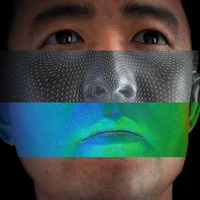

Efficient Spoken Language Recognition via Multilabel Classification
Spoken language recognition (SLR) is the task of automatically identifying the language present in a speech signal. Existing SLR models are either too computationally expensive or too large to run effectively on devices with limited resources. For real-world deployment, a model should also gracefully handle unseen languages outside of the target language set, yet prior work has focused on closed-set classification where all input languages are known a-priori. In this paper we address these two limitations: we explore efficient model architectures for SLR based on convolutional networks, and propose a multilabel training strategy to handle non-target languages at inference time. Using the VoxLingua107 dataset, we show that our models obtain competitive results while being orders of magnitude smaller and faster than current state-of-the-art methods, and that our multilabel strategy is more robust to unseen non-target languages compared to multiclass classification.

Towards Redundancy Reduction in Diffusion Models for Efficient Video Super-Resolution
Diffusion models have recently shown promising results for video super-resolution (VSR). However, directly adapting generative diffusion models to VSR can result in redundancy, since low-quality videos already preserve substantial content information. Such redundancy leads to increased computational overhead and learning burden, as the model performs superfluous operations and must learn to filter out irrelevant information. To address this problem, we propose OASIS, an efficient one-step diffusion model with attention specialization for real-world video super-resolution. OASIS incorporates an attention specialization routing that assigns attention heads to different patterns according to their intrinsic behaviors. This routing mitigates redundancy while effectively preserving pretrained knowledge, allowing diffusion models to better adapt to VSR and achieve stronger performance. Moreover, we propose a simple yet effective progressive training strategy, which starts with temporally consistent degradations and then shifts to inconsistent settings. This strategy facilitates learning under complex degradations. Extensive experiments demonstrate that OASIS achieves state-of-the-art performance on both synthetic and real-world datasets. OASIS also provides superior inference speed, offering a 6.2\times$$ speedup over one-step diffusion baselines such as SeedVR2. The code will be available at https://github.com/jp-guo/OASIS{https://github.com/jp-guo/OASIS}.
Small Contributions, Small Networks: Efficient Neural Network Pruning Based on Relative Importance
Recent advancements have scaled neural networks to unprecedented sizes, achieving remarkable performance across a wide range of tasks. However, deploying these large-scale models on resource-constrained devices poses significant challenges due to substantial storage and computational requirements. Neural network pruning has emerged as an effective technique to mitigate these limitations by reducing model size and complexity. In this paper, we introduce an intuitive and interpretable pruning method based on activation statistics, rooted in information theory and statistical analysis. Our approach leverages the statistical properties of neuron activations to identify and remove weights with minimal contributions to neuron outputs. Specifically, we build a distribution of weight contributions across the dataset and utilize its parameters to guide the pruning process. Furthermore, we propose a Pruning-aware Training strategy that incorporates an additional regularization term to enhance the effectiveness of our pruning method. Extensive experiments on multiple datasets and network architectures demonstrate that our method consistently outperforms several baseline and state-of-the-art pruning techniques.

PixArt-$α$: Fast Training of Diffusion Transformer for Photorealistic Text-to-Image Synthesis
The most advanced text-to-image (T2I) models require significant training costs (e.g., millions of GPU hours), seriously hindering the fundamental innovation for the AIGC community while increasing CO2 emissions. This paper introduces PIXART-alpha, a Transformer-based T2I diffusion model whose image generation quality is competitive with state-of-the-art image generators (e.g., Imagen, SDXL, and even Midjourney), reaching near-commercial application standards. Additionally, it supports high-resolution image synthesis up to 1024px resolution with low training cost, as shown in Figure 1 and 2. To achieve this goal, three core designs are proposed: (1) Training strategy decomposition: We devise three distinct training steps that separately optimize pixel dependency, text-image alignment, and image aesthetic quality; (2) Efficient T2I Transformer: We incorporate cross-attention modules into Diffusion Transformer (DiT) to inject text conditions and streamline the computation-intensive class-condition branch; (3) High-informative data: We emphasize the significance of concept density in text-image pairs and leverage a large Vision-Language model to auto-label dense pseudo-captions to assist text-image alignment learning. As a result, PIXART-alpha's training speed markedly surpasses existing large-scale T2I models, e.g., PIXART-alpha only takes 10.8% of Stable Diffusion v1.5's training time (675 vs. 6,250 A100 GPU days), saving nearly \300,000 (26,000 vs. \320,000) and reducing 90% CO2 emissions. Moreover, compared with a larger SOTA model, RAPHAEL, our training cost is merely 1%. Extensive experiments demonstrate that PIXART-\alpha excels in image quality, artistry, and semantic control. We hope PIXART-\alpha$ will provide new insights to the AIGC community and startups to accelerate building their own high-quality yet low-cost generative models from scratch.

EAGAN: Efficient Two-stage Evolutionary Architecture Search for GANs
Generative adversarial networks (GANs) have proven successful in image generation tasks. However, GAN training is inherently unstable. Although many works try to stabilize it by manually modifying GAN architecture, it requires much expertise. Neural architecture search (NAS) has become an attractive solution to search GANs automatically. The early NAS-GANs search only generators to reduce search complexity but lead to a sub-optimal GAN. Some recent works try to search both generator (G) and discriminator (D), but they suffer from the instability of GAN training. To alleviate the instability, we propose an efficient two-stage evolutionary algorithm-based NAS framework to search GANs, namely EAGAN. We decouple the search of G and D into two stages, where stage-1 searches G with a fixed D and adopts the many-to-one training strategy, and stage-2 searches D with the optimal G found in stage-1 and adopts the one-to-one training and weight-resetting strategies to enhance the stability of GAN training. Both stages use the non-dominated sorting method to produce Pareto-front architectures under multiple objectives (e.g., model size, Inception Score (IS), and Fr\'echet Inception Distance (FID)). EAGAN is applied to the unconditional image generation task and can efficiently finish the search on the CIFAR-10 dataset in 1.2 GPU days. Our searched GANs achieve competitive results (IS=8.81pm0.10, FID=9.91) on the CIFAR-10 dataset and surpass prior NAS-GANs on the STL-10 dataset (IS=10.44pm0.087, FID=22.18). Source code: https://github.com/marsggbo/EAGAN.
Laser: Efficient Language-Guided Segmentation in Neural Radiance Fields
In this work, we propose a method that leverages CLIP feature distillation, achieving efficient 3D segmentation through language guidance. Unlike previous methods that rely on multi-scale CLIP features and are limited by processing speed and storage requirements, our approach aims to streamline the workflow by directly and effectively distilling dense CLIP features, thereby achieving precise segmentation of 3D scenes using text. To achieve this, we introduce an adapter module and mitigate the noise issue in the dense CLIP feature distillation process through a self-cross-training strategy. Moreover, to enhance the accuracy of segmentation edges, this work presents a low-rank transient query attention mechanism. To ensure the consistency of segmentation for similar colors under different viewpoints, we convert the segmentation task into a classification task through label volume, which significantly improves the consistency of segmentation in color-similar areas. We also propose a simplified text augmentation strategy to alleviate the issue of ambiguity in the correspondence between CLIP features and text. Extensive experimental results show that our method surpasses current state-of-the-art technologies in both training speed and performance. Our code is available on: https://github.com/xingy038/Laser.git.
InfiniteVL: Synergizing Linear and Sparse Attention for Highly-Efficient, Unlimited-Input Vision-Language Models
Window attention and linear attention represent two principal strategies for mitigating the quadratic complexity and ever-growing KV cache in Vision-Language Models (VLMs). However, we observe that window-based VLMs suffer performance degradation when sequence length exceeds the window size, while linear attention underperforms on information-intensive tasks such as OCR and document understanding. To overcome these limitations, we propose InfiniteVL, a linear-complexity VLM architecture that synergizes sliding window attention (SWA) with Gated DeltaNet. For achieving competitive multimodal performance under constrained resources, we design a three-stage training strategy comprising distillation pretraining, instruction tuning, and long-sequence SFT. Remarkably, using less than 2\% of the training data required by leading VLMs, InfiniteVL not only substantially outperforms previous linear-complexity VLMs but also matches the performance of leading Transformer-based VLMs, while demonstrating effective long-term memory retention. Compared to similar-sized Transformer-based VLMs accelerated by FlashAttention-2, InfiniteVL achieves over 3.6\times inference speedup while maintaining constant latency and memory footprint. In streaming video understanding scenarios, it sustains a stable 24 FPS real-time prefill speed while preserving long-term memory cache. Code and models are available at https://github.com/hustvl/InfiniteVL.
AdaPM: a Partial Momentum Algorithm for LLM Training
In the training of large language models, momentum is widely used and often demonstrated to achieve significant acceleration. However, storing momentum typically presents memory challenges. In this paper, we propose AdaPM, an adaptive training strategy that leverages partial momentum to implement a memory-efficient optimizer. To this end, AdaPM utilizes a non-uniform momentum design: for most blocks, full momentum is not necessary to preserve the performance of the optimization. In the momentum design of AdaPM, to mitigate the bias and performance loss caused by partial momentum, we enhance the partial momentum by a bias correction technique. Empirically, we verify that our approach reduces memory by over 90% in momentum while maintaining both efficiency and performance for pretraining various language models ranging from 60M to 1.5B, as well as for supervised fine-tuning and RLHF. AdaPM can further reduce memory by up to 95% in optimizer states by combining the memory-efficient technique on the second-order statistic, saving over 30% GPU hours for pretraining GPT-2 1.5B.
SMERF: Streamable Memory Efficient Radiance Fields for Real-Time Large-Scene Exploration
Recent techniques for real-time view synthesis have rapidly advanced in fidelity and speed, and modern methods are capable of rendering near-photorealistic scenes at interactive frame rates. At the same time, a tension has arisen between explicit scene representations amenable to rasterization and neural fields built on ray marching, with state-of-the-art instances of the latter surpassing the former in quality while being prohibitively expensive for real-time applications. In this work, we introduce SMERF, a view synthesis approach that achieves state-of-the-art accuracy among real-time methods on large scenes with footprints up to 300 m^2 at a volumetric resolution of 3.5 mm^3. Our method is built upon two primary contributions: a hierarchical model partitioning scheme, which increases model capacity while constraining compute and memory consumption, and a distillation training strategy that simultaneously yields high fidelity and internal consistency. Our approach enables full six degrees of freedom (6DOF) navigation within a web browser and renders in real-time on commodity smartphones and laptops. Extensive experiments show that our method exceeds the current state-of-the-art in real-time novel view synthesis by 0.78 dB on standard benchmarks and 1.78 dB on large scenes, renders frames three orders of magnitude faster than state-of-the-art radiance field models, and achieves real-time performance across a wide variety of commodity devices, including smartphones. We encourage readers to explore these models interactively at our project website: https://smerf-3d.github.io.
BottleFit: Learning Compressed Representations in Deep Neural Networks for Effective and Efficient Split Computing
Although mission-critical applications require the use of deep neural networks (DNNs), their continuous execution at mobile devices results in a significant increase in energy consumption. While edge offloading can decrease energy consumption, erratic patterns in channel quality, network and edge server load can lead to severe disruption of the system's key operations. An alternative approach, called split computing, generates compressed representations within the model (called "bottlenecks"), to reduce bandwidth usage and energy consumption. Prior work has proposed approaches that introduce additional layers, to the detriment of energy consumption and latency. For this reason, we propose a new framework called BottleFit, which, in addition to targeted DNN architecture modifications, includes a novel training strategy to achieve high accuracy even with strong compression rates. We apply BottleFit on cutting-edge DNN models in image classification, and show that BottleFit achieves 77.1% data compression with up to 0.6% accuracy loss on ImageNet dataset, while state of the art such as SPINN loses up to 6% in accuracy. We experimentally measure the power consumption and latency of an image classification application running on an NVIDIA Jetson Nano board (GPU-based) and a Raspberry PI board (GPU-less). We show that BottleFit decreases power consumption and latency respectively by up to 49% and 89% with respect to (w.r.t.) local computing and by 37% and 55% w.r.t. edge offloading. We also compare BottleFit with state-of-the-art autoencoders-based approaches, and show that (i) BottleFit reduces power consumption and execution time respectively by up to 54% and 44% on the Jetson and 40% and 62% on Raspberry PI; (ii) the size of the head model executed on the mobile device is 83 times smaller. We publish the code repository for reproducibility of the results in this study.


UniPLV: Towards Label-Efficient Open-World 3D Scene Understanding by Regional Visual Language Supervision
We present UniPLV, a powerful framework that unifies point clouds, images and text in a single learning paradigm for open-world 3D scene understanding. UniPLV employs the image modal as a bridge to co-embed 3D points with pre-aligned images and text in a shared feature space without requiring carefully crafted point cloud text pairs. To accomplish multi-modal alignment, we propose two key strategies:(i) logit and feature distillation modules between images and point clouds, and (ii) a vison-point matching module is given to explicitly correct the misalignment caused by points to pixels projection. To further improve the performance of our unified framework, we adopt four task-specific losses and a two-stage training strategy. Extensive experiments show that our method outperforms the state-of-the-art methods by an average of 15.6% and 14.8% for semantic segmentation over Base-Annotated and Annotation-Free tasks, respectively. The code will be released later.
LOGO -- Long cOntext aliGnment via efficient preference Optimization
Long-context models(LCMs) have shown great potential in processing long input sequences(even more than 100M tokens) conveniently and effectively. With significant progress, recent research has pointed out that LCMs can accurately locate token-level salient information within the context. Yet, the generation performance of these LCMs is far from satisfactory and might result in misaligned responses, such as hallucinations. To enhance the generation capability of LCMs, existing works have investigated the effects of data size and quality for both pre-training and instruction tuning. Though achieving meaningful improvement, previous methods fall short in either effectiveness or efficiency. In this paper, we introduce LOGO(Long cOntext aliGnment via efficient preference Optimization), a training strategy that first introduces preference optimization for long-context alignment. To overcome the GPU memory-bound issue caused by the long sequence, LOGO employs a reference-free preference optimization strategy and adopts a position synthesis method to construct the training data. By training with only 0.3B data on a single 8timesA800 GPU machine for 16 hours, LOGO allows the Llama-3-8B-Instruct-80K model to achieve comparable performance with GPT-4 in real-world long-context tasks while preserving the model's original capabilities on other tasks, e.g., language modeling and MMLU. Moreover, LOGO can extend the model's context window size while enhancing its generation performance.

EHVC: Efficient Hierarchical Reference and Quality Structure for Neural Video Coding
Neural video codecs (NVCs), leveraging the power of end-to-end learning, have demonstrated remarkable coding efficiency improvements over traditional video codecs. Recent research has begun to pay attention to the quality structures in NVCs, optimizing them by introducing explicit hierarchical designs. However, less attention has been paid to the reference structure design, which fundamentally should be aligned with the hierarchical quality structure. In addition, there is still significant room for further optimization of the hierarchical quality structure. To address these challenges in NVCs, we propose EHVC, an efficient hierarchical neural video codec featuring three key innovations: (1) a hierarchical multi-reference scheme that draws on traditional video codec design to align reference and quality structures, thereby addressing the reference-quality mismatch; (2) a lookahead strategy to utilize an encoder-side context from future frames to enhance the quality structure; (3) a layer-wise quality scale with random quality training strategy to stabilize quality structures during inference. With these improvements, EHVC achieves significantly superior performance to the state-of-the-art NVCs. Code will be released in: https://github.com/bytedance/NEVC.
Deep Compression Autoencoder for Efficient High-Resolution Diffusion Models
We present Deep Compression Autoencoder (DC-AE), a new family of autoencoder models for accelerating high-resolution diffusion models. Existing autoencoder models have demonstrated impressive results at a moderate spatial compression ratio (e.g., 8x), but fail to maintain satisfactory reconstruction accuracy for high spatial compression ratios (e.g., 64x). We address this challenge by introducing two key techniques: (1) Residual Autoencoding, where we design our models to learn residuals based on the space-to-channel transformed features to alleviate the optimization difficulty of high spatial-compression autoencoders; (2) Decoupled High-Resolution Adaptation, an efficient decoupled three-phases training strategy for mitigating the generalization penalty of high spatial-compression autoencoders. With these designs, we improve the autoencoder's spatial compression ratio up to 128 while maintaining the reconstruction quality. Applying our DC-AE to latent diffusion models, we achieve significant speedup without accuracy drop. For example, on ImageNet 512x512, our DC-AE provides 19.1x inference speedup and 17.9x training speedup on H100 GPU for UViT-H while achieving a better FID, compared with the widely used SD-VAE-f8 autoencoder. Our code is available at https://github.com/mit-han-lab/efficientvit.





More Text, Less Point: Towards 3D Data-Efficient Point-Language Understanding
Enabling Large Language Models (LLMs) to comprehend the 3D physical world remains a significant challenge. Due to the lack of large-scale 3D-text pair datasets, the success of LLMs has yet to be replicated in 3D understanding. In this paper, we rethink this issue and propose a new task: 3D Data-Efficient Point-Language Understanding. The goal is to enable LLMs to achieve robust 3D object understanding with minimal 3D point cloud and text data pairs. To address this task, we introduce GreenPLM, which leverages more text data to compensate for the lack of 3D data. First, inspired by using CLIP to align images and text, we utilize a pre-trained point cloud-text encoder to map the 3D point cloud space to the text space. This mapping leaves us to seamlessly connect the text space with LLMs. Once the point-text-LLM connection is established, we further enhance text-LLM alignment by expanding the intermediate text space, thereby reducing the reliance on 3D point cloud data. Specifically, we generate 6M free-text descriptions of 3D objects, and design a three-stage training strategy to help LLMs better explore the intrinsic connections between different modalities. To achieve efficient modality alignment, we design a zero-parameter cross-attention module for token pooling. Extensive experimental results show that GreenPLM requires only 12% of the 3D training data used by existing state-of-the-art models to achieve superior 3D understanding. Remarkably, GreenPLM also achieves competitive performance using text-only data. The code and weights are available at: https://github.com/TangYuan96/GreenPLM.
H3AE: High Compression, High Speed, and High Quality AutoEncoder for Video Diffusion Models
Autoencoder (AE) is the key to the success of latent diffusion models for image and video generation, reducing the denoising resolution and improving efficiency. However, the power of AE has long been underexplored in terms of network design, compression ratio, and training strategy. In this work, we systematically examine the architecture design choices and optimize the computation distribution to obtain a series of efficient and high-compression video AEs that can decode in real time even on mobile devices. We also propose an omni-training objective to unify the design of plain Autoencoder and image-conditioned I2V VAE, achieving multifunctionality in a single VAE network but with enhanced quality. In addition, we propose a novel latent consistency loss that provides stable improvements in reconstruction quality. Latent consistency loss outperforms prior auxiliary losses including LPIPS, GAN and DWT in terms of both quality improvements and simplicity. H3AE achieves ultra-high compression ratios and real-time decoding speed on GPU and mobile, and outperforms prior arts in terms of reconstruction metrics by a large margin. We finally validate our AE by training a DiT on its latent space and demonstrate fast, high-quality text-to-video generation capability.
UniGist: Towards General and Hardware-aligned Sequence-level Long Context Compression
Large language models are increasingly capable of handling long-context inputs, but the memory overhead of key-value (KV) cache remains a major bottleneck for general-purpose deployment. While various compression strategies have been explored, sequence-level compression, which drops the full KV caches for certain tokens, is particularly challenging as it can lead to the loss of important contextual information. To address this, we introduce UniGist, a sequence-level long-context compression framework that efficiently preserves context information by replacing raw tokens with special compression tokens (gists) in a fine-grained manner. We adopt a chunk-free training strategy and design an efficient kernel with a gist shift trick, enabling optimized GPU training. Our scheme also supports flexible inference by allowing the actual removal of compressed tokens, resulting in real-time memory savings. Experiments across multiple long-context tasks demonstrate that UniGist significantly improves compression quality, with especially strong performance in detail-recalling tasks and long-range dependency modeling.



DexVLA: Vision-Language Model with Plug-In Diffusion Expert for General Robot Control
Enabling robots to perform diverse tasks across varied environments is a central challenge in robot learning. While vision-language-action (VLA) models have shown promise for generalizable robot skills, realizing their full potential requires addressing limitations in action representation and efficient training. Current VLA models often focus on scaling the vision-language model (VLM) component, while the action space representation remains a critical bottleneck. This paper introduces DexVLA, a novel framework designed to enhance the efficiency and generalization capabilities of VLAs for complex, long-horizon tasks across diverse robot embodiments. DexVLA features a novel diffusion-based action expert, scaled to one billion parameters, designed for cross-embodiment learning. A novel embodiment curriculum learning strategy facilitates efficient training: (1) pre-training the diffusion expert that is separable from the VLA on cross-embodiment data, (2) aligning the VLA model to specific embodiments, and (3) post-training for rapid adaptation to new tasks. We conduct comprehensive experiments across multiple embodiments, including single-arm, bimanual, and dexterous hand, demonstrating DexVLA's adaptability to challenging tasks without task-specific adaptation, its ability to learn dexterous skills on novel embodiments with limited data, and its capacity to complete complex, long-horizon tasks using only direct language prompting, such as laundry folding. In all settings, our method demonstrates superior performance compared to state-of-the-art models like Octo, OpenVLA, and Diffusion Policy.
OSUM: Advancing Open Speech Understanding Models with Limited Resources in Academia
Large Language Models (LLMs) have made significant progress in various downstream tasks, inspiring the development of Speech Understanding Language Models (SULMs) to enable comprehensive speech-based interactions. However, most advanced SULMs are developed by the industry, leveraging large-scale datasets and computational resources that are not readily available to the academic community. Moreover, the lack of transparency in training details creates additional barriers to further innovation. In this study, we present OSUM, an Open Speech Understanding Model designed to explore the potential of training SLUMs under constrained academic resources. The OSUM model combines a Whisper encoder with a Qwen2 LLM and supports a wide range of speech tasks, including speech recognition (ASR), speech recognition with timestamps (SRWT), vocal event detection (VED), speech emotion recognition (SER), speaking style recognition (SSR), speaker gender classification (SGC), speaker age prediction (SAP), and speech-to-text chat (STTC). By employing an ASR+X training strategy, OSUM achieves efficient and stable multi-task training by simultaneously optimizing ASR alongside target tasks. Beyond delivering strong performance, OSUM emphasizes transparency by providing openly available data preparation and training methodologies, offering valuable insights and practical guidance for the academic community. By doing so, we aim to accelerate research and innovation in advanced SULM technologies.
Mini-Monkey: Multi-Scale Adaptive Cropping for Multimodal Large Language Models
Recently, there has been significant interest in enhancing the capability of multimodal large language models (MLLMs) to process high-resolution images. Most existing methods focus on adopting a cropping strategy to improve the ability of multimodal large language models to understand image details. However, this cropping operation inevitably causes the segmentation of objects and connected areas, which impairs the MLLM's ability to recognize small or irregularly shaped objects or text. This issue is particularly evident in lightweight MLLMs. Addressing this issue, we propose Mini-Monkey, a lightweight MLLM that incorporates a plug-and-play method called multi-scale adaptive crop strategy (MSAC). Mini-Monkey adaptively generates multi-scale representations, allowing it to select non-segmented objects from various scales. To mitigate the computational overhead introduced by MSAC, we propose a Scale Compression Mechanism (SCM), which effectively compresses image tokens. Mini-Monkey achieves state-of-the-art performance among 2B-parameter MLLMs. It not only demonstrates leading performance on a variety of general multimodal understanding tasks but also shows consistent improvements in document understanding capabilities. On the OCRBench, Mini-Monkey achieves a score of 802, outperforming 8B-parameter state-of-the-art model InternVL2-8B. Besides, our model and training strategy are very efficient, which can be trained with only eight RTX 3090. The code is available at https://github.com/Yuliang-Liu/Monkey.

Zero-Shot Novel View and Depth Synthesis with Multi-View Geometric Diffusion
Current methods for 3D scene reconstruction from sparse posed images employ intermediate 3D representations such as neural fields, voxel grids, or 3D Gaussians, to achieve multi-view consistent scene appearance and geometry. In this paper we introduce MVGD, a diffusion-based architecture capable of direct pixel-level generation of images and depth maps from novel viewpoints, given an arbitrary number of input views. Our method uses raymap conditioning to both augment visual features with spatial information from different viewpoints, as well as to guide the generation of images and depth maps from novel views. A key aspect of our approach is the multi-task generation of images and depth maps, using learnable task embeddings to guide the diffusion process towards specific modalities. We train this model on a collection of more than 60 million multi-view samples from publicly available datasets, and propose techniques to enable efficient and consistent learning in such diverse conditions. We also propose a novel strategy that enables the efficient training of larger models by incrementally fine-tuning smaller ones, with promising scaling behavior. Through extensive experiments, we report state-of-the-art results in multiple novel view synthesis benchmarks, as well as multi-view stereo and video depth estimation.
Token-Shuffle: Towards High-Resolution Image Generation with Autoregressive Models
Autoregressive (AR) models, long dominant in language generation, are increasingly applied to image synthesis but are often considered less competitive than Diffusion-based models. A primary limitation is the substantial number of image tokens required for AR models, which constrains both training and inference efficiency, as well as image resolution. To address this, we present Token-Shuffle, a novel yet simple method that reduces the number of image tokens in Transformer. Our key insight is the dimensional redundancy of visual vocabularies in Multimodal Large Language Models (MLLMs), where low-dimensional visual codes from visual encoder are directly mapped to high-dimensional language vocabularies. Leveraging this, we consider two key operations: token-shuffle, which merges spatially local tokens along channel dimension to decrease the input token number, and token-unshuffle, which untangles the inferred tokens after Transformer blocks to restore the spatial arrangement for output. Jointly training with textual prompts, our strategy requires no additional pretrained text-encoder and enables MLLMs to support extremely high-resolution image synthesis in a unified next-token prediction way while maintaining efficient training and inference. For the first time, we push the boundary of AR text-to-image generation to a resolution of 2048x2048 with gratifying generation performance. In GenAI-benchmark, our 2.7B model achieves 0.77 overall score on hard prompts, outperforming AR models LlamaGen by 0.18 and diffusion models LDM by 0.15. Exhaustive large-scale human evaluations also demonstrate our prominent image generation ability in terms of text-alignment, visual flaw, and visual appearance. We hope that Token-Shuffle can serve as a foundational design for efficient high-resolution image generation within MLLMs.

UGC-VideoCaptioner: An Omni UGC Video Detail Caption Model and New Benchmarks
Real-world user-generated videos, especially on platforms like TikTok, often feature rich and intertwined audio visual content. However, existing video captioning benchmarks and models remain predominantly visual centric, overlooking the crucial role of audio in conveying scene dynamics, speaker intent, and narrative context. This lack of omni datasets and lightweight, capable models hampers progress in fine grained, multimodal video understanding. To address these challenges, we introduce UGC-VideoCap, a new benchmark and model framework specifically designed for detailed omnimodal captioning of short form user-generated videos. Unlike prior datasets, UGC-VideoCap emphasizes balanced integration of audio and visual modalities, featuring 1000 TikTok videos annotated through a structured three stage human-in-the-loop pipeline covering audio only, visual only, and joint audio visual semantics. The benchmark also includes 4000 carefully crafted QA pairs probing both unimodal and cross modal understanding. Alongside the dataset, we propose UGC-VideoCaptioner(3B), a 3B parameter captioning model distilled from Gemini 2.5 Flash. Using a novel two-stage training strategy supervised fine tuning followed by Group Relative Policy Optimization (GRPO), our approach enables efficient adaptation from limited data while maintaining competitive performance. Together, our benchmark and model offer a high-quality foundation and a data-efficient solution for advancing omnimodal video captioning in unconstrained real-world UGC settings.

MultiMAE: Multi-modal Multi-task Masked Autoencoders
We propose a pre-training strategy called Multi-modal Multi-task Masked Autoencoders (MultiMAE). It differs from standard Masked Autoencoding in two key aspects: I) it can optionally accept additional modalities of information in the input besides the RGB image (hence "multi-modal"), and II) its training objective accordingly includes predicting multiple outputs besides the RGB image (hence "multi-task"). We make use of masking (across image patches and input modalities) to make training MultiMAE tractable as well as to ensure cross-modality predictive coding is indeed learned by the network. We show this pre-training strategy leads to a flexible, simple, and efficient framework with improved transfer results to downstream tasks. In particular, the same exact pre-trained network can be flexibly used when additional information besides RGB images is available or when no information other than RGB is available - in all configurations yielding competitive to or significantly better results than the baselines. To avoid needing training datasets with multiple modalities and tasks, we train MultiMAE entirely using pseudo labeling, which makes the framework widely applicable to any RGB dataset. The experiments are performed on multiple transfer tasks (image classification, semantic segmentation, depth estimation) and datasets (ImageNet, ADE20K, Taskonomy, Hypersim, NYUv2). The results show an intriguingly impressive capability by the model in cross-modal/task predictive coding and transfer.


Warm Up Before You Train: Unlocking General Reasoning in Resource-Constrained Settings
Designing effective reasoning-capable LLMs typically requires training using Reinforcement Learning with Verifiable Rewards (RLVR) or distillation with carefully curated Long Chain of Thoughts (CoT), both of which depend heavily on extensive training data. This creates a major challenge when the amount of quality training data is scarce. We propose a sample-efficient, two-stage training strategy to develop reasoning LLMs under limited supervision. In the first stage, we "warm up" the model by distilling Long CoTs from a toy domain, namely, Knights \& Knaves (K\&K) logic puzzles to acquire general reasoning skills. In the second stage, we apply RLVR to the warmed-up model using a limited set of target-domain examples. Our experiments demonstrate that this two-phase approach offers several benefits: (i) the warmup phase alone facilitates generalized reasoning, leading to performance improvements across a range of tasks, including MATH, HumanEval^{+}, and MMLU-Pro. (ii) When both the base model and the warmed-up model are RLVR trained on the same small dataset (leq100 examples), the warmed-up model consistently outperforms the base model; (iii) Warming up before RLVR training allows a model to maintain cross-domain generalizability even after training on a specific domain; (iv) Introducing warmup in the pipeline improves not only accuracy but also overall sample efficiency during RLVR training. The results in this paper highlight the promise of warmup for building robust reasoning LLMs in data-scarce environments.


Captain Cinema: Towards Short Movie Generation
We present Captain Cinema, a generation framework for short movie generation. Given a detailed textual description of a movie storyline, our approach firstly generates a sequence of keyframes that outline the entire narrative, which ensures long-range coherence in both the storyline and visual appearance (e.g., scenes and characters). We refer to this step as top-down keyframe planning. These keyframes then serve as conditioning signals for a video synthesis model, which supports long context learning, to produce the spatio-temporal dynamics between them. This step is referred to as bottom-up video synthesis. To support stable and efficient generation of multi-scene long narrative cinematic works, we introduce an interleaved training strategy for Multimodal Diffusion Transformers (MM-DiT), specifically adapted for long-context video data. Our model is trained on a specially curated cinematic dataset consisting of interleaved data pairs. Our experiments demonstrate that Captain Cinema performs favorably in the automated creation of visually coherent and narrative consistent short movies in high quality and efficiency. Project page: https://thecinema.ai

MOBIUS: Big-to-Mobile Universal Instance Segmentation via Multi-modal Bottleneck Fusion and Calibrated Decoder Pruning
Scaling up model size and training data has advanced foundation models for instance-level perception, achieving state-of-the-art in-domain and zero-shot performance across object detection and segmentation. However, their high computational cost limits adoption on resource-constrained platforms. We first examine the limitations of existing architectures in enabling efficient edge deployment without compromising performance. We then introduce MOBIUS, a family of foundation models for universal instance segmentation, designed for Pareto-optimal downscaling to support deployment across devices ranging from high-end accelerators to mobile hardware. To reduce training and inference demands, we propose: (i) a bottleneck pixel decoder for efficient multi-scale and multi-modal fusion, (ii) a language-guided uncertainty calibration loss for adaptive decoder pruning, and (iii) a streamlined, unified training strategy. Unlike efficient baselines that trade accuracy for reduced complexity, MOBIUS reduces pixel and transformer decoder FLOPs by up to 55% and 75%, respectively, while maintaining state-of-the-art performance in just a third of the training iterations. MOBIUS establishes a new benchmark for efficient segmentation on both high-performance computing platforms and mobile devices.
Shakti-VLMs: Scalable Vision-Language Models for Enterprise AI
We introduce Shakti VLM, a family of vision-language models in the capacity of 1B and 4B parameters designed to address data efficiency challenges in multimodal learning. While recent VLMs achieve strong performance through extensive training data, Shakti models leverage architectural innovations to attain competitive results with fewer tokens. Key advancements include QK-Normalization for attention stability, hybrid normalization techniques, and enhanced positional encoding. A three-stage training strategy further optimizes learning efficiency. Evaluations show that Shakti-Shakti-VLM-1B and Shakti-VLM-4B excel in document understanding, Visual Reasoning, OCR extraction, and general multimodal reasoning. Our results highlight that high performance can be achieved through model design and training strategy rather than sheer data volume, making Shakti an efficient solution for enterprise-scale multimodal tasks.



Binary Embedding-based Retrieval at Tencent
Large-scale embedding-based retrieval (EBR) is the cornerstone of search-related industrial applications. Given a user query, the system of EBR aims to identify relevant information from a large corpus of documents that may be tens or hundreds of billions in size. The storage and computation turn out to be expensive and inefficient with massive documents and high concurrent queries, making it difficult to further scale up. To tackle the challenge, we propose a binary embedding-based retrieval (BEBR) engine equipped with a recurrent binarization algorithm that enables customized bits per dimension. Specifically, we compress the full-precision query and document embeddings, formulated as float vectors in general, into a composition of multiple binary vectors using a lightweight transformation model with residual multilayer perception (MLP) blocks. We can therefore tailor the number of bits for different applications to trade off accuracy loss and cost savings. Importantly, we enable task-agnostic efficient training of the binarization model using a new embedding-to-embedding strategy. We also exploit the compatible training of binary embeddings so that the BEBR engine can support indexing among multiple embedding versions within a unified system. To further realize efficient search, we propose Symmetric Distance Calculation (SDC) to achieve lower response time than Hamming codes. We successfully employed the introduced BEBR to Tencent products, including Sogou, Tencent Video, QQ World, etc. The binarization algorithm can be seamlessly generalized to various tasks with multiple modalities. Extensive experiments on offline benchmarks and online A/B tests demonstrate the efficiency and effectiveness of our method, significantly saving 30%~50% index costs with almost no loss of accuracy at the system level.
DVIS: Decoupled Video Instance Segmentation Framework
Video instance segmentation (VIS) is a critical task with diverse applications, including autonomous driving and video editing. Existing methods often underperform on complex and long videos in real world, primarily due to two factors. Firstly, offline methods are limited by the tightly-coupled modeling paradigm, which treats all frames equally and disregards the interdependencies between adjacent frames. Consequently, this leads to the introduction of excessive noise during long-term temporal alignment. Secondly, online methods suffer from inadequate utilization of temporal information. To tackle these challenges, we propose a decoupling strategy for VIS by dividing it into three independent sub-tasks: segmentation, tracking, and refinement. The efficacy of the decoupling strategy relies on two crucial elements: 1) attaining precise long-term alignment outcomes via frame-by-frame association during tracking, and 2) the effective utilization of temporal information predicated on the aforementioned accurate alignment outcomes during refinement. We introduce a novel referring tracker and temporal refiner to construct the Decoupled VIS framework (DVIS). DVIS achieves new SOTA performance in both VIS and VPS, surpassing the current SOTA methods by 7.3 AP and 9.6 VPQ on the OVIS and VIPSeg datasets, which are the most challenging and realistic benchmarks. Moreover, thanks to the decoupling strategy, the referring tracker and temporal refiner are super light-weight (only 1.69\% of the segmenter FLOPs), allowing for efficient training and inference on a single GPU with 11G memory. The code is available at https://github.com/zhang-tao-whu/DVIS{https://github.com/zhang-tao-whu/DVIS}.

Wonderland: Navigating 3D Scenes from a Single Image
This paper addresses a challenging question: How can we efficiently create high-quality, wide-scope 3D scenes from a single arbitrary image? Existing methods face several constraints, such as requiring multi-view data, time-consuming per-scene optimization, low visual quality in backgrounds, and distorted reconstructions in unseen areas. We propose a novel pipeline to overcome these limitations. Specifically, we introduce a large-scale reconstruction model that uses latents from a video diffusion model to predict 3D Gaussian Splattings for the scenes in a feed-forward manner. The video diffusion model is designed to create videos precisely following specified camera trajectories, allowing it to generate compressed video latents that contain multi-view information while maintaining 3D consistency. We train the 3D reconstruction model to operate on the video latent space with a progressive training strategy, enabling the efficient generation of high-quality, wide-scope, and generic 3D scenes. Extensive evaluations across various datasets demonstrate that our model significantly outperforms existing methods for single-view 3D scene generation, particularly with out-of-domain images. For the first time, we demonstrate that a 3D reconstruction model can be effectively built upon the latent space of a diffusion model to realize efficient 3D scene generation.


Curriculum-guided Abstractive Summarization for Mental Health Online Posts
Automatically generating short summaries from users' online mental health posts could save counselors' reading time and reduce their fatigue so that they can provide timely responses to those seeking help for improving their mental state. Recent Transformers-based summarization models have presented a promising approach to abstractive summarization. They go beyond sentence selection and extractive strategies to deal with more complicated tasks such as novel word generation and sentence paraphrasing. Nonetheless, these models have a prominent shortcoming; their training strategy is not quite efficient, which restricts the model's performance. In this paper, we include a curriculum learning approach to reweigh the training samples, bringing about an efficient learning procedure. We apply our model on extreme summarization dataset of MentSum posts -- a dataset of mental health related posts from Reddit social media. Compared to the state-of-the-art model, our proposed method makes substantial gains in terms of Rouge and Bertscore evaluation metrics, yielding 3.5% (Rouge-1), 10.4% (Rouge-2), and 4.7% (Rouge-L), 1.5% (Bertscore) relative improvements.
UMBRAE: Unified Multimodal Brain Decoding
We address prevailing challenges of the brain-powered research, departing from the observation that the literature hardly recover accurate spatial information and require subject-specific models. To address these challenges, we propose UMBRAE, a unified multimodal decoding of brain signals. First, to extract instance-level conceptual and spatial details from neural signals, we introduce an efficient universal brain encoder for multimodal-brain alignment and recover object descriptions at multiple levels of granularity from subsequent multimodal large language model (MLLM). Second, we introduce a cross-subject training strategy mapping subject-specific features to a common feature space. This allows a model to be trained on multiple subjects without extra resources, even yielding superior results compared to subject-specific models. Further, we demonstrate this supports weakly-supervised adaptation to new subjects, with only a fraction of the total training data. Experiments demonstrate that UMBRAE not only achieves superior results in the newly introduced tasks but also outperforms methods in well established tasks. To assess our method, we construct and share with the community a comprehensive brain understanding benchmark BrainHub. Our code and benchmark are available at https://weihaox.github.io/UMBRAE.

Graph Convolutional Neural Networks for Web-Scale Recommender Systems
Recent advancements in deep neural networks for graph-structured data have led to state-of-the-art performance on recommender system benchmarks. However, making these methods practical and scalable to web-scale recommendation tasks with billions of items and hundreds of millions of users remains a challenge. Here we describe a large-scale deep recommendation engine that we developed and deployed at Pinterest. We develop a data-efficient Graph Convolutional Network (GCN) algorithm PinSage, which combines efficient random walks and graph convolutions to generate embeddings of nodes (i.e., items) that incorporate both graph structure as well as node feature information. Compared to prior GCN approaches, we develop a novel method based on highly efficient random walks to structure the convolutions and design a novel training strategy that relies on harder-and-harder training examples to improve robustness and convergence of the model. We also develop an efficient MapReduce model inference algorithm to generate embeddings using a trained model. We deploy PinSage at Pinterest and train it on 7.5 billion examples on a graph with 3 billion nodes representing pins and boards, and 18 billion edges. According to offline metrics, user studies and A/B tests, PinSage generates higher-quality recommendations than comparable deep learning and graph-based alternatives. To our knowledge, this is the largest application of deep graph embeddings to date and paves the way for a new generation of web-scale recommender systems based on graph convolutional architectures.
Curriculum-Guided Abstractive Summarization
Recent Transformer-based summarization models have provided a promising approach to abstractive summarization. They go beyond sentence selection and extractive strategies to deal with more complicated tasks such as novel word generation and sentence paraphrasing. Nonetheless, these models have two shortcomings: (1) they often perform poorly in content selection, and (2) their training strategy is not quite efficient, which restricts model performance. In this paper, we explore two orthogonal ways to compensate for these pitfalls. First, we augment the Transformer network with a sentence cross-attention module in the decoder, encouraging more abstraction of salient content. Second, we include a curriculum learning approach to reweight the training samples, bringing about an efficient learning procedure. Our second approach to enhance the training strategy of Transformers networks makes stronger gains as compared to the first approach. We apply our model on extreme summarization dataset of Reddit TIFU posts. We further look into three cross-domain summarization datasets (Webis-TLDR-17, CNN/DM, and XSum), measuring the efficacy of curriculum learning when applied in summarization. Moreover, a human evaluation is conducted to show the efficacy of the proposed method in terms of qualitative criteria, namely, fluency, informativeness, and overall quality.
RSTAR: Rotational Streak Artifact Reduction in 4D CBCT using Separable and Circular Convolutions
Four-dimensional cone-beam computed tomography (4D CBCT) provides respiration-resolved images and can be used for image-guided radiation therapy. However, the ability to reveal respiratory motion comes at the cost of image artifacts. As raw projection data are sorted into multiple respiratory phases, the cone-beam projections become much sparser and the reconstructed 4D CBCT images will be covered by severe streak artifacts. Although several deep learning-based methods have been proposed to address this issue, most algorithms employ 2D network models as backbones, neglecting the intrinsic structural priors within 4D CBCT images. In this paper, we first explore the origin and appearance of streak artifacts in 4D CBCT images. We find that streak artifacts exhibit a unique rotational motion along with the patient's respiration, distinguishable from diaphragm-driven respiratory motion in the spatiotemporal domain. Therefore, we propose a novel 4D neural network model, RSTAR4D-Net, designed to address Rotational STreak Artifact Reduction by integrating the spatial and temporal information within 4D CBCT images. Specifically, we overcome the computational and training difficulties of a 4D neural network. The specially designed model adopts an efficient implementation of 4D convolutions to reduce computational costs and thus can process the whole 4D image in one pass. Additionally, a Tetris training strategy pertinent to the separable 4D convolutions is proposed to effectively train the model using limited 4D training samples. Extensive experiments substantiate the effectiveness of our proposed method, and the RSTAR4D-Net shows superior performance compared to other methods. The source code and dynamic demos are available at https://github.com/ivy9092111111/RSTAR.
Magic Mirror: ID-Preserved Video Generation in Video Diffusion Transformers
We present Magic Mirror, a framework for generating identity-preserved videos with cinematic-level quality and dynamic motion. While recent advances in video diffusion models have shown impressive capabilities in text-to-video generation, maintaining consistent identity while producing natural motion remains challenging. Previous methods either require person-specific fine-tuning or struggle to balance identity preservation with motion diversity. Built upon Video Diffusion Transformers, our method introduces three key components: (1) a dual-branch facial feature extractor that captures both identity and structural features, (2) a lightweight cross-modal adapter with Conditioned Adaptive Normalization for efficient identity integration, and (3) a two-stage training strategy combining synthetic identity pairs with video data. Extensive experiments demonstrate that Magic Mirror effectively balances identity consistency with natural motion, outperforming existing methods across multiple metrics while requiring minimal parameters added. The code and model will be made publicly available at: https://github.com/dvlab-research/MagicMirror/



CAGS: Open-Vocabulary 3D Scene Understanding with Context-Aware Gaussian Splatting
Open-vocabulary 3D scene understanding is crucial for applications requiring natural language-driven spatial interpretation, such as robotics and augmented reality. While 3D Gaussian Splatting (3DGS) offers a powerful representation for scene reconstruction, integrating it with open-vocabulary frameworks reveals a key challenge: cross-view granularity inconsistency. This issue, stemming from 2D segmentation methods like SAM, results in inconsistent object segmentations across views (e.g., a "coffee set" segmented as a single entity in one view but as "cup + coffee + spoon" in another). Existing 3DGS-based methods often rely on isolated per-Gaussian feature learning, neglecting the spatial context needed for cohesive object reasoning, leading to fragmented representations. We propose Context-Aware Gaussian Splatting (CAGS), a novel framework that addresses this challenge by incorporating spatial context into 3DGS. CAGS constructs local graphs to propagate contextual features across Gaussians, reducing noise from inconsistent granularity, employs mask-centric contrastive learning to smooth SAM-derived features across views, and leverages a precomputation strategy to reduce computational cost by precomputing neighborhood relationships, enabling efficient training in large-scale scenes. By integrating spatial context, CAGS significantly improves 3D instance segmentation and reduces fragmentation errors on datasets like LERF-OVS and ScanNet, enabling robust language-guided 3D scene understanding.
Efficient Diffusion Training via Min-SNR Weighting Strategy
Denoising diffusion models have been a mainstream approach for image generation, however, training these models often suffers from slow convergence. In this paper, we discovered that the slow convergence is partly due to conflicting optimization directions between timesteps. To address this issue, we treat the diffusion training as a multi-task learning problem, and introduce a simple yet effective approach referred to as Min-SNR-gamma. This method adapts loss weights of timesteps based on clamped signal-to-noise ratios, which effectively balances the conflicts among timesteps. Our results demonstrate a significant improvement in converging speed, 3.4times faster than previous weighting strategies. It is also more effective, achieving a new record FID score of 2.06 on the ImageNet 256times256 benchmark using smaller architectures than that employed in previous state-of-the-art. The code is available at https://github.com/TiankaiHang/Min-SNR-Diffusion-Training.

Scalable and Efficient MoE Training for Multitask Multilingual Models
The Mixture of Experts (MoE) models are an emerging class of sparsely activated deep learning models that have sublinear compute costs with respect to their parameters. In contrast with dense models, the sparse architecture of MoE offers opportunities for drastically growing model size with significant accuracy gain while consuming much lower compute budget. However, supporting large scale MoE training also has its own set of system and modeling challenges. To overcome the challenges and embrace the opportunities of MoE, we first develop a system capable of scaling MoE models efficiently to trillions of parameters. It combines multi-dimensional parallelism and heterogeneous memory technologies harmoniously with MoE to empower 8x larger models on the same hardware compared with existing work. Besides boosting system efficiency, we also present new training methods to improve MoE sample efficiency and leverage expert pruning strategy to improve inference time efficiency. By combining the efficient system and training methods, we are able to significantly scale up large multitask multilingual models for language generation which results in a great improvement in model accuracy. A model trained with 10 billion parameters on 50 languages can achieve state-of-the-art performance in Machine Translation (MT) and multilingual natural language generation tasks. The system support of efficient MoE training has been implemented and open-sourced with the DeepSpeed library.

Path Pooling: Training-Free Structure Enhancement for Efficient Knowledge Graph Retrieval-Augmented Generation
Although Large Language Models achieve strong success in many tasks, they still suffer from hallucinations and knowledge deficiencies in real-world applications. Many knowledge graph-based retrieval-augmented generation (KG-RAG) methods enhance the quality and credibility of LLMs by leveraging structure and semantic information in KGs as external knowledge bases. However, these methods struggle to effectively incorporate structure information, either incurring high computational costs or underutilizing available knowledge. Inspired by smoothing operations in graph representation learning, we propose path pooling, a simple, training-free strategy that introduces structure information through a novel path-centric pooling operation. It seamlessly integrates into existing KG-RAG methods in a plug-and-play manner, enabling richer structure information utilization. Extensive experiments demonstrate that incorporating the path pooling into the state-of-the-art KG-RAG method consistently improves performance across various settings while introducing negligible additional cost.
Prefix Grouper: Efficient GRPO Training through Shared-Prefix Forward
Group Relative Policy Optimization (GRPO) enhances policy learning by computing gradients from relative comparisons among candidate outputs that share a common input prefix. Despite its effectiveness, GRPO introduces substantial computational overhead when processing long shared prefixes, which must be redundantly encoded for each group member. This inefficiency becomes a major scalability bottleneck in long-context learning scenarios. We propose Prefix Grouper, an efficient GRPO training algorithm that eliminates redundant prefix computation via a Shared-Prefix Forward strategy. In particular, by restructuring self-attention into two parts, our method enables the shared prefix to be encoded only once, while preserving full differentiability and compatibility with end-to-end training. We provide both theoretical and empirical evidence that Prefix Grouper is training-equivalent to standard GRPO: it yields identical forward outputs and backward gradients, ensuring that the optimization dynamics and final policy performance remain unchanged. Empirically, our experiments confirm that Prefix Grouper achieves consistent results while significantly reducing the computational cost of training, particularly in long-prefix scenarios. The proposed method is fully plug-and-play: it is compatible with existing GRPO-based architectures and can be seamlessly integrated into current training pipelines as a drop-in replacement, requiring no structural modifications and only minimal changes to input construction and attention computation. Prefix Grouper enables the use of larger group sizes under the same computational budget, thereby improving the scalability of GRPO to more complex tasks and larger models. Code is now available at https://github.com/johncaged/PrefixGrouper
HybridNorm: Towards Stable and Efficient Transformer Training via Hybrid Normalization
Transformers have become the de facto architecture for a wide range of machine learning tasks, particularly in large language models (LLMs). Despite their remarkable performance, challenges remain in training deep transformer networks, especially regarding the location of layer normalization. While Pre-Norm structures facilitate easier training due to their more prominent identity path, they often yield suboptimal performance compared to Post-Norm. In this paper, we propose HybridNorm, a straightforward yet effective hybrid normalization strategy that integrates the advantages of both Pre-Norm and Post-Norm approaches. Specifically, HybridNorm employs QKV normalization within the attention mechanism and Post-Norm in the feed-forward network (FFN) of each transformer block. This design not only stabilizes training but also enhances performance, particularly in the context of LLMs. Comprehensive experiments in both dense and sparse architectures show that HybridNorm consistently outperforms both Pre-Norm and Post-Norm approaches, achieving state-of-the-art results across various benchmarks. These findings highlight the potential of HybridNorm as a more stable and effective technique for improving the training and performance of deep transformer models. %Code will be made publicly available. Code is available at https://github.com/BryceZhuo/HybridNorm.




Data-Centric and Heterogeneity-Adaptive Sequence Parallelism for Efficient LLM Training
Extending the context length (i.e., the maximum supported sequence length) of LLMs is of paramount significance. To facilitate long context training of LLMs, sequence parallelism has emerged as an essential technique, which scatters each input sequence across multiple devices and necessitates communication to process the sequence. In essence, existing sequence parallelism methods assume homogeneous sequence lengths (i.e., all input sequences are equal in length) and therefore leverages a single, static scattering strategy for all input sequences. However, in reality, the sequence lengths in LLM training corpora exhibit substantial variability, often following a long-tail distribution, which leads to workload heterogeneity. In this paper, we show that employing a single, static strategy results in inefficiency and resource under-utilization, highlighting the need for adaptive approaches to handle the heterogeneous workloads across sequences. To address this, we propose a heterogeneity-adaptive sequence parallelism method. For each training step, our approach captures the variability in sequence lengths and assigns the optimal combination of scattering strategies based on workload characteristics. We model this problem as a linear programming optimization and design an efficient and effective solver to find the optimal solution. Furthermore, we implement our method in a high-performance system that supports adaptive parallelization in distributed LLM training. Experimental results demonstrate that our system outperforms state-of-the-art training frameworks by up to 1.98x.


Seaweed-7B: Cost-Effective Training of Video Generation Foundation Model
This technical report presents a cost-efficient strategy for training a video generation foundation model. We present a mid-sized research model with approximately 7 billion parameters (7B) called Seaweed-7B trained from scratch using 665,000 H100 GPU hours. Despite being trained with moderate computational resources, Seaweed-7B demonstrates highly competitive performance compared to contemporary video generation models of much larger size. Design choices are especially crucial in a resource-constrained setting. This technical report highlights the key design decisions that enhance the performance of the medium-sized diffusion model. Empirically, we make two observations: (1) Seaweed-7B achieves performance comparable to, or even surpasses, larger models trained on substantially greater GPU resources, and (2) our model, which exhibits strong generalization ability, can be effectively adapted across a wide range of downstream applications either by lightweight fine-tuning or continue training. See the project page at https://seaweed.video/



Efficient Semantic Segmentation by Altering Resolutions for Compressed Videos
Video semantic segmentation (VSS) is a computationally expensive task due to the per-frame prediction for videos of high frame rates. In recent work, compact models or adaptive network strategies have been proposed for efficient VSS. However, they did not consider a crucial factor that affects the computational cost from the input side: the input resolution. In this paper, we propose an altering resolution framework called AR-Seg for compressed videos to achieve efficient VSS. AR-Seg aims to reduce the computational cost by using low resolution for non-keyframes. To prevent the performance degradation caused by downsampling, we design a Cross Resolution Feature Fusion (CReFF) module, and supervise it with a novel Feature Similarity Training (FST) strategy. Specifically, CReFF first makes use of motion vectors stored in a compressed video to warp features from high-resolution keyframes to low-resolution non-keyframes for better spatial alignment, and then selectively aggregates the warped features with local attention mechanism. Furthermore, the proposed FST supervises the aggregated features with high-resolution features through an explicit similarity loss and an implicit constraint from the shared decoding layer. Extensive experiments on CamVid and Cityscapes show that AR-Seg achieves state-of-the-art performance and is compatible with different segmentation backbones. On CamVid, AR-Seg saves 67% computational cost (measured in GFLOPs) with the PSPNet18 backbone while maintaining high segmentation accuracy. Code: https://github.com/THU-LYJ-Lab/AR-Seg.


VideoMAE V2: Scaling Video Masked Autoencoders with Dual Masking
Scale is the primary factor for building a powerful foundation model that could well generalize to a variety of downstream tasks. However, it is still challenging to train video foundation models with billions of parameters. This paper shows that video masked autoencoder (VideoMAE) is a scalable and general self-supervised pre-trainer for building video foundation models. We scale the VideoMAE in both model and data with a core design. Specifically, we present a dual masking strategy for efficient pre-training, with an encoder operating on a subset of video tokens and a decoder processing another subset of video tokens. Although VideoMAE is very efficient due to high masking ratio in encoder, masking decoder can still further reduce the overall computational cost. This enables the efficient pre-training of billion-level models in video. We also use a progressive training paradigm that involves an initial pre-training on a diverse multi-sourced unlabeled dataset, followed by a post-pre-training on a mixed labeled dataset. Finally, we successfully train a video ViT model with a billion parameters, which achieves a new state-of-the-art performance on the datasets of Kinetics (90.0% on K400 and 89.9% on K600) and Something-Something (68.7% on V1 and 77.0% on V2). In addition, we extensively verify the pre-trained video ViT models on a variety of downstream tasks, demonstrating its effectiveness as a general video representation learner. The code and model is available at https://github.com/OpenGVLab/VideoMAEv2.


rStar2-Agent: Agentic Reasoning Technical Report
We introduce rStar2-Agent, a 14B math reasoning model trained with agentic reinforcement learning to achieve frontier-level performance. Beyond current long CoT, the model demonstrates advanced cognitive behaviors, such as thinking carefully before using Python coding tools and reflecting on code execution feedback to autonomously explore, verify, and refine intermediate steps in complex problem-solving. This capability is enabled through three key innovations that makes agentic RL effective at scale: (i) an efficient RL infrastructure with a reliable Python code environment that supports high-throughput execution and mitigates the high rollout costs, enabling training on limited GPU resources (64 MI300X GPUs); (ii) GRPO-RoC, an agentic RL algorithm with a Resample-on-Correct rollout strategy that addresses the inherent environment noises from coding tools, allowing the model to reason more effectively in a code environment; (iii) An efficient agent training recipe that starts with non-reasoning SFT and progresses through multi-RL stages, yielding advanced cognitive abilities with minimal compute cost. To this end, rStar2-Agent boosts a pre-trained 14B model to state of the art in only 510 RL steps within one week, achieving average pass@1 scores of 80.6% on AIME24 and 69.8% on AIME25, surpassing DeepSeek-R1 (671B) with significantly shorter responses. Beyond mathematics, rStar2-Agent-14B also demonstrates strong generalization to alignment, scientific reasoning, and agentic tool-use tasks. Code and training recipes are available at https://github.com/microsoft/rStar.

Reconstruction Alignment Improves Unified Multimodal Models
Unified multimodal models (UMMs) unify visual understanding and generation within a single architecture. However, conventional training relies on image-text pairs (or sequences) whose captions are typically sparse and miss fine-grained visual details--even when they use hundreds of words to describe a simple image. We introduce Reconstruction Alignment (RecA), a resource-efficient post-training method that leverages visual understanding encoder embeddings as dense "text prompts," providing rich supervision without captions. Concretely, RecA conditions a UMM on its own visual understanding embeddings and optimizes it to reconstruct the input image with a self-supervised reconstruction loss, thereby realigning understanding and generation. Despite its simplicity, RecA is broadly applicable: across autoregressive, masked-autoregressive, and diffusion-based UMMs, it consistently improves generation and editing fidelity. With only 27 GPU-hours, post-training with RecA substantially improves image generation performance on GenEval (0.73rightarrow0.90) and DPGBench (80.93rightarrow88.15), while also boosting editing benchmarks (ImgEdit 3.38rightarrow3.75, GEdit 6.94rightarrow7.25). Notably, RecA surpasses much larger open-source models and applies broadly across diverse UMM architectures, establishing it as an efficient and general post-training alignment strategy for UMMs

Training data-efficient image transformers & distillation through attention
Recently, neural networks purely based on attention were shown to address image understanding tasks such as image classification. However, these visual transformers are pre-trained with hundreds of millions of images using an expensive infrastructure, thereby limiting their adoption. In this work, we produce a competitive convolution-free transformer by training on Imagenet only. We train them on a single computer in less than 3 days. Our reference vision transformer (86M parameters) achieves top-1 accuracy of 83.1% (single-crop evaluation) on ImageNet with no external data. More importantly, we introduce a teacher-student strategy specific to transformers. It relies on a distillation token ensuring that the student learns from the teacher through attention. We show the interest of this token-based distillation, especially when using a convnet as a teacher. This leads us to report results competitive with convnets for both Imagenet (where we obtain up to 85.2% accuracy) and when transferring to other tasks. We share our code and models.