
Get trending papers in your email inbox once a day!
Get trending papers in your email inbox!
Subscribe

PSELDNets: Pre-trained Neural Networks on Large-scale Synthetic Datasets for Sound Event Localization and Detection
Sound event localization and detection (SELD) has seen substantial advancements through learning-based methods. These systems, typically trained from scratch on specific datasets, have shown considerable generalization capabilities. Recently, deep neural networks trained on large-scale datasets have achieved remarkable success in the sound event classification (SEC) field, prompting an open question of whether these advancements can be extended to develop general-purpose SELD models. In this paper, leveraging the power of pre-trained SEC models, we propose pre-trained SELD networks (PSELDNets) on large-scale synthetic datasets. These synthetic datasets, generated by convolving sound events with simulated spatial room impulse responses (SRIRs), contain 1,167 hours of audio clips with an ontology of 170 sound classes. These PSELDNets are transferred to downstream SELD tasks. When we adapt PSELDNets to specific scenarios, particularly in low-resource data cases, we introduce a data-efficient fine-tuning method, AdapterBit. PSELDNets are evaluated on a synthetic-test-set using collected SRIRs from TAU Spatial Room Impulse Response Database (TAU-SRIR DB) and achieve satisfactory performance. We also conduct our experiments to validate the transferability of PSELDNets to three publicly available datasets and our own collected audio recordings. Results demonstrate that PSELDNets surpass state-of-the-art systems across all publicly available datasets. Given the need for direction-of-arrival estimation, SELD generally relies on sufficient multi-channel audio clips. However, incorporating the AdapterBit, PSELDNets show more efficient adaptability to various tasks using minimal multi-channel or even just monophonic audio clips, outperforming the traditional fine-tuning approaches.

SALSA: Spatial Cue-Augmented Log-Spectrogram Features for Polyphonic Sound Event Localization and Detection
Sound event localization and detection (SELD) consists of two subtasks, which are sound event detection and direction-of-arrival estimation. While sound event detection mainly relies on time-frequency patterns to distinguish different sound classes, direction-of-arrival estimation uses amplitude and/or phase differences between microphones to estimate source directions. As a result, it is often difficult to jointly optimize these two subtasks. We propose a novel feature called Spatial cue-Augmented Log-SpectrogrAm (SALSA) with exact time-frequency mapping between the signal power and the source directional cues, which is crucial for resolving overlapping sound sources. The SALSA feature consists of multichannel log-spectrograms stacked along with the normalized principal eigenvector of the spatial covariance matrix at each corresponding time-frequency bin. Depending on the microphone array format, the principal eigenvector can be normalized differently to extract amplitude and/or phase differences between the microphones. As a result, SALSA features are applicable for different microphone array formats such as first-order ambisonics (FOA) and multichannel microphone array (MIC). Experimental results on the TAU-NIGENS Spatial Sound Events 2021 dataset with directional interferences showed that SALSA features outperformed other state-of-the-art features. Specifically, the use of SALSA features in the FOA format increased the F1 score and localization recall by 6% each, compared to the multichannel log-mel spectrograms with intensity vectors. For the MIC format, using SALSA features increased F1 score and localization recall by 16% and 7%, respectively, compared to using multichannel log-mel spectrograms with generalized cross-correlation spectra.

What Makes Sound Event Localization and Detection Difficult? Insights from Error Analysis
Sound event localization and detection (SELD) is an emerging research topic that aims to unify the tasks of sound event detection and direction-of-arrival estimation. As a result, SELD inherits the challenges of both tasks, such as noise, reverberation, interference, polyphony, and non-stationarity of sound sources. Furthermore, SELD often faces an additional challenge of assigning correct correspondences between the detected sound classes and directions of arrival to multiple overlapping sound events. Previous studies have shown that unknown interferences in reverberant environments often cause major degradation in the performance of SELD systems. To further understand the challenges of the SELD task, we performed a detailed error analysis on two of our SELD systems, which both ranked second in the team category of DCASE SELD Challenge, one in 2020 and one in 2021. Experimental results indicate polyphony as the main challenge in SELD, due to the difficulty in detecting all sound events of interest. In addition, the SELD systems tend to make fewer errors for the polyphonic scenario that is dominant in the training set.
Overview and Evaluation of Sound Event Localization and Detection in DCASE 2019
Sound event localization and detection is a novel area of research that emerged from the combined interest of analyzing the acoustic scene in terms of the spatial and temporal activity of sounds of interest. This paper presents an overview of the first international evaluation on sound event localization and detection, organized as a task of the DCASE 2019 Challenge. A large-scale realistic dataset of spatialized sound events was generated for the challenge, to be used for training of learning-based approaches, and for evaluation of the submissions in an unlabeled subset. The overview presents in detail how the systems were evaluated and ranked and the characteristics of the best-performing systems. Common strategies in terms of input features, model architectures, training approaches, exploitation of prior knowledge, and data augmentation are discussed. Since ranking in the challenge was based on individually evaluating localization and event classification performance, part of the overview focuses on presenting metrics for the joint measurement of the two, together with a reevaluation of submissions using these new metrics. The new analysis reveals submissions that performed better on the joint task of detecting the correct type of event close to its original location than some of the submissions that were ranked higher in the challenge. Consequently, ranking of submissions which performed strongly when evaluated separately on detection or localization, but not jointly on both, was affected negatively.
Sound Event Localization and Detection of Overlapping Sources Using Convolutional Recurrent Neural Networks
In this paper, we propose a convolutional recurrent neural network for joint sound event localization and detection (SELD) of multiple overlapping sound events in three-dimensional (3D) space. The proposed network takes a sequence of consecutive spectrogram time-frames as input and maps it to two outputs in parallel. As the first output, the sound event detection (SED) is performed as a multi-label classification task on each time-frame producing temporal activity for all the sound event classes. As the second output, localization is performed by estimating the 3D Cartesian coordinates of the direction-of-arrival (DOA) for each sound event class using multi-output regression. The proposed method is able to associate multiple DOAs with respective sound event labels and further track this association with respect to time. The proposed method uses separately the phase and magnitude component of the spectrogram calculated on each audio channel as the feature, thereby avoiding any method- and array-specific feature extraction. The method is evaluated on five Ambisonic and two circular array format datasets with different overlapping sound events in anechoic, reverberant and real-life scenarios. The proposed method is compared with two SED, three DOA estimation, and one SELD baselines. The results show that the proposed method is generic and applicable to any array structures, robust to unseen DOA values, reverberation, and low SNR scenarios. The proposed method achieved a consistently higher recall of the estimated number of DOAs across datasets in comparison to the best baseline. Additionally, this recall was observed to be significantly better than the best baseline method for a higher number of overlapping sound events.
MPN: Multimodal Parallel Network for Audio-Visual Event Localization
Audio-visual event localization aims to localize an event that is both audible and visible in the wild, which is a widespread audio-visual scene analysis task for unconstrained videos. To address this task, we propose a Multimodal Parallel Network (MPN), which can perceive global semantics and unmixed local information parallelly. Specifically, our MPN framework consists of a classification subnetwork to predict event categories and a localization subnetwork to predict event boundaries. The classification subnetwork is constructed by the Multimodal Co-attention Module (MCM) and obtains global contexts. The localization subnetwork consists of Multimodal Bottleneck Attention Module (MBAM), which is designed to extract fine-grained segment-level contents. Extensive experiments demonstrate that our framework achieves the state-of-the-art performance both in fully supervised and weakly supervised settings on the Audio-Visual Event (AVE) dataset.

CACE-Net: Co-guidance Attention and Contrastive Enhancement for Effective Audio-Visual Event Localization
The audio-visual event localization task requires identifying concurrent visual and auditory events from unconstrained videos within a network model, locating them, and classifying their category. The efficient extraction and integration of audio and visual modal information have always been challenging in this field. In this paper, we introduce CACE-Net, which differs from most existing methods that solely use audio signals to guide visual information. We propose an audio-visual co-guidance attention mechanism that allows for adaptive bi-directional cross-modal attentional guidance between audio and visual information, thus reducing inconsistencies between modalities. Moreover, we have observed that existing methods have difficulty distinguishing between similar background and event and lack the fine-grained features for event classification. Consequently, we employ background-event contrast enhancement to increase the discrimination of fused feature and fine-tuned pre-trained model to extract more refined and discernible features from complex multimodal inputs. Specifically, we have enhanced the model's ability to discern subtle differences between event and background and improved the accuracy of event classification in our model. Experiments on the AVE dataset demonstrate that CACE-Net sets a new benchmark in the audio-visual event localization task, proving the effectiveness of our proposed methods in handling complex multimodal learning and event localization in unconstrained videos. Code is available at https://github.com/Brain-Cog-Lab/CACE-Net.

SALSA-Lite: A Fast and Effective Feature for Polyphonic Sound Event Localization and Detection with Microphone Arrays
Polyphonic sound event localization and detection (SELD) has many practical applications in acoustic sensing and monitoring. However, the development of real-time SELD has been limited by the demanding computational requirement of most recent SELD systems. In this work, we introduce SALSA-Lite, a fast and effective feature for polyphonic SELD using microphone array inputs. SALSA-Lite is a lightweight variation of a previously proposed SALSA feature for polyphonic SELD. SALSA, which stands for Spatial Cue-Augmented Log-Spectrogram, consists of multichannel log-spectrograms stacked channelwise with the normalized principal eigenvectors of the spectrotemporally corresponding spatial covariance matrices. In contrast to SALSA, which uses eigenvector-based spatial features, SALSA-Lite uses normalized inter-channel phase differences as spatial features, allowing a 30-fold speedup compared to the original SALSA feature. Experimental results on the TAU-NIGENS Spatial Sound Events 2021 dataset showed that the SALSA-Lite feature achieved competitive performance compared to the full SALSA feature, and significantly outperformed the traditional feature set of multichannel log-mel spectrograms with generalized cross-correlation spectra. Specifically, using SALSA-Lite features increased localization-dependent F1 score and class-dependent localization recall by 15% and 5%, respectively, compared to using multichannel log-mel spectrograms with generalized cross-correlation spectra.
A Robust framework for sound event localization and detection on real recordings
This technical report describes the systems submitted to the DCASE2022 challenge task 3: sound event localization and detection (SELD). The task aims to detect occurrences of sound events and specify their class, furthermore estimate their position. Our system utilizes a ResNet-based model under a proposed robust framework for SELD. To guarantee the generalized performance on the real-world sound scenes, we design the total framework with augmentation techniques, a pipeline of mixing datasets from real-world sound scenes and emulations, and test time augmentation. Augmentation techniques and exploitation of external sound sources enable training diverse samples and keeping the opportunity to train the real-world context enough by maintaining the number of the real recording samples in the batch. In addition, we design a test time augmentation and a clustering-based model ensemble method to aggregate confident predictions. Experimental results show that the model under a proposed framework outperforms the baseline methods and achieves competitive performance in real-world sound recordings.
MM-Pyramid: Multimodal Pyramid Attentional Network for Audio-Visual Event Localization and Video Parsing
Recognizing and localizing events in videos is a fundamental task for video understanding. Since events may occur in auditory and visual modalities, multimodal detailed perception is essential for complete scene comprehension. Most previous works attempted to analyze videos from a holistic perspective. However, they do not consider semantic information at multiple scales, which makes the model difficult to localize events in different lengths. In this paper, we present a Multimodal Pyramid Attentional Network (MM-Pyramid) for event localization. Specifically, we first propose the attentive feature pyramid module. This module captures temporal pyramid features via several stacking pyramid units, each of them is composed of a fixed-size attention block and dilated convolution block. We also design an adaptive semantic fusion module, which leverages a unit-level attention block and a selective fusion block to integrate pyramid features interactively. Extensive experiments on audio-visual event localization and weakly-supervised audio-visual video parsing tasks verify the effectiveness of our approach.
A Dataset of Dynamic Reverberant Sound Scenes with Directional Interferers for Sound Event Localization and Detection
This report presents the dataset and baseline of Task 3 of the DCASE2021 Challenge on Sound Event Localization and Detection (SELD). The dataset is based on emulation of real recordings of static or moving sound events under real conditions of reverberation and ambient noise, using spatial room impulse responses captured in a variety of rooms and delivered in two spatial formats. The acoustical synthesis remains the same as in the previous iteration of the challenge, however the new dataset brings more challenging conditions of polyphony and overlapping instances of the same class. The most important difference of the new dataset is the introduction of directional interferers, meaning sound events that are localized in space but do not belong to the target classes to be detected and are not annotated. Since such interfering events are expected in every real-world scenario of SELD, the new dataset aims to promote systems that deal with this condition effectively. A modified SELDnet baseline employing the recent ACCDOA representation of SELD problems accompanies the dataset and it is shown to outperform the previous one. The new dataset is shown to be significantly more challenging for both baselines according to all considered metrics. To investigate the individual and combined effects of ambient noise, interferers, and reverberation, we study the performance of the baseline on different versions of the dataset excluding or including combinations of these factors. The results indicate that by far the most detrimental effects are caused by directional interferers.
A multi-room reverberant dataset for sound event localization and detection
This paper presents the sound event localization and detection (SELD) task setup for the DCASE 2019 challenge. The goal of the SELD task is to detect the temporal activities of a known set of sound event classes, and further localize them in space when active. As part of the challenge, a synthesized dataset with each sound event associated with a spatial coordinate represented using azimuth and elevation angles is provided. These sound events are spatialized using real-life impulse responses collected at multiple spatial coordinates in five different rooms with varying dimensions and material properties. A baseline SELD method employing a convolutional recurrent neural network is used to generate benchmark scores for this reverberant dataset. The benchmark scores are obtained using the recommended cross-validation setup.
A Dataset of Reverberant Spatial Sound Scenes with Moving Sources for Sound Event Localization and Detection
This report presents the dataset and the evaluation setup of the Sound Event Localization & Detection (SELD) task for the DCASE 2020 Challenge. The SELD task refers to the problem of trying to simultaneously classify a known set of sound event classes, detect their temporal activations, and estimate their spatial directions or locations while they are active. To train and test SELD systems, datasets of diverse sound events occurring under realistic acoustic conditions are needed. Compared to the previous challenge, a significantly more complex dataset was created for DCASE 2020. The two key differences are a more diverse range of acoustical conditions, and dynamic conditions, i.e. moving sources. The spatial sound scenes are created using real room impulse responses captured in a continuous manner with a slowly moving excitation source. Both static and moving sound events are synthesized from them. Ambient noise recorded on location is added to complete the generation of scene recordings. A baseline SELD method accompanies the dataset, based on a convolutional recurrent neural network, to provide benchmark scores for the task. The baseline is an updated version of the one used in the previous challenge, with input features and training modifications to improve its performance.
STARSS23: An Audio-Visual Dataset of Spatial Recordings of Real Scenes with Spatiotemporal Annotations of Sound Events
While direction of arrival (DOA) of sound events is generally estimated from multichannel audio data recorded in a microphone array, sound events usually derive from visually perceptible source objects, e.g., sounds of footsteps come from the feet of a walker. This paper proposes an audio-visual sound event localization and detection (SELD) task, which uses multichannel audio and video information to estimate the temporal activation and DOA of target sound events. Audio-visual SELD systems can detect and localize sound events using signals from a microphone array and audio-visual correspondence. We also introduce an audio-visual dataset, Sony-TAu Realistic Spatial Soundscapes 2023 (STARSS23), which consists of multichannel audio data recorded with a microphone array, video data, and spatiotemporal annotation of sound events. Sound scenes in STARSS23 are recorded with instructions, which guide recording participants to ensure adequate activity and occurrences of sound events. STARSS23 also serves human-annotated temporal activation labels and human-confirmed DOA labels, which are based on tracking results of a motion capture system. Our benchmark results demonstrate the benefits of using visual object positions in audio-visual SELD tasks. The data is available at https://zenodo.org/record/7880637.
Decompose the Sounds and Pixels, Recompose the Events
In this paper, we propose a framework centering around a novel architecture called the Event Decomposition Recomposition Network (EDRNet) to tackle the Audio-Visual Event (AVE) localization problem in the supervised and weakly supervised settings. AVEs in the real world exhibit common unravelling patterns (termed as Event Progress Checkpoints (EPC)), which humans can perceive through the cooperation of their auditory and visual senses. Unlike earlier methods which attempt to recognize entire event sequences, the EDRNet models EPCs and inter-EPC relationships using stacked temporal convolutions. Based on the postulation that EPC representations are theoretically consistent for an event category, we introduce the State Machine Based Video Fusion, a novel augmentation technique that blends source videos using different EPC template sequences. Additionally, we design a new loss function called the Land-Shore-Sea loss to compactify continuous foreground and background representations. Lastly, to alleviate the issue of confusing events during weak supervision, we propose a prediction stabilization method called Bag to Instance Label Correction. Experiments on the AVE dataset show that our collective framework outperforms the state-of-the-art by a sizable margin.

HTS-AT: A Hierarchical Token-Semantic Audio Transformer for Sound Classification and Detection
Audio classification is an important task of mapping audio samples into their corresponding labels. Recently, the transformer model with self-attention mechanisms has been adopted in this field. However, existing audio transformers require large GPU memories and long training time, meanwhile relying on pretrained vision models to achieve high performance, which limits the model's scalability in audio tasks. To combat these problems, we introduce HTS-AT: an audio transformer with a hierarchical structure to reduce the model size and training time. It is further combined with a token-semantic module to map final outputs into class featuremaps, thus enabling the model for the audio event detection (i.e. localization in time). We evaluate HTS-AT on three datasets of audio classification where it achieves new state-of-the-art (SOTA) results on AudioSet and ESC-50, and equals the SOTA on Speech Command V2. It also achieves better performance in event localization than the previous CNN-based models. Moreover, HTS-AT requires only 35% model parameters and 15% training time of the previous audio transformer. These results demonstrate the high performance and high efficiency of HTS-AT.
DATE: Dynamic Absolute Time Enhancement for Long Video Understanding
Long video understanding remains a fundamental challenge for multimodal large language models (MLLMs), particularly in tasks requiring precise temporal reasoning and event localization. Existing approaches typically adopt uniform frame sampling and rely on implicit position encodings to model temporal order. However, these methods struggle with long-range dependencies, leading to critical information loss and degraded temporal comprehension. In this paper, we propose Dynamic Absolute Time Enhancement (DATE) that enhances temporal awareness in MLLMs through the Timestamp Injection Mechanism (TIM) and a semantically guided Temporal-Aware Similarity Sampling (TASS) strategy. Specifically, we interleave video frame embeddings with textual timestamp tokens to construct a continuous temporal reference system. We further reformulate the video sampling problem as a vision-language retrieval task and introduce a two-stage algorithm to ensure both semantic relevance and temporal coverage: enriching each query into a descriptive caption to better align with the vision feature, and sampling key event with a similarity-driven temporally regularized greedy strategy. Our method achieves remarkable improvements w.r.t. absolute time understanding and key event localization, resulting in state-of-the-art performance among 7B and 72B models on hour-long video benchmarks. Particularly, our 7B model even exceeds many 72B models on some benchmarks.
STARSS22: A dataset of spatial recordings of real scenes with spatiotemporal annotations of sound events
This report presents the Sony-TAu Realistic Spatial Soundscapes 2022 (STARS22) dataset for sound event localization and detection, comprised of spatial recordings of real scenes collected in various interiors of two different sites. The dataset is captured with a high resolution spherical microphone array and delivered in two 4-channel formats, first-order Ambisonics and tetrahedral microphone array. Sound events in the dataset belonging to 13 target sound classes are annotated both temporally and spatially through a combination of human annotation and optical tracking. The dataset serves as the development and evaluation dataset for the Task 3 of the DCASE2022 Challenge on Sound Event Localization and Detection and introduces significant new challenges for the task compared to the previous iterations, which were based on synthetic spatialized sound scene recordings. Dataset specifications are detailed including recording and annotation process, target classes and their presence, and details on the development and evaluation splits. Additionally, the report presents the baseline system that accompanies the dataset in the challenge with emphasis on the differences with the baseline of the previous iterations; namely, introduction of the multi-ACCDOA representation to handle multiple simultaneous occurences of events of the same class, and support for additional improved input features for the microphone array format. Results of the baseline indicate that with a suitable training strategy a reasonable detection and localization performance can be achieved on real sound scene recordings. The dataset is available in https://zenodo.org/record/6387880.
Localizing Events in Videos with Multimodal Queries
Localizing events in videos based on semantic queries is a pivotal task in video understanding, with the growing significance of user-oriented applications like video search. Yet, current research predominantly relies on natural language queries (NLQs), overlooking the potential of using multimodal queries (MQs) that integrate images to more flexibly represent semantic queries -- especially when it is difficult to express non-verbal or unfamiliar concepts in words. To bridge this gap, we introduce ICQ, a new benchmark designed for localizing events in videos with MQs, alongside an evaluation dataset ICQ-Highlight. To accommodate and evaluate existing video localization models for this new task, we propose 3 Multimodal Query Adaptation methods and a novel Surrogate Fine-tuning on pseudo-MQs strategy. ICQ systematically benchmarks 12 state-of-the-art backbone models, spanning from specialized video localization models to Video LLMs, across diverse application domains. Our experiments highlight the high potential of MQs in real-world applications. We believe this benchmark is a first step toward advancing MQs in video event localization.
BAT: Learning to Reason about Spatial Sounds with Large Language Models
Spatial sound reasoning is a fundamental human skill, enabling us to navigate and interpret our surroundings based on sound. In this paper we present BAT, which combines the spatial sound perception ability of a binaural acoustic scene analysis model with the natural language reasoning capabilities of a large language model (LLM) to replicate this innate ability. To address the lack of existing datasets of in-the-wild spatial sounds, we synthesized a binaural audio dataset using AudioSet and SoundSpaces 2.0. Next, we developed SpatialSoundQA, a spatial sound-based question-answering dataset, offering a range of QA tasks that train BAT in various aspects of spatial sound perception and reasoning. The acoustic front end encoder of BAT is a novel spatial audio encoder named Spatial Audio Spectrogram Transformer, or Spatial-AST, which by itself achieves strong performance across sound event detection, spatial localization, and distance estimation. By integrating Spatial-AST with LLaMA-2 7B model, BAT transcends standard Sound Event Localization and Detection (SELD) tasks, enabling the model to reason about the relationships between the sounds in its environment. Our experiments demonstrate BAT's superior performance on both spatial sound perception and reasoning, showcasing the immense potential of LLMs in navigating and interpreting complex spatial audio environments.
iPerceive: Applying Common-Sense Reasoning to Multi-Modal Dense Video Captioning and Video Question Answering
Most prior art in visual understanding relies solely on analyzing the "what" (e.g., event recognition) and "where" (e.g., event localization), which in some cases, fails to describe correct contextual relationships between events or leads to incorrect underlying visual attention. Part of what defines us as human and fundamentally different from machines is our instinct to seek causality behind any association, say an event Y that happened as a direct result of event X. To this end, we propose iPerceive, a framework capable of understanding the "why" between events in a video by building a common-sense knowledge base using contextual cues to infer causal relationships between objects in the video. We demonstrate the effectiveness of our technique using the dense video captioning (DVC) and video question answering (VideoQA) tasks. Furthermore, while most prior work in DVC and VideoQA relies solely on visual information, other modalities such as audio and speech are vital for a human observer's perception of an environment. We formulate DVC and VideoQA tasks as machine translation problems that utilize multiple modalities. By evaluating the performance of iPerceive DVC and iPerceive VideoQA on the ActivityNet Captions and TVQA datasets respectively, we show that our approach furthers the state-of-the-art. Code and samples are available at: iperceive.amanchadha.com.

VideoVista-CulturalLingo: 360$^\circ$ Horizons-Bridging Cultures, Languages, and Domains in Video Comprehension
Assessing the video comprehension capabilities of multimodal AI systems can effectively measure their understanding and reasoning abilities. Most video evaluation benchmarks are limited to a single language, typically English, and predominantly feature videos rooted in Western cultural contexts. In this paper, we present VideoVista-CulturalLingo, the first video evaluation benchmark designed to bridge cultural, linguistic, and domain divide in video comprehension. Our work differs from existing benchmarks in the following ways: 1) Cultural diversity, incorporating cultures from China, North America, and Europe; 2) Multi-linguistics, with questions presented in Chinese and English-two of the most widely spoken languages; and 3) Broad domain, featuring videos sourced from hundreds of human-created domains. VideoVista-CulturalLingo contains 1,389 videos and 3,134 QA pairs, and we have evaluated 24 recent open-source or proprietary video large models. From the experiment results, we observe that: 1) Existing models perform worse on Chinese-centric questions than Western-centric ones, particularly those related to Chinese history; 2) Current open-source models still exhibit limitations in temporal understanding, especially in the Event Localization task, achieving a maximum score of only 45.2%; 3) Mainstream models demonstrate strong performance in general scientific questions, while open-source models demonstrate weak performance in mathematics.



VideoChat: Chat-Centric Video Understanding
In this study, we initiate an exploration into video understanding by introducing VideoChat, an end-to-end chat-centric video understanding system. It integrates video foundation models and large language models via a learnable neural interface, excelling in spatiotemporal reasoning, event localization, and causal relationship inference. To instructively tune this system, we propose a video-centric instruction dataset, composed of thousands of videos matched with detailed descriptions and conversations. This dataset emphasizes spatiotemporal reasoning and causal relationships, providing a valuable asset for training chat-centric video understanding systems. Preliminary qualitative experiments reveal our system's potential across a broad spectrum of video applications and set the standard for future research. Access our code and data at https://github.com/OpenGVLab/Ask-Anything




VideoITG: Multimodal Video Understanding with Instructed Temporal Grounding
Recent studies have revealed that selecting informative and relevant video frames can significantly improve the performance of Video Large Language Models (Video-LLMs). Current methods, such as reducing inter-frame redundancy, employing separate models for image-text relevance assessment, or utilizing temporal video grounding for event localization, substantially adopt unsupervised learning paradigms, whereas they struggle to address the complex scenarios in long video understanding. We propose Instructed Temporal Grounding for Videos (VideoITG), featuring customized frame sampling aligned with user instructions. The core of VideoITG is the VidThinker pipeline, an automated annotation framework that explicitly mimics the human annotation process. First, it generates detailed clip-level captions conditioned on the instruction; then, it retrieves relevant video segments through instruction-guided reasoning; finally, it performs fine-grained frame selection to pinpoint the most informative visual evidence. Leveraging VidThinker, we construct the VideoITG-40K dataset, containing 40K videos and 500K instructed temporal grounding annotations. We then design a plug-and-play VideoITG model, which takes advantage of visual language alignment and reasoning capabilities of Video-LLMs, for effective frame selection in a discriminative manner. Coupled with Video-LLMs, VideoITG achieves consistent performance improvements across multiple multimodal video understanding benchmarks, showing its superiority and great potentials for video understanding.
MRSAudio: A Large-Scale Multimodal Recorded Spatial Audio Dataset with Refined Annotations
Humans rely on multisensory integration to perceive spatial environments, where auditory cues enable sound source localization in three-dimensional space. Despite the critical role of spatial audio in immersive technologies such as VR/AR, most existing multimodal datasets provide only monaural audio, which limits the development of spatial audio generation and understanding. To address these challenges, we introduce MRSAudio, a large-scale multimodal spatial audio dataset designed to advance research in spatial audio understanding and generation. MRSAudio spans four distinct components: MRSLife, MRSSpeech, MRSMusic, and MRSSing, covering diverse real-world scenarios. The dataset includes synchronized binaural and ambisonic audio, exocentric and egocentric video, motion trajectories, and fine-grained annotations such as transcripts, phoneme boundaries, lyrics, scores, and prompts. To demonstrate the utility and versatility of MRSAudio, we establish five foundational tasks: audio spatialization, and spatial text to speech, spatial singing voice synthesis, spatial music generation and sound event localization and detection. Results show that MRSAudio enables high-quality spatial modeling and supports a broad range of spatial audio research. Demos and dataset access are available at https://mrsaudio.github.io.

SafePLUG: Empowering Multimodal LLMs with Pixel-Level Insight and Temporal Grounding for Traffic Accident Understanding
Multimodal large language models (MLLMs) have achieved remarkable progress across a range of vision-language tasks and demonstrate strong potential for traffic accident understanding. However, existing MLLMs in this domain primarily focus on coarse-grained image-level or video-level comprehension and often struggle to handle fine-grained visual details or localized scene components, limiting their applicability in complex accident scenarios. To address these limitations, we propose SafePLUG, a novel framework that empowers MLLMs with both Pixel-Level Understanding and temporal Grounding for comprehensive traffic accident analysis. SafePLUG supports both arbitrary-shaped visual prompts for region-aware question answering and pixel-level segmentation based on language instructions, while also enabling the recognition of temporally anchored events in traffic accident scenarios. To advance the development of MLLMs for traffic accident understanding, we curate a new dataset containing multimodal question-answer pairs centered on diverse accident scenarios, with detailed pixel-level annotations and temporal event boundaries. Experimental results show that SafePLUG achieves strong performance on multiple tasks, including region-based question answering, pixel-level segmentation, temporal event localization, and accident event understanding. These capabilities lay a foundation for fine-grained understanding of complex traffic scenes, with the potential to improve driving safety and enhance situational awareness in smart transportation systems. The code, dataset, and model checkpoints will be made publicly available at: https://zihaosheng.github.io/SafePLUG
FLAM: Frame-Wise Language-Audio Modeling
Recent multi-modal audio-language models (ALMs) excel at text-audio retrieval but struggle with frame-wise audio understanding. Prior works use temporal-aware labels or unsupervised training to improve frame-wise capabilities, but they still lack fine-grained labeling capability to pinpoint when an event occurs. While traditional sound event detection models can precisely localize events, they are limited to pre-defined categories, making them ineffective for real-world scenarios with out-of-distribution events. In this work, we introduce FLAM, an open-vocabulary contrastive audio-language model capable of localizing specific sound events. FLAM employs a memory-efficient and calibrated frame-wise objective with logit adjustment to address spurious correlations, such as event dependencies and label imbalances during training. To enable frame-wise supervision, we leverage a large-scale dataset with diverse audio events, LLM-generated captions and simulation. Experimental results and case studies demonstrate that FLAM significantly improves the open-vocabulary localization capability while maintaining strong performance in global retrieval and downstream tasks.
ReVisionLLM: Recursive Vision-Language Model for Temporal Grounding in Hour-Long Videos
Large language models (LLMs) excel at retrieving information from lengthy text, but their vision-language counterparts (VLMs) face difficulties with hour-long videos, especially for temporal grounding. Specifically, these VLMs are constrained by frame limitations, often losing essential temporal details needed for accurate event localization in extended video content. We propose ReVisionLLM, a recursive vision-language model designed to locate events in hour-long videos. Inspired by human search strategies, our model initially targets broad segments of interest, progressively revising its focus to pinpoint exact temporal boundaries. Our model can seamlessly handle videos of vastly different lengths, from minutes to hours. We also introduce a hierarchical training strategy that starts with short clips to capture distinct events and progressively extends to longer videos. To our knowledge, ReVisionLLM is the first VLM capable of temporal grounding in hour-long videos, outperforming previous state-of-the-art methods across multiple datasets by a significant margin (+2.6% [email protected] on MAD). The code is available at https://github.com/Tanveer81/ReVisionLLM.
QuerYD: A video dataset with high-quality text and audio narrations
We introduce QuerYD, a new large-scale dataset for retrieval and event localisation in video. A unique feature of our dataset is the availability of two audio tracks for each video: the original audio, and a high-quality spoken description of the visual content. The dataset is based on YouDescribe, a volunteer project that assists visually-impaired people by attaching voiced narrations to existing YouTube videos. This ever-growing collection of videos contains highly detailed, temporally aligned audio and text annotations. The content descriptions are more relevant than dialogue, and more detailed than previous description attempts, which can be observed to contain many superficial or uninformative descriptions. To demonstrate the utility of the QuerYD dataset, we show that it can be used to train and benchmark strong models for retrieval and event localisation. Data, code and models are made publicly available, and we hope that QuerYD inspires further research on video understanding with written and spoken natural language.
Qwen2.5-VL Technical Report
We introduce Qwen2.5-VL, the latest flagship model of Qwen vision-language series, which demonstrates significant advancements in both foundational capabilities and innovative functionalities. Qwen2.5-VL achieves a major leap forward in understanding and interacting with the world through enhanced visual recognition, precise object localization, robust document parsing, and long-video comprehension. A standout feature of Qwen2.5-VL is its ability to localize objects using bounding boxes or points accurately. It provides robust structured data extraction from invoices, forms, and tables, as well as detailed analysis of charts, diagrams, and layouts. To handle complex inputs, Qwen2.5-VL introduces dynamic resolution processing and absolute time encoding, enabling it to process images of varying sizes and videos of extended durations (up to hours) with second-level event localization. This allows the model to natively perceive spatial scales and temporal dynamics without relying on traditional normalization techniques. By training a native dynamic-resolution Vision Transformer (ViT) from scratch and incorporating Window Attention, we reduce computational overhead while maintaining native resolution. As a result, Qwen2.5-VL excels not only in static image and document understanding but also as an interactive visual agent capable of reasoning, tool usage, and task execution in real-world scenarios such as operating computers and mobile devices. Qwen2.5-VL is available in three sizes, addressing diverse use cases from edge AI to high-performance computing. The flagship Qwen2.5-VL-72B model matches state-of-the-art models like GPT-4o and Claude 3.5 Sonnet, particularly excelling in document and diagram understanding. Additionally, Qwen2.5-VL maintains robust linguistic performance, preserving the core language competencies of the Qwen2.5 LLM.





Advancing Reference-free Evaluation of Video Captions with Factual Analysis
Video captions offer concise snapshots of actors, objects, and actions within a video, serving as valuable assets for applications such as question answering and event localization. However, acquiring human annotations for video captions is costly or even impractical, especially when dealing with diverse video domains. Existing models trained on supervised datasets face challenges in evaluating performance across different domains due to the reliance on reference-based evaluation protocols, which necessitate ground truth captions. This assumption is unrealistic for evaluating videos in the wild. To address these limitations, we propose a reference-free evaluation framework that does not require ground truth captions, focusing on factual grounding to ensure accurate assessment of caption quality. We introduce VC-Inspector, a novel caption quality evaluator that is both reference-free and factually grounded. Utilizing large language models, we generate pseudo captions of varying quality based on supervised data, which are subsequently used to train a multimodal model (i.e., Qwen2.5-VL) as the evaluator. Our approach demonstrates superior alignment with human judgments on the VATEX-Eval dataset, outperforming existing methods. The performance also generalizes to image caption datasets, Flickr8K-Expert and Flickr8K-CF, when viewing images as 1-frame videos. Overall, VC-Inspector offers a scalable and generalizable solution for evaluating the factual accuracy of video captions, paving the way for more effective and objective assessment methodologies in diverse video domains.

LLaVA-ST: A Multimodal Large Language Model for Fine-Grained Spatial-Temporal Understanding
Recent advancements in multimodal large language models (MLLMs) have shown promising results, yet existing approaches struggle to effectively handle both temporal and spatial localization simultaneously. This challenge stems from two key issues: first, incorporating spatial-temporal localization introduces a vast number of coordinate combinations, complicating the alignment of linguistic and visual coordinate representations; second, encoding fine-grained temporal and spatial information during video feature compression is inherently difficult. To address these issues, we propose LLaVA-ST, a MLLM for fine-grained spatial-temporal multimodal understanding. In LLaVA-ST, we propose Language-Aligned Positional Embedding, which embeds the textual coordinate special token into the visual space, simplifying the alignment of fine-grained spatial-temporal correspondences. Additionally, we design the Spatial-Temporal Packer, which decouples the feature compression of temporal and spatial resolutions into two distinct point-to-region attention processing streams. Furthermore, we propose ST-Align dataset with 4.3M training samples for fine-grained spatial-temporal multimodal understanding. With ST-align, we present a progressive training pipeline that aligns the visual and textual feature through sequential coarse-to-fine stages.Additionally, we introduce an ST-Align benchmark to evaluate spatial-temporal interleaved fine-grained understanding tasks, which include Spatial-Temporal Video Grounding (STVG) , Event Localization and Captioning (ELC) and Spatial Video Grounding (SVG). LLaVA-ST achieves outstanding performance on 11 benchmarks requiring fine-grained temporal, spatial, or spatial-temporal interleaving multimodal understanding. Our code, data and benchmark will be released at Our code, data and benchmark will be released at https://github.com/appletea233/LLaVA-ST .

AVicuna: Audio-Visual LLM with Interleaver and Context-Boundary Alignment for Temporal Referential Dialogue
In everyday communication, humans frequently use speech and gestures to refer to specific areas or objects, a process known as Referential Dialogue (RD). While prior studies have investigated RD through Large Language Models (LLMs) or Large Multimodal Models (LMMs) in static contexts, the exploration of Temporal Referential Dialogue (TRD) within audio-visual media remains limited. Two primary challenges hinder progress in this field: (1) the absence of comprehensive, untrimmed audio-visual video datasets with precise temporal annotations, and (2) the need for methods to integrate complex temporal auditory and visual cues effectively. To address these challenges, we introduce a novel framework to generate PU-VALOR, an extensive audio-visual dataset comprising over 114,000 untrimmed videos with accurate temporal demarcations. We also present AVicuna, featuring an Audio-Visual Tokens Interleaver (AVTI) that ensures the temporal alignment of audio-visual information. Additionally, we develop the A5-222K dataset, encompassing more than 200,000 audio-text pairings, to facilitate the audio and text alignments. Our experiments demonstrate that AVicuna can effectively handle TRD in audio-visual videos and achieve state-of-the-art performance on various audio-visual video understanding tasks, particularly in untrimmed videos. We further investigate the optimal audio-interleaving rate for interleaved audio-visual inputs, which maximizes performance on the Audio-Visual Event Dense Localization task.


Sherlock: Towards Multi-scene Video Abnormal Event Extraction and Localization via a Global-local Spatial-sensitive LLM
Prior studies on Video Anomaly Detection (VAD) mainly focus on detecting whether each video frame is abnormal or not in the video, which largely ignore the structured video semantic information (i.e., what, when, and where does the abnormal event happen). With this in mind, we propose a new chat-paradigm Multi-scene Video Abnormal Event Extraction and Localization (M-VAE) task, aiming to extract the abnormal event quadruples (i.e., subject, event type, object, scene) and localize such event. Further, this paper believes that this new task faces two key challenges, i.e., global-local spatial modeling and global-local spatial balancing. To this end, this paper proposes a Global-local Spatial-sensitive Large Language Model (LLM) named Sherlock, i.e., acting like Sherlock Holmes to track down the criminal events, for this M-VAE task. Specifically, this model designs a Global-local Spatial-enhanced MoE (GSM) module and a Spatial Imbalance Regulator (SIR) to address the two challenges respectively. Extensive experiments on our M-VAE instruction dataset show the significant advantages of Sherlock over several advanced Video-LLMs. This justifies the importance of global-local spatial information for the M-VAE task and the effectiveness of Sherlock in capturing such information.
Exploring Self-Supervised Contrastive Learning of Spatial Sound Event Representation
In this study, we present a simple multi-channel framework for contrastive learning (MC-SimCLR) to encode 'what' and 'where' of spatial audios. MC-SimCLR learns joint spectral and spatial representations from unlabeled spatial audios, thereby enhancing both event classification and sound localization in downstream tasks. At its core, we propose a multi-level data augmentation pipeline that augments different levels of audio features, including waveforms, Mel spectrograms, and generalized cross-correlation (GCC) features. In addition, we introduce simple yet effective channel-wise augmentation methods to randomly swap the order of the microphones and mask Mel and GCC channels. By using these augmentations, we find that linear layers on top of the learned representation significantly outperform supervised models in terms of both event classification accuracy and localization error. We also perform a comprehensive analysis of the effect of each augmentation method and a comparison of the fine-tuning performance using different amounts of labeled data.

Measure Twice, Cut Once: Grasping Video Structures and Event Semantics with LLMs for Video Temporal Localization
Localizing user-queried events through natural language is crucial for video understanding models. Recent methods predominantly adapt Video LLMs to generate event boundary timestamps to handle temporal localization tasks, which struggle to leverage LLMs' powerful semantic understanding. In this work, we introduce MeCo, a novel timestamp-free framework that enables video LLMs to fully harness their intrinsic semantic capabilities for temporal localization tasks. Rather than outputting boundary timestamps, MeCo partitions videos into holistic event and transition segments based on the proposed structural token generation and grounding pipeline, derived from video LLMs' temporal structure understanding capability. We further propose a query-focused captioning task that compels the LLM to extract fine-grained, event-specific details, bridging the gap between localization and higher-level semantics and enhancing localization performance. Extensive experiments on diverse temporal localization tasks show that MeCo consistently outperforms boundary-centric methods, underscoring the benefits of a semantic-driven approach for temporal localization with video LLMs.
Action Spotting and Precise Event Detection in Sports: Datasets, Methods, and Challenges
Video event detection is central to modern sports analytics, enabling automated understanding of key moments for performance evaluation, content creation, and tactical feedback. While deep learning has significantly advanced tasks like Temporal Action Localization (TAL), Action Spotting (AS), and Precise Event Spotting (PES), existing surveys often overlook the fine-grained temporal demands and domain-specific challenges posed by sports. This survey first provides a clear conceptual distinction between TAL, AS, and PES, then introduces a methods-based taxonomy covering recent deep learning approaches for AS and PES, including feature-based pipelines, end-to-end architectures, and multimodal strategies. We further review benchmark datasets and evaluation protocols, identifying critical limitations such as reliance on broadcast-quality footage and lenient multi-label metrics that hinder real-world deployment. Finally, we outline open challenges and future directions toward more temporally precise, generalizable, and practical event spotting in sports video analysis.
MambaEVT: Event Stream based Visual Object Tracking using State Space Model
Event camera-based visual tracking has drawn more and more attention in recent years due to the unique imaging principle and advantages of low energy consumption, high dynamic range, and dense temporal resolution. Current event-based tracking algorithms are gradually hitting their performance bottlenecks, due to the utilization of vision Transformer and the static template for target object localization. In this paper, we propose a novel Mamba-based visual tracking framework that adopts the state space model with linear complexity as a backbone network. The search regions and target template are fed into the vision Mamba network for simultaneous feature extraction and interaction. The output tokens of search regions will be fed into the tracking head for target localization. More importantly, we consider introducing a dynamic template update strategy into the tracking framework using the Memory Mamba network. By considering the diversity of samples in the target template library and making appropriate adjustments to the template memory module, a more effective dynamic template can be integrated. The effective combination of dynamic and static templates allows our Mamba-based tracking algorithm to achieve a good balance between accuracy and computational cost on multiple large-scale datasets, including EventVOT, VisEvent, and FE240hz. The source code will be released on https://github.com/Event-AHU/MambaEVT
Implicit Event-RGBD Neural SLAM
Implicit neural SLAM has achieved remarkable progress recently. Nevertheless, existing methods face significant challenges in non-ideal scenarios, such as motion blur or lighting variation, which often leads to issues like convergence failures, localization drifts, and distorted mapping. To address these challenges, we propose EN-SLAM, the first event-RGBD implicit neural SLAM framework, which effectively leverages the high rate and high dynamic range advantages of event data for tracking and mapping. Specifically, EN-SLAM proposes a differentiable CRF (Camera Response Function) rendering technique to generate distinct RGB and event camera data via a shared radiance field, which is optimized by learning a unified implicit representation with the captured event and RGBD supervision. Moreover, based on the temporal difference property of events, we propose a temporal aggregating optimization strategy for the event joint tracking and global bundle adjustment, capitalizing on the consecutive difference constraints of events, significantly enhancing tracking accuracy and robustness. Finally, we construct the simulated dataset DEV-Indoors and real captured dataset DEV-Reals containing 6 scenes, 17 sequences with practical motion blur and lighting changes for evaluations. Experimental results show that our method outperforms the SOTA methods in both tracking ATE and mapping ACC with a real-time 17 FPS in various challenging environments. Project page: https://delinqu.github.io/EN-SLAM.


Self-Chained Image-Language Model for Video Localization and Question Answering
Recent studies have shown promising results on utilizing pre-trained image-language models for video question answering. While these image-language models can efficiently bootstrap the representation learning of video-language models, they typically concatenate uniformly sampled video frames as visual inputs without explicit language-aware, temporal modeling. When only a portion of a video input is relevant to the language query, such uniform frame sampling can often lead to missing important visual cues. Although humans often find a video moment to focus on and rewind the moment to answer questions, training a query-aware video moment localizer often requires expensive annotations and high computational costs. To address this issue, we propose Self-Chained Video Localization-Answering (SeViLA), a novel framework that leverages a single image-language model (BLIP-2) to tackle both temporal keyframe localization and QA on videos. SeViLA framework consists of two modules: Localizer and Answerer, where both are parameter-efficiently fine-tuned from BLIP-2. We chain these modules for cascaded inference and self-refinement. First, in the forward chain, the Localizer finds multiple language-aware keyframes in a video, which the Answerer uses to predict the answer. Second, in the reverse chain, the Answerer generates keyframe pseudo-labels to refine the Localizer, alleviating the need for expensive video moment localization annotations. SeViLA outperforms several strong baselines/previous works on five video QA and event prediction tasks, and achieves the state-of-the-art in both fine-tuning (NExT-QA, STAR) and zero-shot (NExT-QA, STAR, How2QA, VLEP) settings. We show a comprehensive analysis, e.g., the impact of Localizer, comparisons of Localizer with other temporal localization models, pre-training/self-refinement of Localizer, and varying the number of keyframes.

Inceptive Event Time-Surfaces for Object Classification Using Neuromorphic Cameras
This paper presents a novel fusion of low-level approaches for dimensionality reduction into an effective approach for high-level objects in neuromorphic camera data called Inceptive Event Time-Surfaces (IETS). IETSs overcome several limitations of conventional time-surfaces by increasing robustness to noise, promoting spatial consistency, and improving the temporal localization of (moving) edges. Combining IETS with transfer learning improves state-of-the-art performance on the challenging problem of object classification utilizing event camera data.
FlexSED: Towards Open-Vocabulary Sound Event Detection
Despite recent progress in large-scale sound event detection (SED) systems capable of handling hundreds of sound classes, existing multi-class classification frameworks remain fundamentally limited. They cannot process free-text sound queries, which enable more flexible and user-friendly interaction, and they lack zero-shot capabilities and offer poor few-shot adaptability. Although text-query-based separation methods have been explored, they primarily focus on source separation and are ill-suited for SED tasks that require precise temporal localization and efficient detection across large and diverse sound vocabularies. In this paper, we propose FlexSED, an open-vocabulary sound event detection system. FlexSED builds on a pretrained audio SSL model and the CLAP text encoder, introducing an encoder-decoder composition and an adaptive fusion strategy to enable effective continuous training from pretrained weights. To ensure robust supervision, it also employs large language models (LLMs) to assist in event query selection during training, addressing challenges related to missing labels. As a result, FlexSED achieves superior performance compared to vanilla SED models on AudioSet-Strong, while demonstrating strong zero-shot and few-shot capabilities. We release the code and pretrained models to support future research and applications based on FlexSED.
Fashionpedia: Ontology, Segmentation, and an Attribute Localization Dataset
In this work we explore the task of instance segmentation with attribute localization, which unifies instance segmentation (detect and segment each object instance) and fine-grained visual attribute categorization (recognize one or multiple attributes). The proposed task requires both localizing an object and describing its properties. To illustrate the various aspects of this task, we focus on the domain of fashion and introduce Fashionpedia as a step toward mapping out the visual aspects of the fashion world. Fashionpedia consists of two parts: (1) an ontology built by fashion experts containing 27 main apparel categories, 19 apparel parts, 294 fine-grained attributes and their relationships; (2) a dataset with everyday and celebrity event fashion images annotated with segmentation masks and their associated per-mask fine-grained attributes, built upon the Fashionpedia ontology. In order to solve this challenging task, we propose a novel Attribute-Mask RCNN model to jointly perform instance segmentation and localized attribute recognition, and provide a novel evaluation metric for the task. We also demonstrate instance segmentation models pre-trained on Fashionpedia achieve better transfer learning performance on other fashion datasets than ImageNet pre-training. Fashionpedia is available at: https://fashionpedia.github.io/home/index.html.


VideoAgent: A Memory-augmented Multimodal Agent for Video Understanding
We explore how reconciling several foundation models (large language models and vision-language models) with a novel unified memory mechanism could tackle the challenging video understanding problem, especially capturing the long-term temporal relations in lengthy videos. In particular, the proposed multimodal agent VideoAgent: 1) constructs a structured memory to store both the generic temporal event descriptions and object-centric tracking states of the video; 2) given an input task query, it employs tools including video segment localization and object memory querying along with other visual foundation models to interactively solve the task, utilizing the zero-shot tool-use ability of LLMs. VideoAgent demonstrates impressive performances on several long-horizon video understanding benchmarks, an average increase of 6.6% on NExT-QA and 26.0% on EgoSchema over baselines, closing the gap between open-sourced models and private counterparts including Gemini 1.5 Pro.


A Strongly-Labelled Polyphonic Dataset of Urban Sounds with Spatiotemporal Context
This paper introduces SINGA:PURA, a strongly labelled polyphonic urban sound dataset with spatiotemporal context. The data were collected via several recording units deployed across Singapore as a part of a wireless acoustic sensor network. These recordings were made as part of a project to identify and mitigate noise sources in Singapore, but also possess a wider applicability to sound event detection, classification, and localization. This paper introduces an accompanying hierarchical label taxonomy, which has been designed to be compatible with other existing datasets for urban sound tagging while also able to capture sound events unique to the Singaporean context. This paper details the data collection, annotation, and processing methodologies for the creation of the dataset. We further perform exploratory data analysis and include the performance of a baseline model on the dataset as a benchmark.
Boundary-Denoising for Video Activity Localization
Video activity localization aims at understanding the semantic content in long untrimmed videos and retrieving actions of interest. The retrieved action with its start and end locations can be used for highlight generation, temporal action detection, etc. Unfortunately, learning the exact boundary location of activities is highly challenging because temporal activities are continuous in time, and there are often no clear-cut transitions between actions. Moreover, the definition of the start and end of events is subjective, which may confuse the model. To alleviate the boundary ambiguity, we propose to study the video activity localization problem from a denoising perspective. Specifically, we propose an encoder-decoder model named DenoiseLoc. During training, a set of action spans is randomly generated from the ground truth with a controlled noise scale. Then we attempt to reverse this process by boundary denoising, allowing the localizer to predict activities with precise boundaries and resulting in faster convergence speed. Experiments show that DenoiseLoc advances %in several video activity understanding tasks. For example, we observe a gain of +12.36% average mAP on QV-Highlights dataset and +1.64% [email protected] on THUMOS'14 dataset over the baseline. Moreover, DenoiseLoc achieves state-of-the-art performance on TACoS and MAD datasets, but with much fewer predictions compared to other current methods.

Spiking Patches: Asynchronous, Sparse, and Efficient Tokens for Event Cameras
We propose tokenization of events and present a tokenizer, Spiking Patches, specifically designed for event cameras. Given a stream of asynchronous and spatially sparse events, our goal is to discover an event representation that preserves these properties. Prior works have represented events as frames or as voxels. However, while these representations yield high accuracy, both frames and voxels are synchronous and decrease the spatial sparsity. Spiking Patches gives the means to preserve the unique properties of event cameras and we show in our experiments that this comes without sacrificing accuracy. We evaluate our tokenizer using a GNN, PCN, and a Transformer on gesture recognition and object detection. Tokens from Spiking Patches yield inference times that are up to 3.4x faster than voxel-based tokens and up to 10.4x faster than frames. We achieve this while matching their accuracy and even surpassing in some cases with absolute improvements up to 3.8 for gesture recognition and up to 1.4 for object detection. Thus, tokenization constitutes a novel direction in event-based vision and marks a step towards methods that preserve the properties of event cameras.

When Did It Happen? Duration-informed Temporal Localization of Narrated Actions in Vlogs
We consider the task of temporal human action localization in lifestyle vlogs. We introduce a novel dataset consisting of manual annotations of temporal localization for 13,000 narrated actions in 1,200 video clips. We present an extensive analysis of this data, which allows us to better understand how the language and visual modalities interact throughout the videos. We propose a simple yet effective method to localize the narrated actions based on their expected duration. Through several experiments and analyses, we show that our method brings complementary information with respect to previous methods, and leads to improvements over previous work for the task of temporal action localization.


Taming Contrast Maximization for Learning Sequential, Low-latency, Event-based Optical Flow
Event cameras have recently gained significant traction since they open up new avenues for low-latency and low-power solutions to complex computer vision problems. To unlock these solutions, it is necessary to develop algorithms that can leverage the unique nature of event data. However, the current state-of-the-art is still highly influenced by the frame-based literature, and usually fails to deliver on these promises. In this work, we take this into consideration and propose a novel self-supervised learning pipeline for the sequential estimation of event-based optical flow that allows for the scaling of the models to high inference frequencies. At its core, we have a continuously-running stateful neural model that is trained using a novel formulation of contrast maximization that makes it robust to nonlinearities and varying statistics in the input events. Results across multiple datasets confirm the effectiveness of our method, which establishes a new state of the art in terms of accuracy for approaches trained or optimized without ground truth.
Dense-Captioning Events in Videos
Most natural videos contain numerous events. For example, in a video of a "man playing a piano", the video might also contain "another man dancing" or "a crowd clapping". We introduce the task of dense-captioning events, which involves both detecting and describing events in a video. We propose a new model that is able to identify all events in a single pass of the video while simultaneously describing the detected events with natural language. Our model introduces a variant of an existing proposal module that is designed to capture both short as well as long events that span minutes. To capture the dependencies between the events in a video, our model introduces a new captioning module that uses contextual information from past and future events to jointly describe all events. We also introduce ActivityNet Captions, a large-scale benchmark for dense-captioning events. ActivityNet Captions contains 20k videos amounting to 849 video hours with 100k total descriptions, each with it's unique start and end time. Finally, we report performances of our model for dense-captioning events, video retrieval and localization.

Extensively Matching for Few-shot Learning Event Detection
Current event detection models under super-vised learning settings fail to transfer to newevent types. Few-shot learning has not beenexplored in event detection even though it al-lows a model to perform well with high gener-alization on new event types. In this work, weformulate event detection as a few-shot learn-ing problem to enable to extend event detec-tion to new event types. We propose two novelloss factors that matching examples in the sup-port set to provide more training signals to themodel. Moreover, these training signals can beapplied in many metric-based few-shot learn-ing models. Our extensive experiments on theACE-2005 dataset (under a few-shot learningsetting) show that the proposed method can im-prove the performance of few-shot learning


Rethinking RGB-Event Semantic Segmentation with a Novel Bidirectional Motion-enhanced Event Representation
Event cameras capture motion dynamics, offering a unique modality with great potential in various computer vision tasks. However, RGB-Event fusion faces three intrinsic misalignments: (i) temporal, (ii) spatial, and (iii) modal misalignment. Existing voxel grid representations neglect temporal correlations between consecutive event windows, and their formulation with simple accumulation of asynchronous and sparse events is incompatible with the synchronous and dense nature of RGB modality. To tackle these challenges, we propose a novel event representation, Motion-enhanced Event Tensor (MET), which transforms sparse event voxels into a dense and temporally coherent form by leveraging dense optical flows and event temporal features. In addition, we introduce a Frequency-aware Bidirectional Flow Aggregation Module (BFAM) and a Temporal Fusion Module (TFM). BFAM leverages the frequency domain and MET to mitigate modal misalignment, while bidirectional flow aggregation and temporal fusion mechanisms resolve spatiotemporal misalignment. Experimental results on two large-scale datasets demonstrate that our framework significantly outperforms state-of-the-art RGB-Event semantic segmentation approaches. Our code is available at: https://github.com/zyaocoder/BRENet.

Online Generic Event Boundary Detection
Generic Event Boundary Detection (GEBD) aims to interpret long-form videos through the lens of human perception. However, current GEBD methods require processing complete video frames to make predictions, unlike humans processing data online and in real-time. To bridge this gap, we introduce a new task, Online Generic Event Boundary Detection (On-GEBD), aiming to detect boundaries of generic events immediately in streaming videos. This task faces unique challenges of identifying subtle, taxonomy-free event changes in real-time, without the access to future frames. To tackle these challenges, we propose a novel On-GEBD framework, Estimator, inspired by Event Segmentation Theory (EST) which explains how humans segment ongoing activity into events by leveraging the discrepancies between predicted and actual information. Our framework consists of two key components: the Consistent Event Anticipator (CEA), and the Online Boundary Discriminator (OBD). Specifically, the CEA generates a prediction of the future frame reflecting current event dynamics based solely on prior frames. Then, the OBD measures the prediction error and adaptively adjusts the threshold using statistical tests on past errors to capture diverse, subtle event transitions. Experimental results demonstrate that Estimator outperforms all baselines adapted from recent online video understanding models and achieves performance comparable to prior offline-GEBD methods on the Kinetics-GEBD and TAPOS datasets.


TALL: Temporal Activity Localization via Language Query
This paper focuses on temporal localization of actions in untrimmed videos. Existing methods typically train classifiers for a pre-defined list of actions and apply them in a sliding window fashion. However, activities in the wild consist of a wide combination of actors, actions and objects; it is difficult to design a proper activity list that meets users' needs. We propose to localize activities by natural language queries. Temporal Activity Localization via Language (TALL) is challenging as it requires: (1) suitable design of text and video representations to allow cross-modal matching of actions and language queries; (2) ability to locate actions accurately given features from sliding windows of limited granularity. We propose a novel Cross-modal Temporal Regression Localizer (CTRL) to jointly model text query and video clips, output alignment scores and action boundary regression results for candidate clips. For evaluation, we adopt TaCoS dataset, and build a new dataset for this task on top of Charades by adding sentence temporal annotations, called Charades-STA. We also build complex sentence queries in Charades-STA for test. Experimental results show that CTRL outperforms previous methods significantly on both datasets.
LITA: Language Instructed Temporal-Localization Assistant
There has been tremendous progress in multimodal Large Language Models (LLMs). Recent works have extended these models to video input with promising instruction following capabilities. However, an important missing piece is temporal localization. These models cannot accurately answer the "When?" questions. We identify three key aspects that limit their temporal localization capabilities: (i) time representation, (ii) architecture, and (iii) data. We address these shortcomings by proposing Language Instructed Temporal-Localization Assistant (LITA) with the following features: (1) We introduce time tokens that encode timestamps relative to the video length to better represent time in videos. (2) We introduce SlowFast tokens in the architecture to capture temporal information at fine temporal resolution. (3) We emphasize temporal localization data for LITA. In addition to leveraging existing video datasets with timestamps, we propose a new task, Reasoning Temporal Localization (RTL), along with the dataset, ActivityNet-RTL, for learning and evaluating this task. Reasoning temporal localization requires both the reasoning and temporal localization of Video LLMs. LITA demonstrates strong performance on this challenging task, nearly doubling the temporal mean intersection-over-union (mIoU) of baselines. In addition, we show that our emphasis on temporal localization also substantially improves video-based text generation compared to existing Video LLMs, including a 36% relative improvement of Temporal Understanding. Code is available at: https://github.com/NVlabs/LITA


MINION: a Large-Scale and Diverse Dataset for Multilingual Event Detection
Event Detection (ED) is the task of identifying and classifying trigger words of event mentions in text. Despite considerable research efforts in recent years for English text, the task of ED in other languages has been significantly less explored. Switching to non-English languages, important research questions for ED include how well existing ED models perform on different languages, how challenging ED is in other languages, and how well ED knowledge and annotation can be transferred across languages. To answer those questions, it is crucial to obtain multilingual ED datasets that provide consistent event annotation for multiple languages. There exist some multilingual ED datasets; however, they tend to cover a handful of languages and mainly focus on popular ones. Many languages are not covered in existing multilingual ED datasets. In addition, the current datasets are often small and not accessible to the public. To overcome those shortcomings, we introduce a new large-scale multilingual dataset for ED (called MINION) that consistently annotates events for 8 different languages; 5 of them have not been supported by existing multilingual datasets. We also perform extensive experiments and analysis to demonstrate the challenges and transferability of ED across languages in MINION that in all call for more research effort in this area.
Talk2Event: Grounded Understanding of Dynamic Scenes from Event Cameras
Event cameras offer microsecond-level latency and robustness to motion blur, making them ideal for understanding dynamic environments. Yet, connecting these asynchronous streams to human language remains an open challenge. We introduce Talk2Event, the first large-scale benchmark for language-driven object grounding in event-based perception. Built from real-world driving data, we provide over 30,000 validated referring expressions, each enriched with four grounding attributes -- appearance, status, relation to viewer, and relation to other objects -- bridging spatial, temporal, and relational reasoning. To fully exploit these cues, we propose EventRefer, an attribute-aware grounding framework that dynamically fuses multi-attribute representations through a Mixture of Event-Attribute Experts (MoEE). Our method adapts to different modalities and scene dynamics, achieving consistent gains over state-of-the-art baselines in event-only, frame-only, and event-frame fusion settings. We hope our dataset and approach will establish a foundation for advancing multimodal, temporally-aware, and language-driven perception in real-world robotics and autonomy.


EvMic: Event-based Non-contact sound recovery from effective spatial-temporal modeling
When sound waves hit an object, they induce vibrations that produce high-frequency and subtle visual changes, which can be used for recovering the sound. Early studies always encounter trade-offs related to sampling rate, bandwidth, field of view, and the simplicity of the optical path. Recent advances in event camera hardware show good potential for its application in visual sound recovery, because of its superior ability in capturing high-frequency signals. However, existing event-based vibration recovery methods are still sub-optimal for sound recovery. In this work, we propose a novel pipeline for non-contact sound recovery, fully utilizing spatial-temporal information from the event stream. We first generate a large training set using a novel simulation pipeline. Then we designed a network that leverages the sparsity of events to capture spatial information and uses Mamba to model long-term temporal information. Lastly, we train a spatial aggregation block to aggregate information from different locations to further improve signal quality. To capture event signals caused by sound waves, we also designed an imaging system using a laser matrix to enhance the gradient and collected multiple data sequences for testing. Experimental results on synthetic and real-world data demonstrate the effectiveness of our method.

Video to Events: Recycling Video Datasets for Event Cameras
Event cameras are novel sensors that output brightness changes in the form of a stream of asynchronous "events" instead of intensity frames. They offer significant advantages with respect to conventional cameras: high dynamic range (HDR), high temporal resolution, and no motion blur. Recently, novel learning approaches operating on event data have achieved impressive results. Yet, these methods require a large amount of event data for training, which is hardly available due the novelty of event sensors in computer vision research. In this paper, we present a method that addresses these needs by converting any existing video dataset recorded with conventional cameras to synthetic event data. This unlocks the use of a virtually unlimited number of existing video datasets for training networks designed for real event data. We evaluate our method on two relevant vision tasks, i.e., object recognition and semantic segmentation, and show that models trained on synthetic events have several benefits: (i) they generalize well to real event data, even in scenarios where standard-camera images are blurry or overexposed, by inheriting the outstanding properties of event cameras; (ii) they can be used for fine-tuning on real data to improve over state-of-the-art for both classification and semantic segmentation.
EventVAD: Training-Free Event-Aware Video Anomaly Detection
Video Anomaly Detection~(VAD) focuses on identifying anomalies within videos. Supervised methods require an amount of in-domain training data and often struggle to generalize to unseen anomalies. In contrast, training-free methods leverage the intrinsic world knowledge of large language models (LLMs) to detect anomalies but face challenges in localizing fine-grained visual transitions and diverse events. Therefore, we propose EventVAD, an event-aware video anomaly detection framework that combines tailored dynamic graph architectures and multimodal LLMs through temporal-event reasoning. Specifically, EventVAD first employs dynamic spatiotemporal graph modeling with time-decay constraints to capture event-aware video features. Then, it performs adaptive noise filtering and uses signal ratio thresholding to detect event boundaries via unsupervised statistical features. The statistical boundary detection module reduces the complexity of processing long videos for MLLMs and improves their temporal reasoning through event consistency. Finally, it utilizes a hierarchical prompting strategy to guide MLLMs in performing reasoning before determining final decisions. We conducted extensive experiments on the UCF-Crime and XD-Violence datasets. The results demonstrate that EventVAD with a 7B MLLM achieves state-of-the-art (SOTA) in training-free settings, outperforming strong baselines that use 7B or larger MLLMs.

A 5-Point Minimal Solver for Event Camera Relative Motion Estimation
Event-based cameras are ideal for line-based motion estimation, since they predominantly respond to edges in the scene. However, accurately determining the camera displacement based on events continues to be an open problem. This is because line feature extraction and dynamics estimation are tightly coupled when using event cameras, and no precise model is currently available for describing the complex structures generated by lines in the space-time volume of events. We solve this problem by deriving the correct non-linear parametrization of such manifolds, which we term eventails, and demonstrate its application to event-based linear motion estimation, with known rotation from an Inertial Measurement Unit. Using this parametrization, we introduce a novel minimal 5-point solver that jointly estimates line parameters and linear camera velocity projections, which can be fused into a single, averaged linear velocity when considering multiple lines. We demonstrate on both synthetic and real data that our solver generates more stable relative motion estimates than other methods while capturing more inliers than clustering based on spatio-temporal planes. In particular, our method consistently achieves a 100% success rate in estimating linear velocity where existing closed-form solvers only achieve between 23% and 70%. The proposed eventails contribute to a better understanding of spatio-temporal event-generated geometries and we thus believe it will become a core building block of future event-based motion estimation algorithms.

EGVD: Event-Guided Video Diffusion Model for Physically Realistic Large-Motion Frame Interpolation
Video frame interpolation (VFI) in scenarios with large motion remains challenging due to motion ambiguity between frames. While event cameras can capture high temporal resolution motion information, existing event-based VFI methods struggle with limited training data and complex motion patterns. In this paper, we introduce Event-Guided Video Diffusion Model (EGVD), a novel framework that leverages the powerful priors of pre-trained stable video diffusion models alongside the precise temporal information from event cameras. Our approach features a Multi-modal Motion Condition Generator (MMCG) that effectively integrates RGB frames and event signals to guide the diffusion process, producing physically realistic intermediate frames. We employ a selective fine-tuning strategy that preserves spatial modeling capabilities while efficiently incorporating event-guided temporal information. We incorporate input-output normalization techniques inspired by recent advances in diffusion modeling to enhance training stability across varying noise levels. To improve generalization, we construct a comprehensive dataset combining both real and simulated event data across diverse scenarios. Extensive experiments on both real and simulated datasets demonstrate that EGVD significantly outperforms existing methods in handling large motion and challenging lighting conditions, achieving substantial improvements in perceptual quality metrics (27.4% better LPIPS on Prophesee and 24.1% on BSRGB) while maintaining competitive fidelity measures. Code and datasets available at: https://github.com/OpenImagingLab/EGVD.

I see what you hear: a vision-inspired method to localize words
This paper explores the possibility of using visual object detection techniques for word localization in speech data. Object detection has been thoroughly studied in the contemporary literature for visual data. Noting that an audio can be interpreted as a 1-dimensional image, object localization techniques can be fundamentally useful for word localization. Building upon this idea, we propose a lightweight solution for word detection and localization. We use bounding box regression for word localization, which enables our model to detect the occurrence, offset, and duration of keywords in a given audio stream. We experiment with LibriSpeech and train a model to localize 1000 words. Compared to existing work, our method reduces model size by 94%, and improves the F1 score by 6.5\%.


PreFM: Online Audio-Visual Event Parsing via Predictive Future Modeling
Audio-visual event parsing plays a crucial role in understanding multimodal video content, but existing methods typically rely on offline processing of entire videos with huge model sizes, limiting their real-time applicability. We introduce Online Audio-Visual Event Parsing (On-AVEP), a novel paradigm for parsing audio, visual, and audio-visual events by sequentially analyzing incoming video streams. The On-AVEP task necessitates models with two key capabilities: (1) Accurate online inference, to effectively distinguish events with unclear and limited context in online settings, and (2) Real-time efficiency, to balance high performance with computational constraints. To cultivate these, we propose the Predictive Future Modeling (PreFM) framework featured by (a) predictive multimodal future modeling to infer and integrate beneficial future audio-visual cues, thereby enhancing contextual understanding and (b) modality-agnostic robust representation along with focal temporal prioritization to improve precision and generalization. Extensive experiments on the UnAV-100 and LLP datasets show PreFM significantly outperforms state-of-the-art methods by a large margin with significantly fewer parameters, offering an insightful approach for real-time multimodal video understanding. Code is available at https://github.com/XiaoYu-1123/PreFM.

Grounding Partially-Defined Events in Multimodal Data
How are we able to learn about complex current events just from short snippets of video? While natural language enables straightforward ways to represent under-specified, partially observable events, visual data does not facilitate analogous methods and, consequently, introduces unique challenges in event understanding. With the growing prevalence of vision-capable AI agents, these systems must be able to model events from collections of unstructured video data. To tackle robust event modeling in multimodal settings, we introduce a multimodal formulation for partially-defined events and cast the extraction of these events as a three-stage span retrieval task. We propose a corresponding benchmark for this task, MultiVENT-G, that consists of 14.5 hours of densely annotated current event videos and 1,168 text documents, containing 22.8K labeled event-centric entities. We propose a collection of LLM-driven approaches to the task of multimodal event analysis, and evaluate them on MultiVENT-G. Results illustrate the challenges that abstract event understanding poses and demonstrates promise in event-centric video-language systems.

Towards Event-oriented Long Video Understanding
With the rapid development of video Multimodal Large Language Models (MLLMs), numerous benchmarks have been proposed to assess their video understanding capability. However, due to the lack of rich events in the videos, these datasets may suffer from the short-cut bias that the answers can be deduced from a few frames, without the need to watch the entire video. To address this issue, we introduce Event-Bench, an event-oriented long video understanding benchmark built on existing datasets and human annotations. Event-Bench includes six event-related tasks and 2,190 test instances to comprehensively evaluate video event understanding ability. Additionally, we propose Video Instruction Merging~(VIM), a cost-effective method that enhances video MLLMs using merged, event-intensive video instructions, addressing the scarcity of human-annotated, event-intensive data. Extensive experiments show that the best-performing model, GPT-4o, achieves an overall accuracy of 53.33, significantly outperforming the best open-source model by 41.42%. Leveraging an effective instruction synthesis method and an adaptive model architecture, VIM surpasses both state-of-the-art open-source models and GPT-4V on the Event-Bench. All code, data, and models are publicly available at https://github.com/RUCAIBox/Event-Bench.
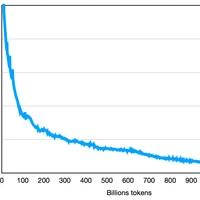


Conditional Generative Modeling is All You Need for Marked Temporal Point Processes
Recent advancements in generative modeling have made it possible to generate high-quality content from context information, but a key question remains: how to teach models to know when to generate content? To answer this question, this study proposes a novel event generative model that draws its statistical intuition from marked temporal point processes, and offers a clean, flexible, and computationally efficient solution for a wide range of applications involving multi-dimensional marks. We aim to capture the distribution of the point process without explicitly specifying the conditional intensity or probability density. Instead, we use a conditional generator that takes the history of events as input and generates the high-quality subsequent event that is likely to occur given the prior observations. The proposed framework offers a host of benefits, including exceptional efficiency in learning the model and generating samples, as well as considerable representational power to capture intricate dynamics in multi- or even high-dimensional event space. Our numerical results demonstrate superior performance compared to other state-of-the-art baselines.
Language-TPP: Integrating Temporal Point Processes with Language Models for Event Analysis
Temporal Point Processes (TPPs) have been widely used for event sequence modeling, but they often struggle to incorporate rich textual event descriptions effectively. Conversely, while Large Language Models (LLMs) have been shown remarkable capabilities in processing textual data, they lack mechanisms for handling temporal dynamics. To bridge this gap, we introduce Language-TPP, a unified framework that integrates TPPs with LLMs for enhanced event sequence modeling. Language-TPP introduces a novel temporal encoding mechanism that converts continuous time intervals into specialized byte-tokens, enabling seamless integration with standard LLM architectures. This approach allows Language-TPP to achieve state-of-the-art performance across multiple TPP tasks, including event time prediction, type prediction, and intensity estimation, on five datasets. Additionally, we demonstrate that incorporating temporal information significantly improves the quality of generated event descriptions.
UAL-Bench: The First Comprehensive Unusual Activity Localization Benchmark
Localizing unusual activities, such as human errors or surveillance incidents, in videos holds practical significance. However, current video understanding models struggle with localizing these unusual events likely because of their insufficient representation in models' pretraining datasets. To explore foundation models' capability in localizing unusual activity, we introduce UAL-Bench, a comprehensive benchmark for unusual activity localization, featuring three video datasets: UAG-OOPS, UAG-SSBD, UAG-FunQA, and an instruction-tune dataset: OOPS-UAG-Instruct, to improve model capabilities. UAL-Bench evaluates three approaches: Video-Language Models (Vid-LLMs), instruction-tuned Vid-LLMs, and a novel integration of Vision-Language Models and Large Language Models (VLM-LLM). Our results show the VLM-LLM approach excels in localizing short-span unusual events and predicting their onset (start time) more accurately than Vid-LLMs. We also propose a new metric, R@1, TD <= p, to address limitations in existing evaluation methods. Our findings highlight the challenges posed by long-duration videos, particularly in autism diagnosis scenarios, and the need for further advancements in localization techniques. Our work not only provides a benchmark for unusual activity localization but also outlines the key challenges for existing foundation models, suggesting future research directions on this important task.


ETAP: Event-based Tracking of Any Point
Tracking any point (TAP) recently shifted the motion estimation paradigm from focusing on individual salient points with local templates to tracking arbitrary points with global image contexts. However, while research has mostly focused on driving the accuracy of models in nominal settings, addressing scenarios with difficult lighting conditions and high-speed motions remains out of reach due to the limitations of the sensor. This work addresses this challenge with the first event camera-based TAP method. It leverages the high temporal resolution and high dynamic range of event cameras for robust high-speed tracking, and the global contexts in TAP methods to handle asynchronous and sparse event measurements. We further extend the TAP framework to handle event feature variations induced by motion -- thereby addressing an open challenge in purely event-based tracking -- with a novel feature-alignment loss which ensures the learning of motion-robust features. Our method is trained with data from a new data generation pipeline and systematically ablated across all design decisions. Our method shows strong cross-dataset generalization and performs 136% better on the average Jaccard metric than the baselines. Moreover, on an established feature tracking benchmark, it achieves a 20% improvement over the previous best event-only method and even surpasses the previous best events-and-frames method by 4.1%. Our code is available at https://github.com/tub-rip/ETAP

Temporal Residual Guided Diffusion Framework for Event-Driven Video Reconstruction
Event-based video reconstruction has garnered increasing attention due to its advantages, such as high dynamic range and rapid motion capture capabilities. However, current methods often prioritize the extraction of temporal information from continuous event flow, leading to an overemphasis on low-frequency texture features in the scene, resulting in over-smoothing and blurry artifacts. Addressing this challenge necessitates the integration of conditional information, encompassing temporal features, low-frequency texture, and high-frequency events, to guide the Denoising Diffusion Probabilistic Model (DDPM) in producing accurate and natural outputs. To tackle this issue, we introduce a novel approach, the Temporal Residual Guided Diffusion Framework, which effectively leverages both temporal and frequency-based event priors. Our framework incorporates three key conditioning modules: a pre-trained low-frequency intensity estimation module, a temporal recurrent encoder module, and an attention-based high-frequency prior enhancement module. In order to capture temporal scene variations from the events at the current moment, we employ a temporal-domain residual image as the target for the diffusion model. Through the combination of these three conditioning paths and the temporal residual framework, our framework excels in reconstructing high-quality videos from event flow, mitigating issues such as artifacts and over-smoothing commonly observed in previous approaches. Extensive experiments conducted on multiple benchmark datasets validate the superior performance of our framework compared to prior event-based reconstruction methods.
Event Camera Data Pre-training
This paper proposes a pre-trained neural network for handling event camera data. Our model is a self-supervised learning framework, and uses paired event camera data and natural RGB images for training. Our method contains three modules connected in a sequence: i) a family of event data augmentations, generating meaningful event images for self-supervised training; ii) a conditional masking strategy to sample informative event patches from event images, encouraging our model to capture the spatial layout of a scene and accelerating training; iii) a contrastive learning approach, enforcing the similarity of embeddings between matching event images, and between paired event and RGB images. An embedding projection loss is proposed to avoid the model collapse when enforcing the event image embedding similarities. A probability distribution alignment loss is proposed to encourage the event image to be consistent with its paired RGB image in the feature space. Transfer learning performance on downstream tasks shows the superiority of our method over state-of-the-art methods. For example, we achieve top-1 accuracy at 64.83% on the N-ImageNet dataset.
EventFly: Event Camera Perception from Ground to the Sky
Cross-platform adaptation in event-based dense perception is crucial for deploying event cameras across diverse settings, such as vehicles, drones, and quadrupeds, each with unique motion dynamics, viewpoints, and class distributions. In this work, we introduce EventFly, a framework for robust cross-platform adaptation in event camera perception. Our approach comprises three key components: i) Event Activation Prior (EAP), which identifies high-activation regions in the target domain to minimize prediction entropy, fostering confident, domain-adaptive predictions; ii) EventBlend, a data-mixing strategy that integrates source and target event voxel grids based on EAP-driven similarity and density maps, enhancing feature alignment; and iii) EventMatch, a dual-discriminator technique that aligns features from source, target, and blended domains for better domain-invariant learning. To holistically assess cross-platform adaptation abilities, we introduce EXPo, a large-scale benchmark with diverse samples across vehicle, drone, and quadruped platforms. Extensive experiments validate our effectiveness, demonstrating substantial gains over popular adaptation methods. We hope this work can pave the way for more adaptive, high-performing event perception across diverse and complex environments.

Task-Specific Skill Localization in Fine-tuned Language Models
Pre-trained language models can be fine-tuned to solve diverse NLP tasks, including in few-shot settings. Thus fine-tuning allows the model to quickly pick up task-specific ``skills,'' but there has been limited study of where these newly-learnt skills reside inside the massive model. This paper introduces the term skill localization for this problem and proposes a solution. Given the downstream task and a model fine-tuned on that task, a simple optimization is used to identify a very small subset of parameters (sim0.01% of model parameters) responsible for (>95%) of the model's performance, in the sense that grafting the fine-tuned values for just this tiny subset onto the pre-trained model gives performance almost as well as the fine-tuned model. While reminiscent of recent works on parameter-efficient fine-tuning, the novel aspects here are that: (i) No further re-training is needed on the subset (unlike, say, with lottery tickets). (ii) Notable improvements are seen over vanilla fine-tuning with respect to calibration of predictions in-distribution (40-90% error reduction) as well as the quality of predictions out-of-distribution (OOD). In models trained on multiple tasks, a stronger notion of skill localization is observed, where the sparse regions corresponding to different tasks are almost disjoint, and their overlap (when it happens) is a proxy for task similarity. Experiments suggest that localization via grafting can assist certain forms of continual learning.

GET: Group Event Transformer for Event-Based Vision
Event cameras are a type of novel neuromorphic sen-sor that has been gaining increasing attention. Existing event-based backbones mainly rely on image-based designs to extract spatial information within the image transformed from events, overlooking important event properties like time and polarity. To address this issue, we propose a novel Group-based vision Transformer backbone for Event-based vision, called Group Event Transformer (GET), which de-couples temporal-polarity information from spatial infor-mation throughout the feature extraction process. Specifi-cally, we first propose a new event representation for GET, named Group Token, which groups asynchronous events based on their timestamps and polarities. Then, GET ap-plies the Event Dual Self-Attention block, and Group Token Aggregation module to facilitate effective feature commu-nication and integration in both the spatial and temporal-polarity domains. After that, GET can be integrated with different downstream tasks by connecting it with vari-ous heads. We evaluate our method on four event-based classification datasets (Cifar10-DVS, N-MNIST, N-CARS, and DVS128Gesture) and two event-based object detection datasets (1Mpx and Gen1), and the results demonstrate that GET outperforms other state-of-the-art methods. The code is available at https://github.com/Peterande/GET-Group-Event-Transformer.
The Possible, the Plausible, and the Desirable: Event-Based Modality Detection for Language Processing
Modality is the linguistic ability to describe events with added information such as how desirable, plausible, or feasible they are. Modality is important for many NLP downstream tasks such as the detection of hedging, uncertainty, speculation, and more. Previous studies that address modality detection in NLP often restrict modal expressions to a closed syntactic class, and the modal sense labels are vastly different across different studies, lacking an accepted standard. Furthermore, these senses are often analyzed independently of the events that they modify. This work builds on the theoretical foundations of the Georgetown Gradable Modal Expressions (GME) work by Rubinstein et al. (2013) to propose an event-based modality detection task where modal expressions can be words of any syntactic class and sense labels are drawn from a comprehensive taxonomy which harmonizes the modal concepts contributed by the different studies. We present experiments on the GME corpus aiming to detect and classify fine-grained modal concepts and associate them with their modified events. We show that detecting and classifying modal expressions is not only feasible, but also improves the detection of modal events in their own right.


GS2E: Gaussian Splatting is an Effective Data Generator for Event Stream Generation
We introduce GS2E (Gaussian Splatting to Event), a large-scale synthetic event dataset for high-fidelity event vision tasks, captured from real-world sparse multi-view RGB images. Existing event datasets are often synthesized from dense RGB videos, which typically lack viewpoint diversity and geometric consistency, or depend on expensive, difficult-to-scale hardware setups. GS2E overcomes these limitations by first reconstructing photorealistic static scenes using 3D Gaussian Splatting, and subsequently employing a novel, physically-informed event simulation pipeline. This pipeline generally integrates adaptive trajectory interpolation with physically-consistent event contrast threshold modeling. Such an approach yields temporally dense and geometrically consistent event streams under diverse motion and lighting conditions, while ensuring strong alignment with underlying scene structures. Experimental results on event-based 3D reconstruction demonstrate GS2E's superior generalization capabilities and its practical value as a benchmark for advancing event vision research.
Reconstruction as a Bridge for Event-Based Visual Question Answering
Integrating event cameras with Multimodal Large Language Models (MLLMs) promises general scene understanding in challenging visual conditions, yet requires navigating a trade-off between preserving the unique advantages of event data and ensuring compatibility with frame-based models. We address this challenge by using reconstruction as a bridge, proposing a straightforward Frame-based Reconstruction and Tokenization (FRT) method and designing an efficient Adaptive Reconstruction and Tokenization (ART) method that leverages event sparsity. For robust evaluation, we introduce EvQA, the first objective, real-world benchmark for event-based MLLMs, comprising 1,000 event-Q&A pairs from 22 public datasets. Our experiments demonstrate that our methods achieve state-of-the-art performance on EvQA, highlighting the significant potential of MLLMs in event-based vision.
Connecting Vision and Language with Localized Narratives
We propose Localized Narratives, a new form of multimodal image annotations connecting vision and language. We ask annotators to describe an image with their voice while simultaneously hovering their mouse over the region they are describing. Since the voice and the mouse pointer are synchronized, we can localize every single word in the description. This dense visual grounding takes the form of a mouse trace segment per word and is unique to our data. We annotated 849k images with Localized Narratives: the whole COCO, Flickr30k, and ADE20K datasets, and 671k images of Open Images, all of which we make publicly available. We provide an extensive analysis of these annotations showing they are diverse, accurate, and efficient to produce. We also demonstrate their utility on the application of controlled image captioning.

Learning Event-guided Exposure-agnostic Video Frame Interpolation via Adaptive Feature Blending
Exposure-agnostic video frame interpolation (VFI) is a challenging task that aims to recover sharp, high-frame-rate videos from blurry, low-frame-rate inputs captured under unknown and dynamic exposure conditions. Event cameras are sensors with high temporal resolution, making them especially advantageous for this task. However, existing event-guided methods struggle to produce satisfactory results on severely low-frame-rate blurry videos due to the lack of temporal constraints. In this paper, we introduce a novel event-guided framework for exposure-agnostic VFI, addressing this limitation through two key components: a Target-adaptive Event Sampling (TES) and a Target-adaptive Importance Mapping (TIM). Specifically, TES samples events around the target timestamp and the unknown exposure time to better align them with the corresponding blurry frames. TIM then generates an importance map that considers the temporal proximity and spatial relevance of consecutive features to the target. Guided by this map, our framework adaptively blends consecutive features, allowing temporally aligned features to serve as the primary cues while spatially relevant ones offer complementary support. Extensive experiments on both synthetic and real-world datasets demonstrate the effectiveness of our approach in exposure-agnostic VFI scenarios.
Synergizing Unsupervised Episode Detection with LLMs for Large-Scale News Events
State-of-the-art automatic event detection struggles with interpretability and adaptability to evolving large-scale key events -- unlike episodic structures, which excel in these areas. Often overlooked, episodes represent cohesive clusters of core entities performing actions at a specific time and location; a partially ordered sequence of episodes can represent a key event. This paper introduces a novel task, episode detection, which identifies episodes within a news corpus of key event articles. Detecting episodes poses unique challenges, as they lack explicit temporal or locational markers and cannot be merged using semantic similarity alone. While large language models (LLMs) can aid with these reasoning difficulties, they suffer with long contexts typical of news corpora. To address these challenges, we introduce EpiMine, an unsupervised framework that identifies a key event's candidate episodes by leveraging natural episodic partitions in articles, estimated through shifts in discriminative term combinations. These candidate episodes are more cohesive and representative of true episodes, synergizing with LLMs to better interpret and refine them into final episodes. We apply EpiMine to our three diverse, real-world event datasets annotated at the episode level, where it achieves a 59.2% average gain across all metrics compared to baselines.
Fast Window-Based Event Denoising with Spatiotemporal Correlation Enhancement
Previous deep learning-based event denoising methods mostly suffer from poor interpretability and difficulty in real-time processing due to their complex architecture designs. In this paper, we propose window-based event denoising, which simultaneously deals with a stack of events while existing element-based denoising focuses on one event each time. Besides, we give the theoretical analysis based on probability distributions in both temporal and spatial domains to improve interpretability. In temporal domain, we use timestamp deviations between processing events and central event to judge the temporal correlation and filter out temporal-irrelevant events. In spatial domain, we choose maximum a posteriori (MAP) to discriminate real-world event and noise, and use the learned convolutional sparse coding to optimize the objective function. Based on the theoretical analysis, we build Temporal Window (TW) module and Soft Spatial Feature Embedding (SSFE) module to process temporal and spatial information separately, and construct a novel multi-scale window-based event denoising network, named MSDNet. The high denoising accuracy and fast running speed of our MSDNet enables us to achieve real-time denoising in complex scenes. Extensive experimental results verify the effectiveness and robustness of our MSDNet. Our algorithm can remove event noise effectively and efficiently and improve the performance of downstream tasks.
LLM-EvRep: Learning an LLM-Compatible Event Representation Using a Self-Supervised Framework
Recent advancements in event-based recognition have demonstrated significant promise, yet most existing approaches rely on extensive training, limiting their adaptability for efficient processing of event-driven visual content. Meanwhile, large language models (LLMs) have exhibited remarkable zero-shot capabilities across diverse domains, but their application to event-based visual recognition remains largely unexplored. To bridge this gap, we propose LLM-EvGen, an event representation generator that produces LLM-compatible event representations LLM-EvRep, thereby enhancing the performance of LLMs on event recognition tasks. The generator is trained using a self-supervised framework, aligning the generated representations with semantic consistency and structural fidelity. Comprehensive experiments were conducted on three datasets: N-ImageNet, N-Caltech101, and N-MNIST. The results demonstrate that our method, LLM-EvRep, outperforms the event-to-video method, E2VID, by 15.93\%, 0.82\%, and 50.21\%, respectively, in recognition tasks when evaluated using GPT-4o.
Temporal-Guided Visual Foundation Models for Event-Based Vision
Event cameras offer unique advantages for vision tasks in challenging environments, yet processing asynchronous event streams remains an open challenge. While existing methods rely on specialized architectures or resource-intensive training, the potential of leveraging modern Visual Foundation Models (VFMs) pretrained on image data remains under-explored for event-based vision. To address this, we propose Temporal-Guided VFM (TGVFM), a novel framework that integrates VFMs with our temporal context fusion block seamlessly to bridge this gap. Our temporal block introduces three key components: (1) Long-Range Temporal Attention to model global temporal dependencies, (2) Dual Spatiotemporal Attention for multi-scale frame correlation, and (3) Deep Feature Guidance Mechanism to fuse semantic-temporal features. By retraining event-to-video models on real-world data and leveraging transformer-based VFMs, TGVFM preserves spatiotemporal dynamics while harnessing pretrained representations. Experiments demonstrate SoTA performance across semantic segmentation, depth estimation, and object detection, with improvements of 16%, 21%, and 16% over existing methods, respectively. Overall, this work unlocks the cross-modality potential of image-based VFMs for event-based vision with temporal reasoning. Code is available at https://github.com/XiaRho/TGVFM.
Focus Is All You Need: Loss Functions For Event-based Vision
Event cameras are novel vision sensors that output pixel-level brightness changes ("events") instead of traditional video frames. These asynchronous sensors offer several advantages over traditional cameras, such as, high temporal resolution, very high dynamic range, and no motion blur. To unlock the potential of such sensors, motion compensation methods have been recently proposed. We present a collection and taxonomy of twenty two objective functions to analyze event alignment in motion compensation approaches (Fig. 1). We call them Focus Loss Functions since they have strong connections with functions used in traditional shape-from-focus applications. The proposed loss functions allow bringing mature computer vision tools to the realm of event cameras. We compare the accuracy and runtime performance of all loss functions on a publicly available dataset, and conclude that the variance, the gradient and the Laplacian magnitudes are among the best loss functions. The applicability of the loss functions is shown on multiple tasks: rotational motion, depth and optical flow estimation. The proposed focus loss functions allow to unlock the outstanding properties of event cameras.
Localizing Object-level Shape Variations with Text-to-Image Diffusion Models
Text-to-image models give rise to workflows which often begin with an exploration step, where users sift through a large collection of generated images. The global nature of the text-to-image generation process prevents users from narrowing their exploration to a particular object in the image. In this paper, we present a technique to generate a collection of images that depicts variations in the shape of a specific object, enabling an object-level shape exploration process. Creating plausible variations is challenging as it requires control over the shape of the generated object while respecting its semantics. A particular challenge when generating object variations is accurately localizing the manipulation applied over the object's shape. We introduce a prompt-mixing technique that switches between prompts along the denoising process to attain a variety of shape choices. To localize the image-space operation, we present two techniques that use the self-attention layers in conjunction with the cross-attention layers. Moreover, we show that these localization techniques are general and effective beyond the scope of generating object variations. Extensive results and comparisons demonstrate the effectiveness of our method in generating object variations, and the competence of our localization techniques.



EventTransAct: A video transformer-based framework for Event-camera based action recognition
Recognizing and comprehending human actions and gestures is a crucial perception requirement for robots to interact with humans and carry out tasks in diverse domains, including service robotics, healthcare, and manufacturing. Event cameras, with their ability to capture fast-moving objects at a high temporal resolution, offer new opportunities compared to standard action recognition in RGB videos. However, previous research on event camera action recognition has primarily focused on sensor-specific network architectures and image encoding, which may not be suitable for new sensors and limit the use of recent advancements in transformer-based architectures. In this study, we employ a computationally efficient model, namely the video transformer network (VTN), which initially acquires spatial embeddings per event-frame and then utilizes a temporal self-attention mechanism. In order to better adopt the VTN for the sparse and fine-grained nature of event data, we design Event-Contrastive Loss (L_{EC}) and event-specific augmentations. Proposed L_{EC} promotes learning fine-grained spatial cues in the spatial backbone of VTN by contrasting temporally misaligned frames. We evaluate our method on real-world action recognition of N-EPIC Kitchens dataset, and achieve state-of-the-art results on both protocols - testing in seen kitchen (74.9\% accuracy) and testing in unseen kitchens (42.43\% and 46.66\% Accuracy). Our approach also takes less computation time compared to competitive prior approaches, which demonstrates the potential of our framework EventTransAct for real-world applications of event-camera based action recognition. Project Page: https://tristandb8.github.io/EventTransAct_webpage/
FlexEvent: Event Camera Object Detection at Arbitrary Frequencies
Event cameras offer unparalleled advantages for real-time perception in dynamic environments, thanks to their microsecond-level temporal resolution and asynchronous operation. Existing event-based object detection methods, however, are limited by fixed-frequency paradigms and fail to fully exploit the high-temporal resolution and adaptability of event cameras. To address these limitations, we propose FlexEvent, a novel event camera object detection framework that enables detection at arbitrary frequencies. Our approach consists of two key components: FlexFuser, an adaptive event-frame fusion module that integrates high-frequency event data with rich semantic information from RGB frames, and FAL, a frequency-adaptive learning mechanism that generates frequency-adjusted labels to enhance model generalization across varying operational frequencies. This combination allows our method to detect objects with high accuracy in both fast-moving and static scenarios, while adapting to dynamic environments. Extensive experiments on large-scale event camera datasets demonstrate that our approach surpasses state-of-the-art methods, achieving significant improvements in both standard and high-frequency settings. Notably, our method maintains robust performance when scaling from 20 Hz to 90 Hz and delivers accurate detection up to 180 Hz, proving its effectiveness in extreme conditions. Our framework sets a new benchmark for event-based object detection and paves the way for more adaptable, real-time vision systems.
EDM3: Event Detection as Multi-task Text Generation
Event detection refers to identifying event occurrences in a text and comprises of two subtasks; event identification and classification. We present EDM3, a novel approach for Event Detection that formulates three generative tasks: identification, classification, and combined detection. We show that EDM3 helps to learn transferable knowledge that can be leveraged to perform Event Detection and its subtasks concurrently, mitigating the error propagation inherent in pipelined approaches. Unlike previous dataset- or domain-specific approaches, EDM3 utilizes the existing knowledge of language models, allowing it to be trained over any classification schema. We evaluate EDM3 on multiple event detection datasets: RAMS, WikiEvents, MAVEN, and MLEE, showing that EDM3 outperforms 1) single-task performance by 8.4% on average and 2) multi-task performance without instructional prompts by 2.4% on average. We obtain SOTA results on RAMS (71.3% vs. 65.1% F-1) and competitive performance on other datasets. We analyze our approach to demonstrate its efficacy in low-resource and multi-sentence settings. We also show the effectiveness of this approach on non-standard event configurations such as multi-word and multi-class event triggers. Overall, our results show that EDM3 is a promising approach for Event Detection that has the potential for real-world applications.
PRE-Mamba: A 4D State Space Model for Ultra-High-Frequent Event Camera Deraining
Event cameras excel in high temporal resolution and dynamic range but suffer from dense noise in rainy conditions. Existing event deraining methods face trade-offs between temporal precision, deraining effectiveness, and computational efficiency. In this paper, we propose PRE-Mamba, a novel point-based event camera deraining framework that fully exploits the spatiotemporal characteristics of raw event and rain. Our framework introduces a 4D event cloud representation that integrates dual temporal scales to preserve high temporal precision, a Spatio-Temporal Decoupling and Fusion module (STDF) that enhances deraining capability by enabling shallow decoupling and interaction of temporal and spatial information, and a Multi-Scale State Space Model (MS3M) that captures deeper rain dynamics across dual-temporal and multi-spatial scales with linear computational complexity. Enhanced by frequency-domain regularization, PRE-Mamba achieves superior performance (0.95 SR, 0.91 NR, and 0.4s/M events) with only 0.26M parameters on EventRain-27K, a comprehensive dataset with labeled synthetic and real-world sequences. Moreover, our method generalizes well across varying rain intensities, viewpoints, and even snowy conditions.
Multilingual Event Linking to Wikidata
We present a task of multilingual linking of events to a knowledge base. We automatically compile a large-scale dataset for this task, comprising of 1.8M mentions across 44 languages referring to over 10.9K events from Wikidata. We propose two variants of the event linking task: 1) multilingual, where event descriptions are from the same language as the mention, and 2) crosslingual, where all event descriptions are in English. On the two proposed tasks, we compare multiple event linking systems including BM25+ (Lv and Zhai, 2011) and multilingual adaptations of the biencoder and crossencoder architectures from BLINK (Wu et al., 2020). In our experiments on the two task variants, we find both biencoder and crossencoder models significantly outperform the BM25+ baseline. Our results also indicate that the crosslingual task is in general more challenging than the multilingual task. To test the out-of-domain generalization of the proposed linking systems, we additionally create a Wikinews-based evaluation set. We present qualitative analysis highlighting various aspects captured by the proposed dataset, including the need for temporal reasoning over context and tackling diverse event descriptions across languages.
EventSplat: 3D Gaussian Splatting from Moving Event Cameras for Real-time Rendering
We introduce a method for using event camera data in novel view synthesis via Gaussian Splatting. Event cameras offer exceptional temporal resolution and a high dynamic range. Leveraging these capabilities allows us to effectively address the novel view synthesis challenge in the presence of fast camera motion. For initialization of the optimization process, our approach uses prior knowledge encoded in an event-to-video model. We also use spline interpolation for obtaining high quality poses along the event camera trajectory. This enhances the reconstruction quality from fast-moving cameras while overcoming the computational limitations traditionally associated with event-based Neural Radiance Field (NeRF) methods. Our experimental evaluation demonstrates that our results achieve higher visual fidelity and better performance than existing event-based NeRF approaches while being an order of magnitude faster to render.
EVREAL: Towards a Comprehensive Benchmark and Analysis Suite for Event-based Video Reconstruction
Event cameras are a new type of vision sensor that incorporates asynchronous and independent pixels, offering advantages over traditional frame-based cameras such as high dynamic range and minimal motion blur. However, their output is not easily understandable by humans, making the reconstruction of intensity images from event streams a fundamental task in event-based vision. While recent deep learning-based methods have shown promise in video reconstruction from events, this problem is not completely solved yet. To facilitate comparison between different approaches, standardized evaluation protocols and diverse test datasets are essential. This paper proposes a unified evaluation methodology and introduces an open-source framework called EVREAL to comprehensively benchmark and analyze various event-based video reconstruction methods from the literature. Using EVREAL, we give a detailed analysis of the state-of-the-art methods for event-based video reconstruction, and provide valuable insights into the performance of these methods under varying settings, challenging scenarios, and downstream tasks.
Event Stream-based Visual Object Tracking: HDETrack V2 and A High-Definition Benchmark
We then introduce a novel hierarchical knowledge distillation strategy that incorporates the similarity matrix, feature representation, and response map-based distillation to guide the learning of the student Transformer network. We also enhance the model's ability to capture temporal dependencies by applying the temporal Fourier transform to establish temporal relationships between video frames. We adapt the network model to specific target objects during testing via a newly proposed test-time tuning strategy to achieve high performance and flexibility in target tracking. Recognizing the limitations of existing event-based tracking datasets, which are predominantly low-resolution, we propose EventVOT, the first large-scale high-resolution event-based tracking dataset. It comprises 1141 videos spanning diverse categories such as pedestrians, vehicles, UAVs, ping pong, etc. Extensive experiments on both low-resolution (FE240hz, VisEvent, FELT), and our newly proposed high-resolution EventVOT dataset fully validated the effectiveness of our proposed method. Both the benchmark dataset and source code have been released on https://github.com/Event-AHU/EventVOT_Benchmark
Precise Event Spotting in Sports Videos: Solving Long-Range Dependency and Class Imbalance
Precise Event Spotting (PES) aims to identify events and their class from long, untrimmed videos, particularly in sports. The main objective of PES is to detect the event at the exact moment it occurs. Existing methods mainly rely on features from a large pre-trained network, which may not be ideal for the task. Furthermore, these methods overlook the issue of imbalanced event class distribution present in the data, negatively impacting performance in challenging scenarios. This paper demonstrates that an appropriately designed network, trained end-to-end, can outperform state-of-the-art (SOTA) methods. Particularly, we propose a network with a convolutional spatial-temporal feature extractor enhanced with our proposed Adaptive Spatio-Temporal Refinement Module (ASTRM) and a long-range temporal module. The ASTRM enhances the features with spatio-temporal information. Meanwhile, the long-range temporal module helps extract global context from the data by modeling long-range dependencies. To address the class imbalance issue, we introduce the Soft Instance Contrastive (SoftIC) loss that promotes feature compactness and class separation. Extensive experiments show that the proposed method is efficient and outperforms the SOTA methods, specifically in more challenging settings.

Spiking Neural Network as Adaptive Event Stream Slicer
Event-based cameras are attracting significant interest as they provide rich edge information, high dynamic range, and high temporal resolution. Many state-of-the-art event-based algorithms rely on splitting the events into fixed groups, resulting in the omission of crucial temporal information, particularly when dealing with diverse motion scenarios (\eg, high/low speed).In this work, we propose SpikeSlicer, a novel-designed plug-and-play event processing method capable of splitting events stream adaptively.SpikeSlicer utilizes a low-energy spiking neural network (SNN) to trigger event slicing. To guide the SNN to fire spikes at optimal time steps, we propose the Spiking Position-aware Loss (SPA-Loss) to modulate the neuron's state. Additionally, we develop a Feedback-Update training strategy that refines the slicing decisions using feedback from the downstream artificial neural network (ANN). Extensive experiments demonstrate that our method yields significant performance improvements in event-based object tracking and recognition. Notably, SpikeSlicer provides a brand-new SNN-ANN cooperation paradigm, where the SNN acts as an efficient, low-energy data processor to assist the ANN in improving downstream performance, injecting new perspectives and potential avenues of exploration.


BAM-DETR: Boundary-Aligned Moment Detection Transformer for Temporal Sentence Grounding in Videos
Temporal sentence grounding aims to localize moments relevant to a language description. Recently, DETR-like approaches achieved notable progress by predicting the center and length of a target moment. However, they suffer from the issue of center misalignment raised by the inherent ambiguity of moment centers, leading to inaccurate predictions. To remedy this problem, we propose a novel boundary-oriented moment formulation. In our paradigm, the model no longer needs to find the precise center but instead suffices to predict any anchor point within the interval, from which the boundaries are directly estimated. Based on this idea, we design a boundary-aligned moment detection transformer, equipped with a dual-pathway decoding process. Specifically, it refines the anchor and boundaries within parallel pathways using global and boundary-focused attention, respectively. This separate design allows the model to focus on desirable regions, enabling precise refinement of moment predictions. Further, we propose a quality-based ranking method, ensuring that proposals with high localization qualities are prioritized over incomplete ones. Experiments on three benchmarks validate the effectiveness of the proposed methods. The code is available at https://github.com/Pilhyeon/BAM-DETR.
NowYouSee Me: Context-Aware Automatic Audio Description
Audio Description (AD) plays a pivotal role as an application system aimed at guaranteeing accessibility in multimedia content, which provides additional narrations at suitable intervals to describe visual elements, catering specifically to the needs of visually impaired audiences. In this paper, we introduce CA^3D, the pioneering unified Context-Aware Automatic Audio Description system that provides AD event scripts with precise locations in the long cinematic content. Specifically, CA^3D system consists of: 1) a Temporal Feature Enhancement Module to efficiently capture longer term dependencies, 2) an anchor-based AD event detector with feature suppression module that localizes the AD events and extracts discriminative feature for AD generation, and 3) a self-refinement module that leverages the generated output to tweak AD event boundaries from coarse to fine. Unlike conventional methods which rely on metadata and ground truth AD timestamp for AD detection and generation tasks, the proposed CA^3D is the first end-to-end trainable system that only uses visual cue. Extensive experiments demonstrate that the proposed CA^3D improves existing architectures for both AD event detection and script generation metrics, establishing the new state-of-the-art performances in the AD automation.

HR-INR: Continuous Space-Time Video Super-Resolution via Event Camera
Continuous space-time video super-resolution (C-STVSR) aims to simultaneously enhance video resolution and frame rate at an arbitrary scale. Recently, implicit neural representation (INR) has been applied to video restoration, representing videos as implicit fields that can be decoded at an arbitrary scale. However, the highly ill-posed nature of C-STVSR limits the effectiveness of current INR-based methods: they assume linear motion between frames and use interpolation or feature warping to generate features at arbitrary spatiotemporal positions with two consecutive frames. This restrains C-STVSR from capturing rapid and nonlinear motion and long-term dependencies (involving more than two frames) in complex dynamic scenes. In this paper, we propose a novel C-STVSR framework, called HR-INR, which captures both holistic dependencies and regional motions based on INR. It is assisted by an event camera, a novel sensor renowned for its high temporal resolution and low latency. To fully utilize the rich temporal information from events, we design a feature extraction consisting of (1) a regional event feature extractor - taking events as inputs via the proposed event temporal pyramid representation to capture the regional nonlinear motion and (2) a holistic event-frame feature extractor for long-term dependence and continuity motion. We then propose a novel INR-based decoder with spatiotemporal embeddings to capture long-term dependencies with a larger temporal perception field. We validate the effectiveness and generalization of our method on four datasets (both simulated and real data), showing the superiority of our method.

Finding Meaning in Points: Weakly Supervised Semantic Segmentation for Event Cameras
Event cameras excel in capturing high-contrast scenes and dynamic objects, offering a significant advantage over traditional frame-based cameras. Despite active research into leveraging event cameras for semantic segmentation, generating pixel-wise dense semantic maps for such challenging scenarios remains labor-intensive. As a remedy, we present EV-WSSS: a novel weakly supervised approach for event-based semantic segmentation that utilizes sparse point annotations. To fully leverage the temporal characteristics of event data, the proposed framework performs asymmetric dual-student learning between 1) the original forward event data and 2) the longer reversed event data, which contain complementary information from the past and the future, respectively. Besides, to mitigate the challenges posed by sparse supervision, we propose feature-level contrastive learning based on class-wise prototypes, carefully aggregated at both spatial region and sample levels. Additionally, we further excavate the potential of our dual-student learning model by exchanging prototypes between the two learning paths, thereby harnessing their complementary strengths. With extensive experiments on various datasets, including DSEC Night-Point with sparse point annotations newly provided by this paper, the proposed method achieves substantial segmentation results even without relying on pixel-level dense ground truths. The code and dataset are available at https://github.com/Chohoonhee/EV-WSSS.
Hear The Flow: Optical Flow-Based Self-Supervised Visual Sound Source Localization
Learning to localize the sound source in videos without explicit annotations is a novel area of audio-visual research. Existing work in this area focuses on creating attention maps to capture the correlation between the two modalities to localize the source of the sound. In a video, oftentimes, the objects exhibiting movement are the ones generating the sound. In this work, we capture this characteristic by modeling the optical flow in a video as a prior to better aid in localizing the sound source. We further demonstrate that the addition of flow-based attention substantially improves visual sound source localization. Finally, we benchmark our method on standard sound source localization datasets and achieve state-of-the-art performance on the Soundnet Flickr and VGG Sound Source datasets. Code: https://github.com/denfed/heartheflow.

Uncertainty-Weighted Image-Event Multimodal Fusion for Video Anomaly Detection
Most existing video anomaly detectors rely solely on RGB frames, which lack the temporal resolution needed to capture abrupt or transient motion cues, key indicators of anomalous events. To address this limitation, we propose Image-Event Fusion for Video Anomaly Detection (IEF-VAD), a framework that synthesizes event representations directly from RGB videos and fuses them with image features through a principled, uncertainty-aware process. The system (i) models heavy-tailed sensor noise with a Student`s-t likelihood, deriving value-level inverse-variance weights via a Laplace approximation; (ii) applies Kalman-style frame-wise updates to balance modalities over time; and (iii) iteratively refines the fused latent state to erase residual cross-modal noise. Without any dedicated event sensor or frame-level labels, IEF-VAD sets a new state of the art across multiple real-world anomaly detection benchmarks. These findings highlight the utility of synthetic event representations in emphasizing motion cues that are often underrepresented in RGB frames, enabling accurate and robust video understanding across diverse applications without requiring dedicated event sensors. Code and models are available at https://github.com/EavnJeong/IEF-VAD.


Benchmarking Microsaccade Recognition with Event Cameras: A Novel Dataset and Evaluation
Microsaccades are small, involuntary eye movements vital for visual perception and neural processing. Traditional microsaccade studies typically use eye trackers or frame-based analysis, which, while precise, are costly and limited in scalability and temporal resolution. Event-based sensing offers a high-speed, low-latency alternative by capturing fine-grained spatiotemporal changes efficiently. This work introduces a pioneering event-based microsaccade dataset to support research on small eye movement dynamics in cognitive computing. Using Blender, we render high-fidelity eye movement scenarios and simulate microsaccades with angular displacements from 0.5 to 2.0 degrees, divided into seven distinct classes. These are converted to event streams using v2e, preserving the natural temporal dynamics of microsaccades, with durations ranging from 0.25 ms to 2.25 ms. We evaluate the dataset using Spiking-VGG11, Spiking-VGG13, and Spiking-VGG16, and propose Spiking-VGG16Flow, an optical-flow-enhanced variant implemented in SpikingJelly. The models achieve around 90 percent average accuracy, successfully classifying microsaccades by angular displacement, independent of event count or duration. These results demonstrate the potential of spiking neural networks for fine motion recognition and establish a benchmark for event-based vision research. The dataset, code, and trained models will be publicly available at https://waseemshariff126.github.io/microsaccades/ .
Multilingual Generative Language Models for Zero-Shot Cross-Lingual Event Argument Extraction
We present a study on leveraging multilingual pre-trained generative language models for zero-shot cross-lingual event argument extraction (EAE). By formulating EAE as a language generation task, our method effectively encodes event structures and captures the dependencies between arguments. We design language-agnostic templates to represent the event argument structures, which are compatible with any language, hence facilitating the cross-lingual transfer. Our proposed model finetunes multilingual pre-trained generative language models to generate sentences that fill in the language-agnostic template with arguments extracted from the input passage. The model is trained on source languages and is then directly applied to target languages for event argument extraction. Experiments demonstrate that the proposed model outperforms the current state-of-the-art models on zero-shot cross-lingual EAE. Comprehensive studies and error analyses are presented to better understand the advantages and the current limitations of using generative language models for zero-shot cross-lingual transfer EAE.


Learning to Generate Grounded Visual Captions without Localization Supervision
When automatically generating a sentence description for an image or video, it often remains unclear how well the generated caption is grounded, that is whether the model uses the correct image regions to output particular words, or if the model is hallucinating based on priors in the dataset and/or the language model. The most common way of relating image regions with words in caption models is through an attention mechanism over the regions that are used as input to predict the next word. The model must therefore learn to predict the attentional weights without knowing the word it should localize. This is difficult to train without grounding supervision since recurrent models can propagate past information and there is no explicit signal to force the captioning model to properly ground the individual decoded words. In this work, we help the model to achieve this via a novel cyclical training regimen that forces the model to localize each word in the image after the sentence decoder generates it, and then reconstruct the sentence from the localized image region(s) to match the ground-truth. Our proposed framework only requires learning one extra fully-connected layer (the localizer), a layer that can be removed at test time. We show that our model significantly improves grounding accuracy without relying on grounding supervision or introducing extra computation during inference, for both image and video captioning tasks. Code is available at https://github.com/chihyaoma/cyclical-visual-captioning .
LEGO:Language Enhanced Multi-modal Grounding Model
Multi-modal large language models have demonstrated impressive performance across various tasks in different modalities. However, existing multi-modal models primarily emphasize capturing global information within each modality while neglecting the importance of perceiving local information across modalities. Consequently, these models lack the ability to effectively understand the fine-grained details of input data, limiting their performance in tasks that require a more nuanced understanding. To address this limitation, there is a compelling need to develop models that enable fine-grained understanding across multiple modalities, thereby enhancing their applicability to a wide range of tasks. In this paper, we propose LEGO, a language enhanced multi-modal grounding model. Beyond capturing global information like other multi-modal models, our proposed model excels at tasks demanding a detailed understanding of local information within the input. It demonstrates precise identification and localization of specific regions in images or moments in videos. To achieve this objective, we design a diversified dataset construction pipeline, resulting in a multi-modal, multi-granularity dataset for model training. The code, dataset, and demo of our model can be found at https: //github.com/lzw-lzw/LEGO.




Un-EvMoSeg: Unsupervised Event-based Independent Motion Segmentation
Event cameras are a novel type of biologically inspired vision sensor known for their high temporal resolution, high dynamic range, and low power consumption. Because of these properties, they are well-suited for processing fast motions that require rapid reactions. Although event cameras have recently shown competitive performance in unsupervised optical flow estimation, performance in detecting independently moving objects (IMOs) is lacking behind, although event-based methods would be suited for this task based on their low latency and HDR properties. Previous approaches to event-based IMO segmentation have been heavily dependent on labeled data. However, biological vision systems have developed the ability to avoid moving objects through daily tasks without being given explicit labels. In this work, we propose the first event framework that generates IMO pseudo-labels using geometric constraints. Due to its unsupervised nature, our method can handle an arbitrary number of not predetermined objects and is easily scalable to datasets where expensive IMO labels are not readily available. We evaluate our approach on the EVIMO dataset and show that it performs competitively with supervised methods, both quantitatively and qualitatively.
Temporal Event Stereo via Joint Learning with Stereoscopic Flow
Event cameras are dynamic vision sensors inspired by the biological retina, characterized by their high dynamic range, high temporal resolution, and low power consumption. These features make them capable of perceiving 3D environments even in extreme conditions. Event data is continuous across the time dimension, which allows a detailed description of each pixel's movements. To fully utilize the temporally dense and continuous nature of event cameras, we propose a novel temporal event stereo, a framework that continuously uses information from previous time steps. This is accomplished through the simultaneous training of an event stereo matching network alongside stereoscopic flow, a new concept that captures all pixel movements from stereo cameras. Since obtaining ground truth for optical flow during training is challenging, we propose a method that uses only disparity maps to train the stereoscopic flow. The performance of event-based stereo matching is enhanced by temporally aggregating information using the flows. We have achieved state-of-the-art performance on the MVSEC and the DSEC datasets. The method is computationally efficient, as it stacks previous information in a cascading manner. The code is available at https://github.com/mickeykang16/TemporalEventStereo.
SpikMamba: When SNN meets Mamba in Event-based Human Action Recognition
Human action recognition (HAR) plays a key role in various applications such as video analysis, surveillance, autonomous driving, robotics, and healthcare. Most HAR algorithms are developed from RGB images, which capture detailed visual information. However, these algorithms raise concerns in privacy-sensitive environments due to the recording of identifiable features. Event cameras offer a promising solution by capturing scene brightness changes sparsely at the pixel level, without capturing full images. Moreover, event cameras have high dynamic ranges that can effectively handle scenarios with complex lighting conditions, such as low light or high contrast environments. However, using event cameras introduces challenges in modeling the spatially sparse and high temporal resolution event data for HAR. To address these issues, we propose the SpikMamba framework, which combines the energy efficiency of spiking neural networks and the long sequence modeling capability of Mamba to efficiently capture global features from spatially sparse and high a temporal resolution event data. Additionally, to improve the locality of modeling, a spiking window-based linear attention mechanism is used. Extensive experiments show that SpikMamba achieves remarkable recognition performance, surpassing the previous state-of-the-art by 1.45%, 7.22%, 0.15%, and 3.92% on the PAF, HARDVS, DVS128, and E-FAction datasets, respectively. The code is available at https://github.com/Typistchen/SpikMamba.
Mind the Time: Temporally-Controlled Multi-Event Video Generation
Real-world videos consist of sequences of events. Generating such sequences with precise temporal control is infeasible with existing video generators that rely on a single paragraph of text as input. When tasked with generating multiple events described using a single prompt, such methods often ignore some of the events or fail to arrange them in the correct order. To address this limitation, we present MinT, a multi-event video generator with temporal control. Our key insight is to bind each event to a specific period in the generated video, which allows the model to focus on one event at a time. To enable time-aware interactions between event captions and video tokens, we design a time-based positional encoding method, dubbed ReRoPE. This encoding helps to guide the cross-attention operation. By fine-tuning a pre-trained video diffusion transformer on temporally grounded data, our approach produces coherent videos with smoothly connected events. For the first time in the literature, our model offers control over the timing of events in generated videos. Extensive experiments demonstrate that MinT outperforms existing open-source models by a large margin.


SEE: See Everything Every Time -- Adaptive Brightness Adjustment for Broad Light Range Images via Events
Event cameras, with a high dynamic range exceeding 120dB, significantly outperform traditional embedded cameras, robustly recording detailed changing information under various lighting conditions, including both low- and high-light situations. However, recent research on utilizing event data has primarily focused on low-light image enhancement, neglecting image enhancement and brightness adjustment across a broader range of lighting conditions, such as normal or high illumination. Based on this, we propose a novel research question: how to employ events to enhance and adaptively adjust the brightness of images captured under broad lighting conditions? To investigate this question, we first collected a new dataset, SEE-600K, consisting of 610,126 images and corresponding events across 202 scenarios, each featuring an average of four lighting conditions with over a 1000-fold variation in illumination. Subsequently, we propose a framework that effectively utilizes events to smoothly adjust image brightness through the use of prompts. Our framework captures color through sensor patterns, uses cross-attention to model events as a brightness dictionary, and adjusts the image's dynamic range to form a broad light-range representation (BLR), which is then decoded at the pixel level based on the brightness prompt. Experimental results demonstrate that our method not only performs well on the low-light enhancement dataset but also shows robust performance on broader light-range image enhancement using the SEE-600K dataset. Additionally, our approach enables pixel-level brightness adjustment, providing flexibility for post-processing and inspiring more imaging applications. The dataset and source code are publicly available at:https://github.com/yunfanLu/SEE.

Exploiting the Matching Information in the Support Set for Few Shot Event Classification
The existing event classification (EC) work primarily focuseson the traditional supervised learning setting in which models are unableto extract event mentions of new/unseen event types. Few-shot learninghas not been investigated in this area although it enables EC models toextend their operation to unobserved event types. To fill in this gap, inthis work, we investigate event classification under the few-shot learningsetting. We propose a novel training method for this problem that exten-sively exploit the support set during the training process of a few-shotlearning model. In particular, in addition to matching the query exam-ple with those in the support set for training, we seek to further matchthe examples within the support set themselves. This method providesmore training signals for the models and can be applied to every metric-learning-based few-shot learning methods. Our extensive experiments ontwo benchmark EC datasets show that the proposed method can improvethe best reported few-shot learning models by up to 10% on accuracyfor event classification
Neuromorphic Camera Denoising using Graph Neural Network-driven Transformers
Neuromorphic vision is a bio-inspired technology that has triggered a paradigm shift in the computer-vision community and is serving as a key-enabler for a multitude of applications. This technology has offered significant advantages including reduced power consumption, reduced processing needs, and communication speed-ups. However, neuromorphic cameras suffer from significant amounts of measurement noise. This noise deteriorates the performance of neuromorphic event-based perception and navigation algorithms. In this paper, we propose a novel noise filtration algorithm to eliminate events which do not represent real log-intensity variations in the observed scene. We employ a Graph Neural Network (GNN)-driven transformer algorithm, called GNN-Transformer, to classify every active event pixel in the raw stream into real-log intensity variation or noise. Within the GNN, a message-passing framework, called EventConv, is carried out to reflect the spatiotemporal correlation among the events, while preserving their asynchronous nature. We also introduce the Known-object Ground-Truth Labeling (KoGTL) approach for generating approximate ground truth labels of event streams under various illumination conditions. KoGTL is used to generate labeled datasets, from experiments recorded in chalenging lighting conditions. These datasets are used to train and extensively test our proposed algorithm. When tested on unseen datasets, the proposed algorithm outperforms existing methods by 8.8% in terms of filtration accuracy. Additional tests are also conducted on publicly available datasets to demonstrate the generalization capabilities of the proposed algorithm in the presence of illumination variations and different motion dynamics. Compared to existing solutions, qualitative results verified the superior capability of the proposed algorithm to eliminate noise while preserving meaningful scene events.
Chasing Day and Night: Towards Robust and Efficient All-Day Object Detection Guided by an Event Camera
The ability to detect objects in all lighting (i.e., normal-, over-, and under-exposed) conditions is crucial for real-world applications, such as self-driving.Traditional RGB-based detectors often fail under such varying lighting conditions.Therefore, recent works utilize novel event cameras to supplement or guide the RGB modality; however, these methods typically adopt asymmetric network structures that rely predominantly on the RGB modality, resulting in limited robustness for all-day detection. In this paper, we propose EOLO, a novel object detection framework that achieves robust and efficient all-day detection by fusing both RGB and event modalities. Our EOLO framework is built based on a lightweight spiking neural network (SNN) to efficiently leverage the asynchronous property of events. Buttressed by it, we first introduce an Event Temporal Attention (ETA) module to learn the high temporal information from events while preserving crucial edge information. Secondly, as different modalities exhibit varying levels of importance under diverse lighting conditions, we propose a novel Symmetric RGB-Event Fusion (SREF) module to effectively fuse RGB-Event features without relying on a specific modality, thus ensuring a balanced and adaptive fusion for all-day detection. In addition, to compensate for the lack of paired RGB-Event datasets for all-day training and evaluation, we propose an event synthesis approach based on the randomized optical flow that allows for directly generating the event frame from a single exposure image. We further build two new datasets, E-MSCOCO and E-VOC based on the popular benchmarks MSCOCO and PASCAL VOC. Extensive experiments demonstrate that our EOLO outperforms the state-of-the-art detectors,e.g.,RENet,by a substantial margin (+3.74% mAP50) in all lighting conditions.Our code and datasets will be available at https://vlislab22.github.io/EOLO/

Learning Optical Flow from Event Camera with Rendered Dataset
We study the problem of estimating optical flow from event cameras. One important issue is how to build a high-quality event-flow dataset with accurate event values and flow labels. Previous datasets are created by either capturing real scenes by event cameras or synthesizing from images with pasted foreground objects. The former case can produce real event values but with calculated flow labels, which are sparse and inaccurate. The later case can generate dense flow labels but the interpolated events are prone to errors. In this work, we propose to render a physically correct event-flow dataset using computer graphics models. In particular, we first create indoor and outdoor 3D scenes by Blender with rich scene content variations. Second, diverse camera motions are included for the virtual capturing, producing images and accurate flow labels. Third, we render high-framerate videos between images for accurate events. The rendered dataset can adjust the density of events, based on which we further introduce an adaptive density module (ADM). Experiments show that our proposed dataset can facilitate event-flow learning, whereas previous approaches when trained on our dataset can improve their performances constantly by a relatively large margin. In addition, event-flow pipelines when equipped with our ADM can further improve performances.
Zero-Shot Dense Video Captioning by Jointly Optimizing Text and Moment
Dense video captioning, a task of localizing meaningful moments and generating relevant captions for videos, often requires a large, expensive corpus of annotated video segments paired with text. In an effort to minimize the annotation cost, we propose ZeroTA, a novel method for dense video captioning in a zero-shot manner. Our method does not require any videos or annotations for training; instead, it localizes and describes events within each input video at test time by optimizing solely on the input. This is accomplished by introducing a soft moment mask that represents a temporal segment in the video and jointly optimizing it with the prefix parameters of a language model. This joint optimization aligns a frozen language generation model (i.e., GPT-2) with a frozen vision-language contrastive model (i.e., CLIP) by maximizing the matching score between the generated text and a moment within the video. We also introduce a pairwise temporal IoU loss to let a set of soft moment masks capture multiple distinct events within the video. Our method effectively discovers diverse significant events within the video, with the resulting captions appropriately describing these events. The empirical results demonstrate that ZeroTA surpasses zero-shot baselines and even outperforms the state-of-the-art few-shot method on the widely-used benchmark ActivityNet Captions. Moreover, our method shows greater robustness compared to supervised methods when evaluated in out-of-domain scenarios. This research provides insight into the potential of aligning widely-used models, such as language generation models and vision-language models, to unlock a new capability: understanding temporal aspects of videos.



Entity Embedding-based Anomaly Detection for Heterogeneous Categorical Events
Anomaly detection plays an important role in modern data-driven security applications, such as detecting suspicious access to a socket from a process. In many cases, such events can be described as a collection of categorical values that are considered as entities of different types, which we call heterogeneous categorical events. Due to the lack of intrinsic distance measures among entities, and the exponentially large event space, most existing work relies heavily on heuristics to calculate abnormal scores for events. Different from previous work, we propose a principled and unified probabilistic model APE (Anomaly detection via Probabilistic pairwise interaction and Entity embedding) that directly models the likelihood of events. In this model, we embed entities into a common latent space using their observed co-occurrence in different events. More specifically, we first model the compatibility of each pair of entities according to their embeddings. Then we utilize the weighted pairwise interactions of different entity types to define the event probability. Using Noise-Contrastive Estimation with "context-dependent" noise distribution, our model can be learned efficiently regardless of the large event space. Experimental results on real enterprise surveillance data show that our methods can accurately detect abnormal events compared to other state-of-the-art abnormal detection techniques.

What, when, and where? -- Self-Supervised Spatio-Temporal Grounding in Untrimmed Multi-Action Videos from Narrated Instructions
Spatio-temporal grounding describes the task of localizing events in space and time, e.g., in video data, based on verbal descriptions only. Models for this task are usually trained with human-annotated sentences and bounding box supervision. This work addresses this task from a multimodal supervision perspective, proposing a framework for spatio-temporal action grounding trained on loose video and subtitle supervision only, without human annotation. To this end, we combine local representation learning, which focuses on leveraging fine-grained spatial information, with a global representation encoding that captures higher-level representations and incorporates both in a joint approach. To evaluate this challenging task in a real-life setting, a new benchmark dataset is proposed providing dense spatio-temporal grounding annotations in long, untrimmed, multi-action instructional videos for over 5K events. We evaluate the proposed approach and other methods on the proposed and standard downstream tasks showing that our method improves over current baselines in various settings, including spatial, temporal, and untrimmed multi-action spatio-temporal grounding.
DEGREE: A Data-Efficient Generation-Based Event Extraction Model
Event extraction requires high-quality expert human annotations, which are usually expensive. Therefore, learning a data-efficient event extraction model that can be trained with only a few labeled examples has become a crucial challenge. In this paper, we focus on low-resource end-to-end event extraction and propose DEGREE, a data-efficient model that formulates event extraction as a conditional generation problem. Given a passage and a manually designed prompt, DEGREE learns to summarize the events mentioned in the passage into a natural sentence that follows a predefined pattern. The final event predictions are then extracted from the generated sentence with a deterministic algorithm. DEGREE has three advantages to learn well with less training data. First, our designed prompts provide semantic guidance for DEGREE to leverage DEGREE and thus better capture the event arguments. Moreover, DEGREE is capable of using additional weakly-supervised information, such as the description of events encoded in the prompts. Finally, DEGREE learns triggers and arguments jointly in an end-to-end manner, which encourages the model to better utilize the shared knowledge and dependencies among them. Our experimental results demonstrate the strong performance of DEGREE for low-resource event extraction.