
Get trending papers in your email inbox once a day!
Get trending papers in your email inbox!
Subscribe
Extracting Motion and Appearance via Inter-Frame Attention for Efficient Video Frame Interpolation
Effectively extracting inter-frame motion and appearance information is important for video frame interpolation (VFI). Previous works either extract both types of information in a mixed way or elaborate separate modules for each type of information, which lead to representation ambiguity and low efficiency. In this paper, we propose a novel module to explicitly extract motion and appearance information via a unifying operation. Specifically, we rethink the information process in inter-frame attention and reuse its attention map for both appearance feature enhancement and motion information extraction. Furthermore, for efficient VFI, our proposed module could be seamlessly integrated into a hybrid CNN and Transformer architecture. This hybrid pipeline can alleviate the computational complexity of inter-frame attention as well as preserve detailed low-level structure information. Experimental results demonstrate that, for both fixed- and arbitrary-timestep interpolation, our method achieves state-of-the-art performance on various datasets. Meanwhile, our approach enjoys a lighter computation overhead over models with close performance. The source code and models are available at https://github.com/MCG-NJU/EMA-VFI.

VGGT-DP: Generalizable Robot Control via Vision Foundation Models
Visual imitation learning frameworks allow robots to learn manipulation skills from expert demonstrations. While existing approaches mainly focus on policy design, they often neglect the structure and capacity of visual encoders, limiting spatial understanding and generalization. Inspired by biological vision systems, which rely on both visual and proprioceptive cues for robust control, we propose VGGT-DP, a visuomotor policy framework that integrates geometric priors from a pretrained 3D perception model with proprioceptive feedback. We adopt the Visual Geometry Grounded Transformer (VGGT) as the visual encoder and introduce a proprioception-guided visual learning strategy to align perception with internal robot states, improving spatial grounding and closed-loop control. To reduce inference latency, we design a frame-wise token reuse mechanism that compacts multi-view tokens into an efficient spatial representation. We further apply random token pruning to enhance policy robustness and reduce overfitting. Experiments on challenging MetaWorld tasks show that VGGT-DP significantly outperforms strong baselines such as DP and DP3, particularly in precision-critical and long-horizon scenarios.
Denoising Reuse: Exploiting Inter-frame Motion Consistency for Efficient Video Latent Generation
Video generation using diffusion-based models is constrained by high computational costs due to the frame-wise iterative diffusion process. This work presents a Diffusion Reuse MOtion (Dr. Mo) network to accelerate latent video generation. Our key discovery is that coarse-grained noises in earlier denoising steps have demonstrated high motion consistency across consecutive video frames. Following this observation, Dr. Mo propagates those coarse-grained noises onto the next frame by incorporating carefully designed, lightweight inter-frame motions, eliminating massive computational redundancy in frame-wise diffusion models. The more sensitive and fine-grained noises are still acquired via later denoising steps, which can be essential to retain visual qualities. As such, deciding which intermediate steps should switch from motion-based propagations to denoising can be a crucial problem and a key tradeoff between efficiency and quality. Dr. Mo employs a meta-network named Denoising Step Selector (DSS) to dynamically determine desirable intermediate steps across video frames. Extensive evaluations on video generation and editing tasks have shown that Dr. Mo can substantially accelerate diffusion models in video tasks with improved visual qualities.


First Frame Is the Place to Go for Video Content Customization
What role does the first frame play in video generation models? Traditionally, it's viewed as the spatial-temporal starting point of a video, merely a seed for subsequent animation. In this work, we reveal a fundamentally different perspective: video models implicitly treat the first frame as a conceptual memory buffer that stores visual entities for later reuse during generation. Leveraging this insight, we show that it's possible to achieve robust and generalized video content customization in diverse scenarios, using only 20-50 training examples without architectural changes or large-scale finetuning. This unveils a powerful, overlooked capability of video generation models for reference-based video customization.

Reuse and Diffuse: Iterative Denoising for Text-to-Video Generation
Inspired by the remarkable success of Latent Diffusion Models (LDMs) for image synthesis, we study LDM for text-to-video generation, which is a formidable challenge due to the computational and memory constraints during both model training and inference. A single LDM is usually only capable of generating a very limited number of video frames. Some existing works focus on separate prediction models for generating more video frames, which suffer from additional training cost and frame-level jittering, however. In this paper, we propose a framework called "Reuse and Diffuse" dubbed VidRD to produce more frames following the frames already generated by an LDM. Conditioned on an initial video clip with a small number of frames, additional frames are iteratively generated by reusing the original latent features and following the previous diffusion process. Besides, for the autoencoder used for translation between pixel space and latent space, we inject temporal layers into its decoder and fine-tune these layers for higher temporal consistency. We also propose a set of strategies for composing video-text data that involve diverse content from multiple existing datasets including video datasets for action recognition and image-text datasets. Extensive experiments show that our method achieves good results in both quantitative and qualitative evaluations. Our project page is available https://anonymous0x233.github.io/ReuseAndDiffuse/{here}.
Reangle-A-Video: 4D Video Generation as Video-to-Video Translation
We introduce Reangle-A-Video, a unified framework for generating synchronized multi-view videos from a single input video. Unlike mainstream approaches that train multi-view video diffusion models on large-scale 4D datasets, our method reframes the multi-view video generation task as video-to-videos translation, leveraging publicly available image and video diffusion priors. In essence, Reangle-A-Video operates in two stages. (1) Multi-View Motion Learning: An image-to-video diffusion transformer is synchronously fine-tuned in a self-supervised manner to distill view-invariant motion from a set of warped videos. (2) Multi-View Consistent Image-to-Images Translation: The first frame of the input video is warped and inpainted into various camera perspectives under an inference-time cross-view consistency guidance using DUSt3R, generating multi-view consistent starting images. Extensive experiments on static view transport and dynamic camera control show that Reangle-A-Video surpasses existing methods, establishing a new solution for multi-view video generation. We will publicly release our code and data. Project page: https://hyeonho99.github.io/reangle-a-video/

FrameDiffuser: G-Buffer-Conditioned Diffusion for Neural Forward Frame Rendering
Neural rendering for interactive applications requires translating geometric and material properties (G-buffer) to photorealistic images with realistic lighting on a frame-by-frame basis. While recent diffusion-based approaches show promise for G-buffer-conditioned image synthesis, they face critical limitations: single-image models like RGBX generate frames independently without temporal consistency, while video models like DiffusionRenderer are too computationally expensive for most consumer gaming sets ups and require complete sequences upfront, making them unsuitable for interactive applications where future frames depend on user input. We introduce FrameDiffuser, an autoregressive neural rendering framework that generates temporally consistent, photorealistic frames by conditioning on G-buffer data and the models own previous output. After an initial frame, FrameDiffuser operates purely on incoming G-buffer data, comprising geometry, materials, and surface properties, while using its previously generated frame for temporal guidance, maintaining stable, temporal consistent generation over hundreds to thousands of frames. Our dual-conditioning architecture combines ControlNet for structural guidance with ControlLoRA for temporal coherence. A three-stage training strategy enables stable autoregressive generation. We specialize our model to individual environments, prioritizing consistency and inference speed over broad generalization, demonstrating that environment-specific training achieves superior photorealistic quality with accurate lighting, shadows, and reflections compared to generalized approaches.


AirSLAM: An Efficient and Illumination-Robust Point-Line Visual SLAM System
In this paper, we present an efficient visual SLAM system designed to tackle both short-term and long-term illumination challenges. Our system adopts a hybrid approach that combines deep learning techniques for feature detection and matching with traditional backend optimization methods. Specifically, we propose a unified convolutional neural network (CNN) that simultaneously extracts keypoints and structural lines. These features are then associated, matched, triangulated, and optimized in a coupled manner. Additionally, we introduce a lightweight relocalization pipeline that reuses the built map, where keypoints, lines, and a structure graph are used to match the query frame with the map. To enhance the applicability of the proposed system to real-world robots, we deploy and accelerate the feature detection and matching networks using C++ and NVIDIA TensorRT. Extensive experiments conducted on various datasets demonstrate that our system outperforms other state-of-the-art visual SLAM systems in illumination-challenging environments. Efficiency evaluations show that our system can run at a rate of 73Hz on a PC and 40Hz on an embedded platform. Our implementation is open-sourced: https://github.com/sair-lab/AirSLAM.
Framer: Interactive Frame Interpolation
We propose Framer for interactive frame interpolation, which targets producing smoothly transitioning frames between two images as per user creativity. Concretely, besides taking the start and end frames as inputs, our approach supports customizing the transition process by tailoring the trajectory of some selected keypoints. Such a design enjoys two clear benefits. First, incorporating human interaction mitigates the issue arising from numerous possibilities of transforming one image to another, and in turn enables finer control of local motions. Second, as the most basic form of interaction, keypoints help establish the correspondence across frames, enhancing the model to handle challenging cases (e.g., objects on the start and end frames are of different shapes and styles). It is noteworthy that our system also offers an "autopilot" mode, where we introduce a module to estimate the keypoints and refine the trajectory automatically, to simplify the usage in practice. Extensive experimental results demonstrate the appealing performance of Framer on various applications, such as image morphing, time-lapse video generation, cartoon interpolation, etc. The code, the model, and the interface will be released to facilitate further research.


Reference-based Restoration of Digitized Analog Videotapes
Analog magnetic tapes have been the main video data storage device for several decades. Videos stored on analog videotapes exhibit unique degradation patterns caused by tape aging and reader device malfunctioning that are different from those observed in film and digital video restoration tasks. In this work, we present a reference-based approach for the resToration of digitized Analog videotaPEs (TAPE). We leverage CLIP for zero-shot artifact detection to identify the cleanest frames of each video through textual prompts describing different artifacts. Then, we select the clean frames most similar to the input ones and employ them as references. We design a transformer-based Swin-UNet network that exploits both neighboring and reference frames via our Multi-Reference Spatial Feature Fusion (MRSFF) blocks. MRSFF blocks rely on cross-attention and attention pooling to take advantage of the most useful parts of each reference frame. To address the absence of ground truth in real-world videos, we create a synthetic dataset of videos exhibiting artifacts that closely resemble those commonly found in analog videotapes. Both quantitative and qualitative experiments show the effectiveness of our approach compared to other state-of-the-art methods. The code, the model, and the synthetic dataset are publicly available at https://github.com/miccunifi/TAPE.


Visual Representation Learning with Stochastic Frame Prediction
Self-supervised learning of image representations by predicting future frames is a promising direction but still remains a challenge. This is because of the under-determined nature of frame prediction; multiple potential futures can arise from a single current frame. To tackle this challenge, in this paper, we revisit the idea of stochastic video generation that learns to capture uncertainty in frame prediction and explore its effectiveness for representation learning. Specifically, we design a framework that trains a stochastic frame prediction model to learn temporal information between frames. Moreover, to learn dense information within each frame, we introduce an auxiliary masked image modeling objective along with a shared decoder architecture. We find this architecture allows for combining both objectives in a synergistic and compute-efficient manner. We demonstrate the effectiveness of our framework on a variety of tasks from video label propagation and vision-based robot learning domains, such as video segmentation, pose tracking, vision-based robotic locomotion, and manipulation tasks. Code is available on the project webpage: https://sites.google.com/view/2024rsp.


Re-HOLD: Video Hand Object Interaction Reenactment via adaptive Layout-instructed Diffusion Model
Current digital human studies focusing on lip-syncing and body movement are no longer sufficient to meet the growing industrial demand, while human video generation techniques that support interacting with real-world environments (e.g., objects) have not been well investigated. Despite human hand synthesis already being an intricate problem, generating objects in contact with hands and their interactions presents an even more challenging task, especially when the objects exhibit obvious variations in size and shape. To tackle these issues, we present a novel video Reenactment framework focusing on Human-Object Interaction (HOI) via an adaptive Layout-instructed Diffusion model (Re-HOLD). Our key insight is to employ specialized layout representation for hands and objects, respectively. Such representations enable effective disentanglement of hand modeling and object adaptation to diverse motion sequences. To further improve the generation quality of HOI, we design an interactive textural enhancement module for both hands and objects by introducing two independent memory banks. We also propose a layout adjustment strategy for the cross-object reenactment scenario to adaptively adjust unreasonable layouts caused by diverse object sizes during inference. Comprehensive qualitative and quantitative evaluations demonstrate that our proposed framework significantly outperforms existing methods. Project page: https://fyycs.github.io/Re-HOLD.
WALDO: Future Video Synthesis using Object Layer Decomposition and Parametric Flow Prediction
This paper presents WALDO (WArping Layer-Decomposed Objects), a novel approach to the prediction of future video frames from past ones. Individual images are decomposed into multiple layers combining object masks and a small set of control points. The layer structure is shared across all frames in each video to build dense inter-frame connections. Complex scene motions are modeled by combining parametric geometric transformations associated with individual layers, and video synthesis is broken down into discovering the layers associated with past frames, predicting the corresponding transformations for upcoming ones and warping the associated object regions accordingly, and filling in the remaining image parts. Extensive experiments on multiple benchmarks including urban videos (Cityscapes and KITTI) and videos featuring nonrigid motions (UCF-Sports and H3.6M), show that our method consistently outperforms the state of the art by a significant margin in every case. Code, pretrained models, and video samples synthesized by our approach can be found in the project webpage https://16lemoing.github.io/waldo.

Frame-Recurrent Video Super-Resolution
Recent advances in video super-resolution have shown that convolutional neural networks combined with motion compensation are able to merge information from multiple low-resolution (LR) frames to generate high-quality images. Current state-of-the-art methods process a batch of LR frames to generate a single high-resolution (HR) frame and run this scheme in a sliding window fashion over the entire video, effectively treating the problem as a large number of separate multi-frame super-resolution tasks. This approach has two main weaknesses: 1) Each input frame is processed and warped multiple times, increasing the computational cost, and 2) each output frame is estimated independently conditioned on the input frames, limiting the system's ability to produce temporally consistent results. In this work, we propose an end-to-end trainable frame-recurrent video super-resolution framework that uses the previously inferred HR estimate to super-resolve the subsequent frame. This naturally encourages temporally consistent results and reduces the computational cost by warping only one image in each step. Furthermore, due to its recurrent nature, the proposed method has the ability to assimilate a large number of previous frames without increased computational demands. Extensive evaluations and comparisons with previous methods validate the strengths of our approach and demonstrate that the proposed framework is able to significantly outperform the current state of the art.
TRIP: Temporal Residual Learning with Image Noise Prior for Image-to-Video Diffusion Models
Recent advances in text-to-video generation have demonstrated the utility of powerful diffusion models. Nevertheless, the problem is not trivial when shaping diffusion models to animate static image (i.e., image-to-video generation). The difficulty originates from the aspect that the diffusion process of subsequent animated frames should not only preserve the faithful alignment with the given image but also pursue temporal coherence among adjacent frames. To alleviate this, we present TRIP, a new recipe of image-to-video diffusion paradigm that pivots on image noise prior derived from static image to jointly trigger inter-frame relational reasoning and ease the coherent temporal modeling via temporal residual learning. Technically, the image noise prior is first attained through one-step backward diffusion process based on both static image and noised video latent codes. Next, TRIP executes a residual-like dual-path scheme for noise prediction: 1) a shortcut path that directly takes image noise prior as the reference noise of each frame to amplify the alignment between the first frame and subsequent frames; 2) a residual path that employs 3D-UNet over noised video and static image latent codes to enable inter-frame relational reasoning, thereby easing the learning of the residual noise for each frame. Furthermore, both reference and residual noise of each frame are dynamically merged via attention mechanism for final video generation. Extensive experiments on WebVid-10M, DTDB and MSR-VTT datasets demonstrate the effectiveness of our TRIP for image-to-video generation. Please see our project page at https://trip-i2v.github.io/TRIP/.


VASE: Object-Centric Appearance and Shape Manipulation of Real Videos
Recently, several works tackled the video editing task fostered by the success of large-scale text-to-image generative models. However, most of these methods holistically edit the frame using the text, exploiting the prior given by foundation diffusion models and focusing on improving the temporal consistency across frames. In this work, we introduce a framework that is object-centric and is designed to control both the object's appearance and, notably, to execute precise and explicit structural modifications on the object. We build our framework on a pre-trained image-conditioned diffusion model, integrate layers to handle the temporal dimension, and propose training strategies and architectural modifications to enable shape control. We evaluate our method on the image-driven video editing task showing similar performance to the state-of-the-art, and showcasing novel shape-editing capabilities. Further details, code and examples are available on our project page: https://helia95.github.io/vase-website/

Context as Memory: Scene-Consistent Interactive Long Video Generation with Memory Retrieval
Recent advances in interactive video generation have shown promising results, yet existing approaches struggle with scene-consistent memory capabilities in long video generation due to limited use of historical context. In this work, we propose Context-as-Memory, which utilizes historical context as memory for video generation. It includes two simple yet effective designs: (1) storing context in frame format without additional post-processing; (2) conditioning by concatenating context and frames to be predicted along the frame dimension at the input, requiring no external control modules. Furthermore, considering the enormous computational overhead of incorporating all historical context, we propose the Memory Retrieval module to select truly relevant context frames by determining FOV (Field of View) overlap between camera poses, which significantly reduces the number of candidate frames without substantial information loss. Experiments demonstrate that Context-as-Memory achieves superior memory capabilities in interactive long video generation compared to SOTAs, even generalizing effectively to open-domain scenarios not seen during training. The link of our project page is https://context-as-memory.github.io/.

VIRES: Video Instance Repainting with Sketch and Text Guidance
We introduce VIRES, a video instance repainting method with sketch and text guidance, enabling video instance repainting, replacement, generation, and removal. Existing approaches struggle with temporal consistency and accurate alignment with the provided sketch sequence. VIRES leverages the generative priors of text-to-video models to maintain temporal consistency and produce visually pleasing results. We propose the Sequential ControlNet with the standardized self-scaling, which effectively extracts structure layouts and adaptively captures high-contrast sketch details. We further augment the diffusion transformer backbone with the sketch attention to interpret and inject fine-grained sketch semantics. A sketch-aware encoder ensures that repainted results are aligned with the provided sketch sequence. Additionally, we contribute the VireSet, a dataset with detailed annotations tailored for training and evaluating video instance editing methods. Experimental results demonstrate the effectiveness of VIRES, which outperforms state-of-the-art methods in visual quality, temporal consistency, condition alignment, and human ratings. Project page:https://suimuc.github.io/suimu.github.io/projects/VIRES/

Restoration of Analog Videos Using Swin-UNet
In this paper, we present a system to restore analog videos of historical archives. These videos often contain severe visual degradation due to the deterioration of their tape supports that require costly and slow manual interventions to recover the original content. The proposed system uses a multi-frame approach and is able to deal with severe tape mistracking, which results in completely scrambled frames. Tests on real-world videos from a major historical video archive show the effectiveness of our demo system. The code and the pre-trained model are publicly available at https://github.com/miccunifi/analog-video-restoration.

UniReal: Universal Image Generation and Editing via Learning Real-world Dynamics
We introduce UniReal, a unified framework designed to address various image generation and editing tasks. Existing solutions often vary by tasks, yet share fundamental principles: preserving consistency between inputs and outputs while capturing visual variations. Inspired by recent video generation models that effectively balance consistency and variation across frames, we propose a unifying approach that treats image-level tasks as discontinuous video generation. Specifically, we treat varying numbers of input and output images as frames, enabling seamless support for tasks such as image generation, editing, customization, composition, etc. Although designed for image-level tasks, we leverage videos as a scalable source for universal supervision. UniReal learns world dynamics from large-scale videos, demonstrating advanced capability in handling shadows, reflections, pose variation, and object interaction, while also exhibiting emergent capability for novel applications.


OneStory: Coherent Multi-Shot Video Generation with Adaptive Memory
Storytelling in real-world videos often unfolds through multiple shots -- discontinuous yet semantically connected clips that together convey a coherent narrative. However, existing multi-shot video generation (MSV) methods struggle to effectively model long-range cross-shot context, as they rely on limited temporal windows or single keyframe conditioning, leading to degraded performance under complex narratives. In this work, we propose OneStory, enabling global yet compact cross-shot context modeling for consistent and scalable narrative generation. OneStory reformulates MSV as a next-shot generation task, enabling autoregressive shot synthesis while leveraging pretrained image-to-video (I2V) models for strong visual conditioning. We introduce two key modules: a Frame Selection module that constructs a semantically-relevant global memory based on informative frames from prior shots, and an Adaptive Conditioner that performs importance-guided patchification to generate compact context for direct conditioning. We further curate a high-quality multi-shot dataset with referential captions to mirror real-world storytelling patterns, and design effective training strategies under the next-shot paradigm. Finetuned from a pretrained I2V model on our curated 60K dataset, OneStory achieves state-of-the-art narrative coherence across diverse and complex scenes in both text- and image-conditioned settings, enabling controllable and immersive long-form video storytelling.

iNVS: Repurposing Diffusion Inpainters for Novel View Synthesis
We present a method for generating consistent novel views from a single source image. Our approach focuses on maximizing the reuse of visible pixels from the source image. To achieve this, we use a monocular depth estimator that transfers visible pixels from the source view to the target view. Starting from a pre-trained 2D inpainting diffusion model, we train our method on the large-scale Objaverse dataset to learn 3D object priors. While training we use a novel masking mechanism based on epipolar lines to further improve the quality of our approach. This allows our framework to perform zero-shot novel view synthesis on a variety of objects. We evaluate the zero-shot abilities of our framework on three challenging datasets: Google Scanned Objects, Ray Traced Multiview, and Common Objects in 3D. See our webpage for more details: https://yashkant.github.io/invs/



Magic Fixup: Streamlining Photo Editing by Watching Dynamic Videos
We propose a generative model that, given a coarsely edited image, synthesizes a photorealistic output that follows the prescribed layout. Our method transfers fine details from the original image and preserves the identity of its parts. Yet, it adapts it to the lighting and context defined by the new layout. Our key insight is that videos are a powerful source of supervision for this task: objects and camera motions provide many observations of how the world changes with viewpoint, lighting, and physical interactions. We construct an image dataset in which each sample is a pair of source and target frames extracted from the same video at randomly chosen time intervals. We warp the source frame toward the target using two motion models that mimic the expected test-time user edits. We supervise our model to translate the warped image into the ground truth, starting from a pretrained diffusion model. Our model design explicitly enables fine detail transfer from the source frame to the generated image, while closely following the user-specified layout. We show that by using simple segmentations and coarse 2D manipulations, we can synthesize a photorealistic edit faithful to the user's input while addressing second-order effects like harmonizing the lighting and physical interactions between edited objects.


FramePrompt: In-context Controllable Animation with Zero Structural Changes
Generating controllable character animation from a reference image and motion guidance remains a challenging task due to the inherent difficulty of injecting appearance and motion cues into video diffusion models. Prior works often rely on complex architectures, explicit guider modules, or multi-stage processing pipelines, which increase structural overhead and hinder deployment. Inspired by the strong visual context modeling capacity of pre-trained video diffusion transformers, we propose FramePrompt, a minimalist yet powerful framework that treats reference images, skeleton-guided motion, and target video clips as a unified visual sequence. By reformulating animation as a conditional future prediction task, we bypass the need for guider networks and structural modifications. Experiments demonstrate that our method significantly outperforms representative baselines across various evaluation metrics while also simplifying training. Our findings highlight the effectiveness of sequence-level visual conditioning and demonstrate the potential of pre-trained models for controllable animation without architectural changes.
FrameOracle: Learning What to See and How Much to See in Videos
Vision-language models (VLMs) have advanced video understanding, but their performance is limited by the number of input frames they can process. Existing frame sampling strategies, such as uniform or fixed-budget selection, often fail to adapt to variations in information density or task complexity, resulting in inefficiency and information loss. To address this, we present FrameOracle, a lightweight and plug-and-play module that predicts both (1) which frames are most relevant to a given query and (2) how many frames are needed. FrameOracle is trained using a four-stage curriculum, with the first three stages relying on weak proxy signals such as cross-modal similarity. In the final stage, it leverages stronger supervision from a new dataset we introduce, FrameOracle-41K, the first large-scale VideoQA collection to provide keyframe annotations specifying the minimal set of frames required to answer each question. Extensive experiments across five VLMs and six benchmarks demonstrate that FrameOracle reduces 16-frame inputs to an average of 10.4 frames without any loss in accuracy. When starting from 64-frame candidates, it reduces the input to an average of 13.9 frames while improving accuracy by 1.4%, achieving state-of-the-art efficiency-accuracy trade-offs for scalable video understanding.
ReDirector: Creating Any-Length Video Retakes with Rotary Camera Encoding
We present ReDirector, a novel camera-controlled video retake generation method for dynamically captured variable-length videos. In particular, we rectify a common misuse of RoPE in previous works by aligning the spatiotemporal positions of the input video and the target retake. Moreover, we introduce Rotary Camera Encoding (RoCE), a camera-conditioned RoPE phase shift that captures and integrates multi-view relationships within and across the input and target videos. By integrating camera conditions into RoPE, our method generalizes to out-of-distribution camera trajectories and video lengths, yielding improved dynamic object localization and static background preservation. Extensive experiments further demonstrate significant improvements in camera controllability, geometric consistency, and video quality across various trajectories and lengths.

FramePainter: Endowing Interactive Image Editing with Video Diffusion Priors
Interactive image editing allows users to modify images through visual interaction operations such as drawing, clicking, and dragging. Existing methods construct such supervision signals from videos, as they capture how objects change with various physical interactions. However, these models are usually built upon text-to-image diffusion models, so necessitate (i) massive training samples and (ii) an additional reference encoder to learn real-world dynamics and visual consistency. In this paper, we reformulate this task as an image-to-video generation problem, so that inherit powerful video diffusion priors to reduce training costs and ensure temporal consistency. Specifically, we introduce FramePainter as an efficient instantiation of this formulation. Initialized with Stable Video Diffusion, it only uses a lightweight sparse control encoder to inject editing signals. Considering the limitations of temporal attention in handling large motion between two frames, we further propose matching attention to enlarge the receptive field while encouraging dense correspondence between edited and source image tokens. We highlight the effectiveness and efficiency of FramePainter across various of editing signals: it domainantly outperforms previous state-of-the-art methods with far less training data, achieving highly seamless and coherent editing of images, \eg, automatically adjust the reflection of the cup. Moreover, FramePainter also exhibits exceptional generalization in scenarios not present in real-world videos, \eg, transform the clownfish into shark-like shape. Our code will be available at https://github.com/YBYBZhang/FramePainter.



Shelving, Stacking, Hanging: Relational Pose Diffusion for Multi-modal Rearrangement
We propose a system for rearranging objects in a scene to achieve a desired object-scene placing relationship, such as a book inserted in an open slot of a bookshelf. The pipeline generalizes to novel geometries, poses, and layouts of both scenes and objects, and is trained from demonstrations to operate directly on 3D point clouds. Our system overcomes challenges associated with the existence of many geometrically-similar rearrangement solutions for a given scene. By leveraging an iterative pose de-noising training procedure, we can fit multi-modal demonstration data and produce multi-modal outputs while remaining precise and accurate. We also show the advantages of conditioning on relevant local geometric features while ignoring irrelevant global structure that harms both generalization and precision. We demonstrate our approach on three distinct rearrangement tasks that require handling multi-modality and generalization over object shape and pose in both simulation and the real world. Project website, code, and videos: https://anthonysimeonov.github.io/rpdiff-multi-modal/


Text2Video-Zero: Text-to-Image Diffusion Models are Zero-Shot Video Generators
Recent text-to-video generation approaches rely on computationally heavy training and require large-scale video datasets. In this paper, we introduce a new task of zero-shot text-to-video generation and propose a low-cost approach (without any training or optimization) by leveraging the power of existing text-to-image synthesis methods (e.g., Stable Diffusion), making them suitable for the video domain. Our key modifications include (i) enriching the latent codes of the generated frames with motion dynamics to keep the global scene and the background time consistent; and (ii) reprogramming frame-level self-attention using a new cross-frame attention of each frame on the first frame, to preserve the context, appearance, and identity of the foreground object. Experiments show that this leads to low overhead, yet high-quality and remarkably consistent video generation. Moreover, our approach is not limited to text-to-video synthesis but is also applicable to other tasks such as conditional and content-specialized video generation, and Video Instruct-Pix2Pix, i.e., instruction-guided video editing. As experiments show, our method performs comparably or sometimes better than recent approaches, despite not being trained on additional video data. Our code will be open sourced at: https://github.com/Picsart-AI-Research/Text2Video-Zero .
3D Scene Prompting for Scene-Consistent Camera-Controllable Video Generation
We present 3DScenePrompt, a framework that generates the next video chunk from arbitrary-length input while enabling precise camera control and preserving scene consistency. Unlike methods conditioned on a single image or a short clip, we employ dual spatio-temporal conditioning that reformulates context-view referencing across the input video. Our approach conditions on both temporally adjacent frames for motion continuity and spatially adjacent content for scene consistency. However, when generating beyond temporal boundaries, directly using spatially adjacent frames would incorrectly preserve dynamic elements from the past. We address this by introducing a 3D scene memory that represents exclusively the static geometry extracted from the entire input video. To construct this memory, we leverage dynamic SLAM with our newly introduced dynamic masking strategy that explicitly separates static scene geometry from moving elements. The static scene representation can then be projected to any target viewpoint, providing geometrically consistent warped views that serve as strong 3D spatial prompts while allowing dynamic regions to evolve naturally from temporal context. This enables our model to maintain long-range spatial coherence and precise camera control without sacrificing computational efficiency or motion realism. Extensive experiments demonstrate that our framework significantly outperforms existing methods in scene consistency, camera controllability, and generation quality. Project page : https://cvlab-kaist.github.io/3DScenePrompt/
FILM: Frame Interpolation for Large Motion
We present a frame interpolation algorithm that synthesizes multiple intermediate frames from two input images with large in-between motion. Recent methods use multiple networks to estimate optical flow or depth and a separate network dedicated to frame synthesis. This is often complex and requires scarce optical flow or depth ground-truth. In this work, we present a single unified network, distinguished by a multi-scale feature extractor that shares weights at all scales, and is trainable from frames alone. To synthesize crisp and pleasing frames, we propose to optimize our network with the Gram matrix loss that measures the correlation difference between feature maps. Our approach outperforms state-of-the-art methods on the Xiph large motion benchmark. We also achieve higher scores on Vimeo-90K, Middlebury and UCF101, when comparing to methods that use perceptual losses. We study the effect of weight sharing and of training with datasets of increasing motion range. Finally, we demonstrate our model's effectiveness in synthesizing high quality and temporally coherent videos on a challenging near-duplicate photos dataset. Codes and pre-trained models are available at https://film-net.github.io.

ReplaceAnything3D:Text-Guided 3D Scene Editing with Compositional Neural Radiance Fields
We introduce ReplaceAnything3D model (RAM3D), a novel text-guided 3D scene editing method that enables the replacement of specific objects within a scene. Given multi-view images of a scene, a text prompt describing the object to replace, and a text prompt describing the new object, our Erase-and-Replace approach can effectively swap objects in the scene with newly generated content while maintaining 3D consistency across multiple viewpoints. We demonstrate the versatility of ReplaceAnything3D by applying it to various realistic 3D scenes, showcasing results of modified foreground objects that are well-integrated with the rest of the scene without affecting its overall integrity.



Spectral Motion Alignment for Video Motion Transfer using Diffusion Models
The evolution of diffusion models has greatly impacted video generation and understanding. Particularly, text-to-video diffusion models (VDMs) have significantly facilitated the customization of input video with target appearance, motion, etc. Despite these advances, challenges persist in accurately distilling motion information from video frames. While existing works leverage the consecutive frame residual as the target motion vector, they inherently lack global motion context and are vulnerable to frame-wise distortions. To address this, we present Spectral Motion Alignment (SMA), a novel framework that refines and aligns motion vectors using Fourier and wavelet transforms. SMA learns motion patterns by incorporating frequency-domain regularization, facilitating the learning of whole-frame global motion dynamics, and mitigating spatial artifacts. Extensive experiments demonstrate SMA's efficacy in improving motion transfer while maintaining computational efficiency and compatibility across various video customization frameworks.

Warped Diffusion: Solving Video Inverse Problems with Image Diffusion Models
Using image models naively for solving inverse video problems often suffers from flickering, texture-sticking, and temporal inconsistency in generated videos. To tackle these problems, in this paper, we view frames as continuous functions in the 2D space, and videos as a sequence of continuous warping transformations between different frames. This perspective allows us to train function space diffusion models only on images and utilize them to solve temporally correlated inverse problems. The function space diffusion models need to be equivariant with respect to the underlying spatial transformations. To ensure temporal consistency, we introduce a simple post-hoc test-time guidance towards (self)-equivariant solutions. Our method allows us to deploy state-of-the-art latent diffusion models such as Stable Diffusion XL to solve video inverse problems. We demonstrate the effectiveness of our method for video inpainting and 8times video super-resolution, outperforming existing techniques based on noise transformations. We provide generated video results: https://giannisdaras.github.io/warped_diffusion.github.io/.
RePAST: Relative Pose Attention Scene Representation Transformer
The Scene Representation Transformer (SRT) is a recent method to render novel views at interactive rates. Since SRT uses camera poses with respect to an arbitrarily chosen reference camera, it is not invariant to the order of the input views. As a result, SRT is not directly applicable to large-scale scenes where the reference frame would need to be changed regularly. In this work, we propose Relative Pose Attention SRT (RePAST): Instead of fixing a reference frame at the input, we inject pairwise relative camera pose information directly into the attention mechanism of the Transformers. This leads to a model that is by definition invariant to the choice of any global reference frame, while still retaining the full capabilities of the original method. Empirical results show that adding this invariance to the model does not lead to a loss in quality. We believe that this is a step towards applying fully latent transformer-based rendering methods to large-scale scenes.
SynCamMaster: Synchronizing Multi-Camera Video Generation from Diverse Viewpoints
Recent advancements in video diffusion models have shown exceptional abilities in simulating real-world dynamics and maintaining 3D consistency. This progress inspires us to investigate the potential of these models to ensure dynamic consistency across various viewpoints, a highly desirable feature for applications such as virtual filming. Unlike existing methods focused on multi-view generation of single objects for 4D reconstruction, our interest lies in generating open-world videos from arbitrary viewpoints, incorporating 6 DoF camera poses. To achieve this, we propose a plug-and-play module that enhances a pre-trained text-to-video model for multi-camera video generation, ensuring consistent content across different viewpoints. Specifically, we introduce a multi-view synchronization module to maintain appearance and geometry consistency across these viewpoints. Given the scarcity of high-quality training data, we design a hybrid training scheme that leverages multi-camera images and monocular videos to supplement Unreal Engine-rendered multi-camera videos. Furthermore, our method enables intriguing extensions, such as re-rendering a video from novel viewpoints. We also release a multi-view synchronized video dataset, named SynCamVideo-Dataset. Project page: https://jianhongbai.github.io/SynCamMaster/.





Repurposing Pre-trained Video Diffusion Models for Event-based Video Interpolation
Video Frame Interpolation aims to recover realistic missing frames between observed frames, generating a high-frame-rate video from a low-frame-rate video. However, without additional guidance, the large motion between frames makes this problem ill-posed. Event-based Video Frame Interpolation (EVFI) addresses this challenge by using sparse, high-temporal-resolution event measurements as motion guidance. This guidance allows EVFI methods to significantly outperform frame-only methods. However, to date, EVFI methods have relied on a limited set of paired event-frame training data, severely limiting their performance and generalization capabilities. In this work, we overcome the limited data challenge by adapting pre-trained video diffusion models trained on internet-scale datasets to EVFI. We experimentally validate our approach on real-world EVFI datasets, including a new one that we introduce. Our method outperforms existing methods and generalizes across cameras far better than existing approaches.


Boost Video Frame Interpolation via Motion Adaptation
Video frame interpolation (VFI) is a challenging task that aims to generate intermediate frames between two consecutive frames in a video. Existing learning-based VFI methods have achieved great success, but they still suffer from limited generalization ability due to the limited motion distribution of training datasets. In this paper, we propose a novel optimization-based VFI method that can adapt to unseen motions at test time. Our method is based on a cycle-consistency adaptation strategy that leverages the motion characteristics among video frames. We also introduce a lightweight adapter that can be inserted into the motion estimation module of existing pre-trained VFI models to improve the efficiency of adaptation. Extensive experiments on various benchmarks demonstrate that our method can boost the performance of two-frame VFI models, outperforming the existing state-of-the-art methods, even those that use extra input.

VideoControlNet: A Motion-Guided Video-to-Video Translation Framework by Using Diffusion Model with ControlNet
Recently, diffusion models like StableDiffusion have achieved impressive image generation results. However, the generation process of such diffusion models is uncontrollable, which makes it hard to generate videos with continuous and consistent content. In this work, by using the diffusion model with ControlNet, we proposed a new motion-guided video-to-video translation framework called VideoControlNet to generate various videos based on the given prompts and the condition from the input video. Inspired by the video codecs that use motion information for reducing temporal redundancy, our framework uses motion information to prevent the regeneration of the redundant areas for content consistency. Specifically, we generate the first frame (i.e., the I-frame) by using the diffusion model with ControlNet. Then we generate other key frames (i.e., the P-frame) based on the previous I/P-frame by using our newly proposed motion-guided P-frame generation (MgPG) method, in which the P-frames are generated based on the motion information and the occlusion areas are inpainted by using the diffusion model. Finally, the rest frames (i.e., the B-frame) are generated by using our motion-guided B-frame interpolation (MgBI) module. Our experiments demonstrate that our proposed VideoControlNet inherits the generation capability of the pre-trained large diffusion model and extends the image diffusion model to the video diffusion model by using motion information. More results are provided at our project page.
InVi: Object Insertion In Videos Using Off-the-Shelf Diffusion Models
We introduce InVi, an approach for inserting or replacing objects within videos (referred to as inpainting) using off-the-shelf, text-to-image latent diffusion models. InVi targets controlled manipulation of objects and blending them seamlessly into a background video unlike existing video editing methods that focus on comprehensive re-styling or entire scene alterations. To achieve this goal, we tackle two key challenges. Firstly, for high quality control and blending, we employ a two-step process involving inpainting and matching. This process begins with inserting the object into a single frame using a ControlNet-based inpainting diffusion model, and then generating subsequent frames conditioned on features from an inpainted frame as an anchor to minimize the domain gap between the background and the object. Secondly, to ensure temporal coherence, we replace the diffusion model's self-attention layers with extended-attention layers. The anchor frame features serve as the keys and values for these layers, enhancing consistency across frames. Our approach removes the need for video-specific fine-tuning, presenting an efficient and adaptable solution. Experimental results demonstrate that InVi achieves realistic object insertion with consistent blending and coherence across frames, outperforming existing methods.

CamCtrl3D: Single-Image Scene Exploration with Precise 3D Camera Control
We propose a method for generating fly-through videos of a scene, from a single image and a given camera trajectory. We build upon an image-to-video latent diffusion model. We condition its UNet denoiser on the camera trajectory, using four techniques. (1) We condition the UNet's temporal blocks on raw camera extrinsics, similar to MotionCtrl. (2) We use images containing camera rays and directions, similar to CameraCtrl. (3) We reproject the initial image to subsequent frames and use the resulting video as a condition. (4) We use 2D<=>3D transformers to introduce a global 3D representation, which implicitly conditions on the camera poses. We combine all conditions in a ContolNet-style architecture. We then propose a metric that evaluates overall video quality and the ability to preserve details with view changes, which we use to analyze the trade-offs of individual and combined conditions. Finally, we identify an optimal combination of conditions. We calibrate camera positions in our datasets for scale consistency across scenes, and we train our scene exploration model, CamCtrl3D, demonstrating state-of-theart results.
Scalable Frame Sampling for Video Classification: A Semi-Optimal Policy Approach with Reduced Search Space
Given a video with T frames, frame sampling is a task to select N ll T frames, so as to maximize the performance of a fixed video classifier. Not just brute-force search, but most existing methods suffer from its vast search space of T{N}, especially when N gets large. To address this challenge, we introduce a novel perspective of reducing the search space from O(T^N) to O(T). Instead of exploring the entire O(T^N) space, our proposed semi-optimal policy selects the top N frames based on the independently estimated value of each frame using per-frame confidence, significantly reducing the computational complexity. We verify that our semi-optimal policy can efficiently approximate the optimal policy, particularly under practical settings. Additionally, through extensive experiments on various datasets and model architectures, we demonstrate that learning our semi-optimal policy ensures stable and high performance regardless of the size of N and T.

Shape-for-Motion: Precise and Consistent Video Editing with 3D Proxy
Recent advances in deep generative modeling have unlocked unprecedented opportunities for video synthesis. In real-world applications, however, users often seek tools to faithfully realize their creative editing intentions with precise and consistent control. Despite the progress achieved by existing methods, ensuring fine-grained alignment with user intentions remains an open and challenging problem. In this work, we present Shape-for-Motion, a novel framework that incorporates a 3D proxy for precise and consistent video editing. Shape-for-Motion achieves this by converting the target object in the input video to a time-consistent mesh, i.e., a 3D proxy, allowing edits to be performed directly on the proxy and then inferred back to the video frames. To simplify the editing process, we design a novel Dual-Propagation Strategy that allows users to perform edits on the 3D mesh of a single frame, and the edits are then automatically propagated to the 3D meshes of the other frames. The 3D meshes for different frames are further projected onto the 2D space to produce the edited geometry and texture renderings, which serve as inputs to a decoupled video diffusion model for generating edited results. Our framework supports various precise and physically-consistent manipulations across the video frames, including pose editing, rotation, scaling, translation, texture modification, and object composition. Our approach marks a key step toward high-quality, controllable video editing workflows. Extensive experiments demonstrate the superiority and effectiveness of our approach. Project page: https://shapeformotion.github.io/


Infinity-RoPE: Action-Controllable Infinite Video Generation Emerges From Autoregressive Self-Rollout
Current autoregressive video diffusion models are constrained by three core bottlenecks: (i) the finite temporal horizon imposed by the base model's 3D Rotary Positional Embedding (3D-RoPE), (ii) slow prompt responsiveness in maintaining fine-grained action control during long-form rollouts, and (iii) the inability to realize discontinuous cinematic transitions within a single generation stream. We introduce infty-RoPE, a unified inference-time framework that addresses all three limitations through three interconnected components: Block-Relativistic RoPE, KV Flush, and RoPE Cut. Block-Relativistic RoPE reformulates temporal encoding as a moving local reference frame, where each newly generated latent block is rotated relative to the base model's maximum frame horizon while earlier blocks are rotated backward to preserve relative temporal geometry. This relativistic formulation eliminates fixed temporal positions, enabling continuous video generation far beyond the base positional limits. To obtain fine-grained action control without re-encoding, KV Flush renews the KV cache by retaining only two latent frames, the global sink and the last generated latent frame, thereby ensuring immediate prompt responsiveness. Finally, RoPE Cut introduces controlled discontinuities in temporal RoPE coordinates, enabling multi-cut scene transitions within a single continuous rollout. Together, these components establish infty-RoPE as a training-free foundation for infinite-horizon, controllable, and cinematic video diffusion. Comprehensive experiments show that infty-RoPE consistently surpasses previous autoregressive models in overall VBench scores.


4Real-Video: Learning Generalizable Photo-Realistic 4D Video Diffusion
We propose 4Real-Video, a novel framework for generating 4D videos, organized as a grid of video frames with both time and viewpoint axes. In this grid, each row contains frames sharing the same timestep, while each column contains frames from the same viewpoint. We propose a novel two-stream architecture. One stream performs viewpoint updates on columns, and the other stream performs temporal updates on rows. After each diffusion transformer layer, a synchronization layer exchanges information between the two token streams. We propose two implementations of the synchronization layer, using either hard or soft synchronization. This feedforward architecture improves upon previous work in three ways: higher inference speed, enhanced visual quality (measured by FVD, CLIP, and VideoScore), and improved temporal and viewpoint consistency (measured by VideoScore and Dust3R-Confidence).
ReMoDiffuse: Retrieval-Augmented Motion Diffusion Model
3D human motion generation is crucial for creative industry. Recent advances rely on generative models with domain knowledge for text-driven motion generation, leading to substantial progress in capturing common motions. However, the performance on more diverse motions remains unsatisfactory. In this work, we propose ReMoDiffuse, a diffusion-model-based motion generation framework that integrates a retrieval mechanism to refine the denoising process. ReMoDiffuse enhances the generalizability and diversity of text-driven motion generation with three key designs: 1) Hybrid Retrieval finds appropriate references from the database in terms of both semantic and kinematic similarities. 2) Semantic-Modulated Transformer selectively absorbs retrieval knowledge, adapting to the difference between retrieved samples and the target motion sequence. 3) Condition Mixture better utilizes the retrieval database during inference, overcoming the scale sensitivity in classifier-free guidance. Extensive experiments demonstrate that ReMoDiffuse outperforms state-of-the-art methods by balancing both text-motion consistency and motion quality, especially for more diverse motion generation.




St4RTrack: Simultaneous 4D Reconstruction and Tracking in the World
Dynamic 3D reconstruction and point tracking in videos are typically treated as separate tasks, despite their deep connection. We propose St4RTrack, a feed-forward framework that simultaneously reconstructs and tracks dynamic video content in a world coordinate frame from RGB inputs. This is achieved by predicting two appropriately defined pointmaps for a pair of frames captured at different moments. Specifically, we predict both pointmaps at the same moment, in the same world, capturing both static and dynamic scene geometry while maintaining 3D correspondences. Chaining these predictions through the video sequence with respect to a reference frame naturally computes long-range correspondences, effectively combining 3D reconstruction with 3D tracking. Unlike prior methods that rely heavily on 4D ground truth supervision, we employ a novel adaptation scheme based on a reprojection loss. We establish a new extensive benchmark for world-frame reconstruction and tracking, demonstrating the effectiveness and efficiency of our unified, data-driven framework. Our code, model, and benchmark will be released.
DrivingDiffusion: Layout-Guided multi-view driving scene video generation with latent diffusion model
With the increasing popularity of autonomous driving based on the powerful and unified bird's-eye-view (BEV) representation, a demand for high-quality and large-scale multi-view video data with accurate annotation is urgently required. However, such large-scale multi-view data is hard to obtain due to expensive collection and annotation costs. To alleviate the problem, we propose a spatial-temporal consistent diffusion framework DrivingDiffusion, to generate realistic multi-view videos controlled by 3D layout. There are three challenges when synthesizing multi-view videos given a 3D layout: How to keep 1) cross-view consistency and 2) cross-frame consistency? 3) How to guarantee the quality of the generated instances? Our DrivingDiffusion solves the problem by cascading the multi-view single-frame image generation step, the single-view video generation step shared by multiple cameras, and post-processing that can handle long video generation. In the multi-view model, the consistency of multi-view images is ensured by information exchange between adjacent cameras. In the temporal model, we mainly query the information that needs attention in subsequent frame generation from the multi-view images of the first frame. We also introduce the local prompt to effectively improve the quality of generated instances. In post-processing, we further enhance the cross-view consistency of subsequent frames and extend the video length by employing temporal sliding window algorithm. Without any extra cost, our model can generate large-scale realistic multi-camera driving videos in complex urban scenes, fueling the downstream driving tasks. The code will be made publicly available.
Video World Models with Long-term Spatial Memory
Emerging world models autoregressively generate video frames in response to actions, such as camera movements and text prompts, among other control signals. Due to limited temporal context window sizes, these models often struggle to maintain scene consistency during revisits, leading to severe forgetting of previously generated environments. Inspired by the mechanisms of human memory, we introduce a novel framework to enhancing long-term consistency of video world models through a geometry-grounded long-term spatial memory. Our framework includes mechanisms to store and retrieve information from the long-term spatial memory and we curate custom datasets to train and evaluate world models with explicitly stored 3D memory mechanisms. Our evaluations show improved quality, consistency, and context length compared to relevant baselines, paving the way towards long-term consistent world generation.

Sci-Fi: Symmetric Constraint for Frame Inbetweening
Frame inbetweening aims to synthesize intermediate video sequences conditioned on the given start and end frames. Current state-of-the-art methods mainly extend large-scale pre-trained Image-to-Video Diffusion models (I2V-DMs) by incorporating end-frame constraints via directly fine-tuning or omitting training. We identify a critical limitation in their design: Their injections of the end-frame constraint usually utilize the same mechanism that originally imposed the start-frame (single image) constraint. However, since the original I2V-DMs are adequately trained for the start-frame condition in advance, naively introducing the end-frame constraint by the same mechanism with much less (even zero) specialized training probably can't make the end frame have a strong enough impact on the intermediate content like the start frame. This asymmetric control strength of the two frames over the intermediate content likely leads to inconsistent motion or appearance collapse in generated frames. To efficiently achieve symmetric constraints of start and end frames, we propose a novel framework, termed Sci-Fi, which applies a stronger injection for the constraint of a smaller training scale. Specifically, it deals with the start-frame constraint as before, while introducing the end-frame constraint by an improved mechanism. The new mechanism is based on a well-designed lightweight module, named EF-Net, which encodes only the end frame and expands it into temporally adaptive frame-wise features injected into the I2V-DM. This makes the end-frame constraint as strong as the start-frame constraint, enabling our Sci-Fi to produce more harmonious transitions in various scenarios. Extensive experiments prove the superiority of our Sci-Fi compared with other baselines.



VideoRepair: Improving Text-to-Video Generation via Misalignment Evaluation and Localized Refinement
Recent text-to-video (T2V) diffusion models have demonstrated impressive generation capabilities across various domains. However, these models often generate videos that have misalignments with text prompts, especially when the prompts describe complex scenes with multiple objects and attributes. To address this, we introduce VideoRepair, a novel model-agnostic, training-free video refinement framework that automatically identifies fine-grained text-video misalignments and generates explicit spatial and textual feedback, enabling a T2V diffusion model to perform targeted, localized refinements. VideoRepair consists of four stages: In (1) video evaluation, we detect misalignments by generating fine-grained evaluation questions and answering those questions with MLLM. In (2) refinement planning, we identify accurately generated objects and then create localized prompts to refine other areas in the video. Next, in (3) region decomposition, we segment the correctly generated area using a combined grounding module. We regenerate the video by adjusting the misaligned regions while preserving the correct regions in (4) localized refinement. On two popular video generation benchmarks (EvalCrafter and T2V-CompBench), VideoRepair substantially outperforms recent baselines across various text-video alignment metrics. We provide a comprehensive analysis of VideoRepair components and qualitative examples.


3D-Fixup: Advancing Photo Editing with 3D Priors
Despite significant advances in modeling image priors via diffusion models, 3D-aware image editing remains challenging, in part because the object is only specified via a single image. To tackle this challenge, we propose 3D-Fixup, a new framework for editing 2D images guided by learned 3D priors. The framework supports difficult editing situations such as object translation and 3D rotation. To achieve this, we leverage a training-based approach that harnesses the generative power of diffusion models. As video data naturally encodes real-world physical dynamics, we turn to video data for generating training data pairs, i.e., a source and a target frame. Rather than relying solely on a single trained model to infer transformations between source and target frames, we incorporate 3D guidance from an Image-to-3D model, which bridges this challenging task by explicitly projecting 2D information into 3D space. We design a data generation pipeline to ensure high-quality 3D guidance throughout training. Results show that by integrating these 3D priors, 3D-Fixup effectively supports complex, identity coherent 3D-aware edits, achieving high-quality results and advancing the application of diffusion models in realistic image manipulation. The code is provided at https://3dfixup.github.io/

FrameBridge: Improving Image-to-Video Generation with Bridge Models
Image-to-video (I2V) generation is gaining increasing attention with its wide application in video synthesis. Recently, diffusion-based I2V models have achieved remarkable progress given their novel design on network architecture, cascaded framework, and motion representation. However, restricted by their noise-to-data generation process, diffusion-based methods inevitably suffer the difficulty to generate video samples with both appearance consistency and temporal coherence from an uninformative Gaussian noise, which may limit their synthesis quality. In this work, we present FrameBridge, taking the given static image as the prior of video target and establishing a tractable bridge model between them. By formulating I2V synthesis as a frames-to-frames generation task and modelling it with a data-to-data process, we fully exploit the information in input image and facilitate the generative model to learn the image animation process. In two popular settings of training I2V models, namely fine-tuning a pre-trained text-to-video (T2V) model or training from scratch, we further propose two techniques, SNR-Aligned Fine-tuning (SAF) and neural prior, which improve the fine-tuning efficiency of diffusion-based T2V models to FrameBridge and the synthesis quality of bridge-based I2V models respectively. Experiments conducted on WebVid-2M and UCF-101 demonstrate that: (1) our FrameBridge achieves superior I2V quality in comparison with the diffusion counterpart (zero-shot FVD 83 vs. 176 on MSR-VTT and non-zero-shot FVD 122 vs. 171 on UCF-101); (2) our proposed SAF and neural prior effectively enhance the ability of bridge-based I2V models in the scenarios of fine-tuning and training from scratch. Demo samples can be visited at: https://framebridge-demo.github.io/.
WorldPlay: Towards Long-Term Geometric Consistency for Real-Time Interactive World Modeling
This paper presents WorldPlay, a streaming video diffusion model that enables real-time, interactive world modeling with long-term geometric consistency, resolving the trade-off between speed and memory that limits current methods. WorldPlay draws power from three key innovations. 1) We use a Dual Action Representation to enable robust action control in response to the user's keyboard and mouse inputs. 2) To enforce long-term consistency, our Reconstituted Context Memory dynamically rebuilds context from past frames and uses temporal reframing to keep geometrically important but long-past frames accessible, effectively alleviating memory attenuation. 3) We also propose Context Forcing, a novel distillation method designed for memory-aware model. Aligning memory context between the teacher and student preserves the student's capacity to use long-range information, enabling real-time speeds while preventing error drift. Taken together, WorldPlay generates long-horizon streaming 720p video at 24 FPS with superior consistency, comparing favorably with existing techniques and showing strong generalization across diverse scenes. Project page and online demo can be found: https://3d-models.hunyuan.tencent.com/world/ and https://3d.hunyuan.tencent.com/sceneTo3D.

ReFoCUS: Reinforcement-guided Frame Optimization for Contextual Understanding
Recent progress in Large Multi-modal Models (LMMs) has enabled effective vision-language reasoning, yet the ability to understand video content remains constrained by suboptimal frame selection strategies. Existing approaches often rely on static heuristics or external retrieval modules to feed frame information into video-LLMs, which may fail to provide the query-relevant information. In this work, we introduce ReFoCUS (Reinforcement-guided Frame Optimization for Contextual UnderStanding), a novel frame-level policy optimization framework that shifts the optimization target from textual responses to visual input selection. ReFoCUS learns a frame selection policy via reinforcement learning, using reward signals derived from a reference LMM to reflect the model's intrinsic preferences for frames that best support temporally grounded responses. To efficiently explore the large combinatorial frame space, we employ an autoregressive, conditional selection architecture that ensures temporal coherence while reducing complexity. Our approach does not require explicit supervision at the frame-level and consistently improves reasoning performance across multiple video QA benchmarks, highlighting the benefits of aligning frame selection with model-internal utility.


Neural Assets: 3D-Aware Multi-Object Scene Synthesis with Image Diffusion Models
We address the problem of multi-object 3D pose control in image diffusion models. Instead of conditioning on a sequence of text tokens, we propose to use a set of per-object representations, Neural Assets, to control the 3D pose of individual objects in a scene. Neural Assets are obtained by pooling visual representations of objects from a reference image, such as a frame in a video, and are trained to reconstruct the respective objects in a different image, e.g., a later frame in the video. Importantly, we encode object visuals from the reference image while conditioning on object poses from the target frame. This enables learning disentangled appearance and pose features. Combining visual and 3D pose representations in a sequence-of-tokens format allows us to keep the text-to-image architecture of existing models, with Neural Assets in place of text tokens. By fine-tuning a pre-trained text-to-image diffusion model with this information, our approach enables fine-grained 3D pose and placement control of individual objects in a scene. We further demonstrate that Neural Assets can be transferred and recomposed across different scenes. Our model achieves state-of-the-art multi-object editing results on both synthetic 3D scene datasets, as well as two real-world video datasets (Objectron, Waymo Open).
WorldWarp: Propagating 3D Geometry with Asynchronous Video Diffusion
Generating long-range, geometrically consistent video presents a fundamental dilemma: while consistency demands strict adherence to 3D geometry in pixel space, state-of-the-art generative models operate most effectively in a camera-conditioned latent space. This disconnect causes current methods to struggle with occluded areas and complex camera trajectories. To bridge this gap, we propose WorldWarp, a framework that couples a 3D structural anchor with a 2D generative refiner. To establish geometric grounding, WorldWarp maintains an online 3D geometric cache built via Gaussian Splatting (3DGS). By explicitly warping historical content into novel views, this cache acts as a structural scaffold, ensuring each new frame respects prior geometry. However, static warping inevitably leaves holes and artifacts due to occlusions. We address this using a Spatio-Temporal Diffusion (ST-Diff) model designed for a "fill-and-revise" objective. Our key innovation is a spatio-temporal varying noise schedule: blank regions receive full noise to trigger generation, while warped regions receive partial noise to enable refinement. By dynamically updating the 3D cache at every step, WorldWarp maintains consistency across video chunks. Consequently, it achieves state-of-the-art fidelity by ensuring that 3D logic guides structure while diffusion logic perfects texture. Project page: https://hyokong.github.io/worldwarp-page/{https://hyokong.github.io/worldwarp-page/}.

Repaint123: Fast and High-quality One Image to 3D Generation with Progressive Controllable 2D Repainting
Recent one image to 3D generation methods commonly adopt Score Distillation Sampling (SDS). Despite the impressive results, there are multiple deficiencies including multi-view inconsistency, over-saturated and over-smoothed textures, as well as the slow generation speed. To address these deficiencies, we present Repaint123 to alleviate multi-view bias as well as texture degradation and speed up the generation process. The core idea is to combine the powerful image generation capability of the 2D diffusion model and the texture alignment ability of the repainting strategy for generating high-quality multi-view images with consistency. We further propose visibility-aware adaptive repainting strength for overlap regions to enhance the generated image quality in the repainting process. The generated high-quality and multi-view consistent images enable the use of simple Mean Square Error (MSE) loss for fast 3D content generation. We conduct extensive experiments and show that our method has a superior ability to generate high-quality 3D content with multi-view consistency and fine textures in 2 minutes from scratch. Code is at https://github.com/junwuzhang19/repaint123.




ScenePainter: Semantically Consistent Perpetual 3D Scene Generation with Concept Relation Alignment
Perpetual 3D scene generation aims to produce long-range and coherent 3D view sequences, which is applicable for long-term video synthesis and 3D scene reconstruction. Existing methods follow a "navigate-and-imagine" fashion and rely on outpainting for successive view expansion. However, the generated view sequences suffer from semantic drift issue derived from the accumulated deviation of the outpainting module. To tackle this challenge, we propose ScenePainter, a new framework for semantically consistent 3D scene generation, which aligns the outpainter's scene-specific prior with the comprehension of the current scene. To be specific, we introduce a hierarchical graph structure dubbed SceneConceptGraph to construct relations among multi-level scene concepts, which directs the outpainter for consistent novel views and can be dynamically refined to enhance diversity. Extensive experiments demonstrate that our framework overcomes the semantic drift issue and generates more consistent and immersive 3D view sequences. Project Page: https://xiac20.github.io/ScenePainter/.

Pulp Motion: Framing-aware multimodal camera and human motion generation
Treating human motion and camera trajectory generation separately overlooks a core principle of cinematography: the tight interplay between actor performance and camera work in the screen space. In this paper, we are the first to cast this task as a text-conditioned joint generation, aiming to maintain consistent on-screen framing while producing two heterogeneous, yet intrinsically linked, modalities: human motion and camera trajectories. We propose a simple, model-agnostic framework that enforces multimodal coherence via an auxiliary modality: the on-screen framing induced by projecting human joints onto the camera. This on-screen framing provides a natural and effective bridge between modalities, promoting consistency and leading to more precise joint distribution. We first design a joint autoencoder that learns a shared latent space, together with a lightweight linear transform from the human and camera latents to a framing latent. We then introduce auxiliary sampling, which exploits this linear transform to steer generation toward a coherent framing modality. To support this task, we also introduce the PulpMotion dataset, a human-motion and camera-trajectory dataset with rich captions, and high-quality human motions. Extensive experiments across DiT- and MAR-based architectures show the generality and effectiveness of our method in generating on-frame coherent human-camera motions, while also achieving gains on textual alignment for both modalities. Our qualitative results yield more cinematographically meaningful framings setting the new state of the art for this task. Code, models and data are available in our https://www.lix.polytechnique.fr/vista/projects/2025_pulpmotion_courant/{project page}.


XMem++: Production-level Video Segmentation From Few Annotated Frames
Despite advancements in user-guided video segmentation, extracting complex objects consistently for highly complex scenes is still a labor-intensive task, especially for production. It is not uncommon that a majority of frames need to be annotated. We introduce a novel semi-supervised video object segmentation (SSVOS) model, XMem++, that improves existing memory-based models, with a permanent memory module. Most existing methods focus on single frame annotations, while our approach can effectively handle multiple user-selected frames with varying appearances of the same object or region. Our method can extract highly consistent results while keeping the required number of frame annotations low. We further introduce an iterative and attention-based frame suggestion mechanism, which computes the next best frame for annotation. Our method is real-time and does not require retraining after each user input. We also introduce a new dataset, PUMaVOS, which covers new challenging use cases not found in previous benchmarks. We demonstrate SOTA performance on challenging (partial and multi-class) segmentation scenarios as well as long videos, while ensuring significantly fewer frame annotations than any existing method. Project page: https://max810.github.io/xmem2-project-page/

Enhancing Video Inpainting with Aligned Frame Interval Guidance
Recent image-to-video (I2V) based video inpainting methods have made significant strides by leveraging single-image priors and modeling temporal consistency across masked frames. Nevertheless, these methods suffer from severe content degradation within video chunks. Furthermore, the absence of a robust frame alignment scheme compromises intra-chunk and inter-chunk spatiotemporal stability, resulting in insufficient control over the entire video. To address these limitations, we propose VidPivot, a novel framework that decouples video inpainting into two sub-tasks: multi-frame consistent image inpainting and masked area motion propagation. Our approach introduces frame interval priors as spatiotemporal cues to guide the inpainting process. To enhance cross-frame coherence, we design a FrameProp Module that implements a frame content propagation strategy, diffusing reference frame content into subsequent frames via a splicing mechanism. Additionally, a dedicated context controller encodes these coherent frame priors into the I2V generative backbone, effectively serving as soft constrain to suppress content distortion during generation. Extensive evaluations demonstrate that VidPivot achieves competitive performance across diverse benchmarks and generalizes well to different video inpainting scenarios.
A Survey on Long-Video Storytelling Generation: Architectures, Consistency, and Cinematic Quality
Despite the significant progress that has been made in video generative models, existing state-of-the-art methods can only produce videos lasting 5-16 seconds, often labeled "long-form videos". Furthermore, videos exceeding 16 seconds struggle to maintain consistent character appearances and scene layouts throughout the narrative. In particular, multi-subject long videos still fail to preserve character consistency and motion coherence. While some methods can generate videos up to 150 seconds long, they often suffer from frame redundancy and low temporal diversity. Recent work has attempted to produce long-form videos featuring multiple characters, narrative coherence, and high-fidelity detail. We comprehensively studied 32 papers on video generation to identify key architectural components and training strategies that consistently yield these qualities. We also construct a comprehensive novel taxonomy of existing methods and present comparative tables that categorize papers by their architectural designs and performance characteristics.




Follow-Your-Canvas: Higher-Resolution Video Outpainting with Extensive Content Generation
This paper explores higher-resolution video outpainting with extensive content generation. We point out common issues faced by existing methods when attempting to largely outpaint videos: the generation of low-quality content and limitations imposed by GPU memory. To address these challenges, we propose a diffusion-based method called Follow-Your-Canvas. It builds upon two core designs. First, instead of employing the common practice of "single-shot" outpainting, we distribute the task across spatial windows and seamlessly merge them. It allows us to outpaint videos of any size and resolution without being constrained by GPU memory. Second, the source video and its relative positional relation are injected into the generation process of each window. It makes the generated spatial layout within each window harmonize with the source video. Coupling with these two designs enables us to generate higher-resolution outpainting videos with rich content while keeping spatial and temporal consistency. Follow-Your-Canvas excels in large-scale video outpainting, e.g., from 512X512 to 1152X2048 (9X), while producing high-quality and aesthetically pleasing results. It achieves the best quantitative results across various resolution and scale setups. The code is released on https://github.com/mayuelala/FollowYourCanvas

Generating 3D House Wireframes with Semantics
We present a new approach for generating 3D house wireframes with semantic enrichment using an autoregressive model. Unlike conventional generative models that independently process vertices, edges, and faces, our approach employs a unified wire-based representation for improved coherence in learning 3D wireframe structures. By re-ordering wire sequences based on semantic meanings, we facilitate seamless semantic integration during sequence generation. Our two-phase technique merges a graph-based autoencoder with a transformer-based decoder to learn latent geometric tokens and generate semantic-aware wireframes. Through iterative prediction and decoding during inference, our model produces detailed wireframes that can be easily segmented into distinct components, such as walls, roofs, and rooms, reflecting the semantic essence of the shape. Empirical results on a comprehensive house dataset validate the superior accuracy, novelty, and semantic fidelity of our model compared to existing generative models. More results and details can be found on https://vcc.tech/research/2024/3DWire.

Beyond Static Features for Temporally Consistent 3D Human Pose and Shape from a Video
Despite the recent success of single image-based 3D human pose and shape estimation methods, recovering temporally consistent and smooth 3D human motion from a video is still challenging. Several video-based methods have been proposed; however, they fail to resolve the single image-based methods' temporal inconsistency issue due to a strong dependency on a static feature of the current frame. In this regard, we present a temporally consistent mesh recovery system (TCMR). It effectively focuses on the past and future frames' temporal information without being dominated by the current static feature. Our TCMR significantly outperforms previous video-based methods in temporal consistency with better per-frame 3D pose and shape accuracy. We also release the codes. For the demo video, see https://youtu.be/WB3nTnSQDII. For the codes, see https://github.com/hongsukchoi/TCMR_RELEASE.
RIGID: Recurrent GAN Inversion and Editing of Real Face Videos
GAN inversion is indispensable for applying the powerful editability of GAN to real images. However, existing methods invert video frames individually often leading to undesired inconsistent results over time. In this paper, we propose a unified recurrent framework, named Recurrent vIdeo GAN Inversion and eDiting (RIGID), to explicitly and simultaneously enforce temporally coherent GAN inversion and facial editing of real videos. Our approach models the temporal relations between current and previous frames from three aspects. To enable a faithful real video reconstruction, we first maximize the inversion fidelity and consistency by learning a temporal compensated latent code. Second, we observe incoherent noises lie in the high-frequency domain that can be disentangled from the latent space. Third, to remove the inconsistency after attribute manipulation, we propose an in-between frame composition constraint such that the arbitrary frame must be a direct composite of its neighboring frames. Our unified framework learns the inherent coherence between input frames in an end-to-end manner, and therefore it is agnostic to a specific attribute and can be applied to arbitrary editing of the same video without re-training. Extensive experiments demonstrate that RIGID outperforms state-of-the-art methods qualitatively and quantitatively in both inversion and editing tasks. The deliverables can be found in https://cnnlstm.github.io/RIGID
SPAD : Spatially Aware Multiview Diffusers
We present SPAD, a novel approach for creating consistent multi-view images from text prompts or single images. To enable multi-view generation, we repurpose a pretrained 2D diffusion model by extending its self-attention layers with cross-view interactions, and fine-tune it on a high quality subset of Objaverse. We find that a naive extension of the self-attention proposed in prior work (e.g. MVDream) leads to content copying between views. Therefore, we explicitly constrain the cross-view attention based on epipolar geometry. To further enhance 3D consistency, we utilize Plucker coordinates derived from camera rays and inject them as positional encoding. This enables SPAD to reason over spatial proximity in 3D well. In contrast to recent works that can only generate views at fixed azimuth and elevation, SPAD offers full camera control and achieves state-of-the-art results in novel view synthesis on unseen objects from the Objaverse and Google Scanned Objects datasets. Finally, we demonstrate that text-to-3D generation using SPAD prevents the multi-face Janus issue. See more details at our webpage: https://yashkant.github.io/spad

HyTIP: Hybrid Temporal Information Propagation for Masked Conditional Residual Video Coding
Most frame-based learned video codecs can be interpreted as recurrent neural networks (RNNs) propagating reference information along the temporal dimension. This work revisits the limitations of the current approaches from an RNN perspective. The output-recurrence methods, which propagate decoded frames, are intuitive but impose dual constraints on the output decoded frames, leading to suboptimal rate-distortion performance. In contrast, the hidden-to-hidden connection approaches, which propagate latent features within the RNN, offer greater flexibility but require large buffer sizes. To address these issues, we propose HyTIP, a learned video coding framework that combines both mechanisms. Our hybrid buffering strategy uses explicit decoded frames and a small number of implicit latent features to achieve competitive coding performance. Experimental results show that our HyTIP outperforms the sole use of either output-recurrence or hidden-to-hidden approaches. Furthermore, it achieves comparable performance to state-of-the-art methods but with a much smaller buffer size, and outperforms VTM 17.0 (Low-delay B) in terms of PSNR-RGB and MS-SSIM-RGB. The source code of HyTIP is available at https://github.com/NYCU-MAPL/HyTIP.
Refaçade: Editing Object with Given Reference Texture
Recent advances in diffusion models have brought remarkable progress in image and video editing, yet some tasks remain underexplored. In this paper, we introduce a new task, Object Retexture, which transfers local textures from a reference object to a target object in images or videos. To perform this task, a straightforward solution is to use ControlNet conditioned on the source structure and the reference texture. However, this approach suffers from limited controllability for two reasons: conditioning on the raw reference image introduces unwanted structural information, and it fails to disentangle the visual texture and structure information of the source. To address this problem, we propose Refaçade, a method that consists of two key designs to achieve precise and controllable texture transfer in both images and videos. First, we employ a texture remover trained on paired textured/untextured 3D mesh renderings to remove appearance information while preserving the geometry and motion of source videos. Second, we disrupt the reference global layout using a jigsaw permutation, encouraging the model to focus on local texture statistics rather than the global layout of the object. Extensive experiments demonstrate superior visual quality, precise editing, and controllability, outperforming strong baselines in both quantitative and human evaluations. Code is available at https://github.com/fishZe233/Refacade.
Packing Input Frame Context in Next-Frame Prediction Models for Video Generation
We present a neural network structure, FramePack, to train next-frame (or next-frame-section) prediction models for video generation. The FramePack compresses input frames to make the transformer context length a fixed number regardless of the video length. As a result, we are able to process a large number of frames using video diffusion with computation bottleneck similar to image diffusion. This also makes the training video batch sizes significantly higher (batch sizes become comparable to image diffusion training). We also propose an anti-drifting sampling method that generates frames in inverted temporal order with early-established endpoints to avoid exposure bias (error accumulation over iterations). Finally, we show that existing video diffusion models can be finetuned with FramePack, and their visual quality may be improved because the next-frame prediction supports more balanced diffusion schedulers with less extreme flow shift timesteps.
3D Scene Graph: A Structure for Unified Semantics, 3D Space, and Camera
A comprehensive semantic understanding of a scene is important for many applications - but in what space should diverse semantic information (e.g., objects, scene categories, material types, texture, etc.) be grounded and what should be its structure? Aspiring to have one unified structure that hosts diverse types of semantics, we follow the Scene Graph paradigm in 3D, generating a 3D Scene Graph. Given a 3D mesh and registered panoramic images, we construct a graph that spans the entire building and includes semantics on objects (e.g., class, material, and other attributes), rooms (e.g., scene category, volume, etc.) and cameras (e.g., location, etc.), as well as the relationships among these entities. However, this process is prohibitively labor heavy if done manually. To alleviate this we devise a semi-automatic framework that employs existing detection methods and enhances them using two main constraints: I. framing of query images sampled on panoramas to maximize the performance of 2D detectors, and II. multi-view consistency enforcement across 2D detections that originate in different camera locations.

ContextualStory: Consistent Visual Storytelling with Spatially-Enhanced and Storyline Context
Visual storytelling involves generating a sequence of coherent frames from a textual storyline while maintaining consistency in characters and scenes. Existing autoregressive methods, which rely on previous frame-sentence pairs, struggle with high memory usage, slow generation speeds, and limited context integration. To address these issues, we propose ContextualStory, a novel framework designed to generate coherent story frames and extend frames for visual storytelling. ContextualStory utilizes Spatially-Enhanced Temporal Attention to capture spatial and temporal dependencies, handling significant character movements effectively. Additionally, we introduce a Storyline Contextualizer to enrich context in storyline embedding, and a StoryFlow Adapter to measure scene changes between frames for guiding the model. Extensive experiments on PororoSV and FlintstonesSV datasets demonstrate that ContextualStory significantly outperforms existing SOTA methods in both story visualization and continuation. Code is available at https://github.com/sixiaozheng/ContextualStory.

Enhancing Low-Cost Video Editing with Lightweight Adaptors and Temporal-Aware Inversion
Recent advancements in text-to-image (T2I) generation using diffusion models have enabled cost-effective video-editing applications by leveraging pre-trained models, eliminating the need for resource-intensive training. However, the frame-independence of T2I generation often results in poor temporal consistency. Existing methods address this issue through temporal layer fine-tuning or inference-based temporal propagation, but these approaches suffer from high training costs or limited temporal coherence. To address these challenges, we propose a General and Efficient Adapter (GE-Adapter) that integrates temporal-spatial and semantic consistency with Baliteral DDIM inversion. This framework introduces three key components: (1) Frame-based Temporal Consistency Blocks (FTC Blocks) to capture frame-specific features and enforce smooth inter-frame transitions via temporally-aware loss functions; (2) Channel-dependent Spatial Consistency Blocks (SCD Blocks) employing bilateral filters to enhance spatial coherence by reducing noise and artifacts; and (3) Token-based Semantic Consistency Module (TSC Module) to maintain semantic alignment using shared prompt tokens and frame-specific tokens. Our method significantly improves perceptual quality, text-image alignment, and temporal coherence, as demonstrated on the MSR-VTT dataset. Additionally, it achieves enhanced fidelity and frame-to-frame coherence, offering a practical solution for T2V editing.
MagicWorld: Interactive Geometry-driven Video World Exploration
Recent interactive video world model methods generate scene evolution conditioned on user instructions. Although they achieve impressive results, two key limitations remain. First, they fail to fully exploit the correspondence between instruction-driven scene motion and the underlying 3D geometry, which results in structural instability under viewpoint changes. Second, they easily forget historical information during multi-step interaction, resulting in error accumulation and progressive drift in scene semantics and structure. To address these issues, we propose MagicWorld, an interactive video world model that integrates 3D geometric priors and historical retrieval. MagicWorld starts from a single scene image, employs user actions to drive dynamic scene evolution, and autoregressively synthesizes continuous scenes. We introduce the Action-Guided 3D Geometry Module (AG3D), which constructs a point cloud from the first frame of each interaction and the corresponding action, providing explicit geometric constraints for viewpoint transitions and thereby improving structural consistency. We further propose History Cache Retrieval (HCR) mechanism, which retrieves relevant historical frames during generation and injects them as conditioning signals, helping the model utilize past scene information and mitigate error accumulation. Experimental results demonstrate that MagicWorld achieves notable improvements in scene stability and continuity across interaction iterations.

VFIMamba: Video Frame Interpolation with State Space Models
Inter-frame modeling is pivotal in generating intermediate frames for video frame interpolation (VFI). Current approaches predominantly rely on convolution or attention-based models, which often either lack sufficient receptive fields or entail significant computational overheads. Recently, Selective State Space Models (S6) have emerged, tailored specifically for long sequence modeling, offering both linear complexity and data-dependent modeling capabilities. In this paper, we propose VFIMamba, a novel frame interpolation method for efficient and dynamic inter-frame modeling by harnessing the S6 model. Our approach introduces the Mixed-SSM Block (MSB), which initially rearranges tokens from adjacent frames in an interleaved fashion and subsequently applies multi-directional S6 modeling. This design facilitates the efficient transmission of information across frames while upholding linear complexity. Furthermore, we introduce a novel curriculum learning strategy that progressively cultivates proficiency in modeling inter-frame dynamics across varying motion magnitudes, fully unleashing the potential of the S6 model. Experimental findings showcase that our method attains state-of-the-art performance across diverse benchmarks, particularly excelling in high-resolution scenarios. In particular, on the X-TEST dataset, VFIMamba demonstrates a noteworthy improvement of 0.80 dB for 4K frames and 0.96 dB for 2K frames.
GoTrack: Generic 6DoF Object Pose Refinement and Tracking
We introduce GoTrack, an efficient and accurate CAD-based method for 6DoF object pose refinement and tracking, which can handle diverse objects without any object-specific training. Unlike existing tracking methods that rely solely on an analysis-by-synthesis approach for model-to-frame registration, GoTrack additionally integrates frame-to-frame registration, which saves compute and stabilizes tracking. Both types of registration are realized by optical flow estimation. The model-to-frame registration is noticeably simpler than in existing methods, relying only on standard neural network blocks (a transformer is trained on top of DINOv2) and producing reliable pose confidence scores without a scoring network. For the frame-to-frame registration, which is an easier problem as consecutive video frames are typically nearly identical, we employ a light off-the-shelf optical flow model. We demonstrate that GoTrack can be seamlessly combined with existing coarse pose estimation methods to create a minimal pipeline that reaches state-of-the-art RGB-only results on standard benchmarks for 6DoF object pose estimation and tracking. Our source code and trained models are publicly available at https://github.com/facebookresearch/gotrack
Make-Your-Video: Customized Video Generation Using Textual and Structural Guidance
Creating a vivid video from the event or scenario in our imagination is a truly fascinating experience. Recent advancements in text-to-video synthesis have unveiled the potential to achieve this with prompts only. While text is convenient in conveying the overall scene context, it may be insufficient to control precisely. In this paper, we explore customized video generation by utilizing text as context description and motion structure (e.g. frame-wise depth) as concrete guidance. Our method, dubbed Make-Your-Video, involves joint-conditional video generation using a Latent Diffusion Model that is pre-trained for still image synthesis and then promoted for video generation with the introduction of temporal modules. This two-stage learning scheme not only reduces the computing resources required, but also improves the performance by transferring the rich concepts available in image datasets solely into video generation. Moreover, we use a simple yet effective causal attention mask strategy to enable longer video synthesis, which mitigates the potential quality degradation effectively. Experimental results show the superiority of our method over existing baselines, particularly in terms of temporal coherence and fidelity to users' guidance. In addition, our model enables several intriguing applications that demonstrate potential for practical usage.




Frame Flexible Network
Existing video recognition algorithms always conduct different training pipelines for inputs with different frame numbers, which requires repetitive training operations and multiplying storage costs. If we evaluate the model using other frames which are not used in training, we observe the performance will drop significantly (see Fig.1), which is summarized as Temporal Frequency Deviation phenomenon. To fix this issue, we propose a general framework, named Frame Flexible Network (FFN), which not only enables the model to be evaluated at different frames to adjust its computation, but also reduces the memory costs of storing multiple models significantly. Concretely, FFN integrates several sets of training sequences, involves Multi-Frequency Alignment (MFAL) to learn temporal frequency invariant representations, and leverages Multi-Frequency Adaptation (MFAD) to further strengthen the representation abilities. Comprehensive empirical validations using various architectures and popular benchmarks solidly demonstrate the effectiveness and generalization of FFN (e.g., 7.08/5.15/2.17% performance gain at Frame 4/8/16 on Something-Something V1 dataset over Uniformer). Code is available at https://github.com/BeSpontaneous/FFN.

From an Image to a Scene: Learning to Imagine the World from a Million 360 Videos
Three-dimensional (3D) understanding of objects and scenes play a key role in humans' ability to interact with the world and has been an active area of research in computer vision, graphics, and robotics. Large scale synthetic and object-centric 3D datasets have shown to be effective in training models that have 3D understanding of objects. However, applying a similar approach to real-world objects and scenes is difficult due to a lack of large-scale data. Videos are a potential source for real-world 3D data, but finding diverse yet corresponding views of the same content has shown to be difficult at scale. Furthermore, standard videos come with fixed viewpoints, determined at the time of capture. This restricts the ability to access scenes from a variety of more diverse and potentially useful perspectives. We argue that large scale 360 videos can address these limitations to provide: scalable corresponding frames from diverse views. In this paper, we introduce 360-1M, a 360 video dataset, and a process for efficiently finding corresponding frames from diverse viewpoints at scale. We train our diffusion-based model, Odin, on 360-1M. Empowered by the largest real-world, multi-view dataset to date, Odin is able to freely generate novel views of real-world scenes. Unlike previous methods, Odin can move the camera through the environment, enabling the model to infer the geometry and layout of the scene. Additionally, we show improved performance on standard novel view synthesis and 3D reconstruction benchmarks.

ReconX: Reconstruct Any Scene from Sparse Views with Video Diffusion Model
Advancements in 3D scene reconstruction have transformed 2D images from the real world into 3D models, producing realistic 3D results from hundreds of input photos. Despite great success in dense-view reconstruction scenarios, rendering a detailed scene from insufficient captured views is still an ill-posed optimization problem, often resulting in artifacts and distortions in unseen areas. In this paper, we propose ReconX, a novel 3D scene reconstruction paradigm that reframes the ambiguous reconstruction challenge as a temporal generation task. The key insight is to unleash the strong generative prior of large pre-trained video diffusion models for sparse-view reconstruction. However, 3D view consistency struggles to be accurately preserved in directly generated video frames from pre-trained models. To address this, given limited input views, the proposed ReconX first constructs a global point cloud and encodes it into a contextual space as the 3D structure condition. Guided by the condition, the video diffusion model then synthesizes video frames that are both detail-preserved and exhibit a high degree of 3D consistency, ensuring the coherence of the scene from various perspectives. Finally, we recover the 3D scene from the generated video through a confidence-aware 3D Gaussian Splatting optimization scheme. Extensive experiments on various real-world datasets show the superiority of our ReconX over state-of-the-art methods in terms of quality and generalizability.


SE(3) diffusion model with application to protein backbone generation
The design of novel protein structures remains a challenge in protein engineering for applications across biomedicine and chemistry. In this line of work, a diffusion model over rigid bodies in 3D (referred to as frames) has shown success in generating novel, functional protein backbones that have not been observed in nature. However, there exists no principled methodological framework for diffusion on SE(3), the space of orientation preserving rigid motions in R3, that operates on frames and confers the group invariance. We address these shortcomings by developing theoretical foundations of SE(3) invariant diffusion models on multiple frames followed by a novel framework, FrameDiff, for learning the SE(3) equivariant score over multiple frames. We apply FrameDiff on monomer backbone generation and find it can generate designable monomers up to 500 amino acids without relying on a pretrained protein structure prediction network that has been integral to previous methods. We find our samples are capable of generalizing beyond any known protein structure.
V3D: Video Diffusion Models are Effective 3D Generators
Automatic 3D generation has recently attracted widespread attention. Recent methods have greatly accelerated the generation speed, but usually produce less-detailed objects due to limited model capacity or 3D data. Motivated by recent advancements in video diffusion models, we introduce V3D, which leverages the world simulation capacity of pre-trained video diffusion models to facilitate 3D generation. To fully unleash the potential of video diffusion to perceive the 3D world, we further introduce geometrical consistency prior and extend the video diffusion model to a multi-view consistent 3D generator. Benefiting from this, the state-of-the-art video diffusion model could be fine-tuned to generate 360degree orbit frames surrounding an object given a single image. With our tailored reconstruction pipelines, we can generate high-quality meshes or 3D Gaussians within 3 minutes. Furthermore, our method can be extended to scene-level novel view synthesis, achieving precise control over the camera path with sparse input views. Extensive experiments demonstrate the superior performance of the proposed approach, especially in terms of generation quality and multi-view consistency. Our code is available at https://github.com/heheyas/V3D



A Survey on Future Frame Synthesis: Bridging Deterministic and Generative Approaches
Future Frame Synthesis (FFS), the task of generating subsequent video frames from context, represents a core challenge in machine intelligence and a cornerstone for developing predictive world models. This survey provides a comprehensive analysis of the FFS landscape, charting its critical evolution from deterministic algorithms focused on pixel-level accuracy to modern generative paradigms that prioritize semantic coherence and dynamic plausibility. We introduce a novel taxonomy organized by algorithmic stochasticity, which not only categorizes existing methods but also reveals the fundamental drivers--advances in architectures, datasets, and computational scale--behind this paradigm shift. Critically, our analysis identifies a bifurcation in the field's trajectory: one path toward efficient, real-time prediction, and another toward large-scale, generative world simulation. By pinpointing key challenges and proposing concrete research questions for both frontiers, this survey serves as an essential guide for researchers aiming to advance the frontiers of visual dynamic modeling.

Voyaging into Perpetual Dynamic Scenes from a Single View
The problem of generating a perpetual dynamic scene from a single view is an important problem with widespread applications in augmented and virtual reality, and robotics. However, since dynamic scenes regularly change over time, a key challenge is to ensure that different generated views be consistent with the underlying 3D motions. Prior work learns such consistency by training on multiple views, but the generated scene regions often interpolate between training views and fail to generate perpetual views. To address this issue, we propose DynamicVoyager, which reformulates dynamic scene generation as a scene outpainting problem with new dynamic content. As 2D outpainting models struggle at generating 3D consistent motions from a single 2D view, we enrich 2D pixels with information from their 3D rays that facilitates learning of 3D motion consistency. More specifically, we first map the single-view video input to a dynamic point cloud using the estimated video depths. We then render a partial video of the point cloud from a novel view and outpaint the missing regions using ray information (e.g., the distance from a ray to the point cloud) to generate 3D consistent motions. Next, we use the outpainted video to update the point cloud, which is used for outpainting the scene from future novel views. Moreover, we can control the generated content with the input text prompt. Experiments show that our model can generate perpetual scenes with consistent motions along fly-through cameras. Project page: https://tianfr.github.io/DynamicVoyager.
STCDiT: Spatio-Temporally Consistent Diffusion Transformer for High-Quality Video Super-Resolution
We present STCDiT, a video super-resolution framework built upon a pre-trained video diffusion model, aiming to restore structurally faithful and temporally stable videos from degraded inputs, even under complex camera motions. The main challenges lie in maintaining temporal stability during reconstruction and preserving structural fidelity during generation. To address these challenges, we first develop a motion-aware VAE reconstruction method that performs segment-wise reconstruction, with each segment clip exhibiting uniform motion characteristic, thereby effectively handling videos with complex camera motions. Moreover, we observe that the first-frame latent extracted by the VAE encoder in each clip, termed the anchor-frame latent, remains unaffected by temporal compression and retains richer spatial structural information than subsequent frame latents. We further develop an anchor-frame guidance approach that leverages structural information from anchor frames to constrain the generation process and improve structural fidelity of video features. Coupling these two designs enables the video diffusion model to achieve high-quality video super-resolution. Extensive experiments show that STCDiT outperforms state-of-the-art methods in terms of structural fidelity and temporal consistency.
RepVideo: Rethinking Cross-Layer Representation for Video Generation
Video generation has achieved remarkable progress with the introduction of diffusion models, which have significantly improved the quality of generated videos. However, recent research has primarily focused on scaling up model training, while offering limited insights into the direct impact of representations on the video generation process. In this paper, we initially investigate the characteristics of features in intermediate layers, finding substantial variations in attention maps across different layers. These variations lead to unstable semantic representations and contribute to cumulative differences between features, which ultimately reduce the similarity between adjacent frames and negatively affect temporal coherence. To address this, we propose RepVideo, an enhanced representation framework for text-to-video diffusion models. By accumulating features from neighboring layers to form enriched representations, this approach captures more stable semantic information. These enhanced representations are then used as inputs to the attention mechanism, thereby improving semantic expressiveness while ensuring feature consistency across adjacent frames. Extensive experiments demonstrate that our RepVideo not only significantly enhances the ability to generate accurate spatial appearances, such as capturing complex spatial relationships between multiple objects, but also improves temporal consistency in video generation.



BasicVSR++: Improving Video Super-Resolution with Enhanced Propagation and Alignment
A recurrent structure is a popular framework choice for the task of video super-resolution. The state-of-the-art method BasicVSR adopts bidirectional propagation with feature alignment to effectively exploit information from the entire input video. In this study, we redesign BasicVSR by proposing second-order grid propagation and flow-guided deformable alignment. We show that by empowering the recurrent framework with the enhanced propagation and alignment, one can exploit spatiotemporal information across misaligned video frames more effectively. The new components lead to an improved performance under a similar computational constraint. In particular, our model BasicVSR++ surpasses BasicVSR by 0.82 dB in PSNR with similar number of parameters. In addition to video super-resolution, BasicVSR++ generalizes well to other video restoration tasks such as compressed video enhancement. In NTIRE 2021, BasicVSR++ obtains three champions and one runner-up in the Video Super-Resolution and Compressed Video Enhancement Challenges. Codes and models will be released to MMEditing.
ViD-GPT: Introducing GPT-style Autoregressive Generation in Video Diffusion Models
With the advance of diffusion models, today's video generation has achieved impressive quality. But generating temporal consistent long videos is still challenging. A majority of video diffusion models (VDMs) generate long videos in an autoregressive manner, i.e., generating subsequent clips conditioned on last frames of previous clip. However, existing approaches all involve bidirectional computations, which restricts the receptive context of each autoregression step, and results in the model lacking long-term dependencies. Inspired from the huge success of large language models (LLMs) and following GPT (generative pre-trained transformer), we bring causal (i.e., unidirectional) generation into VDMs, and use past frames as prompt to generate future frames. For Causal Generation, we introduce causal temporal attention into VDM, which forces each generated frame to depend on its previous frames. For Frame as Prompt, we inject the conditional frames by concatenating them with noisy frames (frames to be generated) along the temporal axis. Consequently, we present Video Diffusion GPT (ViD-GPT). Based on the two key designs, in each autoregression step, it is able to acquire long-term context from prompting frames concatenated by all previously generated frames. Additionally, we bring the kv-cache mechanism to VDMs, which eliminates the redundant computation from overlapped frames, significantly boosting the inference speed. Extensive experiments demonstrate that our ViD-GPT achieves state-of-the-art performance both quantitatively and qualitatively on long video generation. Code will be available at https://github.com/Dawn-LX/Causal-VideoGen.
Frame Interpolation with Consecutive Brownian Bridge Diffusion
Recent work in Video Frame Interpolation (VFI) tries to formulate VFI as a diffusion-based conditional image generation problem, synthesizing the intermediate frame given a random noise and neighboring frames. Due to the relatively high resolution of videos, Latent Diffusion Models (LDMs) are employed as the conditional generation model, where the autoencoder compresses images into latent representations for diffusion and then reconstructs images from these latent representations. Such a formulation poses a crucial challenge: VFI expects that the output is deterministically equal to the ground truth intermediate frame, but LDMs randomly generate a diverse set of different images when the model runs multiple times. The reason for the diverse generation is that the cumulative variance (variance accumulated at each step of generation) of generated latent representations in LDMs is large. This makes the sampling trajectory random, resulting in diverse rather than deterministic generations. To address this problem, we propose our unique solution: Frame Interpolation with Consecutive Brownian Bridge Diffusion. Specifically, we propose consecutive Brownian Bridge diffusion that takes a deterministic initial value as input, resulting in a much smaller cumulative variance of generated latent representations. Our experiments suggest that our method can improve together with the improvement of the autoencoder and achieve state-of-the-art performance in VFI, leaving strong potential for further enhancement.

Align-and-Attend Network for Globally and Locally Coherent Video Inpainting
We propose a novel feed-forward network for video inpainting. We use a set of sampled video frames as the reference to take visible contents to fill the hole of a target frame. Our video inpainting network consists of two stages. The first stage is an alignment module that uses computed homographies between the reference frames and the target frame. The visible patches are then aggregated based on the frame similarity to fill in the target holes roughly. The second stage is a non-local attention module that matches the generated patches with known reference patches (in space and time) to refine the previous global alignment stage. Both stages consist of large spatial-temporal window size for the reference and thus enable modeling long-range correlations between distant information and the hole regions. Therefore, even challenging scenes with large or slowly moving holes can be handled, which have been hardly modeled by existing flow-based approach. Our network is also designed with a recurrent propagation stream to encourage temporal consistency in video results. Experiments on video object removal demonstrate that our method inpaints the holes with globally and locally coherent contents.

Droplet3D: Commonsense Priors from Videos Facilitate 3D Generation
Scaling laws have validated the success and promise of large-data-trained models in creative generation across text, image, and video domains. However, this paradigm faces data scarcity in the 3D domain, as there is far less of it available on the internet compared to the aforementioned modalities. Fortunately, there exist adequate videos that inherently contain commonsense priors, offering an alternative supervisory signal to mitigate the generalization bottleneck caused by limited native 3D data. On the one hand, videos capturing multiple views of an object or scene provide a spatial consistency prior for 3D generation. On the other hand, the rich semantic information contained within the videos enables the generated content to be more faithful to the text prompts and semantically plausible. This paper explores how to apply the video modality in 3D asset generation, spanning datasets to models. We introduce Droplet3D-4M, the first large-scale video dataset with multi-view level annotations, and train Droplet3D, a generative model supporting both image and dense text input. Extensive experiments validate the effectiveness of our approach, demonstrating its ability to produce spatially consistent and semantically plausible content. Moreover, in contrast to the prevailing 3D solutions, our approach exhibits the potential for extension to scene-level applications. This indicates that the commonsense priors from the videos significantly facilitate 3D creation. We have open-sourced all resources including the dataset, code, technical framework, and model weights: https://dropletx.github.io/.

MoVideo: Motion-Aware Video Generation with Diffusion Models
While recent years have witnessed great progress on using diffusion models for video generation, most of them are simple extensions of image generation frameworks, which fail to explicitly consider one of the key differences between videos and images, i.e., motion. In this paper, we propose a novel motion-aware video generation (MoVideo) framework that takes motion into consideration from two aspects: video depth and optical flow. The former regulates motion by per-frame object distances and spatial layouts, while the later describes motion by cross-frame correspondences that help in preserving fine details and improving temporal consistency. More specifically, given a key frame that exists or generated from text prompts, we first design a diffusion model with spatio-temporal modules to generate the video depth and the corresponding optical flows. Then, the video is generated in the latent space by another spatio-temporal diffusion model under the guidance of depth, optical flow-based warped latent video and the calculated occlusion mask. Lastly, we use optical flows again to align and refine different frames for better video decoding from the latent space to the pixel space. In experiments, MoVideo achieves state-of-the-art results in both text-to-video and image-to-video generation, showing promising prompt consistency, frame consistency and visual quality.
Frame Guidance: Training-Free Guidance for Frame-Level Control in Video Diffusion Models
Advancements in diffusion models have significantly improved video quality, directing attention to fine-grained controllability. However, many existing methods depend on fine-tuning large-scale video models for specific tasks, which becomes increasingly impractical as model sizes continue to grow. In this work, we present Frame Guidance, a training-free guidance for controllable video generation based on frame-level signals, such as keyframes, style reference images, sketches, or depth maps. For practical training-free guidance, we propose a simple latent processing method that dramatically reduces memory usage, and apply a novel latent optimization strategy designed for globally coherent video generation. Frame Guidance enables effective control across diverse tasks, including keyframe guidance, stylization, and looping, without any training, compatible with any video models. Experimental results show that Frame Guidance can produce high-quality controlled videos for a wide range of tasks and input signals.


SVG: 3D Stereoscopic Video Generation via Denoising Frame Matrix
Video generation models have demonstrated great capabilities of producing impressive monocular videos, however, the generation of 3D stereoscopic video remains under-explored. We propose a pose-free and training-free approach for generating 3D stereoscopic videos using an off-the-shelf monocular video generation model. Our method warps a generated monocular video into camera views on stereoscopic baseline using estimated video depth, and employs a novel frame matrix video inpainting framework. The framework leverages the video generation model to inpaint frames observed from different timestamps and views. This effective approach generates consistent and semantically coherent stereoscopic videos without scene optimization or model fine-tuning. Moreover, we develop a disocclusion boundary re-injection scheme that further improves the quality of video inpainting by alleviating the negative effects propagated from disoccluded areas in the latent space. We validate the efficacy of our proposed method by conducting experiments on videos from various generative models, including Sora [4 ], Lumiere [2], WALT [8 ], and Zeroscope [ 42]. The experiments demonstrate that our method has a significant improvement over previous methods. The code will be released at https://daipengwa.github.io/SVG_ProjectPage.


Find the Leak, Fix the Split: Cluster-Based Method to Prevent Leakage in Video-Derived Datasets
We propose a cluster-based frame selection strategy to mitigate information leakage in video-derived frames datasets. By grouping visually similar frames before splitting into training, validation, and test sets, the method produces more representative, balanced, and reliable dataset partitions.

Highly Detailed and Temporal Consistent Video Stylization via Synchronized Multi-Frame Diffusion
Text-guided video-to-video stylization transforms the visual appearance of a source video to a different appearance guided on textual prompts. Existing text-guided image diffusion models can be extended for stylized video synthesis. However, they struggle to generate videos with both highly detailed appearance and temporal consistency. In this paper, we propose a synchronized multi-frame diffusion framework to maintain both the visual details and the temporal consistency. Frames are denoised in a synchronous fashion, and more importantly, information of different frames is shared since the beginning of the denoising process. Such information sharing ensures that a consensus, in terms of the overall structure and color distribution, among frames can be reached in the early stage of the denoising process before it is too late. The optical flow from the original video serves as the connection, and hence the venue for information sharing, among frames. We demonstrate the effectiveness of our method in generating high-quality and diverse results in extensive experiments. Our method shows superior qualitative and quantitative results compared to state-of-the-art video editing methods.

EditCast3D: Single-Frame-Guided 3D Editing with Video Propagation and View Selection
Recent advances in foundation models have driven remarkable progress in image editing, yet their extension to 3D editing remains underexplored. A natural approach is to replace the image editing modules in existing workflows with foundation models. However, their heavy computational demands and the restrictions and costs of closed-source APIs make plugging these models into existing iterative editing strategies impractical. To address this limitation, we propose EditCast3D, a pipeline that employs video generation foundation models to propagate edits from a single first frame across the entire dataset prior to reconstruction. While editing propagation enables dataset-level editing via video models, its consistency remains suboptimal for 3D reconstruction, where multi-view alignment is essential. To overcome this, EditCast3D introduces a view selection strategy that explicitly identifies consistent and reconstruction-friendly views and adopts feedforward reconstruction without requiring costly refinement. In combination, the pipeline both minimizes reliance on expensive image editing and mitigates prompt ambiguities that arise when applying foundation models independently across images. We evaluate EditCast3D on commonly used 3D editing datasets and compare it against state-of-the-art 3D editing baselines, demonstrating superior editing quality and high efficiency. These results establish EditCast3D as a scalable and general paradigm for integrating foundation models into 3D editing pipelines. The code is available at https://github.com/UNITES-Lab/EditCast3D
Rerender A Video: Zero-Shot Text-Guided Video-to-Video Translation
Large text-to-image diffusion models have exhibited impressive proficiency in generating high-quality images. However, when applying these models to video domain, ensuring temporal consistency across video frames remains a formidable challenge. This paper proposes a novel zero-shot text-guided video-to-video translation framework to adapt image models to videos. The framework includes two parts: key frame translation and full video translation. The first part uses an adapted diffusion model to generate key frames, with hierarchical cross-frame constraints applied to enforce coherence in shapes, textures and colors. The second part propagates the key frames to other frames with temporal-aware patch matching and frame blending. Our framework achieves global style and local texture temporal consistency at a low cost (without re-training or optimization). The adaptation is compatible with existing image diffusion techniques, allowing our framework to take advantage of them, such as customizing a specific subject with LoRA, and introducing extra spatial guidance with ControlNet. Extensive experimental results demonstrate the effectiveness of our proposed framework over existing methods in rendering high-quality and temporally-coherent videos.


Progressive Human Motion Generation Based on Text and Few Motion Frames
Although existing text-to-motion (T2M) methods can produce realistic human motion from text description, it is still difficult to align the generated motion with the desired postures since using text alone is insufficient for precisely describing diverse postures. To achieve more controllable generation, an intuitive way is to allow the user to input a few motion frames describing precise desired postures. Thus, we explore a new Text-Frame-to-Motion (TF2M) generation task that aims to generate motions from text and very few given frames. Intuitively, the closer a frame is to a given frame, the lower the uncertainty of this frame is when conditioned on this given frame. Hence, we propose a novel Progressive Motion Generation (PMG) method to progressively generate a motion from the frames with low uncertainty to those with high uncertainty in multiple stages. During each stage, new frames are generated by a Text-Frame Guided Generator conditioned on frame-aware semantics of the text, given frames, and frames generated in previous stages. Additionally, to alleviate the train-test gap caused by multi-stage accumulation of incorrectly generated frames during testing, we propose a Pseudo-frame Replacement Strategy for training. Experimental results show that our PMG outperforms existing T2M generation methods by a large margin with even one given frame, validating the effectiveness of our PMG. Code is available at https://github.com/qinghuannn/PMG.
Scene Coordinate Reconstruction: Posing of Image Collections via Incremental Learning of a Relocalizer
We address the task of estimating camera parameters from a set of images depicting a scene. Popular feature-based structure-from-motion (SfM) tools solve this task by incremental reconstruction: they repeat triangulation of sparse 3D points and registration of more camera views to the sparse point cloud. We re-interpret incremental structure-from-motion as an iterated application and refinement of a visual relocalizer, that is, of a method that registers new views to the current state of the reconstruction. This perspective allows us to investigate alternative visual relocalizers that are not rooted in local feature matching. We show that scene coordinate regression, a learning-based relocalization approach, allows us to build implicit, neural scene representations from unposed images. Different from other learning-based reconstruction methods, we do not require pose priors nor sequential inputs, and we optimize efficiently over thousands of images. Our method, ACE0 (ACE Zero), estimates camera poses to an accuracy comparable to feature-based SfM, as demonstrated by novel view synthesis. Project page: https://nianticlabs.github.io/acezero/

3DEgo: 3D Editing on the Go!
We introduce 3DEgo to address a novel problem of directly synthesizing photorealistic 3D scenes from monocular videos guided by textual prompts. Conventional methods construct a text-conditioned 3D scene through a three-stage process, involving pose estimation using Structure-from-Motion (SfM) libraries like COLMAP, initializing the 3D model with unedited images, and iteratively updating the dataset with edited images to achieve a 3D scene with text fidelity. Our framework streamlines the conventional multi-stage 3D editing process into a single-stage workflow by overcoming the reliance on COLMAP and eliminating the cost of model initialization. We apply a diffusion model to edit video frames prior to 3D scene creation by incorporating our designed noise blender module for enhancing multi-view editing consistency, a step that does not require additional training or fine-tuning of T2I diffusion models. 3DEgo utilizes 3D Gaussian Splatting to create 3D scenes from the multi-view consistent edited frames, capitalizing on the inherent temporal continuity and explicit point cloud data. 3DEgo demonstrates remarkable editing precision, speed, and adaptability across a variety of video sources, as validated by extensive evaluations on six datasets, including our own prepared GS25 dataset. Project Page: https://3dego.github.io/
Eye2Eye: A Simple Approach for Monocular-to-Stereo Video Synthesis
The rising popularity of immersive visual experiences has increased interest in stereoscopic 3D video generation. Despite significant advances in video synthesis, creating 3D videos remains challenging due to the relative scarcity of 3D video data. We propose a simple approach for transforming a text-to-video generator into a video-to-stereo generator. Given an input video, our framework automatically produces the video frames from a shifted viewpoint, enabling a compelling 3D effect. Prior and concurrent approaches for this task typically operate in multiple phases, first estimating video disparity or depth, then warping the video accordingly to produce a second view, and finally inpainting the disoccluded regions. This approach inherently fails when the scene involves specular surfaces or transparent objects. In such cases, single-layer disparity estimation is insufficient, resulting in artifacts and incorrect pixel shifts during warping. Our work bypasses these restrictions by directly synthesizing the new viewpoint, avoiding any intermediate steps. This is achieved by leveraging a pre-trained video model's priors on geometry, object materials, optics, and semantics, without relying on external geometry models or manually disentangling geometry from the synthesis process. We demonstrate the advantages of our approach in complex, real-world scenarios featuring diverse object materials and compositions. See videos on https://video-eye2eye.github.io
View-Consistent Diffusion Representations for 3D-Consistent Video Generation
Video generation models have made significant progress in generating realistic content, enabling applications in simulation, gaming, and film making. However, current generated videos still contain visual artifacts arising from 3D inconsistencies, e.g., objects and structures deforming under changes in camera pose, which can undermine user experience and simulation fidelity. Motivated by recent findings on representation alignment for diffusion models, we hypothesize that improving the multi-view consistency of video diffusion representations will yield more 3D-consistent video generation. Through detailed analysis on multiple recent camera-controlled video diffusion models we reveal strong correlations between 3D-consistent representations and videos. We also propose ViCoDR, a new approach for improving the 3D consistency of video models by learning multi-view consistent diffusion representations. We evaluate ViCoDR on camera controlled image-to-video, text-to-video, and multi-view generation models, demonstrating significant improvements in the 3D consistency of the generated videos. Project page: https://danier97.github.io/ViCoDR.
Infinite-Homography as Robust Conditioning for Camera-Controlled Video Generation
Recent progress in video diffusion models has spurred growing interest in camera-controlled novel-view video generation for dynamic scenes, aiming to provide creators with cinematic camera control capabilities in post-production. A key challenge in camera-controlled video generation is ensuring fidelity to the specified camera pose, while maintaining view consistency and reasoning about occluded geometry from limited observations. To address this, existing methods either train trajectory-conditioned video generation model on trajectory-video pair dataset, or estimate depth from the input video to reproject it along a target trajectory and generate the unprojected regions. Nevertheless, existing methods struggle to generate camera-pose-faithful, high-quality videos for two main reasons: (1) reprojection-based approaches are highly susceptible to errors caused by inaccurate depth estimation; and (2) the limited diversity of camera trajectories in existing datasets restricts learned models. To address these limitations, we present InfCam, a depth-free, camera-controlled video-to-video generation framework with high pose fidelity. The framework integrates two key components: (1) infinite homography warping, which encodes 3D camera rotations directly within the 2D latent space of a video diffusion model. Conditioning on this noise-free rotational information, the residual parallax term is predicted through end-to-end training to achieve high camera-pose fidelity; and (2) a data augmentation pipeline that transforms existing synthetic multiview datasets into sequences with diverse trajectories and focal lengths. Experimental results demonstrate that InfCam outperforms baseline methods in camera-pose accuracy and visual fidelity, generalizing well from synthetic to real-world data. Link to our project page:https://emjay73.github.io/InfCam/

LeMiCa: Lexicographic Minimax Path Caching for Efficient Diffusion-Based Video Generation
We present LeMiCa, a training-free and efficient acceleration framework for diffusion-based video generation. While existing caching strategies primarily focus on reducing local heuristic errors, they often overlook the accumulation of global errors, leading to noticeable content degradation between accelerated and original videos. To address this issue, we formulate cache scheduling as a directed graph with error-weighted edges and introduce a Lexicographic Minimax Path Optimization strategy that explicitly bounds the worst-case path error. This approach substantially improves the consistency of global content and style across generated frames. Extensive experiments on multiple text-to-video benchmarks demonstrate that LeMiCa delivers dual improvements in both inference speed and generation quality. Notably, our method achieves a 2.9x speedup on the Latte model and reaches an LPIPS score of 0.05 on Open-Sora, outperforming prior caching techniques. Importantly, these gains come with minimal perceptual quality degradation, making LeMiCa a robust and generalizable paradigm for accelerating diffusion-based video generation. We believe this approach can serve as a strong foundation for future research on efficient and reliable video synthesis. Our code is available at :https://github.com/UnicomAI/LeMiCa
VideoHandles: Editing 3D Object Compositions in Videos Using Video Generative Priors
Generative methods for image and video editing use generative models as priors to perform edits despite incomplete information, such as changing the composition of 3D objects shown in a single image. Recent methods have shown promising composition editing results in the image setting, but in the video setting, editing methods have focused on editing object's appearance and motion, or camera motion, and as a result, methods to edit object composition in videos are still missing. We propose \name as a method for editing 3D object compositions in videos of static scenes with camera motion. Our approach allows editing the 3D position of a 3D object across all frames of a video in a temporally consistent manner. This is achieved by lifting intermediate features of a generative model to a 3D reconstruction that is shared between all frames, editing the reconstruction, and projecting the features on the edited reconstruction back to each frame. To the best of our knowledge, this is the first generative approach to edit object compositions in videos. Our approach is simple and training-free, while outperforming state-of-the-art image editing baselines.
Bridging Diffusion Models and 3D Representations: A 3D Consistent Super-Resolution Framework
We propose 3D Super Resolution (3DSR), a novel 3D Gaussian-splatting-based super-resolution framework that leverages off-the-shelf diffusion-based 2D super-resolution models. 3DSR encourages 3D consistency across views via the use of an explicit 3D Gaussian-splatting-based scene representation. This makes the proposed 3DSR different from prior work, such as image upsampling or the use of video super-resolution, which either don't consider 3D consistency or aim to incorporate 3D consistency implicitly. Notably, our method enhances visual quality without additional fine-tuning, ensuring spatial coherence within the reconstructed scene. We evaluate 3DSR on MipNeRF360 and LLFF data, demonstrating that it produces high-resolution results that are visually compelling, while maintaining structural consistency in 3D reconstructions. Code will be released.
PaintScene4D: Consistent 4D Scene Generation from Text Prompts
Recent advances in diffusion models have revolutionized 2D and 3D content creation, yet generating photorealistic dynamic 4D scenes remains a significant challenge. Existing dynamic 4D generation methods typically rely on distilling knowledge from pre-trained 3D generative models, often fine-tuned on synthetic object datasets. Consequently, the resulting scenes tend to be object-centric and lack photorealism. While text-to-video models can generate more realistic scenes with motion, they often struggle with spatial understanding and provide limited control over camera viewpoints during rendering. To address these limitations, we present PaintScene4D, a novel text-to-4D scene generation framework that departs from conventional multi-view generative models in favor of a streamlined architecture that harnesses video generative models trained on diverse real-world datasets. Our method first generates a reference video using a video generation model, and then employs a strategic camera array selection for rendering. We apply a progressive warping and inpainting technique to ensure both spatial and temporal consistency across multiple viewpoints. Finally, we optimize multi-view images using a dynamic renderer, enabling flexible camera control based on user preferences. Adopting a training-free architecture, our PaintScene4D efficiently produces realistic 4D scenes that can be viewed from arbitrary trajectories. The code will be made publicly available. Our project page is at https://paintscene4d.github.io/
FlowVid: Taming Imperfect Optical Flows for Consistent Video-to-Video Synthesis
Diffusion models have transformed the image-to-image (I2I) synthesis and are now permeating into videos. However, the advancement of video-to-video (V2V) synthesis has been hampered by the challenge of maintaining temporal consistency across video frames. This paper proposes a consistent V2V synthesis framework by jointly leveraging spatial conditions and temporal optical flow clues within the source video. Contrary to prior methods that strictly adhere to optical flow, our approach harnesses its benefits while handling the imperfection in flow estimation. We encode the optical flow via warping from the first frame and serve it as a supplementary reference in the diffusion model. This enables our model for video synthesis by editing the first frame with any prevalent I2I models and then propagating edits to successive frames. Our V2V model, FlowVid, demonstrates remarkable properties: (1) Flexibility: FlowVid works seamlessly with existing I2I models, facilitating various modifications, including stylization, object swaps, and local edits. (2) Efficiency: Generation of a 4-second video with 30 FPS and 512x512 resolution takes only 1.5 minutes, which is 3.1x, 7.2x, and 10.5x faster than CoDeF, Rerender, and TokenFlow, respectively. (3) High-quality: In user studies, our FlowVid is preferred 45.7% of the time, outperforming CoDeF (3.5%), Rerender (10.2%), and TokenFlow (40.4%).

GSFixer: Improving 3D Gaussian Splatting with Reference-Guided Video Diffusion Priors
Reconstructing 3D scenes using 3D Gaussian Splatting (3DGS) from sparse views is an ill-posed problem due to insufficient information, often resulting in noticeable artifacts. While recent approaches have sought to leverage generative priors to complete information for under-constrained regions, they struggle to generate content that remains consistent with input observations. To address this challenge, we propose GSFixer, a novel framework designed to improve the quality of 3DGS representations reconstructed from sparse inputs. The core of our approach is the reference-guided video restoration model, built upon a DiT-based video diffusion model trained on paired artifact 3DGS renders and clean frames with additional reference-based conditions. Considering the input sparse views as references, our model integrates both 2D semantic features and 3D geometric features of reference views extracted from the visual geometry foundation model, enhancing the semantic coherence and 3D consistency when fixing artifact novel views. Furthermore, considering the lack of suitable benchmarks for 3DGS artifact restoration evaluation, we present DL3DV-Res which contains artifact frames rendered using low-quality 3DGS. Extensive experiments demonstrate our GSFixer outperforms current state-of-the-art methods in 3DGS artifact restoration and sparse-view 3D reconstruction. Project page: https://github.com/GVCLab/GSFixer.
Structured 3D Latents for Scalable and Versatile 3D Generation
We introduce a novel 3D generation method for versatile and high-quality 3D asset creation. The cornerstone is a unified Structured LATent (SLAT) representation which allows decoding to different output formats, such as Radiance Fields, 3D Gaussians, and meshes. This is achieved by integrating a sparsely-populated 3D grid with dense multiview visual features extracted from a powerful vision foundation model, comprehensively capturing both structural (geometry) and textural (appearance) information while maintaining flexibility during decoding. We employ rectified flow transformers tailored for SLAT as our 3D generation models and train models with up to 2 billion parameters on a large 3D asset dataset of 500K diverse objects. Our model generates high-quality results with text or image conditions, significantly surpassing existing methods, including recent ones at similar scales. We showcase flexible output format selection and local 3D editing capabilities which were not offered by previous models. Code, model, and data will be released.




ReStyle3D: Scene-Level Appearance Transfer with Semantic Correspondences
We introduce ReStyle3D, a novel framework for scene-level appearance transfer from a single style image to a real-world scene represented by multiple views. The method combines explicit semantic correspondences with multi-view consistency to achieve precise and coherent stylization. Unlike conventional stylization methods that apply a reference style globally, ReStyle3D uses open-vocabulary segmentation to establish dense, instance-level correspondences between the style and real-world images. This ensures that each object is stylized with semantically matched textures. It first transfers the style to a single view using a training-free semantic-attention mechanism in a diffusion model. It then lifts the stylization to additional views via a learned warp-and-refine network guided by monocular depth and pixel-wise correspondences. Experiments show that ReStyle3D consistently outperforms prior methods in structure preservation, perceptual style similarity, and multi-view coherence. User studies further validate its ability to produce photo-realistic, semantically faithful results. Our code, pretrained models, and dataset will be publicly released, to support new applications in interior design, virtual staging, and 3D-consistent stylization.


FRESCO: Spatial-Temporal Correspondence for Zero-Shot Video Translation
The remarkable efficacy of text-to-image diffusion models has motivated extensive exploration of their potential application in video domains. Zero-shot methods seek to extend image diffusion models to videos without necessitating model training. Recent methods mainly focus on incorporating inter-frame correspondence into attention mechanisms. However, the soft constraint imposed on determining where to attend to valid features can sometimes be insufficient, resulting in temporal inconsistency. In this paper, we introduce FRESCO, intra-frame correspondence alongside inter-frame correspondence to establish a more robust spatial-temporal constraint. This enhancement ensures a more consistent transformation of semantically similar content across frames. Beyond mere attention guidance, our approach involves an explicit update of features to achieve high spatial-temporal consistency with the input video, significantly improving the visual coherence of the resulting translated videos. Extensive experiments demonstrate the effectiveness of our proposed framework in producing high-quality, coherent videos, marking a notable improvement over existing zero-shot methods.
SketchVideo: Sketch-based Video Generation and Editing
Video generation and editing conditioned on text prompts or images have undergone significant advancements. However, challenges remain in accurately controlling global layout and geometry details solely by texts, and supporting motion control and local modification through images. In this paper, we aim to achieve sketch-based spatial and motion control for video generation and support fine-grained editing of real or synthetic videos. Based on the DiT video generation model, we propose a memory-efficient control structure with sketch control blocks that predict residual features of skipped DiT blocks. Sketches are drawn on one or two keyframes (at arbitrary time points) for easy interaction. To propagate such temporally sparse sketch conditions across all frames, we propose an inter-frame attention mechanism to analyze the relationship between the keyframes and each video frame. For sketch-based video editing, we design an additional video insertion module that maintains consistency between the newly edited content and the original video's spatial feature and dynamic motion. During inference, we use latent fusion for the accurate preservation of unedited regions. Extensive experiments demonstrate that our SketchVideo achieves superior performance in controllable video generation and editing.
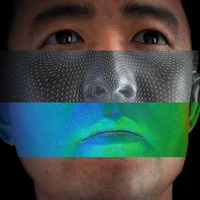



FasterCache: Training-Free Video Diffusion Model Acceleration with High Quality
In this paper, we present \textit{FasterCache}, a novel training-free strategy designed to accelerate the inference of video diffusion models with high-quality generation. By analyzing existing cache-based methods, we observe that directly reusing adjacent-step features degrades video quality due to the loss of subtle variations. We further perform a pioneering investigation of the acceleration potential of classifier-free guidance (CFG) and reveal significant redundancy between conditional and unconditional features within the same timestep. Capitalizing on these observations, we introduce FasterCache to substantially accelerate diffusion-based video generation. Our key contributions include a dynamic feature reuse strategy that preserves both feature distinction and temporal continuity, and CFG-Cache which optimizes the reuse of conditional and unconditional outputs to further enhance inference speed without compromising video quality. We empirically evaluate FasterCache on recent video diffusion models. Experimental results show that FasterCache can significantly accelerate video generation (\eg 1.67times speedup on Vchitect-2.0) while keeping video quality comparable to the baseline, and consistently outperform existing methods in both inference speed and video quality.


Vid3D: Synthesis of Dynamic 3D Scenes using 2D Video Diffusion
A recent frontier in computer vision has been the task of 3D video generation, which consists of generating a time-varying 3D representation of a scene. To generate dynamic 3D scenes, current methods explicitly model 3D temporal dynamics by jointly optimizing for consistency across both time and views of the scene. In this paper, we instead investigate whether it is necessary to explicitly enforce multiview consistency over time, as current approaches do, or if it is sufficient for a model to generate 3D representations of each timestep independently. We hence propose a model, Vid3D, that leverages 2D video diffusion to generate 3D videos by first generating a 2D "seed" of the video's temporal dynamics and then independently generating a 3D representation for each timestep in the seed video. We evaluate Vid3D against two state-of-the-art 3D video generation methods and find that Vid3D is achieves comparable results despite not explicitly modeling 3D temporal dynamics. We further ablate how the quality of Vid3D depends on the number of views generated per frame. While we observe some degradation with fewer views, performance degradation remains minor. Our results thus suggest that 3D temporal knowledge may not be necessary to generate high-quality dynamic 3D scenes, potentially enabling simpler generative algorithms for this task.



ControlVideo: Training-free Controllable Text-to-Video Generation
Text-driven diffusion models have unlocked unprecedented abilities in image generation, whereas their video counterpart still lags behind due to the excessive training cost of temporal modeling. Besides the training burden, the generated videos also suffer from appearance inconsistency and structural flickers, especially in long video synthesis. To address these challenges, we design a training-free framework called ControlVideo to enable natural and efficient text-to-video generation. ControlVideo, adapted from ControlNet, leverages coarsely structural consistency from input motion sequences, and introduces three modules to improve video generation. Firstly, to ensure appearance coherence between frames, ControlVideo adds fully cross-frame interaction in self-attention modules. Secondly, to mitigate the flicker effect, it introduces an interleaved-frame smoother that employs frame interpolation on alternated frames. Finally, to produce long videos efficiently, it utilizes a hierarchical sampler that separately synthesizes each short clip with holistic coherency. Empowered with these modules, ControlVideo outperforms the state-of-the-arts on extensive motion-prompt pairs quantitatively and qualitatively. Notably, thanks to the efficient designs, it generates both short and long videos within several minutes using one NVIDIA 2080Ti. Code is available at https://github.com/YBYBZhang/ControlVideo.

StoryReasoning Dataset: Using Chain-of-Thought for Scene Understanding and Grounded Story Generation
Visual storytelling systems struggle to maintain character identity across frames and link actions to appropriate subjects, frequently leading to referential hallucinations. These issues can be addressed through grounding of characters, objects, and other entities on the visual elements. We propose StoryReasoning, a dataset containing 4,178 stories derived from 52,016 movie images, with both structured scene analyses and grounded stories. Each story maintains character and object consistency across frames while explicitly modeling multi-frame relationships through structured tabular representations. Our approach features cross-frame object re-identification using visual similarity and face recognition, chain-of-thought reasoning for explicit narrative modeling, and a grounding scheme that links textual elements to visual entities across multiple frames. We establish baseline performance by fine-tuning Qwen2.5-VL 7B, creating Qwen Storyteller, which performs end-to-end object detection, re-identification, and landmark detection while maintaining consistent object references throughout the story. Evaluation demonstrates a reduction from 4.06 to 3.56 (-12.3%) hallucinations on average per story when compared to a non-fine-tuned model.