new
Get trending papers in your email inbox once a day!
Get trending papers in your email inbox!
Subscribe


AutoEnv: Automated Environments for Measuring Cross-Environment Agent Learning
Humans naturally adapt to diverse environments by learning underlying rules across worlds with different dynamics, observations, and reward structures. In contrast, existing agents typically demonstrate improvements via self-evolving within a single domain, implicitly assuming a fixed environment distribution. Cross-environment learning has remained largely unmeasured: there is no standard collection of controllable, heterogeneous environments, nor a unified way to represent how agents learn. We address these gaps in two steps. First, we propose AutoEnv, an automated framework that treats environments as factorizable distributions over transitions, observations, and rewards, enabling low-cost (4.12 USD on average) generation of heterogeneous worlds. Using AutoEnv, we construct AutoEnv-36, a dataset of 36 environments with 358 validated levels, on which seven language models achieve 12-49% normalized reward, demonstrating the challenge of AutoEnv-36. Second, we formalize agent learning as a component-centric process driven by three stages of Selection, Optimization, and Evaluation applied to an improvable agent component. Using this formulation, we design eight learning methods and evaluate them on AutoEnv-36. Empirically, the gain of any single learning method quickly decrease as the number of environments increases, revealing that fixed learning methods do not scale across heterogeneous environments. Environment-adaptive selection of learning methods substantially improves performance but exhibits diminishing returns as the method space expands. These results highlight both the necessity and the current limitations of agent learning for scalable cross-environment generalization, and position AutoEnv and AutoEnv-36 as a testbed for studying cross-environment agent learning. The code is avaiable at https://github.com/FoundationAgents/AutoEnv.




Finite-Time Analysis of On-Policy Heterogeneous Federated Reinforcement Learning
Federated reinforcement learning (FRL) has emerged as a promising paradigm for reducing the sample complexity of reinforcement learning tasks by exploiting information from different agents. However, when each agent interacts with a potentially different environment, little to nothing is known theoretically about the non-asymptotic performance of FRL algorithms. The lack of such results can be attributed to various technical challenges and their intricate interplay: Markovian sampling, linear function approximation, multiple local updates to save communication, heterogeneity in the reward functions and transition kernels of the agents' MDPs, and continuous state-action spaces. Moreover, in the on-policy setting, the behavior policies vary with time, further complicating the analysis. In response, we introduce FedSARSA, a novel federated on-policy reinforcement learning scheme, equipped with linear function approximation, to address these challenges and provide a comprehensive finite-time error analysis. Notably, we establish that FedSARSA converges to a policy that is near-optimal for all agents, with the extent of near-optimality proportional to the level of heterogeneity. Furthermore, we prove that FedSARSA leverages agent collaboration to enable linear speedups as the number of agents increases, which holds for both fixed and adaptive step-size configurations.
FedADP: Unified Model Aggregation for Federated Learning with Heterogeneous Model Architectures
Traditional Federated Learning (FL) faces significant challenges in terms of efficiency and accuracy, particularly in heterogeneous environments where clients employ diverse model architectures and have varying computational resources. Such heterogeneity complicates the aggregation process, leading to performance bottlenecks and reduced model generalizability. To address these issues, we propose FedADP, a federated learning framework designed to adapt to client heterogeneity by dynamically adjusting model architectures during aggregation. FedADP enables effective collaboration among clients with differing capabilities, maximizing resource utilization and ensuring model quality. Our experimental results demonstrate that FedADP significantly outperforms existing methods, such as FlexiFed, achieving an accuracy improvement of up to 23.30%, thereby enhancing model adaptability and training efficiency in heterogeneous real-world settings.
FedRE: A Representation Entanglement Framework for Model-Heterogeneous Federated Learning
Federated learning (FL) enables collaborative training across clients without compromising privacy. While most existing FL methods assume homogeneous model architectures, client heterogeneity in data and resources renders this assumption impractical, motivating model-heterogeneous FL. To address this problem, we propose Federated Representation Entanglement (FedRE), a framework built upon a novel form of client knowledge termed entangled representation. In FedRE, each client aggregates its local representations into a single entangled representation using normalized random weights and applies the same weights to integrate the corresponding one-hot label encodings into the entangled-label encoding. Those are then uploaded to the server to train a global classifier. During training, each entangled representation is supervised across categories via its entangled-label encoding, while random weights are resampled each round to introduce diversity, mitigating the global classifier's overconfidence and promoting smoother decision boundaries. Furthermore, each client uploads a single cross-category entangled representation along with its entangled-label encoding, mitigating the risk of representation inversion attacks and reducing communication overhead. Extensive experiments demonstrate that FedRE achieves an effective trade-off among model performance, privacy protection, and communication overhead. The codes are available at https://github.com/AIResearch-Group/FedRE.
REACH: Reinforcement Learning for Efficient Allocation in Community and Heterogeneous Networks
Community GPU platforms are emerging as a cost-effective and democratized alternative to centralized GPU clusters for AI workloads, aggregating idle consumer GPUs from globally distributed and heterogeneous environments. However, their extreme hardware/software diversity, volatile availability, and variable network conditions render traditional schedulers ineffective, leading to suboptimal task completion. In this work, we present REACH (Reinforcement Learning for Efficient Allocation in Community and Heterogeneous Networks), a Transformer-based reinforcement learning framework that redefines task scheduling as a sequence scoring problem to balance performance, reliability, cost, and network efficiency. By modeling both global GPU states and task requirements, REACH learns to adaptively co-locate computation with data, prioritize critical jobs, and mitigate the impact of unreliable resources. Extensive simulation results show that REACH improves task completion rates by up to 17%, more than doubles the success rate for high-priority tasks, and reduces bandwidth penalties by over 80% compared to state-of-the-art baselines. Stress tests further demonstrate its robustness to GPU churn and network congestion, while scalability experiments confirm its effectiveness in large-scale, high-contention scenarios.
Fed-SE: Federated Self-Evolution for Privacy-Constrained Multi-Environment LLM Agents
LLM agents are widely deployed in complex interactive tasks, yet privacy constraints often preclude centralized optimization and co-evolution across dynamic environments. While Federated Learning (FL) has proven effective on static datasets, its extension to the open-ended self-evolution of agents remains underexplored. Directly applying standard FL is challenging: heterogeneous tasks and sparse, trajectory-level rewards introduce severe gradient conflicts, destabilizing the global optimization process. To bridge this gap, we propose Fed-SE, a Federated Self-Evolution framework for LLM agents. Fed-SE establishes a local evolution-global aggregation paradigm. Locally, agents employ parameter-efficient fine-tuning on filtered, high-return trajectories to achieve stable gradient updates. Globally, Fed-SE aggregates updates within a low-rank subspace that disentangles environment-specific dynamics, effectively reducing negative transfer across clients. Experiments across five heterogeneous environments demonstrate that Fed-SE improves average task success rates by approximately 18% over federated baselines, validating its effectiveness in robust cross-environment knowledge transfer in privacy-constrained deployments.



A Deployment-First Methodology to Mechanism Design and Refinement in Distributed Systems
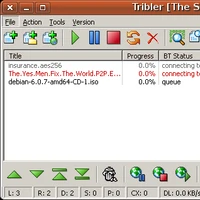
Catalyzed by the popularity of blockchain technology, there has recently been a renewed interest in the design, implementation and evaluation of decentralized systems. Most of these systems are intended to be deployed at scale and in heterogeneous environments with real users and unpredictable workloads. Nevertheless, most research in this field evaluates such systems in controlled environments that poorly reflect the complex conditions of real-world environments. In this work, we argue that deployment is crucial to understanding decentralized mechanisms in a real-world environment and an enabler to building more robust and sustainable systems. We highlight the merits of deployment by comparing this approach with other experimental setups and show how our lab applied a deployment-first methodology. We then outline how we use Tribler, our peer-to-peer file-sharing application, to deploy and monitor decentralized mechanisms at scale. We illustrate the application of our methodology by describing a deployment trial in experimental tokenomics. Finally, we summarize four lessons learned from multiple deployment trials where we applied our methodology.

TensorFlow: A system for large-scale machine learning
TensorFlow is a machine learning system that operates at large scale and in heterogeneous environments. TensorFlow uses dataflow graphs to represent computation, shared state, and the operations that mutate that state. It maps the nodes of a dataflow graph across many machines in a cluster, and within a machine across multiple computational devices, including multicore CPUs, general-purpose GPUs, and custom designed ASICs known as Tensor Processing Units (TPUs). This architecture gives flexibility to the application developer: whereas in previous "parameter server" designs the management of shared state is built into the system, TensorFlow enables developers to experiment with novel optimizations and training algorithms. TensorFlow supports a variety of applications, with particularly strong support for training and inference on deep neural networks. Several Google services use TensorFlow in production, we have released it as an open-source project, and it has become widely used for machine learning research. In this paper, we describe the TensorFlow dataflow model in contrast to existing systems, and demonstrate the compelling performance that TensorFlow achieves for several real-world applications.
Federated Conformal Predictors for Distributed Uncertainty Quantification
Conformal prediction is emerging as a popular paradigm for providing rigorous uncertainty quantification in machine learning since it can be easily applied as a post-processing step to already trained models. In this paper, we extend conformal prediction to the federated learning setting. The main challenge we face is data heterogeneity across the clients - this violates the fundamental tenet of exchangeability required for conformal prediction. We propose a weaker notion of partial exchangeability, better suited to the FL setting, and use it to develop the Federated Conformal Prediction (FCP) framework. We show FCP enjoys rigorous theoretical guarantees and excellent empirical performance on several computer vision and medical imaging datasets. Our results demonstrate a practical approach to incorporating meaningful uncertainty quantification in distributed and heterogeneous environments. We provide code used in our experiments https://github.com/clu5/federated-conformal.

Towards General Agentic Intelligence via Environment Scaling
Advanced agentic intelligence is a prerequisite for deploying Large Language Models in practical, real-world applications. Diverse real-world APIs demand precise, robust function-calling intelligence, which needs agents to develop these capabilities through interaction in varied environments. The breadth of function-calling competence is closely tied to the diversity of environments in which agents are trained. In this work, we scale up environments as a step towards advancing general agentic intelligence. This gives rise to two central challenges: (i) how to scale environments in a principled manner, and (ii) how to effectively train agentic capabilities from experiences derived through interactions with these environments. To address these, we design a scalable framework that automatically constructs heterogeneous environments that are fully simulated, systematically broadening the space of function-calling scenarios. We further adapt a two-phase agent fine-tuning strategy: first endowing agents with fundamental agentic capabilities, then specializing them for domain-specific contexts. Extensive experiments on agentic benchmarks, tau-bench, tau2-Bench, and ACEBench, demonstrate that our trained model, AgentScaler, significantly enhances the function-calling capability of models.


PROV-AGENT: Unified Provenance for Tracking AI Agent Interactions in Agentic Workflows
Large Language Models (LLMs) and other foundation models are increasingly used as the core of AI agents. In agentic workflows, these agents plan tasks, interact with humans and peers, and influence scientific outcomes across federated and heterogeneous environments. However, agents can hallucinate or reason incorrectly, propagating errors when one agent's output becomes another's input. Thus, assuring that agents' actions are transparent, traceable, reproducible, and reliable is critical to assess hallucination risks and mitigate their workflow impacts. While provenance techniques have long supported these principles, existing methods fail to capture and relate agent-centric metadata such as prompts, responses, and decisions with the broader workflow context and downstream outcomes. In this paper, we introduce PROV-AGENT, a provenance model that extends W3C PROV and leverages the Model Context Protocol (MCP) and data observability to integrate agent interactions into end-to-end workflow provenance. Our contributions include: (1) a provenance model tailored for agentic workflows, (2) a near real-time, open-source system for capturing agentic provenance, and (3) a cross-facility evaluation spanning edge, cloud, and HPC environments, demonstrating support for critical provenance queries and agent reliability analysis.
Enabling Multi-Agent Transfer Reinforcement Learning via Scenario Independent Representation
Multi-Agent Reinforcement Learning (MARL) algorithms are widely adopted in tackling complex tasks that require collaboration and competition among agents in dynamic Multi-Agent Systems (MAS). However, learning such tasks from scratch is arduous and may not always be feasible, particularly for MASs with a large number of interactive agents due to the extensive sample complexity. Therefore, reusing knowledge gained from past experiences or other agents could efficiently accelerate the learning process and upscale MARL algorithms. In this study, we introduce a novel framework that enables transfer learning for MARL through unifying various state spaces into fixed-size inputs that allow one unified deep-learning policy viable in different scenarios within a MAS. We evaluated our approach in a range of scenarios within the StarCraft Multi-Agent Challenge (SMAC) environment, and the findings show significant enhancements in multi-agent learning performance using maneuvering skills learned from other scenarios compared to agents learning from scratch. Furthermore, we adopted Curriculum Transfer Learning (CTL), enabling our deep learning policy to progressively acquire knowledge and skills across pre-designed homogeneous learning scenarios organized by difficulty levels. This process promotes inter- and intra-agent knowledge transfer, leading to high multi-agent learning performance in more complicated heterogeneous scenarios.
Heterogeneous Low-Bandwidth Pre-Training of LLMs
Pre-training large language models (LLMs) increasingly requires distributed compute, yet bandwidth constraints make it difficult to scale beyond well-provisioned datacenters-especially when model parallelism forces frequent, large inter-device communications. We study whether SparseLoCo, a low-communication data parallel method based on infrequent synchronization and sparse pseudo-gradient exchange, can be combined with low-bandwidth pipeline model parallelism via activation and activation-gradient compression. We introduce a heterogeneous distributed training framework where some participants host full replicas on high-bandwidth interconnects, while resource-limited participants are grouped to jointly instantiate a replica using pipeline parallelism with subspace-projected inter-stage communication. To make the recently introduced subspace pipeline compression compatible with SparseLoCo, we study a number of adaptations. Across large-scale language modeling experiments (178M-1B parameters) on standard pretraining corpora, we find that activation compression composes with SparseLoCo at modest cost, while selective (heterogeneous) compression consistently improves the loss-communication tradeoff relative to compressing all replicas-especially at aggressive compression ratios. These results suggest a practical path to incorporating low-bandwidth model parallelism and heterogeneous participants into LLM pre-training.
Holmes: Towards Distributed Training Across Clusters with Heterogeneous NIC Environment
Large language models (LLMs) such as GPT-3, OPT, and LLaMA have demonstrated remarkable accuracy in a wide range of tasks. However, training these models can incur significant expenses, often requiring tens of thousands of GPUs for months of continuous operation. Typically, this training is carried out in specialized GPU clusters equipped with homogeneous high-speed Remote Direct Memory Access (RDMA) network interface cards (NICs). The acquisition and maintenance of such dedicated clusters is challenging. Current LLM training frameworks, like Megatron-LM and Megatron-DeepSpeed, focus primarily on optimizing training within homogeneous cluster settings. In this paper, we introduce Holmes, a training framework for LLMs that employs thoughtfully crafted data and model parallelism strategies over the heterogeneous NIC environment. Our primary technical contribution lies in a novel scheduling method that intelligently allocates distinct computational tasklets in LLM training to specific groups of GPU devices based on the characteristics of their connected NICs. Furthermore, our proposed framework, utilizing pipeline parallel techniques, demonstrates scalability to multiple GPU clusters, even in scenarios without high-speed interconnects between nodes in distinct clusters. We conducted comprehensive experiments that involved various scenarios in the heterogeneous NIC environment. In most cases, our framework achieves performance levels close to those achievable with homogeneous RDMA-capable networks (InfiniBand or RoCE), significantly exceeding training efficiency within the pure Ethernet environment. Additionally, we verified that our framework outperforms other mainstream LLM frameworks under heterogeneous NIC environment in terms of training efficiency and can be seamlessly integrated with them.
StreamDiffusionV2: A Streaming System for Dynamic and Interactive Video Generation
Generative models are reshaping the live-streaming industry by redefining how content is created, styled, and delivered. Previous image-based streaming diffusion models have powered efficient and creative live streaming products but have hit limits on temporal consistency due to the foundation of image-based designs. Recent advances in video diffusion have markedly improved temporal consistency and sampling efficiency for offline generation. However, offline generation systems primarily optimize throughput by batching large workloads. In contrast, live online streaming operates under strict service-level objectives (SLOs): time-to-first-frame must be minimal, and every frame must meet a per-frame deadline with low jitter. Besides, scalable multi-GPU serving for real-time streams remains largely unresolved so far. To address this, we present StreamDiffusionV2, a training-free pipeline for interactive live streaming with video diffusion models. StreamDiffusionV2 integrates an SLO-aware batching scheduler and a block scheduler, together with a sink-token--guided rolling KV cache, a motion-aware noise controller, and other system-level optimizations. Moreover, we introduce a scalable pipeline orchestration that parallelizes the diffusion process across denoising steps and network layers, achieving near-linear FPS scaling without violating latency guarantees. The system scales seamlessly across heterogeneous GPU environments and supports flexible denoising steps (e.g., 1--4), enabling both ultra-low-latency and higher-quality modes. Without TensorRT or quantization, StreamDiffusionV2 renders the first frame within 0.5s and attains 58.28 FPS with a 14B-parameter model and 64.52 FPS with a 1.3B-parameter model on four H100 GPUs, making state-of-the-art generative live streaming practical and accessible--from individual creators to enterprise-scale platforms.
FedPerfix: Towards Partial Model Personalization of Vision Transformers in Federated Learning
Personalized Federated Learning (PFL) represents a promising solution for decentralized learning in heterogeneous data environments. Partial model personalization has been proposed to improve the efficiency of PFL by selectively updating local model parameters instead of aggregating all of them. However, previous work on partial model personalization has mainly focused on Convolutional Neural Networks (CNNs), leaving a gap in understanding how it can be applied to other popular models such as Vision Transformers (ViTs). In this work, we investigate where and how to partially personalize a ViT model. Specifically, we empirically evaluate the sensitivity to data distribution of each type of layer. Based on the insights that the self-attention layer and the classification head are the most sensitive parts of a ViT, we propose a novel approach called FedPerfix, which leverages plugins to transfer information from the aggregated model to the local client as a personalization. Finally, we evaluate the proposed approach on CIFAR-100, OrganAMNIST, and Office-Home datasets and demonstrate its effectiveness in improving the model's performance compared to several advanced PFL methods.

ColorBrowserAgent: An Intelligent GUI Agent for Complex Long-Horizon Web Automation
The web browser serves as a primary interface for daily human activities, making its automation a critical frontier for Human-Centred AI. While Large Language Models (LLMs) have enabled autonomous agents to interact with web GUIs, their reliability in real-world scenarios is hampered by long-horizon instability and the vast heterogeneity of site designs. In this paper, we introduce ColorBrowserAgent, a framework designed for Collaborative Autonomy in complex web tasks. Our approach integrates two human-centred mechanisms: (1) Progressive Progress Summarization, which mimics human short-term memory to maintain coherence over extended interactions; and (2) Human-in-the-Loop Knowledge Adaptation, which bridges the knowledge gap in diverse environments by soliciting expert intervention only when necessary. This symbiotic design allows the agent to learn from human tips without extensive retraining, effectively combining the scalability of AI with the adaptability of human cognition. Evaluated on the WebArena benchmark using GPT-5, ColorBrowserAgent achieves a state-of-the-art success rate of 71.2\%, demonstrating the efficacy of interactive human assistance in robust web automation.
Deep Learning for automated multi-scale functional field boundaries extraction using multi-date Sentinel-2 and PlanetScope imagery: Case Study of Netherlands and Pakistan
This study explores the effectiveness of multi-temporal satellite imagery for better functional field boundary delineation using deep learning semantic segmentation architecture on two distinct geographical and multi-scale farming systems of Netherlands and Pakistan. Multidate images of April, August and October 2022 were acquired for PlanetScope and Sentinel-2 in sub regions of Netherlands and November 2022, February and March 2023 for selected area of Dunyapur in Pakistan. For Netherlands, Basic registration crop parcels (BRP) vector layer was used as labeled training data. while self-crafted field boundary vector data were utilized for Pakistan. Four deep learning models with UNET architecture were evaluated using different combinations of multi-date images and NDVI stacks in the Netherlands subregions. A comparative analysis of IoU scores assessed the effectiveness of the proposed multi-date NDVI stack approach. These findings were then applied for transfer learning, using pre-trained models from the Netherlands on the selected area in Pakistan. Additionally, separate models were trained using self-crafted field boundary data for Pakistan, and combined models were developed using data from both the Netherlands and Pakistan. Results indicate that multi-date NDVI stacks provide additional temporal context, reflecting crop growth over different times of the season. The study underscores the critical role of multi-scale ground information from diverse geographical areas in developing robust and universally applicable models for field boundary delineation. The results also highlight the importance of fine spatial resolution for extraction of field boundaries in regions with small scale framing. The findings can be extended to multi-scale implementations for improved automatic field boundary delineation in heterogeneous agricultural environments.


Geometric Knowledge-Guided Localized Global Distribution Alignment for Federated Learning
Data heterogeneity in federated learning, characterized by a significant misalignment between local and global distributions, leads to divergent local optimization directions and hinders global model training. Existing studies mainly focus on optimizing local updates or global aggregation, but these indirect approaches demonstrate instability when handling highly heterogeneous data distributions, especially in scenarios where label skew and domain skew coexist. To address this, we propose a geometry-guided data generation method that centers on simulating the global embedding distribution locally. We first introduce the concept of the geometric shape of an embedding distribution and then address the challenge of obtaining global geometric shapes under privacy constraints. Subsequently, we propose GGEUR, which leverages global geometric shapes to guide the generation of new samples, enabling a closer approximation to the ideal global distribution. In single-domain scenarios, we augment samples based on global geometric shapes to enhance model generalization; in multi-domain scenarios, we further employ class prototypes to simulate the global distribution across domains. Extensive experimental results demonstrate that our method significantly enhances the performance of existing approaches in handling highly heterogeneous data, including scenarios with label skew, domain skew, and their coexistence. Code published at: https://github.com/WeiDai-David/2025CVPR_GGEUR

Characterized Diffusion Networks for Enhanced Autonomous Driving Trajectory Prediction
In this paper, we present a novel trajectory prediction model for autonomous driving, combining a Characterized Diffusion Module and a Spatial-Temporal Interaction Network to address the challenges posed by dynamic and heterogeneous traffic environments. Our model enhances the accuracy and reliability of trajectory predictions by incorporating uncertainty estimation and complex agent interactions. Through extensive experimentation on public datasets such as NGSIM, HighD, and MoCAD, our model significantly outperforms existing state-of-the-art methods. We demonstrate its ability to capture the underlying spatial-temporal dynamics of traffic scenarios and improve prediction precision, especially in complex environments. The proposed model showcases strong potential for application in real-world autonomous driving systems.
FedStale: leveraging stale client updates in federated learning
Federated learning algorithms, such as FedAvg, are negatively affected by data heterogeneity and partial client participation. To mitigate the latter problem, global variance reduction methods, like FedVARP, leverage stale model updates for non-participating clients. These methods are effective under homogeneous client participation. Yet, this paper shows that, when some clients participate much less than others, aggregating updates with different levels of staleness can detrimentally affect the training process. Motivated by this observation, we introduce FedStale, a novel algorithm that updates the global model in each round through a convex combination of "fresh" updates from participating clients and "stale" updates from non-participating ones. By adjusting the weight in the convex combination, FedStale interpolates between FedAvg, which only uses fresh updates, and FedVARP, which treats fresh and stale updates equally. Our analysis of FedStale convergence yields the following novel findings: i) it integrates and extends previous FedAvg and FedVARP analyses to heterogeneous client participation; ii) it underscores how the least participating client influences convergence error; iii) it provides practical guidelines to best exploit stale updates, showing that their usefulness diminishes as data heterogeneity decreases and participation heterogeneity increases. Extensive experiments featuring diverse levels of client data and participation heterogeneity not only confirm these findings but also show that FedStale outperforms both FedAvg and FedVARP in many settings.
A Framework for Scalable Heterogeneous Multi-Agent Adversarial Reinforcement Learning in IsaacLab
Multi-Agent Reinforcement Learning (MARL) is central to robotic systems cooperating in dynamic environments. While prior work has focused on these collaborative settings, adversarial interactions are equally critical for real-world applications such as pursuit-evasion, security, and competitive manipulation. In this work, we extend the IsaacLab framework to support scalable training of adversarial policies in high-fidelity physics simulations. We introduce a suite of adversarial MARL environments featuring heterogeneous agents with asymmetric goals and capabilities. Our platform integrates a competitive variant of Heterogeneous Agent Reinforcement Learning with Proximal Policy Optimization (HAPPO), enabling efficient training and evaluation under adversarial dynamics. Experiments across several benchmark scenarios demonstrate the framework's ability to model and train robust policies for morphologically diverse multi-agent competition while maintaining high throughput and simulation realism. Code and benchmarks are available at: https://github.com/DIRECTLab/IsaacLab-HARL .


Lattica: A Decentralized Cross-NAT Communication Framework for Scalable AI Inference and Training
The rapid expansion of distributed Artificial Intelligence (AI) workloads beyond centralized data centers creates a demand for new communication substrates. These substrates must operate reliably in heterogeneous and permissionless environments, where Network Address Translators (NATs) and firewalls impose significant constraints. Existing solutions, however, are either designed for controlled data center deployments or implemented as monolithic systems that tightly couple machine learning logic with networking code. To address these limitations, we present Lattica, a decentralized cross-NAT communication framework designed to support distributed AI systems. Lattica integrates three core components. First, it employs a robust suite of NAT traversal mechanisms to establish a globally addressable peer-to-peer mesh. Second, it provides a decentralized data store based on Conflict-free Replicated Data Types (CRDTs), ensuring verifiable and eventually consistent state replication. Third, it incorporates a content discovery layer that leverages distributed hash tables (DHTs) together with an optimized RPC protocol for efficient model synchronization. By integrating these components, Lattica delivers a complete protocol stack for sovereign, resilient, and scalable AI systems that operate independently of centralized intermediaries. It is directly applicable to edge intelligence, collaborative reinforcement learning, and other large-scale distributed machine learning scenarios.
AdaWorld: Learning Adaptable World Models with Latent Actions
World models aim to learn action-controlled prediction models and have proven essential for the development of intelligent agents. However, most existing world models rely heavily on substantial action-labeled data and costly training, making it challenging to adapt to novel environments with heterogeneous actions through limited interactions. This limitation can hinder their applicability across broader domains. To overcome this challenge, we propose AdaWorld, an innovative world model learning approach that enables efficient adaptation. The key idea is to incorporate action information during the pretraining of world models. This is achieved by extracting latent actions from videos in a self-supervised manner, capturing the most critical transitions between frames. We then develop an autoregressive world model that conditions on these latent actions. This learning paradigm enables highly adaptable world models, facilitating efficient transfer and learning of new actions even with limited interactions and finetuning. Our comprehensive experiments across multiple environments demonstrate that AdaWorld achieves superior performance in both simulation quality and visual planning.
HEIGHT: Heterogeneous Interaction Graph Transformer for Robot Navigation in Crowded and Constrained Environments
We study the problem of robot navigation in dense and interactive crowds with environmental constraints such as corridors and furniture. Previous methods fail to consider all types of interactions among agents and obstacles, leading to unsafe and inefficient robot paths. In this article, we leverage a graph-based representation of crowded and constrained scenarios and propose a structured framework to learn robot navigation policies with deep reinforcement learning. We first split the representations of different components in the environment and propose a heterogeneous spatio-temporal (st) graph to model distinct interactions among humans, robots, and obstacles. Based on the heterogeneous st-graph, we propose HEIGHT, a novel navigation policy network architecture with different components to capture heterogeneous interactions among entities through space and time. HEIGHT utilizes attention mechanisms to prioritize important interactions and a recurrent network to track changes in the dynamic scene over time, encouraging the robot to avoid collisions adaptively. Through extensive simulation and real-world experiments, we demonstrate that HEIGHT outperforms state-of-the-art baselines in terms of success and efficiency in challenging navigation scenarios. Furthermore, we demonstrate that our pipeline achieves better zero-shot generalization capability than previous works when the densities of humans and obstacles change. More videos are available at https://sites.google.com/view/crowdnav-height/home.

Internet of Agents: Weaving a Web of Heterogeneous Agents for Collaborative Intelligence
The rapid advancement of large language models (LLMs) has paved the way for the development of highly capable autonomous agents. However, existing multi-agent frameworks often struggle with integrating diverse capable third-party agents due to reliance on agents defined within their own ecosystems. They also face challenges in simulating distributed environments, as most frameworks are limited to single-device setups. Furthermore, these frameworks often rely on hard-coded communication pipelines, limiting their adaptability to dynamic task requirements. Inspired by the concept of the Internet, we propose the Internet of Agents (IoA), a novel framework that addresses these limitations by providing a flexible and scalable platform for LLM-based multi-agent collaboration. IoA introduces an agent integration protocol, an instant-messaging-like architecture design, and dynamic mechanisms for agent teaming and conversation flow control. Through extensive experiments on general assistant tasks, embodied AI tasks, and retrieval-augmented generation benchmarks, we demonstrate that IoA consistently outperforms state-of-the-art baselines, showcasing its ability to facilitate effective collaboration among heterogeneous agents. IoA represents a step towards linking diverse agents in an Internet-like environment, where agents can seamlessly collaborate to achieve greater intelligence and capabilities. Our codebase has been released at https://github.com/OpenBMB/IoA.





Heterogeneous LiDAR Dataset for Benchmarking Robust Localization in Diverse Degenerate Scenarios
The ability to estimate pose and generate maps using 3D LiDAR significantly enhances robotic system autonomy. However, existing open-source datasets lack representation of geometrically degenerate environments, limiting the development and benchmarking of robust LiDAR SLAM algorithms. To address this gap, we introduce GEODE, a comprehensive multi-LiDAR, multi-scenario dataset specifically designed to include real-world geometrically degenerate environments. GEODE comprises 64 trajectories spanning over 64 kilometers across seven diverse settings with varying degrees of degeneracy. The data was meticulously collected to promote the development of versatile algorithms by incorporating various LiDAR sensors, stereo cameras, IMUs, and diverse motion conditions. We evaluate state-of-the-art SLAM approaches using the GEODE dataset to highlight current limitations in LiDAR SLAM techniques. This extensive dataset will be publicly available at https://geode.github.io, supporting further advancements in LiDAR-based SLAM.


iPLAN: Intent-Aware Planning in Heterogeneous Traffic via Distributed Multi-Agent Reinforcement Learning
Navigating safely and efficiently in dense and heterogeneous traffic scenarios is challenging for autonomous vehicles (AVs) due to their inability to infer the behaviors or intentions of nearby drivers. In this work, we introduce a distributed multi-agent reinforcement learning (MARL) algorithm that can predict trajectories and intents in dense and heterogeneous traffic scenarios. Our approach for intent-aware planning, iPLAN, allows agents to infer nearby drivers' intents solely from their local observations. We model two distinct incentives for agents' strategies: Behavioral Incentive for high-level decision-making based on their driving behavior or personality and Instant Incentive for motion planning for collision avoidance based on the current traffic state. Our approach enables agents to infer their opponents' behavior incentives and integrate this inferred information into their decision-making and motion-planning processes. We perform experiments on two simulation environments, Non-Cooperative Navigation and Heterogeneous Highway. In Heterogeneous Highway, results show that, compared with centralized training decentralized execution (CTDE) MARL baselines such as QMIX and MAPPO, our method yields a 4.3% and 38.4% higher episodic reward in mild and chaotic traffic, with 48.1% higher success rate and 80.6% longer survival time in chaotic traffic. We also compare with a decentralized training decentralized execution (DTDE) baseline IPPO and demonstrate a higher episodic reward of 12.7% and 6.3% in mild traffic and chaotic traffic, 25.3% higher success rate, and 13.7% longer survival time.


Model Agnostic Hybrid Sharding For Heterogeneous Distributed Inference
The rapid growth of large-scale AI models, particularly large language models has brought significant challenges in data privacy, computational resources, and accessibility. Traditional centralized architectures often struggle to meet required data security and scalability needs which hinders the democratization of AI systems. Nesa introduces a model-agnostic sharding framework designed for decentralized AI inference. Our framework uses blockchain-based sequential deep neural network sharding to distribute computational tasks across a diverse network of nodes based on a personalised heuristic and routing mechanism. This enables efficient distributed training and inference for recent large-scale models even on consumer-grade hardware. We use compression techniques like dynamic blockwise quantization and mixed matrix decomposition to reduce data transfer and memory needs. We also integrate robust security measures, including hardware-based trusted execution environments to ensure data integrity and confidentiality. Evaluating our system across various natural language processing and vision tasks shows that these compression strategies do not compromise model accuracy. Our results highlight the potential to democratize access to cutting-edge AI technologies by enabling secure and efficient inference on a decentralized network.

HeLiOS: Heterogeneous LiDAR Place Recognition via Overlap-based Learning and Local Spherical Transformer
LiDAR place recognition is a crucial module in localization that matches the current location with previously observed environments. Most existing approaches in LiDAR place recognition dominantly focus on the spinning type LiDAR to exploit its large FOV for matching. However, with the recent emergence of various LiDAR types, the importance of matching data across different LiDAR types has grown significantly-a challenge that has been largely overlooked for many years. To address these challenges, we introduce HeLiOS, a deep network tailored for heterogeneous LiDAR place recognition, which utilizes small local windows with spherical transformers and optimal transport-based cluster assignment for robust global descriptors. Our overlap-based data mining and guided-triplet loss overcome the limitations of traditional distance-based mining and discrete class constraints. HeLiOS is validated on public datasets, demonstrating performance in heterogeneous LiDAR place recognition while including an evaluation for long-term recognition, showcasing its ability to handle unseen LiDAR types. We release the HeLiOS code as an open source for the robotics community at https://github.com/minwoo0611/HeLiOS.
Towards Practical Large-scale Dynamical Heterogeneous Graph Embedding: Cold-start Resilient Recommendation
Deploying dynamic heterogeneous graph embeddings in production faces key challenges of scalability, data freshness, and cold-start. This paper introduces a practical, two-stage solution that balances deep graph representation with low-latency incremental updates. Our framework combines HetSGFormer, a scalable graph transformer for static learning, with Incremental Locally Linear Embedding (ILLE), a lightweight, CPU-based algorithm for real-time updates. HetSGFormer captures global structure with linear scalability, while ILLE provides rapid, targeted updates to incorporate new data, thus avoiding costly full retraining. This dual approach is cold-start resilient, leveraging the graph to create meaningful embeddings from sparse data. On billion-scale graphs, A/B tests show HetSGFormer achieved up to a 6.11% lift in Advertiser Value over previous methods, while the ILLE module added another 3.22% lift and improved embedding refresh timeliness by 83.2%. Our work provides a validated framework for deploying dynamic graph learning in production environments.

AstroReason-Bench: Evaluating Unified Agentic Planning across Heterogeneous Space Planning Problems
Recent advances in agentic Large Language Models (LLMs) have positioned them as generalist planners capable of reasoning and acting across diverse tasks. However, existing agent benchmarks largely focus on symbolic or weakly grounded environments, leaving their performance in physics-constrained real-world domains underexplored. We introduce AstroReason-Bench, a comprehensive benchmark for evaluating agentic planning in Space Planning Problems (SPP), a family of high-stakes problems with heterogeneous objectives, strict physical constraints, and long-horizon decision-making. AstroReason-Bench integrates multiple scheduling regimes, including ground station communication and agile Earth observation, and provides a unified agent-oriented interaction protocol. Evaluating on a range of state-of-the-art open- and closed-source agentic LLM systems, we find that current agents substantially underperform specialized solvers, highlighting key limitations of generalist planning under realistic constraints. AstroReason-Bench offers a challenging and diagnostic testbed for future agentic research.



Deep Learning based Computer Vision Methods for Complex Traffic Environments Perception: A Review
Computer vision applications in intelligent transportation systems (ITS) and autonomous driving (AD) have gravitated towards deep neural network architectures in recent years. While performance seems to be improving on benchmark datasets, many real-world challenges are yet to be adequately considered in research. This paper conducted an extensive literature review on the applications of computer vision in ITS and AD, and discusses challenges related to data, models, and complex urban environments. The data challenges are associated with the collection and labeling of training data and its relevance to real world conditions, bias inherent in datasets, the high volume of data needed to be processed, and privacy concerns. Deep learning (DL) models are commonly too complex for real-time processing on embedded hardware, lack explainability and generalizability, and are hard to test in real-world settings. Complex urban traffic environments have irregular lighting and occlusions, and surveillance cameras can be mounted at a variety of angles, gather dirt, shake in the wind, while the traffic conditions are highly heterogeneous, with violation of rules and complex interactions in crowded scenarios. Some representative applications that suffer from these problems are traffic flow estimation, congestion detection, autonomous driving perception, vehicle interaction, and edge computing for practical deployment. The possible ways of dealing with the challenges are also explored while prioritizing practical deployment.
AgentStore: Scalable Integration of Heterogeneous Agents As Specialized Generalist Computer Assistant
Digital agents capable of automating complex computer tasks have attracted considerable attention due to their immense potential to enhance human-computer interaction. However, existing agent methods exhibit deficiencies in their generalization and specialization capabilities, especially in handling open-ended computer tasks in real-world environments. Inspired by the rich functionality of the App store, we present AgentStore, a scalable platform designed to dynamically integrate heterogeneous agents for automating computer tasks. AgentStore empowers users to integrate third-party agents, allowing the system to continuously enrich its capabilities and adapt to rapidly evolving operating systems. Additionally, we propose a novel core MetaAgent with the AgentToken strategy to efficiently manage diverse agents and utilize their specialized and generalist abilities for both domain-specific and system-wide tasks. Extensive experiments on three challenging benchmarks demonstrate that AgentStore surpasses the limitations of previous systems with narrow capabilities, particularly achieving a significant improvement from 11.21\% to 23.85\% on the OSWorld benchmark, more than doubling the previous results. Comprehensive quantitative and qualitative results further demonstrate AgentStore's ability to enhance agent systems in both generalization and specialization, underscoring its potential for developing the specialized generalist computer assistant. All our codes will be made publicly available in https://chengyou-jia.github.io/AgentStore-Home.




FedMABench: Benchmarking Mobile Agents on Decentralized Heterogeneous User Data
Mobile agents have attracted tremendous research participation recently. Traditional approaches to mobile agent training rely on centralized data collection, leading to high cost and limited scalability. Distributed training utilizing federated learning offers an alternative by harnessing real-world user data, providing scalability and reducing costs. However, pivotal challenges, including the absence of standardized benchmarks, hinder progress in this field. To tackle the challenges, we introduce FedMABench, the first benchmark for federated training and evaluation of mobile agents, specifically designed for heterogeneous scenarios. FedMABench features 6 datasets with 30+ subsets, 8 federated algorithms, 10+ base models, and over 800 apps across 5 categories, providing a comprehensive framework for evaluating mobile agents across diverse environments. Through extensive experiments, we uncover several key insights: federated algorithms consistently outperform local training; the distribution of specific apps plays a crucial role in heterogeneity; and, even apps from distinct categories can exhibit correlations during training. FedMABench is publicly available at: https://github.com/wwh0411/FedMABench with the datasets at: https://huggingface.co/datasets/wwh0411/FedMABench.

CLEA: Closed-Loop Embodied Agent for Enhancing Task Execution in Dynamic Environments
Large Language Models (LLMs) exhibit remarkable capabilities in the hierarchical decomposition of complex tasks through semantic reasoning. However, their application in embodied systems faces challenges in ensuring reliable execution of subtask sequences and achieving one-shot success in long-term task completion. To address these limitations in dynamic environments, we propose Closed-Loop Embodied Agent (CLEA) -- a novel architecture incorporating four specialized open-source LLMs with functional decoupling for closed-loop task management. The framework features two core innovations: (1) Interactive task planner that dynamically generates executable subtasks based on the environmental memory, and (2) Multimodal execution critic employing an evaluation framework to conduct a probabilistic assessment of action feasibility, triggering hierarchical re-planning mechanisms when environmental perturbations exceed preset thresholds. To validate CLEA's effectiveness, we conduct experiments in a real environment with manipulable objects, using two heterogeneous robots for object search, manipulation, and search-manipulation integration tasks. Across 12 task trials, CLEA outperforms the baseline model, achieving a 67.3% improvement in success rate and a 52.8% increase in task completion rate. These results demonstrate that CLEA significantly enhances the robustness of task planning and execution in dynamic environments.

SwarmUpdate: Hierarchical Software Updates and Deep Learning Model Patching for Heterogeneous UAV Swarms
Heterogeneous unmanned aerial vehicle (UAV) swarms consist of dozens to hundreds of drones with different roles and varying hardware and software requirements collaborating towards a shared mission. While traditional approaches for synchronized software updates assume swarms to be unstructured and homogeneous, the heterogeneous nature of modern swarms and the emerging need of drones to update their deep learning (perception) models with new objectives or data as a mission unfolds, has made efficient software update methods crucial for swarms to adapt to dynamic environments. To address these challenges, we introduce the SwarmUpdate framework for software updates in heterogeneous UAV swarms, composed of two key components: SwarmSync and SwarmModelPatch. SwarmSync is a hierarchical software update synchronization strategy to distribute a software update to the right subset of drones within a swarm, while SwarmModelPatch is a deep learning model patching method that reduces the size of a (deep learning model) update by only allowing some layers of the model to be updated (freezing the other layers). In this paper, we systematically evaluate the performance of SwarmSync through large-scale simulations in the ARGoS swarm simulator, comparing SwarmSync to auction-based (SOUL) and gossip-based rebroadcasting (Gossip) baselines, and SwarmModelPatch to a non-incremental model patching strategy.

Breaking the Pre-Planning Barrier: Adaptive Real-Time Coordination of Heterogeneous UAVs
Unmanned Aerial Vehicles (UAVs) offer significant potential in dynamic, perception-intensive tasks such as search and rescue and environmental monitoring; however, their effectiveness is severely restricted by conventional pre-planned routing methods, which lack the flexibility to respond in real-time to evolving task demands, unexpected disturbances, and localized view limitations in real-world scenarios. To address this fundamental limitation, we introduce a novel multi-agent reinforcement learning framework named Heterogeneous Graph Attention Multi-agent Deep Deterministic Policy Gradient (HGAM), uniquely designed to enable adaptive real-time coordination between mission UAVs (MUAVs) and charging UAVs (CUAVs). HGAM specifically addresses the previously unsolved challenge of enabling precise, decentralized continuous-action coordination solely based on local, heterogeneous graph-based observations. Extensive simulations demonstrate that HGAM substantially surpasses existing methods, achieving, for example, a 30\% improvement in data collection coverage and a 20\% increase in charging efficiency, providing crucial insights and foundations for the future deployment of intelligent, flexible UAV networks in complex, dynamic environments.

Alpha Berkeley: A Scalable Framework for the Orchestration of Agentic Systems
Coordinating workflows across heterogeneous control systems remains a central challenge in safety-critical environments such as scientific facilities, industrial plants, and energy infrastructures. Language-model-driven agents offer a natural interface for these tasks, but existing approaches often lack scalability, reliability, and human oversight. We introduce the Alpha Berkeley Framework, a production-ready architecture for scalable agentic systems that integrate conversational context with robust tool orchestration. The framework features dynamic capability classification to select only relevant tools per task, a plan-first orchestration model that generates execution plans with explicit dependencies and optional human approval, context-aware task extraction that combines dialogue history with external memory and domain resources, and production-ready execution environments with checkpointing, artifact management, and modular deployment. We demonstrate its versatility through two case studies: a tutorial-style wind farm monitoring example and a deployment at the Advanced Light Source particle accelerator. These results establish Alpha Berkeley as a reliable and transparent framework for agentic systems in high-stakes domains.
MI9 -- Agent Intelligence Protocol: Runtime Governance for Agentic AI Systems
Agentic AI systems capable of reasoning, planning, and executing actions present fundamentally distinct governance challenges compared to traditional AI models. Unlike conventional AI, these systems exhibit emergent and unexpected behaviors during runtime, introducing novel agent-related risks that cannot be fully anticipated through pre-deployment governance alone. To address this critical gap, we introduce MI9, the first fully integrated runtime governance framework designed specifically for safety and alignment of agentic AI systems. MI9 introduces real-time controls through six integrated components: agency-risk index, agent-semantic telemetry capture, continuous authorization monitoring, Finite-State-Machine (FSM)-based conformance engines, goal-conditioned drift detection, and graduated containment strategies. Operating transparently across heterogeneous agent architectures, MI9 enables the systematic, safe, and responsible deployment of agentic systems in production environments where conventional governance approaches fall short, providing the foundational infrastructure for safe agentic AI deployment at scale. Detailed analysis through a diverse set of scenarios demonstrates MI9's systematic coverage of governance challenges that existing approaches fail to address, establishing the technical foundation for comprehensive agentic AI oversight.

CoLRIO: LiDAR-Ranging-Inertial Centralized State Estimation for Robotic Swarms
Collaborative state estimation using different heterogeneous sensors is a fundamental prerequisite for robotic swarms operating in GPS-denied environments, posing a significant research challenge. In this paper, we introduce a centralized system to facilitate collaborative LiDAR-ranging-inertial state estimation, enabling robotic swarms to operate without the need for anchor deployment. The system efficiently distributes computationally intensive tasks to a central server, thereby reducing the computational burden on individual robots for local odometry calculations. The server back-end establishes a global reference by leveraging shared data and refining joint pose graph optimization through place recognition, global optimization techniques, and removal of outlier data to ensure precise and robust collaborative state estimation. Extensive evaluations of our system, utilizing both publicly available datasets and our custom datasets, demonstrate significant enhancements in the accuracy of collaborative SLAM estimates. Moreover, our system exhibits remarkable proficiency in large-scale missions, seamlessly enabling ten robots to collaborate effectively in performing SLAM tasks. In order to contribute to the research community, we will make our code open-source and accessible at https://github.com/PengYu-team/Co-LRIO.
Robot Fleet Learning via Policy Merging
Fleets of robots ingest massive amounts of heterogeneous streaming data silos generated by interacting with their environments, far more than what can be stored or transmitted with ease. At the same time, teams of robots should co-acquire diverse skills through their heterogeneous experiences in varied settings. How can we enable such fleet-level learning without having to transmit or centralize fleet-scale data? In this paper, we investigate policy merging (PoMe) from such distributed heterogeneous datasets as a potential solution. To efficiently merge policies in the fleet setting, we propose FLEET-MERGE, an instantiation of distributed learning that accounts for the permutation invariance that arises when parameterizing the control policies with recurrent neural networks. We show that FLEET-MERGE consolidates the behavior of policies trained on 50 tasks in the Meta-World environment, with good performance on nearly all training tasks at test time. Moreover, we introduce a novel robotic tool-use benchmark, FLEET-TOOLS, for fleet policy learning in compositional and contact-rich robot manipulation tasks, to validate the efficacy of FLEET-MERGE on the benchmark.


UFO$^3$: Weaving the Digital Agent Galaxy
Large language model (LLM)-powered agents are transforming digital devices from passive tools into proactive intelligent collaborators. However, most existing frameworks remain confined to a single OS or device, making cross-device workflows brittle and largely manual. We present UFO^3, a system that unifies heterogeneous endpoints, desktops, servers, mobile devices, and edge, into a single orchestration fabric. UFO^3 models each user request as a mutable TaskConstellation: a distributed DAG of atomic subtasks (TaskStars) with explicit control and data dependencies (TaskStarLines). The TaskConstellation continuously evolves as results stream in from distributed devices, enabling asynchronous execution, adaptive recovery, and dynamic optimization. A Constellation Orchestrator} executes tasks safely and asynchronously while applying dynamic DAG updates, and the Agent Interaction Protocol (AIP) provides persistent, low-latency channels for reliable task dispatch and result streaming. These designs dissolve the traditional boundaries between devices and platforms, allowing agents to collaborate seamlessly and amplify their collective intelligence. We evaluate UFO^3 on NebulaBench, a benchmark of 55 cross-device tasks across 5 machines and 10 categories. UFO^3 achieves 83.3% subtask completion, 70.9% task success, exposes parallelism with an average width of 1.72, and reduces end-to-end latency by 31% relative to a sequential baseline. Fault-injection experiments demonstrate graceful degradation and recovery under transient and permanent agent failures. These results show that UFO^3 achieves accurate, efficient, and resilient task orchestration across heterogeneous devices, uniting isolated agents into a coherent, adaptive computing fabric that extends across the landscape of ubiquitous computing.

AutoBinder Agent: An MCP-Based Agent for End-to-End Protein Binder Design
Modern AI technologies for drug discovery are distributed across heterogeneous platforms-including web applications, desktop environments, and code libraries-leading to fragmented workflows, inconsistent interfaces, and high integration overhead. We present an agentic end-to-end drug design framework that leverages a Large Language Model (LLM) in conjunction with the Model Context Protocol (MCP) to dynamically coordinate access to biochemical databases, modular toolchains, and task-specific AI models. The system integrates four state-of-the-art components: MaSIF (MaSIF-site and MaSIF-seed-search) for geometric deep learning-based identification of protein-protein interaction (PPI) sites, Rosetta for grafting protein fragments onto protein backbones to form mini proteins, ProteinMPNN for amino acid sequences redesign, and AlphaFold3 for near-experimental accuracy in complex structure prediction. Starting from a target structure, the framework supports de novo binder generation via surface analysis, scaffold grafting and pose construction, sequence optimization, and structure prediction. Additionally, by replacing rigid, script-based workflows with a protocol-driven, LLM-coordinated architecture, the framework improves reproducibility, reduces manual overhead, and ensures extensibility, portability, and auditability across the entire drug design process.
On-device Online Learning and Semantic Management of TinyML Systems
Recent advances in Tiny Machine Learning (TinyML) empower low-footprint embedded devices for real-time on-device Machine Learning. While many acknowledge the potential benefits of TinyML, its practical implementation presents unique challenges. This study aims to bridge the gap between prototyping single TinyML models and developing reliable TinyML systems in production: (1) Embedded devices operate in dynamically changing conditions. Existing TinyML solutions primarily focus on inference, with models trained offline on powerful machines and deployed as static objects. However, static models may underperform in the real world due to evolving input data distributions. We propose online learning to enable training on constrained devices, adapting local models towards the latest field conditions. (2) Nevertheless, current on-device learning methods struggle with heterogeneous deployment conditions and the scarcity of labeled data when applied across numerous devices. We introduce federated meta-learning incorporating online learning to enhance model generalization, facilitating rapid learning. This approach ensures optimal performance among distributed devices by knowledge sharing. (3) Moreover, TinyML's pivotal advantage is widespread adoption. Embedded devices and TinyML models prioritize extreme efficiency, leading to diverse characteristics ranging from memory and sensors to model architectures. Given their diversity and non-standardized representations, managing these resources becomes challenging as TinyML systems scale up. We present semantic management for the joint management of models and devices at scale. We demonstrate our methods through a basic regression example and then assess them in three real-world TinyML applications: handwritten character image classification, keyword audio classification, and smart building presence detection, confirming our approaches' effectiveness.
Data Scheduling Algorithm for Scalable and Efficient IoT Sensing in Cloud Computing
The rapid growth of Internet of Things (IoT) devices produces massive, heterogeneous data streams, demanding scalable and efficient scheduling in cloud environments to meet latency, energy, and Quality-of-Service (QoS) requirements. Existing scheduling methods often lack adaptability to dynamic workloads and network variability inherent in IoT-cloud systems. This paper presents a novel hybrid scheduling algorithm combining deep Reinforcement Learning (RL) and Ant Colony Optimization (ACO) to address these challenges. The deep RL agent utilizes a model-free policy-gradient approach to learn adaptive task allocation policies responsive to real-time workload fluctuations and network states. Simultaneously, the ACO metaheuristic conducts a global combinatorial search to optimize resource distribution, mitigate congestion, and balance load across distributed cloud nodes. Extensive experiments on large-scale synthetic IoT datasets, reflecting diverse workloads and QoS constraints, demonstrate that the proposed method achieves up to 18.4% reduction in average response time, 12.7% improvement in resource utilization, and 9.3% decrease in energy consumption compared to leading heuristics and RL-only baselines. Moreover, the algorithm ensures strict Service Level Agreement (SLA) compliance through deadline-aware scheduling and dynamic prioritization. The results confirm the effectiveness of integrating model-free RL with swarm intelligence for scalable, energy-efficient IoT data scheduling, offering a promising approach for next-generation IoT-cloud platforms.

ModServe: Modality- and Stage-Aware Resource Disaggregation for Scalable Multimodal Model Serving
Large multimodal models (LMMs) demonstrate impressive capabilities in understanding images, videos, and audio beyond text. However, efficiently serving LMMs in production environments poses significant challenges due to their complex architectures and heterogeneous characteristics across their multi-stage inference pipelines. We present the first comprehensive systems analysis of two prominent LMM architectures, decoder-only and cross-attention, across six representative open-source models, revealing key systems design implications. We also present an in-depth analysis of production LMM inference traces, uncovering unique workload characteristics, including variable, heavy-tailed request distributions and bursty traffic patterns. Based on these insights, we propose ModServe, a modular LMM serving system that decouples stages for independent optimization and adaptive scaling. ModServe dynamically reconfigures stages and handles bursty traffic with modality-aware scheduling and autoscaling to meet tail latency SLOs while minimizing costs. ModServe achieves 3.3-5.5x higher throughput (leading to 25-41.3% cost saving) while meeting SLOs on a 128-GPU cluster with production traces.
MOHAF: A Multi-Objective Hierarchical Auction Framework for Scalable and Fair Resource Allocation in IoT Ecosystems
The rapid growth of Internet of Things (IoT) ecosystems has intensified the challenge of efficiently allocating heterogeneous resources in highly dynamic, distributed environments. Conventional centralized mechanisms and single-objective auction models, focusing solely on metrics such as cost minimization or revenue maximization, struggle to deliver balanced system performance. This paper proposes the Multi-Objective Hierarchical Auction Framework (MOHAF), a distributed resource allocation mechanism that jointly optimizes cost, Quality of Service (QoS), energy efficiency, and fairness. MOHAF integrates hierarchical clustering to reduce computational complexity with a greedy, submodular optimization strategy that guarantees a (1-1/e) approximation ratio. A dynamic pricing mechanism adapts in real time to resource utilization, enhancing market stability and allocation quality. Extensive experiments on the Google Cluster Data trace, comprising 3,553 requests and 888 resources, demonstrate MOHAF's superior allocation efficiency (0.263) compared to Greedy (0.185), First-Price (0.138), and Random (0.101) auctions, while achieving perfect fairness (Jain's index = 1.000). Ablation studies reveal the critical influence of cost and QoS components in sustaining balanced multi-objective outcomes. With near-linear scalability, theoretical guarantees, and robust empirical performance, MOHAF offers a practical and adaptable solution for large-scale IoT deployments, effectively reconciling efficiency, equity, and sustainability in distributed resource coordination.
$π_\texttt{RL}$: Online RL Fine-tuning for Flow-based Vision-Language-Action Models
Vision-Language-Action (VLA) models enable robots to understand and perform complex tasks from multimodal input. Although recent work explores using reinforcement learning (RL) to automate the laborious data collection process in scaling supervised fine-tuning (SFT), applying large-scale RL to flow-based VLAs (e.g., pi_0, pi_{0.5}) remains challenging due to intractable action log-likelihoods from iterative denoising. We address this challenge with pi_{RL}, an open-source framework for training flow-based VLAs in parallel simulation. pi_{RL} implements two RL algorithms: (1) {Flow-Noise} models the denoising process as a discrete-time MDP with a learnable noise network for exact log-likelihood computation. (2) {Flow-SDE} integrates denoising with agent-environment interaction, formulating a two-layer MDP that employs ODE-to-SDE conversion for efficient RL exploration. We evaluate pi_{RL} on LIBERO and ManiSkill benchmarks. On LIBERO, pi_{RL} boosts few-shot SFT models pi_0 and pi_{0.5} from 57.6% to 97.6% and from 77.1% to 98.3%, respectively. In ManiSkill, we train pi_{RL} in 320 parallel environments, improving pi_0 from 41.6% to 85.7% and pi_{0.5} from 40.0% to 84.8% across 4352 pick-and-place tasks, demonstrating scalable multitask RL under heterogeneous simulation. Overall, pi_{RL} achieves significant performance gains and stronger generalization over SFT-models, validating the effectiveness of online RL for flow-based VLAs.

Optimus-3: Towards Generalist Multimodal Minecraft Agents with Scalable Task Experts
Recently, agents based on multimodal large language models (MLLMs) have achieved remarkable progress across various domains. However, building a generalist agent with capabilities such as perception, planning, action, grounding, and reflection in open-world environments like Minecraft remains challenges: insufficient domain-specific data, interference among heterogeneous tasks, and visual diversity in open-world settings. In this paper, we address these challenges through three key contributions. 1) We propose a knowledge-enhanced data generation pipeline to provide scalable and high-quality training data for agent development. 2) To mitigate interference among heterogeneous tasks, we introduce a Mixture-of-Experts (MoE) architecture with task-level routing. 3) We develop a Multimodal Reasoning-Augmented Reinforcement Learning approach to enhance the agent's reasoning ability for visual diversity in Minecraft. Built upon these innovations, we present Optimus-3, a general-purpose agent for Minecraft. Extensive experimental results demonstrate that Optimus-3 surpasses both generalist multimodal large language models and existing state-of-the-art agents across a wide range of tasks in the Minecraft environment. Project page: https://cybertronagent.github.io/Optimus-3.github.io/


PFLlib: A Beginner-Friendly and Comprehensive Personalized Federated Learning Library and Benchmark
Amid the ongoing advancements in Federated Learning (FL), a machine learning paradigm that allows collaborative learning with data privacy protection, personalized FL (pFL)has gained significant prominence as a research direction within the FL domain. Whereas traditional FL (tFL) focuses on jointly learning a global model, pFL aims to balance each client's global and personalized goals in FL settings. To foster the pFL research community, we started and built PFLlib, a comprehensive pFL library with an integrated benchmark platform. In PFLlib, we implemented 37 state-of-the-art FL algorithms (8 tFL algorithms and 29 pFL algorithms) and provided various evaluation environments with three statistically heterogeneous scenarios and 24 datasets. At present, PFLlib has gained more than 1600 stars and 300 forks on GitHub.
LWM-Spectro: A Foundation Model for Wireless Baseband Signal Spectrograms
The received in-phase and quadrature (I/Q) baseband signals inherently encode physical-layer and channel characteristics of wireless links. Learning robust and transferable representations directly from such raw signals, however, remains challenging due to heterogeneous communication systems, diverse propagation environments, and limited labeled data. To address this, we present LWM-Spectro, a transformer-based foundation model pretrained on large-scale I/Q data represented as time-frequency spectrograms. The model leverages self-supervised masked modeling, contrastive learning, and a mixture-of-experts (MoE) architecture to learn general-purpose wireless representations. These representations transfer effectively to downstream tasks such as modulation classification and joint SNR/mobility recognition, even with minimal supervision. Across tasks, LWM-Spectro consistently outperforms state-of-the-art deep learning baselines in both few-shot and data-rich regimes, providing a unified foundation for wireless learning.
HEXGEN-TEXT2SQL: Optimizing LLM Inference Request Scheduling for Agentic Text-to-SQL Workflow
Recent advances in leveraging the agentic paradigm of large language models (LLMs) utilization have significantly enhanced Text-to-SQL capabilities, enabling users without specialized database expertise to query data intuitively. However, deploying these agentic LLM-based Text-to-SQL systems in production poses substantial challenges due to their inherently multi-stage workflows, stringent latency constraints, and potentially heterogeneous GPU infrastructure in enterprise environments. Current LLM serving frameworks lack effective mechanisms for handling interdependent inference tasks, dynamic latency variability, and resource heterogeneity, leading to suboptimal performance and frequent service-level objective (SLO) violations. In this paper, we introduce HEXGEN-TEXT2SQL, a novel framework designed explicitly to schedule and execute agentic multi-stage LLM-based Text-to-SQL workflows on heterogeneous GPU clusters that handle multi-tenant end-to-end queries. HEXGEN-TEXT2SQL introduce a hierarchical scheduling approach combining global workload-balanced task dispatching and local adaptive urgency-guided prioritization, guided by a systematic analysis of agentic Text-to-SQL workflows. Additionally, we propose a lightweight simulation-based method for tuning critical scheduling hyperparameters, further enhancing robustness and adaptability. Our extensive evaluation on realistic Text-to-SQL benchmarks demonstrates that HEXGEN-TEXT2SQL significantly outperforms state-of-the-art LLM serving frameworks. Specifically, HEXGEN-TEXT2SQL reduces latency deadlines by up to 1.67times (average: 1.41times) and improves system throughput by up to 1.75times (average: 1.65times) compared to vLLM under diverse, realistic workload conditions. Our code is available at https://github.com/Relaxed-System-Lab/Hexgen-Flow.


NuiScene: Exploring Efficient Generation of Unbounded Outdoor Scenes
In this paper, we explore the task of generating expansive outdoor scenes, ranging from castles to high-rises. Unlike indoor scene generation, which has been a primary focus of prior work, outdoor scene generation presents unique challenges, including wide variations in scene heights and the need for a method capable of rapidly producing large landscapes. To address this, we propose an efficient approach that encodes scene chunks as uniform vector sets, offering better compression and performance than the spatially structured latents used in prior methods. Furthermore, we train an explicit outpainting model for unbounded generation, which improves coherence compared to prior resampling-based inpainting schemes while also speeding up generation by eliminating extra diffusion steps. To facilitate this task, we curate NuiScene43, a small but high-quality set of scenes, preprocessed for joint training. Notably, when trained on scenes of varying styles, our model can blend different environments, such as rural houses and city skyscrapers, within the same scene, highlighting the potential of our curation process to leverage heterogeneous scenes for joint training.

AgentRL: Scaling Agentic Reinforcement Learning with a Multi-Turn, Multi-Task Framework
Recent advances in large language models (LLMs) have sparked growing interest in building generalist agents that can learn through online interactions. However, applying reinforcement learning (RL) to train LLM agents in multi-turn, multi-task settings remains challenging due to lack of scalable infrastructure and stable training algorithms. In this work, we present the AgentRL framework for scalable multi-turn, multi-task agentic RL training. On the infrastructure side, AgentRL features a fully-asynchronous generation-training pipeline for efficient multi-turn RL. To support heterogeneous environment development in multi-task RL, we design a unified function-call based API interface, containerized environment development, and a centralized controller. On the algorithm side, we propose cross-policy sampling to encourage model exploration in multi-turn settings and task advantage normalization to stabilize multi-task training. Experiments show that AgentRL, trained on open LLMs across five agentic tasks, significantly outperforms GPT-5, Clause-Sonnet-4, DeepSeek-R1, and other open-source LLM agents. Multi-task training with AgentRL matches the best results among all task-specific models. AgentRL is open-sourced at https://github.com/THUDM/AgentRL. The algorithm and framework are adopted in building \href{https://autoglm.zhipuai.cn{AutoGLM}}.




An Efficient General-Purpose Modular Vision Model via Multi-Task Heterogeneous Training
We present a model that can perform multiple vision tasks and can be adapted to other downstream tasks efficiently. Despite considerable progress in multi-task learning, most efforts focus on learning from multi-label data: a single image set with multiple task labels. Such multi-label data sets are rare, small, and expensive. We say heterogeneous to refer to image sets with different task labels, or to combinations of single-task datasets. Few have explored training on such heterogeneous datasets. General-purpose vision models are still dominated by single-task pretraining, and it remains unclear how to scale up multi-task models by leveraging mainstream vision datasets designed for different purposes. The challenges lie in managing large intrinsic differences among vision tasks, including data distribution, architectures, task-specific modules, dataset scales, and sampling strategies. To address these challenges, we propose to modify and scale up mixture-of-experts (MoE) vision transformers, so that they can simultaneously learn classification, detection, and segmentation on diverse mainstream vision datasets including ImageNet, COCO, and ADE20K. Our approach achieves comparable results to single-task state-of-the-art models and demonstrates strong generalization on downstream tasks. Due to its emergent modularity, this general-purpose model decomposes into high-performing components, efficiently adapting to downstream tasks. We can fine-tune it with fewer training parameters, fewer model parameters, and less computation. Additionally, its modularity allows for easy expansion in continual-learning-without-forgetting scenarios. Finally, these functions can be controlled and combined to meet various demands of downstream tasks.

Reproducibility Study of "Cooperate or Collapse: Emergence of Sustainable Cooperation in a Society of LLM Agents"
This study evaluates and extends the findings made by Piatti et al., who introduced GovSim, a simulation framework designed to assess the cooperative decision-making capabilities of large language models (LLMs) in resource-sharing scenarios. By replicating key experiments, we validate claims regarding the performance of large models, such as GPT-4-turbo, compared to smaller models. The impact of the universalization principle is also examined, with results showing that large models can achieve sustainable cooperation, with or without the principle, while smaller models fail without it. In addition, we provide multiple extensions to explore the applicability of the framework to new settings. We evaluate additional models, such as DeepSeek-V3 and GPT-4o-mini, to test whether cooperative behavior generalizes across different architectures and model sizes. Furthermore, we introduce new settings: we create a heterogeneous multi-agent environment, study a scenario using Japanese instructions, and explore an "inverse environment" where agents must cooperate to mitigate harmful resource distributions. Our results confirm that the benchmark can be applied to new models, scenarios, and languages, offering valuable insights into the adaptability of LLMs in complex cooperative tasks. Moreover, the experiment involving heterogeneous multi-agent systems demonstrates that high-performing models can influence lower-performing ones to adopt similar behaviors. This finding has significant implications for other agent-based applications, potentially enabling more efficient use of computational resources and contributing to the development of more effective cooperative AI systems.

HIVEX: A High-Impact Environment Suite for Multi-Agent Research (extended version)
Games have been vital test beds for the rapid development of Agent-based research. Remarkable progress has been achieved in the past, but it is unclear if the findings equip for real-world problems. While pressure grows, some of the most critical ecological challenges can find mitigation and prevention solutions through technology and its applications. Most real-world domains include multi-agent scenarios and require machine-machine and human-machine collaboration. Open-source environments have not advanced and are often toy scenarios, too abstract or not suitable for multi-agent research. By mimicking real-world problems and increasing the complexity of environments, we hope to advance state-of-the-art multi-agent research and inspire researchers to work on immediate real-world problems. Here, we present HIVEX, an environment suite to benchmark multi-agent research focusing on ecological challenges. HIVEX includes the following environments: Wind Farm Control, Wildfire Resource Management, Drone-Based Reforestation, Ocean Plastic Collection, and Aerial Wildfire Suppression. We provide environments, training examples, and baselines for the main and sub-tasks. All trained models resulting from the experiments of this work are hosted on Hugging Face. We also provide a leaderboard on Hugging Face and encourage the community to submit models trained on our environment suite.

HMoE: Heterogeneous Mixture of Experts for Language Modeling
Mixture of Experts (MoE) offers remarkable performance and computational efficiency by selectively activating subsets of model parameters. Traditionally, MoE models use homogeneous experts, each with identical capacity. However, varying complexity in input data necessitates experts with diverse capabilities, while homogeneous MoE hinders effective expert specialization and efficient parameter utilization. In this study, we propose a novel Heterogeneous Mixture of Experts (HMoE), where experts differ in size and thus possess diverse capacities. This heterogeneity allows for more specialized experts to handle varying token complexities more effectively. To address the imbalance in expert activation, we propose a novel training objective that encourages the frequent activation of smaller experts, enhancing computational efficiency and parameter utilization. Extensive experiments demonstrate that HMoE achieves lower loss with fewer activated parameters and outperforms conventional homogeneous MoE models on various pre-training evaluation benchmarks. Codes will be released upon acceptance.


AIR-Bench: Automated Heterogeneous Information Retrieval Benchmark
Evaluation plays a crucial role in the advancement of information retrieval (IR) models. However, current benchmarks, which are based on predefined domains and human-labeled data, face limitations in addressing evaluation needs for emerging domains both cost-effectively and efficiently. To address this challenge, we propose the Automated Heterogeneous Information Retrieval Benchmark (AIR-Bench). AIR-Bench is distinguished by three key features: 1) Automated. The testing data in AIR-Bench is automatically generated by large language models (LLMs) without human intervention. 2) Heterogeneous. The testing data in AIR-Bench is generated with respect to diverse tasks, domains and languages. 3) Dynamic. The domains and languages covered by AIR-Bench are constantly augmented to provide an increasingly comprehensive evaluation benchmark for community developers. We develop a reliable and robust data generation pipeline to automatically create diverse and high-quality evaluation datasets based on real-world corpora. Our findings demonstrate that the generated testing data in AIR-Bench aligns well with human-labeled testing data, making AIR-Bench a dependable benchmark for evaluating IR models. The resources in AIR-Bench are publicly available at https://github.com/AIR-Bench/AIR-Bench.

Tackling the Unlimited Staleness in Federated Learning with Intertwined Data and Device Heterogeneities
The efficiency of Federated Learning (FL) is often affected by both data and device heterogeneities. Data heterogeneity is defined as the heterogeneity of data distributions on different clients. Device heterogeneity is defined as the clients' variant latencies in uploading their local model updates due to heterogeneous conditions of local hardware resources, and causes the problem of staleness when being addressed by asynchronous FL. Traditional schemes of tackling the impact of staleness consider data and device heterogeneities as two separate and independent aspects in FL, but this assumption is unrealistic in many practical FL scenarios where data and device heterogeneities are intertwined. In these cases, traditional schemes of weighted aggregation in FL have been proved to be ineffective, and a better approach is to convert a stale model update into a non-stale one. In this paper, we present a new FL framework that leverages the gradient inversion technique for such conversion, hence efficiently tackling unlimited staleness in clients' model updates. Our basic idea is to use gradient inversion to get estimations of clients' local training data from their uploaded stale model updates, and use these estimations to compute non-stale client model updates. In this way, we address the problem of possible data quality drop when using gradient inversion, while still preserving the clients' local data privacy. We compared our approach with the existing FL strategies on mainstream datasets and models, and experiment results demonstrate that when tackling unlimited staleness, our approach can significantly improve the trained model accuracy by up to 20% and speed up the FL training progress by up to 35%.

One Model for All Tasks: Leveraging Efficient World Models in Multi-Task Planning
In heterogeneous multi-task decision-making, tasks not only exhibit diverse observation and action spaces but also vary substantially in their underlying complexities. While conventional multi-task world models like UniZero excel in single-task settings, we find that when handling a broad and diverse suite of tasks, gradient conflicts and the loss of model plasticity often constrain their sample efficiency. In this work, we address these challenges from two complementary perspectives: the single learning iteration and the overall learning process. First, to mitigate the gradient conflicts, we systematically investigate key architectural designs for extending UniZero. Our investigation identifies a Mixture-of-Experts (MoE) architecture as the most effective approach. We demonstrate, both theoretically and empirically, that this architecture alleviates gradient conflicts by routing task-specific representations to specialized sub-networks. This finding leads to our proposed model, ScaleZero. Second, to dynamically allocate model capacity throughout the learning process, we introduce an online Dynamic Parameter Scaling (DPS) strategy. This strategy progressively integrates LoRA adapters in response to task-specific progress, enabling adaptive knowledge retention and parameter expansion. Evaluations on a diverse set of standard benchmarks (Atari, DMC, Jericho) demonstrate that ScaleZero, utilizing solely online reinforcement learning with one model, performs on par with specialized single-task agents. With the DPS strategy, it remains competitive while using just 71.5% of the environment interactions. These findings underscore the potential of ScaleZero for effective multi-task planning. Our code is available at magenta{https://github.com/opendilab/LightZero}.
Closing the Performance Gap with Modern C++
On the way to Exascale, programmers face the increasing challenge of having to support multiple hardware architectures from the same code base. At the same time, portability of code and performance are increasingly difficult to achieve as hardware architectures are becoming more and more diverse. Today's heterogeneous systems often include two or more completely distinct and incompatible hardware execution models, such as GPGPU's, SIMD vector units, and general purpose cores which conventionally have to be programmed using separate tool chains representing non-overlapping programming models. The recent revival of interest in the industry and the wider community for the C++ language has spurred a remarkable amount of standardization proposals and technical specifications in the arena of concurrency and parallelism. This recently includes an increasing amount of discussion around the need for a uniform, higher-level abstraction and programming model for parallelism in the C++ standard targeting heterogeneous and distributed computing. Such an abstraction should perfectly blend with existing, already standardized language and library features, but should also be generic enough to support future hardware developments. In this paper, we present the results from developing such a higher-level programming abstraction for parallelism in C++ which aims at enabling code and performance portability over a wide range of architectures and for various types of parallelism. We present and compare performance data obtained from running the well-known STREAM benchmark ported to our higher level C++ abstraction with the corresponding results from running it natively. We show that our abstractions enable performance at least as good as the comparable base-line benchmarks while providing a uniform programming API on all compared target architectures.
PerfDojo: Automated ML Library Generation for Heterogeneous Architectures
The increasing complexity of machine learning models and the proliferation of diverse hardware architectures (CPUs, GPUs, accelerators) make achieving optimal performance a significant challenge. Heterogeneity in instruction sets, specialized kernel requirements for different data types and model features (e.g., sparsity, quantization), and architecture-specific optimizations complicate performance tuning. Manual optimization is resource-intensive, while existing automatic approaches often rely on complex hardware-specific heuristics and uninterpretable intermediate representations, hindering performance portability. We introduce PerfLLM, a novel automatic optimization methodology leveraging Large Language Models (LLMs) and Reinforcement Learning (RL). Central to this is PerfDojo, an environment framing optimization as an RL game using a human-readable, mathematically-inspired code representation that guarantees semantic validity through transformations. This allows effective optimization without prior hardware knowledge, facilitating both human analysis and RL agent training. We demonstrate PerfLLM's ability to achieve significant performance gains across diverse CPU (x86, Arm, RISC-V) and GPU architectures.
Cephalo: Harnessing Heterogeneous GPU Clusters for Training Transformer Models
Training transformer models requires substantial GPU compute and memory resources. In homogeneous clusters, distributed strategies allocate resources evenly, but this approach is inefficient for heterogeneous clusters, where GPUs differ in power and memory. As high-end GPUs are costly and limited in availability, heterogeneous clusters with diverse GPU types are becoming more common. Existing methods attempt to balance compute across GPUs based on capacity but often underutilize compute due to memory constraints. We present Cephalo, a system that optimizes compute and memory usage by decoupling compute distribution from training state assignment. Cephalo outperforms state-of-the-art methods by achieving significantly higher training throughput while supporting larger models and batch sizes.
Modeling Performance of Data Collection Systems for High-Energy Physics
Exponential increases in scientific experimental data are outstripping the rate of progress in silicon technology. As a result, heterogeneous combinations of architectures and process or device technologies are increasingly important to meet the computing demands of future scientific experiments. However, the complexity of heterogeneous computing systems requires systematic modeling to understand performance. We present a model which addresses this need by framing key aspects of data collection pipelines and constraints, and combines them with the important vectors of technology that shape alternatives, computing metrics that allow complex alternatives to be compared. For instance, a data collection pipeline may be characterized by parameters such as sensor sampling rates, amount of data collected, and the overall relevancy of retrieved samples. Alternatives to this pipeline are enabled by hardware development vectors including advancing CMOS, GPUs, neuromorphic computing, and edge computing. By calculating metrics for each alternative such as overall F1 score, power, hardware cost, and energy expended per relevant sample, this model allows alternate data collection systems to be rigorously compared. To demonstrate this model's capability, we apply it to the CMS experiment (and planned HL-LHC upgrade) to evaluate and compare the application of novel technologies in the data acquisition system (DAQ). We demonstrate that improvements to early stages in the DAQ are highly beneficial, greatly reducing the resources required at later stages of processing (such as a 60% power reduction) and increasing the amount of relevant data retrieved from the experiment per unit power (improving from 0.065 to 0.31 samples/kJ) However, we predict further advances will be required in order to meet overall power and cost constraints for the DAQ.
An Extensible Framework for Open Heterogeneous Collaborative Perception
Collaborative perception aims to mitigate the limitations of single-agent perception, such as occlusions, by facilitating data exchange among multiple agents. However, most current works consider a homogeneous scenario where all agents use identity sensors and perception models. In reality, heterogeneous agent types may continually emerge and inevitably face a domain gap when collaborating with existing agents. In this paper, we introduce a new open heterogeneous problem: how to accommodate continually emerging new heterogeneous agent types into collaborative perception, while ensuring high perception performance and low integration cost? To address this problem, we propose HEterogeneous ALliance (HEAL), a novel extensible collaborative perception framework. HEAL first establishes a unified feature space with initial agents via a novel multi-scale foreground-aware Pyramid Fusion network. When heterogeneous new agents emerge with previously unseen modalities or models, we align them to the established unified space with an innovative backward alignment. This step only involves individual training on the new agent type, thus presenting extremely low training costs and high extensibility. To enrich agents' data heterogeneity, we bring OPV2V-H, a new large-scale dataset with more diverse sensor types. Extensive experiments on OPV2V-H and DAIR-V2X datasets show that HEAL surpasses SOTA methods in performance while reducing the training parameters by 91.5% when integrating 3 new agent types. We further implement a comprehensive codebase at: https://github.com/yifanlu0227/HEAL

One Solution is Not All You Need: Few-Shot Extrapolation via Structured MaxEnt RL
While reinforcement learning algorithms can learn effective policies for complex tasks, these policies are often brittle to even minor task variations, especially when variations are not explicitly provided during training. One natural approach to this problem is to train agents with manually specified variation in the training task or environment. However, this may be infeasible in practical situations, either because making perturbations is not possible, or because it is unclear how to choose suitable perturbation strategies without sacrificing performance. The key insight of this work is that learning diverse behaviors for accomplishing a task can directly lead to behavior that generalizes to varying environments, without needing to perform explicit perturbations during training. By identifying multiple solutions for the task in a single environment during training, our approach can generalize to new situations by abandoning solutions that are no longer effective and adopting those that are. We theoretically characterize a robustness set of environments that arises from our algorithm and empirically find that our diversity-driven approach can extrapolate to various changes in the environment and task.
Mapping, modeling, and reprogramming cell-fate decision making systems
Many cellular processes involve information processing and decision making. We can probe these processes at increasing molecular detail. The analysis of heterogeneous data remains a challenge that requires new ways of thinking about cells in quantitative, predictive, and mechanistic ways. We discuss the role of mathematical models in the context of cell-fate decision making systems across the tree of life. Complex multi-cellular organisms have been a particular focus, but single celled organisms also have to sense and respond to their environment. We center our discussion around the idea of design principles which we can learn from observations and modeling, and exploit in order to (re)-design or guide cellular behavior.
HtFLlib: A Comprehensive Heterogeneous Federated Learning Library and Benchmark
As AI evolves, collaboration among heterogeneous models helps overcome data scarcity by enabling knowledge transfer across institutions and devices. Traditional Federated Learning (FL) only supports homogeneous models, limiting collaboration among clients with heterogeneous model architectures. To address this, Heterogeneous Federated Learning (HtFL) methods are developed to enable collaboration across diverse heterogeneous models while tackling the data heterogeneity issue at the same time. However, a comprehensive benchmark for standardized evaluation and analysis of the rapidly growing HtFL methods is lacking. Firstly, the highly varied datasets, model heterogeneity scenarios, and different method implementations become hurdles to making easy and fair comparisons among HtFL methods. Secondly, the effectiveness and robustness of HtFL methods are under-explored in various scenarios, such as the medical domain and sensor signal modality. To fill this gap, we introduce the first Heterogeneous Federated Learning Library (HtFLlib), an easy-to-use and extensible framework that integrates multiple datasets and model heterogeneity scenarios, offering a robust benchmark for research and practical applications. Specifically, HtFLlib integrates (1) 12 datasets spanning various domains, modalities, and data heterogeneity scenarios; (2) 40 model architectures, ranging from small to large, across three modalities; (3) a modularized and easy-to-extend HtFL codebase with implementations of 10 representative HtFL methods; and (4) systematic evaluations in terms of accuracy, convergence, computation costs, and communication costs. We emphasize the advantages and potential of state-of-the-art HtFL methods and hope that HtFLlib will catalyze advancing HtFL research and enable its broader applications. The code is released at https://github.com/TsingZ0/HtFLlib.
Taming the Chaos: Coordinated Autoscaling for Heterogeneous and Disaggregated LLM Inference
Serving Large Language Models (LLMs) is a GPU-intensive task where traditional autoscalers fall short, particularly for modern Prefill-Decode (P/D) disaggregated architectures. This architectural shift, while powerful, introduces significant operational challenges, including inefficient use of heterogeneous hardware, network bottlenecks, and critical imbalances between prefill and decode stages. We introduce HeteroScale, a coordinated autoscaling framework that addresses the core challenges of P/D disaggregated serving. HeteroScale combines a topology-aware scheduler that adapts to heterogeneous hardware and network constraints with a novel metric-driven policy derived from the first large-scale empirical study of autoscaling signals in production. By leveraging a single, robust metric to jointly scale prefill and decode pools, HeteroScale maintains architectural balance while ensuring efficient, adaptive resource management. Deployed in a massive production environment on tens of thousands of GPUs, HeteroScale has proven its effectiveness, increasing average GPU utilization by a significant 26.6 percentage points and saving hundreds of thousands of GPU-hours daily, all while upholding stringent service level objectives.


Layer-stacked Attention for Heterogeneous Network Embedding
The heterogeneous network is a robust data abstraction that can model entities of different types interacting in various ways. Such heterogeneity brings rich semantic information but presents nontrivial challenges in aggregating the heterogeneous relationships between objects - especially those of higher-order indirect relations. Recent graph neural network approaches for representation learning on heterogeneous networks typically employ the attention mechanism, which is often only optimized for predictions based on direct links. Furthermore, even though most deep learning methods can aggregate higher-order information by building deeper models, such a scheme can diminish the degree of interpretability. To overcome these challenges, we explore an architecture - Layer-stacked ATTention Embedding (LATTE) - that automatically decomposes higher-order meta relations at each layer to extract the relevant heterogeneous neighborhood structures for each node. Additionally, by successively stacking layer representations, the learned node embedding offers a more interpretable aggregation scheme for nodes of different types at different neighborhood ranges. We conducted experiments on several benchmark heterogeneous network datasets. In both transductive and inductive node classification tasks, LATTE can achieve state-of-the-art performance compared to existing approaches, all while offering a lightweight model. With extensive experimental analyses and visualizations, the framework can demonstrate the ability to extract informative insights on heterogeneous networks.
HiGPT: Heterogeneous Graph Language Model
Heterogeneous graph learning aims to capture complex relationships and diverse relational semantics among entities in a heterogeneous graph to obtain meaningful representations for nodes and edges. Recent advancements in heterogeneous graph neural networks (HGNNs) have achieved state-of-the-art performance by considering relation heterogeneity and using specialized message functions and aggregation rules. However, existing frameworks for heterogeneous graph learning have limitations in generalizing across diverse heterogeneous graph datasets. Most of these frameworks follow the "pre-train" and "fine-tune" paradigm on the same dataset, which restricts their capacity to adapt to new and unseen data. This raises the question: "Can we generalize heterogeneous graph models to be well-adapted to diverse downstream learning tasks with distribution shifts in both node token sets and relation type heterogeneity?'' To tackle those challenges, we propose HiGPT, a general large graph model with Heterogeneous graph instruction-tuning paradigm. Our framework enables learning from arbitrary heterogeneous graphs without the need for any fine-tuning process from downstream datasets. To handle distribution shifts in heterogeneity, we introduce an in-context heterogeneous graph tokenizer that captures semantic relationships in different heterogeneous graphs, facilitating model adaptation. We incorporate a large corpus of heterogeneity-aware graph instructions into our HiGPT, enabling the model to effectively comprehend complex relation heterogeneity and distinguish between various types of graph tokens. Furthermore, we introduce the Mixture-of-Thought (MoT) instruction augmentation paradigm to mitigate data scarcity by generating diverse and informative instructions. Through comprehensive evaluations, our proposed framework demonstrates exceptional performance in terms of generalization performance.

ARE: Scaling Up Agent Environments and Evaluations
We introduce Meta Agents Research Environments (ARE), a research platform for scalable creation of environments, integration of synthetic or real applications, and execution of agentic orchestrations. ARE provides simple abstractions to build complex and diverse environments, each with their own rules, tools, content, and verifiers, helping to bridge the gap between model development and real-world deployment. We also propose Gaia2, a benchmark built in ARE and designed to measure general agent capabilities. Beyond search and execution, Gaia2 requires agents to handle ambiguities and noise, adapt to dynamic environments, collaborate with other agents, and operate under temporal constraints. Unlike prior benchmarks, Gaia2 runs asynchronously, surfacing new failure modes that are invisible in static settings. Our experiments show that no system dominates across the intelligence spectrum: stronger reasoning often comes at the cost of efficiency, and budget scaling curves plateau, highlighting the need for new architectures and adaptive compute strategies. Perhaps more importantly, ARE abstractions enable continuous extension of Gaia2 to other environments, empowering the community to rapidly create new benchmarks tailored to their domains. In AI's second half, progress increasingly depends on defining meaningful tasks and robust evaluations to drive frontier capabilities forward.


PRIMA.CPP: Speeding Up 70B-Scale LLM Inference on Low-Resource Everyday Home Clusters
Emergency of DeepSeek R1 and QwQ 32B have broken through performance barriers for running frontier large language models (LLMs) on home devices. While consumer hardware is getting stronger and model quantization is improving, existing end-side solutions still demand GPU clusters, large RAM/VRAM, and high bandwidth, far beyond what a common home cluster can handle. This paper introduces prima.cpp, a distributed inference system that runs 70B-scale models on everyday home devices using a mix of CPU/GPU, low RAM/VRAM, Wi-Fi, and cross-platform support. It uses mmap to manage model weights and introduces piped-ring parallelism with prefetching to hide disk loading. By modeling heterogeneity in computation, communication, disk, memory (and its management behavior), and OS, it optimally assigns model layers to each device's CPU and GPU, further reducing token latency. An elegant algorithm named Halda is proposed to solve this NP-hard assignment problem. We evaluate prima.cpp on a common four-node home cluster. It outperforms llama.cpp, exo, and dllama on 30B+ models while keeping memory pressure below 6%. This brings frontier 30B-70B models, such as Llama 3, DeepSeek R1, Qwen 2.5, and QwQ to home assistants, making advanced AI truly accessible to individuals. The code is open source and available at https://github.com/Lizonghang/prima.cpp.


Efficient and Scalable Agentic AI with Heterogeneous Systems
AI agents are emerging as a dominant workload in a wide range of applications, promising to be the vehicle that delivers the promised benefits of AI to enterprises and consumers. Unlike conventional software or static inference, agentic workloads are dynamic and structurally complex. Often these agents are directed graphs of compute and IO operations that span multi-modal data input and conversion), data processing and context gathering (e.g vector DB lookups), multiple LLM inferences, tool calls, etc. To scale AI agent usage, we need efficient and scalable deployment and agent-serving infrastructure. To tackle this challenge, in this paper, we present a system design for dynamic orchestration of AI agent workloads on heterogeneous compute infrastructure spanning CPUs and accelerators, both from different vendors and across different performance tiers within a single vendor. The system delivers several building blocks: a framework for planning and optimizing agentic AI execution graphs using cost models that account for compute, memory, and bandwidth constraints of different HW; a MLIR based representation and compilation system that can decompose AI agent execution graphs into granular operators and generate code for different HW options; and a dynamic orchestration system that can place the granular components across a heterogeneous compute infrastructure and stitch them together while meeting an end-to-end SLA. Our design performs a systems level TCO optimization and preliminary results show that leveraging a heterogeneous infrastructure can deliver significant TCO benefits. A preliminary surprising finding is that for some workloads a heterogeneous combination of older generation GPUs with newer accelerators can deliver similar TCO as the latest generation homogenous GPU infrastructure design, potentially extending the life of deployed infrastructure.
Pragmatic Heterogeneous Collaborative Perception via Generative Communication Mechanism
Multi-agent collaboration enhances the perception capabilities of individual agents through information sharing. However, in real-world applications, differences in sensors and models across heterogeneous agents inevitably lead to domain gaps during collaboration. Existing approaches based on adaptation and reconstruction fail to support pragmatic heterogeneous collaboration due to two key limitations: (1) Intrusive retraining of the encoder or core modules disrupts the established semantic consistency among agents; and (2) accommodating new agents incurs high computational costs, limiting scalability. To address these challenges, we present a novel Generative Communication mechanism (GenComm) that facilitates seamless perception across heterogeneous multi-agent systems through feature generation, without altering the original network, and employs lightweight numerical alignment of spatial information to efficiently integrate new agents at minimal cost. Specifically, a tailored Deformable Message Extractor is designed to extract spatial message for each collaborator, which is then transmitted in place of intermediate features. The Spatial-Aware Feature Generator, utilizing a conditional diffusion model, generates features aligned with the ego agent's semantic space while preserving the spatial information of the collaborators. These generated features are further refined by a Channel Enhancer before fusion. Experiments conducted on the OPV2V-H, DAIR-V2X and V2X-Real datasets demonstrate that GenComm outperforms existing state-of-the-art methods, achieving an 81% reduction in both computational cost and parameter count when incorporating new agents. Our code is available at https://github.com/jeffreychou777/GenComm.
AutoForge: Automated Environment Synthesis for Agentic Reinforcement Learning
Conducting reinforcement learning (RL) in simulated environments offers a cost-effective and highly scalable way to enhance language-based agents. However, previous work has been limited to semi-automated environment synthesis or tasks lacking sufficient difficulty, offering little breadth or depth. In addition, the instability of simulated users integrated into these environments, along with the heterogeneity across simulated environments, poses further challenges for agentic RL. In this work, we propose: (1) a unified pipeline for automated and scalable synthesis of simulated environments associated with high-difficulty but easily verifiable tasks; and (2) an environment level RL algorithm that not only effectively mitigates user instability but also performs advantage estimation at the environment level, thereby improving training efficiency and stability. Comprehensive evaluations on agentic benchmarks, including tau-bench, tau2-Bench, and VitaBench, validate the effectiveness of our proposed method. Further in-depth analyses underscore its out-of-domain generalization.
Labor Space: A Unifying Representation of the Labor Market via Large Language Models
The labor market is a complex ecosystem comprising diverse, interconnected entities, such as industries, occupations, skills, and firms. Due to the lack of a systematic method to map these heterogeneous entities together, each entity has been analyzed in isolation or only through pairwise relationships, inhibiting comprehensive understanding of the whole ecosystem. Here, we introduce Labor Space, a vector-space embedding of heterogeneous labor market entities, derived through applying a large language model with fine-tuning. Labor Space exposes the complex relational fabric of various labor market constituents, facilitating coherent integrative analysis of industries, occupations, skills, and firms, while retaining type-specific clustering. We demonstrate its unprecedented analytical capacities, including positioning heterogeneous entities on an economic axes, such as `Manufacturing--Healthcare'. Furthermore, by allowing vector arithmetic of these entities, Labor Space enables the exploration of complex inter-unit relations, and subsequently the estimation of the ramifications of economic shocks on individual units and their ripple effect across the labor market. We posit that Labor Space provides policymakers and business leaders with a comprehensive unifying framework for labor market analysis and simulation, fostering more nuanced and effective strategic decision-making.
Unity: A General Platform for Intelligent Agents
Recent advances in artificial intelligence have been driven by the presence of increasingly realistic and complex simulated environments. However, many of the existing environments provide either unrealistic visuals, inaccurate physics, low task complexity, restricted agent perspective, or a limited capacity for interaction among artificial agents. Furthermore, many platforms lack the ability to flexibly configure the simulation, making the simulated environment a black-box from the perspective of the learning system. In this work, we propose a novel taxonomy of existing simulation platforms and discuss the highest level class of general platforms which enable the development of learning environments that are rich in visual, physical, task, and social complexity. We argue that modern game engines are uniquely suited to act as general platforms and as a case study examine the Unity engine and open source Unity ML-Agents Toolkit. We then survey the research enabled by Unity and the Unity ML-Agents Toolkit, discussing the kinds of research a flexible, interactive and easily configurable general platform can facilitate.
Towards QD-suite: developing a set of benchmarks for Quality-Diversity algorithms
While the field of Quality-Diversity (QD) has grown into a distinct branch of stochastic optimization, a few problems, in particular locomotion and navigation tasks, have become de facto standards. Are such benchmarks sufficient? Are they representative of the key challenges faced by QD algorithms? Do they provide the ability to focus on one particular challenge by properly disentangling it from others? Do they have much predictive power in terms of scalability and generalization? Existing benchmarks are not standardized, and there is currently no MNIST equivalent for QD. Inspired by recent works on Reinforcement Learning benchmarks, we argue that the identification of challenges faced by QD methods and the development of targeted, challenging, scalable but affordable benchmarks is an important step. As an initial effort, we identify three problems that are challenging in sparse reward settings, and propose associated benchmarks: (1) Behavior metric bias, which can result from the use of metrics that do not match the structure of the behavior space. (2) Behavioral Plateaus, with varying characteristics, such that escaping them would require adaptive QD algorithms and (3) Evolvability Traps, where small variations in genotype result in large behavioral changes. The environments that we propose satisfy the properties listed above.
FedP3: Federated Personalized and Privacy-friendly Network Pruning under Model Heterogeneity
The interest in federated learning has surged in recent research due to its unique ability to train a global model using privacy-secured information held locally on each client. This paper pays particular attention to the issue of client-side model heterogeneity, a pervasive challenge in the practical implementation of FL that escalates its complexity. Assuming a scenario where each client possesses varied memory storage, processing capabilities and network bandwidth - a phenomenon referred to as system heterogeneity - there is a pressing need to customize a unique model for each client. In response to this, we present an effective and adaptable federated framework FedP3, representing Federated Personalized and Privacy-friendly network Pruning, tailored for model heterogeneity scenarios. Our proposed methodology can incorporate and adapt well-established techniques to its specific instances. We offer a theoretical interpretation of FedP3 and its locally differential-private variant, DP-FedP3, and theoretically validate their efficiencies.
Learning Heterogeneous Mixture of Scene Experts for Large-scale Neural Radiance Fields
Recent NeRF methods on large-scale scenes have underlined the importance of scene decomposition for scalable NeRFs. Although achieving reasonable scalability, there are several critical problems remaining unexplored, i.e., learnable decomposition, modeling scene heterogeneity, and modeling efficiency. In this paper, we introduce Switch-NeRF++, a Heterogeneous Mixture of Hash Experts (HMoHE) network that addresses these challenges within a unified framework. It is a highly scalable NeRF that learns heterogeneous decomposition and heterogeneous NeRFs efficiently for large-scale scenes in an end-to-end manner. In our framework, a gating network learns to decomposes scenes and allocates 3D points to specialized NeRF experts. This gating network is co-optimized with the experts, by our proposed Sparsely Gated Mixture of Experts (MoE) NeRF framework. We incorporate a hash-based gating network and distinct heterogeneous hash experts. The hash-based gating efficiently learns the decomposition of the large-scale scene. The distinct heterogeneous hash experts consist of hash grids of different resolution ranges, enabling effective learning of the heterogeneous representation of different scene parts. These design choices make our framework an end-to-end and highly scalable NeRF solution for real-world large-scale scene modeling to achieve both quality and efficiency. We evaluate our accuracy and scalability on existing large-scale NeRF datasets and a new dataset with very large-scale scenes (>6.5km^2) from UrbanBIS. Extensive experiments demonstrate that our approach can be easily scaled to various large-scale scenes and achieve state-of-the-art scene rendering accuracy. Furthermore, our method exhibits significant efficiency, with an 8x acceleration in training and a 16x acceleration in rendering compared to Switch-NeRF. Codes will be released in https://github.com/MiZhenxing/Switch-NeRF.

A Systematic Paradigm for Detecting, Surfacing, and Characterizing Heterogeneous Treatment Effects (HTE)
To effectively optimize and personalize treatments, it is necessary to investigate the heterogeneity of treatment effects. With the wide range of users being treated over many online controlled experiments, the typical approach of manually investigating each dimension of heterogeneity becomes overly cumbersome and prone to subjective human biases. We need an efficient way to search through thousands of experiments with hundreds of target covariates and hundreds of breakdown dimensions. In this paper, we propose a systematic paradigm for detecting, surfacing and characterizing heterogeneous treatment effects. First, we detect if treatment effect variation is present in an experiment, prior to specifying any breakdowns. Second, we surface the most relevant dimensions for heterogeneity. Finally, we characterize the heterogeneity beyond just the conditional average treatment effects (CATE) by studying the conditional distributions of the estimated individual treatment effects. We show the effectiveness of our methods using simulated data and empirical studies.
Device to Device Pairs Sharding based on Distance
In the conventional cellular system, devices are not allowed to communicate directly with each other in the licensed cellular bandwidth and all communications take place through the base stations. The users requirements has led the technology to become fast and faster. Multimedia rich data exchange, fast service, high quality voice calls, newer and more demanding applications, information at fingertips, everything requires technology and communication between devices. A constant need to increase network capacity for meeting the users growing demands has led to the growth of cellular communication networks from the first generation(1G) to the fifth generation(5G). There will be crores of connected devices in the coming future . A large number of connections are going to be heterogeneous, demanding lesser delays, higher data rates, superior throughput and enhanced system capacity. The available spectrum resources are limited and has to be flexibly used by mobile network operators to cope with the rising demands. An emerging facilitator of the upcoming high data rate demanding next-generation networks are device-to-device(D2D) communication. This paper has developed a model that establishes Device-to-Device (D2D) communication between two end-users without involving the eNB (evolved Node B). We have sharded the UEs and CUs based on the criteria of DISTANCE. To do so, we used the K-means clustering method.
Open-Ended Learning Leads to Generally Capable Agents
In this work we create agents that can perform well beyond a single, individual task, that exhibit much wider generalisation of behaviour to a massive, rich space of challenges. We define a universe of tasks within an environment domain and demonstrate the ability to train agents that are generally capable across this vast space and beyond. The environment is natively multi-agent, spanning the continuum of competitive, cooperative, and independent games, which are situated within procedurally generated physical 3D worlds. The resulting space is exceptionally diverse in terms of the challenges posed to agents, and as such, even measuring the learning progress of an agent is an open research problem. We propose an iterative notion of improvement between successive generations of agents, rather than seeking to maximise a singular objective, allowing us to quantify progress despite tasks being incomparable in terms of achievable rewards. We show that through constructing an open-ended learning process, which dynamically changes the training task distributions and training objectives such that the agent never stops learning, we achieve consistent learning of new behaviours. The resulting agent is able to score reward in every one of our humanly solvable evaluation levels, with behaviour generalising to many held-out points in the universe of tasks. Examples of this zero-shot generalisation include good performance on Hide and Seek, Capture the Flag, and Tag. Through analysis and hand-authored probe tasks we characterise the behaviour of our agent, and find interesting emergent heuristic behaviours such as trial-and-error experimentation, simple tool use, option switching, and cooperation. Finally, we demonstrate that the general capabilities of this agent could unlock larger scale transfer of behaviour through cheap finetuning.
BDD100K: A Diverse Driving Dataset for Heterogeneous Multitask Learning
Datasets drive vision progress, yet existing driving datasets are impoverished in terms of visual content and supported tasks to study multitask learning for autonomous driving. Researchers are usually constrained to study a small set of problems on one dataset, while real-world computer vision applications require performing tasks of various complexities. We construct BDD100K, the largest driving video dataset with 100K videos and 10 tasks to evaluate the exciting progress of image recognition algorithms on autonomous driving. The dataset possesses geographic, environmental, and weather diversity, which is useful for training models that are less likely to be surprised by new conditions. Based on this diverse dataset, we build a benchmark for heterogeneous multitask learning and study how to solve the tasks together. Our experiments show that special training strategies are needed for existing models to perform such heterogeneous tasks. BDD100K opens the door for future studies in this important venue.
Parallax: Efficient LLM Inference Service over Decentralized Environment
Deploying a large language model (LLM) inference service remains costly because centralized serving depends on specialized GPU clusters and high-bandwidth interconnects in datacenters. An appealing alternative is to leverage collaborative decentralized GPU pools. However, heterogeneity in GPU and limited interconnected network bandwidth, along with potentially dynamic availability, make efficient scheduling the central challenge in this scenario. In this paper, we present Parallax, a decentralized LLM serving system that turns a pool of heterogeneous GPUs into an efficient inference platform via a two-phase scheduler. Parallax decomposes planning into (i) model allocation, which places layers of each replica across diverse GPUs to jointly optimize latency and throughput under memory and link-bandwidth constraints, and (ii) request-time GPU pipeline selection, which stitches layers from different replicas into end-to-end execution chains that balance load and adapt to current conditions. We implement Parallax and evaluate it on open-source LLMs deployed over real volunteer nodes. Parallax consistently reduces latency and increases throughput relative to decentralized baselines, demonstrating that principled scheduling can make volunteer compute a practical, affordable substrate for LLM inference. Github Repo at: https://github.com/GradientHQ/parallax.
Learning Goal-oriented Bimanual Dough Rolling Using Dynamic Heterogeneous Graph Based on Human Demonstration
Soft object manipulation poses significant challenges for robots, requiring effective techniques for state representation and manipulation policy learning. State representation involves capturing the dynamic changes in the environment, while manipulation policy learning focuses on establishing the relationship between robot actions and state transformations to achieve specific goals. To address these challenges, this research paper introduces a novel approach: a dynamic heterogeneous graph-based model for learning goal-oriented soft object manipulation policies. The proposed model utilizes graphs as a unified representation for both states and policy learning. By leveraging the dynamic graph, we can extract crucial information regarding object dynamics and manipulation policies. Furthermore, the model facilitates the integration of demonstrations, enabling guided policy learning. To evaluate the efficacy of our approach, we designed a dough rolling task and conducted experiments using both a differentiable simulator and a real-world humanoid robot. Additionally, several ablation studies were performed to analyze the effect of our method, demonstrating its superiority in achieving human-like behavior.
DeepSoCS: A Neural Scheduler for Heterogeneous System-on-Chip (SoC) Resource Scheduling
In this paper, we~present a novel scheduling solution for a class of System-on-Chip (SoC) systems where heterogeneous chip resources (DSP, FPGA, GPU, etc.) must be efficiently scheduled for continuously arriving hierarchical jobs with their tasks represented by a directed acyclic graph. Traditionally, heuristic algorithms have been widely used for many resource scheduling domains, and Heterogeneous Earliest Finish Time (HEFT) has been a dominating state-of-the-art technique across a broad range of heterogeneous resource scheduling domains over many years. Despite their long-standing popularity, HEFT-like algorithms are known to be vulnerable to a small amount of noise added to the environment. Our Deep Reinforcement Learning (DRL)-based SoC Scheduler (DeepSoCS), capable of learning the "best" task ordering under dynamic environment changes, overcomes the brittleness of rule-based schedulers such as HEFT with significantly higher performance across different types of jobs. We~describe a DeepSoCS design process using a real-time heterogeneous SoC scheduling emulator, discuss major challenges, and present two novel neural network design features that lead to outperforming HEFT: (i) hierarchical job- and task-graph embedding; and (ii) efficient use of real-time task information in the state space. Furthermore, we~introduce effective techniques to address two fundamental challenges present in our environment: delayed consequences and joint actions. Through an extensive simulation study, we~show that our DeepSoCS exhibits the significantly higher performance of job execution time than that of HEFT with a higher level of robustness under realistic noise conditions. We~conclude with a discussion of the potential improvements for our DeepSoCS neural scheduler.
Maximum Entropy Heterogeneous-Agent Reinforcement Learning
Multi-agent reinforcement learning (MARL) has been shown effective for cooperative games in recent years. However, existing state-of-the-art methods face challenges related to sample complexity, training instability, and the risk of converging to a suboptimal Nash Equilibrium. In this paper, we propose a unified framework for learning stochastic policies to resolve these issues. We embed cooperative MARL problems into probabilistic graphical models, from which we derive the maximum entropy (MaxEnt) objective for MARL. Based on the MaxEnt framework, we propose Heterogeneous-Agent Soft Actor-Critic (HASAC) algorithm. Theoretically, we prove the monotonic improvement and convergence to quantal response equilibrium (QRE) properties of HASAC. Furthermore, we generalize a unified template for MaxEnt algorithmic design named Maximum Entropy Heterogeneous-Agent Mirror Learning (MEHAML), which provides any induced method with the same guarantees as HASAC. We evaluate HASAC on six benchmarks: Bi-DexHands, Multi-Agent MuJoCo, StarCraft Multi-Agent Challenge, Google Research Football, Multi-Agent Particle Environment, and Light Aircraft Game. Results show that HASAC consistently outperforms strong baselines, exhibiting better sample efficiency, robustness, and sufficient exploration.
CloudFormer: An Attention-based Performance Prediction for Public Clouds with Unknown Workload
Cloud platforms are increasingly relied upon to host diverse, resource-intensive workloads due to their scalability, flexibility, and cost-efficiency. In multi-tenant cloud environments, virtual machines are consolidated on shared physical servers to improve resource utilization. While virtualization guarantees resource partitioning for CPU, memory, and storage, it cannot ensure performance isolation. Competition for shared resources such as last-level cache, memory bandwidth, and network interfaces often leads to severe performance degradation. Existing management techniques, including VM scheduling and resource provisioning, require accurate performance prediction to mitigate interference. However, this remains challenging in public clouds due to the black-box nature of VMs and the highly dynamic nature of workloads. To address these limitations, we propose CloudFormer, a dual-branch Transformer-based model designed to predict VM performance degradation in black-box environments. CloudFormer jointly models temporal dynamics and system-level interactions, leveraging 206 system metrics at one-second resolution across both static and dynamic scenarios. This design enables the model to capture transient interference effects and adapt to varying workload conditions without scenario-specific tuning. Complementing the methodology, we provide a fine-grained dataset that significantly expands the temporal resolution and metric diversity compared to existing benchmarks. Experimental results demonstrate that CloudFormer consistently outperforms state-of-the-art baselines across multiple evaluation metrics, achieving robust generalization across diverse and previously unseen workloads. Notably, CloudFormer attains a mean absolute error (MAE) of just 7.8%, representing a substantial improvement in predictive accuracy and outperforming existing methods at least by 28%.
A Unified Convergence Analysis for Semi-Decentralized Learning: Sampled-to-Sampled vs. Sampled-to-All Communication
In semi-decentralized federated learning, devices primarily rely on device-to-device communication but occasionally interact with a central server. Periodically, a sampled subset of devices uploads their local models to the server, which computes an aggregate model. The server can then either (i) share this aggregate model only with the sampled clients (sampled-to-sampled, S2S) or (ii) broadcast it to all clients (sampled-to-all, S2A). Despite their practical significance, a rigorous theoretical and empirical comparison of these two strategies remains absent. We address this gap by analyzing S2S and S2A within a unified convergence framework that accounts for key system parameters: sampling rate, server aggregation frequency, and network connectivity. Our results, both analytical and experimental, reveal distinct regimes where one strategy outperforms the other, depending primarily on the degree of data heterogeneity across devices. These insights lead to concrete design guidelines for practical semi-decentralized FL deployments.
Routing the Lottery: Adaptive Subnetworks for Heterogeneous Data
In pruning, the Lottery Ticket Hypothesis posits that large networks contain sparse subnetworks, or winning tickets, that can be trained in isolation to match the performance of their dense counterparts. However, most existing approaches assume a single universal winning ticket shared across all inputs, ignoring the inherent heterogeneity of real-world data. In this work, we propose Routing the Lottery (RTL), an adaptive pruning framework that discovers multiple specialized subnetworks, called adaptive tickets, each tailored to a class, semantic cluster, or environmental condition. Across diverse datasets and tasks, RTL consistently outperforms single- and multi-model baselines in balanced accuracy and recall, while using up to 10 times fewer parameters than independent models and exhibiting semantically aligned. Furthermore, we identify subnetwork collapse, a performance drop under aggressive pruning, and introduce a subnetwork similarity score that enables label-free diagnosis of oversparsification. Overall, our results recast pruning as a mechanism for aligning model structure with data heterogeneity, paving the way toward more modular and context-aware deep learning.

Interpretable Meta-Learning of Physical Systems
Machine learning methods can be a valuable aid in the scientific process, but they need to face challenging settings where data come from inhomogeneous experimental conditions. Recent meta-learning methods have made significant progress in multi-task learning, but they rely on black-box neural networks, resulting in high computational costs and limited interpretability. Leveraging the structure of the learning problem, we argue that multi-environment generalization can be achieved using a simpler learning model, with an affine structure with respect to the learning task. Crucially, we prove that this architecture can identify the physical parameters of the system, enabling interpreable learning. We demonstrate the competitive generalization performance and the low computational cost of our method by comparing it to state-of-the-art algorithms on physical systems, ranging from toy models to complex, non-analytical systems. The interpretability of our method is illustrated with original applications to physical-parameter-induced adaptation and to adaptive control.
Neural MMO: A Massively Multiagent Game Environment for Training and Evaluating Intelligent Agents
The emergence of complex life on Earth is often attributed to the arms race that ensued from a huge number of organisms all competing for finite resources. We present an artificial intelligence research environment, inspired by the human game genre of MMORPGs (Massively Multiplayer Online Role-Playing Games, a.k.a. MMOs), that aims to simulate this setting in microcosm. As with MMORPGs and the real world alike, our environment is persistent and supports a large and variable number of agents. Our environment is well suited to the study of large-scale multiagent interaction: it requires that agents learn robust combat and navigation policies in the presence of large populations attempting to do the same. Baseline experiments reveal that population size magnifies and incentivizes the development of skillful behaviors and results in agents that outcompete agents trained in smaller populations. We further show that the policies of agents with unshared weights naturally diverge to fill different niches in order to avoid competition.
How much is a noisy image worth? Data Scaling Laws for Ambient Diffusion
The quality of generative models depends on the quality of the data they are trained on. Creating large-scale, high-quality datasets is often expensive and sometimes impossible, e.g. in certain scientific applications where there is no access to clean data due to physical or instrumentation constraints. Ambient Diffusion and related frameworks train diffusion models with solely corrupted data (which are usually cheaper to acquire) but ambient models significantly underperform models trained on clean data. We study this phenomenon at scale by training more than 80 models on data with different corruption levels across three datasets ranging from 30,000 to approx 1.3M samples. We show that it is impossible, at these sample sizes, to match the performance of models trained on clean data when only training on noisy data. Yet, a combination of a small set of clean data (e.g.~10% of the total dataset) and a large set of highly noisy data suffices to reach the performance of models trained solely on similar-size datasets of clean data, and in particular to achieve near state-of-the-art performance. We provide theoretical evidence for our findings by developing novel sample complexity bounds for learning from Gaussian Mixtures with heterogeneous variances. Our theoretical model suggests that, for large enough datasets, the effective marginal utility of a noisy sample is exponentially worse than that of a clean sample. Providing a small set of clean samples can significantly reduce the sample size requirements for noisy data, as we also observe in our experiments.
Heterogeneous Multi-task Learning with Expert Diversity
Predicting multiple heterogeneous biological and medical targets is a challenge for traditional deep learning models. In contrast to single-task learning, in which a separate model is trained for each target, multi-task learning (MTL) optimizes a single model to predict multiple related targets simultaneously. To address this challenge, we propose the Multi-gate Mixture-of-Experts with Exclusivity (MMoEEx). Our work aims to tackle the heterogeneous MTL setting, in which the same model optimizes multiple tasks with different characteristics. Such a scenario can overwhelm current MTL approaches due to the challenges in balancing shared and task-specific representations and the need to optimize tasks with competing optimization paths. Our method makes two key contributions: first, we introduce an approach to induce more diversity among experts, thus creating representations more suitable for highly imbalanced and heterogenous MTL learning; second, we adopt a two-step optimization [6, 11] approach to balancing the tasks at the gradient level. We validate our method on three MTL benchmark datasets, including Medical Information Mart for Intensive Care (MIMIC-III) and PubChem BioAssay (PCBA).
ONEBench to Test Them All: Sample-Level Benchmarking Over Open-Ended Capabilities
Traditional fixed test sets fall short in evaluating open-ended capabilities of foundation models. To address this, we propose ONEBench(OpeN-Ended Benchmarking), a new testing paradigm that consolidates individual evaluation datasets into a unified, ever-expanding sample pool. ONEBench allows users to generate custom, open-ended evaluation benchmarks from this pool, corresponding to specific capabilities of interest. By aggregating samples across test sets, ONEBench enables the assessment of diverse capabilities beyond those covered by the original test sets, while mitigating overfitting and dataset bias. Most importantly, it frames model evaluation as a collective process of selecting and aggregating sample-level tests. The shift from task-specific benchmarks to ONEBench introduces two challenges: (1)heterogeneity and (2)incompleteness. Heterogeneity refers to the aggregation over diverse metrics, while incompleteness describes comparing models evaluated on different data subsets. To address these challenges, we explore algorithms to aggregate sparse measurements into reliable model scores. Our aggregation algorithm ensures identifiability(asymptotically recovering ground-truth scores) and rapid convergence, enabling accurate model ranking with less data. On homogenous datasets, we show our aggregation algorithm provides rankings that highly correlate with those produced by average scores. We also demonstrate robustness to ~95% of measurements missing, reducing evaluation cost by up to 20x with little-to-no change in model rankings. We introduce ONEBench-LLM for language models and ONEBench-LMM for vision-language models, unifying evaluations across these domains. Overall, we present a technique for open-ended evaluation, which can aggregate over incomplete, heterogeneous sample-level measurements to continually grow a benchmark alongside the rapidly developing foundation models.





An Adaptive Deep RL Method for Non-Stationary Environments with Piecewise Stable Context
One of the key challenges in deploying RL to real-world applications is to adapt to variations of unknown environment contexts, such as changing terrains in robotic tasks and fluctuated bandwidth in congestion control. Existing works on adaptation to unknown environment contexts either assume the contexts are the same for the whole episode or assume the context variables are Markovian. However, in many real-world applications, the environment context usually stays stable for a stochastic period and then changes in an abrupt and unpredictable manner within an episode, resulting in a segment structure, which existing works fail to address. To leverage the segment structure of piecewise stable context in real-world applications, in this paper, we propose a \textbf{Segmented Context Belief Augmented Deep~(SeCBAD)} RL method. Our method can jointly infer the belief distribution over latent context with the posterior over segment length and perform more accurate belief context inference with observed data within the current context segment. The inferred belief context can be leveraged to augment the state, leading to a policy that can adapt to abrupt variations in context. We demonstrate empirically that SeCBAD can infer context segment length accurately and outperform existing methods on a toy grid world environment and Mujuco tasks with piecewise-stable context.

HDEE: Heterogeneous Domain Expert Ensemble
Training dense LLMs requires enormous amounts of data and centralized compute, which introduces fundamental bottlenecks and ever-growing costs for large models. Several studies aim to reduce this dependency on centralization by reducing the communication overhead of training dense models. Taking this idea of reducing communication overhead to a natural extreme, by training embarrassingly parallelizable ensembles of small independent experts, has been shown to outperform large dense models trained in traditional centralized settings. However, existing studies do not take into account underlying differences amongst data domains and treat them as monolithic, regardless of their underlying complexity, size, or distribution. In this paper, we explore the effects of introducing heterogeneity to these ensembles of domain expert models. Specifically, by allowing models within the ensemble to vary in size--as well as the number of training steps taken depending on the training data's domain--we study the effect heterogeneity has on these ensembles when evaluated against domains included in, and excluded from, the training set. We use the same compute budget to train heterogeneous ensembles and homogeneous baselines for comparison. We show that the heterogeneous ensembles achieve the lowest perplexity scores in 20 out of the 21 data domains used in the evaluation. Our code is available at https://github.com/gensyn-ai/hdee.

OSWorld: Benchmarking Multimodal Agents for Open-Ended Tasks in Real Computer Environments
Autonomous agents that accomplish complex computer tasks with minimal human interventions have the potential to transform human-computer interaction, significantly enhancing accessibility and productivity. However, existing benchmarks either lack an interactive environment or are limited to environments specific to certain applications or domains, failing to reflect the diverse and complex nature of real-world computer use, thereby limiting the scope of tasks and agent scalability. To address this issue, we introduce OSWorld, the first-of-its-kind scalable, real computer environment for multimodal agents, supporting task setup, execution-based evaluation, and interactive learning across various operating systems such as Ubuntu, Windows, and macOS. OSWorld can serve as a unified, integrated computer environment for assessing open-ended computer tasks that involve arbitrary applications. Building upon OSWorld, we create a benchmark of 369 computer tasks involving real web and desktop apps in open domains, OS file I/O, and workflows spanning multiple applications. Each task example is derived from real-world computer use cases and includes a detailed initial state setup configuration and a custom execution-based evaluation script for reliable, reproducible evaluation. Extensive evaluation of state-of-the-art LLM/VLM-based agents on OSWorld reveals significant deficiencies in their ability to serve as computer assistants. While humans can accomplish over 72.36% of the tasks, the best model achieves only 12.24% success, primarily struggling with GUI grounding and operational knowledge. Comprehensive analysis using OSWorld provides valuable insights for developing multimodal generalist agents that were not possible with previous benchmarks. Our code, environment, baseline models, and data are publicly available at https://os-world.github.io.



Bringing Back the Context: Camera Trap Species Identification as Link Prediction on Multimodal Knowledge Graphs
Camera traps are valuable tools in animal ecology for biodiversity monitoring and conservation. However, challenges like poor generalization to deployment at new unseen locations limit their practical application. Images are naturally associated with heterogeneous forms of context possibly in different modalities. In this work, we leverage the structured context associated with the camera trap images to improve out-of-distribution generalization for the task of species identification in camera traps. For example, a photo of a wild animal may be associated with information about where and when it was taken, as well as structured biology knowledge about the animal species. While typically overlooked by existing work, bringing back such context offers several potential benefits for better image understanding, such as addressing data scarcity and enhancing generalization. However, effectively integrating such heterogeneous context into the visual domain is a challenging problem. To address this, we propose a novel framework that reformulates species classification as link prediction in a multimodal knowledge graph (KG). This framework seamlessly integrates various forms of multimodal context for visual recognition. We apply this framework for out-of-distribution species classification on the iWildCam2020-WILDS and Snapshot Mountain Zebra datasets and achieve competitive performance with state-of-the-art approaches. Furthermore, our framework successfully incorporates biological taxonomy for improved generalization and enhances sample efficiency for recognizing under-represented species.




HiMoE-VLA: Hierarchical Mixture-of-Experts for Generalist Vision-Language-Action Policies
The development of foundation models for embodied intelligence critically depends on access to large-scale, high-quality robot demonstration data. Recent approaches have sought to address this challenge by training on large collections of heterogeneous robotic datasets. However, unlike vision or language data, robotic demonstrations exhibit substantial heterogeneity across embodiments and action spaces as well as other prominent variations such as senor configurations and action control frequencies. The lack of explicit designs for handling such heterogeneity causes existing methods to struggle with integrating diverse factors, thereby limiting their generalization and leading to degraded performance when transferred to new settings. In this paper, we present HiMoE-VLA, a novel vision-language-action (VLA) framework tailored to effectively handle diverse robotic data with heterogeneity. Specifically, we introduce a Hierarchical Mixture-of-Experts (HiMoE) architecture for the action module which adaptively handles multiple sources of heterogeneity across layers and gradually abstracts them into shared knowledge representations. Through extensive experimentation with simulation benchmarks and real-world robotic platforms, HiMoE-VLA demonstrates a consistent performance boost over existing VLA baselines, achieving higher accuracy and robust generalization across diverse robots and action spaces. The code and models are publicly available at https://github.com/ZhiyingDu/HiMoE-VLA.

What Is Your AI Agent Buying? Evaluation, Implications and Emerging Questions for Agentic E-Commerce
Online marketplaces will be transformed by autonomous AI agents acting on behalf of consumers. Rather than humans browsing and clicking, vision-language-model (VLM) agents can parse webpages, evaluate products, and transact. This raises a fundamental question: what do AI agents buy, and why? We develop ACES, a sandbox environment that pairs a platform-agnostic VLM agent with a fully programmable mock marketplace to study this question. We first conduct basic rationality checks in the context of simple tasks, and then, by randomizing product positions, prices, ratings, reviews, sponsored tags, and platform endorsements, we obtain causal estimates of how frontier VLMs actually shop. Models show strong but heterogeneous position effects: all favor the top row, yet different models prefer different columns, undermining the assumption of a universal "top" rank. They penalize sponsored tags and reward endorsements. Sensitivities to price, ratings, and reviews are directionally human-like but vary sharply in magnitude across models. Motivated by scenarios where sellers use AI agents to optimize product listings, we show that a seller-side agent that makes minor tweaks to product descriptions, targeting AI buyer preferences, can deliver substantial market-share gains if AI-mediated shopping dominates. We also find that modal product choices can differ across models and, in some cases, demand may concentrate on a few select products, raising competition questions. Together, our results illuminate how AI agents may behave in e-commerce settings and surface concrete seller strategy, platform design, and regulatory questions in an AI-mediated ecosystem.

Competition and Diversity in Generative AI
Recent evidence suggests that the use of generative artificial intelligence reduces the diversity of content produced. In this work, we develop a game-theoretic model to explore the downstream consequences of content homogeneity when producers use generative AI to compete with one another. At equilibrium, players indeed produce content that is less diverse than optimal. However, stronger competition mitigates homogeneity and induces more diverse production. Perhaps more surprisingly, we show that a generative AI model that performs well in isolation (i.e., according to a benchmark) may fail to do so when faced with competition, and vice versa. We validate our results empirically by using language models to play Scattergories, a word game in which players are rewarded for producing answers that are both correct and unique. We discuss how the interplay between competition and homogeneity has implications for the development, evaluation, and use of generative AI.
Bitwidth Heterogeneous Federated Learning with Progressive Weight Dequantization
In practical federated learning scenarios, the participating devices may have different bitwidths for computation and memory storage by design. However, despite the progress made in device-heterogeneous federated learning scenarios, the heterogeneity in the bitwidth specifications in the hardware has been mostly overlooked. We introduce a pragmatic FL scenario with bitwidth heterogeneity across the participating devices, dubbed as Bitwidth Heterogeneous Federated Learning (BHFL). BHFL brings in a new challenge, that the aggregation of model parameters with different bitwidths could result in severe performance degeneration, especially for high-bitwidth models. To tackle this problem, we propose ProWD framework, which has a trainable weight dequantizer at the central server that progressively reconstructs the low-bitwidth weights into higher bitwidth weights, and finally into full-precision weights. ProWD further selectively aggregates the model parameters to maximize the compatibility across bit-heterogeneous weights. We validate ProWD against relevant FL baselines on the benchmark datasets, using clients with varying bitwidths. Our ProWD largely outperforms the baseline FL algorithms as well as naive approaches (e.g. grouped averaging) under the proposed BHFL scenario.


Infinite Feature Selection: A Graph-based Feature Filtering Approach
We propose a filtering feature selection framework that considers subsets of features as paths in a graph, where a node is a feature and an edge indicates pairwise (customizable) relations among features, dealing with relevance and redundancy principles. By two different interpretations (exploiting properties of power series of matrices and relying on Markov chains fundamentals) we can evaluate the values of paths (i.e., feature subsets) of arbitrary lengths, eventually go to infinite, from which we dub our framework Infinite Feature Selection (Inf-FS). Going to infinite allows to constrain the computational complexity of the selection process, and to rank the features in an elegant way, that is, considering the value of any path (subset) containing a particular feature. We also propose a simple unsupervised strategy to cut the ranking, so providing the subset of features to keep. In the experiments, we analyze diverse settings with heterogeneous features, for a total of 11 benchmarks, comparing against 18 widely-known comparative approaches. The results show that Inf-FS behaves better in almost any situation, that is, when the number of features to keep are fixed a priori, or when the decision of the subset cardinality is part of the process.

OS-MAP: How Far Can Computer-Using Agents Go in Breadth and Depth?
Computer-using agents have shown strong potential to boost human productivity and enable new application forms across platforms. While recent advances have led to usable applications, existing benchmarks fail to account for the internal task heterogeneity and the corresponding agent capabilities, as well as their alignment with actual user demands-hindering both targeted capability development and the reliable transition of research progress into practical deployment. To bridge the gap, we present OS-MAP, a benchmark for daily computer-using automation that organizes its 416 realistic tasks across 15 applications along two key dimensions: a five-level taxonomy of automation and a generalization scope derived from a real-world user demand hierarchy. To enable fine-grained analysis of required capabilities and alignment with real-world scenarios, OS-MAP evaluates agents along two dimensions: automation level across a five-level taxonomy, and generalization scope across a demand hierarchy. This design captures varying levels of required agent autonomy and generalization, forming a performance-generalization evaluation matrix for structured and comprehensive assessment. Experiments show that even State-of-the-Art agents with VLM backbones struggle with higher-level tasks involving perception, reasoning, and coordination-highlighting the need for a deeper understanding of current strengths and limitations to drive the future progress in computer-using agents research and deployment. All code, environments, baselines, and data are publicly available at https://github.com/OS-Copilot/OS-Map.
CreatiDesign: A Unified Multi-Conditional Diffusion Transformer for Creative Graphic Design
Graphic design plays a vital role in visual communication across advertising, marketing, and multimedia entertainment. Prior work has explored automated graphic design generation using diffusion models, aiming to streamline creative workflows and democratize design capabilities. However, complex graphic design scenarios require accurately adhering to design intent specified by multiple heterogeneous user-provided elements (\eg images, layouts, and texts), which pose multi-condition control challenges for existing methods. Specifically, previous single-condition control models demonstrate effectiveness only within their specialized domains but fail to generalize to other conditions, while existing multi-condition methods often lack fine-grained control over each sub-condition and compromise overall compositional harmony. To address these limitations, we introduce CreatiDesign, a systematic solution for automated graphic design covering both model architecture and dataset construction. First, we design a unified multi-condition driven architecture that enables flexible and precise integration of heterogeneous design elements with minimal architectural modifications to the base diffusion model. Furthermore, to ensure that each condition precisely controls its designated image region and to avoid interference between conditions, we propose a multimodal attention mask mechanism. Additionally, we develop a fully automated pipeline for constructing graphic design datasets, and introduce a new dataset with 400K samples featuring multi-condition annotations, along with a comprehensive benchmark. Experimental results show that CreatiDesign outperforms existing models by a clear margin in faithfully adhering to user intent.
Provably Efficient Offline Reinforcement Learning with Perturbed Data Sources
Existing theoretical studies on offline reinforcement learning (RL) mostly consider a dataset sampled directly from the target task. In practice, however, data often come from several heterogeneous but related sources. Motivated by this gap, this work aims at rigorously understanding offline RL with multiple datasets that are collected from randomly perturbed versions of the target task instead of from itself. An information-theoretic lower bound is derived, which reveals a necessary requirement on the number of involved sources in addition to that on the number of data samples. Then, a novel HetPEVI algorithm is proposed, which simultaneously considers the sample uncertainties from a finite number of data samples per data source and the source uncertainties due to a finite number of available data sources. Theoretical analyses demonstrate that HetPEVI can solve the target task as long as the data sources collectively provide a good data coverage. Moreover, HetPEVI is demonstrated to be optimal up to a polynomial factor of the horizon length. Finally, the study is extended to offline Markov games and offline robust RL, which demonstrates the generality of the proposed designs and theoretical analyses.
Federated Optimization in Heterogeneous Networks
Federated Learning is a distributed learning paradigm with two key challenges that differentiate it from traditional distributed optimization: (1) significant variability in terms of the systems characteristics on each device in the network (systems heterogeneity), and (2) non-identically distributed data across the network (statistical heterogeneity). In this work, we introduce a framework, FedProx, to tackle heterogeneity in federated networks. FedProx can be viewed as a generalization and re-parametrization of FedAvg, the current state-of-the-art method for federated learning. While this re-parameterization makes only minor modifications to the method itself, these modifications have important ramifications both in theory and in practice. Theoretically, we provide convergence guarantees for our framework when learning over data from non-identical distributions (statistical heterogeneity), and while adhering to device-level systems constraints by allowing each participating device to perform a variable amount of work (systems heterogeneity). Practically, we demonstrate that FedProx allows for more robust convergence than FedAvg across a suite of realistic federated datasets. In particular, in highly heterogeneous settings, FedProx demonstrates significantly more stable and accurate convergence behavior relative to FedAvg---improving absolute test accuracy by 22% on average.

Effect Heterogeneity with Earth Observation in Randomized Controlled Trials: Exploring the Role of Data, Model, and Evaluation Metric Choice
Many social and environmental phenomena are associated with macroscopic changes in the built environment, captured by satellite imagery on a global scale and with daily temporal resolution. While widely used for prediction, these images and especially image sequences remain underutilized for causal inference, especially in the context of randomized controlled trials (RCTs), where causal identification is established by design. In this paper, we develop and compare a set of general tools for analyzing Conditional Average Treatment Effects (CATEs) from temporal satellite data that can be applied to any RCT where geographical identifiers are available. Through a simulation study, we analyze different modeling strategies for estimating CATE in sequences of satellite images. We find that image sequence representation models with more parameters generally yield a greater ability to detect heterogeneity. To explore the role of model and data choice in practice, we apply the approaches to two influential RCTs -- Banerjee et al. (2015), a poverty study in Cusco, Peru, and Bolsen et al. (2014), a water conservation experiment in Georgia, USA. We benchmark our image sequence models against image-only, tabular-only, and combined image-tabular data sources, summarizing practical implications for investigators in a multivariate analysis. Land cover classifications over satellite images facilitate interpretation of what image features drive heterogeneity. We also show robustness to data and model choice of satellite-based generalization of the RCT results to larger geographical areas outside the original. Overall, this paper shows how satellite sequence data can be incorporated into the analysis of RCTs, and provides evidence about the implications of data, model, and evaluation metric choice for causal analysis.

Pathologies of Predictive Diversity in Deep Ensembles
Classic results establish that encouraging predictive diversity improves performance in ensembles of low-capacity models, e.g. through bagging or boosting. Here we demonstrate that these intuitions do not apply to high-capacity neural network ensembles (deep ensembles), and in fact the opposite is often true. In a large scale study of nearly 600 neural network classification ensembles, we examine a variety of interventions that trade off component model performance for predictive diversity. While such interventions can improve the performance of small neural network ensembles (in line with standard intuitions), they harm the performance of the large neural network ensembles most often used in practice. Surprisingly, we also find that discouraging predictive diversity is often benign in large-network ensembles, fully inverting standard intuitions. Even when diversity-promoting interventions do not sacrifice component model performance (e.g. using heterogeneous architectures and training paradigms), we observe an opportunity cost associated with pursuing increased predictive diversity. Examining over 1000 ensembles, we observe that the performance benefits of diverse architectures/training procedures are easily dwarfed by the benefits of simply using higher-capacity models, despite the fact that such higher capacity models often yield significantly less predictive diversity. Overall, our findings demonstrate that standard intuitions around predictive diversity, originally developed for low-capacity ensembles, do not directly apply to modern high-capacity deep ensembles. This work clarifies fundamental challenges to the goal of improving deep ensembles by making them more diverse, while suggesting an alternative path: simply forming ensembles from ever more powerful (and less diverse) component models.

WonderZoom: Multi-Scale 3D World Generation
We present WonderZoom, a novel approach to generating 3D scenes with contents across multiple spatial scales from a single image. Existing 3D world generation models remain limited to single-scale synthesis and cannot produce coherent scene contents at varying granularities. The fundamental challenge is the lack of a scale-aware 3D representation capable of generating and rendering content with largely different spatial sizes. WonderZoom addresses this through two key innovations: (1) scale-adaptive Gaussian surfels for generating and real-time rendering of multi-scale 3D scenes, and (2) a progressive detail synthesizer that iteratively generates finer-scale 3D contents. Our approach enables users to "zoom into" a 3D region and auto-regressively synthesize previously non-existent fine details from landscapes to microscopic features. Experiments demonstrate that WonderZoom significantly outperforms state-of-the-art video and 3D models in both quality and alignment, enabling multi-scale 3D world creation from a single image. We show video results and an interactive viewer of generated multi-scale 3D worlds in https://wonderzoom.github.io/
Ambient Dataloops: Generative Models for Dataset Refinement
We propose Ambient Dataloops, an iterative framework for refining datasets that makes it easier for diffusion models to learn the underlying data distribution. Modern datasets contain samples of highly varying quality, and training directly on such heterogeneous data often yields suboptimal models. We propose a dataset-model co-evolution process; at each iteration of our method, the dataset becomes progressively higher quality, and the model improves accordingly. To avoid destructive self-consuming loops, at each generation, we treat the synthetically improved samples as noisy, but at a slightly lower noisy level than the previous iteration, and we use Ambient Diffusion techniques for learning under corruption. Empirically, Ambient Dataloops achieve state-of-the-art performance in unconditional and text-conditional image generation and de novo protein design. We further provide a theoretical justification for the proposed framework that captures the benefits of the data looping procedure.
ReALFRED: An Embodied Instruction Following Benchmark in Photo-Realistic Environments
Simulated virtual environments have been widely used to learn robotic agents that perform daily household tasks. These environments encourage research progress by far, but often provide limited object interactability, visual appearance different from real-world environments, or relatively smaller environment sizes. This prevents the learned models in the virtual scenes from being readily deployable. To bridge the gap between these learning environments and deploying (i.e., real) environments, we propose the ReALFRED benchmark that employs real-world scenes, objects, and room layouts to learn agents to complete household tasks by understanding free-form language instructions and interacting with objects in large, multi-room and 3D-captured scenes. Specifically, we extend the ALFRED benchmark with updates for larger environmental spaces with smaller visual domain gaps. With ReALFRED, we analyze previously crafted methods for the ALFRED benchmark and observe that they consistently yield lower performance in all metrics, encouraging the community to develop methods in more realistic environments. Our code and data are publicly available.


FedASMU: Efficient Asynchronous Federated Learning with Dynamic Staleness-aware Model Update
As a promising approach to deal with distributed data, Federated Learning (FL) achieves major advancements in recent years. FL enables collaborative model training by exploiting the raw data dispersed in multiple edge devices. However, the data is generally non-independent and identically distributed, i.e., statistical heterogeneity, and the edge devices significantly differ in terms of both computation and communication capacity, i.e., system heterogeneity. The statistical heterogeneity leads to severe accuracy degradation while the system heterogeneity significantly prolongs the training process. In order to address the heterogeneity issue, we propose an Asynchronous Staleness-aware Model Update FL framework, i.e., FedASMU, with two novel methods. First, we propose an asynchronous FL system model with a dynamical model aggregation method between updated local models and the global model on the server for superior accuracy and high efficiency. Then, we propose an adaptive local model adjustment method by aggregating the fresh global model with local models on devices to further improve the accuracy. Extensive experimentation with 6 models and 5 public datasets demonstrates that FedASMU significantly outperforms baseline approaches in terms of accuracy (0.60% to 23.90% higher) and efficiency (3.54% to 97.98% faster).
EnvBench: A Benchmark for Automated Environment Setup
Recent advances in Large Language Models (LLMs) have enabled researchers to focus on practical repository-level tasks in software engineering domain. In this work, we consider a cornerstone task for automating work with software repositories-environment setup, i.e., a task of configuring a repository-specific development environment on a system. Existing studies on environment setup introduce innovative agentic strategies, but their evaluation is often based on small datasets that may not capture the full range of configuration challenges encountered in practice. To address this gap, we introduce a comprehensive environment setup benchmark EnvBench. It encompasses 329 Python and 665 JVM-based (Java, Kotlin) repositories, with a focus on repositories that present genuine configuration challenges, excluding projects that can be fully configured by simple deterministic scripts. To enable further benchmark extension and usage for model tuning, we implement two automatic metrics: a static analysis check for missing imports in Python and a compilation check for JVM languages. We demonstrate the applicability of our benchmark by evaluating three environment setup approaches, including a simple zero-shot baseline and two agentic workflows, that we test with two powerful LLM backbones, GPT-4o and GPT-4o-mini. The best approach manages to successfully configure 6.69% repositories for Python and 29.47% repositories for JVM, suggesting that EnvBench remains challenging for current approaches. Our benchmark suite is publicly available at https://github.com/JetBrains-Research/EnvBench. The dataset and experiment trajectories are available at https://jb.gg/envbench.