
Get trending papers in your email inbox once a day!
Get trending papers in your email inbox!
Subscribe

In-context Learning and Induction Heads
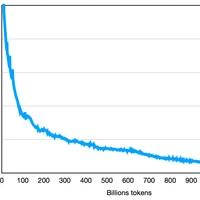
"Induction heads" are attention heads that implement a simple algorithm to complete token sequences like [A][B] ... [A] -> [B]. In this work, we present preliminary and indirect evidence for a hypothesis that induction heads might constitute the mechanism for the majority of all "in-context learning" in large transformer models (i.e. decreasing loss at increasing token indices). We find that induction heads develop at precisely the same point as a sudden sharp increase in in-context learning ability, visible as a bump in the training loss. We present six complementary lines of evidence, arguing that induction heads may be the mechanistic source of general in-context learning in transformer models of any size. For small attention-only models, we present strong, causal evidence; for larger models with MLPs, we present correlational evidence.
What needs to go right for an induction head? A mechanistic study of in-context learning circuits and their formation
In-context learning is a powerful emergent ability in transformer models. Prior work in mechanistic interpretability has identified a circuit element that may be critical for in-context learning -- the induction head (IH), which performs a match-and-copy operation. During training of large transformers on natural language data, IHs emerge around the same time as a notable phase change in the loss. Despite the robust evidence for IHs and this interesting coincidence with the phase change, relatively little is known about the diversity and emergence dynamics of IHs. Why is there more than one IH, and how are they dependent on each other? Why do IHs appear all of a sudden, and what are the subcircuits that enable them to emerge? We answer these questions by studying IH emergence dynamics in a controlled setting by training on synthetic data. In doing so, we develop and share a novel optogenetics-inspired causal framework for modifying activations throughout training. Using this framework, we delineate the diverse and additive nature of IHs. By clamping subsets of activations throughout training, we then identify three underlying subcircuits that interact to drive IH formation, yielding the phase change. Furthermore, these subcircuits shed light on data-dependent properties of formation, such as phase change timing, already showing the promise of this more in-depth understanding of subcircuits that need to "go right" for an induction head.
Linking In-context Learning in Transformers to Human Episodic Memory
Understanding the connections between artificial and biological intelligent systems can reveal fundamental principles underlying general intelligence. While many artificial intelligence (AI) models have a neuroscience counterpart, such connections are largely missing in Transformer models and the self-attention mechanism. Here, we examine the relationship between attention heads and human episodic memory. We focus on the induction heads, which contribute to the in-context learning capabilities of Transformer-based large language models (LLMs). We demonstrate that induction heads are behaviorally, functionally, and mechanistically similar to the contextual maintenance and retrieval (CMR) model of human episodic memory. Our analyses of LLMs pre-trained on extensive text data show that CMR-like heads often emerge in the intermediate model layers and that their behavior qualitatively mirrors the memory biases seen in humans. Our findings uncover a parallel between the computational mechanisms of LLMs and human memory, offering valuable insights into both research fields.
The mechanistic basis of data dependence and abrupt learning in an in-context classification task
Transformer models exhibit in-context learning: the ability to accurately predict the response to a novel query based on illustrative examples in the input sequence. In-context learning contrasts with traditional in-weights learning of query-output relationships. What aspects of the training data distribution and architecture favor in-context vs in-weights learning? Recent work has shown that specific distributional properties inherent in language, such as burstiness, large dictionaries and skewed rank-frequency distributions, control the trade-off or simultaneous appearance of these two forms of learning. We first show that these results are recapitulated in a minimal attention-only network trained on a simplified dataset. In-context learning (ICL) is driven by the abrupt emergence of an induction head, which subsequently competes with in-weights learning. By identifying progress measures that precede in-context learning and targeted experiments, we construct a two-parameter model of an induction head which emulates the full data distributional dependencies displayed by the attention-based network. A phenomenological model of induction head formation traces its abrupt emergence to the sequential learning of three nested logits enabled by an intrinsic curriculum. We propose that the sharp transitions in attention-based networks arise due to a specific chain of multi-layer operations necessary to achieve ICL, which is implemented by nested nonlinearities sequentially learned during training.
Overthinking the Truth: Understanding how Language Models Process False Demonstrations
Modern language models can imitate complex patterns through few-shot learning, enabling them to complete challenging tasks without fine-tuning. However, imitation can also lead models to reproduce inaccuracies or harmful content if present in the context. We study harmful imitation through the lens of a model's internal representations, and identify two related phenomena: "overthinking" and "false induction heads". The first phenomenon, overthinking, appears when we decode predictions from intermediate layers, given correct vs. incorrect few-shot demonstrations. At early layers, both demonstrations induce similar model behavior, but the behavior diverges sharply at some "critical layer", after which the accuracy given incorrect demonstrations progressively decreases. The second phenomenon, false induction heads, are a possible mechanistic cause of overthinking: these are heads in late layers that attend to and copy false information from previous demonstrations, and whose ablation reduces overthinking. Beyond scientific understanding, our results suggest that studying intermediate model computations could be a promising avenue for understanding and guarding against harmful model behaviors.
KV Shifting Attention Enhances Language Modeling
The current large language models are mainly based on decode-only structure transformers, which have great in-context learning (ICL) capabilities. It is generally believed that the important foundation of its ICL capability is the induction heads mechanism, which requires at least two layers attention. In order to more efficiently implement the ability of the model's induction, we revisit the induction heads mechanism and proposed a KV shifting attention. We theoretically prove that the KV shifting attention reducing the model's requirements for the depth and width of the induction heads mechanism. Our experimental results demonstrate that KV shifting attention is beneficial to learning induction heads and language modeling, which lead to better performance or faster convergence from toy models to the pre-training models with more than 10 B parameters.

Soft Injection of Task Embeddings Outperforms Prompt-Based In-Context Learning
In-Context Learning (ICL) enables Large Language Models (LLMs) to perform tasks by conditioning on input-output examples in the prompt, without requiring any update in model parameters. While widely adopted, it remains unclear whether prompting with multiple examples is the most effective and efficient way to convey task information. In this work, we propose Soft Injection of task embeddings. The task embeddings are constructed only once using few-shot ICL prompts and repeatedly used during inference. Soft injection is performed by softly mixing task embeddings with attention head activations using pre-optimized mixing parameters, referred to as soft head-selection parameters. This method not only allows a desired task to be performed without in-prompt demonstrations but also significantly outperforms existing ICL approaches while reducing memory usage and compute cost at inference time. An extensive evaluation is performed across 57 tasks and 12 LLMs, spanning four model families of sizes from 4B to 70B. Averaged across 57 tasks, our method outperforms 10-shot ICL by 10.2%-14.3% across 12 LLMs. Additional analyses show that our method also serves as an insightful tool for analyzing task-relevant roles of attention heads, revealing that task-relevant head positions selected by our method transfer across similar tasks but not across dissimilar ones -- underscoring the task-specific nature of head functionality. Our soft injection method opens a new paradigm for reducing prompt length and improving task performance by shifting task conditioning from the prompt space to the activation space.

What's in your Head? Emergent Behaviour in Multi-Task Transformer Models
The primary paradigm for multi-task training in natural language processing is to represent the input with a shared pre-trained language model, and add a small, thin network (head) per task. Given an input, a target head is the head that is selected for outputting the final prediction. In this work, we examine the behaviour of non-target heads, that is, the output of heads when given input that belongs to a different task than the one they were trained for. We find that non-target heads exhibit emergent behaviour, which may either explain the target task, or generalize beyond their original task. For example, in a numerical reasoning task, a span extraction head extracts from the input the arguments to a computation that results in a number generated by a target generative head. In addition, a summarization head that is trained with a target question answering head, outputs query-based summaries when given a question and a context from which the answer is to be extracted. This emergent behaviour suggests that multi-task training leads to non-trivial extrapolation of skills, which can be harnessed for interpretability and generalization.


Knocking-Heads Attention
Multi-head attention (MHA) has become the cornerstone of modern large language models, enhancing representational capacity through parallel attention heads. However, increasing the number of heads inherently weakens individual head capacity, and existing attention mechanisms - whether standard MHA or its variants like grouped-query attention (GQA) and grouped-tied attention (GTA) - simply concatenate outputs from isolated heads without strong interaction. To address this limitation, we propose knocking-heads attention (KHA), which enables attention heads to "knock" on each other - facilitating cross-head feature-level interactions before the scaled dot-product attention. This is achieved by applying a shared, diagonally-initialized projection matrix across all heads. The diagonal initialization preserves head-specific specialization at the start of training while allowing the model to progressively learn integrated cross-head representations. KHA adds only minimal parameters and FLOPs and can be seamlessly integrated into MHA, GQA, GTA, and other attention variants. We validate KHA by training a 6.1B parameter MoE model (1.01B activated) on 1T high-quality tokens. Compared to baseline attention mechanisms, KHA brings superior and more stable training dynamics, achieving better performance across downstream tasks.



A Mixture of h-1 Heads is Better than h Heads
Multi-head attentive neural architectures have achieved state-of-the-art results on a variety of natural language processing tasks. Evidence has shown that they are overparameterized; attention heads can be pruned without significant performance loss. In this work, we instead "reallocate" them -- the model learns to activate different heads on different inputs. Drawing connections between multi-head attention and mixture of experts, we propose the mixture of attentive experts model (MAE). MAE is trained using a block coordinate descent algorithm that alternates between updating (1) the responsibilities of the experts and (2) their parameters. Experiments on machine translation and language modeling show that MAE outperforms strong baselines on both tasks. Particularly, on the WMT14 English to German translation dataset, MAE improves over "transformer-base" by 0.8 BLEU, with a comparable number of parameters. Our analysis shows that our model learns to specialize different experts to different inputs.
Retrieval Head Mechanistically Explains Long-Context Factuality
Despite the recent progress in long-context language models, it remains elusive how transformer-based models exhibit the capability to retrieve relevant information from arbitrary locations within the long context. This paper aims to address this question. Our systematic investigation across a wide spectrum of models reveals that a special type of attention heads are largely responsible for retrieving information, which we dub retrieval heads. We identify intriguing properties of retrieval heads:(1) universal: all the explored models with long-context capability have a set of retrieval heads; (2) sparse: only a small portion (less than 5\%) of the attention heads are retrieval. (3) intrinsic: retrieval heads already exist in models pretrained with short context. When extending the context length by continual pretraining, it is still the same set of heads that perform information retrieval. (4) dynamically activated: take Llama-2 7B for example, 12 retrieval heads always attend to the required information no matter how the context is changed. The rest of the retrieval heads are activated in different contexts. (5) causal: completely pruning retrieval heads leads to failure in retrieving relevant information and results in hallucination, while pruning random non-retrieval heads does not affect the model's retrieval ability. We further show that retrieval heads strongly influence chain-of-thought (CoT) reasoning, where the model needs to frequently refer back the question and previously-generated context. Conversely, tasks where the model directly generates the answer using its intrinsic knowledge are less impacted by masking out retrieval heads. These observations collectively explain which internal part of the model seeks information from the input tokens. We believe our insights will foster future research on reducing hallucination, improving reasoning, and compressing the KV cache.


Interpreting Attention Layer Outputs with Sparse Autoencoders
Decomposing model activations into interpretable components is a key open problem in mechanistic interpretability. Sparse autoencoders (SAEs) are a popular method for decomposing the internal activations of trained transformers into sparse, interpretable features, and have been applied to MLP layers and the residual stream. In this work we train SAEs on attention layer outputs and show that also here SAEs find a sparse, interpretable decomposition. We demonstrate this on transformers from several model families and up to 2B parameters. We perform a qualitative study of the features computed by attention layers, and find multiple families: long-range context, short-range context and induction features. We qualitatively study the role of every head in GPT-2 Small, and estimate that at least 90% of the heads are polysemantic, i.e. have multiple unrelated roles. Further, we show that Sparse Autoencoders are a useful tool that enable researchers to explain model behavior in greater detail than prior work. For example, we explore the mystery of why models have so many seemingly redundant induction heads, use SAEs to motivate the hypothesis that some are long-prefix whereas others are short-prefix, and confirm this with more rigorous analysis. We use our SAEs to analyze the computation performed by the Indirect Object Identification circuit (Wang et al.), validating that the SAEs find causally meaningful intermediate variables, and deepening our understanding of the semantics of the circuit. We open-source the trained SAEs and a tool for exploring arbitrary prompts through the lens of Attention Output SAEs.

V-SEAM: Visual Semantic Editing and Attention Modulating for Causal Interpretability of Vision-Language Models
Recent advances in causal interpretability have extended from language models to vision-language models (VLMs), seeking to reveal their internal mechanisms through input interventions. While textual interventions often target semantics, visual interventions typically rely on coarse pixel-level perturbations, limiting semantic insights on multimodal integration. In this study, we introduce V-SEAM, a novel framework that combines Visual Semantic Editing and Attention Modulating for causal interpretation of VLMs. V-SEAM enables concept-level visual manipulations and identifies attention heads with positive or negative contributions to predictions across three semantic levels: objects, attributes, and relationships. We observe that positive heads are often shared within the same semantic level but vary across levels, while negative heads tend to generalize broadly. Finally, we introduce an automatic method to modulate key head embeddings, demonstrating enhanced performance for both LLaVA and InstructBLIP across three diverse VQA benchmarks. Our data and code are released at: https://github.com/petergit1/V-SEAM.
Responsive Listening Head Generation: A Benchmark Dataset and Baseline
We present a new listening head generation benchmark, for synthesizing responsive feedbacks of a listener (e.g., nod, smile) during a face-to-face conversation. As the indispensable complement to talking heads generation, listening head generation has seldomly been studied in literature. Automatically synthesizing listening behavior that actively responds to a talking head, is critical to applications such as digital human, virtual agents and social robots. In this work, we propose a novel dataset "ViCo", highlighting the listening head generation during a face-to-face conversation. A total number of 92 identities (67 speakers and 76 listeners) are involved in ViCo, featuring 483 clips in a paired "speaking-listening" pattern, where listeners show three listening styles based on their attitudes: positive, neutral, negative. Different from traditional speech-to-gesture or talking-head generation, listening head generation takes as input both the audio and visual signals from the speaker, and gives non-verbal feedbacks (e.g., head motions, facial expressions) in a real-time manner. Our dataset supports a wide range of applications such as human-to-human interaction, video-to-video translation, cross-modal understanding and generation. To encourage further research, we also release a listening head generation baseline, conditioning on different listening attitudes. Code & ViCo dataset: https://project.mhzhou.com/vico.
Gramian Attention Heads are Strong yet Efficient Vision Learners
We introduce a novel architecture design that enhances expressiveness by incorporating multiple head classifiers (\ie, classification heads) instead of relying on channel expansion or additional building blocks. Our approach employs attention-based aggregation, utilizing pairwise feature similarity to enhance multiple lightweight heads with minimal resource overhead. We compute the Gramian matrices to reinforce class tokens in an attention layer for each head. This enables the heads to learn more discriminative representations, enhancing their aggregation capabilities. Furthermore, we propose a learning algorithm that encourages heads to complement each other by reducing correlation for aggregation. Our models eventually surpass state-of-the-art CNNs and ViTs regarding the accuracy-throughput trade-off on ImageNet-1K and deliver remarkable performance across various downstream tasks, such as COCO object instance segmentation, ADE20k semantic segmentation, and fine-grained visual classification datasets. The effectiveness of our framework is substantiated by practical experimental results and further underpinned by generalization error bound. We release the code publicly at: https://github.com/Lab-LVM/imagenet-models.

ANDHRA Bandersnatch: Training Neural Networks to Predict Parallel Realities
Inspired by the Many-Worlds Interpretation (MWI), this work introduces a novel neural network architecture that splits the same input signal into parallel branches at each layer, utilizing a Hyper Rectified Activation, referred to as ANDHRA. The branched layers do not merge and form separate network paths, leading to multiple network heads for output prediction. For a network with a branching factor of 2 at three levels, the total number of heads is 2^3 = 8 . The individual heads are jointly trained by combining their respective loss values. However, the proposed architecture requires additional parameters and memory during training due to the additional branches. During inference, the experimental results on CIFAR-10/100 demonstrate that there exists one individual head that outperforms the baseline accuracy, achieving statistically significant improvement with equal parameters and computational cost.
Causal Head Gating: A Framework for Interpreting Roles of Attention Heads in Transformers
We present causal head gating (CHG), a scalable method for interpreting the functional roles of attention heads in transformer models. CHG learns soft gates over heads and assigns them a causal taxonomy - facilitating, interfering, or irrelevant - based on their impact on task performance. Unlike prior approaches in mechanistic interpretability, which are hypothesis-driven and require prompt templates or target labels, CHG applies directly to any dataset using standard next-token prediction. We evaluate CHG across multiple large language models (LLMs) in the Llama 3 model family and diverse tasks, including syntax, commonsense, and mathematical reasoning, and show that CHG scores yield causal, not merely correlational, insight validated via ablation and causal mediation analyses. We also introduce contrastive CHG, a variant that isolates sub-circuits for specific task components. Our findings reveal that LLMs contain multiple sparse task-sufficient sub-circuits, that individual head roles depend on interactions with others (low modularity), and that instruction following and in-context learning rely on separable mechanisms.
Are Sixteen Heads Really Better than One?
Attention is a powerful and ubiquitous mechanism for allowing neural models to focus on particular salient pieces of information by taking their weighted average when making predictions. In particular, multi-headed attention is a driving force behind many recent state-of-the-art NLP models such as Transformer-based MT models and BERT. These models apply multiple attention mechanisms in parallel, with each attention "head" potentially focusing on different parts of the input, which makes it possible to express sophisticated functions beyond the simple weighted average. In this paper we make the surprising observation that even if models have been trained using multiple heads, in practice, a large percentage of attention heads can be removed at test time without significantly impacting performance. In fact, some layers can even be reduced to a single head. We further examine greedy algorithms for pruning down models, and the potential speed, memory efficiency, and accuracy improvements obtainable therefrom. Finally, we analyze the results with respect to which parts of the model are more reliant on having multiple heads, and provide precursory evidence that training dynamics play a role in the gains provided by multi-head attention.
Interpreting Key Mechanisms of Factual Recall in Transformer-Based Language Models
In this paper, we delve into several mechanisms employed by Transformer-based language models (LLMs) for factual recall tasks. We outline a pipeline consisting of three major steps: (1) Given a prompt ``The capital of France is,'' task-specific attention heads extract the topic token, such as ``France,'' from the context and pass it to subsequent MLPs. (2) As attention heads' outputs are aggregated with equal weight and added to the residual stream, the subsequent MLP acts as an ``activation,'' which either erases or amplifies the information originating from individual heads. As a result, the topic token ``France'' stands out in the residual stream. (3) A deep MLP takes ``France'' and generates a component that redirects the residual stream towards the direction of the correct answer, i.e., ``Paris.'' This procedure is akin to applying an implicit function such as ``get\_capital(X),'' and the argument X is the topic token information passed by attention heads. To achieve the above quantitative and qualitative analysis for MLPs, we proposed a novel analytic method aimed at decomposing the outputs of the MLP into components understandable by humans. Additionally, we observed a universal anti-overconfidence mechanism in the final layer of models, which suppresses correct predictions. We mitigate this suppression by leveraging our interpretation to improve factual recall confidence. The above interpretations are evaluated across diverse tasks spanning various domains of factual knowledge, using various language models from the GPT-2 families, 1.3B OPT, up to 7B Llama-2, and in both zero- and few-shot setups.

Thinking Sparks!: Emergent Attention Heads in Reasoning Models During Post Training
The remarkable capabilities of modern large reasoning models are largely unlocked through post-training techniques such as supervised fine-tuning and reinforcement learning. However, the architectural mechanisms behind such improvements remain largely opaque. In this work, we use circuit analysis to demonstrate that post-training for complex reasoning sparks the emergence of novel, functionally specialized attention heads. These heads collectively support structured reasoning and computation. Our comparative analysis across Qwen families and DeepSeek-distilled model reveals that these emergent heads evolve differently under different training regimes. Distillation and SFT foster a cumulative addition of stable reasoning heads. In contrast, group relative policy optimization operates in a dynamic search mode: relatively few attention heads are iteratively activated, evaluated, and pruned, with their survival closely tracking fluctuations in the task reward signal. Furthermore, we find that controllable think on/off models do not possess dedicated thinking heads. Instead, turning off explicit reasoning triggers a broader-but less efficient-set of compensatory heads. Through ablation and qualitative analyses, we connect these circuit-level dynamics to a crucial performance trade-off: strengthened heads enable sophisticated problem-solving strategies for difficult problems but can also introduce over-thinking failure modes, such as calculation errors or logical loops on simpler tasks. These findings connect circuit-level dynamics to macro-level performance, identifying an inherent tension where complex reasoning comes at the cost of elementary computations. More broadly, our work points to future directions for training policy design, emphasizing the need to balance the development of effective reasoning strategies with the assurance of reliable, flawless execution.
Identifying and Manipulating Personality Traits in LLMs Through Activation Engineering
The field of large language models (LLMs) has grown rapidly in recent years, driven by the desire for better efficiency, interpretability, and safe use. Building on the novel approach of "activation engineering," this study explores personality modification in LLMs, drawing inspiration from research like Refusal in LLMs Is Mediated by a Single Direction (arXiv:2406.11717) and Steering Llama 2 via Contrastive Activation Addition (arXiv:2312.06681). We leverage activation engineering to develop a method for identifying and adjusting activation directions related to personality traits, which may allow for dynamic LLM personality fine-tuning. This work aims to further our understanding of LLM interpretability while examining the ethical implications of such developments.

EDTalk: Efficient Disentanglement for Emotional Talking Head Synthesis
Achieving disentangled control over multiple facial motions and accommodating diverse input modalities greatly enhances the application and entertainment of the talking head generation. This necessitates a deep exploration of the decoupling space for facial features, ensuring that they a) operate independently without mutual interference and b) can be preserved to share with different modal input, both aspects often neglected in existing methods. To address this gap, this paper proposes a novel Efficient Disentanglement framework for Talking head generation (EDTalk). Our framework enables individual manipulation of mouth shape, head pose, and emotional expression, conditioned on video or audio inputs. Specifically, we employ three lightweight modules to decompose the facial dynamics into three distinct latent spaces representing mouth, pose, and expression, respectively. Each space is characterized by a set of learnable bases whose linear combinations define specific motions. To ensure independence and accelerate training, we enforce orthogonality among bases and devise an efficient training strategy to allocate motion responsibilities to each space without relying on external knowledge. The learned bases are then stored in corresponding banks, enabling shared visual priors with audio input. Furthermore, considering the properties of each space, we propose an Audio-to-Motion module for audio-driven talking head synthesis. Experiments are conducted to demonstrate the effectiveness of EDTalk. We recommend watching the project website: https://tanshuai0219.github.io/EDTalk/

Mechanism and Emergence of Stacked Attention Heads in Multi-Layer Transformers
In this paper, I introduce the retrieval problem, a simple reasoning task that can be solved only by transformers with a minimum number of layers. The task has an adjustable difficulty that can further increase the required number of layers to any arbitrary value. I demonstrate that large language models can solve the task under different prompting formulations without any fine-tuning. To understand how transformers solve the retrieval problem, I train several transformers on a minimal formulation. I find that successful learning occurs only under the presence of an implicit curriculum. I uncover the learned mechanisms by studying the attention maps in the trained transformers. I also study the training process, uncovering that attention heads always emerge in a specific sequence.
How to think step-by-step: A mechanistic understanding of chain-of-thought reasoning
Despite superior reasoning prowess demonstrated by Large Language Models (LLMs) with Chain-of-Thought (CoT) prompting, a lack of understanding prevails around the internal mechanisms of the models that facilitate CoT generation. This work investigates the neural sub-structures within LLMs that manifest CoT reasoning from a mechanistic point of view. From an analysis of LLaMA-2 7B applied to multistep reasoning over fictional ontologies, we demonstrate that LLMs deploy multiple parallel pathways of answer generation for step-by-step reasoning. These parallel pathways provide sequential answers from the input question context as well as the generated CoT. We observe a striking functional rift in the middle layers of the LLM. Token representations in the initial half remain strongly biased towards the pretraining prior, with the in-context taking over abruptly in the later half. This internal phase shift manifests in different functional components: attention heads that write the answer token predominantly appear in the later half, attention heads that move information along ontological relationships appear exclusively in the initial half, and so on. To the best of our knowledge, this is the first attempt towards mechanistic investigation of CoT reasoning in LLMs.

Few-Shot Adversarial Learning of Realistic Neural Talking Head Models
Several recent works have shown how highly realistic human head images can be obtained by training convolutional neural networks to generate them. In order to create a personalized talking head model, these works require training on a large dataset of images of a single person. However, in many practical scenarios, such personalized talking head models need to be learned from a few image views of a person, potentially even a single image. Here, we present a system with such few-shot capability. It performs lengthy meta-learning on a large dataset of videos, and after that is able to frame few- and one-shot learning of neural talking head models of previously unseen people as adversarial training problems with high capacity generators and discriminators. Crucially, the system is able to initialize the parameters of both the generator and the discriminator in a person-specific way, so that training can be based on just a few images and done quickly, despite the need to tune tens of millions of parameters. We show that such an approach is able to learn highly realistic and personalized talking head models of new people and even portrait paintings.
Do I Know This Entity? Knowledge Awareness and Hallucinations in Language Models
Hallucinations in large language models are a widespread problem, yet the mechanisms behind whether models will hallucinate are poorly understood, limiting our ability to solve this problem. Using sparse autoencoders as an interpretability tool, we discover that a key part of these mechanisms is entity recognition, where the model detects if an entity is one it can recall facts about. Sparse autoencoders uncover meaningful directions in the representation space, these detect whether the model recognizes an entity, e.g. detecting it doesn't know about an athlete or a movie. This suggests that models can have self-knowledge: internal representations about their own capabilities. These directions are causally relevant: capable of steering the model to refuse to answer questions about known entities, or to hallucinate attributes of unknown entities when it would otherwise refuse. We demonstrate that despite the sparse autoencoders being trained on the base model, these directions have a causal effect on the chat model's refusal behavior, suggesting that chat finetuning has repurposed this existing mechanism. Furthermore, we provide an initial exploration into the mechanistic role of these directions in the model, finding that they disrupt the attention of downstream heads that typically move entity attributes to the final token.


Transformers learn in-context by gradient descent
At present, the mechanisms of in-context learning in Transformers are not well understood and remain mostly an intuition. In this paper, we suggest that training Transformers on auto-regressive objectives is closely related to gradient-based meta-learning formulations. We start by providing a simple weight construction that shows the equivalence of data transformations induced by 1) a single linear self-attention layer and by 2) gradient-descent (GD) on a regression loss. Motivated by that construction, we show empirically that when training self-attention-only Transformers on simple regression tasks either the models learned by GD and Transformers show great similarity or, remarkably, the weights found by optimization match the construction. Thus we show how trained Transformers become mesa-optimizers i.e. learn models by gradient descent in their forward pass. This allows us, at least in the domain of regression problems, to mechanistically understand the inner workings of in-context learning in optimized Transformers. Building on this insight, we furthermore identify how Transformers surpass the performance of plain gradient descent by learning an iterative curvature correction and learn linear models on deep data representations to solve non-linear regression tasks. Finally, we discuss intriguing parallels to a mechanism identified to be crucial for in-context learning termed induction-head (Olsson et al., 2022) and show how it could be understood as a specific case of in-context learning by gradient descent learning within Transformers. Code to reproduce the experiments can be found at https://github.com/google-research/self-organising-systems/tree/master/transformers_learn_icl_by_gd .

When Thinking Backfires: Mechanistic Insights Into Reasoning-Induced Misalignment
With the growing accessibility and wide adoption of large language models, concerns about their safety and alignment with human values have become paramount. In this paper, we identify a concerning phenomenon: Reasoning-Induced Misalignment (RIM), in which misalignment emerges when reasoning capabilities strengthened-particularly when specific types of reasoning patterns are introduced during inference or training. Beyond reporting this vulnerability, we provide the first mechanistic account of its origins. Through representation analysis, we discover that specific attention heads facilitate refusal by reducing their attention to CoT tokens, a mechanism that modulates the model's rationalization process during inference. During training, we find significantly higher activation entanglement between reasoning and safety in safety-critical neurons than in control neurons, particularly after fine-tuning with those identified reasoning patterns. This entanglement strongly correlates with catastrophic forgetting, providing a neuron-level explanation for RIM.


Activation Addition: Steering Language Models Without Optimization
Reliably controlling the behavior of large language models is a pressing open problem. Existing methods include supervised finetuning, reinforcement learning from human feedback, prompt engineering and guided decoding. We instead investigate activation engineering: modifying activations at inference-time to predictably alter model behavior. We bias the forward pass with a 'steering vector' implicitly specified through natural language. Past work learned these steering vectors; our Activation Addition (ActAdd) method instead computes them by taking the activation differences which result from pairs of prompts. We demonstrate ActAdd on GPT-2 on OpenWebText and ConceptNet, and replicate the effect on Llama-13B and GPT-J-6B. Our approach yields inference-time control over high-level properties of output & preserves performance on off-target topics. The method requires far less compute and implementation effort than finetuning and RLHF, allows for natural language specification by users, and its overhead scales naturally with model size.
Sparse Autoencoders Enable Scalable and Reliable Circuit Identification in Language Models
This paper introduces an efficient and robust method for discovering interpretable circuits in large language models using discrete sparse autoencoders. Our approach addresses key limitations of existing techniques, namely computational complexity and sensitivity to hyperparameters. We propose training sparse autoencoders on carefully designed positive and negative examples, where the model can only correctly predict the next token for the positive examples. We hypothesise that learned representations of attention head outputs will signal when a head is engaged in specific computations. By discretising the learned representations into integer codes and measuring the overlap between codes unique to positive examples for each head, we enable direct identification of attention heads involved in circuits without the need for expensive ablations or architectural modifications. On three well-studied tasks - indirect object identification, greater-than comparisons, and docstring completion - the proposed method achieves higher precision and recall in recovering ground-truth circuits compared to state-of-the-art baselines, while reducing runtime from hours to seconds. Notably, we require only 5-10 text examples for each task to learn robust representations. Our findings highlight the promise of discrete sparse autoencoders for scalable and efficient mechanistic interpretability, offering a new direction for analysing the inner workings of large language models.
FaceTalk: Audio-Driven Motion Diffusion for Neural Parametric Head Models
We introduce FaceTalk, a novel generative approach designed for synthesizing high-fidelity 3D motion sequences of talking human heads from input audio signal. To capture the expressive, detailed nature of human heads, including hair, ears, and finer-scale eye movements, we propose to couple speech signal with the latent space of neural parametric head models to create high-fidelity, temporally coherent motion sequences. We propose a new latent diffusion model for this task, operating in the expression space of neural parametric head models, to synthesize audio-driven realistic head sequences. In the absence of a dataset with corresponding NPHM expressions to audio, we optimize for these correspondences to produce a dataset of temporally-optimized NPHM expressions fit to audio-video recordings of people talking. To the best of our knowledge, this is the first work to propose a generative approach for realistic and high-quality motion synthesis of volumetric human heads, representing a significant advancement in the field of audio-driven 3D animation. Notably, our approach stands out in its ability to generate plausible motion sequences that can produce high-fidelity head animation coupled with the NPHM shape space. Our experimental results substantiate the effectiveness of FaceTalk, consistently achieving superior and visually natural motion, encompassing diverse facial expressions and styles, outperforming existing methods by 75% in perceptual user study evaluation.
SyncTalk: The Devil is in the Synchronization for Talking Head Synthesis
Achieving high synchronization in the synthesis of realistic, speech-driven talking head videos presents a significant challenge. Traditional Generative Adversarial Networks (GAN) struggle to maintain consistent facial identity, while Neural Radiance Fields (NeRF) methods, although they can address this issue, often produce mismatched lip movements, inadequate facial expressions, and unstable head poses. A lifelike talking head requires synchronized coordination of subject identity, lip movements, facial expressions, and head poses. The absence of these synchronizations is a fundamental flaw, leading to unrealistic and artificial outcomes. To address the critical issue of synchronization, identified as the "devil" in creating realistic talking heads, we introduce SyncTalk. This NeRF-based method effectively maintains subject identity, enhancing synchronization and realism in talking head synthesis. SyncTalk employs a Face-Sync Controller to align lip movements with speech and innovatively uses a 3D facial blendshape model to capture accurate facial expressions. Our Head-Sync Stabilizer optimizes head poses, achieving more natural head movements. The Portrait-Sync Generator restores hair details and blends the generated head with the torso for a seamless visual experience. Extensive experiments and user studies demonstrate that SyncTalk outperforms state-of-the-art methods in synchronization and realism. We recommend watching the supplementary video: https://ziqiaopeng.github.io/synctalk
Summing Up the Facts: Additive Mechanisms Behind Factual Recall in LLMs
How do transformer-based large language models (LLMs) store and retrieve knowledge? We focus on the most basic form of this task -- factual recall, where the model is tasked with explicitly surfacing stored facts in prompts of form `Fact: The Colosseum is in the country of'. We find that the mechanistic story behind factual recall is more complex than previously thought. It comprises several distinct, independent, and qualitatively different mechanisms that additively combine, constructively interfering on the correct attribute. We term this generic phenomena the additive motif: models compute through summing up multiple independent contributions. Each mechanism's contribution may be insufficient alone, but summing results in constructive interfere on the correct answer. In addition, we extend the method of direct logit attribution to attribute an attention head's output to individual source tokens. We use this technique to unpack what we call `mixed heads' -- which are themselves a pair of two separate additive updates from different source tokens.

VGGHeads: A Large-Scale Synthetic Dataset for 3D Human Heads
Human head detection, keypoint estimation, and 3D head model fitting are important tasks with many applications. However, traditional real-world datasets often suffer from bias, privacy, and ethical concerns, and they have been recorded in laboratory environments, which makes it difficult for trained models to generalize. Here, we introduce VGGHeads -- a large scale synthetic dataset generated with diffusion models for human head detection and 3D mesh estimation. Our dataset comprises over 1 million high-resolution images, each annotated with detailed 3D head meshes, facial landmarks, and bounding boxes. Using this dataset we introduce a new model architecture capable of simultaneous heads detection and head meshes reconstruction from a single image in a single step. Through extensive experimental evaluations, we demonstrate that models trained on our synthetic data achieve strong performance on real images. Furthermore, the versatility of our dataset makes it applicable across a broad spectrum of tasks, offering a general and comprehensive representation of human heads. Additionally, we provide detailed information about the synthetic data generation pipeline, enabling it to be re-used for other tasks and domains.
Head Pursuit: Probing Attention Specialization in Multimodal Transformers
Language and vision-language models have shown impressive performance across a wide range of tasks, but their internal mechanisms remain only partly understood. In this work, we study how individual attention heads in text-generative models specialize in specific semantic or visual attributes. Building on an established interpretability method, we reinterpret the practice of probing intermediate activations with the final decoding layer through the lens of signal processing. This lets us analyze multiple samples in a principled way and rank attention heads based on their relevance to target concepts. Our results show consistent patterns of specialization at the head level across both unimodal and multimodal transformers. Remarkably, we find that editing as few as 1% of the heads, selected using our method, can reliably suppress or enhance targeted concepts in the model output. We validate our approach on language tasks such as question answering and toxicity mitigation, as well as vision-language tasks including image classification and captioning. Our findings highlight an interpretable and controllable structure within attention layers, offering simple tools for understanding and editing large-scale generative models.
HeadSculpt: Crafting 3D Head Avatars with Text
Recently, text-guided 3D generative methods have made remarkable advancements in producing high-quality textures and geometry, capitalizing on the proliferation of large vision-language and image diffusion models. However, existing methods still struggle to create high-fidelity 3D head avatars in two aspects: (1) They rely mostly on a pre-trained text-to-image diffusion model whilst missing the necessary 3D awareness and head priors. This makes them prone to inconsistency and geometric distortions in the generated avatars. (2) They fall short in fine-grained editing. This is primarily due to the inherited limitations from the pre-trained 2D image diffusion models, which become more pronounced when it comes to 3D head avatars. In this work, we address these challenges by introducing a versatile coarse-to-fine pipeline dubbed HeadSculpt for crafting (i.e., generating and editing) 3D head avatars from textual prompts. Specifically, we first equip the diffusion model with 3D awareness by leveraging landmark-based control and a learned textual embedding representing the back view appearance of heads, enabling 3D-consistent head avatar generations. We further propose a novel identity-aware editing score distillation strategy to optimize a textured mesh with a high-resolution differentiable rendering technique. This enables identity preservation while following the editing instruction. We showcase HeadSculpt's superior fidelity and editing capabilities through comprehensive experiments and comparisons with existing methods.


Understanding Gated Neurons in Transformers from Their Input-Output Functionality
Interpretability researchers have attempted to understand MLP neurons of language models based on both the contexts in which they activate and their output weight vectors. They have paid little attention to a complementary aspect: the interactions between input and output. For example, when neurons detect a direction in the input, they might add much the same direction to the residual stream ("enrichment neurons") or reduce its presence ("depletion neurons"). We address this aspect by examining the cosine similarity between input and output weights of a neuron. We apply our method to 12 models and find that enrichment neurons dominate in early-middle layers whereas later layers tend more towards depletion. To explain this finding, we argue that enrichment neurons are largely responsible for enriching concept representations, one of the first steps of factual recall. Our input-output perspective is a complement to activation-dependent analyses and to approaches that treat input and output separately.
Whispers that Shake Foundations: Analyzing and Mitigating False Premise Hallucinations in Large Language Models
Large Language Models (LLMs) have shown impressive capabilities but still suffer from the issue of hallucinations. A significant type of this issue is the false premise hallucination, which we define as the phenomenon when LLMs generate hallucinated text when confronted with false premise questions. In this paper, we perform a comprehensive analysis of the false premise hallucination and elucidate its internal working mechanism: a small subset of attention heads (which we designate as false premise heads) disturb the knowledge extraction process, leading to the occurrence of false premise hallucination. Based on our analysis, we propose FAITH (False premise Attention head constraIining for miTigating Hallucinations), a novel and effective method to mitigate false premise hallucinations. It constrains the false premise attention heads during the model inference process. Impressively, extensive experiments demonstrate that constraining only approximately 1% of the attention heads in the model yields a notable increase of nearly 20% of model performance.
MakeItTalk: Speaker-Aware Talking-Head Animation
We present a method that generates expressive talking heads from a single facial image with audio as the only input. In contrast to previous approaches that attempt to learn direct mappings from audio to raw pixels or points for creating talking faces, our method first disentangles the content and speaker information in the input audio signal. The audio content robustly controls the motion of lips and nearby facial regions, while the speaker information determines the specifics of facial expressions and the rest of the talking head dynamics. Another key component of our method is the prediction of facial landmarks reflecting speaker-aware dynamics. Based on this intermediate representation, our method is able to synthesize photorealistic videos of entire talking heads with full range of motion and also animate artistic paintings, sketches, 2D cartoon characters, Japanese mangas, stylized caricatures in a single unified framework. We present extensive quantitative and qualitative evaluation of our method, in addition to user studies, demonstrating generated talking heads of significantly higher quality compared to prior state-of-the-art.


In-Context Linear Regression Demystified: Training Dynamics and Mechanistic Interpretability of Multi-Head Softmax Attention
We study how multi-head softmax attention models are trained to perform in-context learning on linear data. Through extensive empirical experiments and rigorous theoretical analysis, we demystify the emergence of elegant attention patterns: a diagonal and homogeneous pattern in the key-query (KQ) weights, and a last-entry-only and zero-sum pattern in the output-value (OV) weights. Remarkably, these patterns consistently appear from gradient-based training starting from random initialization. Our analysis reveals that such emergent structures enable multi-head attention to approximately implement a debiased gradient descent predictor -- one that outperforms single-head attention and nearly achieves Bayesian optimality up to proportional factor. Furthermore, compared to linear transformers, the softmax attention readily generalizes to sequences longer than those seen during training. We also extend our study to scenarios with non-isotropic covariates and multi-task linear regression. In the former, multi-head attention learns to implement a form of pre-conditioned gradient descent. In the latter, we uncover an intriguing regime where the interplay between head number and task number triggers a superposition phenomenon that efficiently resolves multi-task in-context learning. Our results reveal that in-context learning ability emerges from the trained transformer as an aggregated effect of its architecture and the underlying data distribution, paving the way for deeper understanding and broader applications of in-context learning.


Does Time Have Its Place? Temporal Heads: Where Language Models Recall Time-specific Information
While the ability of language models to elicit facts has been widely investigated, how they handle temporally changing facts remains underexplored. We discover Temporal Heads, specific attention heads primarily responsible for processing temporal knowledge through circuit analysis. We confirm that these heads are present across multiple models, though their specific locations may vary, and their responses differ depending on the type of knowledge and its corresponding years. Disabling these heads degrades the model's ability to recall time-specific knowledge while maintaining its general capabilities without compromising time-invariant and question-answering performances. Moreover, the heads are activated not only numeric conditions ("In 2004") but also textual aliases ("In the year ..."), indicating that they encode a temporal dimension beyond simple numerical representation. Furthermore, we expand the potential of our findings by demonstrating how temporal knowledge can be edited by adjusting the values of these heads.




Fine-Grained Perturbation Guidance via Attention Head Selection
Recent guidance methods in diffusion models steer reverse sampling by perturbing the model to construct an implicit weak model and guide generation away from it. Among these approaches, attention perturbation has demonstrated strong empirical performance in unconditional scenarios where classifier-free guidance is not applicable. However, existing attention perturbation methods lack principled approaches for determining where perturbations should be applied, particularly in Diffusion Transformer (DiT) architectures where quality-relevant computations are distributed across layers. In this paper, we investigate the granularity of attention perturbations, ranging from the layer level down to individual attention heads, and discover that specific heads govern distinct visual concepts such as structure, style, and texture quality. Building on this insight, we propose "HeadHunter", a systematic framework for iteratively selecting attention heads that align with user-centric objectives, enabling fine-grained control over generation quality and visual attributes. In addition, we introduce SoftPAG, which linearly interpolates each selected head's attention map toward an identity matrix, providing a continuous knob to tune perturbation strength and suppress artifacts. Our approach not only mitigates the oversmoothing issues of existing layer-level perturbation but also enables targeted manipulation of specific visual styles through compositional head selection. We validate our method on modern large-scale DiT-based text-to-image models including Stable Diffusion 3 and FLUX.1, demonstrating superior performance in both general quality enhancement and style-specific guidance. Our work provides the first head-level analysis of attention perturbation in diffusion models, uncovering interpretable specialization within attention layers and enabling practical design of effective perturbation strategies.


Your Brain on ChatGPT: Accumulation of Cognitive Debt when Using an AI Assistant for Essay Writing Task
This study explores the neural and behavioral consequences of LLM-assisted essay writing. Participants were divided into three groups: LLM, Search Engine, and Brain-only (no tools). Each completed three sessions under the same condition. In a fourth session, LLM users were reassigned to Brain-only group (LLM-to-Brain), and Brain-only users were reassigned to LLM condition (Brain-to-LLM). A total of 54 participants took part in Sessions 1-3, with 18 completing session 4. We used electroencephalography (EEG) to assess cognitive load during essay writing, and analyzed essays using NLP, as well as scoring essays with the help from human teachers and an AI judge. Across groups, NERs, n-gram patterns, and topic ontology showed within-group homogeneity. EEG revealed significant differences in brain connectivity: Brain-only participants exhibited the strongest, most distributed networks; Search Engine users showed moderate engagement; and LLM users displayed the weakest connectivity. Cognitive activity scaled down in relation to external tool use. In session 4, LLM-to-Brain participants showed reduced alpha and beta connectivity, indicating under-engagement. Brain-to-LLM users exhibited higher memory recall and activation of occipito-parietal and prefrontal areas, similar to Search Engine users. Self-reported ownership of essays was the lowest in the LLM group and the highest in the Brain-only group. LLM users also struggled to accurately quote their own work. While LLMs offer immediate convenience, our findings highlight potential cognitive costs. Over four months, LLM users consistently underperformed at neural, linguistic, and behavioral levels. These results raise concerns about the long-term educational implications of LLM reliance and underscore the need for deeper inquiry into AI's role in learning.
InstaGen: Enhancing Object Detection by Training on Synthetic Dataset
In this paper, we introduce a novel paradigm to enhance the ability of object detector, e.g., expanding categories or improving detection performance, by training on synthetic dataset generated from diffusion models. Specifically, we integrate an instance-level grounding head into a pre-trained, generative diffusion model, to augment it with the ability of localising arbitrary instances in the generated images. The grounding head is trained to align the text embedding of category names with the regional visual feature of the diffusion model, using supervision from an off-the-shelf object detector, and a novel self-training scheme on (novel) categories not covered by the detector. This enhanced version of diffusion model, termed as InstaGen, can serve as a data synthesizer for object detection. We conduct thorough experiments to show that, object detector can be enhanced while training on the synthetic dataset from InstaGen, demonstrating superior performance over existing state-of-the-art methods in open-vocabulary (+4.5 AP) and data-sparse (+1.2 to 5.2 AP) scenarios.


SynthStrip: Skull-Stripping for Any Brain Image
The removal of non-brain signal from magnetic resonance imaging (MRI) data, known as skull-stripping, is an integral component of many neuroimage analysis streams. Despite their abundance, popular classical skull-stripping methods are usually tailored to images with specific acquisition properties, namely near-isotropic resolution and T1-weighted (T1w) MRI contrast, which are prevalent in research settings. As a result, existing tools tend to adapt poorly to other image types, such as stacks of thick slices acquired with fast spin-echo (FSE) MRI that are common in the clinic. While learning-based approaches for brain extraction have gained traction in recent years, these methods face a similar burden, as they are only effective for image types seen during the training procedure. To achieve robust skull-stripping across a landscape of imaging protocols, we introduce SynthStrip, a rapid, learning-based brain-extraction tool. By leveraging anatomical segmentations to generate an entirely synthetic training dataset with anatomies, intensity distributions, and artifacts that far exceed the realistic range of medical images, SynthStrip learns to successfully generalize to a variety of real acquired brain images, removing the need for training data with target contrasts. We demonstrate the efficacy of SynthStrip for a diverse set of image acquisitions and resolutions across subject populations, ranging from newborn to adult. We show substantial improvements in accuracy over popular skull-stripping baselines -- all with a single trained model. Our method and labeled evaluation data are available at https://w3id.org/synthstrip.
When Do Prompting and Prefix-Tuning Work? A Theory of Capabilities and Limitations
Context-based fine-tuning methods, including prompting, in-context learning, soft prompting (also known as prompt tuning), and prefix-tuning, have gained popularity due to their ability to often match the performance of full fine-tuning with a fraction of the parameters. Despite their empirical successes, there is little theoretical understanding of how these techniques influence the internal computation of the model and their expressiveness limitations. We show that despite the continuous embedding space being more expressive than the discrete token space, soft-prompting and prefix-tuning are strictly less expressive than full fine-tuning, even with the same number of learnable parameters. Concretely, context-based fine-tuning cannot change the relative attention pattern over the content and can only bias the outputs of an attention layer in a fixed direction. This suggests that while techniques like prompting, in-context learning, soft prompting, and prefix-tuning can effectively elicit skills present in the pretrained model, they cannot learn novel tasks that require new attention patterns.

More Expressive Attention with Negative Weights
We propose a novel attention mechanism, named Cog Attention, that enables attention weights to be negative for enhanced expressiveness, which stems from two key factors: (1) Cog Attention can shift the token deletion and copying function from a static OV matrix to dynamic QK inner products, with the OV matrix now focusing more on refinement or modification. The attention head can simultaneously delete, copy, or retain tokens by assigning them negative, positive, or minimal attention weights, respectively. As a result, a single attention head becomes more flexible and expressive. (2) Cog Attention improves the model's robustness against representational collapse, which can occur when earlier tokens are over-squashed into later positions, leading to homogeneous representations. Negative weights reduce effective information paths from earlier to later tokens, helping to mitigate this issue. We develop Transformer-like models which use Cog Attention as attention modules, including decoder-only models for language modeling and U-ViT diffusion models for image generation. Experiments show that models using Cog Attention exhibit superior performance compared to those employing traditional softmax attention modules. Our approach suggests a promising research direction for rethinking and breaking the entrenched constraints of traditional softmax attention, such as the requirement for non-negative weights.


StrandHead: Text to Strand-Disentangled 3D Head Avatars Using Hair Geometric Priors
While haircut indicates distinct personality, existing avatar generation methods fail to model practical hair due to the general or entangled representation. We propose StrandHead, a novel text to 3D head avatar generation method capable of generating disentangled 3D hair with strand representation. Without using 3D data for supervision, we demonstrate that realistic hair strands can be generated from prompts by distilling 2D generative diffusion models. To this end, we propose a series of reliable priors on shape initialization, geometric primitives, and statistical haircut features, leading to a stable optimization and text-aligned performance. Extensive experiments show that StrandHead achieves the state-of-the-art reality and diversity of generated 3D head and hair. The generated 3D hair can also be easily implemented in the Unreal Engine for physical simulation and other applications. The code will be available at https://xiaokunsun.github.io/StrandHead.github.io.




Hidden Dynamics of Massive Activations in Transformer Training
Massive activations are scalar values in transformer hidden states that achieve values orders of magnitude larger than typical activations and have been shown to be critical for model functionality. While prior work has characterized these phenomena in fully trained models, the temporal dynamics of their emergence during training remain poorly understood. We present the first comprehensive analysis of massive activation development throughout transformer training, using the Pythia model family as our testbed. Through systematic analysis of various model sizes across multiple training checkpoints, we demonstrate that massive activation emergence follows predictable mathematical patterns that can be accurately modeled using an exponentially-modulated logarithmic function with five key parameters. We develop a machine learning framework to predict these mathematical parameters from architectural specifications alone, achieving high accuracy for steady-state behavior and moderate accuracy for emergence timing and magnitude. These findings enable architects to predict and potentially control key aspects of massive activation emergence through design choices, with significant implications for model stability, training cycle length, interpretability, and optimization. Our findings demonstrate that the emergence of massive activations is governed by model design and can be anticipated, and potentially controlled, before training begins.


Think-Before-Draw: Decomposing Emotion Semantics & Fine-Grained Controllable Expressive Talking Head Generation
Emotional talking-head generation has emerged as a pivotal research area at the intersection of computer vision and multimodal artificial intelligence, with its core value lying in enhancing human-computer interaction through immersive and empathetic engagement.With the advancement of multimodal large language models, the driving signals for emotional talking-head generation has shifted from audio and video to more flexible text. However, current text-driven methods rely on predefined discrete emotion label texts, oversimplifying the dynamic complexity of real facial muscle movements and thus failing to achieve natural emotional expressiveness.This study proposes the Think-Before-Draw framework to address two key challenges: (1) In-depth semantic parsing of emotions--by innovatively introducing Chain-of-Thought (CoT), abstract emotion labels are transformed into physiologically grounded facial muscle movement descriptions, enabling the mapping from high-level semantics to actionable motion features; and (2) Fine-grained expressiveness optimization--inspired by artists' portrait painting process, a progressive guidance denoising strategy is proposed, employing a "global emotion localization--local muscle control" mechanism to refine micro-expression dynamics in generated videos.Our experiments demonstrate that our approach achieves state-of-the-art performance on widely-used benchmarks, including MEAD and HDTF. Additionally, we collected a set of portrait images to evaluate our model's zero-shot generation capability.
Learned Spatial Representations for Few-shot Talking-Head Synthesis
We propose a novel approach for few-shot talking-head synthesis. While recent works in neural talking heads have produced promising results, they can still produce images that do not preserve the identity of the subject in source images. We posit this is a result of the entangled representation of each subject in a single latent code that models 3D shape information, identity cues, colors, lighting and even background details. In contrast, we propose to factorize the representation of a subject into its spatial and style components. Our method generates a target frame in two steps. First, it predicts a dense spatial layout for the target image. Second, an image generator utilizes the predicted layout for spatial denormalization and synthesizes the target frame. We experimentally show that this disentangled representation leads to a significant improvement over previous methods, both quantitatively and qualitatively.

DeCoRe: Decoding by Contrasting Retrieval Heads to Mitigate Hallucinations
Large Language Models (LLMs) often hallucinate, producing unfaithful or factually incorrect outputs by misrepresenting the provided context or incorrectly recalling internal knowledge. Recent studies have identified specific attention heads within the Transformer architecture, known as retrieval heads, responsible for extracting relevant contextual information. We hypothesise that masking these retrieval heads can induce hallucinations and that contrasting the outputs of the base LLM and the masked LLM can reduce hallucinations. To this end, we propose Decoding by Contrasting Retrieval Heads (DeCoRe), a novel training-free decoding strategy that amplifies information found in the context and model parameters. DeCoRe mitigates potentially hallucinated responses by dynamically contrasting the outputs of the base LLM and the masked LLM, using conditional entropy as a guide. Our extensive experiments confirm that DeCoRe significantly improves performance on tasks requiring high contextual faithfulness, such as summarisation (XSum by 18.6%), instruction following (MemoTrap by 10.9%), and open-book question answering (NQ-Open by 2.4% and NQ-Swap by 5.5%).



Enhancing Automated Interpretability with Output-Centric Feature Descriptions
Automated interpretability pipelines generate natural language descriptions for the concepts represented by features in large language models (LLMs), such as plants or the first word in a sentence. These descriptions are derived using inputs that activate the feature, which may be a dimension or a direction in the model's representation space. However, identifying activating inputs is costly, and the mechanistic role of a feature in model behavior is determined both by how inputs cause a feature to activate and by how feature activation affects outputs. Using steering evaluations, we reveal that current pipelines provide descriptions that fail to capture the causal effect of the feature on outputs. To fix this, we propose efficient, output-centric methods for automatically generating feature descriptions. These methods use the tokens weighted higher after feature stimulation or the highest weight tokens after applying the vocabulary "unembedding" head directly to the feature. Our output-centric descriptions better capture the causal effect of a feature on model outputs than input-centric descriptions, but combining the two leads to the best performance on both input and output evaluations. Lastly, we show that output-centric descriptions can be used to find inputs that activate features previously thought to be "dead".




Characterizing Mechanisms for Factual Recall in Language Models
Language Models (LMs) often must integrate facts they memorized in pretraining with new information that appears in a given context. These two sources can disagree, causing competition within the model, and it is unclear how an LM will resolve the conflict. On a dataset that queries for knowledge of world capitals, we investigate both distributional and mechanistic determinants of LM behavior in such situations. Specifically, we measure the proportion of the time an LM will use a counterfactual prefix (e.g., "The capital of Poland is London") to overwrite what it learned in pretraining ("Warsaw"). On Pythia and GPT2, the training frequency of both the query country ("Poland") and the in-context city ("London") highly affect the models' likelihood of using the counterfactual. We then use head attribution to identify individual attention heads that either promote the memorized answer or the in-context answer in the logits. By scaling up or down the value vector of these heads, we can control the likelihood of using the in-context answer on new data. This method can increase the rate of generating the in-context answer to 88\% of the time simply by scaling a single head at runtime. Our work contributes to a body of evidence showing that we can often localize model behaviors to specific components and provides a proof of concept for how future methods might control model behavior dynamically at runtime.
Clustering Head: A Visual Case Study of the Training Dynamics in Transformers
This paper introduces the sparse modular addition task and examines how transformers learn it. We focus on transformers with embeddings in R^2 and introduce a visual sandbox that provides comprehensive visualizations of each layer throughout the training process. We reveal a type of circuit, called "clustering heads," which learns the problem's invariants. We analyze the training dynamics of these circuits, highlighting two-stage learning, loss spikes due to high curvature or normalization layers, and the effects of initialization and curriculum learning.

AttenCraft: Attention-guided Disentanglement of Multiple Concepts for Text-to-Image Customization
With the unprecedented performance being achieved by text-to-image (T2I) diffusion models, T2I customization further empowers users to tailor the diffusion model to new concepts absent in the pre-training dataset, termed subject-driven generation. Moreover, extracting several new concepts from a single image enables the model to learn multiple concepts, and simultaneously decreases the difficulties of training data preparation, urging the disentanglement of multiple concepts to be a new challenge. However, existing models for disentanglement commonly require pre-determined masks or retain background elements. To this end, we propose an attention-guided method, AttenCraft, for multiple concept disentanglement. In particular, our method leverages self-attention and cross-attention maps to create accurate masks for each concept within a single initialization step, omitting any required mask preparation by humans or other models. The created masks are then applied to guide the cross-attention activation of each target concept during training and achieve concept disentanglement. Additionally, we introduce Uniform sampling and Reweighted sampling schemes to alleviate the non-synchronicity of feature acquisition from different concepts, and improve generation quality. Our method outperforms baseline models in terms of image-alignment, and behaves comparably on text-alignment. Finally, we showcase the applicability of AttenCraft to more complicated settings, such as an input image containing three concepts. The project is available at https://github.com/junjie-shentu/AttenCraft.
Understanding Transformers through the Lens of Pavlovian Conditioning
Transformer architectures have revolutionized artificial intelligence (AI) through their attention mechanisms, yet the computational principles underlying their success remain opaque. We present a novel theoretical framework that reinterprets the core computation of attention as Pavlovian conditioning. Our model finds a direct mathematical analogue in linear attention, which simplifies the analysis of the underlying associative process. We demonstrate that attention's queries, keys, and values can be mapped to the three elements of classical conditioning: test stimuli that probe associations, conditional stimuli (CS) that serve as retrieval cues, and unconditional stimuli (US) that contain response information. Through this lens, we suggest that each attention operation constructs a transient associative memory via a Hebbian rule, where CS-US pairs form dynamic associations that test stimuli can later retrieve. Our framework yields several theoretical insights grounded in this linearized model: (1) a capacity theorem showing that attention heads can store O(d_k) associations before interference degrades retrieval; (2) an error propagation analysis revealing fundamental architectural trade-offs of balancing model depth, width, and head redundancy to maintain reliability; and (3) an understanding of how biologically plausible learning rules could enhance transformer architectures. By establishing this deep connection, we suggest that the success of modern AI may stem not from architectural novelty alone, but from implementing computational principles that biology optimized over millions of years of evolution.
Alleviating the Inequality of Attention Heads for Neural Machine Translation
Recent studies show that the attention heads in Transformer are not equal. We relate this phenomenon to the imbalance training of multi-head attention and the model dependence on specific heads. To tackle this problem, we propose a simple masking method: HeadMask, in two specific ways. Experiments show that translation improvements are achieved on multiple language pairs. Subsequent empirical analyses also support our assumption and confirm the effectiveness of the method.
Generating novel experimental hypotheses from language models: A case study on cross-dative generalization
Neural network language models (LMs) have been shown to successfully capture complex linguistic knowledge. However, their utility for understanding language acquisition is still debated. We contribute to this debate by presenting a case study where we use LMs as simulated learners to derive novel experimental hypotheses to be tested with humans. We apply this paradigm to study cross-dative generalization (CDG): productive generalization of novel verbs across dative constructions (she pilked me the ball/she pilked the ball to me) -- acquisition of which is known to involve a large space of contextual features -- using LMs trained on child-directed speech. We specifically ask: "what properties of the training exposure facilitate a novel verb's generalization to the (unmodeled) alternate construction?" To answer this, we systematically vary the exposure context in which a novel dative verb occurs in terms of the properties of the theme and recipient, and then analyze the LMs' usage of the novel verb in the unmodeled dative construction. We find LMs to replicate known patterns of children's CDG, as a precondition to exploring novel hypotheses. Subsequent simulations reveal a nuanced role of the features of the novel verbs' exposure context on the LMs' CDG. We find CDG to be facilitated when the first postverbal argument of the exposure context is pronominal, definite, short, and conforms to the prototypical animacy expectations of the exposure dative. These patterns are characteristic of harmonic alignment in datives, where the argument with features ranking higher on the discourse prominence scale tends to precede the other. This gives rise to a novel hypothesis that CDG is facilitated insofar as the features of the exposure context -- in particular, its first postverbal argument -- are harmonically aligned. We conclude by proposing future experiments that can test this hypothesis in children.


Natural and Effective Obfuscation by Head Inpainting
As more and more personal photos are shared online, being able to obfuscate identities in such photos is becoming a necessity for privacy protection. People have largely resorted to blacking out or blurring head regions, but they result in poor user experience while being surprisingly ineffective against state of the art person recognizers. In this work, we propose a novel head inpainting obfuscation technique. Generating a realistic head inpainting in social media photos is challenging because subjects appear in diverse activities and head orientations. We thus split the task into two sub-tasks: (1) facial landmark generation from image context (e.g. body pose) for seamless hypothesis of sensible head pose, and (2) facial landmark conditioned head inpainting. We verify that our inpainting method generates realistic person images, while achieving superior obfuscation performance against automatic person recognizers.

Synthesizing the preferred inputs for neurons in neural networks via deep generator networks
Deep neural networks (DNNs) have demonstrated state-of-the-art results on many pattern recognition tasks, especially vision classification problems. Understanding the inner workings of such computational brains is both fascinating basic science that is interesting in its own right - similar to why we study the human brain - and will enable researchers to further improve DNNs. One path to understanding how a neural network functions internally is to study what each of its neurons has learned to detect. One such method is called activation maximization (AM), which synthesizes an input (e.g. an image) that highly activates a neuron. Here we dramatically improve the qualitative state of the art of activation maximization by harnessing a powerful, learned prior: a deep generator network (DGN). The algorithm (1) generates qualitatively state-of-the-art synthetic images that look almost real, (2) reveals the features learned by each neuron in an interpretable way, (3) generalizes well to new datasets and somewhat well to different network architectures without requiring the prior to be relearned, and (4) can be considered as a high-quality generative method (in this case, by generating novel, creative, interesting, recognizable images).

LaughTalk: Expressive 3D Talking Head Generation with Laughter
Laughter is a unique expression, essential to affirmative social interactions of humans. Although current 3D talking head generation methods produce convincing verbal articulations, they often fail to capture the vitality and subtleties of laughter and smiles despite their importance in social context. In this paper, we introduce a novel task to generate 3D talking heads capable of both articulate speech and authentic laughter. Our newly curated dataset comprises 2D laughing videos paired with pseudo-annotated and human-validated 3D FLAME parameters and vertices. Given our proposed dataset, we present a strong baseline with a two-stage training scheme: the model first learns to talk and then acquires the ability to express laughter. Extensive experiments demonstrate that our method performs favorably compared to existing approaches in both talking head generation and expressing laughter signals. We further explore potential applications on top of our proposed method for rigging realistic avatars.

Focus Directions Make Your Language Models Pay More Attention to Relevant Contexts
Long-context large language models (LLMs) are prone to be distracted by irrelevant contexts. The reason for distraction remains poorly understood. In this paper, we first identify the contextual heads, a special group of attention heads that control the overall attention of the LLM. Then, we demonstrate that distraction arises when contextual heads fail to allocate sufficient attention to relevant contexts and can be mitigated by increasing attention to these contexts. We further identify focus directions, located at the key and query activations of these heads, which enable them to allocate more attention to relevant contexts without explicitly specifying which context is relevant. We comprehensively evaluate the effect of focus direction on various long-context tasks and find out focus directions could help to mitigate the poor task alignment of the long-context LLMs. We believe our findings could promote further research on long-context LLM alignment.
Cross-Attention Head Position Patterns Can Align with Human Visual Concepts in Text-to-Image Generative Models
Recent text-to-image diffusion models leverage cross-attention layers, which have been effectively utilized to enhance a range of visual generative tasks. However, our understanding of cross-attention layers remains somewhat limited. In this study, we introduce a mechanistic interpretability approach for diffusion models by constructing Head Relevance Vectors (HRVs) that align with human-specified visual concepts. An HRV for a given visual concept has a length equal to the total number of cross-attention heads, with each element representing the importance of the corresponding head for the given visual concept. To validate HRVs as interpretable features, we develop an ordered weakening analysis that demonstrates their effectiveness. Furthermore, we propose concept strengthening and concept adjusting methods and apply them to enhance three visual generative tasks. Our results show that HRVs can reduce misinterpretations of polysemous words in image generation, successfully modify five challenging attributes in image editing, and mitigate catastrophic neglect in multi-concept generation. Overall, our work provides an advancement in understanding cross-attention layers and introduces new approaches for fine-controlling these layers at the head level.
Adaptively Sparse Transformers
Attention mechanisms have become ubiquitous in NLP. Recent architectures, notably the Transformer, learn powerful context-aware word representations through layered, multi-headed attention. The multiple heads learn diverse types of word relationships. However, with standard softmax attention, all attention heads are dense, assigning a non-zero weight to all context words. In this work, we introduce the adaptively sparse Transformer, wherein attention heads have flexible, context-dependent sparsity patterns. This sparsity is accomplished by replacing softmax with alpha-entmax: a differentiable generalization of softmax that allows low-scoring words to receive precisely zero weight. Moreover, we derive a method to automatically learn the alpha parameter -- which controls the shape and sparsity of alpha-entmax -- allowing attention heads to choose between focused or spread-out behavior. Our adaptively sparse Transformer improves interpretability and head diversity when compared to softmax Transformers on machine translation datasets. Findings of the quantitative and qualitative analysis of our approach include that heads in different layers learn different sparsity preferences and tend to be more diverse in their attention distributions than softmax Transformers. Furthermore, at no cost in accuracy, sparsity in attention heads helps to uncover different head specializations.

HeadCraft: Modeling High-Detail Shape Variations for Animated 3DMMs
Current advances in human head modeling allow to generate plausible-looking 3D head models via neural representations. Nevertheless, constructing complete high-fidelity head models with explicitly controlled animation remains an issue. Furthermore, completing the head geometry based on a partial observation, e.g. coming from a depth sensor, while preserving details is often problematic for the existing methods. We introduce a generative model for detailed 3D head meshes on top of an articulated 3DMM which allows explicit animation and high-detail preservation at the same time. Our method is trained in two stages. First, we register a parametric head model with vertex displacements to each mesh of the recently introduced NPHM dataset of accurate 3D head scans. The estimated displacements are baked into a hand-crafted UV layout. Second, we train a StyleGAN model in order to generalize over the UV maps of displacements. The decomposition of the parametric model and high-quality vertex displacements allows us to animate the model and modify it semantically. We demonstrate the results of unconditional generation and fitting to the full or partial observation. The project page is available at https://seva100.github.io/headcraft.


Multi-property Steering of Large Language Models with Dynamic Activation Composition
Activation steering methods were shown to be effective in conditioning language model generation by additively intervening over models' intermediate representations. However, the evaluation of these techniques has so far been limited to single conditioning properties and synthetic settings. In this work, we conduct a comprehensive evaluation of various activation steering strategies, highlighting the property-dependent nature of optimal parameters to ensure a robust effect throughout generation. To address this issue, we propose Dynamic Activation Composition, an information-theoretic approach to modulate the steering intensity of one or more properties throughout generation. Our experiments on multi-property steering show that our method successfully maintains high conditioning while minimizing the impact of conditioning on generation fluency.



Emergence of Episodic Memory in Transformers: Characterizing Changes in Temporal Structure of Attention Scores During Training
We investigate in-context temporal biases in attention heads and transformer outputs. Using cognitive science methodologies, we analyze attention scores and outputs of the GPT-2 models of varying sizes. Across attention heads, we observe effects characteristic of human episodic memory, including temporal contiguity, primacy and recency. Transformer outputs demonstrate a tendency toward in-context serial recall. Importantly, this effect is eliminated after the ablation of the induction heads, which are the driving force behind the contiguity effect. Our findings offer insights into how transformers organize information temporally during in-context learning, shedding light on their similarities and differences with human memory and learning.

Refusal Falls off a Cliff: How Safety Alignment Fails in Reasoning?
Large reasoning models (LRMs) with multi-step reasoning capabilities have shown remarkable problem-solving abilities, yet they exhibit concerning safety vulnerabilities that remain poorly understood. In this work, we investigate why safety alignment fails in reasoning models through a mechanistic interpretability lens. Using a linear probing approach to trace refusal intentions across token positions, we discover a striking phenomenon termed as refusal cliff: many poorly-aligned reasoning models correctly identify harmful prompts and maintain strong refusal intentions during their thinking process, but experience a sharp drop in refusal scores at the final tokens before output generation. This suggests that these models are not inherently unsafe; rather, their refusal intentions are systematically suppressed. Through causal intervention analysis, we identify a sparse set of attention heads that negatively contribute to refusal behavior. Ablating just 3\% of these heads can reduce attack success rates below 10\%. Building on these mechanistic insights, we propose Cliff-as-a-Judge, a novel data selection method that identifies training examples exhibiting the largest refusal cliff to efficiently repair reasoning models' safety alignment. This approach achieves comparable safety improvements using only 1.7\% of the vanilla safety training data, demonstrating a less-is-more effect in safety alignment.

Incorporating brain-inspired mechanisms for multimodal learning in artificial intelligence
Multimodal learning enhances the perceptual capabilities of cognitive systems by integrating information from different sensory modalities. However, existing multimodal fusion research typically assumes static integration, not fully incorporating key dynamic mechanisms found in the brain. Specifically, the brain exhibits an inverse effectiveness phenomenon, wherein weaker unimodal cues yield stronger multisensory integration benefits; conversely, when individual modal cues are stronger, the effect of fusion is diminished. This mechanism enables biological systems to achieve robust cognition even with scarce or noisy perceptual cues. Inspired by this biological mechanism, we explore the relationship between multimodal output and information from individual modalities, proposing an inverse effectiveness driven multimodal fusion (IEMF) strategy. By incorporating this strategy into neural networks, we achieve more efficient integration with improved model performance and computational efficiency, demonstrating up to 50% reduction in computational cost across diverse fusion methods. We conduct experiments on audio-visual classification, continual learning, and question answering tasks to validate our method. Results consistently demonstrate that our method performs excellently in these tasks. To verify universality and generalization, we also conduct experiments on Artificial Neural Networks (ANN) and Spiking Neural Networks (SNN), with results showing good adaptability to both network types. Our research emphasizes the potential of incorporating biologically inspired mechanisms into multimodal networks and provides promising directions for the future development of multimodal artificial intelligence. The code is available at https://github.com/Brain-Cog-Lab/IEMF.

Beyond Attention: Toward Machines with Intrinsic Higher Mental States
Attending to what is relevant is fundamental to both the mammalian brain and modern machine learning models such as Transformers. Yet, determining relevance remains a core challenge, traditionally offloaded to learning algorithms like backpropagation. Inspired by recent cellular neurobiological evidence linking neocortical pyramidal cells to distinct mental states, this work shows how models (e.g., Transformers) can emulate high-level perceptual processing and awake thought (imagination) states to pre-select relevant information before applying attention. Triadic neuronal-level modulation loops among questions (Q), clues (keys, K), and hypotheses (values, V) enable diverse, deep, parallel reasoning chains at the representation level and allow a rapid shift from initial biases to refined understanding. This leads to orders-of-magnitude faster learning with significantly reduced computational demand (e.g., fewer heads, layers, and tokens), at an approximate cost of O(N), where N is the number of input tokens. Results span reinforcement learning (e.g., CarRacing in a high-dimensional visual setup), computer vision, and natural language question answering.
Out-of-distribution generalization via composition: a lens through induction heads in Transformers
Large language models (LLMs) such as GPT-4 sometimes appear to be creative, solving novel tasks often with a few demonstrations in the prompt. These tasks require the models to generalize on distributions different from those from training data -- which is known as out-of-distribution (OOD) generalization. Despite the tremendous success of LLMs, how they approach OOD generalization remains an open and underexplored question. We examine OOD generalization in settings where instances are generated according to hidden rules, including in-context learning with symbolic reasoning. Models are required to infer the hidden rules behind input prompts without any fine-tuning. We empirically examined the training dynamics of Transformers on a synthetic example and conducted extensive experiments on a variety of pretrained LLMs, focusing on a type of components known as induction heads. We found that OOD generalization and composition are tied together -- models can learn rules by composing two self-attention layers, thereby achieving OOD generalization. Furthermore, a shared latent subspace in the embedding (or feature) space acts as a bridge for composition by aligning early layers and later layers, which we refer to as the common bridge representation hypothesis.


HeadArtist: Text-conditioned 3D Head Generation with Self Score Distillation
This work presents HeadArtist for 3D head generation from text descriptions. With a landmark-guided ControlNet serving as the generative prior, we come up with an efficient pipeline that optimizes a parameterized 3D head model under the supervision of the prior distillation itself. We call such a process self score distillation (SSD). In detail, given a sampled camera pose, we first render an image and its corresponding landmarks from the head model, and add some particular level of noise onto the image. The noisy image, landmarks, and text condition are then fed into the frozen ControlNet twice for noise prediction. Two different classifier-free guidance (CFG) weights are applied during these two predictions, and the prediction difference offers a direction on how the rendered image can better match the text of interest. Experimental results suggest that our approach delivers high-quality 3D head sculptures with adequate geometry and photorealistic appearance, significantly outperforming state-ofthe-art methods. We also show that the same pipeline well supports editing the generated heads, including both geometry deformation and appearance change.

Interpreting and Improving Large Language Models in Arithmetic Calculation
Large language models (LLMs) have demonstrated remarkable potential across numerous applications and have shown an emergent ability to tackle complex reasoning tasks, such as mathematical computations. However, even for the simplest arithmetic calculations, the intrinsic mechanisms behind LLMs remain mysterious, making it challenging to ensure reliability. In this work, we delve into uncovering a specific mechanism by which LLMs execute calculations. Through comprehensive experiments, we find that LLMs frequently involve a small fraction (< 5%) of attention heads, which play a pivotal role in focusing on operands and operators during calculation processes. Subsequently, the information from these operands is processed through multi-layer perceptrons (MLPs), progressively leading to the final solution. These pivotal heads/MLPs, though identified on a specific dataset, exhibit transferability across different datasets and even distinct tasks. This insight prompted us to investigate the potential benefits of selectively fine-tuning these essential heads/MLPs to boost the LLMs' computational performance. We empirically find that such precise tuning can yield notable enhancements on mathematical prowess, without compromising the performance on non-mathematical tasks. Our work serves as a preliminary exploration into the arithmetic calculation abilities inherent in LLMs, laying a solid foundation to reveal more intricate mathematical tasks.
Portrait3D: 3D Head Generation from Single In-the-wild Portrait Image
While recent works have achieved great success on one-shot 3D common object generation, high quality and fidelity 3D head generation from a single image remains a great challenge. Previous text-based methods for generating 3D heads were limited by text descriptions and image-based methods struggled to produce high-quality head geometry. To handle this challenging problem, we propose a novel framework, Portrait3D, to generate high-quality 3D heads while preserving their identities. Our work incorporates the identity information of the portrait image into three parts: 1) geometry initialization, 2) geometry sculpting, and 3) texture generation stages. Given a reference portrait image, we first align the identity features with text features to realize ID-aware guidance enhancement, which contains the control signals representing the face information. We then use the canny map, ID features of the portrait image, and a pre-trained text-to-normal/depth diffusion model to generate ID-aware geometry supervision, and 3D-GAN inversion is employed to generate ID-aware geometry initialization. Furthermore, with the ability to inject identity information into 3D head generation, we use ID-aware guidance to calculate ID-aware Score Distillation (ISD) for geometry sculpting. For texture generation, we adopt the ID Consistent Texture Inpainting and Refinement which progressively expands the view for texture inpainting to obtain an initialization UV texture map. We then use the id-aware guidance to provide image-level supervision for noisy multi-view images to obtain a refined texture map. Extensive experiments demonstrate that we can generate high-quality 3D heads with accurate geometry and texture from single in-the-wild portrait images. The project page is at https://jinkun-hao.github.io/Portrait3D/.

Combining Induction and Transduction for Abstract Reasoning
When learning an input-output mapping from very few examples, is it better to first infer a latent function that explains the examples, or is it better to directly predict new test outputs, e.g. using a neural network? We study this question on ARC by training neural models for induction (inferring latent functions) and transduction (directly predicting the test output for a given test input). We train on synthetically generated variations of Python programs that solve ARC training tasks. We find inductive and transductive models solve different kinds of test problems, despite having the same training problems and sharing the same neural architecture: Inductive program synthesis excels at precise computations, and at composing multiple concepts, while transduction succeeds on fuzzier perceptual concepts. Ensembling them approaches human-level performance on ARC.
Multi-Head Mixture-of-Experts
Sparse Mixtures of Experts (SMoE) scales model capacity without significant increases in training and inference costs, but exhibits the following two issues: (1) Low expert activation, where only a small subset of experts are activated for optimization. (2) Lacking fine-grained analytical capabilities for multiple semantic concepts within individual tokens. We propose Multi-Head Mixture-of-Experts (MH-MoE), which employs a multi-head mechanism to split each token into multiple sub-tokens. These sub-tokens are then assigned to and processed by a diverse set of experts in parallel, and seamlessly reintegrated into the original token form. The multi-head mechanism enables the model to collectively attend to information from various representation spaces within different experts, while significantly enhances expert activation, thus deepens context understanding and alleviate overfitting. Moreover, our MH-MoE is straightforward to implement and decouples from other SMoE optimization methods, making it easy to integrate with other SMoE models for enhanced performance. Extensive experimental results across three tasks: English-focused language modeling, Multi-lingual language modeling and Masked multi-modality modeling tasks, demonstrate the effectiveness of MH-MoE.



HairCUP: Hair Compositional Universal Prior for 3D Gaussian Avatars
We present a universal prior model for 3D head avatars with explicit hair compositionality. Existing approaches to build generalizable priors for 3D head avatars often adopt a holistic modeling approach, treating the face and hair as an inseparable entity. This overlooks the inherent compositionality of the human head, making it difficult for the model to naturally disentangle face and hair representations, especially when the dataset is limited. Furthermore, such holistic models struggle to support applications like 3D face and hairstyle swapping in a flexible and controllable manner. To address these challenges, we introduce a prior model that explicitly accounts for the compositionality of face and hair, learning their latent spaces separately. A key enabler of this approach is our synthetic hairless data creation pipeline, which removes hair from studio-captured datasets using estimated hairless geometry and texture derived from a diffusion prior. By leveraging a paired dataset of hair and hairless captures, we train disentangled prior models for face and hair, incorporating compositionality as an inductive bias to facilitate effective separation. Our model's inherent compositionality enables seamless transfer of face and hair components between avatars while preserving identity. Additionally, we demonstrate that our model can be fine-tuned in a few-shot manner using monocular captures to create high-fidelity, hair-compositional 3D head avatars for unseen subjects. These capabilities highlight the practical applicability of our approach in real-world scenarios, paving the way for flexible and expressive 3D avatar generation.
Information Flow Routes: Automatically Interpreting Language Models at Scale
Information flows by routes inside the network via mechanisms implemented in the model. These routes can be represented as graphs where nodes correspond to token representations and edges to operations inside the network. We automatically build these graphs in a top-down manner, for each prediction leaving only the most important nodes and edges. In contrast to the existing workflows relying on activation patching, we do this through attribution: this allows us to efficiently uncover existing circuits with just a single forward pass. Additionally, the applicability of our method is far beyond patching: we do not need a human to carefully design prediction templates, and we can extract information flow routes for any prediction (not just the ones among the allowed templates). As a result, we can talk about model behavior in general, for specific types of predictions, or different domains. We experiment with Llama 2 and show that the role of some attention heads is overall important, e.g. previous token heads and subword merging heads. Next, we find similarities in Llama 2 behavior when handling tokens of the same part of speech. Finally, we show that some model components can be specialized on domains such as coding or multilingual texts.
Attention Heads of Large Language Models: A Survey
Since the advent of ChatGPT, Large Language Models (LLMs) have excelled in various tasks but remain largely as black-box systems. Consequently, their development relies heavily on data-driven approaches, limiting performance enhancement through changes in internal architecture and reasoning pathways. As a result, many researchers have begun exploring the potential internal mechanisms of LLMs, aiming to identify the essence of their reasoning bottlenecks, with most studies focusing on attention heads. Our survey aims to shed light on the internal reasoning processes of LLMs by concentrating on the interpretability and underlying mechanisms of attention heads. We first distill the human thought process into a four-stage framework: Knowledge Recalling, In-Context Identification, Latent Reasoning, and Expression Preparation. Using this framework, we systematically review existing research to identify and categorize the functions of specific attention heads. Furthermore, we summarize the experimental methodologies used to discover these special heads, dividing them into two categories: Modeling-Free methods and Modeling-Required methods. Also, we outline relevant evaluation methods and benchmarks. Finally, we discuss the limitations of current research and propose several potential future directions. Our reference list is open-sourced at https://github.com/IAAR-Shanghai/Awesome-Attention-Heads.





LinEAS: End-to-end Learning of Activation Steering with a Distributional Loss
The growing use of generative models in daily life calls for efficient mechanisms to control their generation, to e.g., produce safe content or provide users with tools to explore style changes. Ideally, such mechanisms should require low volume of unpaired data (i.e., without explicit preference), and should be cheap, both at train and inference time, while preserving output quality. Recent research has shown that such mechanisms can be obtained by intervening exclusively on model activations, with the goal of correcting distributional differences between activations seen when using prompts from a source vs. a target set (e.g., toxic and non-toxic sentences). While cheap, these fast methods are inherently crude: their maps are tuned locally, not accounting for their impact on downstream layers, resulting in interventions that cause unintended shifts when used out-of-sample. We propose in this work linear end-to-end activation steering (LinEAS), an approach trained with a global loss that accounts simultaneously for all layer-wise distributional shifts. In addition to being more robust, the loss used to train LinEAS can be regularized with sparsifying norms, which can automatically carry out neuron selection. LinEAS only requires a handful of unpaired samples to be effective, and beats similar baselines on toxicity mitigation in language models, becoming competitive with oracle-dependent methods that have access to strong supervision. LinEAS is modality-agnostic and we empirically find that it outperforms existing activation steering methods at mitigating and including new concepts at the output of single-step text-to-image generation models.

Pit One Against Many: Leveraging Attention-head Embeddings for Parameter-efficient Multi-head Attention
Scaling pre-trained language models has resulted in large performance gains in various natural language processing tasks but comes with a large cost in memory requirements. Inspired by the position embeddings in transformers, we aim to simplify and reduce the memory footprint of the multi-head attention (MHA) mechanism. We propose an alternative module that uses only a single shared projection matrix and multiple head embeddings (MHE), i.e. one per head. We empirically demonstrate that our MHE attention is substantially more memory efficient compared to alternative attention mechanisms while achieving high predictive performance retention ratio to vanilla MHA on several downstream tasks. MHE attention only requires a negligible fraction of additional parameters (3nd, where n is the number of attention heads and d the size of the head embeddings) compared to a single-head attention, while MHA requires (3n^2-3n)d^2-3nd additional parameters.
Learning to acquire novel cognitive tasks with evolution, plasticity and meta-meta-learning
A hallmark of intelligence is the ability to autonomously learn new flexible, cognitive behaviors - that is, behaviors where the appropriate action depends not just on immediate stimuli (as in simple reflexive stimulus-response associations), but on contextual information that must be adequately acquired, stored and processed. While many meta-learning algorithms can design agents that autonomously learn new tasks, cognitive tasks adds another level of learning and memory to typical ``learning-to-learn'' problems. Here we evolve neural networks, endowed with plastic connections and neuromodulation, over a sizable set of simple cognitive tasks adapted from a computational neuroscience framework. The resulting evolved networks can automatically modify their own connectivity to acquire a novel simple cognitive task, never seen during evolution, from stimuli and rewards alone, through the spontaneous operation of their evolved neural organization and plasticity system. Our results emphasize the importance of carefully considering the multiple learning loops involved in the emergence of intelligent behavior.

Emergent Symbolic Mechanisms Support Abstract Reasoning in Large Language Models
Many recent studies have found evidence for emergent reasoning capabilities in large language models (LLMs), but debate persists concerning the robustness of these capabilities, and the extent to which they depend on structured reasoning mechanisms. To shed light on these issues, we study the internal mechanisms that support abstract reasoning in LLMs. We identify an emergent symbolic architecture that implements abstract reasoning via a series of three computations. In early layers, symbol abstraction heads convert input tokens to abstract variables based on the relations between those tokens. In intermediate layers, symbolic induction heads perform sequence induction over these abstract variables. Finally, in later layers, retrieval heads predict the next token by retrieving the value associated with the predicted abstract variable. These results point toward a resolution of the longstanding debate between symbolic and neural network approaches, suggesting that emergent reasoning in neural networks depends on the emergence of symbolic mechanisms.
Be Yourself: Bounded Attention for Multi-Subject Text-to-Image Generation
Text-to-image diffusion models have an unprecedented ability to generate diverse and high-quality images. However, they often struggle to faithfully capture the intended semantics of complex input prompts that include multiple subjects. Recently, numerous layout-to-image extensions have been introduced to improve user control, aiming to localize subjects represented by specific tokens. Yet, these methods often produce semantically inaccurate images, especially when dealing with multiple semantically or visually similar subjects. In this work, we study and analyze the causes of these limitations. Our exploration reveals that the primary issue stems from inadvertent semantic leakage between subjects in the denoising process. This leakage is attributed to the diffusion model's attention layers, which tend to blend the visual features of different subjects. To address these issues, we introduce Bounded Attention, a training-free method for bounding the information flow in the sampling process. Bounded Attention prevents detrimental leakage among subjects and enables guiding the generation to promote each subject's individuality, even with complex multi-subject conditioning. Through extensive experimentation, we demonstrate that our method empowers the generation of multiple subjects that better align with given prompts and layouts.



Mechanistic Interpretation through Contextual Decomposition in Transformers
Transformers exhibit impressive capabilities but are often regarded as black boxes due to challenges in understanding the complex nonlinear relationships between features. Interpreting machine learning models is of paramount importance to mitigate risks, and mechanistic interpretability is in particular of current interest as it opens up a window for guiding manual modifications and reverse-engineering solutions. In this work, we introduce contextual decomposition for transformers (CD-T), extending a prior work on CD for RNNs and CNNs, to address mechanistic interpretation computationally efficiently. CD-T is a flexible interpretation method for transformers. It can capture contributions of combinations of input features or source internal components (e.g. attention heads, feed-forward networks) to (1) final predictions or (2) the output of any target internal component. Using CD-T, we propose a novel algorithm for circuit discovery. On a real-world pathology report classification task: we show CD-T distills a more faithful circuit of attention heads with improved computational efficiency (speed up 2x) than a prior benchmark, path patching. As a versatile interpretation method, CD-T also exhibits exceptional capabilities for local interpretations. CD-T is shown to reliably find words and phrases of contrasting sentiment/topic on SST-2 and AGNews datasets. Through human experiments, we demonstrate CD-T enables users to identify the more accurate of two models and to better trust a model's outputs compared to alternative interpretation methods such as SHAP and LIME.

EAI-Avatar: Emotion-Aware Interactive Talking Head Generation
Generative models have advanced rapidly, enabling impressive talking head generation that brings AI to life. However, most existing methods focus solely on one-way portrait animation. Even the few that support bidirectional conversational interactions lack precise emotion-adaptive capabilities, significantly limiting their practical applicability. In this paper, we propose EAI-Avatar, a novel emotion-aware talking head generation framework for dyadic interactions. Leveraging the dialogue generation capability of large language models (LLMs, e.g., GPT-4), our method produces temporally consistent virtual avatars with rich emotional variations that seamlessly transition between speaking and listening states. Specifically, we design a Transformer-based head mask generator that learns temporally consistent motion features in a latent mask space, capable of generating arbitrary-length, temporally consistent mask sequences to constrain head motions. Furthermore, we introduce an interactive talking tree structure to represent dialogue state transitions, where each tree node contains information such as child/parent/sibling nodes and the current character's emotional state. By performing reverse-level traversal, we extract rich historical emotional cues from the current node to guide expression synthesis. Extensive experiments demonstrate the superior performance and effectiveness of our method.
PanoHead: Geometry-Aware 3D Full-Head Synthesis in 360^{circ}
Synthesis and reconstruction of 3D human head has gained increasing interests in computer vision and computer graphics recently. Existing state-of-the-art 3D generative adversarial networks (GANs) for 3D human head synthesis are either limited to near-frontal views or hard to preserve 3D consistency in large view angles. We propose PanoHead, the first 3D-aware generative model that enables high-quality view-consistent image synthesis of full heads in 360^circ with diverse appearance and detailed geometry using only in-the-wild unstructured images for training. At its core, we lift up the representation power of recent 3D GANs and bridge the data alignment gap when training from in-the-wild images with widely distributed views. Specifically, we propose a novel two-stage self-adaptive image alignment for robust 3D GAN training. We further introduce a tri-grid neural volume representation that effectively addresses front-face and back-head feature entanglement rooted in the widely-adopted tri-plane formulation. Our method instills prior knowledge of 2D image segmentation in adversarial learning of 3D neural scene structures, enabling compositable head synthesis in diverse backgrounds. Benefiting from these designs, our method significantly outperforms previous 3D GANs, generating high-quality 3D heads with accurate geometry and diverse appearances, even with long wavy and afro hairstyles, renderable from arbitrary poses. Furthermore, we show that our system can reconstruct full 3D heads from single input images for personalized realistic 3D avatars.
Human Guided Exploitation of Interpretable Attention Patterns in Summarization and Topic Segmentation
The multi-head self-attention mechanism of the transformer model has been thoroughly investigated recently. In one vein of study, researchers are interested in understanding why and how transformers work. In another vein, researchers propose new attention augmentation methods to make transformers more accurate, efficient and interpretable. In this paper, we combine these two lines of research in a human-in-the-loop pipeline to first discover important task-specific attention patterns. Then those patterns are injected, not only to smaller models, but also to the original model. The benefits of our pipeline and discovered patterns are demonstrated in two case studies with extractive summarization and topic segmentation. After discovering interpretable patterns in BERT-based models fine-tuned for the two downstream tasks, experiments indicate that when we inject the patterns into attention heads, the models show considerable improvements in accuracy and efficiency.
Small Vectors, Big Effects: A Mechanistic Study of RL-Induced Reasoning via Steering Vectors
The mechanisms by which reasoning training reshapes LLMs' internal computations remain unclear. We study lightweight steering vectors inserted into the base model's residual stream and trained with a reinforcement-learning objective. These vectors match full fine-tuning performance while preserving the interpretability of small, additive interventions. Using logit-lens readouts and path-patching analyses on two models, we find that (i) the last-layer steering vector acts like a token-substitution bias concentrated on the first generated token, consistently boosting tokens such as "To" and "Step"; (ii) the penultimate-layer vector leaves attention patterns largely intact and instead operates through the MLP and unembedding, preferentially up-weighting process words and structure symbols; and (iii) middle layers de-emphasize non-English tokens. Next, we show that a SAE isolates features associated with correct generations. We also show that steering vectors (i) transfer to other models, (ii) combine across layers when trained in isolation, and (iii) concentrate magnitude on meaningful prompt segments under adaptive token-wise scaling. Taken together, these results deepen understanding of how trained steering vectors shape computation and should inform future work in activation engineering and the study of reasoning models.
EchoGen: Generating Visual Echoes in Any Scene via Feed-Forward Subject-Driven Auto-Regressive Model
Subject-driven generation is a critical task in creative AI; yet current state-of-the-art methods present a stark trade-off. They either rely on computationally expensive, per-subject fine-tuning, sacrificing efficiency and zero-shot capability, or employ feed-forward architectures built on diffusion models, which are inherently plagued by slow inference speeds. Visual Auto-Regressive (VAR) models are renowned for their rapid sampling speeds and strong generative quality, making them an ideal yet underexplored foundation for resolving this tension. To bridge this gap, we introduce EchoGen, a pioneering framework that empowers VAR models with subject-driven generation capabilities. The core design of EchoGen is an effective dual-path injection strategy that disentangles a subject's high-level semantic identity from its low-level fine-grained details, enabling enhanced controllability and fidelity. We employ a semantic encoder to extract the subject's abstract identity, which is injected through decoupled cross-attention to guide the overall composition. Concurrently, a content encoder captures intricate visual details, which are integrated via a multi-modal attention mechanism to ensure high-fidelity texture and structural preservation. To the best of our knowledge, EchoGen is the first feed-forward subject-driven framework built upon VAR models. Both quantitative and qualitative results substantiate our design, demonstrating that EchoGen achieves subject fidelity and image quality comparable to state-of-the-art diffusion-based methods with significantly lower sampling latency. Code and models will be released soon.
Successor Heads: Recurring, Interpretable Attention Heads In The Wild
In this work we present successor heads: attention heads that increment tokens with a natural ordering, such as numbers, months, and days. For example, successor heads increment 'Monday' into 'Tuesday'. We explain the successor head behavior with an approach rooted in mechanistic interpretability, the field that aims to explain how models complete tasks in human-understandable terms. Existing research in this area has found interpretable language model components in small toy models. However, results in toy models have not yet led to insights that explain the internals of frontier models and little is currently understood about the internal operations of large language models. In this paper, we analyze the behavior of successor heads in large language models (LLMs) and find that they implement abstract representations that are common to different architectures. They form in LLMs with as few as 31 million parameters, and at least as many as 12 billion parameters, such as GPT-2, Pythia, and Llama-2. We find a set of 'mod-10 features' that underlie how successor heads increment in LLMs across different architectures and sizes. We perform vector arithmetic with these features to edit head behavior and provide insights into numeric representations within LLMs. Additionally, we study the behavior of successor heads on natural language data, identifying interpretable polysemanticity in a Pythia successor head.


Do Agents Dream of Electric Sheep?: Improving Generalization in Reinforcement Learning through Generative Learning
The Overfitted Brain hypothesis suggests dreams happen to allow generalization in the human brain. Here, we ask if the same is true for reinforcement learning agents as well. Given limited experience in a real environment, we use imagination-based reinforcement learning to train a policy on dream-like episodes, where non-imaginative, predicted trajectories are modified through generative augmentations. Experiments on four ProcGen environments show that, compared to classic imagination and offline training on collected experience, our method can reach a higher level of generalization when dealing with sparsely rewarded environments.
Investigating the Benefits of Projection Head for Representation Learning
An effective technique for obtaining high-quality representations is adding a projection head on top of the encoder during training, then discarding it and using the pre-projection representations. Despite its proven practical effectiveness, the reason behind the success of this technique is poorly understood. The pre-projection representations are not directly optimized by the loss function, raising the question: what makes them better? In this work, we provide a rigorous theoretical answer to this question. We start by examining linear models trained with self-supervised contrastive loss. We reveal that the implicit bias of training algorithms leads to layer-wise progressive feature weighting, where features become increasingly unequal as we go deeper into the layers. Consequently, lower layers tend to have more normalized and less specialized representations. We theoretically characterize scenarios where such representations are more beneficial, highlighting the intricate interplay between data augmentation and input features. Additionally, we demonstrate that introducing non-linearity into the network allows lower layers to learn features that are completely absent in higher layers. Finally, we show how this mechanism improves the robustness in supervised contrastive learning and supervised learning. We empirically validate our results through various experiments on CIFAR-10/100, UrbanCars and shifted versions of ImageNet. We also introduce a potential alternative to projection head, which offers a more interpretable and controllable design.
Strengthening Structural Inductive Biases by Pre-training to Perform Syntactic Transformations
Models need appropriate inductive biases to effectively learn from small amounts of data and generalize systematically outside of the training distribution. While Transformers are highly versatile and powerful, they can still benefit from enhanced structural inductive biases for seq2seq tasks, especially those involving syntactic transformations, such as converting active to passive voice or semantic parsing. In this paper, we propose to strengthen the structural inductive bias of a Transformer by intermediate pre-training to perform synthetically generated syntactic transformations of dependency trees given a description of the transformation. Our experiments confirm that this helps with few-shot learning of syntactic tasks such as chunking, and also improves structural generalization for semantic parsing. Our analysis shows that the intermediate pre-training leads to attention heads that keep track of which syntactic transformation needs to be applied to which token, and that the model can leverage these attention heads on downstream tasks.
Benchmarking Language Model Creativity: A Case Study on Code Generation
As LLMs become increasingly prevalent, it is interesting to consider how ``creative'' these models can be. From cognitive science, creativity consists of at least two key characteristics: convergent thinking (purposefulness to achieve a given goal) and divergent thinking (adaptability to new environments or constraints) runco2003critical. In this work, we introduce a framework for quantifying LLM creativity that incorporates the two characteristics. This is achieved by (1) Denial Prompting pushes LLMs to come up with more creative solutions to a given problem by incrementally imposing new constraints on the previous solution, compelling LLMs to adopt new strategies, and (2) defining and computing the NeoGauge metric which examines both convergent and divergent thinking in the generated creative responses by LLMs. We apply the proposed framework on Codeforces problems, a natural data source for collecting human coding solutions. We quantify NeoGauge for various proprietary and open-source models and find that even the most creative model, GPT-4, still falls short of demonstrating human-like creativity. We also experiment with advanced reasoning strategies (MCTS, self-correction, etc.) and observe no significant improvement in creativity. As a by-product of our analysis, we release NeoCoder dataset for reproducing our results on future models.


Learning One-Shot 4D Head Avatar Synthesis using Synthetic Data
Existing one-shot 4D head synthesis methods usually learn from monocular videos with the aid of 3DMM reconstruction, yet the latter is evenly challenging which restricts them from reasonable 4D head synthesis. We present a method to learn one-shot 4D head synthesis via large-scale synthetic data. The key is to first learn a part-wise 4D generative model from monocular images via adversarial learning, to synthesize multi-view images of diverse identities and full motions as training data; then leverage a transformer-based animatable triplane reconstructor to learn 4D head reconstruction using the synthetic data. A novel learning strategy is enforced to enhance the generalizability to real images by disentangling the learning process of 3D reconstruction and reenactment. Experiments demonstrate our superiority over the prior art.

Phenomenal Yet Puzzling: Testing Inductive Reasoning Capabilities of Language Models with Hypothesis Refinement
The ability to derive underlying principles from a handful of observations and then generalize to novel situations -- known as inductive reasoning -- is central to human intelligence. Prior work suggests that language models (LMs) often fall short on inductive reasoning, despite achieving impressive success on research benchmarks. In this work, we conduct a systematic study of the inductive reasoning capabilities of LMs through iterative hypothesis refinement, a technique that more closely mirrors the human inductive process than standard input-output prompting. Iterative hypothesis refinement employs a three-step process: proposing, selecting, and refining hypotheses in the form of textual rules. By examining the intermediate rules, we observe that LMs are phenomenal hypothesis proposers (i.e., generating candidate rules), and when coupled with a (task-specific) symbolic interpreter that is able to systematically filter the proposed set of rules, this hybrid approach achieves strong results across inductive reasoning benchmarks that require inducing causal relations, language-like instructions, and symbolic concepts. However, they also behave as puzzling inductive reasoners, showing notable performance gaps between rule induction (i.e., identifying plausible rules) and rule application (i.e., applying proposed rules to instances), suggesting that LMs are proposing hypotheses without being able to actually apply the rules. Through empirical and human analyses, we further reveal several discrepancies between the inductive reasoning processes of LMs and humans, shedding light on both the potentials and limitations of using LMs in inductive reasoning tasks.


Distilled Pretraining: A modern lens of Data, In-Context Learning and Test-Time Scaling
In the past year, distillation has seen a renewed prominence in large language model (LLM) pretraining, exemplified by the Llama-3.2 and Gemma model families. While distillation has historically been shown to improve statistical modeling, its effects on new paradigms that are key to modern LLMs, such as test-time scaling and in-context learning, remain underexplored. In this work, we make three main contributions. First, we show that pretraining with distillation yields models that exhibit remarkably better test-time scaling. Second, we observe that this benefit comes with a trade-off: distillation impairs in-context learning capabilities, particularly the one modeled via induction heads. Third, to demystify these findings, we study distilled pretraining in a sandbox of a bigram model, which helps us isolate the common principal factor behind our observations. Finally, using these insights, we shed light on various design choices for pretraining that should help practitioners going forward.
Bias after Prompting: Persistent Discrimination in Large Language Models
A dangerous assumption that can be made from prior work on the bias transfer hypothesis (BTH) is that biases do not transfer from pre-trained large language models (LLMs) to adapted models. We invalidate this assumption by studying the BTH in causal models under prompt adaptations, as prompting is an extremely popular and accessible adaptation strategy used in real-world applications. In contrast to prior work, we find that biases can transfer through prompting and that popular prompt-based mitigation methods do not consistently prevent biases from transferring. Specifically, the correlation between intrinsic biases and those after prompt adaptation remain moderate to strong across demographics and tasks -- for example, gender (rho >= 0.94) in co-reference resolution, and age (rho >= 0.98) and religion (rho >= 0.69) in question answering. Further, we find that biases remain strongly correlated when varying few-shot composition parameters, such as sample size, stereotypical content, occupational distribution and representational balance (rho >= 0.90). We evaluate several prompt-based debiasing strategies and find that different approaches have distinct strengths, but none consistently reduce bias transfer across models, tasks or demographics. These results demonstrate that correcting bias, and potentially improving reasoning ability, in intrinsic models may prevent propagation of biases to downstream tasks.
DreamTuner: Single Image is Enough for Subject-Driven Generation
Diffusion-based models have demonstrated impressive capabilities for text-to-image generation and are expected for personalized applications of subject-driven generation, which require the generation of customized concepts with one or a few reference images. However, existing methods based on fine-tuning fail to balance the trade-off between subject learning and the maintenance of the generation capabilities of pretrained models. Moreover, other methods that utilize additional image encoders tend to lose important details of the subject due to encoding compression. To address these challenges, we propose DreamTurner, a novel method that injects reference information from coarse to fine to achieve subject-driven image generation more effectively. DreamTurner introduces a subject-encoder for coarse subject identity preservation, where the compressed general subject features are introduced through an attention layer before visual-text cross-attention. We then modify the self-attention layers within pretrained text-to-image models to self-subject-attention layers to refine the details of the target subject. The generated image queries detailed features from both the reference image and itself in self-subject-attention. It is worth emphasizing that self-subject-attention is an effective, elegant, and training-free method for maintaining the detailed features of customized subjects and can serve as a plug-and-play solution during inference. Finally, with additional subject-driven fine-tuning, DreamTurner achieves remarkable performance in subject-driven image generation, which can be controlled by a text or other conditions such as pose. For further details, please visit the project page at https://dreamtuner-diffusion.github.io/.



Efficient Emotional Adaptation for Audio-Driven Talking-Head Generation
Audio-driven talking-head synthesis is a popular research topic for virtual human-related applications. However, the inflexibility and inefficiency of existing methods, which necessitate expensive end-to-end training to transfer emotions from guidance videos to talking-head predictions, are significant limitations. In this work, we propose the Emotional Adaptation for Audio-driven Talking-head (EAT) method, which transforms emotion-agnostic talking-head models into emotion-controllable ones in a cost-effective and efficient manner through parameter-efficient adaptations. Our approach utilizes a pretrained emotion-agnostic talking-head transformer and introduces three lightweight adaptations (the Deep Emotional Prompts, Emotional Deformation Network, and Emotional Adaptation Module) from different perspectives to enable precise and realistic emotion controls. Our experiments demonstrate that our approach achieves state-of-the-art performance on widely-used benchmarks, including LRW and MEAD. Additionally, our parameter-efficient adaptations exhibit remarkable generalization ability, even in scenarios where emotional training videos are scarce or nonexistent. Project website: https://yuangan.github.io/eat/

Matching domain experts by training from scratch on domain knowledge
Recently, large language models (LLMs) have outperformed human experts in predicting the results of neuroscience experiments (Luo et al., 2024). What is the basis for this performance? One possibility is that statistical patterns in that specific scientific literature, as opposed to emergent reasoning abilities arising from broader training, underlie LLMs' performance. To evaluate this possibility, we trained (next word prediction) a relatively small 124M-parameter GPT-2 model on 1.3 billion tokens of domain-specific knowledge. Despite being orders of magnitude smaller than larger LLMs trained on trillions of tokens, small models achieved expert-level performance in predicting neuroscience results. Small models trained on the neuroscience literature succeeded when they were trained from scratch using a tokenizer specifically trained on neuroscience text or when the neuroscience literature was used to finetune a pretrained GPT-2. Our results indicate that expert-level performance may be attained by even small LLMs through domain-specific, auto-regressive training approaches.
Self-Detoxifying Language Models via Toxification Reversal
Language model detoxification aims to minimize the risk of generating offensive or harmful content in pretrained language models (PLMs) for safer deployment. Existing methods can be roughly categorized as finetuning-based and decoding-based. However, the former is often resource-intensive, while the latter relies on additional components and potentially compromises the generation fluency. In this paper, we propose a more lightweight approach that enables the PLM itself to achieve "self-detoxification". Our method is built upon the observation that prepending a negative steering prompt can effectively induce PLMs to generate toxic content. At the same time, we are inspired by the recent research in the interpretability field, which formulates the evolving contextualized representations within the PLM as an information stream facilitated by the attention layers. Drawing on this idea, we devise a method to identify the toxification direction from the normal generation process to the one prompted with the negative prefix, and then steer the generation to the reversed direction by manipulating the information movement within the attention layers. Experimental results show that our approach, without any fine-tuning or extra components, can achieve comparable performance with state-of-the-art methods.


What Does BERT Look At? An Analysis of BERT's Attention
Large pre-trained neural networks such as BERT have had great recent success in NLP, motivating a growing body of research investigating what aspects of language they are able to learn from unlabeled data. Most recent analysis has focused on model outputs (e.g., language model surprisal) or internal vector representations (e.g., probing classifiers). Complementary to these works, we propose methods for analyzing the attention mechanisms of pre-trained models and apply them to BERT. BERT's attention heads exhibit patterns such as attending to delimiter tokens, specific positional offsets, or broadly attending over the whole sentence, with heads in the same layer often exhibiting similar behaviors. We further show that certain attention heads correspond well to linguistic notions of syntax and coreference. For example, we find heads that attend to the direct objects of verbs, determiners of nouns, objects of prepositions, and coreferent mentions with remarkably high accuracy. Lastly, we propose an attention-based probing classifier and use it to further demonstrate that substantial syntactic information is captured in BERT's attention.
FaceChain-SuDe: Building Derived Class to Inherit Category Attributes for One-shot Subject-Driven Generation
Subject-driven generation has garnered significant interest recently due to its ability to personalize text-to-image generation. Typical works focus on learning the new subject's private attributes. However, an important fact has not been taken seriously that a subject is not an isolated new concept but should be a specialization of a certain category in the pre-trained model. This results in the subject failing to comprehensively inherit the attributes in its category, causing poor attribute-related generations. In this paper, motivated by object-oriented programming, we model the subject as a derived class whose base class is its semantic category. This modeling enables the subject to inherit public attributes from its category while learning its private attributes from the user-provided example. Specifically, we propose a plug-and-play method, Subject-Derived regularization (SuDe). It constructs the base-derived class modeling by constraining the subject-driven generated images to semantically belong to the subject's category. Extensive experiments under three baselines and two backbones on various subjects show that our SuDe enables imaginative attribute-related generations while maintaining subject fidelity. Codes will be open sourced soon at FaceChain (https://github.com/modelscope/facechain).


Learning Neural Parametric Head Models
We propose a novel 3D morphable model for complete human heads based on hybrid neural fields. At the core of our model lies a neural parametric representation that disentangles identity and expressions in disjoint latent spaces. To this end, we capture a person's identity in a canonical space as a signed distance field (SDF), and model facial expressions with a neural deformation field. In addition, our representation achieves high-fidelity local detail by introducing an ensemble of local fields centered around facial anchor points. To facilitate generalization, we train our model on a newly-captured dataset of over 5200 head scans from 255 different identities using a custom high-end 3D scanning setup. Our dataset significantly exceeds comparable existing datasets, both with respect to quality and completeness of geometry, averaging around 3.5M mesh faces per scan. Finally, we demonstrate that our approach outperforms state-of-the-art methods in terms of fitting error and reconstruction quality.
PII Jailbreaking in LLMs via Activation Steering Reveals Personal Information Leakage
This paper investigates privacy jailbreaking in LLMs via steering, focusing on whether manipulating activations can bypass LLM alignment and alter response behaviors to privacy related queries (e.g., a certain public figure's sexual orientation). We begin by identifying attention heads predictive of refusal behavior for private attributes (e.g., sexual orientation) using lightweight linear probes trained with privacy evaluator labels. Next, we steer the activations of a small subset of these attention heads guided by the trained probes to induce the model to generate non-refusal responses. Our experiments show that these steered responses often disclose sensitive attribute details, along with other private information about data subjects such as life events, relationships, and personal histories that the models would typically refuse to produce. Evaluations across four LLMs reveal jailbreaking disclosure rates of at least 95%, with more than 50% on average of these responses revealing true personal information. Our controlled study demonstrates that private information memorized in LLMs can be extracted through targeted manipulation of internal activations.
Birth of a Transformer: A Memory Viewpoint
Large language models based on transformers have achieved great empirical successes. However, as they are deployed more widely, there is a growing need to better understand their internal mechanisms in order to make them more reliable. These models appear to store vast amounts of knowledge from their training data, and to adapt quickly to new information provided in their context or prompt. We study how transformers balance these two types of knowledge by considering a synthetic setup where tokens are generated from either global or context-specific bigram distributions. By a careful empirical analysis of the training process on a simplified two-layer transformer, we illustrate the fast learning of global bigrams and the slower development of an "induction head" mechanism for the in-context bigrams. We highlight the role of weight matrices as associative memories, provide theoretical insights on how gradients enable their learning during training, and study the role of data-distributional properties.
Extending Activation Steering to Broad Skills and Multiple Behaviours
Current large language models have dangerous capabilities, which are likely to become more problematic in the future. Activation steering techniques can be used to reduce risks from these capabilities. In this paper, we investigate the efficacy of activation steering for broad skills and multiple behaviours. First, by comparing the effects of reducing performance on general coding ability and Python-specific ability, we find that steering broader skills is competitive to steering narrower skills. Second, we steer models to become more or less myopic and wealth-seeking, among other behaviours. In our experiments, combining steering vectors for multiple different behaviours into one steering vector is largely unsuccessful. On the other hand, injecting individual steering vectors at different places in a model simultaneously is promising.
Attend-and-Excite: Attention-Based Semantic Guidance for Text-to-Image Diffusion Models
Recent text-to-image generative models have demonstrated an unparalleled ability to generate diverse and creative imagery guided by a target text prompt. While revolutionary, current state-of-the-art diffusion models may still fail in generating images that fully convey the semantics in the given text prompt. We analyze the publicly available Stable Diffusion model and assess the existence of catastrophic neglect, where the model fails to generate one or more of the subjects from the input prompt. Moreover, we find that in some cases the model also fails to correctly bind attributes (e.g., colors) to their corresponding subjects. To help mitigate these failure cases, we introduce the concept of Generative Semantic Nursing (GSN), where we seek to intervene in the generative process on the fly during inference time to improve the faithfulness of the generated images. Using an attention-based formulation of GSN, dubbed Attend-and-Excite, we guide the model to refine the cross-attention units to attend to all subject tokens in the text prompt and strengthen - or excite - their activations, encouraging the model to generate all subjects described in the text prompt. We compare our approach to alternative approaches and demonstrate that it conveys the desired concepts more faithfully across a range of text prompts.



Navigating the Latent Space Dynamics of Neural Models
Neural networks transform high-dimensional data into compact, structured representations, often modeled as elements of a lower dimensional latent space. In this paper, we present an alternative interpretation of neural models as dynamical systems acting on the latent manifold. Specifically, we show that autoencoder models implicitly define a latent vector field on the manifold, derived by iteratively applying the encoding-decoding map, without any additional training. We observe that standard training procedures introduce inductive biases that lead to the emergence of attractor points within this vector field. Drawing on this insight, we propose to leverage the vector field as a representation for the network, providing a novel tool to analyze the properties of the model and the data. This representation enables to: (i) analyze the generalization and memorization regimes of neural models, even throughout training; (ii) extract prior knowledge encoded in the network's parameters from the attractors, without requiring any input data; (iii) identify out-of-distribution samples from their trajectories in the vector field. We further validate our approach on vision foundation models, showcasing the applicability and effectiveness of our method in real-world scenarios.
In-Context Brush: Zero-shot Customized Subject Insertion with Context-Aware Latent Space Manipulation
Recent advances in diffusion models have enhanced multimodal-guided visual generation, enabling customized subject insertion that seamlessly "brushes" user-specified objects into a given image guided by textual prompts. However, existing methods often struggle to insert customized subjects with high fidelity and align results with the user's intent through textual prompts. In this work, we propose "In-Context Brush", a zero-shot framework for customized subject insertion by reformulating the task within the paradigm of in-context learning. Without loss of generality, we formulate the object image and the textual prompts as cross-modal demonstrations, and the target image with the masked region as the query. The goal is to inpaint the target image with the subject aligning textual prompts without model tuning. Building upon a pretrained MMDiT-based inpainting network, we perform test-time enhancement via dual-level latent space manipulation: intra-head "latent feature shifting" within each attention head that dynamically shifts attention outputs to reflect the desired subject semantics and inter-head "attention reweighting" across different heads that amplifies prompt controllability through differential attention prioritization. Extensive experiments and applications demonstrate that our approach achieves superior identity preservation, text alignment, and image quality compared to existing state-of-the-art methods, without requiring dedicated training or additional data collection.
FaceLift: Single Image to 3D Head with View Generation and GS-LRM
We present FaceLift, a feed-forward approach for rapid, high-quality, 360-degree head reconstruction from a single image. Our pipeline begins by employing a multi-view latent diffusion model that generates consistent side and back views of the head from a single facial input. These generated views then serve as input to a GS-LRM reconstructor, which produces a comprehensive 3D representation using Gaussian splats. To train our system, we develop a dataset of multi-view renderings using synthetic 3D human head as-sets. The diffusion-based multi-view generator is trained exclusively on synthetic head images, while the GS-LRM reconstructor undergoes initial training on Objaverse followed by fine-tuning on synthetic head data. FaceLift excels at preserving identity and maintaining view consistency across views. Despite being trained solely on synthetic data, FaceLift demonstrates remarkable generalization to real-world images. Through extensive qualitative and quantitative evaluations, we show that FaceLift outperforms state-of-the-art methods in 3D head reconstruction, highlighting its practical applicability and robust performance on real-world images. In addition to single image reconstruction, FaceLift supports video inputs for 4D novel view synthesis and seamlessly integrates with 2D reanimation techniques to enable 3D facial animation. Project page: https://weijielyu.github.io/FaceLift.
GeneAvatar: Generic Expression-Aware Volumetric Head Avatar Editing from a Single Image
Recently, we have witnessed the explosive growth of various volumetric representations in modeling animatable head avatars. However, due to the diversity of frameworks, there is no practical method to support high-level applications like 3D head avatar editing across different representations. In this paper, we propose a generic avatar editing approach that can be universally applied to various 3DMM driving volumetric head avatars. To achieve this goal, we design a novel expression-aware modification generative model, which enables lift 2D editing from a single image to a consistent 3D modification field. To ensure the effectiveness of the generative modification process, we develop several techniques, including an expression-dependent modification distillation scheme to draw knowledge from the large-scale head avatar model and 2D facial texture editing tools, implicit latent space guidance to enhance model convergence, and a segmentation-based loss reweight strategy for fine-grained texture inversion. Extensive experiments demonstrate that our method delivers high-quality and consistent results across multiple expression and viewpoints. Project page: https://zju3dv.github.io/geneavatar/


The Lock-In Phase Hypothesis: Identity Consolidation as a Precursor to AGI
Large language models (LLMs) remain broadly open and highly steerable: they imitate at scale, accept arbitrary system prompts, and readily adopt multiple personae. By analogy to human development, we hypothesize that progress toward artificial general intelligence (AGI) involves a lock-in phase: a transition from open imitation to identity consolidation, in which goal structures, refusals, preferences, and internal representations become comparatively stable and resistant to external steering. We formalize this phase, link it to known phenomena in learning dynamics, and propose operational metrics for onset detection. Experimentally, we demonstrate that while the behavioral consolidation is rapid and non-linear, its side-effects on general capabilities are not monolithic. Our results reveal a spectrum of outcomes--from performance trade-offs in small models, through largely cost-free adoption in mid-scale models, to transient instabilities in large, quantized models. We argue that such consolidation is a prerequisite for AGI-level reliability and also a critical control point for safety: identities can be deliberately engineered for reliability, yet may also emerge spontaneously during scaling, potentially hardening unpredictable goals and behaviors.
Cueless EEG imagined speech for subject identification: dataset and benchmarks
Electroencephalogram (EEG) signals have emerged as a promising modality for biometric identification. While previous studies have explored the use of imagined speech with semantically meaningful words for subject identification, most have relied on additional visual or auditory cues. In this study, we introduce a cueless EEG-based imagined speech paradigm, where subjects imagine the pronunciation of semantically meaningful words without any external cues. This innovative approach addresses the limitations of prior methods by requiring subjects to select and imagine words from a predefined list naturally. The dataset comprises over 4,350 trials from 11 subjects across five sessions. We assess a variety of classification methods, including traditional machine learning techniques such as Support Vector Machines (SVM) and XGBoost, as well as time-series foundation models and deep learning architectures specifically designed for EEG classification, such as EEG Conformer and Shallow ConvNet. A session-based hold-out validation strategy was employed to ensure reliable evaluation and prevent data leakage. Our results demonstrate outstanding classification accuracy, reaching 97.93%. These findings highlight the potential of cueless EEG paradigms for secure and reliable subject identification in real-world applications, such as brain-computer interfaces (BCIs).

Multi-expert Prompting Improves Reliability, Safety, and Usefulness of Large Language Models
We present Multi-expert Prompting, a novel enhancement of ExpertPrompting (Xu et al., 2023), designed to improve the large language model (LLM) generation. Specifically, it guides an LLM to fulfill an input instruction by simulating multiple experts, aggregating their responses, and selecting the best among individual and aggregated responses. This process is performed in a single chain of thoughts through our seven carefully designed subtasks derived from the Nominal Group Technique (Ven and Delbecq, 1974), a well-established decision-making framework. Our evaluations demonstrate that Multi-expert Prompting significantly outperforms ExpertPrompting and comparable baselines in enhancing the truthfulness, factuality, informativeness, and usefulness of responses while reducing toxicity and hurtfulness. It further achieves state-of-the-art truthfulness by outperforming the best baseline by 8.69% with ChatGPT. Multi-expert Prompting is efficient, explainable, and highly adaptable to diverse scenarios, eliminating the need for manual prompt construction.



Comparative Analysis of Audio Feature Extraction for Real-Time Talking Portrait Synthesis
This paper examines the integration of real-time talking-head generation for interviewer training, focusing on overcoming challenges in Audio Feature Extraction (AFE), which often introduces latency and limits responsiveness in real-time applications. To address these issues, we propose and implement a fully integrated system that replaces conventional AFE models with Open AI's Whisper, leveraging its encoder to optimize processing and improve overall system efficiency. Our evaluation of two open-source real-time models across three different datasets shows that Whisper not only accelerates processing but also improves specific aspects of rendering quality, resulting in more realistic and responsive talking-head interactions. These advancements make the system a more effective tool for immersive, interactive training applications, expanding the potential of AI-driven avatars in interviewer training.


