
Get trending papers in your email inbox once a day!
Get trending papers in your email inbox!
Subscribe
Predicting What You Already Know Helps: Provable Self-Supervised Learning
Self-supervised representation learning solves auxiliary prediction tasks (known as pretext tasks) without requiring labeled data to learn useful semantic representations. These pretext tasks are created solely using the input features, such as predicting a missing image patch, recovering the color channels of an image from context, or predicting missing words in text; yet predicting this known information helps in learning representations effective for downstream prediction tasks. We posit a mechanism exploiting the statistical connections between certain {\em reconstruction-based} pretext tasks that guarantee to learn a good representation. Formally, we quantify how the approximate independence between the components of the pretext task (conditional on the label and latent variables) allows us to learn representations that can solve the downstream task by just training a linear layer on top of the learned representation. We prove the linear layer yields small approximation error even for complex ground truth function class and will drastically reduce labeled sample complexity. Next, we show a simple modification of our method leads to nonlinear CCA, analogous to the popular SimSiam algorithm, and show similar guarantees for nonlinear CCA.

Optimal Sample Complexity of Contrastive Learning
Contrastive learning is a highly successful technique for learning representations of data from labeled tuples, specifying the distance relations within the tuple. We study the sample complexity of contrastive learning, i.e. the minimum number of labeled tuples sufficient for getting high generalization accuracy. We give tight bounds on the sample complexity in a variety of settings, focusing on arbitrary distance functions, both general ell_p-distances, and tree metrics. Our main result is an (almost) optimal bound on the sample complexity of learning ell_p-distances for integer p. For any p ge 1 we show that tilde Theta(min(nd,n^2)) labeled tuples are necessary and sufficient for learning d-dimensional representations of n-point datasets. Our results hold for an arbitrary distribution of the input samples and are based on giving the corresponding bounds on the Vapnik-Chervonenkis/Natarajan dimension of the associated problems. We further show that the theoretical bounds on sample complexity obtained via VC/Natarajan dimension can have strong predictive power for experimental results, in contrast with the folklore belief about a substantial gap between the statistical learning theory and the practice of deep learning.
SGD Finds then Tunes Features in Two-Layer Neural Networks with near-Optimal Sample Complexity: A Case Study in the XOR problem
In this work, we consider the optimization process of minibatch stochastic gradient descent (SGD) on a 2-layer neural network with data separated by a quadratic ground truth function. We prove that with data drawn from the d-dimensional Boolean hypercube labeled by the quadratic ``XOR'' function y = -x_ix_j, it is possible to train to a population error o(1) with d :polylog(d) samples. Our result considers simultaneously training both layers of the two-layer-neural network with ReLU activations via standard minibatch SGD on the logistic loss. To our knowledge, this work is the first to give a sample complexity of O(d) for efficiently learning the XOR function on isotropic data on a standard neural network with standard training. Our main technique is showing that the network evolves in two phases: a signal-finding phase where the network is small and many of the neurons evolve independently to find features, and a signal-heavy phase, where SGD maintains and balances the features. We leverage the simultaneous training of the layers to show that it is sufficient for only a small fraction of the neurons to learn features, since those neurons will be amplified by the simultaneous growth of their second layer weights.
Towards Principled Representation Learning from Videos for Reinforcement Learning
We study pre-training representations for decision-making using video data, which is abundantly available for tasks such as game agents and software testing. Even though significant empirical advances have been made on this problem, a theoretical understanding remains absent. We initiate the theoretical investigation into principled approaches for representation learning and focus on learning the latent state representations of the underlying MDP using video data. We study two types of settings: one where there is iid noise in the observation, and a more challenging setting where there is also the presence of exogenous noise, which is non-iid noise that is temporally correlated, such as the motion of people or cars in the background. We study three commonly used approaches: autoencoding, temporal contrastive learning, and forward modeling. We prove upper bounds for temporal contrastive learning and forward modeling in the presence of only iid noise. We show that these approaches can learn the latent state and use it to do efficient downstream RL with polynomial sample complexity. When exogenous noise is also present, we establish a lower bound result showing that the sample complexity of learning from video data can be exponentially worse than learning from action-labeled trajectory data. This partially explains why reinforcement learning with video pre-training is hard. We evaluate these representational learning methods in two visual domains, yielding results that are consistent with our theoretical findings.



On the Provable Advantage of Unsupervised Pretraining
Unsupervised pretraining, which learns a useful representation using a large amount of unlabeled data to facilitate the learning of downstream tasks, is a critical component of modern large-scale machine learning systems. Despite its tremendous empirical success, the rigorous theoretical understanding of why unsupervised pretraining generally helps remains rather limited -- most existing results are restricted to particular methods or approaches for unsupervised pretraining with specialized structural assumptions. This paper studies a generic framework, where the unsupervised representation learning task is specified by an abstract class of latent variable models Phi and the downstream task is specified by a class of prediction functions Psi. We consider a natural approach of using Maximum Likelihood Estimation (MLE) for unsupervised pretraining and Empirical Risk Minimization (ERM) for learning downstream tasks. We prove that, under a mild ''informative'' condition, our algorithm achieves an excess risk of mathcal{O}(mathcal{C_Phi/m} + mathcal{C_Psi/n}) for downstream tasks, where C_Phi, C_Psi are complexity measures of function classes Phi, Psi, and m, n are the number of unlabeled and labeled data respectively. Comparing to the baseline of mathcal{O}(mathcal{C_{Phi circ Psi}/n}) achieved by performing supervised learning using only the labeled data, our result rigorously shows the benefit of unsupervised pretraining when m gg n and C_{Phicirc Psi} > C_Psi. This paper further shows that our generic framework covers a wide range of approaches for unsupervised pretraining, including factor models, Gaussian mixture models, and contrastive learning.


Pseudo-Labels Are All You Need
Automatically estimating the complexity of texts for readers has a variety of applications, such as recommending texts with an appropriate complexity level to language learners or supporting the evaluation of text simplification approaches. In this paper, we present our submission to the Text Complexity DE Challenge 2022, a regression task where the goal is to predict the complexity of a German sentence for German learners at level B. Our approach relies on more than 220,000 pseudo-labels created from the German Wikipedia and other corpora to train Transformer-based models, and refrains from any feature engineering or any additional, labeled data. We find that the pseudo-label-based approach gives impressive results yet requires little to no adjustment to the specific task and therefore could be easily adapted to other domains and tasks.
Auto-Regressive Next-Token Predictors are Universal Learners
Large language models display remarkable capabilities in logical and mathematical reasoning, allowing them to solve complex tasks. Interestingly, these abilities emerge in networks trained on the simple task of next-token prediction. In this work, we present a theoretical framework for studying auto-regressive next-token predictors. We demonstrate that even simple models such as linear next-token predictors, trained on Chain-of-Thought (CoT) data, can approximate any function efficiently computed by a Turing machine. We introduce a new complexity measure -- length complexity -- which measures the number of intermediate tokens in a CoT sequence required to approximate some target function, and analyze the interplay between length complexity and other notions of complexity. Finally, we show experimentally that simple next-token predictors, such as linear networks and shallow Multi-Layer Perceptrons (MLPs), display non-trivial performance on text generation and arithmetic tasks. Our results demonstrate that the power of language models can be attributed, to a great extent, to the auto-regressive next-token training scheme, and not necessarily to a particular choice of architecture.
Large Language Models for Combinatorial Optimization: A Systematic Review
This systematic review explores the application of Large Language Models (LLMs) in Combinatorial Optimization (CO). We report our findings using the Preferred Reporting Items for Systematic Reviews and Meta-Analyses (PRISMA) guidelines. We conduct a literature search via Scopus and Google Scholar, examining over 2,000 publications. We assess publications against four inclusion and four exclusion criteria related to their language, research focus, publication year, and type. Eventually, we select 103 studies. We classify these studies into semantic categories and topics to provide a comprehensive overview of the field, including the tasks performed by LLMs, the architectures of LLMs, the existing datasets specifically designed for evaluating LLMs in CO, and the field of application. Finally, we identify future directions for leveraging LLMs in this field.
Measuring Retrieval Complexity in Question Answering Systems
In this paper, we investigate which questions are challenging for retrieval-based Question Answering (QA). We (i) propose retrieval complexity (RC), a novel metric conditioned on the completeness of retrieved documents, which measures the difficulty of answering questions, and (ii) propose an unsupervised pipeline to measure RC given an arbitrary retrieval system. Our proposed pipeline measures RC more accurately than alternative estimators, including LLMs, on six challenging QA benchmarks. Further investigation reveals that RC scores strongly correlate with both QA performance and expert judgment across five of the six studied benchmarks, indicating that RC is an effective measure of question difficulty. Subsequent categorization of high-RC questions shows that they span a broad set of question shapes, including multi-hop, compositional, and temporal QA, indicating that RC scores can categorize a new subset of complex questions. Our system can also have a major impact on retrieval-based systems by helping to identify more challenging questions on existing datasets.

Model-agnostic Measure of Generalization Difficulty
The measure of a machine learning algorithm is the difficulty of the tasks it can perform, and sufficiently difficult tasks are critical drivers of strong machine learning models. However, quantifying the generalization difficulty of machine learning benchmarks has remained challenging. We propose what is to our knowledge the first model-agnostic measure of the inherent generalization difficulty of tasks. Our inductive bias complexity measure quantifies the total information required to generalize well on a task minus the information provided by the data. It does so by measuring the fractional volume occupied by hypotheses that generalize on a task given that they fit the training data. It scales exponentially with the intrinsic dimensionality of the space over which the model must generalize but only polynomially in resolution per dimension, showing that tasks which require generalizing over many dimensions are drastically more difficult than tasks involving more detail in fewer dimensions. Our measure can be applied to compute and compare supervised learning, reinforcement learning and meta-learning generalization difficulties against each other. We show that applied empirically, it formally quantifies intuitively expected trends, e.g. that in terms of required inductive bias, MNIST < CIFAR10 < Imagenet and fully observable Markov decision processes (MDPs) < partially observable MDPs. Further, we show that classification of complex images < few-shot meta-learning with simple images. Our measure provides a quantitative metric to guide the construction of more complex tasks requiring greater inductive bias, and thereby encourages the development of more sophisticated architectures and learning algorithms with more powerful generalization capabilities.


Improved Active Multi-Task Representation Learning via Lasso
To leverage the copious amount of data from source tasks and overcome the scarcity of the target task samples, representation learning based on multi-task pretraining has become a standard approach in many applications. However, up until now, most existing works design a source task selection strategy from a purely empirical perspective. Recently, chen2022active gave the first active multi-task representation learning (A-MTRL) algorithm which adaptively samples from source tasks and can provably reduce the total sample complexity using the L2-regularized-target-source-relevance parameter nu^2. But their work is theoretically suboptimal in terms of total source sample complexity and is less practical in some real-world scenarios where sparse training source task selection is desired. In this paper, we address both issues. Specifically, we show the strict dominance of the L1-regularized-relevance-based (nu^1-based) strategy by giving a lower bound for the nu^2-based strategy. When nu^1 is unknown, we propose a practical algorithm that uses the LASSO program to estimate nu^1. Our algorithm successfully recovers the optimal result in the known case. In addition to our sample complexity results, we also characterize the potential of our nu^1-based strategy in sample-cost-sensitive settings. Finally, we provide experiments on real-world computer vision datasets to illustrate the effectiveness of our proposed method.
The No Free Lunch Theorem, Kolmogorov Complexity, and the Role of Inductive Biases in Machine Learning
No free lunch theorems for supervised learning state that no learner can solve all problems or that all learners achieve exactly the same accuracy on average over a uniform distribution on learning problems. Accordingly, these theorems are often referenced in support of the notion that individual problems require specially tailored inductive biases. While virtually all uniformly sampled datasets have high complexity, real-world problems disproportionately generate low-complexity data, and we argue that neural network models share this same preference, formalized using Kolmogorov complexity. Notably, we show that architectures designed for a particular domain, such as computer vision, can compress datasets on a variety of seemingly unrelated domains. Our experiments show that pre-trained and even randomly initialized language models prefer to generate low-complexity sequences. Whereas no free lunch theorems seemingly indicate that individual problems require specialized learners, we explain how tasks that often require human intervention such as picking an appropriately sized model when labeled data is scarce or plentiful can be automated into a single learning algorithm. These observations justify the trend in deep learning of unifying seemingly disparate problems with an increasingly small set of machine learning models.
cs60075_team2 at SemEval-2021 Task 1 : Lexical Complexity Prediction using Transformer-based Language Models pre-trained on various text corpora
This paper describes the performance of the team cs60075_team2 at SemEval 2021 Task 1 - Lexical Complexity Prediction. The main contribution of this paper is to fine-tune transformer-based language models pre-trained on several text corpora, some being general (E.g., Wikipedia, BooksCorpus), some being the corpora from which the CompLex Dataset was extracted, and others being from other specific domains such as Finance, Law, etc. We perform ablation studies on selecting the transformer models and how their individual complexity scores are aggregated to get the resulting complexity scores. Our method achieves a best Pearson Correlation of 0.784 in sub-task 1 (single word) and 0.836 in sub-task 2 (multiple word expressions).

Some Like It Small: Czech Semantic Embedding Models for Industry Applications
This article focuses on the development and evaluation of Small-sized Czech sentence embedding models. Small models are important components for real-time industry applications in resource-constrained environments. Given the limited availability of labeled Czech data, alternative approaches, including pre-training, knowledge distillation, and unsupervised contrastive fine-tuning, are investigated. Comprehensive intrinsic and extrinsic analyses are conducted, showcasing the competitive performance of our models compared to significantly larger counterparts, with approximately 8 times smaller size and 5 times faster speed than conventional Base-sized models. To promote cooperation and reproducibility, both the models and the evaluation pipeline are made publicly accessible. Ultimately, this article presents practical applications of the developed sentence embedding models in Seznam.cz, the Czech search engine. These models have effectively replaced previous counterparts, enhancing the overall search experience for instance, in organic search, featured snippets, and image search. This transition has yielded improved performance.
The Unreasonable Effectiveness of Easy Training Data for Hard Tasks
How can we train models to perform well on hard test data when hard training data is by definition difficult to label correctly? This question has been termed the scalable oversight problem and has drawn increasing attention as language models have continually improved. In this paper, we present the surprising conclusion that current language models often generalize relatively well from easy to hard data, even performing as well as "oracle" models trained on hard data. We demonstrate this kind of easy-to-hard generalization using simple training methods like in-context learning, linear classifier heads, and QLoRA for seven different measures of datapoint hardness, including six empirically diverse human hardness measures (like grade level) and one model-based measure (loss-based). Furthermore, we show that even if one cares most about model performance on hard data, it can be better to collect and train on easy data rather than hard data, since hard data is generally noisier and costlier to collect. Our experiments use open models up to 70b in size and four publicly available question-answering datasets with questions ranging in difficulty from 3rd grade science questions to college level STEM questions and general-knowledge trivia. We conclude that easy-to-hard generalization in LMs is surprisingly strong for the tasks studied, suggesting the scalable oversight problem may be easier than previously thought. Our code is available at https://github.com/allenai/easy-to-hard-generalization


Complexity-Based Prompting for Multi-Step Reasoning
We study the task of prompting large-scale language models to perform multi-step reasoning. Existing work shows that when prompted with a chain of thoughts (CoT), sequences of short sentences describing intermediate reasoning steps towards a final answer, large language models can generate new reasoning chains and predict answers for new inputs. A central question is which reasoning examples make the most effective prompts. In this work, we propose complexity-based prompting, a simple and effective example selection scheme for multi-step reasoning. We show that prompts with higher reasoning complexity, i.e., chains with more reasoning steps, achieve substantially better performance on multi-step reasoning tasks over strong baselines. We further extend our complexity-based criteria from prompting (selecting inputs) to decoding (selecting outputs), where we sample multiple reasoning chains from the model, then choose the majority of generated answers from complex reasoning chains (over simple chains). When used to prompt GPT-3 and Codex, our approach substantially improves multi-step reasoning accuracy and achieves new state-of-the-art (SOTA) performance on three math benchmarks (GSM8K, MultiArith, and MathQA) and two BigBenchHard tasks (Date Understanding and Penguins), with an average +5.3 and up to +18 accuracy improvements. Compared with existing example selection schemes like manual tuning or retrieval-based selection, selection based on reasoning complexity is intuitive, easy to implement, and annotation-efficient. Further results demonstrate the robustness of performance gains from complex prompts under format perturbation and distribution shift.




One Billion Word Benchmark for Measuring Progress in Statistical Language Modeling
We propose a new benchmark corpus to be used for measuring progress in statistical language modeling. With almost one billion words of training data, we hope this benchmark will be useful to quickly evaluate novel language modeling techniques, and to compare their contribution when combined with other advanced techniques. We show performance of several well-known types of language models, with the best results achieved with a recurrent neural network based language model. The baseline unpruned Kneser-Ney 5-gram model achieves perplexity 67.6; a combination of techniques leads to 35% reduction in perplexity, or 10% reduction in cross-entropy (bits), over that baseline. The benchmark is available as a code.google.com project; besides the scripts needed to rebuild the training/held-out data, it also makes available log-probability values for each word in each of ten held-out data sets, for each of the baseline n-gram models.
Single-pass Adaptive Image Tokenization for Minimum Program Search
According to Algorithmic Information Theory (AIT) -- Intelligent representations compress data into the shortest possible program that can reconstruct its content, exhibiting low Kolmogorov Complexity (KC). In contrast, most visual representation learning systems use fixed-length representations for all inputs, ignoring variations in complexity or familiarity. Recent adaptive tokenization methods address this by allocating variable-length representations but typically require test-time search over multiple encodings to find the most predictive one. Inspired by Kolmogorov Complexity principles, we propose a single-pass adaptive tokenizer, KARL, which predicts the appropriate number of tokens for an image in a single forward pass, halting once its approximate KC is reached. The token count serves as a proxy for the minimum description length. KARL's training procedure closely resembles the Upside-Down Reinforcement Learning paradigm, as it learns to conditionally predict token halting based on a desired reconstruction quality. KARL matches the performance of recent adaptive tokenizers while operating in a single pass. We present scaling laws for KARL, analyzing the role of encoder/decoder size, continuous vs. discrete tokenization and more. Additionally, we offer a conceptual study drawing an analogy between Adaptive Image Tokenization and Algorithmic Information Theory, examining the predicted image complexity (KC) across axes such as structure vs. noise and in- vs. out-of-distribution familiarity -- revealing alignment with human intuition.
CoT Information: Improved Sample Complexity under Chain-of-Thought Supervision
Learning complex functions that involve multi-step reasoning poses a significant challenge for standard supervised learning from input-output examples. Chain-of-thought (CoT) supervision, which provides intermediate reasoning steps together with the final output, has emerged as a powerful empirical technique, underpinning much of the recent progress in the reasoning capabilities of large language models. This paper develops a statistical theory of learning under CoT supervision. A key characteristic of the CoT setting, in contrast to standard supervision, is the mismatch between the training objective (CoT risk) and the test objective (end-to-end risk). A central part of our analysis, distinguished from prior work, is explicitly linking those two types of risk to achieve sharper sample complexity bounds. This is achieved via the *CoT information measure* I_{D, h_star}^{CoT}(epsilon; calH), which quantifies the additional discriminative power gained from observing the reasoning process. The main theoretical results demonstrate how CoT supervision can yield significantly faster learning rates compared to standard E2E supervision. Specifically, it is shown that the sample complexity required to achieve a target E2E error epsilon scales as d/I_{D, h_star}^{CoT}(epsilon; calH), where d is a measure of hypothesis class complexity, which can be much faster than standard d/epsilon rates. Information-theoretic lower bounds in terms of the CoT information are also obtained. Together, these results suggest that CoT information is a fundamental measure of statistical complexity for learning under chain-of-thought supervision.
Blackbox Model Provenance via Palimpsestic Membership Inference
Suppose Alice trains an open-weight language model and Bob uses a blackbox derivative of Alice's model to produce text. Can Alice prove that Bob is using her model, either by querying Bob's derivative model (query setting) or from the text alone (observational setting)? We formulate this question as an independence testing problem--in which the null hypothesis is that Bob's model or text is independent of Alice's randomized training run--and investigate it through the lens of palimpsestic memorization in language models: models are more likely to memorize data seen later in training, so we can test whether Bob is using Alice's model using test statistics that capture correlation between Bob's model or text and the ordering of training examples in Alice's training run. If Alice has randomly shuffled her training data, then any significant correlation amounts to exactly quantifiable statistical evidence against the null hypothesis, regardless of the composition of Alice's training data. In the query setting, we directly estimate (via prompting) the likelihood Bob's model gives to Alice's training examples and order; we correlate the likelihoods of over 40 fine-tunes of various Pythia and OLMo base models ranging from 1B to 12B parameters with the base model's training data order, achieving a p-value on the order of at most 1e-8 in all but six cases. In the observational setting, we try two approaches based on estimating 1) the likelihood of Bob's text overlapping with spans of Alice's training examples and 2) the likelihood of Bob's text with respect to different versions of Alice's model we obtain by repeating the last phase (e.g., 1%) of her training run on reshuffled data. The second approach can reliably distinguish Bob's text from as little as a few hundred tokens; the first does not involve any retraining but requires many more tokens (several hundred thousand) to achieve high power.

Neural Networks Generalize on Low Complexity Data
We show that feedforward neural networks with ReLU activation generalize on low complexity data, suitably defined. Given i.i.d. data generated from a simple programming language, the minimum description length (MDL) feedforward neural network which interpolates the data generalizes with high probability. We define this simple programming language, along with a notion of description length of such networks. We provide several examples on basic computational tasks, such as checking primality of a natural number, and more. For primality testing, our theorem shows the following. Suppose that we draw an i.i.d. sample of Theta(N^{delta}ln N) numbers uniformly at random from 1 to N, where deltain (0,1). For each number x_i, let y_i = 1 if x_i is a prime and 0 if it is not. Then with high probability, the MDL network fitted to this data accurately answers whether a newly drawn number between 1 and N is a prime or not, with test error leq O(N^{-delta}). Note that the network is not designed to detect primes; minimum description learning discovers a network which does so.
MIG: Automatic Data Selection for Instruction Tuning by Maximizing Information Gain in Semantic Space
Data quality and diversity are key to the construction of effective instruction-tuning datasets. % With the increasing availability of open-source instruction-tuning datasets, it is advantageous to automatically select high-quality and diverse subsets from a vast amount of data. % Existing methods typically prioritize instance quality and use heuristic rules to maintain diversity. % However, this absence of a comprehensive view of the entire collection often leads to suboptimal results. % Moreover, heuristic rules generally focus on distance or clustering within the embedding space, which fails to accurately capture the intent of complex instructions in the semantic space. % To bridge this gap, we propose a unified method for quantifying the information content of datasets. This method models the semantic space by constructing a label graph and quantifies diversity based on the distribution of information within the graph. % Based on such a measurement, we further introduce an efficient sampling method that selects data samples iteratively to Maximize the Information Gain (MIG) in semantic space. % Experiments on various datasets and base models demonstrate that MIG consistently outperforms state-of-the-art methods. % Notably, the model fine-tuned with 5\% Tulu3 data sampled by MIG achieves comparable performance to the official SFT model trained on the full dataset, with improvements of +5.73\% on AlpacaEval and +6.89\% on Wildbench.


Learning Thresholds with Latent Values and Censored Feedback
In this paper, we investigate a problem of actively learning threshold in latent space, where the unknown reward g(gamma, v) depends on the proposed threshold gamma and latent value v and it can be only achieved if the threshold is lower than or equal to the unknown latent value. This problem has broad applications in practical scenarios, e.g., reserve price optimization in online auctions, online task assignments in crowdsourcing, setting recruiting bars in hiring, etc. We first characterize the query complexity of learning a threshold with the expected reward at most epsilon smaller than the optimum and prove that the number of queries needed can be infinitely large even when g(gamma, v) is monotone with respect to both gamma and v. On the positive side, we provide a tight query complexity Theta(1/epsilon^3) when g is monotone and the CDF of value distribution is Lipschitz. Moreover, we show a tight Theta(1/epsilon^3) query complexity can be achieved as long as g satisfies one-sided Lipschitzness, which provides a complete characterization for this problem. Finally, we extend this model to an online learning setting and demonstrate a tight Theta(T^{2/3}) regret bound using continuous-arm bandit techniques and the aforementioned query complexity results.

Local Topology Measures of Contextual Language Model Latent Spaces With Applications to Dialogue Term Extraction
A common approach for sequence tagging tasks based on contextual word representations is to train a machine learning classifier directly on these embedding vectors. This approach has two shortcomings. First, such methods consider single input sequences in isolation and are unable to put an individual embedding vector in relation to vectors outside the current local context of use. Second, the high performance of these models relies on fine-tuning the embedding model in conjunction with the classifier, which may not always be feasible due to the size or inaccessibility of the underlying feature-generation model. It is thus desirable, given a collection of embedding vectors of a corpus, i.e., a datastore, to find features of each vector that describe its relation to other, similar vectors in the datastore. With this in mind, we introduce complexity measures of the local topology of the latent space of a contextual language model with respect to a given datastore. The effectiveness of our features is demonstrated through their application to dialogue term extraction. Our work continues a line of research that explores the manifold hypothesis for word embeddings, demonstrating that local structure in the space carved out by word embeddings can be exploited to infer semantic properties.

Geometry-Aware Adaptation for Pretrained Models
Machine learning models -- including prominent zero-shot models -- are often trained on datasets whose labels are only a small proportion of a larger label space. Such spaces are commonly equipped with a metric that relates the labels via distances between them. We propose a simple approach to exploit this information to adapt the trained model to reliably predict new classes -- or, in the case of zero-shot prediction, to improve its performance -- without any additional training. Our technique is a drop-in replacement of the standard prediction rule, swapping argmax with the Fr\'echet mean. We provide a comprehensive theoretical analysis for this approach, studying (i) learning-theoretic results trading off label space diameter, sample complexity, and model dimension, (ii) characterizations of the full range of scenarios in which it is possible to predict any unobserved class, and (iii) an optimal active learning-like next class selection procedure to obtain optimal training classes for when it is not possible to predict the entire range of unobserved classes. Empirically, using easily-available external metrics, our proposed approach, Loki, gains up to 29.7% relative improvement over SimCLR on ImageNet and scales to hundreds of thousands of classes. When no such metric is available, Loki can use self-derived metrics from class embeddings and obtains a 10.5% improvement on pretrained zero-shot models such as CLIP.



Harnessing the Power of Beta Scoring in Deep Active Learning for Multi-Label Text Classification
Within the scope of natural language processing, the domain of multi-label text classification is uniquely challenging due to its expansive and uneven label distribution. The complexity deepens due to the demand for an extensive set of annotated data for training an advanced deep learning model, especially in specialized fields where the labeling task can be labor-intensive and often requires domain-specific knowledge. Addressing these challenges, our study introduces a novel deep active learning strategy, capitalizing on the Beta family of proper scoring rules within the Expected Loss Reduction framework. It computes the expected increase in scores using the Beta Scoring Rules, which are then transformed into sample vector representations. These vector representations guide the diverse selection of informative samples, directly linking this process to the model's expected proper score. Comprehensive evaluations across both synthetic and real datasets reveal our method's capability to often outperform established acquisition techniques in multi-label text classification, presenting encouraging outcomes across various architectural and dataset scenarios.
Sampling Through the Lens of Sequential Decision Making
Sampling is ubiquitous in machine learning methodologies. Due to the growth of large datasets and model complexity, we want to learn and adapt the sampling process while training a representation. Towards achieving this grand goal, a variety of sampling techniques have been proposed. However, most of them either use a fixed sampling scheme or adjust the sampling scheme based on simple heuristics. They cannot choose the best sample for model training in different stages. Inspired by "Think, Fast and Slow" (System 1 and System 2) in cognitive science, we propose a reward-guided sampling strategy called Adaptive Sample with Reward (ASR) to tackle this challenge. To the best of our knowledge, this is the first work utilizing reinforcement learning (RL) to address the sampling problem in representation learning. Our approach optimally adjusts the sampling process to achieve optimal performance. We explore geographical relationships among samples by distance-based sampling to maximize overall cumulative reward. We apply ASR to the long-standing sampling problems in similarity-based loss functions. Empirical results in information retrieval and clustering demonstrate ASR's superb performance across different datasets. We also discuss an engrossing phenomenon which we name as "ASR gravity well" in experiments.
Optimal Sample Complexity for Average Reward Markov Decision Processes
We resolve the open question regarding the sample complexity of policy learning for maximizing the long-run average reward associated with a uniformly ergodic Markov decision process (MDP), assuming a generative model. In this context, the existing literature provides a sample complexity upper bound of widetilde O(|S||A|t_{mix}^2 epsilon^{-2}) and a lower bound of Omega(|S||A|t_{mix} epsilon^{-2}). In these expressions, |S| and |A| denote the cardinalities of the state and action spaces respectively, t_{mix} serves as a uniform upper limit for the total variation mixing times, and epsilon signifies the error tolerance. Therefore, a notable gap of t_{mix} still remains to be bridged. Our primary contribution is the development of an estimator for the optimal policy of average reward MDPs with a sample complexity of widetilde O(|S||A|t_{mix}epsilon^{-2}). This marks the first algorithm and analysis to reach the literature's lower bound. Our new algorithm draws inspiration from ideas in Li et al. (2020), Jin and Sidford (2021), and Wang et al. (2023). Additionally, we conduct numerical experiments to validate our theoretical findings.
Prompts as Auto-Optimized Training Hyperparameters: Training Best-in-Class IR Models from Scratch with 10 Gold Labels
We develop a method for training small-scale (under 100M parameter) neural information retrieval models with as few as 10 gold relevance labels. The method depends on generating synthetic queries for documents using a language model (LM), and the key step is that we automatically optimize the LM prompt that is used to generate these queries based on training quality. In experiments with the BIRCO benchmark, we find that models trained with our method outperform RankZephyr and are competitive with RankLLama, both of which are 7B parameter models trained on over 100K labels. These findings point to the power of automatic prompt optimization for synthetic dataset generation.

Pushing the Limits of Rule Reasoning in Transformers through Natural Language Satisfiability
Investigating the reasoning abilities of transformer models, and discovering new challenging tasks for them, has been a topic of much interest. Recent studies have found these models to be surprisingly strong at performing deductive reasoning over formal logical theories expressed in natural language. A shortcoming of these studies, however, is that they do not take into account that logical theories, when sampled uniformly at random, do not necessarily lead to hard instances. We propose a new methodology for creating challenging algorithmic reasoning datasets that focus on natural language satisfiability (NLSat) problems. The key idea is to draw insights from empirical sampling of hard propositional SAT problems and from complexity-theoretic studies of language. This methodology allows us to distinguish easy from hard instances, and to systematically increase the complexity of existing reasoning benchmarks such as RuleTaker. We find that current transformers, given sufficient training data, are surprisingly robust at solving the resulting NLSat problems of substantially increased difficulty. They also exhibit some degree of scale-invariance - the ability to generalize to problems of larger size and scope. Our results, however, reveal important limitations too: a careful sampling of training data is crucial for building models that generalize to larger problems, and transformer models' limited scale-invariance suggests they are far from learning robust deductive reasoning algorithms.

Distributed Representations of Words and Phrases and their Compositionality
The recently introduced continuous Skip-gram model is an efficient method for learning high-quality distributed vector representations that capture a large number of precise syntactic and semantic word relationships. In this paper we present several extensions that improve both the quality of the vectors and the training speed. By subsampling of the frequent words we obtain significant speedup and also learn more regular word representations. We also describe a simple alternative to the hierarchical softmax called negative sampling. An inherent limitation of word representations is their indifference to word order and their inability to represent idiomatic phrases. For example, the meanings of "Canada" and "Air" cannot be easily combined to obtain "Air Canada". Motivated by this example, we present a simple method for finding phrases in text, and show that learning good vector representations for millions of phrases is possible.
Understanding and Mitigating Tokenization Bias in Language Models
State-of-the-art language models are autoregressive and operate on subword units known as tokens. Specifically, one must encode the conditioning string into a list of tokens before passing to the language models for next-token prediction. We show that popular encoding schemes, such as maximum prefix encoding (MPE) and byte-pair-encoding (BPE), induce a sampling bias that cannot be mitigated with more training or data. To counter this universal problem, for each encoding scheme above, we propose a novel algorithm to obtain unbiased estimates from any language model trained on tokenized data. Our methods do not require finetuning the model, and the complexity, defined as the number of model runs, scales linearly with the sequence length in the case of MPE. As a result, we show that one can simulate token-free behavior from a tokenized language model. We empirically verify the correctness of our method through a Markov-chain setup, where it accurately recovers the transition probabilities, as opposed to the conventional method of directly prompting tokens into the language model.
Sample Complexity Bounds for Learning High-dimensional Simplices in Noisy Regimes
In this paper, we find a sample complexity bound for learning a simplex from noisy samples. Assume a dataset of size n is given which includes i.i.d. samples drawn from a uniform distribution over an unknown simplex in R^K, where samples are assumed to be corrupted by a multi-variate additive Gaussian noise of an arbitrary magnitude. We prove the existence of an algorithm that with high probability outputs a simplex having a ell_2 distance of at most varepsilon from the true simplex (for any varepsilon>0). Also, we theoretically show that in order to achieve this bound, it is sufficient to have ngeleft(K^2/varepsilon^2right)e^{Omegaleft(K/SNR^2right)} samples, where SNR stands for the signal-to-noise ratio. This result solves an important open problem and shows as long as SNRgeOmegaleft(K^{1/2}right), the sample complexity of the noisy regime has the same order to that of the noiseless case. Our proofs are a combination of the so-called sample compression technique in ashtiani2018nearly, mathematical tools from high-dimensional geometry, and Fourier analysis. In particular, we have proposed a general Fourier-based technique for recovery of a more general class of distribution families from additive Gaussian noise, which can be further used in a variety of other related problems.

Optimistic optimization of a Brownian
We address the problem of optimizing a Brownian motion. We consider a (random) realization W of a Brownian motion with input space in [0,1]. Given W, our goal is to return an ε-approximation of its maximum using the smallest possible number of function evaluations, the sample complexity of the algorithm. We provide an algorithm with sample complexity of order log^2(1/ε). This improves over previous results of Al-Mharmah and Calvin (1996) and Calvin et al. (2017) which provided only polynomial rates. Our algorithm is adaptive---each query depends on previous values---and is an instance of the optimism-in-the-face-of-uncertainty principle.

Priority Sampling of Large Language Models for Compilers
Large language models show great potential in generating and optimizing code. Widely used sampling methods such as Nucleus Sampling increase the diversity of generation but often produce repeated samples for low temperatures and incoherent samples for high temperatures. Furthermore, the temperature coefficient has to be tuned for each task, limiting its usability. We present Priority Sampling, a simple and deterministic sampling technique that produces unique samples ordered by the model's confidence. Each new sample expands the unexpanded token with the highest probability in the augmented search tree. Additionally, Priority Sampling supports generation based on regular expression that provides a controllable and structured exploration process. Priority Sampling outperforms Nucleus Sampling for any number of samples, boosting the performance of the original model from 2.87% to 5% improvement over -Oz. Moreover, it outperforms the autotuner used for the generation of labels for the training of the original model in just 30 samples.


On Speeding Up Language Model Evaluation
Large language models (LLMs) currently dominate the field of natural language processing (NLP), representing the state-of-the-art across a diverse array of tasks. Developing a model of this nature, from training to inference, requires making numerous decisions which define a combinatorial search problem. For example, selecting the optimal pre-trained LLM, prompt, or hyperparameters to attain the best performance for a task often requires evaluating multiple candidates on an entire test set. This exhaustive evaluation can be time-consuming and costly, as both inference and metric computation with LLMs are resource-intensive. In this paper, we address the challenge of identifying the best method within a limited budget for evaluating methods on test examples. By leveraging the well-studied multi-armed bandit framework, which sequentially selects the next method-example pair to evaluate, our approach, combining multi-armed bandit algorithms with low-rank factorization, significantly reduces the required resources. Experiments show that our algorithms can identify the top-performing method using only 5-15\% of the typically needed resources, resulting in an 85-95\% reduction in cost.
For self-supervised learning, Rationality implies generalization, provably
We prove a new upper bound on the generalization gap of classifiers that are obtained by first using self-supervision to learn a representation r of the training data, and then fitting a simple (e.g., linear) classifier g to the labels. Specifically, we show that (under the assumptions described below) the generalization gap of such classifiers tends to zero if C(g) ll n, where C(g) is an appropriately-defined measure of the simple classifier g's complexity, and n is the number of training samples. We stress that our bound is independent of the complexity of the representation r. We do not make any structural or conditional-independence assumptions on the representation-learning task, which can use the same training dataset that is later used for classification. Rather, we assume that the training procedure satisfies certain natural noise-robustness (adding small amount of label noise causes small degradation in performance) and rationality (getting the wrong label is not better than getting no label at all) conditions that widely hold across many standard architectures. We show that our bound is non-vacuous for many popular representation-learning based classifiers on CIFAR-10 and ImageNet, including SimCLR, AMDIM and MoCo.
KnowPrompt: Knowledge-aware Prompt-tuning with Synergistic Optimization for Relation Extraction
Recently, prompt-tuning has achieved promising results for specific few-shot classification tasks. The core idea of prompt-tuning is to insert text pieces (i.e., templates) into the input and transform a classification task into a masked language modeling problem. However, for relation extraction, determining an appropriate prompt template requires domain expertise, and it is cumbersome and time-consuming to obtain a suitable label word. Furthermore, there exists abundant semantic and prior knowledge among the relation labels that cannot be ignored. To this end, we focus on incorporating knowledge among relation labels into prompt-tuning for relation extraction and propose a Knowledge-aware Prompt-tuning approach with synergistic optimization (KnowPrompt). Specifically, we inject latent knowledge contained in relation labels into prompt construction with learnable virtual type words and answer words. Then, we synergistically optimize their representation with structured constraints. Extensive experimental results on five datasets with standard and low-resource settings demonstrate the effectiveness of our approach. Our code and datasets are available in https://github.com/zjunlp/KnowPrompt for reproducibility.


MS MARCO: A Human Generated MAchine Reading COmprehension Dataset
We introduce a large scale MAchine Reading COmprehension dataset, which we name MS MARCO. The dataset comprises of 1,010,916 anonymized questions---sampled from Bing's search query logs---each with a human generated answer and 182,669 completely human rewritten generated answers. In addition, the dataset contains 8,841,823 passages---extracted from 3,563,535 web documents retrieved by Bing---that provide the information necessary for curating the natural language answers. A question in the MS MARCO dataset may have multiple answers or no answers at all. Using this dataset, we propose three different tasks with varying levels of difficulty: (i) predict if a question is answerable given a set of context passages, and extract and synthesize the answer as a human would (ii) generate a well-formed answer (if possible) based on the context passages that can be understood with the question and passage context, and finally (iii) rank a set of retrieved passages given a question. The size of the dataset and the fact that the questions are derived from real user search queries distinguishes MS MARCO from other well-known publicly available datasets for machine reading comprehension and question-answering. We believe that the scale and the real-world nature of this dataset makes it attractive for benchmarking machine reading comprehension and question-answering models.
Beyond the Selected Completely At Random Assumption for Learning from Positive and Unlabeled Data
Most positive and unlabeled data is subject to selection biases. The labeled examples can, for example, be selected from the positive set because they are easier to obtain or more obviously positive. This paper investigates how learning can be ena BHbled in this setting. We propose and theoretically analyze an empirical-risk-based method for incorporating the labeling mechanism. Additionally, we investigate under which assumptions learning is possible when the labeling mechanism is not fully understood and propose a practical method to enable this. Our empirical analysis supports the theoretical results and shows that taking into account the possibility of a selection bias, even when the labeling mechanism is unknown, improves the trained classifiers.
Zero-shot and Few-shot Learning with Knowledge Graphs: A Comprehensive Survey
Machine learning especially deep neural networks have achieved great success but many of them often rely on a number of labeled samples for supervision. As sufficient labeled training data are not always ready due to e.g., continuously emerging prediction targets and costly sample annotation in real world applications, machine learning with sample shortage is now being widely investigated. Among all these studies, many prefer to utilize auxiliary information including those in the form of Knowledge Graph (KG) to reduce the reliance on labeled samples. In this survey, we have comprehensively reviewed over 90 papers about KG-aware research for two major sample shortage settings -- zero-shot learning (ZSL) where some classes to be predicted have no labeled samples, and few-shot learning (FSL) where some classes to be predicted have only a small number of labeled samples that are available. We first introduce KGs used in ZSL and FSL as well as their construction methods, and then systematically categorize and summarize KG-aware ZSL and FSL methods, dividing them into different paradigms such as the mapping-based, the data augmentation, the propagation-based and the optimization-based. We next present different applications, including not only KG augmented prediction tasks such as image classification, question answering, text classification and knowledge extraction, but also KG completion tasks, and some typical evaluation resources for each task. We eventually discuss some challenges and open problems from different perspectives.


Large Language Models as Annotators: Enhancing Generalization of NLP Models at Minimal Cost
State-of-the-art supervised NLP models achieve high accuracy but are also susceptible to failures on inputs from low-data regimes, such as domains that are not represented in training data. As an approximation to collecting ground-truth labels for the specific domain, we study the use of large language models (LLMs) for annotating inputs and improving the generalization of NLP models. Specifically, given a budget for LLM annotations, we present an algorithm for sampling the most informative inputs to annotate and retrain the NLP model. We find that popular active learning strategies such as uncertainty-based sampling do not work well. Instead, we propose a sampling strategy based on the difference in prediction scores between the base model and the finetuned NLP model, utilizing the fact that most NLP models are finetuned from a base model. Experiments with classification (semantic similarity) and ranking (semantic search) tasks show that our sampling strategy leads to significant gains in accuracy for both the training and target domains.

Do Large Language Model Benchmarks Test Reliability?
When deploying large language models (LLMs), it is important to ensure that these models are not only capable, but also reliable. Many benchmarks have been created to track LLMs' growing capabilities, however there has been no similar focus on measuring their reliability. To understand the potential ramifications of this gap, we investigate how well current benchmarks quantify model reliability. We find that pervasive label errors can compromise these evaluations, obscuring lingering model failures and hiding unreliable behavior. Motivated by this gap in the evaluation of reliability, we then propose the concept of so-called platinum benchmarks, i.e., benchmarks carefully curated to minimize label errors and ambiguity. As a first attempt at constructing such benchmarks, we revise examples from fifteen existing popular benchmarks. We evaluate a wide range of models on these platinum benchmarks and find that, indeed, frontier LLMs still exhibit failures on simple tasks such as elementary-level math word problems. Analyzing these failures further reveals previously unidentified patterns of problems on which frontier models consistently struggle. We provide code at https://github.com/MadryLab/platinum-benchmarks
Fast Controlled Generation from Language Models with Adaptive Weighted Rejection Sampling
The dominant approach to generating from language models subject to some constraint is locally constrained decoding (LCD), incrementally sampling tokens at each time step such that the constraint is never violated. Typically, this is achieved through token masking: looping over the vocabulary and excluding non-conforming tokens. There are two important problems with this approach. (i) Evaluating the constraint on every token can be prohibitively expensive -- LM vocabularies often exceed 100,000 tokens. (ii) LCD can distort the global distribution over strings, sampling tokens based only on local information, even if they lead down dead-end paths. This work introduces a new algorithm that addresses both these problems. First, to avoid evaluating a constraint on the full vocabulary at each step of generation, we propose an adaptive rejection sampling algorithm that typically requires orders of magnitude fewer constraint evaluations. Second, we show how this algorithm can be extended to produce low-variance, unbiased estimates of importance weights at a very small additional cost -- estimates that can be soundly used within previously proposed sequential Monte Carlo algorithms to correct for the myopic behavior of local constraint enforcement. Through extensive empirical evaluation in text-to-SQL, molecular synthesis, goal inference, pattern matching, and JSON domains, we show that our approach is superior to state-of-the-art baselines, supporting a broader class of constraints and improving both runtime and performance. Additional theoretical and empirical analyses show that our method's runtime efficiency is driven by its dynamic use of computation, scaling with the divergence between the unconstrained and constrained LM, and as a consequence, runtime improvements are greater for better models.



Data Factors for Better Compositional Generalization
Recent diagnostic datasets on compositional generalization, such as SCAN (Lake and Baroni, 2018) and COGS (Kim and Linzen, 2020), expose severe problems in models trained from scratch on these datasets. However, in contrast to this poor performance, state-of-the-art models trained on larger and more general datasets show better generalization ability. In this work, to reconcile this inconsistency, we conduct an empirical analysis by training Transformer models on a variety of training sets with different data factors, including dataset scale, pattern complexity, example difficulty, etc. First, we show that increased dataset complexity can lead to better generalization behavior on multiple different generalization challenges. To further understand this improvement, we show two axes of the benefit from more complex datasets: they provide more diverse examples so compositional understanding becomes more effective, and they also prevent ungeneralizable memorization of the examples due to reduced example repetition frequency. Finally, we explore how training examples of different difficulty levels influence generalization differently. On synthetic datasets, simple examples invoke stronger compositionality than hard examples do. On larger-scale real language datasets, while hard examples become more important potentially to ensure decent data coverage, a balanced mixture of simple and hard examples manages to induce the strongest generalizability. The code and data for this work are available at https://github.com/owenzx/data4comp
The Computational Complexity of Counting Linear Regions in ReLU Neural Networks
An established measure of the expressive power of a given ReLU neural network is the number of linear regions into which it partitions the input space. There exist many different, non-equivalent definitions of what a linear region actually is. We systematically assess which papers use which definitions and discuss how they relate to each other. We then analyze the computational complexity of counting the number of such regions for the various definitions. Generally, this turns out to be an intractable problem. We prove NP- and #P-hardness results already for networks with one hidden layer and strong hardness of approximation results for two or more hidden layers. Finally, on the algorithmic side, we demonstrate that counting linear regions can at least be achieved in polynomial space for some common definitions.
Mitigating Word Bias in Zero-shot Prompt-based Classifiers
Prompt-based classifiers are an attractive approach for zero-shot classification. However, the precise choice of the prompt template and label words can largely influence performance, with semantically equivalent settings often showing notable performance difference. This discrepancy can be partly attributed to word biases, where the classifier may be biased towards classes. To address this problem, it is possible to optimise classification thresholds on a labelled data set, however, this mitigates some of the advantages of prompt-based classifiers. This paper instead approaches this problem by examining the expected marginal probabilities of the classes. Here, probabilities are reweighted to have a uniform prior over classes, in an unsupervised fashion. Further, we draw a theoretical connection between the class priors and the language models' word prior, and offer the ability to set a threshold in a zero-resource fashion. We show that matching class priors correlates strongly with the oracle upper bound performance and demonstrate large consistent performance gains for prompt settings over a range of NLP tasks.
Are Hard Examples also Harder to Explain? A Study with Human and Model-Generated Explanations
Recent work on explainable NLP has shown that few-shot prompting can enable large pretrained language models (LLMs) to generate grammatical and factual natural language explanations for data labels. In this work, we study the connection between explainability and sample hardness by investigating the following research question - "Are LLMs and humans equally good at explaining data labels for both easy and hard samples?" We answer this question by first collecting human-written explanations in the form of generalizable commonsense rules on the task of Winograd Schema Challenge (Winogrande dataset). We compare these explanations with those generated by GPT-3 while varying the hardness of the test samples as well as the in-context samples. We observe that (1) GPT-3 explanations are as grammatical as human explanations regardless of the hardness of the test samples, (2) for easy examples, GPT-3 generates highly supportive explanations but human explanations are more generalizable, and (3) for hard examples, human explanations are significantly better than GPT-3 explanations both in terms of label-supportiveness and generalizability judgements. We also find that hardness of the in-context examples impacts the quality of GPT-3 explanations. Finally, we show that the supportiveness and generalizability aspects of human explanations are also impacted by sample hardness, although by a much smaller margin than models. Supporting code and data are available at https://github.com/swarnaHub/ExplanationHardness

DOVE: A Large-Scale Multi-Dimensional Predictions Dataset Towards Meaningful LLM Evaluation
Recent work found that LLMs are sensitive to a wide range of arbitrary prompt dimensions, including the type of delimiters, answer enumerators, instruction wording, and more. This throws into question popular single-prompt evaluation practices. We present DOVE (Dataset Of Variation Evaluation) a large-scale dataset containing prompt perturbations of various evaluation benchmarks. In contrast to previous work, we examine LLM sensitivity from an holistic perspective, and assess the joint effects of perturbations along various dimensions, resulting in thousands of perturbations per instance. We evaluate several model families against DOVE, leading to several findings, including efficient methods for choosing well-performing prompts, observing that few-shot examples reduce sensitivity, and identifying instances which are inherently hard across all perturbations. DOVE consists of more than 250M prompt perturbations and model outputs, which we make publicly available to spur a community-wide effort toward meaningful, robust, and efficient evaluation. Browse the data, contribute, and more: https://slab-nlp.github.io/DOVE/

ColBERT's [MASK]-based Query Augmentation: Effects of Quadrupling the Query Input Length
A unique aspect of ColBERT is its use of [MASK] tokens in queries to score documents (query augmentation). Prior work shows [MASK] tokens weighting non-[MASK] query terms, emphasizing certain tokens over others , rather than introducing whole new terms as initially proposed. We begin by demonstrating that a term weighting behavior previously reported for [MASK] tokens in ColBERTv1 holds for ColBERTv2. We then examine the effect of changing the number of [MASK] tokens from zero to up to four times past the query input length used in training, both for first stage retrieval, and for scoring candidates, observing an initial decrease in performance with few [MASK]s, a large increase when enough [MASK]s are added to pad queries to an average length of 32, then a plateau in performance afterwards. Additionally, we compare baseline performance to performance when the query length is extended to 128 tokens, and find that differences are small (e.g., within 1% on various metrics) and generally statistically insignificant, indicating performance does not collapse if ColBERT is presented with more [MASK] tokens than expected.
Active Ranking of Experts Based on their Performances in Many Tasks
We consider the problem of ranking n experts based on their performances on d tasks. We make a monotonicity assumption stating that for each pair of experts, one outperforms the other on all tasks. We consider the sequential setting where in each round, the learner has access to noisy evaluations of actively chosen pair of expert-task, given the information available up to the actual round. Given a confidence parameter delta in (0, 1), we provide strategies allowing to recover the correct ranking of experts and develop a bound on the total number of queries made by our algorithm that hold with probability at least 1 -- delta. We show that our strategy is adaptive to the complexity of the problem (our bounds are instance dependent), and develop matching lower bounds up to a poly-logarithmic factor. Finally, we adapt our strategy to the relaxed problem of best expert identification and provide numerical simulation consistent with our theoretical results.
EduQG: A Multi-format Multiple Choice Dataset for the Educational Domain
We introduce a high-quality dataset that contains 3,397 samples comprising (i) multiple choice questions, (ii) answers (including distractors), and (iii) their source documents, from the educational domain. Each question is phrased in two forms, normal and close. Correct answers are linked to source documents with sentence-level annotations. Thus, our versatile dataset can be used for both question and distractor generation, as well as to explore new challenges such as question format conversion. Furthermore, 903 questions are accompanied by their cognitive complexity level as per Bloom's taxonomy. All questions have been generated by educational experts rather than crowd workers to ensure they are maintaining educational and learning standards. Our analysis and experiments suggest distinguishable differences between our dataset and commonly used ones for question generation for educational purposes. We believe this new dataset can serve as a valuable resource for research and evaluation in the educational domain. The dataset and baselines will be released to support further research in question generation.


Neural Passage Quality Estimation for Static Pruning
Neural networks -- especially those that use large, pre-trained language models -- have improved search engines in various ways. Most prominently, they can estimate the relevance of a passage or document to a user's query. In this work, we depart from this direction by exploring whether neural networks can effectively predict which of a document's passages are unlikely to be relevant to any query submitted to the search engine. We refer to this query-agnostic estimation of passage relevance as a passage's quality. We find that our novel methods for estimating passage quality allow passage corpora to be pruned considerably while maintaining statistically equivalent effectiveness; our best methods can consistently prune >25% of passages in a corpora, across various retrieval pipelines. Such substantial pruning reduces the operating costs of neural search engines in terms of computing resources, power usage, and carbon footprint -- both when processing queries (thanks to a smaller index size) and when indexing (lightweight models can prune low-quality passages prior to the costly dense or learned sparse encoding step). This work sets the stage for developing more advanced neural "learning-what-to-index" methods.
Pre-train, Prompt, and Predict: A Systematic Survey of Prompting Methods in Natural Language Processing
This paper surveys and organizes research works in a new paradigm in natural language processing, which we dub "prompt-based learning". Unlike traditional supervised learning, which trains a model to take in an input x and predict an output y as P(y|x), prompt-based learning is based on language models that model the probability of text directly. To use these models to perform prediction tasks, the original input x is modified using a template into a textual string prompt x' that has some unfilled slots, and then the language model is used to probabilistically fill the unfilled information to obtain a final string x, from which the final output y can be derived. This framework is powerful and attractive for a number of reasons: it allows the language model to be pre-trained on massive amounts of raw text, and by defining a new prompting function the model is able to perform few-shot or even zero-shot learning, adapting to new scenarios with few or no labeled data. In this paper we introduce the basics of this promising paradigm, describe a unified set of mathematical notations that can cover a wide variety of existing work, and organize existing work along several dimensions, e.g.the choice of pre-trained models, prompts, and tuning strategies. To make the field more accessible to interested beginners, we not only make a systematic review of existing works and a highly structured typology of prompt-based concepts, but also release other resources, e.g., a website http://pretrain.nlpedia.ai/ including constantly-updated survey, and paperlist.



How much is a noisy image worth? Data Scaling Laws for Ambient Diffusion
The quality of generative models depends on the quality of the data they are trained on. Creating large-scale, high-quality datasets is often expensive and sometimes impossible, e.g. in certain scientific applications where there is no access to clean data due to physical or instrumentation constraints. Ambient Diffusion and related frameworks train diffusion models with solely corrupted data (which are usually cheaper to acquire) but ambient models significantly underperform models trained on clean data. We study this phenomenon at scale by training more than 80 models on data with different corruption levels across three datasets ranging from 30,000 to approx 1.3M samples. We show that it is impossible, at these sample sizes, to match the performance of models trained on clean data when only training on noisy data. Yet, a combination of a small set of clean data (e.g.~10% of the total dataset) and a large set of highly noisy data suffices to reach the performance of models trained solely on similar-size datasets of clean data, and in particular to achieve near state-of-the-art performance. We provide theoretical evidence for our findings by developing novel sample complexity bounds for learning from Gaussian Mixtures with heterogeneous variances. Our theoretical model suggests that, for large enough datasets, the effective marginal utility of a noisy sample is exponentially worse than that of a clean sample. Providing a small set of clean samples can significantly reduce the sample size requirements for noisy data, as we also observe in our experiments.
Prompt Tuned Embedding Classification for Multi-Label Industry Sector Allocation
Prompt Tuning is emerging as a scalable and cost-effective method to fine-tune Pretrained Language Models (PLMs), which are often referred to as Large Language Models (LLMs). This study benchmarks the performance and computational efficiency of Prompt Tuning and baselines for multi-label text classification. This is applied to the challenging task of classifying companies into an investment firm's proprietary industry taxonomy, supporting their thematic investment strategy. Text-to-text classification is frequently reported to outperform task-specific classification heads, but has several limitations when applied to a multi-label classification problem where each label consists of multiple tokens: (a) Generated labels may not match any label in the label taxonomy; (b) The fine-tuning process lacks permutation invariance and is sensitive to the order of the provided labels; (c) The model provides binary decisions rather than appropriate confidence scores. Limitation (a) is addressed by applying constrained decoding using Trie Search, which slightly improves classification performance. All limitations (a), (b), and (c) are addressed by replacing the PLM's language head with a classification head, which is referred to as Prompt Tuned Embedding Classification (PTEC). This improves performance significantly, while also reducing computational costs during inference. In our industrial application, the training data is skewed towards well-known companies. We confirm that the model's performance is consistent across both well-known and less-known companies. Our overall results indicate the continuing need to adapt state-of-the-art methods to domain-specific tasks, even in the era of PLMs with strong generalization abilities. We release our codebase and a benchmarking dataset at https://github.com/EQTPartners/PTEC.

Neighborhood Contrastive Learning for Scientific Document Representations with Citation Embeddings
Learning scientific document representations can be substantially improved through contrastive learning objectives, where the challenge lies in creating positive and negative training samples that encode the desired similarity semantics. Prior work relies on discrete citation relations to generate contrast samples. However, discrete citations enforce a hard cut-off to similarity. This is counter-intuitive to similarity-based learning, and ignores that scientific papers can be very similar despite lacking a direct citation - a core problem of finding related research. Instead, we use controlled nearest neighbor sampling over citation graph embeddings for contrastive learning. This control allows us to learn continuous similarity, to sample hard-to-learn negatives and positives, and also to avoid collisions between negative and positive samples by controlling the sampling margin between them. The resulting method SciNCL outperforms the state-of-the-art on the SciDocs benchmark. Furthermore, we demonstrate that it can train (or tune) models sample-efficiently, and that it can be combined with recent training-efficient methods. Perhaps surprisingly, even training a general-domain language model this way outperforms baselines pretrained in-domain.


Large-scale Pre-trained Models are Surprisingly Strong in Incremental Novel Class Discovery
Discovering novel concepts in unlabelled datasets and in a continuous manner is an important desideratum of lifelong learners. In the literature such problems have been partially addressed under very restricted settings, where novel classes are learned by jointly accessing a related labelled set (e.g., NCD) or by leveraging only a supervisedly pre-trained model (e.g., class-iNCD). In this work we challenge the status quo in class-iNCD and propose a learning paradigm where class discovery occurs continuously and truly unsupervisedly, without needing any related labelled set. In detail, we propose to exploit the richer priors from strong self-supervised pre-trained models (PTM). To this end, we propose simple baselines, composed of a frozen PTM backbone and a learnable linear classifier, that are not only simple to implement but also resilient under longer learning scenarios. We conduct extensive empirical evaluation on a multitude of benchmarks and show the effectiveness of our proposed baselines when compared with sophisticated state-of-the-art methods. The code is open source.

Thought of Search: Planning with Language Models Through The Lens of Efficiency
Among the most important properties of algorithms investigated in computer science are soundness, completeness, and complexity. These properties, however, are rarely analyzed for the vast collection of recently proposed methods for planning with large language models. In this work, we alleviate this gap. We analyse these properties of using LLMs for planning and highlight that recent trends abandon both soundness and completeness for the sake of inefficiency. We propose a significantly more efficient approach that can, at the same time, maintain both soundness and completeness. We exemplify on four representative search problems, comparing to the LLM-based solutions from the literature that attempt to solve these problems. We show that by using LLMs to produce the code for the search components we can solve the entire datasets with 100\% accuracy with only a few calls to the LLM. We argue for a responsible use of compute resources; urging research community to investigate sound and complete LLM-based approaches that uphold efficiency.
Experimental Support for a Categorical Compositional Distributional Model of Meaning
Modelling compositional meaning for sentences using empirical distributional methods has been a challenge for computational linguists. We implement the abstract categorical model of Coecke et al. (arXiv:1003.4394v1 [cs.CL]) using data from the BNC and evaluate it. The implementation is based on unsupervised learning of matrices for relational words and applying them to the vectors of their arguments. The evaluation is based on the word disambiguation task developed by Mitchell and Lapata (2008) for intransitive sentences, and on a similar new experiment designed for transitive sentences. Our model matches the results of its competitors in the first experiment, and betters them in the second. The general improvement in results with increase in syntactic complexity showcases the compositional power of our model.
Structurally Diverse Sampling for Sample-Efficient Training and Comprehensive Evaluation
A growing body of research has demonstrated the inability of NLP models to generalize compositionally and has tried to alleviate it through specialized architectures, training schemes, and data augmentation, among other approaches. In this work, we study a different approach: training on instances with diverse structures. We propose a model-agnostic algorithm for subsampling such sets of instances from a labeled instance pool with structured outputs. Evaluating on both compositional template splits and traditional IID splits of 5 semantic parsing datasets of varying complexity, we show that structurally diverse training using our algorithm leads to comparable or better generalization than prior algorithms in 9 out of 10 dataset-split type pairs. In general, we find structural diversity to consistently improve sample efficiency compared to random train sets. Moreover, we show that structurally diverse sampling yields comprehensive test sets that are a lot more challenging than IID test sets. Finally, we provide two explanations for improved generalization from diverse train sets: 1) improved coverage of output substructures, and 2) a reduction in spurious correlations between these substructures.


Training Curricula for Open Domain Answer Re-Ranking
In precision-oriented tasks like answer ranking, it is more important to rank many relevant answers highly than to retrieve all relevant answers. It follows that a good ranking strategy would be to learn how to identify the easiest correct answers first (i.e., assign a high ranking score to answers that have characteristics that usually indicate relevance, and a low ranking score to those with characteristics that do not), before incorporating more complex logic to handle difficult cases (e.g., semantic matching or reasoning). In this work, we apply this idea to the training of neural answer rankers using curriculum learning. We propose several heuristics to estimate the difficulty of a given training sample. We show that the proposed heuristics can be used to build a training curriculum that down-weights difficult samples early in the training process. As the training process progresses, our approach gradually shifts to weighting all samples equally, regardless of difficulty. We present a comprehensive evaluation of our proposed idea on three answer ranking datasets. Results show that our approach leads to superior performance of two leading neural ranking architectures, namely BERT and ConvKNRM, using both pointwise and pairwise losses. When applied to a BERT-based ranker, our method yields up to a 4% improvement in MRR and a 9% improvement in P@1 (compared to the model trained without a curriculum). This results in models that can achieve comparable performance to more expensive state-of-the-art techniques.
Annotation Artifacts in Natural Language Inference Data
Large-scale datasets for natural language inference are created by presenting crowd workers with a sentence (premise), and asking them to generate three new sentences (hypotheses) that it entails, contradicts, or is logically neutral with respect to. We show that, in a significant portion of such data, this protocol leaves clues that make it possible to identify the label by looking only at the hypothesis, without observing the premise. Specifically, we show that a simple text categorization model can correctly classify the hypothesis alone in about 67% of SNLI (Bowman et. al, 2015) and 53% of MultiNLI (Williams et. al, 2017). Our analysis reveals that specific linguistic phenomena such as negation and vagueness are highly correlated with certain inference classes. Our findings suggest that the success of natural language inference models to date has been overestimated, and that the task remains a hard open problem.


Hierarchical Prompting Taxonomy: A Universal Evaluation Framework for Large Language Models
Assessing the effectiveness of large language models (LLMs) in addressing diverse tasks is essential for comprehending their strengths and weaknesses. Conventional evaluation techniques typically apply a single prompting strategy uniformly across datasets, not considering the varying degrees of task complexity. We introduce the Hierarchical Prompting Taxonomy (HPT), a taxonomy that employs a Hierarchical Prompt Framework (HPF) composed of five unique prompting strategies, arranged from the simplest to the most complex, to assess LLMs more precisely and to offer a clearer perspective. This taxonomy assigns a score, called the Hierarchical Prompting Score (HP-Score), to datasets as well as LLMs based on the rules of the taxonomy, providing a nuanced understanding of their ability to solve diverse tasks and offering a universal measure of task complexity. Additionally, we introduce the Adaptive Hierarchical Prompt framework, which automates the selection of appropriate prompting strategies for each task. This study compares manual and adaptive hierarchical prompt frameworks using four instruction-tuned LLMs, namely Llama 3 8B, Phi 3 3.8B, Mistral 7B, and Gemma 7B, across four datasets: BoolQ, CommonSenseQA (CSQA), IWSLT-2017 en-fr (IWSLT), and SamSum. Experiments demonstrate the effectiveness of HPT, providing a reliable way to compare different tasks and LLM capabilities. This paper leads to the development of a universal evaluation metric that can be used to evaluate both the complexity of the datasets and the capabilities of LLMs. The implementation of both manual HPF and adaptive HPF is publicly available.



Malware Detection by Eating a Whole EXE
In this work we introduce malware detection from raw byte sequences as a fruitful research area to the larger machine learning community. Building a neural network for such a problem presents a number of interesting challenges that have not occurred in tasks such as image processing or NLP. In particular, we note that detection from raw bytes presents a sequence problem with over two million time steps and a problem where batch normalization appear to hinder the learning process. We present our initial work in building a solution to tackle this problem, which has linear complexity dependence on the sequence length, and allows for interpretable sub-regions of the binary to be identified. In doing so we will discuss the many challenges in building a neural network to process data at this scale, and the methods we used to work around them.
Dissecting Sample Hardness: A Fine-Grained Analysis of Hardness Characterization Methods for Data-Centric AI
Characterizing samples that are difficult to learn from is crucial to developing highly performant ML models. This has led to numerous Hardness Characterization Methods (HCMs) that aim to identify "hard" samples. However, there is a lack of consensus regarding the definition and evaluation of "hardness". Unfortunately, current HCMs have only been evaluated on specific types of hardness and often only qualitatively or with respect to downstream performance, overlooking the fundamental quantitative identification task. We address this gap by presenting a fine-grained taxonomy of hardness types. Additionally, we propose the Hardness Characterization Analysis Toolkit (H-CAT), which supports comprehensive and quantitative benchmarking of HCMs across the hardness taxonomy and can easily be extended to new HCMs, hardness types, and datasets. We use H-CAT to evaluate 13 different HCMs across 8 hardness types. This comprehensive evaluation encompassing over 14K setups uncovers strengths and weaknesses of different HCMs, leading to practical tips to guide HCM selection and future development. Our findings highlight the need for more comprehensive HCM evaluation, while we hope our hardness taxonomy and toolkit will advance the principled evaluation and uptake of data-centric AI methods.
Universal pre-training by iterated random computation
We investigate the use of randomly generated data for the sake of pre-training a model. We justify this approach theoretically from the perspective of algorithmic complexity, building on recent research that shows that sequence models can be trained to approximate Solomonoff induction. We derive similar, but complementary theoretical results. We show empirically that synthetically generated data can be used to pre-train a model before the data is seen. We replicate earlier results that models trained this way show zero-shot in-context learning across a variety of datasets, and that this performance improves with scale. We extend earlier results to real-world data, and show that finetuning a model after pre-training offers faster convergence and better generalization.

Towards the Fundamental Limits of Knowledge Transfer over Finite Domains
We characterize the statistical efficiency of knowledge transfer through n samples from a teacher to a probabilistic student classifier with input space mathcal S over labels mathcal A. We show that privileged information at three progressive levels accelerates the transfer. At the first level, only samples with hard labels are known, via which the maximum likelihood estimator attains the minimax rate {|{mathcal S||{mathcal A}|}/{n}}. The second level has the teacher probabilities of sampled labels available in addition, which turns out to boost the convergence rate lower bound to {{|{mathcal S}||{mathcal A}|}/{n}}. However, under this second data acquisition protocol, minimizing a naive adaptation of the cross-entropy loss results in an asymptotically biased student. We overcome this limitation and achieve the fundamental limit by using a novel empirical variant of the squared error logit loss. The third level further equips the student with the soft labels (complete logits) on {mathcal A} given every sampled input, thereby provably enables the student to enjoy a rate {|{mathcal S}|}/{n} free of |{mathcal A}|. We find any Kullback-Leibler divergence minimizer to be optimal in the last case. Numerical simulations distinguish the four learners and corroborate our theory.

Locally Typical Sampling
Today's probabilistic language generators fall short when it comes to producing coherent and fluent text despite the fact that the underlying models perform well under standard metrics, e.g., perplexity. This discrepancy has puzzled the language generation community for the last few years. In this work, we posit that the abstraction of natural language generation as a discrete stochastic process--which allows for an information-theoretic analysis--can provide new insights into the behavior of probabilistic language generators, e.g., why high-probability texts can be dull or repetitive. Humans use language as a means of communicating information, aiming to do so in a simultaneously efficient and error-minimizing manner; in fact, psycholinguistics research suggests humans choose each word in a string with this subconscious goal in mind. We formally define the set of strings that meet this criterion: those for which each word has an information content close to the expected information content, i.e., the conditional entropy of our model. We then propose a simple and efficient procedure for enforcing this criterion when generating from probabilistic models, which we call locally typical sampling. Automatic and human evaluations show that, in comparison to nucleus and top-k sampling, locally typical sampling offers competitive performance (in both abstractive summarization and story generation) in terms of quality while consistently reducing degenerate repetitions.
How Graph Structure and Label Dependencies Contribute to Node Classification in a Large Network of Documents
We introduce a new dataset named WikiVitals which contains a large graph of 48k mutually referred Wikipedia articles classified into 32 categories and connected by 2.3M edges. Our aim is to rigorously evaluate the contributions of three distinct sources of information to the label prediction in a semi-supervised node classification setting, namely the content of the articles, their connections with each other and the correlations among their labels. We perform this evaluation using a Graph Markov Neural Network which provides a theoretically principled model for this task and we conduct a detailed evaluation of the contributions of each sources of information using a clear separation of model selection and model assessment. One interesting observation is that including the effect of label dependencies is more relevant for sparse train sets than it is for dense train sets.

SetCSE: Set Operations using Contrastive Learning of Sentence Embeddings
Taking inspiration from Set Theory, we introduce SetCSE, an innovative information retrieval framework. SetCSE employs sets to represent complex semantics and incorporates well-defined operations for structured information querying under the provided context. Within this framework, we introduce an inter-set contrastive learning objective to enhance comprehension of sentence embedding models concerning the given semantics. Furthermore, we present a suite of operations, including SetCSE intersection, difference, and operation series, that leverage sentence embeddings of the enhanced model for complex sentence retrieval tasks. Throughout this paper, we demonstrate that SetCSE adheres to the conventions of human language expressions regarding compounded semantics, provides a significant enhancement in the discriminatory capability of underlying sentence embedding models, and enables numerous information retrieval tasks involving convoluted and intricate prompts which cannot be achieved using existing querying methods.

Sliding Windows Are Not the End: Exploring Full Ranking with Long-Context Large Language Models
Large Language Models (LLMs) have shown exciting performance in listwise passage ranking. Due to the limited input length, existing methods often adopt the sliding window strategy. Such a strategy, though effective, is inefficient as it involves repetitive and serialized processing, which usually re-evaluates relevant passages multiple times. As a result, it incurs redundant API costs, which are proportional to the number of inference tokens. The development of long-context LLMs enables the full ranking of all passages within a single inference, avoiding redundant API costs. In this paper, we conduct a comprehensive study of long-context LLMs for ranking tasks in terms of efficiency and effectiveness. Surprisingly, our experiments reveal that full ranking with long-context LLMs can deliver superior performance in the supervised fine-tuning setting with a huge efficiency improvement. Furthermore, we identify two limitations of fine-tuning the full ranking model based on existing methods: (1) sliding window strategy fails to produce a full ranking list as a training label, and (2) the language modeling loss cannot emphasize top-ranked passage IDs in the label. To alleviate these issues, we propose a new complete listwise label construction approach and a novel importance-aware learning objective for full ranking. Experiments show the superior performance of our method over baselines. Our codes are available at https://github.com/8421BCD/fullrank.


Scaling Parameter-Constrained Language Models with Quality Data
Scaling laws in language modeling traditionally quantify training loss as a function of dataset size and model parameters, providing compute-optimal estimates but often neglecting the impact of data quality on model generalization. In this paper, we extend the conventional understanding of scaling law by offering a microscopic view of data quality within the original formulation -- effective training tokens -- which we posit to be a critical determinant of performance for parameter-constrained language models. Specifically, we formulate the proposed term of effective training tokens to be a combination of two readily-computed indicators of text: (i) text diversity and (ii) syntheticity as measured by a teacher model. We pretrained over 200 models of 25M to 1.5B parameters on a diverse set of sampled, synthetic data, and estimated the constants that relate text quality, model size, training tokens, and eight reasoning task accuracy scores. We demonstrated the estimated constants yield +0.83 Pearson correlation with true accuracies, and analyzed it in scenarios involving widely-used data techniques such as data sampling and synthesis which aim to improve data quality.
Autoregressive Search Engines: Generating Substrings as Document Identifiers
Knowledge-intensive language tasks require NLP systems to both provide the correct answer and retrieve supporting evidence for it in a given corpus. Autoregressive language models are emerging as the de-facto standard for generating answers, with newer and more powerful systems emerging at an astonishing pace. In this paper we argue that all this (and future) progress can be directly applied to the retrieval problem with minimal intervention to the models' architecture. Previous work has explored ways to partition the search space into hierarchical structures and retrieve documents by autoregressively generating their unique identifier. In this work we propose an alternative that doesn't force any structure in the search space: using all ngrams in a passage as its possible identifiers. This setup allows us to use an autoregressive model to generate and score distinctive ngrams, that are then mapped to full passages through an efficient data structure. Empirically, we show this not only outperforms prior autoregressive approaches but also leads to an average improvement of at least 10 points over more established retrieval solutions for passage-level retrieval on the KILT benchmark, establishing new state-of-the-art downstream performance on some datasets, while using a considerably lighter memory footprint than competing systems. Code and pre-trained models at https://github.com/facebookresearch/SEAL.
Call for Papers -- The BabyLM Challenge: Sample-efficient pretraining on a developmentally plausible corpus
We present the call for papers for the BabyLM Challenge: Sample-efficient pretraining on a developmentally plausible corpus. This shared task is intended for participants with an interest in small scale language modeling, human language acquisition, low-resource NLP, and cognitive modeling. In partnership with CoNLL and CMCL, we provide a platform for approaches to pretraining with a limited-size corpus sourced from data inspired by the input to children. The task has three tracks, two of which restrict the training data to pre-released datasets of 10M and 100M words and are dedicated to explorations of approaches such as architectural variations, self-supervised objectives, or curriculum learning. The final track only restricts the amount of text used, allowing innovation in the choice of the data, its domain, and even its modality (i.e., data from sources other than text is welcome). We will release a shared evaluation pipeline which scores models on a variety of benchmarks and tasks, including targeted syntactic evaluations and natural language understanding.


EigenNoise: A Contrastive Prior to Warm-Start Representations
In this work, we present a naive initialization scheme for word vectors based on a dense, independent co-occurrence model and provide preliminary results that suggest it is competitive and warrants further investigation. Specifically, we demonstrate through information-theoretic minimum description length (MDL) probing that our model, EigenNoise, can approach the performance of empirically trained GloVe despite the lack of any pre-training data (in the case of EigenNoise). We present these preliminary results with interest to set the stage for further investigations into how this competitive initialization works without pre-training data, as well as to invite the exploration of more intelligent initialization schemes informed by the theory of harmonic linguistic structure. Our application of this theory likewise contributes a novel (and effective) interpretation of recent discoveries which have elucidated the underlying distributional information that linguistic representations capture from data and contrast distributions.

CorrSynth -- A Correlated Sampling Method for Diverse Dataset Generation from LLMs
Large language models (LLMs) have demonstrated remarkable performance in diverse tasks using zero-shot and few-shot prompting. Even though their capabilities of data synthesis have been studied well in recent years, the generated data suffers from a lack of diversity, less adherence to the prompt, and potential biases that creep into the data from the generator model. In this work, we tackle the challenge of generating datasets with high diversity, upon which a student model is trained for downstream tasks. Taking the route of decoding-time guidance-based approaches, we propose CorrSynth, which generates data that is more diverse and faithful to the input prompt using a correlated sampling strategy. Further, our method overcomes the complexity drawbacks of some other guidance-based techniques like classifier-based guidance. With extensive experiments, we show the effectiveness of our approach and substantiate our claims. In particular, we perform intrinsic evaluation to show the improvements in diversity. Our experiments show that CorrSynth improves both student metrics and intrinsic metrics upon competitive baselines across four datasets, showing the innate advantage of our method.

Is a prompt and a few samples all you need? Using GPT-4 for data augmentation in low-resource classification tasks
Obtaining and annotating data can be expensive and time-consuming, especially in complex, low-resource domains. We use GPT-4 and ChatGPT to augment small labeled datasets with synthetic data via simple prompts, in three different classification tasks with varying complexity. For each task, we randomly select a base sample of 500 texts to generate 5,000 new synthetic samples. We explore two augmentation strategies: one that preserves original label distribution and another that balances the distribution. Using a progressively larger training sample size, we train and evaluate a 110M parameter multilingual language model on the real and synthetic data separately. We also test GPT-4 and ChatGPT in a zero-shot setting on the test sets. We observe that GPT-4 and ChatGPT have strong zero-shot performance across all tasks. We find that data augmented with synthetic samples yields a good downstream performance, and particularly aids in low-resource settings, such as in identifying rare classes. Human-annotated data exhibits a strong predictive power, overtaking synthetic data in two out of the three tasks. This finding highlights the need for more complex prompts for synthetic datasets to consistently surpass human-generated ones.


Too Much Information: Keeping Training Simple for BabyLMs
This paper details the work of the University of Groningen for the BabyLM Challenge. We follow the idea that, like babies, language models should be introduced to simpler concepts first and build off of that knowledge to understand more complex concepts. We examine this strategy of simple-then-complex through a variety of lenses, namely context size, vocabulary, and overall linguistic complexity of the data. We find that only one, context size, is truly beneficial to training a language model. However this simple change to context size gives us improvements of 2 points on average on (Super)GLUE tasks, 1 point on MSGS tasks, and 12\% on average on BLiMP tasks. Our context-limited model outperforms the baseline that was trained on 10times the amount of data.

Towards a statistical theory of data selection under weak supervision
Given a sample of size N, it is often useful to select a subsample of smaller size n<N to be used for statistical estimation or learning. Such a data selection step is useful to reduce the requirements of data labeling and the computational complexity of learning. We assume to be given N unlabeled samples {{boldsymbol x}_i}_{ile N}, and to be given access to a `surrogate model' that can predict labels y_i better than random guessing. Our goal is to select a subset of the samples, to be denoted by {{boldsymbol x}_i}_{iin G}, of size |G|=n<N. We then acquire labels for this set and we use them to train a model via regularized empirical risk minimization. By using a mixture of numerical experiments on real and synthetic data, and mathematical derivations under low- and high- dimensional asymptotics, we show that: (i)~Data selection can be very effective, in particular beating training on the full sample in some cases; (ii)~Certain popular choices in data selection methods (e.g. unbiased reweighted subsampling, or influence function-based subsampling) can be substantially suboptimal.
Language Models for Text Classification: Is In-Context Learning Enough?
Recent foundational language models have shown state-of-the-art performance in many NLP tasks in zero- and few-shot settings. An advantage of these models over more standard approaches based on fine-tuning is the ability to understand instructions written in natural language (prompts), which helps them generalise better to different tasks and domains without the need for specific training data. This makes them suitable for addressing text classification problems for domains with limited amounts of annotated instances. However, existing research is limited in scale and lacks understanding of how text generation models combined with prompting techniques compare to more established methods for text classification such as fine-tuning masked language models. In this paper, we address this research gap by performing a large-scale evaluation study for 16 text classification datasets covering binary, multiclass, and multilabel problems. In particular, we compare zero- and few-shot approaches of large language models to fine-tuning smaller language models. We also analyse the results by prompt, classification type, domain, and number of labels. In general, the results show how fine-tuning smaller and more efficient language models can still outperform few-shot approaches of larger language models, which have room for improvement when it comes to text classification.
Give Me the Facts! A Survey on Factual Knowledge Probing in Pre-trained Language Models
Pre-trained Language Models (PLMs) are trained on vast unlabeled data, rich in world knowledge. This fact has sparked the interest of the community in quantifying the amount of factual knowledge present in PLMs, as this explains their performance on downstream tasks, and potentially justifies their use as knowledge bases. In this work, we survey methods and datasets that are used to probe PLMs for factual knowledge. Our contributions are: (1) We propose a categorization scheme for factual probing methods that is based on how their inputs, outputs and the probed PLMs are adapted; (2) We provide an overview of the datasets used for factual probing; (3) We synthesize insights about knowledge retention and prompt optimization in PLMs, analyze obstacles to adopting PLMs as knowledge bases and outline directions for future work.
Representation, Exploration and Recommendation of Music Playlists
Playlists have become a significant part of our listening experience because of the digital cloud-based services such as Spotify, Pandora, Apple Music. Owing to the meteoric rise in the usage of playlists, recommending playlists is crucial to music services today. Although there has been a lot of work done in playlist prediction, the area of playlist representation hasn't received that level of attention. Over the last few years, sequence-to-sequence models, especially in the field of natural language processing, have shown the effectiveness of learned embeddings in capturing the semantic characteristics of sequences. We can apply similar concepts to music to learn fixed length representations for playlists and use those representations for downstream tasks such as playlist discovery, browsing, and recommendation. In this work, we formulate the problem of learning a fixed-length playlist representation in an unsupervised manner, using Sequence-to-sequence (Seq2seq) models, interpreting playlists as sentences and songs as words. We compare our model with two other encoding architectures for baseline comparison. We evaluate our work using the suite of tasks commonly used for assessing sentence embeddings, along with a few additional tasks pertaining to music, and a recommendation task to study the traits captured by the playlist embeddings and their effectiveness for the purpose of music recommendation.
Measuring Pointwise V-Usable Information In-Context-ly
In-context learning (ICL) is a new learning paradigm that has gained popularity along with the development of large language models. In this work, we adapt a recently proposed hardness metric, pointwise V-usable information (PVI), to an in-context version (in-context PVI). Compared to the original PVI, in-context PVI is more efficient in that it requires only a few exemplars and does not require fine-tuning. We conducted a comprehensive empirical analysis to evaluate the reliability of in-context PVI. Our findings indicate that in-context PVI estimates exhibit similar characteristics to the original PVI. Specific to the in-context setting, we show that in-context PVI estimates remain consistent across different exemplar selections and numbers of shots. The variance of in-context PVI estimates across different exemplar selections is insignificant, which suggests that in-context PVI are stable. Furthermore, we demonstrate how in-context PVI can be employed to identify challenging instances. Our work highlights the potential of in-context PVI and provides new insights into the capabilities of ICL.

Selecting Informative Contexts Improves Language Model Finetuning
Language model fine-tuning is essential for modern natural language processing, but is computationally expensive and time-consuming. Further, the effectiveness of fine-tuning is limited by the inclusion of training examples that negatively affect performance. Here we present a general fine-tuning method that we call information gain filtration for improving the overall training efficiency and final performance of language model fine-tuning. We define the information gain of an example as the improvement on a test metric after training on that example. A secondary learner is then trained to approximate this quantity. During fine-tuning, this learner selects informative examples and skips uninformative ones. We show that our method has consistent improvement across datasets, fine-tuning tasks, and language model architectures. For example, we achieve a median perplexity of 54.0 on a books dataset compared to 57.3 for standard fine-tuning. We present statistical evidence that offers insight into the improvements of our method over standard fine-tuning. The generality of our method leads us to propose a new paradigm for language model fine-tuning -- we encourage researchers to release pretrained secondary learners on common corpora to promote efficient and effective fine-tuning, thereby improving the performance and reducing the overall energy footprint of language model fine-tuning.



The Validity of Evaluation Results: Assessing Concurrence Across Compositionality Benchmarks
NLP models have progressed drastically in recent years, according to numerous datasets proposed to evaluate performance. Questions remain, however, about how particular dataset design choices may impact the conclusions we draw about model capabilities. In this work, we investigate this question in the domain of compositional generalization. We examine the performance of six modeling approaches across 4 datasets, split according to 8 compositional splitting strategies, ranking models by 18 compositional generalization splits in total. Our results show that: i) the datasets, although all designed to evaluate compositional generalization, rank modeling approaches differently; ii) datasets generated by humans align better with each other than they with synthetic datasets, or than synthetic datasets among themselves; iii) generally, whether datasets are sampled from the same source is more predictive of the resulting model ranking than whether they maintain the same interpretation of compositionality; and iv) which lexical items are used in the data can strongly impact conclusions. Overall, our results demonstrate that much work remains to be done when it comes to assessing whether popular evaluation datasets measure what they intend to measure, and suggest that elucidating more rigorous standards for establishing the validity of evaluation sets could benefit the field.


Predicting performance difficulty from piano sheet music images
Estimating the performance difficulty of a musical score is crucial in music education for adequately designing the learning curriculum of the students. Although the Music Information Retrieval community has recently shown interest in this task, existing approaches mainly use machine-readable scores, leaving the broader case of sheet music images unaddressed. Based on previous works involving sheet music images, we use a mid-level representation, bootleg score, describing notehead positions relative to staff lines coupled with a transformer model. This architecture is adapted to our task by introducing an encoding scheme that reduces the encoded sequence length to one-eighth of the original size. In terms of evaluation, we consider five datasets -- more than 7500 scores with up to 9 difficulty levels -- , two of them particularly compiled for this work. The results obtained when pretraining the scheme on the IMSLP corpus and fine-tuning it on the considered datasets prove the proposal's validity, achieving the best-performing model with a balanced accuracy of 40.34\% and a mean square error of 1.33. Finally, we provide access to our code, data, and models for transparency and reproducibility.
Learning to Reject with a Fixed Predictor: Application to Decontextualization
We study the problem of classification with a reject option for a fixed predictor, applicable in natural language processing. We introduce a new problem formulation for this scenario, and an algorithm minimizing a new surrogate loss function. We provide a complete theoretical analysis of the surrogate loss function with a strong H-consistency guarantee. For evaluation, we choose the decontextualization task, and provide a manually-labelled dataset of 2mathord,000 examples. Our algorithm significantly outperforms the baselines considered, with a sim!!25% improvement in coverage when halving the error rate, which is only sim!! 3 % away from the theoretical limit.
Latent Retrieval for Weakly Supervised Open Domain Question Answering
Recent work on open domain question answering (QA) assumes strong supervision of the supporting evidence and/or assumes a blackbox information retrieval (IR) system to retrieve evidence candidates. We argue that both are suboptimal, since gold evidence is not always available, and QA is fundamentally different from IR. We show for the first time that it is possible to jointly learn the retriever and reader from question-answer string pairs and without any IR system. In this setting, evidence retrieval from all of Wikipedia is treated as a latent variable. Since this is impractical to learn from scratch, we pre-train the retriever with an Inverse Cloze Task. We evaluate on open versions of five QA datasets. On datasets where the questioner already knows the answer, a traditional IR system such as BM25 is sufficient. On datasets where a user is genuinely seeking an answer, we show that learned retrieval is crucial, outperforming BM25 by up to 19 points in exact match.
Overview of the TREC 2023 deep learning track
This is the fifth year of the TREC Deep Learning track. As in previous years, we leverage the MS MARCO datasets that made hundreds of thousands of human-annotated training labels available for both passage and document ranking tasks. We mostly repeated last year's design, to get another matching test set, based on the larger, cleaner, less-biased v2 passage and document set, with passage ranking as primary and document ranking as a secondary task (using labels inferred from passage). As we did last year, we sample from MS MARCO queries that were completely held out, unused in corpus construction, unlike the test queries in the first three years. This approach yields a more difficult test with more headroom for improvement. Alongside the usual MS MARCO (human) queries from MS MARCO, this year we generated synthetic queries using a fine-tuned T5 model and using a GPT-4 prompt. The new headline result this year is that runs using Large Language Model (LLM) prompting in some way outperformed runs that use the "nnlm" approach, which was the best approach in the previous four years. Since this is the last year of the track, future iterations of prompt-based ranking can happen in other tracks. Human relevance assessments were applied to all query types, not just human MS MARCO queries. Evaluation using synthetic queries gave similar results to human queries, with system ordering agreement of τ=0.8487. However, human effort was needed to select a subset of the synthetic queries that were usable. We did not see clear evidence of bias, where runs using GPT-4 were favored when evaluated using synthetic GPT-4 queries, or where runs using T5 were favored when evaluated on synthetic T5 queries.
T2Ranking: A large-scale Chinese Benchmark for Passage Ranking
Passage ranking involves two stages: passage retrieval and passage re-ranking, which are important and challenging topics for both academics and industries in the area of Information Retrieval (IR). However, the commonly-used datasets for passage ranking usually focus on the English language. For non-English scenarios, such as Chinese, the existing datasets are limited in terms of data scale, fine-grained relevance annotation and false negative issues. To address this problem, we introduce T2Ranking, a large-scale Chinese benchmark for passage ranking. T2Ranking comprises more than 300K queries and over 2M unique passages from real-world search engines. Expert annotators are recruited to provide 4-level graded relevance scores (fine-grained) for query-passage pairs instead of binary relevance judgments (coarse-grained). To ease the false negative issues, more passages with higher diversities are considered when performing relevance annotations, especially in the test set, to ensure a more accurate evaluation. Apart from the textual query and passage data, other auxiliary resources are also provided, such as query types and XML files of documents which passages are generated from, to facilitate further studies. To evaluate the dataset, commonly used ranking models are implemented and tested on T2Ranking as baselines. The experimental results show that T2Ranking is challenging and there is still scope for improvement. The full data and all codes are available at https://github.com/THUIR/T2Ranking/
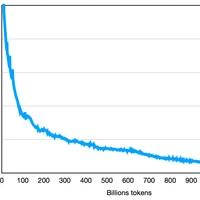

Transformers Can Represent n-gram Language Models
Plenty of existing work has analyzed the abilities of the transformer architecture by describing its representational capacity with formal models of computation. However, the focus so far has been on analyzing the architecture in terms of language acceptance. We contend that this is an ill-suited problem in the study of language models (LMs), which are definitionally probability distributions over strings. In this paper, we focus on the relationship between transformer LMs and n-gram LMs, a simple and historically relevant class of language models. We show that transformer LMs using the hard or sparse attention mechanisms can exactly represent any n-gram LM, giving us a concrete lower bound on their probabilistic representational capacity. This provides a first step towards understanding the mechanisms that transformer LMs can use to represent probability distributions over strings.


SimANS: Simple Ambiguous Negatives Sampling for Dense Text Retrieval
Sampling proper negatives from a large document pool is vital to effectively train a dense retrieval model. However, existing negative sampling strategies suffer from the uninformative or false negative problem. In this work, we empirically show that according to the measured relevance scores, the negatives ranked around the positives are generally more informative and less likely to be false negatives. Intuitively, these negatives are not too hard (may be false negatives) or too easy (uninformative). They are the ambiguous negatives and need more attention during training. Thus, we propose a simple ambiguous negatives sampling method, SimANS, which incorporates a new sampling probability distribution to sample more ambiguous negatives. Extensive experiments on four public and one industry datasets show the effectiveness of our approach. We made the code and models publicly available in https://github.com/microsoft/SimXNS.


Se^2: Sequential Example Selection for In-Context Learning
The remarkable capability of large language models (LLMs) for in-context learning (ICL) needs to be activated by demonstration examples. Prior work has extensively explored the selection of examples for ICL, predominantly following the "select then organize" paradigm, such approaches often neglect the internal relationships between examples and exist an inconsistency between the training and inference. In this paper, we formulate the problem as a sequential selection problem and introduce Se^2, a sequential-aware method that leverages the LLM's feedback on varying context, aiding in capturing inter-relationships and sequential information among examples, significantly enriching the contextuality and relevance of ICL prompts. Meanwhile, we utilize beam search to seek and construct example sequences, enhancing both quality and diversity. Extensive experiments across 23 NLP tasks from 8 distinct categories illustrate that Se^2 markedly surpasses competitive baselines and achieves 42% relative improvement over random selection. Further in-depth analysis show the effectiveness of proposed strategies, highlighting Se^2's exceptional stability and adaptability across various scenarios. Our code will be released to facilitate future research.


Principled Instructions Are All You Need for Questioning LLaMA-1/2, GPT-3.5/4
This paper introduces 26 guiding principles designed to streamline the process of querying and prompting large language models. Our goal is to simplify the underlying concepts of formulating questions for various scales of large language models, examining their abilities, and enhancing user comprehension on the behaviors of different scales of large language models when feeding into different prompts. Extensive experiments are conducted on LLaMA-1/2 (7B, 13B and 70B), GPT-3.5/4 to verify the effectiveness of the proposed principles on instructions and prompts design. We hope that this work can provide a better guide for researchers working on the prompting of large language models. Project page is available at https://github.com/VILA-Lab/ATLAS.

Order Matters: Sequence to sequence for sets
Sequences have become first class citizens in supervised learning thanks to the resurgence of recurrent neural networks. Many complex tasks that require mapping from or to a sequence of observations can now be formulated with the sequence-to-sequence (seq2seq) framework which employs the chain rule to efficiently represent the joint probability of sequences. In many cases, however, variable sized inputs and/or outputs might not be naturally expressed as sequences. For instance, it is not clear how to input a set of numbers into a model where the task is to sort them; similarly, we do not know how to organize outputs when they correspond to random variables and the task is to model their unknown joint probability. In this paper, we first show using various examples that the order in which we organize input and/or output data matters significantly when learning an underlying model. We then discuss an extension of the seq2seq framework that goes beyond sequences and handles input sets in a principled way. In addition, we propose a loss which, by searching over possible orders during training, deals with the lack of structure of output sets. We show empirical evidence of our claims regarding ordering, and on the modifications to the seq2seq framework on benchmark language modeling and parsing tasks, as well as two artificial tasks -- sorting numbers and estimating the joint probability of unknown graphical models.

Scaling Laws for Linear Complexity Language Models
The interest in linear complexity models for large language models is on the rise, although their scaling capacity remains uncertain. In this study, we present the scaling laws for linear complexity language models to establish a foundation for their scalability. Specifically, we examine the scaling behaviors of three efficient linear architectures. These include TNL, a linear attention model with data-independent decay; HGRN2, a linear RNN with data-dependent decay; and cosFormer2, a linear attention model without decay. We also include LLaMA as a baseline architecture for softmax attention for comparison. These models were trained with six variants, ranging from 70M to 7B parameters on a 300B-token corpus, and evaluated with a total of 1,376 intermediate checkpoints on various downstream tasks. These tasks include validation loss, commonsense reasoning, and information retrieval and generation. The study reveals that existing linear complexity language models exhibit similar scaling capabilities as conventional transformer-based models while also demonstrating superior linguistic proficiency and knowledge retention.





Patience is all you need! An agentic system for performing scientific literature review
Large language models (LLMs) have grown in their usage to provide support for question answering across numerous disciplines. The models on their own have already shown promise for answering basic questions, however fail quickly where expert domain knowledge is required or the question is nuanced. Scientific research often involves searching for relevant literature, distilling pertinent information from that literature and analysing how the findings support or contradict one another. The information is often encapsulated in the full text body of research articles, rather than just in the abstracts. Statements within these articles frequently require the wider article context to be fully understood. We have built an LLM-based system that performs such search and distillation of information encapsulated in scientific literature, and we evaluate our keyword based search and information distillation system against a set of biology related questions from previously released literature benchmarks. We demonstrate sparse retrieval methods exhibit results close to state of the art without the need for dense retrieval, with its associated infrastructure and complexity overhead. We also show how to increase the coverage of relevant documents for literature review generation.


Closing the Curious Case of Neural Text Degeneration
Despite their ubiquity in language generation, it remains unknown why truncation sampling heuristics like nucleus sampling are so effective. We provide a theoretical explanation for the effectiveness of the truncation sampling by proving that truncation methods that discard tokens below some probability threshold (the most common type of truncation) can guarantee that all sampled tokens have nonzero true probability. However, thresholds are a coarse heuristic, and necessarily discard some tokens with nonzero true probability as well. In pursuit of a more precise sampling strategy, we show that we can leverage a known source of model errors, the softmax bottleneck, to prove that certain tokens have nonzero true probability, without relying on a threshold. Based on our findings, we develop an experimental truncation strategy and the present pilot studies demonstrating the promise of this type of algorithm. Our evaluations show that our method outperforms its threshold-based counterparts under automatic and human evaluation metrics for low-entropy (i.e., close to greedy) open-ended text generation. Our theoretical findings and pilot experiments provide both insight into why truncation sampling works, and make progress toward more expressive sampling algorithms that better surface the generative capabilities of large language models.

Beyond Document Page Classification: Design, Datasets, and Challenges
This paper highlights the need to bring document classification benchmarking closer to real-world applications, both in the nature of data tested (X: multi-channel, multi-paged, multi-industry; Y: class distributions and label set variety) and in classification tasks considered (f: multi-page document, page stream, and document bundle classification, ...). We identify the lack of public multi-page document classification datasets, formalize different classification tasks arising in application scenarios, and motivate the value of targeting efficient multi-page document representations. An experimental study on proposed multi-page document classification datasets demonstrates that current benchmarks have become irrelevant and need to be updated to evaluate complete documents, as they naturally occur in practice. This reality check also calls for more mature evaluation methodologies, covering calibration evaluation, inference complexity (time-memory), and a range of realistic distribution shifts (e.g., born-digital vs. scanning noise, shifting page order). Our study ends on a hopeful note by recommending concrete avenues for future improvements.}

LLMs Encode How Difficult Problems Are
Large language models exhibit a puzzling inconsistency: they solve complex problems yet frequently fail on seemingly simpler ones. We investigate whether LLMs internally encode problem difficulty in a way that aligns with human judgment, and whether this representation tracks generalization during reinforcement learning post-training. We train linear probes across layers and token positions on 60 models, evaluating on mathematical and coding subsets of Easy2HardBench. We find that human-labeled difficulty is strongly linearly decodable (AMC: rho approx 0.88) and exhibits clear model-size scaling, whereas LLM-derived difficulty is substantially weaker and scales poorly. Steering along the difficulty direction reveals that pushing models toward "easier" representations reduces hallucination and improves accuracy. During GRPO training on Qwen2.5-Math-1.5B, the human-difficulty probe strengthens and positively correlates with test accuracy across training steps, while the LLM-difficulty probe degrades and negatively correlates with performance. These results suggest that human annotations provide a stable difficulty signal that RL amplifies, while automated difficulty estimates derived from model performance become misaligned precisely as models improve. We release probe code and evaluation scripts to facilitate replication.

Curriculum Demonstration Selection for In-Context Learning
Large Language Models (LLMs) have shown strong in-context learning (ICL) abilities with a few demonstrations. However, one critical challenge is how to select demonstrations to elicit the full potential of LLMs. In this paper, we propose Curriculum Demonstration Selection (CDS), a novel demonstration selection method for ICL. Instead of merely using similarity, CDS additionally partitions samples by their complexity measurements. Following curriculum learning, CDS then selects demonstrations from easy to difficult. Thus the selected demonstrations cover a wide range of difficulty levels, enabling LLMs to learn from varied complexities within the training set. Experiments demonstrate that our CDS consistently outperforms baseline methods, achieving notable improvements across nine LLMs on three benchmarks. Moreover, CDS proves especially effective in enhancing LLM performance in solving challenging problems.


Sharper Bounds for ell_p Sensitivity Sampling
In large scale machine learning, random sampling is a popular way to approximate datasets by a small representative subset of examples. In particular, sensitivity sampling is an intensely studied technique which provides provable guarantees on the quality of approximation, while reducing the number of examples to the product of the VC dimension d and the total sensitivity mathfrak S in remarkably general settings. However, guarantees going beyond this general bound of mathfrak S d are known in perhaps only one setting, for ell_2 subspace embeddings, despite intense study of sensitivity sampling in prior work. In this work, we show the first bounds for sensitivity sampling for ell_p subspace embeddings for pneq 2 that improve over the general mathfrak S d bound, achieving a bound of roughly mathfrak S^{2/p} for 1leq p<2 and mathfrak S^{2-2/p} for 2<p<infty. For 1leq p<2, we show that this bound is tight, in the sense that there exist matrices for which mathfrak S^{2/p} samples is necessary. Furthermore, our techniques yield further new results in the study of sampling algorithms, showing that the root leverage score sampling algorithm achieves a bound of roughly d for 1leq p<2, and that a combination of leverage score and sensitivity sampling achieves an improved bound of roughly d^{2/p}mathfrak S^{2-4/p} for 2<p<infty. Our sensitivity sampling results yield the best known sample complexity for a wide class of structured matrices that have small ell_p sensitivity.

Generalizing from a Few Examples: A Survey on Few-Shot Learning
Machine learning has been highly successful in data-intensive applications but is often hampered when the data set is small. Recently, Few-Shot Learning (FSL) is proposed to tackle this problem. Using prior knowledge, FSL can rapidly generalize to new tasks containing only a few samples with supervised information. In this paper, we conduct a thorough survey to fully understand FSL. Starting from a formal definition of FSL, we distinguish FSL from several relevant machine learning problems. We then point out that the core issue in FSL is that the empirical risk minimized is unreliable. Based on how prior knowledge can be used to handle this core issue, we categorize FSL methods from three perspectives: (i) data, which uses prior knowledge to augment the supervised experience; (ii) model, which uses prior knowledge to reduce the size of the hypothesis space; and (iii) algorithm, which uses prior knowledge to alter the search for the best hypothesis in the given hypothesis space. With this taxonomy, we review and discuss the pros and cons of each category. Promising directions, in the aspects of the FSL problem setups, techniques, applications and theories, are also proposed to provide insights for future research.
Exact sampling of determinantal point processes with sublinear time preprocessing
We study the complexity of sampling from a distribution over all index subsets of the set {1,...,n} with the probability of a subset S proportional to the determinant of the submatrix L_S of some ntimes n p.s.d. matrix L, where L_S corresponds to the entries of L indexed by S. Known as a determinantal point process, this distribution is used in machine learning to induce diversity in subset selection. In practice, we often wish to sample multiple subsets S with small expected size k = E[|S|] ll n from a very large matrix L, so it is important to minimize the preprocessing cost of the procedure (performed once) as well as the sampling cost (performed repeatedly). For this purpose, we propose a new algorithm which, given access to L, samples exactly from a determinantal point process while satisfying the following two properties: (1) its preprocessing cost is n cdot poly(k), i.e., sublinear in the size of L, and (2) its sampling cost is poly(k), i.e., independent of the size of L. Prior to our results, state-of-the-art exact samplers required O(n^3) preprocessing time and sampling time linear in n or dependent on the spectral properties of L. We also give a reduction which allows using our algorithm for exact sampling from cardinality constrained determinantal point processes with ncdotpoly(k) time preprocessing.
Uniform Complexity for Text Generation
Large language models (LLMs) have shown promising results in a wide array of generative NLP tasks, such as summarization and machine translation. In the context of narrative generation, however, existing models still do not capture factors that contribute to producing consistent text. For instance, it is logical that a piece of text or a story should be uniformly readable throughout and that this form of complexity should be controllable. As such, if the complexity of an input text prompt is rated first-grade reading level in the Flesch Reading Ease test, then the generated text continuing the plot should also be within this range of complexity. With this in mind, we introduce Uniform Complexity for Text Generation (UCTG), a new benchmark test which raises the challenge of making generative models observe uniform linguistic properties with respect to prompts. We experiment with over 150+ linguistically and cognitively motivated features for evaluating text complexity in humans and generative models. From our results, we find that models such as GPT-2 struggle to preserve the complexity of input prompts used in its generations, even if finetuned with professionally written texts.

Identifying All ε-Best Arms in (Misspecified) Linear Bandits
Motivated by the need to efficiently identify multiple candidates in high trial-and-error cost tasks such as drug discovery, we propose a near-optimal algorithm to identify all ε-best arms (i.e., those at most ε worse than the optimum). Specifically, we introduce LinFACT, an algorithm designed to optimize the identification of all ε-best arms in linear bandits. We establish a novel information-theoretic lower bound on the sample complexity of this problem and demonstrate that LinFACT achieves instance optimality by matching this lower bound up to a logarithmic factor. A key ingredient of our proof is to integrate the lower bound directly into the scaling process for upper bound derivation, determining the termination round and thus the sample complexity. We also extend our analysis to settings with model misspecification and generalized linear models. Numerical experiments, including synthetic and real drug discovery data, demonstrate that LinFACT identifies more promising candidates with reduced sample complexity, offering significant computational efficiency and accelerating early-stage exploratory experiments.
Score-based generative models break the curse of dimensionality in learning a family of sub-Gaussian probability distributions
While score-based generative models (SGMs) have achieved remarkable success in enormous image generation tasks, their mathematical foundations are still limited. In this paper, we analyze the approximation and generalization of SGMs in learning a family of sub-Gaussian probability distributions. We introduce a notion of complexity for probability distributions in terms of their relative density with respect to the standard Gaussian measure. We prove that if the log-relative density can be locally approximated by a neural network whose parameters can be suitably bounded, then the distribution generated by empirical score matching approximates the target distribution in total variation with a dimension-independent rate. We illustrate our theory through examples, which include certain mixtures of Gaussians. An essential ingredient of our proof is to derive a dimension-free deep neural network approximation rate for the true score function associated with the forward process, which is interesting in its own right.
A Simple Approach to Jointly Rank Passages and Select Relevant Sentences in the OBQA Context
In the open book question answering (OBQA) task, selecting the relevant passages and sentences from distracting information is crucial to reason the answer to a question. HotpotQA dataset is designed to teach and evaluate systems to do both passage ranking and sentence selection. Many existing frameworks use separate models to select relevant passages and sentences respectively. Such systems not only have high complexity in terms of the parameters of models but also fail to take the advantage of training these two tasks together since one task can be beneficial for the other one. In this work, we present a simple yet effective framework to address these limitations by jointly ranking passages and selecting sentences. Furthermore, we propose consistency and similarity constraints to promote the correlation and interaction between passage ranking and sentence selection.The experiments demonstrate that our framework can achieve competitive results with previous systems and outperform the baseline by 28\% in terms of exact matching of relevant sentences on the HotpotQA dataset.

DiffAdapt: Difficulty-Adaptive Reasoning for Token-Efficient LLM Inference
Recent reasoning Large Language Models (LLMs) demonstrate remarkable problem-solving abilities but often generate long thinking traces whose utility is unclear. Our work aims to improve their efficiency, enabling them to reach high performance without overthinking. First, we analyze the entropy of token probabilities in reasoning traces. Across three models, we observe a consistent U-shaped entropy pattern: high entropy on easy problems despite high accuracy, low entropy on problems with medium difficulty, and high entropy on hard problems reflecting uncertainty. Specifically, we notice 22--25\% entropy reduction from easy to medium difficulty regions, suggesting an {overthinking} phenomenon on easy instances. Building on these insights, we introduce DiffAdapt, a lightweight framework that selects Easy/Normal/Hard inference strategies per question based on their difficulty and reasoning trace entropy. Each inference strategy consists of a fixed prompt, temperature and maximum token length. In contrast to existing efficiency optimization methods, our approach does not fine-tune base LLM but a small probe that classifies LLM's final hidden state, allowing inexpensive adaptation. We comprehensively evaluate our method on five models and eight benchmarks. Our method achieves comparable or improved accuracy while reducing token usage by up to 22.4\%, establishing a practical path toward compute-efficient reasoning.

Mapping distributional to model-theoretic semantic spaces: a baseline
Word embeddings have been shown to be useful across state-of-the-art systems in many natural language processing tasks, ranging from question answering systems to dependency parsing. (Herbelot and Vecchi, 2015) explored word embeddings and their utility for modeling language semantics. In particular, they presented an approach to automatically map a standard distributional semantic space onto a set-theoretic model using partial least squares regression. We show in this paper that a simple baseline achieves a +51% relative improvement compared to their model on one of the two datasets they used, and yields competitive results on the second dataset.

SQuAD: 100,000+ Questions for Machine Comprehension of Text
We present the Stanford Question Answering Dataset (SQuAD), a new reading comprehension dataset consisting of 100,000+ questions posed by crowdworkers on a set of Wikipedia articles, where the answer to each question is a segment of text from the corresponding reading passage. We analyze the dataset to understand the types of reasoning required to answer the questions, leaning heavily on dependency and constituency trees. We build a strong logistic regression model, which achieves an F1 score of 51.0%, a significant improvement over a simple baseline (20%). However, human performance (86.8%) is much higher, indicating that the dataset presents a good challenge problem for future research. The dataset is freely available at https://stanford-qa.com

Structured Prompting: Scaling In-Context Learning to 1,000 Examples
Large language models have exhibited intriguing in-context learning capability, achieving promising zero- and few-shot performance without updating the parameters. However, conventional in-context learning is usually restricted by length constraints, rendering it ineffective to absorb supervision from a large number of examples. In order to go beyond few shots, we introduce structured prompting that breaks the length limit and scales in-context learning to thousands of examples. Specifically, demonstration examples are separately encoded with well-designed position embeddings, and then they are jointly attended by the test example using a rescaled attention mechanism. So we can scale the number of exemplars with linear complexity instead of quadratic complexity with respect to length. Experimental results on a diverse set of tasks show that our approach improves end-task performance and reduces evaluation variance over conventional in-context learning as the number of demonstration examples increases. Code has been released at https://aka.ms/structured-prompting.

Textbooks Are All You Need II: phi-1.5 technical report
We continue the investigation into the power of smaller Transformer-based language models as initiated by TinyStories -- a 10 million parameter model that can produce coherent English -- and the follow-up work on phi-1, a 1.3 billion parameter model with Python coding performance close to the state-of-the-art. The latter work proposed to use existing Large Language Models (LLMs) to generate ``textbook quality" data as a way to enhance the learning process compared to traditional web data. We follow the ``Textbooks Are All You Need" approach, focusing this time on common sense reasoning in natural language, and create a new 1.3 billion parameter model named phi-1.5, with performance on natural language tasks comparable to models 5x larger, and surpassing most non-frontier LLMs on more complex reasoning tasks such as grade-school mathematics and basic coding. More generally, phi-1.5 exhibits many of the traits of much larger LLMs, both good -- such as the ability to ``think step by step" or perform some rudimentary in-context learning -- and bad, including hallucinations and the potential for toxic and biased generations -- encouragingly though, we are seeing improvement on that front thanks to the absence of web data. We open-source phi-1.5 to promote further research on these urgent topics.





FrugalRAG: Learning to retrieve and reason for multi-hop QA
We consider the problem of answering complex questions, given access to a large unstructured document corpus. The de facto approach to solving the problem is to leverage language models that (iteratively) retrieve and reason through the retrieved documents, until the model has sufficient information to generate an answer. Attempts at improving this approach focus on retrieval-augmented generation (RAG) metrics such as accuracy and recall and can be categorized into two types: (a) fine-tuning on large question answering (QA) datasets augmented with chain-of-thought traces, and (b) leveraging RL-based fine-tuning techniques that rely on question-document relevance signals. However, efficiency in the number of retrieval searches is an equally important metric, which has received less attention. In this work, we show that: (1) Large-scale fine-tuning is not needed to improve RAG metrics, contrary to popular claims in recent literature. Specifically, a standard ReAct pipeline with improved prompts can outperform state-of-the-art methods on benchmarks such as HotPotQA. (2) Supervised and RL-based fine-tuning can help RAG from the perspective of frugality, i.e., the latency due to number of searches at inference time. For example, we show that we can achieve competitive RAG metrics at nearly half the cost (in terms of number of searches) on popular RAG benchmarks, using the same base model, and at a small training cost (1000 examples).

Prompt Optimization with EASE? Efficient Ordering-aware Automated Selection of Exemplars
Large language models (LLMs) have shown impressive capabilities in real-world applications. The capability of in-context learning (ICL) allows us to adapt an LLM to downstream tasks by including input-label exemplars in the prompt without model fine-tuning. However, the quality of these exemplars in the prompt greatly impacts performance, highlighting the need for an effective automated exemplar selection method. Recent studies have explored retrieval-based approaches to select exemplars tailored to individual test queries, which can be undesirable due to extra test-time computation and an increased risk of data exposure. Moreover, existing methods fail to adequately account for the impact of exemplar ordering on the performance. On the other hand, the impact of the instruction, another essential component in the prompt given to the LLM, is often overlooked in existing exemplar selection methods. To address these challenges, we propose a novel method named EASE, which leverages the hidden embedding from a pre-trained language model to represent ordered sets of exemplars and uses a neural bandit algorithm to optimize the sets of exemplars while accounting for exemplar ordering. Our EASE can efficiently find an ordered set of exemplars that performs well for all test queries from a given task, thereby eliminating test-time computation. Importantly, EASE can be readily extended to jointly optimize both the exemplars and the instruction. Through extensive empirical evaluations (including novel tasks), we demonstrate the superiority of EASE over existing methods, and reveal practical insights about the impact of exemplar selection on ICL, which may be of independent interest. Our code is available at https://github.com/ZhaoxuanWu/EASE-Prompt-Optimization.


A Few Brief Notes on DeepImpact, COIL, and a Conceptual Framework for Information Retrieval Techniques
Recent developments in representational learning for information retrieval can be organized in a conceptual framework that establishes two pairs of contrasts: sparse vs. dense representations and unsupervised vs. learned representations. Sparse learned representations can further be decomposed into expansion and term weighting components. This framework allows us to understand the relationship between recently proposed techniques such as DPR, ANCE, DeepCT, DeepImpact, and COIL, and furthermore, gaps revealed by our analysis point to "low hanging fruit" in terms of techniques that have yet to be explored. We present a novel technique dubbed "uniCOIL", a simple extension of COIL that achieves to our knowledge the current state-of-the-art in sparse retrieval on the popular MS MARCO passage ranking dataset. Our implementation using the Anserini IR toolkit is built on the Lucene search library and thus fully compatible with standard inverted indexes.

Leveraging Passage Embeddings for Efficient Listwise Reranking with Large Language Models
Recent studies have demonstrated the effectiveness of using large language language models (LLMs) in passage ranking. The listwise approaches, such as RankGPT, have become new state-of-the-art in this task. However, the efficiency of RankGPT models is limited by the maximum context length and relatively high latency of LLM inference. To address these issues, in this paper, we propose PE-Rank, leveraging the single passage embedding as a good context compression for efficient listwise passage reranking. By treating each passage as a special token, we can directly input passage embeddings into LLMs, thereby reducing input length. Additionally, we introduce an inference method that dynamically constrains the decoding space to these special tokens, accelerating the decoding process. For adapting the model to reranking, we employ listwise learning to rank loss for training. Evaluation results on multiple benchmarks demonstrate that PE-Rank significantly improves efficiency in both prefilling and decoding, while maintaining competitive ranking effectiveness. {The Code is available at https://github.com/liuqi6777/pe_rank.}


Data-Efficient Learning via Clustering-Based Sensitivity Sampling: Foundation Models and Beyond
We study the data selection problem, whose aim is to select a small representative subset of data that can be used to efficiently train a machine learning model. We present a new data selection approach based on k-means clustering and sensitivity sampling. Assuming access to an embedding representation of the data with respect to which the model loss is H\"older continuous, our approach provably allows selecting a set of ``typical'' k + 1/varepsilon^2 elements whose average loss corresponds to the average loss of the whole dataset, up to a multiplicative (1pmvarepsilon) factor and an additive varepsilon lambda Phi_k, where Phi_k represents the k-means cost for the input embeddings and lambda is the H\"older constant. We furthermore demonstrate the performance and scalability of our approach on fine-tuning foundation models and show that it outperforms state-of-the-art methods. We also show how it can be applied on linear regression, leading to a new sampling strategy that surprisingly matches the performances of leverage score sampling, while being conceptually simpler and more scalable.