
Get trending papers in your email inbox once a day!
Get trending papers in your email inbox!
Subscribe
Multimodal Pretraining for Dense Video Captioning
Learning specific hands-on skills such as cooking, car maintenance, and home repairs increasingly happens via instructional videos. The user experience with such videos is known to be improved by meta-information such as time-stamped annotations for the main steps involved. Generating such annotations automatically is challenging, and we describe here two relevant contributions. First, we construct and release a new dense video captioning dataset, Video Timeline Tags (ViTT), featuring a variety of instructional videos together with time-stamped annotations. Second, we explore several multimodal sequence-to-sequence pretraining strategies that leverage large unsupervised datasets of videos and caption-like texts. We pretrain and subsequently finetune dense video captioning models using both YouCook2 and ViTT. We show that such models generalize well and are robust over a wide variety of instructional videos.
A Feature-space Multimodal Data Augmentation Technique for Text-video Retrieval
Every hour, huge amounts of visual contents are posted on social media and user-generated content platforms. To find relevant videos by means of a natural language query, text-video retrieval methods have received increased attention over the past few years. Data augmentation techniques were introduced to increase the performance on unseen test examples by creating new training samples with the application of semantics-preserving techniques, such as color space or geometric transformations on images. Yet, these techniques are usually applied on raw data, leading to more resource-demanding solutions and also requiring the shareability of the raw data, which may not always be true, e.g. copyright issues with clips from movies or TV series. To address this shortcoming, we propose a multimodal data augmentation technique which works in the feature space and creates new videos and captions by mixing semantically similar samples. We experiment our solution on a large scale public dataset, EPIC-Kitchens-100, and achieve considerable improvements over a baseline method, improved state-of-the-art performance, while at the same time performing multiple ablation studies. We release code and pretrained models on Github at https://github.com/aranciokov/FSMMDA_VideoRetrieval.
COIN: A Large-scale Dataset for Comprehensive Instructional Video Analysis
There are substantial instructional videos on the Internet, which enables us to acquire knowledge for completing various tasks. However, most existing datasets for instructional video analysis have the limitations in diversity and scale,which makes them far from many real-world applications where more diverse activities occur. Moreover, it still remains a great challenge to organize and harness such data. To address these problems, we introduce a large-scale dataset called "COIN" for COmprehensive INstructional video analysis. Organized with a hierarchical structure, the COIN dataset contains 11,827 videos of 180 tasks in 12 domains (e.g., vehicles, gadgets, etc.) related to our daily life. With a new developed toolbox, all the videos are annotated effectively with a series of step descriptions and the corresponding temporal boundaries. Furthermore, we propose a simple yet effective method to capture the dependencies among different steps, which can be easily plugged into conventional proposal-based action detection methods for localizing important steps in instructional videos. In order to provide a benchmark for instructional video analysis, we evaluate plenty of approaches on the COIN dataset under different evaluation criteria. We expect the introduction of the COIN dataset will promote the future in-depth research on instructional video analysis for the community.

VideoRAG: Retrieval-Augmented Generation over Video Corpus
Retrieval-Augmented Generation (RAG) is a powerful strategy to address the issue of generating factually incorrect outputs in foundation models by retrieving external knowledge relevant to queries and incorporating it into their generation process. However, existing RAG approaches have primarily focused on textual information, with some recent advancements beginning to consider images, and they largely overlook videos, a rich source of multimodal knowledge capable of representing events, processes, and contextual details more effectively than any other modality. While a few recent studies explore the integration of videos in the response generation process, they either predefine query-associated videos without retrieving them according to queries, or convert videos into the textual descriptions without harnessing their multimodal richness. To tackle these, we introduce VideoRAG, a novel framework that not only dynamically retrieves relevant videos based on their relevance with queries but also utilizes both visual and textual information of videos in the output generation. Further, to operationalize this, our method revolves around the recent advance of Large Video Language Models (LVLMs), which enable the direct processing of video content to represent it for retrieval and seamless integration of the retrieved videos jointly with queries. We experimentally validate the effectiveness of VideoRAG, showcasing that it is superior to relevant baselines.


Tell me what you see: A zero-shot action recognition method based on natural language descriptions
This paper presents a novel approach to Zero-Shot Action Recognition. Recent works have explored the detection and classification of objects to obtain semantic information from videos with remarkable performance. Inspired by them, we propose using video captioning methods to extract semantic information about objects, scenes, humans, and their relationships. To the best of our knowledge, this is the first work to represent both videos and labels with descriptive sentences. More specifically, we represent videos using sentences generated via video captioning methods and classes using sentences extracted from documents acquired through search engines on the Internet. Using these representations, we build a shared semantic space employing BERT-based embedders pre-trained in the paraphrasing task on multiple text datasets. The projection of both visual and semantic information onto this space is straightforward, as they are sentences, enabling classification using the nearest neighbor rule. We demonstrate that representing videos and labels with sentences alleviates the domain adaptation problem. Additionally, we show that word vectors are unsuitable for building the semantic embedding space of our descriptions. Our method outperforms the state-of-the-art performance on the UCF101 dataset by 3.3 p.p. in accuracy under the TruZe protocol and achieves competitive results on both the UCF101 and HMDB51 datasets under the conventional protocol (0/50\% - training/testing split). Our code is available at https://github.com/valterlej/zsarcap.
Preacher: Paper-to-Video Agentic System
The paper-to-video task converts a research paper into a structured video abstract, distilling key concepts, methods, and conclusions into an accessible, well-organized format. While state-of-the-art video generation models demonstrate potential, they are constrained by limited context windows, rigid video duration constraints, limited stylistic diversity, and an inability to represent domain-specific knowledge. To address these limitations, we introduce Preacher, the first paper-to-video agentic system. Preacher employs a topdown approach to decompose, summarize, and reformulate the paper, followed by bottom-up video generation, synthesizing diverse video segments into a coherent abstract. To align cross-modal representations, we define key scenes and introduce a Progressive Chain of Thought (P-CoT) for granular, iterative planning. Preacher successfully generates high-quality video abstracts across five research fields, demonstrating expertise beyond current video generation models. Code will be released at: https://github.com/GenVerse/Paper2Video

TinyLLaVA-Video: A Simple Framework of Small-scale Large Multimodal Models for Video Understanding
We present the TinyLLaVA-Video, a video understanding model with parameters not exceeding 4B that processes video sequences in a simple manner, without the need for complex architectures, supporting both fps sampling and uniform frame sampling. Our model is characterized by modularity and scalability, allowing training and inference with limited computational resources and enabling users to replace components based on their needs. We validate the effectiveness of this framework through experiments, the best model achieving performance comparable to certain existing 7B models on multiple video understanding benchmarks. The code and training recipes are fully open source, with all components and training data publicly available. We hope this work can serve as a baseline for practitioners exploring small-scale multimodal models for video understanding. It is available at https://github.com/ZhangXJ199/TinyLLaVA-Video.

Fine-grained Audible Video Description
We explore a new task for audio-visual-language modeling called fine-grained audible video description (FAVD). It aims to provide detailed textual descriptions for the given audible videos, including the appearance and spatial locations of each object, the actions of moving objects, and the sounds in videos. Existing visual-language modeling tasks often concentrate on visual cues in videos while undervaluing the language and audio modalities. On the other hand, FAVD requires not only audio-visual-language modeling skills but also paragraph-level language generation abilities. We construct the first fine-grained audible video description benchmark (FAVDBench) to facilitate this research. For each video clip, we first provide a one-sentence summary of the video, ie, the caption, followed by 4-6 sentences describing the visual details and 1-2 audio-related descriptions at the end. The descriptions are provided in both English and Chinese. We create two new metrics for this task: an EntityScore to gauge the completeness of entities in the visual descriptions, and an AudioScore to assess the audio descriptions. As a preliminary approach to this task, we propose an audio-visual-language transformer that extends existing video captioning model with an additional audio branch. We combine the masked language modeling and auto-regressive language modeling losses to optimize our model so that it can produce paragraph-level descriptions. We illustrate the efficiency of our model in audio-visual-language modeling by evaluating it against the proposed benchmark using both conventional captioning metrics and our proposed metrics. We further put our benchmark to the test in video generation models, demonstrating that employing fine-grained video descriptions can create more intricate videos than using captions.


Panda-70M: Captioning 70M Videos with Multiple Cross-Modality Teachers
The quality of the data and annotation upper-bounds the quality of a downstream model. While there exist large text corpora and image-text pairs, high-quality video-text data is much harder to collect. First of all, manual labeling is more time-consuming, as it requires an annotator to watch an entire video. Second, videos have a temporal dimension, consisting of several scenes stacked together, and showing multiple actions. Accordingly, to establish a video dataset with high-quality captions, we propose an automatic approach leveraging multimodal inputs, such as textual video description, subtitles, and individual video frames. Specifically, we curate 3.8M high-resolution videos from the publicly available HD-VILA-100M dataset. We then split them into semantically consistent video clips, and apply multiple cross-modality teacher models to obtain captions for each video. Next, we finetune a retrieval model on a small subset where the best caption of each video is manually selected and then employ the model in the whole dataset to select the best caption as the annotation. In this way, we get 70M videos paired with high-quality text captions. We dub the dataset as Panda-70M. We show the value of the proposed dataset on three downstream tasks: video captioning, video and text retrieval, and text-driven video generation. The models trained on the proposed data score substantially better on the majority of metrics across all the tasks.



WikiVideo: Article Generation from Multiple Videos
We present the challenging task of automatically creating a high-level Wikipedia-style article that aggregates information from multiple diverse videos about real-world events, such as natural disasters or political elections. Videos are intuitive sources for retrieval-augmented generation (RAG), but most contemporary RAG workflows focus heavily on text and existing methods for video-based summarization focus on low-level scene understanding rather than high-level event semantics. To close this gap, we introduce WikiVideo, a benchmark consisting of expert-written articles and densely annotated videos that provide evidence for articles' claims, facilitating the integration of video into RAG pipelines and enabling the creation of in-depth content that is grounded in multimodal sources. We further propose Collaborative Article Generation (CAG), a novel interactive method for article creation from multiple videos. CAG leverages an iterative interaction between an r1-style reasoning model and a VideoLLM to draw higher level inferences about the target event than is possible with VideoLLMs alone, which fixate on low-level visual features. We benchmark state-of-the-art VideoLLMs and CAG in both oracle retrieval and RAG settings and find that CAG consistently outperforms alternative methods, while suggesting intriguing avenues for future work.

Tarsier: Recipes for Training and Evaluating Large Video Description Models
Generating fine-grained video descriptions is a fundamental challenge in video understanding. In this work, we introduce Tarsier, a family of large-scale video-language models designed to generate high-quality video descriptions. Tarsier employs CLIP-ViT to encode frames separately and then uses an LLM to model temporal relationships. Despite its simple architecture, we demonstrate that with a meticulously designed two-stage training procedure, the Tarsier models exhibit substantially stronger video description capabilities than any existing open-source model, showing a +51.4% advantage in human side-by-side evaluation over the strongest model. Additionally, they are comparable to state-of-the-art proprietary models, with a +12.3% advantage against GPT-4V and a -6.7% disadvantage against Gemini 1.5 Pro. Besides video description, Tarsier proves to be a versatile generalist model, achieving new state-of-the-art results across nine public benchmarks, including multi-choice VQA, open-ended VQA, and zero-shot video captioning. Our second contribution is the introduction of a new benchmark for evaluating video description models, consisting of a new challenging dataset featuring videos from diverse sources and varying complexity, along with an automatic method specifically designed to assess the quality of fine-grained video descriptions. We make our models and evaluation benchmark publicly available at https://github.com/bytedance/tarsier.

ViSMaP: Unsupervised Hour-long Video Summarisation by Meta-Prompting
We introduce ViSMap: Unsupervised Video Summarisation by Meta Prompting, a system to summarise hour long videos with no-supervision. Most existing video understanding models work well on short videos of pre-segmented events, yet they struggle to summarise longer videos where relevant events are sparsely distributed and not pre-segmented. Moreover, long-form video understanding often relies on supervised hierarchical training that needs extensive annotations which are costly, slow and prone to inconsistency. With ViSMaP we bridge the gap between short videos (where annotated data is plentiful) and long ones (where it's not). We rely on LLMs to create optimised pseudo-summaries of long videos using segment descriptions from short ones. These pseudo-summaries are used as training data for a model that generates long-form video summaries, bypassing the need for expensive annotations of long videos. Specifically, we adopt a meta-prompting strategy to iteratively generate and refine creating pseudo-summaries of long videos. The strategy leverages short clip descriptions obtained from a supervised short video model to guide the summary. Each iteration uses three LLMs working in sequence: one to generate the pseudo-summary from clip descriptions, another to evaluate it, and a third to optimise the prompt of the generator. This iteration is necessary because the quality of the pseudo-summaries is highly dependent on the generator prompt, and varies widely among videos. We evaluate our summaries extensively on multiple datasets; our results show that ViSMaP achieves performance comparable to fully supervised state-of-the-art models while generalising across domains without sacrificing performance. Code will be released upon publication.
Localizing Moments in Long Video Via Multimodal Guidance
The recent introduction of the large-scale long-form MAD dataset for language grounding in videos has enabled researchers to investigate the performance of current state-of-the-art methods in the long-form setup, with unexpected findings. In fact, current grounding methods alone fail at tackling this challenging task and setup due to their inability to process long video sequences. In this work, we propose an effective way to circumvent the long-form burden by introducing a new component to grounding pipelines: a Guidance model. The purpose of the Guidance model is to efficiently remove irrelevant video segments from the search space of grounding methods by coarsely aligning the sentence to chunks of the movies and then applying legacy grounding methods where high correlation is found. We term these video segments as non-describable moments. This two-stage approach reveals to be effective in boosting the performance of several different grounding baselines on the challenging MAD dataset, achieving new state-of-the-art performance.


Localizing Moments in Video with Natural Language
We consider retrieving a specific temporal segment, or moment, from a video given a natural language text description. Methods designed to retrieve whole video clips with natural language determine what occurs in a video but not when. To address this issue, we propose the Moment Context Network (MCN) which effectively localizes natural language queries in videos by integrating local and global video features over time. A key obstacle to training our MCN model is that current video datasets do not include pairs of localized video segments and referring expressions, or text descriptions which uniquely identify a corresponding moment. Therefore, we collect the Distinct Describable Moments (DiDeMo) dataset which consists of over 10,000 unedited, personal videos in diverse visual settings with pairs of localized video segments and referring expressions. We demonstrate that MCN outperforms several baseline methods and believe that our initial results together with the release of DiDeMo will inspire further research on localizing video moments with natural language.

Evaluating Multimodal Large Language Models on Video Captioning via Monte Carlo Tree Search
Video captioning can be used to assess the video understanding capabilities of Multimodal Large Language Models (MLLMs). However, existing benchmarks and evaluation protocols suffer from crucial issues, such as inadequate or homogeneous creation of key points, exorbitant cost of data creation, and limited evaluation scopes. To address these issues, we propose an automatic framework, named AutoCaption, which leverages Monte Carlo Tree Search (MCTS) to construct numerous and diverse descriptive sentences (i.e., key points) that thoroughly represent video content in an iterative way. This iterative captioning strategy enables the continuous enhancement of video details such as actions, objects' attributes, environment details, etc. We apply AutoCaption to curate MCTS-VCB, a fine-grained video caption benchmark covering video details, thereby enabling a comprehensive evaluation of MLLMs on the video captioning task. We evaluate more than 20 open- and closed-source MLLMs of varying sizes on MCTS-VCB. Results show that MCTS-VCB can effectively and comprehensively evaluate the video captioning capability, with Gemini-1.5-Pro achieving the highest F1 score of 71.2. Interestingly, we fine-tune InternVL2.5-8B with the AutoCaption-generated data, which helps the model achieve an overall improvement of 25.0% on MCTS-VCB and 16.3% on DREAM-1K, further demonstrating the effectiveness of AutoCaption. The code and data are available at https://github.com/tjunlp-lab/MCTS-VCB.


VideoUFO: A Million-Scale User-Focused Dataset for Text-to-Video Generation
Text-to-video generative models convert textual prompts into dynamic visual content, offering wide-ranging applications in film production, gaming, and education. However, their real-world performance often falls short of user expectations. One key reason is that these models have not been trained on videos related to some topics users want to create. In this paper, we propose VideoUFO, the first Video dataset specifically curated to align with Users' FOcus in real-world scenarios. Beyond this, our VideoUFO also features: (1) minimal (0.29%) overlap with existing video datasets, and (2) videos searched exclusively via YouTube's official API under the Creative Commons license. These two attributes provide future researchers with greater freedom to broaden their training sources. The VideoUFO comprises over 1.09 million video clips, each paired with both a brief and a detailed caption (description). Specifically, through clustering, we first identify 1,291 user-focused topics from the million-scale real text-to-video prompt dataset, VidProM. Then, we use these topics to retrieve videos from YouTube, split the retrieved videos into clips, and generate both brief and detailed captions for each clip. After verifying the clips with specified topics, we are left with about 1.09 million video clips. Our experiments reveal that (1) current 16 text-to-video models do not achieve consistent performance across all user-focused topics; and (2) a simple model trained on VideoUFO outperforms others on worst-performing topics. The dataset is publicly available at https://huggingface.co/datasets/WenhaoWang/VideoUFO under the CC BY 4.0 License.

VideoOrion: Tokenizing Object Dynamics in Videos
We present VideoOrion, a Video Large Language Model (Video-LLM) that explicitly captures the key semantic information in videos--the spatial-temporal dynamics of objects throughout the videos. VideoOrion employs expert vision models to extract object dynamics through a detect-segment-track pipeline, encoding them into a set of object tokens by aggregating spatial-temporal object features. Our method addresses the persistent challenge in Video-LLMs of efficiently compressing high-dimensional video data into semantic tokens that are comprehensible to LLMs. Compared to prior methods which resort to downsampling the original video or aggregating visual tokens using resamplers, leading to information loss and entangled semantics, VideoOrion not only offers a more natural and efficient way to derive compact, disentangled semantic representations but also enables explicit object modeling of video content with minimal computational cost. Moreover, the introduced object tokens naturally allow VideoOrion to accomplish video-based referring tasks. Experimental results show that VideoOrion can learn to make good use of the object tokens, and achieves competitive results on both general video question answering and video-based referring benchmarks.


MMTrail: A Multimodal Trailer Video Dataset with Language and Music Descriptions
Massive multi-modality datasets play a significant role in facilitating the success of large video-language models. However, current video-language datasets primarily provide text descriptions for visual frames, considering audio to be weakly related information. They usually overlook exploring the potential of inherent audio-visual correlation, leading to monotonous annotation within each modality instead of comprehensive and precise descriptions. Such ignorance results in the difficulty of multiple cross-modality studies. To fulfill this gap, we present MMTrail, a large-scale multi-modality video-language dataset incorporating more than 20M trailer clips with visual captions, and 2M high-quality clips with multimodal captions. Trailers preview full-length video works and integrate context, visual frames, and background music. In particular, the trailer has two main advantages: (1) the topics are diverse, and the content characters are of various types, e.g., film, news, and gaming. (2) the corresponding background music is custom-designed, making it more coherent with the visual context. Upon these insights, we propose a systemic captioning framework, achieving various modality annotations with more than 27.1k hours of trailer videos. Here, to ensure the caption retains music perspective while preserving the authority of visual context, we leverage the advanced LLM to merge all annotations adaptively. In this fashion, our MMtrail dataset potentially paves the path for fine-grained large multimodal-language model training. In experiments, we provide evaluation metrics and benchmark results on our dataset, demonstrating the high quality of our annotation and its effectiveness for model training.



Visual Semantic Role Labeling for Video Understanding
We propose a new framework for understanding and representing related salient events in a video using visual semantic role labeling. We represent videos as a set of related events, wherein each event consists of a verb and multiple entities that fulfill various roles relevant to that event. To study the challenging task of semantic role labeling in videos or VidSRL, we introduce the VidSitu benchmark, a large-scale video understanding data source with 29K 10-second movie clips richly annotated with a verb and semantic-roles every 2 seconds. Entities are co-referenced across events within a movie clip and events are connected to each other via event-event relations. Clips in VidSitu are drawn from a large collection of movies ({sim}3K) and have been chosen to be both complex ({sim}4.2 unique verbs within a video) as well as diverse ({sim}200 verbs have more than 100 annotations each). We provide a comprehensive analysis of the dataset in comparison to other publicly available video understanding benchmarks, several illustrative baselines and evaluate a range of standard video recognition models. Our code and dataset is available at vidsitu.org.

HERMES: temporal-coHERent long-forM understanding with Episodes and Semantics
Existing research often treats long-form videos as extended short videos, leading to several limitations: inadequate capture of long-range dependencies, inefficient processing of redundant information, and failure to extract high-level semantic concepts. To address these issues, we propose a novel approach that more accurately reflects human cognition. This paper introduces HERMES: temporal-coHERent long-forM understanding with Episodes and Semantics, a model that simulates episodic memory accumulation to capture action sequences and reinforces them with semantic knowledge dispersed throughout the video. Our work makes two key contributions: First, we develop an Episodic COmpressor (ECO) that efficiently aggregates crucial representations from micro to semi-macro levels, overcoming the challenge of long-range dependencies. Second, we propose a Semantics ReTRiever (SeTR) that enhances these aggregated representations with semantic information by focusing on the broader context, dramatically reducing feature dimensionality while preserving relevant macro-level information. This addresses the issues of redundancy and lack of high-level concept extraction. Extensive experiments demonstrate that HERMES achieves state-of-the-art performance across multiple long-video understanding benchmarks in both zero-shot and fully-supervised settings.


InstanceCap: Improving Text-to-Video Generation via Instance-aware Structured Caption
Text-to-video generation has evolved rapidly in recent years, delivering remarkable results. Training typically relies on video-caption paired data, which plays a crucial role in enhancing generation performance. However, current video captions often suffer from insufficient details, hallucinations and imprecise motion depiction, affecting the fidelity and consistency of generated videos. In this work, we propose a novel instance-aware structured caption framework, termed InstanceCap, to achieve instance-level and fine-grained video caption for the first time. Based on this scheme, we design an auxiliary models cluster to convert original video into instances to enhance instance fidelity. Video instances are further used to refine dense prompts into structured phrases, achieving concise yet precise descriptions. Furthermore, a 22K InstanceVid dataset is curated for training, and an enhancement pipeline that tailored to InstanceCap structure is proposed for inference. Experimental results demonstrate that our proposed InstanceCap significantly outperform previous models, ensuring high fidelity between captions and videos while reducing hallucinations.


VideoRAG: Retrieval-Augmented Generation with Extreme Long-Context Videos
Retrieval-Augmented Generation (RAG) has demonstrated remarkable success in enhancing Large Language Models (LLMs) through external knowledge integration, yet its application has primarily focused on textual content, leaving the rich domain of multi-modal video knowledge predominantly unexplored. This paper introduces VideoRAG, the first retrieval-augmented generation framework specifically designed for processing and understanding extremely long-context videos. Our core innovation lies in its dual-channel architecture that seamlessly integrates (i) graph-based textual knowledge grounding for capturing cross-video semantic relationships, and (ii) multi-modal context encoding for efficiently preserving visual features. This novel design empowers VideoRAG to process unlimited-length videos by constructing precise knowledge graphs that span multiple videos while maintaining semantic dependencies through specialized multi-modal retrieval paradigms. Through comprehensive empirical evaluation on our proposed LongerVideos benchmark-comprising over 160 videos totaling 134+ hours across lecture, documentary, and entertainment categories-VideoRAG demonstrates substantial performance compared to existing RAG alternatives and long video understanding methods. The source code of VideoRAG implementation and the benchmark dataset are openly available at: https://github.com/HKUDS/VideoRAG.
VideoLLaMB: Long-context Video Understanding with Recurrent Memory Bridges
Recent advancements in large-scale video-language models have shown significant potential for real-time planning and detailed interactions. However, their high computational demands and the scarcity of annotated datasets limit their practicality for academic researchers. In this work, we introduce VideoLLaMB, a novel framework that utilizes temporal memory tokens within bridge layers to allow for the encoding of entire video sequences alongside historical visual data, effectively preserving semantic continuity and enhancing model performance across various tasks. This approach includes recurrent memory tokens and a SceneTilling algorithm, which segments videos into independent semantic units to preserve semantic integrity. Empirically, VideoLLaMB significantly outstrips existing video-language models, demonstrating a 5.5 points improvement over its competitors across three VideoQA benchmarks, and 2.06 points on egocentric planning. Comprehensive results on the MVBench show that VideoLLaMB-7B achieves markedly better results than previous 7B models of same LLM. Remarkably, it maintains robust performance as PLLaVA even as video length increases up to 8 times. Besides, the frame retrieval results on our specialized Needle in a Video Haystack (NIAVH) benchmark, further validate VideoLLaMB's prowess in accurately identifying specific frames within lengthy videos. Our SceneTilling algorithm also enables the generation of streaming video captions directly, without necessitating additional training. In terms of efficiency, VideoLLaMB, trained on 16 frames, supports up to 320 frames on a single Nvidia A100 GPU with linear GPU memory scaling, ensuring both high performance and cost-effectiveness, thereby setting a new foundation for long-form video-language models in both academic and practical applications.



The Devil is in the Distributions: Explicit Modeling of Scene Content is Key in Zero-Shot Video Captioning
Zero-shot video captioning requires that a model generate high-quality captions without human-annotated video-text pairs for training. State-of-the-art approaches to the problem leverage CLIP to extract visual-relevant textual prompts to guide language models in generating captions. These methods tend to focus on one key aspect of the scene and build a caption that ignores the rest of the visual input. To address this issue, and generate more accurate and complete captions, we propose a novel progressive multi-granularity textual prompting strategy for zero-shot video captioning. Our approach constructs three distinct memory banks, encompassing noun phrases, scene graphs of noun phrases, and entire sentences. Moreover, we introduce a category-aware retrieval mechanism that models the distribution of natural language surrounding the specific topics in question. Extensive experiments demonstrate the effectiveness of our method with 5.7%, 16.2%, and 3.4% improvements in terms of the main metric CIDEr on MSR-VTT, MSVD, and VATEX benchmarks compared to existing state-of-the-art.
MultiVENT 2.0: A Massive Multilingual Benchmark for Event-Centric Video Retrieval
Efficiently retrieving and synthesizing information from large-scale multimodal collections has become a critical challenge. However, existing video retrieval datasets suffer from scope limitations, primarily focusing on matching descriptive but vague queries with small collections of professionally edited, English-centric videos. To address this gap, we introduce MultiVENT 2.0, a large-scale, multilingual event-centric video retrieval benchmark featuring a collection of more than 218,000 news videos and 3,906 queries targeting specific world events. These queries specifically target information found in the visual content, audio, embedded text, and text metadata of the videos, requiring systems leverage all these sources to succeed at the task. Preliminary results show that state-of-the-art vision-language models struggle significantly with this task, and while alternative approaches show promise, they are still insufficient to adequately address this problem. These findings underscore the need for more robust multimodal retrieval systems, as effective video retrieval is a crucial step towards multimodal content understanding and generation tasks.
QuerYD: A video dataset with high-quality text and audio narrations
We introduce QuerYD, a new large-scale dataset for retrieval and event localisation in video. A unique feature of our dataset is the availability of two audio tracks for each video: the original audio, and a high-quality spoken description of the visual content. The dataset is based on YouDescribe, a volunteer project that assists visually-impaired people by attaching voiced narrations to existing YouTube videos. This ever-growing collection of videos contains highly detailed, temporally aligned audio and text annotations. The content descriptions are more relevant than dialogue, and more detailed than previous description attempts, which can be observed to contain many superficial or uninformative descriptions. To demonstrate the utility of the QuerYD dataset, we show that it can be used to train and benchmark strong models for retrieval and event localisation. Data, code and models are made publicly available, and we hope that QuerYD inspires further research on video understanding with written and spoken natural language.
Describe What You See with Multimodal Large Language Models to Enhance Video Recommendations
Existing video recommender systems rely primarily on user-defined metadata or on low-level visual and acoustic signals extracted by specialised encoders. These low-level features describe what appears on the screen but miss deeper semantics such as intent, humour, and world knowledge that make clips resonate with viewers. For example, is a 30-second clip simply a singer on a rooftop, or an ironic parody filmed amid the fairy chimneys of Cappadocia, Turkey? Such distinctions are critical to personalised recommendations yet remain invisible to traditional encoding pipelines. In this paper, we introduce a simple, recommendation system-agnostic zero-finetuning framework that injects high-level semantics into the recommendation pipeline by prompting an off-the-shelf Multimodal Large Language Model (MLLM) to summarise each clip into a rich natural-language description (e.g. "a superhero parody with slapstick fights and orchestral stabs"), bridging the gap between raw content and user intent. We use MLLM output with a state-of-the-art text encoder and feed it into standard collaborative, content-based, and generative recommenders. On the MicroLens-100K dataset, which emulates user interactions with TikTok-style videos, our framework consistently surpasses conventional video, audio, and metadata features in five representative models. Our findings highlight the promise of leveraging MLLMs as on-the-fly knowledge extractors to build more intent-aware video recommenders.

UATVR: Uncertainty-Adaptive Text-Video Retrieval
With the explosive growth of web videos and emerging large-scale vision-language pre-training models, e.g., CLIP, retrieving videos of interest with text instructions has attracted increasing attention. A common practice is to transfer text-video pairs to the same embedding space and craft cross-modal interactions with certain entities in specific granularities for semantic correspondence. Unfortunately, the intrinsic uncertainties of optimal entity combinations in appropriate granularities for cross-modal queries are understudied, which is especially critical for modalities with hierarchical semantics, e.g., video, text, etc. In this paper, we propose an Uncertainty-Adaptive Text-Video Retrieval approach, termed UATVR, which models each look-up as a distribution matching procedure. Concretely, we add additional learnable tokens in the encoders to adaptively aggregate multi-grained semantics for flexible high-level reasoning. In the refined embedding space, we represent text-video pairs as probabilistic distributions where prototypes are sampled for matching evaluation. Comprehensive experiments on four benchmarks justify the superiority of our UATVR, which achieves new state-of-the-art results on MSR-VTT (50.8%), VATEX (64.5%), MSVD (49.7%), and DiDeMo (45.8%). The code is available at https://github.com/bofang98/UATVR.

Learning Video Representations from Textual Web Supervision
Videos on the Internet are paired with pieces of text, such as titles and descriptions. This text typically describes the most important content in the video, such as the objects in the scene and the actions being performed. Based on this observation, we propose to use text as a method for learning video representations. To accomplish this, we propose a data collection process and use it to collect 70M video clips shared publicly on the Internet, and we then train a model to pair each video with its associated text. We evaluate the model on several down-stream action recognition tasks, including Kinetics, HMDB-51, and UCF-101. We find that this approach is an effective method of pre-training video representations. Specifically, it outperforms all existing methods for self-supervised and cross-modal video representation learning.
Dense-Captioning Events in Videos
Most natural videos contain numerous events. For example, in a video of a "man playing a piano", the video might also contain "another man dancing" or "a crowd clapping". We introduce the task of dense-captioning events, which involves both detecting and describing events in a video. We propose a new model that is able to identify all events in a single pass of the video while simultaneously describing the detected events with natural language. Our model introduces a variant of an existing proposal module that is designed to capture both short as well as long events that span minutes. To capture the dependencies between the events in a video, our model introduces a new captioning module that uses contextual information from past and future events to jointly describe all events. We also introduce ActivityNet Captions, a large-scale benchmark for dense-captioning events. ActivityNet Captions contains 20k videos amounting to 849 video hours with 100k total descriptions, each with it's unique start and end time. Finally, we report performances of our model for dense-captioning events, video retrieval and localization.

infty-Video: A Training-Free Approach to Long Video Understanding via Continuous-Time Memory Consolidation
Current video-language models struggle with long-video understanding due to limited context lengths and reliance on sparse frame subsampling, often leading to information loss. This paper introduces infty-Video, which can process arbitrarily long videos through a continuous-time long-term memory (LTM) consolidation mechanism. Our framework augments video Q-formers by allowing them to process unbounded video contexts efficiently and without requiring additional training. Through continuous attention, our approach dynamically allocates higher granularity to the most relevant video segments, forming "sticky" memories that evolve over time. Experiments with Video-LLaMA and VideoChat2 demonstrate improved performance in video question-answering tasks, showcasing the potential of continuous-time LTM mechanisms to enable scalable and training-free comprehension of long videos.
LongVLM: Efficient Long Video Understanding via Large Language Models
Empowered by Large Language Models (LLMs), recent advancements in Video-based LLMs (VideoLLMs) have driven progress in various video understanding tasks. These models encode video representations through pooling or query aggregation over a vast number of visual tokens, making computational and memory costs affordable. Despite successfully providing an overall comprehension of video content, existing VideoLLMs still face challenges in achieving detailed understanding due to overlooking local information in long-term videos. To tackle this challenge, we introduce LongVLM, a simple yet powerful VideoLLM for long video understanding, building upon the observation that long videos often consist of sequential key events, complex actions, and camera movements. Our approach proposes to decompose long videos into multiple short-term segments and encode local features for each segment via a hierarchical token merging module. These features are concatenated in temporal order to maintain the storyline across sequential short-term segments. Additionally, we propose to integrate global semantics into each local feature to enhance context understanding. In this way, we encode video representations that incorporate both local and global information, enabling the LLM to generate comprehensive responses for long-term videos. Experimental results on the VideoChatGPT benchmark and zero-shot video question-answering datasets demonstrate the superior capabilities of our model over the previous state-of-the-art methods. Qualitative examples show that our model produces more precise responses for long video understanding. Code is available at https://github.com/ziplab/LongVLM.


VidChapters-7M: Video Chapters at Scale
Segmenting long videos into chapters enables users to quickly navigate to the information of their interest. This important topic has been understudied due to the lack of publicly released datasets. To address this issue, we present VidChapters-7M, a dataset of 817K user-chaptered videos including 7M chapters in total. VidChapters-7M is automatically created from videos online in a scalable manner by scraping user-annotated chapters and hence without any additional manual annotation. We introduce the following three tasks based on this data. First, the video chapter generation task consists of temporally segmenting the video and generating a chapter title for each segment. To further dissect the problem, we also define two variants of this task: video chapter generation given ground-truth boundaries, which requires generating a chapter title given an annotated video segment, and video chapter grounding, which requires temporally localizing a chapter given its annotated title. We benchmark both simple baselines and state-of-the-art video-language models for these three tasks. We also show that pretraining on VidChapters-7M transfers well to dense video captioning tasks in both zero-shot and finetuning settings, largely improving the state of the art on the YouCook2 and ViTT benchmarks. Finally, our experiments reveal that downstream performance scales well with the size of the pretraining dataset. Our dataset, code, and models are publicly available at https://antoyang.github.io/vidchapters.html.

Generative Frame Sampler for Long Video Understanding
Despite recent advances in Video Large Language Models (VideoLLMs), effectively understanding long-form videos remains a significant challenge. Perceiving lengthy videos containing thousands of frames poses substantial computational burden. To mitigate this issue, this paper introduces Generative Frame Sampler (GenS), a plug-and-play module integrated with VideoLLMs to facilitate efficient lengthy video perception. Built upon a lightweight VideoLLM, GenS leverages its inherent vision-language capabilities to identify question-relevant frames. To facilitate effective retrieval, we construct GenS-Video-150K, a large-scale video instruction dataset with dense frame relevance annotations. Extensive experiments demonstrate that GenS consistently boosts the performance of various VideoLLMs, including open-source models (Qwen2-VL-7B, Aria-25B, VILA-40B, LLaVA-Video-7B/72B) and proprietary assistants (GPT-4o, Gemini). When equipped with GenS, open-source VideoLLMs achieve impressive state-of-the-art results on long-form video benchmarks: LLaVA-Video-72B reaches 66.8 (+4.3) on LongVideoBench and 77.0 (+2.7) on MLVU, while Aria obtains 39.2 on HourVideo surpassing the Gemini-1.5-pro by 1.9 points. We will release all datasets and models at https://generative-sampler.github.io.


Goldfish: Vision-Language Understanding of Arbitrarily Long Videos
Most current LLM-based models for video understanding can process videos within minutes. However, they struggle with lengthy videos due to challenges such as "noise and redundancy", as well as "memory and computation" constraints. In this paper, we present Goldfish, a methodology tailored for comprehending videos of arbitrary lengths. We also introduce the TVQA-long benchmark, specifically designed to evaluate models' capabilities in understanding long videos with questions in both vision and text content. Goldfish approaches these challenges with an efficient retrieval mechanism that initially gathers the top-k video clips relevant to the instruction before proceeding to provide the desired response. This design of the retrieval mechanism enables the Goldfish to efficiently process arbitrarily long video sequences, facilitating its application in contexts such as movies or television series. To facilitate the retrieval process, we developed MiniGPT4-Video that generates detailed descriptions for the video clips. In addressing the scarcity of benchmarks for long video evaluation, we adapted the TVQA short video benchmark for extended content analysis by aggregating questions from entire episodes, thereby shifting the evaluation from partial to full episode comprehension. We attained a 41.78% accuracy rate on the TVQA-long benchmark, surpassing previous methods by 14.94%. Our MiniGPT4-Video also shows exceptional performance in short video comprehension, exceeding existing state-of-the-art methods by 3.23%, 2.03%, 16.5% and 23.59% on the MSVD, MSRVTT, TGIF, and TVQA short video benchmarks, respectively. These results indicate that our models have significant improvements in both long and short-video understanding. Our models and code have been made publicly available at https://vision-cair.github.io/Goldfish_website/

DCA: Diversified Co-Attention towards Informative Live Video Commenting
We focus on the task of Automatic Live Video Commenting (ALVC), which aims to generate real-time video comments with both video frames and other viewers' comments as inputs. A major challenge in this task is how to properly leverage the rich and diverse information carried by video and text. In this paper, we aim to collect diversified information from video and text for informative comment generation. To achieve this, we propose a Diversified Co-Attention (DCA) model for this task. Our model builds bidirectional interactions between video frames and surrounding comments from multiple perspectives via metric learning, to collect a diversified and informative context for comment generation. We also propose an effective parameter orthogonalization technique to avoid excessive overlap of information learned from different perspectives. Results show that our approach outperforms existing methods in the ALVC task, achieving new state-of-the-art results.


MAGI-1: Autoregressive Video Generation at Scale
We present MAGI-1, a world model that generates videos by autoregressively predicting a sequence of video chunks, defined as fixed-length segments of consecutive frames. Trained to denoise per-chunk noise that increases monotonically over time, MAGI-1 enables causal temporal modeling and naturally supports streaming generation. It achieves strong performance on image-to-video (I2V) tasks conditioned on text instructions, providing high temporal consistency and scalability, which are made possible by several algorithmic innovations and a dedicated infrastructure stack. MAGI-1 facilitates controllable generation via chunk-wise prompting and supports real-time, memory-efficient deployment by maintaining constant peak inference cost, regardless of video length. The largest variant of MAGI-1 comprises 24 billion parameters and supports context lengths of up to 4 million tokens, demonstrating the scalability and robustness of our approach. The code and models are available at https://github.com/SandAI-org/MAGI-1 and https://github.com/SandAI-org/MagiAttention. The product can be accessed at https://sand.ai.
Phenaki: Variable Length Video Generation From Open Domain Textual Description
We present Phenaki, a model capable of realistic video synthesis, given a sequence of textual prompts. Generating videos from text is particularly challenging due to the computational cost, limited quantities of high quality text-video data and variable length of videos. To address these issues, we introduce a new model for learning video representation which compresses the video to a small representation of discrete tokens. This tokenizer uses causal attention in time, which allows it to work with variable-length videos. To generate video tokens from text we are using a bidirectional masked transformer conditioned on pre-computed text tokens. The generated video tokens are subsequently de-tokenized to create the actual video. To address data issues, we demonstrate how joint training on a large corpus of image-text pairs as well as a smaller number of video-text examples can result in generalization beyond what is available in the video datasets. Compared to the previous video generation methods, Phenaki can generate arbitrary long videos conditioned on a sequence of prompts (i.e. time variable text or a story) in open domain. To the best of our knowledge, this is the first time a paper studies generating videos from time variable prompts. In addition, compared to the per-frame baselines, the proposed video encoder-decoder computes fewer tokens per video but results in better spatio-temporal consistency.

VLog: Video-Language Models by Generative Retrieval of Narration Vocabulary
Human daily activities can be concisely narrated as sequences of routine events (e.g., turning off an alarm) in video streams, forming an event vocabulary. Motivated by this, we introduce VLog, a novel video understanding framework that define video narrations as vocabulary, going beyond the typical subword vocabularies in existing generative video-language models. Built on the lightweight language model GPT-2, VLog feature three key innovations: (i) A generative retrieval model, marrying language model's complex reasoning capabilities with contrastive retrieval's efficient similarity search. (ii) A hierarchical vocabulary derived from large-scale video narrations using our narration pair encoding algorithm, enabling efficient indexing of specific events (e.g., cutting a tomato) by identifying broader scenarios (e.g., kitchen) with expressive postfixes (e.g., by the left hand). (iii) A vocabulary update strategy leveraging generative models to extend the vocabulary for novel events encountered during inference. To validate our approach, we introduce VidCap-Eval, a development set requiring concise narrations with reasoning relationships (e.g., before and after). Experiments on EgoSchema, COIN, and HiREST further demonstrate the effectiveness of VLog, highlighting its ability to generate concise, contextually accurate, and efficient narrations, offering a novel perspective on video understanding. Codes are released at https://github.com/showlab/VLog.

From Vision To Language through Graph of Events in Space and Time: An Explainable Self-supervised Approach
The task of describing video content in natural language is commonly referred to as video captioning. Unlike conventional video captions, which are typically brief and widely available, long-form paragraph descriptions in natural language are scarce. This limitation of current datasets is due to the expensive human manual annotation required and to the highly challenging task of explaining the language formation process from the perspective of the underlying story, as a complex system of interconnected events in space and time. Through a thorough analysis of recently published methods and available datasets, we identify a general lack of published resources dedicated to the problem of describing videos in complex language, beyond the level of descriptions in the form of enumerations of simple captions. Furthermore, while state-of-the-art methods produce impressive results on the task of generating shorter captions from videos by direct end-to-end learning between the videos and text, the problem of explaining the relationship between vision and language is still beyond our reach. In this work, we propose a shared representation between vision and language, based on graphs of events in space and time, which can be obtained in an explainable and analytical way, to integrate and connect multiple vision tasks to produce the final natural language description. Moreover, we also demonstrate how our automated and explainable video description generation process can function as a fully automatic teacher to effectively train direct, end-to-end neural student pathways, within a self-supervised neuro-analytical system. We validate that our explainable neuro-analytical approach generates coherent, rich and relevant textual descriptions on videos collected from multiple varied datasets, using both standard evaluation metrics, human annotations and consensus from ensembles of state-of-the-art VLMs.
MTVG : Multi-text Video Generation with Text-to-Video Models
Recently, video generation has attracted massive attention and yielded noticeable outcomes. Concerning the characteristics of video, multi-text conditioning incorporating sequential events is necessary for next-step video generation. In this work, we propose a novel multi-text video generation~(MTVG) by directly utilizing a pre-trained diffusion-based text-to-video~(T2V) generation model without additional fine-tuning. To generate consecutive video segments, visual consistency generated by distinct prompts is necessary with diverse variations, such as motion and content-related transitions. Our proposed MTVG includes Dynamic Noise and Last Frame Aware Inversion which reinitialize the noise latent to preserve visual coherence between videos of different prompts and prevent repetitive motion or contents. Furthermore, we present Structure Guiding Sampling to maintain the global appearance across the frames in a single video clip, where we leverage iterative latent updates across the preceding frame. Additionally, our Prompt Generator allows for arbitrary format of text conditions consisting of diverse events. As a result, our extensive experiments, including diverse transitions of descriptions, demonstrate that our proposed methods show superior generated outputs in terms of semantically coherent and temporally seamless video.Video examples are available in our project page: https://kuai-lab.github.io/mtvg-page.
VidCompress: Memory-Enhanced Temporal Compression for Video Understanding in Large Language Models
Video-based multimodal large language models (Video-LLMs) possess significant potential for video understanding tasks. However, most Video-LLMs treat videos as a sequential set of individual frames, which results in insufficient temporal-spatial interaction that hinders fine-grained comprehension and difficulty in processing longer videos due to limited visual token capacity. To address these challenges, we propose VidCompress, a novel Video-LLM featuring memory-enhanced temporal compression. VidCompress employs a dual-compressor approach: a memory-enhanced compressor captures both short-term and long-term temporal relationships in videos and compresses the visual tokens using a multiscale transformer with a memory-cache mechanism, while a text-perceived compressor generates condensed visual tokens by utilizing Q-Former and integrating temporal contexts into query embeddings with cross attention. Experiments on several VideoQA datasets and comprehensive benchmarks demonstrate that VidCompress efficiently models complex temporal-spatial relations and significantly outperforms existing Video-LLMs.
VideoICL: Confidence-based Iterative In-context Learning for Out-of-Distribution Video Understanding
Recent advancements in video large multimodal models (LMMs) have significantly improved their video understanding and reasoning capabilities. However, their performance drops on out-of-distribution (OOD) tasks that are underrepresented in training data. Traditional methods like fine-tuning on OOD datasets are impractical due to high computational costs. While In-context learning (ICL) with demonstration examples has shown promising generalization performance in language tasks and image-language tasks without fine-tuning, applying ICL to video-language tasks faces challenges due to the limited context length in Video LMMs, as videos require longer token lengths. To address these issues, we propose VideoICL, a novel video in-context learning framework for OOD tasks that introduces a similarity-based relevant example selection strategy and a confidence-based iterative inference approach. This allows to select the most relevant examples and rank them based on similarity, to be used for inference. If the generated response has low confidence, our framework selects new examples and performs inference again, iteratively refining the results until a high-confidence response is obtained. This approach improves OOD video understanding performance by extending effective context length without incurring high costs. The experimental results on multiple benchmarks demonstrate significant performance gains, especially in domain-specific scenarios, laying the groundwork for broader video comprehension applications. Code will be released at https://github.com/KangsanKim07/VideoICL



A Dataset for Movie Description
Descriptive video service (DVS) provides linguistic descriptions of movies and allows visually impaired people to follow a movie along with their peers. Such descriptions are by design mainly visual and thus naturally form an interesting data source for computer vision and computational linguistics. In this work we propose a novel dataset which contains transcribed DVS, which is temporally aligned to full length HD movies. In addition we also collected the aligned movie scripts which have been used in prior work and compare the two different sources of descriptions. In total the Movie Description dataset contains a parallel corpus of over 54,000 sentences and video snippets from 72 HD movies. We characterize the dataset by benchmarking different approaches for generating video descriptions. Comparing DVS to scripts, we find that DVS is far more visual and describes precisely what is shown rather than what should happen according to the scripts created prior to movie production.
VideoCoT: A Video Chain-of-Thought Dataset with Active Annotation Tool
Multimodal large language models (MLLMs) are flourishing, but mainly focus on images with less attention than videos, especially in sub-fields such as prompt engineering, video chain-of-thought (CoT), and instruction tuning on videos. Therefore, we try to explore the collection of CoT datasets in videos to lead to video OpenQA and improve the reasoning ability of MLLMs. Unfortunately, making such video CoT datasets is not an easy task. Given that human annotation is too cumbersome and expensive, while machine-generated is not reliable due to the hallucination issue, we develop an automatic annotation tool that combines machine and human experts, under the active learning paradigm. Active learning is an interactive strategy between the model and human experts, in this way, the workload of human labeling can be reduced and the quality of the dataset can be guaranteed. With the help of the automatic annotation tool, we strive to contribute three datasets, namely VideoCoT, TopicQA, TopicCoT. Furthermore, we propose a simple but effective benchmark based on the collected datasets, which exploits CoT to maximize the complex reasoning capabilities of MLLMs. Extensive experiments demonstrate the effectiveness our solution.
ShareGPT4Video: Improving Video Understanding and Generation with Better Captions
We present the ShareGPT4Video series, aiming to facilitate the video understanding of large video-language models (LVLMs) and the video generation of text-to-video models (T2VMs) via dense and precise captions. The series comprises: 1) ShareGPT4Video, 40K GPT4V annotated dense captions of videos with various lengths and sources, developed through carefully designed data filtering and annotating strategy. 2) ShareCaptioner-Video, an efficient and capable captioning model for arbitrary videos, with 4.8M high-quality aesthetic videos annotated by it. 3) ShareGPT4Video-8B, a simple yet superb LVLM that reached SOTA performance on three advancing video benchmarks. To achieve this, taking aside the non-scalable costly human annotators, we find using GPT4V to caption video with a naive multi-frame or frame-concatenation input strategy leads to less detailed and sometimes temporal-confused results. We argue the challenge of designing a high-quality video captioning strategy lies in three aspects: 1) Inter-frame precise temporal change understanding. 2) Intra-frame detailed content description. 3) Frame-number scalability for arbitrary-length videos. To this end, we meticulously designed a differential video captioning strategy, which is stable, scalable, and efficient for generating captions for videos with arbitrary resolution, aspect ratios, and length. Based on it, we construct ShareGPT4Video, which contains 40K high-quality videos spanning a wide range of categories, and the resulting captions encompass rich world knowledge, object attributes, camera movements, and crucially, detailed and precise temporal descriptions of events. Based on ShareGPT4Video, we further develop ShareCaptioner-Video, a superior captioner capable of efficiently generating high-quality captions for arbitrary videos...



Unsupervised Audio-Visual Lecture Segmentation
Over the last decade, online lecture videos have become increasingly popular and have experienced a meteoric rise during the pandemic. However, video-language research has primarily focused on instructional videos or movies, and tools to help students navigate the growing online lectures are lacking. Our first contribution is to facilitate research in the educational domain, by introducing AVLectures, a large-scale dataset consisting of 86 courses with over 2,350 lectures covering various STEM subjects. Each course contains video lectures, transcripts, OCR outputs for lecture frames, and optionally lecture notes, slides, assignments, and related educational content that can inspire a variety of tasks. Our second contribution is introducing video lecture segmentation that splits lectures into bite-sized topics that show promise in improving learner engagement. We formulate lecture segmentation as an unsupervised task that leverages visual, textual, and OCR cues from the lecture, while clip representations are fine-tuned on a pretext self-supervised task of matching the narration with the temporally aligned visual content. We use these representations to generate segments using a temporally consistent 1-nearest neighbor algorithm, TW-FINCH. We evaluate our method on 15 courses and compare it against various visual and textual baselines, outperforming all of them. Our comprehensive ablation studies also identify the key factors driving the success of our approach.

VideoITG: Multimodal Video Understanding with Instructed Temporal Grounding
Recent studies have revealed that selecting informative and relevant video frames can significantly improve the performance of Video Large Language Models (Video-LLMs). Current methods, such as reducing inter-frame redundancy, employing separate models for image-text relevance assessment, or utilizing temporal video grounding for event localization, substantially adopt unsupervised learning paradigms, whereas they struggle to address the complex scenarios in long video understanding. We propose Instructed Temporal Grounding for Videos (VideoITG), featuring customized frame sampling aligned with user instructions. The core of VideoITG is the VidThinker pipeline, an automated annotation framework that explicitly mimics the human annotation process. First, it generates detailed clip-level captions conditioned on the instruction; then, it retrieves relevant video segments through instruction-guided reasoning; finally, it performs fine-grained frame selection to pinpoint the most informative visual evidence. Leveraging VidThinker, we construct the VideoITG-40K dataset, containing 40K videos and 500K instructed temporal grounding annotations. We then design a plug-and-play VideoITG model, which takes advantage of visual language alignment and reasoning capabilities of Video-LLMs, for effective frame selection in a discriminative manner. Coupled with Video-LLMs, VideoITG achieves consistent performance improvements across multiple multimodal video understanding benchmarks, showing its superiority and great potentials for video understanding.
Chapter-Llama: Efficient Chaptering in Hour-Long Videos with LLMs
We address the task of video chaptering, i.e., partitioning a long video timeline into semantic units and generating corresponding chapter titles. While relatively underexplored, automatic chaptering has the potential to enable efficient navigation and content retrieval in long-form videos. In this paper, we achieve strong chaptering performance on hour-long videos by efficiently addressing the problem in the text domain with our 'Chapter-Llama' framework. Specifically, we leverage a pretrained large language model (LLM) with large context window, and feed as input (i) speech transcripts and (ii) captions describing video frames, along with their respective timestamps. Given the inefficiency of exhaustively captioning all frames, we propose a lightweight speech-guided frame selection strategy based on speech transcript content, and experimentally demonstrate remarkable advantages. We train the LLM to output timestamps for the chapter boundaries, as well as free-form chapter titles. This simple yet powerful approach scales to processing one-hour long videos in a single forward pass. Our results demonstrate substantial improvements (e.g., 45.3 vs 26.7 F1 score) over the state of the art on the recent VidChapters-7M benchmark. To promote further research, we release our code and models at our project page.

Video Annotator: A framework for efficiently building video classifiers using vision-language models and active learning
High-quality and consistent annotations are fundamental to the successful development of robust machine learning models. Traditional data annotation methods are resource-intensive and inefficient, often leading to a reliance on third-party annotators who are not the domain experts. Hard samples, which are usually the most informative for model training, tend to be difficult to label accurately and consistently without business context. These can arise unpredictably during the annotation process, requiring a variable number of iterations and rounds of feedback, leading to unforeseen expenses and time commitments to guarantee quality. We posit that more direct involvement of domain experts, using a human-in-the-loop system, can resolve many of these practical challenges. We propose a novel framework we call Video Annotator (VA) for annotating, managing, and iterating on video classification datasets. Our approach offers a new paradigm for an end-user-centered model development process, enhancing the efficiency, usability, and effectiveness of video classifiers. Uniquely, VA allows for a continuous annotation process, seamlessly integrating data collection and model training. We leverage the zero-shot capabilities of vision-language foundation models combined with active learning techniques, and demonstrate that VA enables the efficient creation of high-quality models. VA achieves a median 6.8 point improvement in Average Precision relative to the most competitive baseline across a wide-ranging assortment of tasks. We release a dataset with 153k labels across 56 video understanding tasks annotated by three professional video editors using VA, and also release code to replicate our experiments at: http://github.com/netflix/videoannotator.
Shotluck Holmes: A Family of Efficient Small-Scale Large Language Vision Models For Video Captioning and Summarization
Video is an increasingly prominent and information-dense medium, yet it poses substantial challenges for language models. A typical video consists of a sequence of shorter segments, or shots, that collectively form a coherent narrative. Each shot is analogous to a word in a sentence where multiple data streams of information (such as visual and auditory data) must be processed simultaneously. Comprehension of the entire video requires not only understanding the visual-audio information of each shot but also requires that the model links the ideas between each shot to generate a larger, all-encompassing story. Despite significant progress in the field, current works often overlook videos' more granular shot-by-shot semantic information. In this project, we propose a family of efficient large language vision models (LLVMs) to boost video summarization and captioning called Shotluck Holmes. By leveraging better pretraining and data collection strategies, we extend the abilities of existing small LLVMs from being able to understand a picture to being able to understand a sequence of frames. Specifically, we show that Shotluck Holmes achieves better performance than state-of-the-art results on the Shot2Story video captioning and summary task with significantly smaller and more computationally efficient models.

Stable Cinemetrics : Structured Taxonomy and Evaluation for Professional Video Generation
Recent advances in video generation have enabled high-fidelity video synthesis from user provided prompts. However, existing models and benchmarks fail to capture the complexity and requirements of professional video generation. Towards that goal, we introduce Stable Cinemetrics, a structured evaluation framework that formalizes filmmaking controls into four disentangled, hierarchical taxonomies: Setup, Event, Lighting, and Camera. Together, these taxonomies define 76 fine-grained control nodes grounded in industry practices. Using these taxonomies, we construct a benchmark of prompts aligned with professional use cases and develop an automated pipeline for prompt categorization and question generation, enabling independent evaluation of each control dimension. We conduct a large-scale human study spanning 10+ models and 20K videos, annotated by a pool of 80+ film professionals. Our analysis, both coarse and fine-grained reveal that even the strongest current models exhibit significant gaps, particularly in Events and Camera-related controls. To enable scalable evaluation, we train an automatic evaluator, a vision-language model aligned with expert annotations that outperforms existing zero-shot baselines. SCINE is the first approach to situate professional video generation within the landscape of video generative models, introducing taxonomies centered around cinematic controls and supporting them with structured evaluation pipelines and detailed analyses to guide future research.

Video Understanding with Large Language Models: A Survey
With the burgeoning growth of online video platforms and the escalating volume of video content, the demand for proficient video understanding tools has intensified markedly. Given the remarkable capabilities of Large Language Models (LLMs) in language and multimodal tasks, this survey provides a detailed overview of the recent advancements in video understanding harnessing the power of LLMs (Vid-LLMs). The emergent capabilities of Vid-LLMs are surprisingly advanced, particularly their ability for open-ended spatial-temporal reasoning combined with commonsense knowledge, suggesting a promising path for future video understanding. We examine the unique characteristics and capabilities of Vid-LLMs, categorizing the approaches into four main types: LLM-based Video Agents, Vid-LLMs Pretraining, Vid-LLMs Instruction Tuning, and Hybrid Methods. Furthermore, this survey presents a comprehensive study of the tasks, datasets, and evaluation methodologies for Vid-LLMs. Additionally, it explores the expansive applications of Vid-LLMs across various domains, highlighting their remarkable scalability and versatility in real-world video understanding challenges. Finally, it summarizes the limitations of existing Vid-LLMs and outlines directions for future research. For more information, readers are recommended to visit the repository at https://github.com/yunlong10/Awesome-LLMs-for-Video-Understanding.



InternVid: A Large-scale Video-Text Dataset for Multimodal Understanding and Generation
This paper introduces InternVid, a large-scale video-centric multimodal dataset that enables learning powerful and transferable video-text representations for multimodal understanding and generation. The InternVid dataset contains over 7 million videos lasting nearly 760K hours, yielding 234M video clips accompanied by detailed descriptions of total 4.1B words. Our core contribution is to develop a scalable approach to autonomously build a high-quality video-text dataset with large language models (LLM), thereby showcasing its efficacy in learning video-language representation at scale. Specifically, we utilize a multi-scale approach to generate video-related descriptions. Furthermore, we introduce ViCLIP, a video-text representation learning model based on ViT-L. Learned on InternVid via contrastive learning, this model demonstrates leading zero-shot action recognition and competitive video retrieval performance. Beyond basic video understanding tasks like recognition and retrieval, our dataset and model have broad applications. They are particularly beneficial for generating interleaved video-text data for learning a video-centric dialogue system, advancing video-to-text and text-to-video generation research. These proposed resources provide a tool for researchers and practitioners interested in multimodal video understanding and generation.




UltraVideo: High-Quality UHD Video Dataset with Comprehensive Captions
The quality of the video dataset (image quality, resolution, and fine-grained caption) greatly influences the performance of the video generation model. The growing demand for video applications sets higher requirements for high-quality video generation models. For example, the generation of movie-level Ultra-High Definition (UHD) videos and the creation of 4K short video content. However, the existing public datasets cannot support related research and applications. In this paper, we first propose a high-quality open-sourced UHD-4K (22.4\% of which are 8K) text-to-video dataset named UltraVideo, which contains a wide range of topics (more than 100 kinds), and each video has 9 structured captions with one summarized caption (average of 824 words). Specifically, we carefully design a highly automated curation process with four stages to obtain the final high-quality dataset: i) collection of diverse and high-quality video clips. ii) statistical data filtering. iii) model-based data purification. iv) generation of comprehensive, structured captions. In addition, we expand Wan to UltraWan-1K/-4K, which can natively generate high-quality 1K/4K videos with more consistent text controllability, demonstrating the effectiveness of our data curation.We believe that this work can make a significant contribution to future research on UHD video generation. UltraVideo dataset and UltraWan models are available at https://xzc-zju.github.io/projects/UltraVideo.


Video In-context Learning
In-context learning for vision data has been underexplored compared with that in natural language. Previous works studied image in-context learning, urging models to generate a single image guided by demonstrations. In this paper, we propose and study video in-context learning, where the model starts from an existing video clip and generates diverse potential future sequences, each semantically guided by the prompted video demonstrations. To achieve this, we provide a clear definition of the task, and train an autoregressive Transformer on video datasets. We thoroughly analyze the effect of different datasets and represent frames as discrete tokens, and then model them by next token predictions. We design various evaluation metrics, including both objective and subjective measures, to demonstrate the visual quality and semantic accuracy of generation results. Our model follows the scaling law and generates high-quality video clips that accurately align with the semantic guidance provided by in-context examples.


CI-VID: A Coherent Interleaved Text-Video Dataset
Text-to-video (T2V) generation has recently attracted considerable attention, resulting in the development of numerous high-quality datasets that have propelled progress in this area. However, existing public datasets are primarily composed of isolated text-video (T-V) pairs and thus fail to support the modeling of coherent multi-clip video sequences. To address this limitation, we introduce CI-VID, a dataset that moves beyond isolated text-to-video (T2V) generation toward text-and-video-to-video (TV2V) generation, enabling models to produce coherent, multi-scene video sequences. CI-VID contains over 340,000 samples, each featuring a coherent sequence of video clips with text captions that capture both the individual content of each clip and the transitions between them, enabling visually and textually grounded generation. To further validate the effectiveness of CI-VID, we design a comprehensive, multi-dimensional benchmark incorporating human evaluation, VLM-based assessment, and similarity-based metrics. Experimental results demonstrate that models trained on CI-VID exhibit significant improvements in both accuracy and content consistency when generating video sequences. This facilitates the creation of story-driven content with smooth visual transitions and strong temporal coherence, underscoring the quality and practical utility of the CI-VID dataset We release the CI-VID dataset and the accompanying code for data construction and evaluation at: https://github.com/ymju-BAAI/CI-VID

VideoPhy: Evaluating Physical Commonsense for Video Generation
Recent advances in internet-scale video data pretraining have led to the development of text-to-video generative models that can create high-quality videos across a broad range of visual concepts, synthesize realistic motions and render complex objects. Hence, these generative models have the potential to become general-purpose simulators of the physical world. However, it is unclear how far we are from this goal with the existing text-to-video generative models. To this end, we present VideoPhy, a benchmark designed to assess whether the generated videos follow physical commonsense for real-world activities (e.g. marbles will roll down when placed on a slanted surface). Specifically, we curate diverse prompts that involve interactions between various material types in the physical world (e.g., solid-solid, solid-fluid, fluid-fluid). We then generate videos conditioned on these captions from diverse state-of-the-art text-to-video generative models, including open models (e.g., CogVideoX) and closed models (e.g., Lumiere, Dream Machine). Our human evaluation reveals that the existing models severely lack the ability to generate videos adhering to the given text prompts, while also lack physical commonsense. Specifically, the best performing model, CogVideoX-5B, generates videos that adhere to the caption and physical laws for 39.6% of the instances. VideoPhy thus highlights that the video generative models are far from accurately simulating the physical world. Finally, we propose an auto-evaluator, VideoCon-Physics, to assess the performance reliably for the newly released models.

SF2T: Self-supervised Fragment Finetuning of Video-LLMs for Fine-Grained Understanding
Video-based Large Language Models (Video-LLMs) have witnessed substantial advancements in recent years, propelled by the advancement in multi-modal LLMs. Although these models have demonstrated proficiency in providing the overall description of videos, they struggle with fine-grained understanding, particularly in aspects such as visual dynamics and video details inquiries. To tackle these shortcomings, we find that fine-tuning Video-LLMs on self-supervised fragment tasks, greatly improve their fine-grained video understanding abilities. Hence we propose two key contributions:(1) Self-Supervised Fragment Fine-Tuning (SF^2T), a novel effortless fine-tuning method, employs the rich inherent characteristics of videos for training, while unlocking more fine-grained understanding ability of Video-LLMs. Moreover, it relieves researchers from labor-intensive annotations and smartly circumvents the limitations of natural language, which often fails to capture the complex spatiotemporal variations in videos; (2) A novel benchmark dataset, namely FineVidBench, for rigorously assessing Video-LLMs' performance at both the scene and fragment levels, offering a comprehensive evaluation of their capabilities. We assessed multiple models and validated the effectiveness of SF^2T on them. Experimental results reveal that our approach improves their ability to capture and interpret spatiotemporal details.
VCR: Video representation for Contextual Retrieval
Streamlining content discovery within media archives requires integrating advanced data representations and effective visualization techniques for clear communication of video topics to users. The proposed system addresses the challenge of efficiently navigating large video collections by exploiting a fusion of visual, audio, and textual features to accurately index and categorize video content through a text-based method. Additionally, semantic embeddings are employed to provide contextually relevant information and recommendations to users, resulting in an intuitive and engaging exploratory experience over our topics ontology map using OpenAI GPT-4.

Video-RAG: Visually-aligned Retrieval-Augmented Long Video Comprehension
Existing large video-language models (LVLMs) struggle to comprehend long videos correctly due to limited context. To address this problem, fine-tuning long-context LVLMs and employing GPT-based agents have emerged as promising solutions. However, fine-tuning LVLMs would require extensive high-quality data and substantial GPU resources, while GPT-based agents would rely on proprietary models (e.g., GPT-4o). In this paper, we propose Video Retrieval-Augmented Generation (Video-RAG), a training-free and cost-effective pipeline that employs visually-aligned auxiliary texts to help facilitate cross-modality alignment while providing additional information beyond the visual content. Specifically, we leverage open-source external tools to extract visually-aligned information from pure video data (e.g., audio, optical character, and object detection), and incorporate the extracted information into an existing LVLM as auxiliary texts, alongside video frames and queries, in a plug-and-play manner. Our Video-RAG offers several key advantages: (i) lightweight with low computing overhead due to single-turn retrieval; (ii) easy implementation and compatibility with any LVLM; and (iii) significant, consistent performance gains across long video understanding benchmarks, including Video-MME, MLVU, and LongVideoBench. Notably, our model demonstrates superior performance over proprietary models like Gemini-1.5-Pro and GPT-4o when utilized with a 72B model.


InternVideo2: Scaling Video Foundation Models for Multimodal Video Understanding
We introduce InternVideo2, a new video foundation model (ViFM) that achieves the state-of-the-art performance in action recognition, video-text tasks, and video-centric dialogue. Our approach employs a progressive training paradigm that unifies the different self- or weakly-supervised learning frameworks of masked video token reconstruction, cross-modal contrastive learning, and next token prediction. Different training stages would guide our model to capture different levels of structure and semantic information through different pretext tasks. At the data level, we prioritize the spatiotemporal consistency by semantically segmenting videos and generating video-audio-speech captions. This improves the alignment between video and text. We scale both data and model size for our InternVideo2. Through extensive experiments, we validate our designs and demonstrate the state-of-the-art performance on over 60 video and audio tasks. Notably, our model outperforms others on various video-related captioning, dialogue, and long video understanding benchmarks, highlighting its ability to reason and comprehend long temporal contexts. Code and models are available at https://github.com/OpenGVLab/InternVideo2/.



Video-MME: The First-Ever Comprehensive Evaluation Benchmark of Multi-modal LLMs in Video Analysis
In the quest for artificial general intelligence, Multi-modal Large Language Models (MLLMs) have emerged as a focal point in recent advancements. However, the predominant focus remains on developing their capabilities in static image understanding. The potential of MLLMs in processing sequential visual data is still insufficiently explored, highlighting the absence of a comprehensive, high-quality assessment of their performance. In this paper, we introduce Video-MME, the first-ever full-spectrum, Multi-Modal Evaluation benchmark of MLLMs in Video analysis. Our work distinguishes from existing benchmarks through four key features: 1) Diversity in video types, spanning 6 primary visual domains with 30 subfields to ensure broad scenario generalizability; 2) Duration in temporal dimension, encompassing both short-, medium-, and long-term videos, ranging from 11 seconds to 1 hour, for robust contextual dynamics; 3) Breadth in data modalities, integrating multi-modal inputs besides video frames, including subtitles and audios, to unveil the all-round capabilities of MLLMs; 4) Quality in annotations, utilizing rigorous manual labeling by expert annotators to facilitate precise and reliable model assessment. 900 videos with a total of 256 hours are manually selected and annotated by repeatedly viewing all the video content, resulting in 2,700 question-answer pairs. With Video-MME, we extensively evaluate various state-of-the-art MLLMs, including GPT-4 series and Gemini 1.5 Pro, as well as open-source image models like InternVL-Chat-V1.5 and video models like LLaVA-NeXT-Video. Our experiments reveal that Gemini 1.5 Pro is the best-performing commercial model, significantly outperforming the open-source models. Our dataset along with these findings underscores the need for further improvements in handling longer sequences and multi-modal data. Project Page: https://video-mme.github.io



VideoSET: Video Summary Evaluation through Text
In this paper we present VideoSET, a method for Video Summary Evaluation through Text that can evaluate how well a video summary is able to retain the semantic information contained in its original video. We observe that semantics is most easily expressed in words, and develop a text-based approach for the evaluation. Given a video summary, a text representation of the video summary is first generated, and an NLP-based metric is then used to measure its semantic distance to ground-truth text summaries written by humans. We show that our technique has higher agreement with human judgment than pixel-based distance metrics. We also release text annotations and ground-truth text summaries for a number of publicly available video datasets, for use by the computer vision community.
Self-Contained Entity Discovery from Captioned Videos
This paper introduces the task of visual named entity discovery in videos without the need for task-specific supervision or task-specific external knowledge sources. Assigning specific names to entities (e.g. faces, scenes, or objects) in video frames is a long-standing challenge. Commonly, this problem is addressed as a supervised learning objective by manually annotating faces with entity labels. To bypass the annotation burden of this setup, several works have investigated the problem by utilizing external knowledge sources such as movie databases. While effective, such approaches do not work when task-specific knowledge sources are not provided and can only be applied to movies and TV series. In this work, we take the problem a step further and propose to discover entities in videos from videos and corresponding captions or subtitles. We introduce a three-stage method where we (i) create bipartite entity-name graphs from frame-caption pairs, (ii) find visual entity agreements, and (iii) refine the entity assignment through entity-level prototype construction. To tackle this new problem, we outline two new benchmarks SC-Friends and SC-BBT based on the Friends and Big Bang Theory TV series. Experiments on the benchmarks demonstrate the ability of our approach to discover which named entity belongs to which face or scene, with an accuracy close to a supervised oracle, just from the multimodal information present in videos. Additionally, our qualitative examples show the potential challenges of self-contained discovery of any visual entity for future work. The code and the data are available on GitHub.

Needle In A Video Haystack: A Scalable Synthetic Framework for Benchmarking Video MLLMs
Video understanding is a crucial next step for multimodal large language models (MLLMs). To probe specific aspects of video understanding ability, existing video benchmarks typically require careful video selection based on the target capability, along with laborious annotation of query-response pairs to match the specific video content. This process is both challenging and resource-intensive. In this paper, we propose VideoNIAH (Video Needle In A Haystack), a benchmark construction framework through synthetic video generation. VideoNIAH decouples test video content from their query-responses by inserting unrelated image/text 'needles' into original videos. It generates annotations solely from these needles, ensuring diversity in video sources and a variety of query-responses. Additionally, by inserting multiple needles, VideoNIAH rigorously evaluates the temporal understanding capabilities of models. We utilized VideoNIAH to compile a video benchmark VNBench, including tasks such as retrieval, ordering, and counting. VNBench can efficiently evaluate the fine-grained understanding ability and spatio-temporal modeling ability of a video model, while also supporting the long-context evaluation. Additionally, we evaluated recent video-centric multimodal large language models (MLLMs), both open-source and proprietary, providing a comprehensive analysis. We found that although proprietary models have significant advantages over open-source models, all existing video models still perform poorly on long-distance dependency tasks. VideoNIAH is a simple yet highly scalable benchmark construction framework, and we believe it will inspire future video benchmark works. The code and data are available at https://github.com/joez17/VideoNIAH.
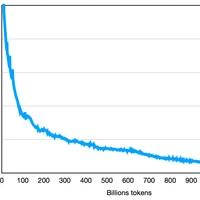

E.T. Bench: Towards Open-Ended Event-Level Video-Language Understanding
Recent advances in Video Large Language Models (Video-LLMs) have demonstrated their great potential in general-purpose video understanding. To verify the significance of these models, a number of benchmarks have been proposed to diagnose their capabilities in different scenarios. However, existing benchmarks merely evaluate models through video-level question-answering, lacking fine-grained event-level assessment and task diversity. To fill this gap, we introduce E.T. Bench (Event-Level & Time-Sensitive Video Understanding Benchmark), a large-scale and high-quality benchmark for open-ended event-level video understanding. Categorized within a 3-level task taxonomy, E.T. Bench encompasses 7.3K samples under 12 tasks with 7K videos (251.4h total length) under 8 domains, providing comprehensive evaluations. We extensively evaluated 8 Image-LLMs and 12 Video-LLMs on our benchmark, and the results reveal that state-of-the-art models for coarse-level (video-level) understanding struggle to solve our fine-grained tasks, e.g., grounding event-of-interests within videos, largely due to the short video context length, improper time representations, and lack of multi-event training data. Focusing on these issues, we further propose a strong baseline model, E.T. Chat, together with an instruction-tuning dataset E.T. Instruct 164K tailored for fine-grained event-level understanding. Our simple but effective solution demonstrates superior performance in multiple scenarios.



TS-LLaVA: Constructing Visual Tokens through Thumbnail-and-Sampling for Training-Free Video Large Language Models
Recent advances in multimodal Large Language Models (LLMs) have shown great success in understanding multi-modal contents. For video understanding tasks, training-based video LLMs are difficult to build due to the scarcity of high-quality, curated video-text paired data. In contrast, paired image-text data are much easier to obtain, and there is substantial similarity between images and videos. Consequently, extending image LLMs for video understanding tasks presents an appealing alternative. Developing effective strategies for compressing visual tokens from multiple frames is a promising way to leverage the powerful pre-trained image LLM. In this work, we explore the limitations of the existing compression strategies for building a training-free video LLM. The findings lead to our method TS-LLaVA, which constructs visual tokens through a Thumbnail-and-Sampling strategy. Given a video, we select few equidistant frames from all input frames to construct a Thumbnail image as a detailed visual cue, complemented by Sampled visual tokens from all input frames. Our method establishes the new state-of-the-art performance among training-free video LLMs on various benchmarks. Notably, our 34B model outperforms GPT-4V on the MVBench benchmark, and achieves performance comparable to the 72B training-based video LLM, Video-LLaMA2, on the challenging MLVU benchmark. Code is available at https://github.com/tingyu215/TS-LLaVA.

VidGen-1M: A Large-Scale Dataset for Text-to-video Generation
The quality of video-text pairs fundamentally determines the upper bound of text-to-video models. Currently, the datasets used for training these models suffer from significant shortcomings, including low temporal consistency, poor-quality captions, substandard video quality, and imbalanced data distribution. The prevailing video curation process, which depends on image models for tagging and manual rule-based curation, leads to a high computational load and leaves behind unclean data. As a result, there is a lack of appropriate training datasets for text-to-video models. To address this problem, we present VidGen-1M, a superior training dataset for text-to-video models. Produced through a coarse-to-fine curation strategy, this dataset guarantees high-quality videos and detailed captions with excellent temporal consistency. When used to train the video generation model, this dataset has led to experimental results that surpass those obtained with other models.

VideoXum: Cross-modal Visual and Textural Summarization of Videos
Video summarization aims to distill the most important information from a source video to produce either an abridged clip or a textual narrative. Traditionally, different methods have been proposed depending on whether the output is a video or text, thus ignoring the correlation between the two semantically related tasks of visual summarization and textual summarization. We propose a new joint video and text summarization task. The goal is to generate both a shortened video clip along with the corresponding textual summary from a long video, collectively referred to as a cross-modal summary. The generated shortened video clip and text narratives should be semantically well aligned. To this end, we first build a large-scale human-annotated dataset -- VideoXum (X refers to different modalities). The dataset is reannotated based on ActivityNet. After we filter out the videos that do not meet the length requirements, 14,001 long videos remain in our new dataset. Each video in our reannotated dataset has human-annotated video summaries and the corresponding narrative summaries. We then design a novel end-to-end model -- VTSUM-BILP to address the challenges of our proposed task. Moreover, we propose a new metric called VT-CLIPScore to help evaluate the semantic consistency of cross-modality summary. The proposed model achieves promising performance on this new task and establishes a benchmark for future research.

Recurrent Attention-based Token Selection for Efficient Streaming Video-LLMs
Video Large Language Models (Video-LLMs) excel at understanding videos in-context, provided they have full access to the video when answering queries. However, these models face challenges in streaming scenarios where hour-long videos must be processed online, and questions need timely responses. In this work, we propose a training-free approach compatible with standard Video-LLMs, leveraging three key concepts: 1) LLM-informed selection of visual tokens to identify those that the LLM has attended to and contributed to its understanding of each short clip. Our attention-based selection allows us to discard up to ~95% of unimportant visual tokens with minimal performance loss; 2) Recurrent processing of past selected tokens to generate temporally coherent understanding of each processed clip; 3) Caption-based question answering for lightweight and accurate responses. Our method achieves state-of-the-art performance on streaming video benchmarks, striking a balance between efficiency and effectiveness.
M^3AV: A Multimodal, Multigenre, and Multipurpose Audio-Visual Academic Lecture Dataset
Publishing open-source academic video recordings is an emergent and prevalent approach to sharing knowledge online. Such videos carry rich multimodal information including speech, the facial and body movements of the speakers, as well as the texts and pictures in the slides and possibly even the papers. Although multiple academic video datasets have been constructed and released, few of them support both multimodal content recognition and understanding tasks, which is partially due to the lack of high-quality human annotations. In this paper, we propose a novel multimodal, multigenre, and multipurpose audio-visual academic lecture dataset (M^3AV), which has almost 367 hours of videos from five sources covering computer science, mathematics, and medical and biology topics. With high-quality human annotations of the spoken and written words, in particular high-valued name entities, the dataset can be used for multiple audio-visual recognition and understanding tasks. Evaluations performed on contextual speech recognition, speech synthesis, and slide and script generation tasks demonstrate that the diversity of M^3AV makes it a challenging dataset.
Koala-36M: A Large-scale Video Dataset Improving Consistency between Fine-grained Conditions and Video Content
As visual generation technologies continue to advance, the scale of video datasets has expanded rapidly, and the quality of these datasets is critical to the performance of video generation models. We argue that temporal splitting, detailed captions, and video quality filtering are three key factors that determine dataset quality. However, existing datasets exhibit various limitations in these areas. To address these challenges, we introduce Koala-36M, a large-scale, high-quality video dataset featuring accurate temporal splitting, detailed captions, and superior video quality. The core of our approach lies in improving the consistency between fine-grained conditions and video content. Specifically, we employ a linear classifier on probability distributions to enhance the accuracy of transition detection, ensuring better temporal consistency. We then provide structured captions for the splitted videos, with an average length of 200 words, to improve text-video alignment. Additionally, we develop a Video Training Suitability Score (VTSS) that integrates multiple sub-metrics, allowing us to filter high-quality videos from the original corpus. Finally, we incorporate several metrics into the training process of the generation model, further refining the fine-grained conditions. Our experiments demonstrate the effectiveness of our data processing pipeline and the quality of the proposed Koala-36M dataset. Our dataset and code will be released at https://koala36m.github.io/.
video-SALMONN 2: Captioning-Enhanced Audio-Visual Large Language Models
Videos contain a wealth of information, and generating detailed and accurate descriptions in natural language is a key aspect of video understanding. In this paper, we present video-SALMONN 2, an advanced audio-visual large language model (LLM) with low-rank adaptation (LoRA) designed for enhanced video (with paired audio) captioning through directed preference optimisation (DPO). We propose new metrics to evaluate the completeness and accuracy of video descriptions, which are optimised using DPO. To further improve training, we propose a novel multi-round DPO (MrDPO) approach, which involves periodically updating the DPO reference model, merging and re-initialising the LoRA module as a proxy for parameter updates after each training round (1,000 steps), and incorporating guidance from ground-truth video captions to stabilise the process. Experimental results show that MrDPO significantly enhances video-SALMONN 2's captioning accuracy, reducing the captioning error rates by 28\%. The final video-SALMONN 2 model, with just 7 billion parameters, surpasses leading models such as GPT-4o and Gemini-1.5-Pro in video captioning tasks, while maintaining highly competitive performance to the state-of-the-art on widely used video question-answering benchmarks among models of similar size. Codes are available at https://github.com/bytedance/video-SALMONN-2{https://github.com/bytedance/video-SALMONN-2}.


AdaCM^2: On Understanding Extremely Long-Term Video with Adaptive Cross-Modality Memory Reduction
The advancements in large language models (LLMs) have propelled the improvement of video understanding tasks by incorporating LLMs with visual models. However, most existing LLM-based models (e.g., VideoLLaMA, VideoChat) are constrained to processing short-duration videos. Recent attempts to understand long-term videos by extracting and compressing visual features into a fixed memory size. Nevertheless, those methods leverage only visual modality to merge video tokens and overlook the correlation between visual and textual queries, leading to difficulties in effectively handling complex question-answering tasks. To address the challenges of long videos and complex prompts, we propose AdaCM^2, which, for the first time, introduces an adaptive cross-modality memory reduction approach to video-text alignment in an auto-regressive manner on video streams. Our extensive experiments on various video understanding tasks, such as video captioning, video question answering, and video classification, demonstrate that AdaCM^2 achieves state-of-the-art performance across multiple datasets while significantly reducing memory usage. Notably, it achieves a 4.5% improvement across multiple tasks in the LVU dataset with a GPU memory consumption reduction of up to 65%.
HD-EPIC: A Highly-Detailed Egocentric Video Dataset
We present a validation dataset of newly-collected kitchen-based egocentric videos, manually annotated with highly detailed and interconnected ground-truth labels covering: recipe steps, fine-grained actions, ingredients with nutritional values, moving objects, and audio annotations. Importantly, all annotations are grounded in 3D through digital twinning of the scene, fixtures, object locations, and primed with gaze. Footage is collected from unscripted recordings in diverse home environments, making HDEPIC the first dataset collected in-the-wild but with detailed annotations matching those in controlled lab environments. We show the potential of our highly-detailed annotations through a challenging VQA benchmark of 26K questions assessing the capability to recognise recipes, ingredients, nutrition, fine-grained actions, 3D perception, object motion, and gaze direction. The powerful long-context Gemini Pro only achieves 38.5% on this benchmark, showcasing its difficulty and highlighting shortcomings in current VLMs. We additionally assess action recognition, sound recognition, and long-term video-object segmentation on HD-EPIC. HD-EPIC is 41 hours of video in 9 kitchens with digital twins of 413 kitchen fixtures, capturing 69 recipes, 59K fine-grained actions, 51K audio events, 20K object movements and 37K object masks lifted to 3D. On average, we have 263 annotations per minute of our unscripted videos.
Video ReCap: Recursive Captioning of Hour-Long Videos
Most video captioning models are designed to process short video clips of few seconds and output text describing low-level visual concepts (e.g., objects, scenes, atomic actions). However, most real-world videos last for minutes or hours and have a complex hierarchical structure spanning different temporal granularities. We propose Video ReCap, a recursive video captioning model that can process video inputs of dramatically different lengths (from 1 second to 2 hours) and output video captions at multiple hierarchy levels. The recursive video-language architecture exploits the synergy between different video hierarchies and can process hour-long videos efficiently. We utilize a curriculum learning training scheme to learn the hierarchical structure of videos, starting from clip-level captions describing atomic actions, then focusing on segment-level descriptions, and concluding with generating summaries for hour-long videos. Furthermore, we introduce Ego4D-HCap dataset by augmenting Ego4D with 8,267 manually collected long-range video summaries. Our recursive model can flexibly generate captions at different hierarchy levels while also being useful for other complex video understanding tasks, such as VideoQA on EgoSchema. Data, code, and models are available at: https://sites.google.com/view/vidrecap


Hollywood in Homes: Crowdsourcing Data Collection for Activity Understanding
Computer vision has a great potential to help our daily lives by searching for lost keys, watering flowers or reminding us to take a pill. To succeed with such tasks, computer vision methods need to be trained from real and diverse examples of our daily dynamic scenes. While most of such scenes are not particularly exciting, they typically do not appear on YouTube, in movies or TV broadcasts. So how do we collect sufficiently many diverse but boring samples representing our lives? We propose a novel Hollywood in Homes approach to collect such data. Instead of shooting videos in the lab, we ensure diversity by distributing and crowdsourcing the whole process of video creation from script writing to video recording and annotation. Following this procedure we collect a new dataset, Charades, with hundreds of people recording videos in their own homes, acting out casual everyday activities. The dataset is composed of 9,848 annotated videos with an average length of 30 seconds, showing activities of 267 people from three continents. Each video is annotated by multiple free-text descriptions, action labels, action intervals and classes of interacted objects. In total, Charades provides 27,847 video descriptions, 66,500 temporally localized intervals for 157 action classes and 41,104 labels for 46 object classes. Using this rich data, we evaluate and provide baseline results for several tasks including action recognition and automatic description generation. We believe that the realism, diversity, and casual nature of this dataset will present unique challenges and new opportunities for computer vision community.
HowTo100M: Learning a Text-Video Embedding by Watching Hundred Million Narrated Video Clips
Learning text-video embeddings usually requires a dataset of video clips with manually provided captions. However, such datasets are expensive and time consuming to create and therefore difficult to obtain on a large scale. In this work, we propose instead to learn such embeddings from video data with readily available natural language annotations in the form of automatically transcribed narrations. The contributions of this work are three-fold. First, we introduce HowTo100M: a large-scale dataset of 136 million video clips sourced from 1.22M narrated instructional web videos depicting humans performing and describing over 23k different visual tasks. Our data collection procedure is fast, scalable and does not require any additional manual annotation. Second, we demonstrate that a text-video embedding trained on this data leads to state-of-the-art results for text-to-video retrieval and action localization on instructional video datasets such as YouCook2 or CrossTask. Finally, we show that this embedding transfers well to other domains: fine-tuning on generic Youtube videos (MSR-VTT dataset) and movies (LSMDC dataset) outperforms models trained on these datasets alone. Our dataset, code and models will be publicly available at: www.di.ens.fr/willow/research/howto100m/.
VATEX: A Large-Scale, High-Quality Multilingual Dataset for Video-and-Language Research
We present a new large-scale multilingual video description dataset, VATEX, which contains over 41,250 videos and 825,000 captions in both English and Chinese. Among the captions, there are over 206,000 English-Chinese parallel translation pairs. Compared to the widely-used MSR-VTT dataset, VATEX is multilingual, larger, linguistically complex, and more diverse in terms of both video and natural language descriptions. We also introduce two tasks for video-and-language research based on VATEX: (1) Multilingual Video Captioning, aimed at describing a video in various languages with a compact unified captioning model, and (2) Video-guided Machine Translation, to translate a source language description into the target language using the video information as additional spatiotemporal context. Extensive experiments on the VATEX dataset show that, first, the unified multilingual model can not only produce both English and Chinese descriptions for a video more efficiently, but also offer improved performance over the monolingual models. Furthermore, we demonstrate that the spatiotemporal video context can be effectively utilized to align source and target languages and thus assist machine translation. In the end, we discuss the potentials of using VATEX for other video-and-language research.

X-Pool: Cross-Modal Language-Video Attention for Text-Video Retrieval
In text-video retrieval, the objective is to learn a cross-modal similarity function between a text and a video that ranks relevant text-video pairs higher than irrelevant pairs. However, videos inherently express a much wider gamut of information than texts. Instead, texts often capture sub-regions of entire videos and are most semantically similar to certain frames within videos. Therefore, for a given text, a retrieval model should focus on the text's most semantically similar video sub-regions to make a more relevant comparison. Yet, most existing works aggregate entire videos without directly considering text. Common text-agnostic aggregations schemes include mean-pooling or self-attention over the frames, but these are likely to encode misleading visual information not described in the given text. To address this, we propose a cross-modal attention model called X-Pool that reasons between a text and the frames of a video. Our core mechanism is a scaled dot product attention for a text to attend to its most semantically similar frames. We then generate an aggregated video representation conditioned on the text's attention weights over the frames. We evaluate our method on three benchmark datasets of MSR-VTT, MSVD and LSMDC, achieving new state-of-the-art results by up to 12% in relative improvement in Recall@1. Our findings thereby highlight the importance of joint text-video reasoning to extract important visual cues according to text. Full code and demo can be found at: https://layer6ai-labs.github.io/xpool/

LLM4VG: Large Language Models Evaluation for Video Grounding
Recently, researchers have attempted to investigate the capability of LLMs in handling videos and proposed several video LLM models. However, the ability of LLMs to handle video grounding (VG), which is an important time-related video task requiring the model to precisely locate the start and end timestamps of temporal moments in videos that match the given textual queries, still remains unclear and unexplored in literature. To fill the gap, in this paper, we propose the LLM4VG benchmark, which systematically evaluates the performance of different LLMs on video grounding tasks. Based on our proposed LLM4VG, we design extensive experiments to examine two groups of video LLM models on video grounding: (i) the video LLMs trained on the text-video pairs (denoted as VidLLM), and (ii) the LLMs combined with pretrained visual description models such as the video/image captioning model. We propose prompt methods to integrate the instruction of VG and description from different kinds of generators, including caption-based generators for direct visual description and VQA-based generators for information enhancement. We also provide comprehensive comparisons of various VidLLMs and explore the influence of different choices of visual models, LLMs, prompt designs, etc, as well. Our experimental evaluations lead to two conclusions: (i) the existing VidLLMs are still far away from achieving satisfactory video grounding performance, and more time-related video tasks should be included to further fine-tune these models, and (ii) the combination of LLMs and visual models shows preliminary abilities for video grounding with considerable potential for improvement by resorting to more reliable models and further guidance of prompt instructions.
TAVGBench: Benchmarking Text to Audible-Video Generation
The Text to Audible-Video Generation (TAVG) task involves generating videos with accompanying audio based on text descriptions. Achieving this requires skillful alignment of both audio and video elements. To support research in this field, we have developed a comprehensive Text to Audible-Video Generation Benchmark (TAVGBench), which contains over 1.7 million clips with a total duration of 11.8 thousand hours. We propose an automatic annotation pipeline to ensure each audible video has detailed descriptions for both its audio and video contents. We also introduce the Audio-Visual Harmoni score (AVHScore) to provide a quantitative measure of the alignment between the generated audio and video modalities. Additionally, we present a baseline model for TAVG called TAVDiffusion, which uses a two-stream latent diffusion model to provide a fundamental starting point for further research in this area. We achieve the alignment of audio and video by employing cross-attention and contrastive learning. Through extensive experiments and evaluations on TAVGBench, we demonstrate the effectiveness of our proposed model under both conventional metrics and our proposed metrics.
NarrLV: Towards a Comprehensive Narrative-Centric Evaluation for Long Video Generation Models
With the rapid development of foundation video generation technologies, long video generation models have exhibited promising research potential thanks to expanded content creation space. Recent studies reveal that the goal of long video generation tasks is not only to extend video duration but also to accurately express richer narrative content within longer videos. However, due to the lack of evaluation benchmarks specifically designed for long video generation models, the current assessment of these models primarily relies on benchmarks with simple narrative prompts (e.g., VBench). To the best of our knowledge, our proposed NarrLV is the first benchmark to comprehensively evaluate the Narrative expression capabilities of Long Video generation models. Inspired by film narrative theory, (i) we first introduce the basic narrative unit maintaining continuous visual presentation in videos as Temporal Narrative Atom (TNA), and use its count to quantitatively measure narrative richness. Guided by three key film narrative elements influencing TNA changes, we construct an automatic prompt generation pipeline capable of producing evaluation prompts with a flexibly expandable number of TNAs. (ii) Then, based on the three progressive levels of narrative content expression, we design an effective evaluation metric using the MLLM-based question generation and answering framework. (iii) Finally, we conduct extensive evaluations on existing long video generation models and the foundation generation models. Experimental results demonstrate that our metric aligns closely with human judgments. The derived evaluation outcomes reveal the detailed capability boundaries of current video generation models in narrative content expression.
Autoregressive Video Generation beyond Next Frames Prediction
Autoregressive models for video generation typically operate frame-by-frame, extending next-token prediction from language to video's temporal dimension. We question that unlike word as token is universally agreed in language if frame is a appropriate prediction unit? To address this, we present VideoAR, a unified framework that supports a spectrum of prediction units including full frames, key-detail frames, multiscale refinements, and spatiotemporal cubes. Among these designs, we find model video generation using spatiotemporal cubes as prediction units, which allows autoregressive models to operate across both spatial and temporal dimensions simultaneously. This approach eliminates the assumption that frames are the natural atomic units for video autoregression. We evaluate VideoAR across diverse prediction strategies, finding that cube-based prediction consistently delivers superior quality, speed, and temporal coherence. By removing the frame-by-frame constraint, our video generator surpasses state-of-the-art baselines on VBench while achieving faster inference and enabling seamless scaling to minute-long sequences. We hope this work will motivate rethinking sequence decomposition in video and other spatiotemporal domains.
Emu Video: Factorizing Text-to-Video Generation by Explicit Image Conditioning
We present Emu Video, a text-to-video generation model that factorizes the generation into two steps: first generating an image conditioned on the text, and then generating a video conditioned on the text and the generated image. We identify critical design decisions--adjusted noise schedules for diffusion, and multi-stage training--that enable us to directly generate high quality and high resolution videos, without requiring a deep cascade of models as in prior work. In human evaluations, our generated videos are strongly preferred in quality compared to all prior work--81% vs. Google's Imagen Video, 90% vs. Nvidia's PYOCO, and 96% vs. Meta's Make-A-Video. Our model outperforms commercial solutions such as RunwayML's Gen2 and Pika Labs. Finally, our factorizing approach naturally lends itself to animating images based on a user's text prompt, where our generations are preferred 96% over prior work.




MiniGPT4-Video: Advancing Multimodal LLMs for Video Understanding with Interleaved Visual-Textual Tokens
This paper introduces MiniGPT4-Video, a multimodal Large Language Model (LLM) designed specifically for video understanding. The model is capable of processing both temporal visual and textual data, making it adept at understanding the complexities of videos. Building upon the success of MiniGPT-v2, which excelled in translating visual features into the LLM space for single images and achieved impressive results on various image-text benchmarks, this paper extends the model's capabilities to process a sequence of frames, enabling it to comprehend videos. MiniGPT4-video does not only consider visual content but also incorporates textual conversations, allowing the model to effectively answer queries involving both visual and text components. The proposed model outperforms existing state-of-the-art methods, registering gains of 4.22%, 1.13%, 20.82%, and 13.1% on the MSVD, MSRVTT, TGIF, and TVQA benchmarks respectively. Our models and code have been made publicly available here https://vision-cair.github.io/MiniGPT4-video/
Prompt Switch: Efficient CLIP Adaptation for Text-Video Retrieval
In text-video retrieval, recent works have benefited from the powerful learning capabilities of pre-trained text-image foundation models (e.g., CLIP) by adapting them to the video domain. A critical problem for them is how to effectively capture the rich semantics inside the video using the image encoder of CLIP. To tackle this, state-of-the-art methods adopt complex cross-modal modeling techniques to fuse the text information into video frame representations, which, however, incurs severe efficiency issues in large-scale retrieval systems as the video representations must be recomputed online for every text query. In this paper, we discard this problematic cross-modal fusion process and aim to learn semantically-enhanced representations purely from the video, so that the video representations can be computed offline and reused for different texts. Concretely, we first introduce a spatial-temporal "Prompt Cube" into the CLIP image encoder and iteratively switch it within the encoder layers to efficiently incorporate the global video semantics into frame representations. We then propose to apply an auxiliary video captioning objective to train the frame representations, which facilitates the learning of detailed video semantics by providing fine-grained guidance in the semantic space. With a naive temporal fusion strategy (i.e., mean-pooling) on the enhanced frame representations, we obtain state-of-the-art performances on three benchmark datasets, i.e., MSR-VTT, MSVD, and LSMDC.
Hierarchical Indexing with Knowledge Enrichment for Multilingual Video Corpus Retrieval
Retrieving relevant instructional videos from multilingual medical archives is crucial for answering complex, multi-hop questions across language boundaries. However, existing systems either compress hour-long videos into coarse embeddings or incur prohibitive costs for fine-grained matching. We tackle the Multilingual Video Corpus Retrieval (mVCR) task in the NLPCC-2025 M4IVQA challenge with a multi-stage framework that integrates multilingual semantics, domain terminology, and efficient long-form processing. Video subtitles are divided into semantically coherent chunks, enriched with concise knowledge-graph (KG) facts, and organized into a hierarchical tree whose node embeddings are generated by a language-agnostic multilingual encoder. At query time, the same encoder embeds the input question; a coarse-to-fine tree search prunes irrelevant branches, and only the top-ranked chunks are re-scored by a lightweight large language model (LLM). This design avoids exhaustive cross-encoder scoring while preserving chunk-level precision. Experiments on the mVCR test set demonstrate state-of-the-art performance, and ablation studies confirm the complementary contributions of KG enrichment, hierarchical indexing, and targeted LLM re-ranking. The proposed method offers an accurate and scalable solution for multilingual retrieval in specialized medical video collections.
Movie Gen: A Cast of Media Foundation Models
We present Movie Gen, a cast of foundation models that generates high-quality, 1080p HD videos with different aspect ratios and synchronized audio. We also show additional capabilities such as precise instruction-based video editing and generation of personalized videos based on a user's image. Our models set a new state-of-the-art on multiple tasks: text-to-video synthesis, video personalization, video editing, video-to-audio generation, and text-to-audio generation. Our largest video generation model is a 30B parameter transformer trained with a maximum context length of 73K video tokens, corresponding to a generated video of 16 seconds at 16 frames-per-second. We show multiple technical innovations and simplifications on the architecture, latent spaces, training objectives and recipes, data curation, evaluation protocols, parallelization techniques, and inference optimizations that allow us to reap the benefits of scaling pre-training data, model size, and training compute for training large scale media generation models. We hope this paper helps the research community to accelerate progress and innovation in media generation models. All videos from this paper are available at https://go.fb.me/MovieGenResearchVideos.





Towards Retrieval Augmented Generation over Large Video Libraries
Video content creators need efficient tools to repurpose content, a task that often requires complex manual or automated searches. Crafting a new video from large video libraries remains a challenge. In this paper we introduce the task of Video Library Question Answering (VLQA) through an interoperable architecture that applies Retrieval Augmented Generation (RAG) to video libraries. We propose a system that uses large language models (LLMs) to generate search queries, retrieving relevant video moments indexed by speech and visual metadata. An answer generation module then integrates user queries with this metadata to produce responses with specific video timestamps. This approach shows promise in multimedia content retrieval, and AI-assisted video content creation.


Meta-Personalizing Vision-Language Models to Find Named Instances in Video
Large-scale vision-language models (VLM) have shown impressive results for language-guided search applications. While these models allow category-level queries, they currently struggle with personalized searches for moments in a video where a specific object instance such as ``My dog Biscuit'' appears. We present the following three contributions to address this problem. First, we describe a method to meta-personalize a pre-trained VLM, i.e., learning how to learn to personalize a VLM at test time to search in video. Our method extends the VLM's token vocabulary by learning novel word embeddings specific to each instance. To capture only instance-specific features, we represent each instance embedding as a combination of shared and learned global category features. Second, we propose to learn such personalization without explicit human supervision. Our approach automatically identifies moments of named visual instances in video using transcripts and vision-language similarity in the VLM's embedding space. Finally, we introduce This-Is-My, a personal video instance retrieval benchmark. We evaluate our approach on This-Is-My and DeepFashion2 and show that we obtain a 15% relative improvement over the state of the art on the latter dataset.

YouTube-8M: A Large-Scale Video Classification Benchmark
Many recent advancements in Computer Vision are attributed to large datasets. Open-source software packages for Machine Learning and inexpensive commodity hardware have reduced the barrier of entry for exploring novel approaches at scale. It is possible to train models over millions of examples within a few days. Although large-scale datasets exist for image understanding, such as ImageNet, there are no comparable size video classification datasets. In this paper, we introduce YouTube-8M, the largest multi-label video classification dataset, composed of ~8 million videos (500K hours of video), annotated with a vocabulary of 4800 visual entities. To get the videos and their labels, we used a YouTube video annotation system, which labels videos with their main topics. While the labels are machine-generated, they have high-precision and are derived from a variety of human-based signals including metadata and query click signals. We filtered the video labels (Knowledge Graph entities) using both automated and manual curation strategies, including asking human raters if the labels are visually recognizable. Then, we decoded each video at one-frame-per-second, and used a Deep CNN pre-trained on ImageNet to extract the hidden representation immediately prior to the classification layer. Finally, we compressed the frame features and make both the features and video-level labels available for download. We trained various (modest) classification models on the dataset, evaluated them using popular evaluation metrics, and report them as baselines. Despite the size of the dataset, some of our models train to convergence in less than a day on a single machine using TensorFlow. We plan to release code for training a TensorFlow model and for computing metrics.
LiViBench: An Omnimodal Benchmark for Interactive Livestream Video Understanding
The development of multimodal large language models (MLLMs) has advanced general video understanding. However, existing video evaluation benchmarks primarily focus on non-interactive videos, such as movies and recordings. To fill this gap, this paper proposes the first omnimodal benchmark for interactive livestream videos, LiViBench. It features a diverse set of 24 tasks, highlighting the perceptual, reasoning, and livestream-specific challenges. To efficiently construct the dataset, we design a standardized semi-automatic annotation workflow that incorporates the human-in-the-loop at multiple stages. The workflow leverages multiple MLLMs to form a multi-agent system for comprehensive video description and uses a seed-question-driven method to construct high-quality annotations. All interactive videos in the benchmark include audio, speech, and real-time comments modalities. To enhance models' understanding of interactive videos, we design tailored two-stage instruction-tuning and propose a Video-to-Comment Retrieval (VCR) module to improve the model's ability to utilize real-time comments. Based on these advancements, we develop LiVi-LLM-7B, an MLLM with enhanced knowledge of interactive livestreams. Experiments show that our model outperforms larger open-source models with up to 72B parameters, narrows the gap with leading proprietary models on LiViBench, and achieves enhanced performance on general video benchmarks, including VideoMME, LongVideoBench, MLVU, and VideoEval-Pro.
Next Block Prediction: Video Generation via Semi-Autoregressive Modeling
Next-Token Prediction (NTP) is a de facto approach for autoregressive (AR) video generation, but it suffers from suboptimal unidirectional dependencies and slow inference speed. In this work, we propose a semi-autoregressive (semi-AR) framework, called Next-Block Prediction (NBP), for video generation. By uniformly decomposing video content into equal-sized blocks (e.g., rows or frames), we shift the generation unit from individual tokens to blocks, allowing each token in the current block to simultaneously predict the corresponding token in the next block. Unlike traditional AR modeling, our framework employs bidirectional attention within each block, enabling tokens to capture more robust spatial dependencies. By predicting multiple tokens in parallel, NBP models significantly reduce the number of generation steps, leading to faster and more efficient inference. Our model achieves FVD scores of 103.3 on UCF101 and 25.5 on K600, outperforming the vanilla NTP model by an average of 4.4. Furthermore, thanks to the reduced number of inference steps, the NBP model generates 8.89 frames (128x128 resolution) per second, achieving an 11x speedup. We also explored model scales ranging from 700M to 3B parameters, observing significant improvements in generation quality, with FVD scores dropping from 103.3 to 55.3 on UCF101 and from 25.5 to 19.5 on K600, demonstrating the scalability of our approach.

Droplet3D: Commonsense Priors from Videos Facilitate 3D Generation
Scaling laws have validated the success and promise of large-data-trained models in creative generation across text, image, and video domains. However, this paradigm faces data scarcity in the 3D domain, as there is far less of it available on the internet compared to the aforementioned modalities. Fortunately, there exist adequate videos that inherently contain commonsense priors, offering an alternative supervisory signal to mitigate the generalization bottleneck caused by limited native 3D data. On the one hand, videos capturing multiple views of an object or scene provide a spatial consistency prior for 3D generation. On the other hand, the rich semantic information contained within the videos enables the generated content to be more faithful to the text prompts and semantically plausible. This paper explores how to apply the video modality in 3D asset generation, spanning datasets to models. We introduce Droplet3D-4M, the first large-scale video dataset with multi-view level annotations, and train Droplet3D, a generative model supporting both image and dense text input. Extensive experiments validate the effectiveness of our approach, demonstrating its ability to produce spatially consistent and semantically plausible content. Moreover, in contrast to the prevailing 3D solutions, our approach exhibits the potential for extension to scene-level applications. This indicates that the commonsense priors from the videos significantly facilitate 3D creation. We have open-sourced all resources including the dataset, code, technical framework, and model weights: https://dropletx.github.io/.

LVD-2M: A Long-take Video Dataset with Temporally Dense Captions
The efficacy of video generation models heavily depends on the quality of their training datasets. Most previous video generation models are trained on short video clips, while recently there has been increasing interest in training long video generation models directly on longer videos. However, the lack of such high-quality long videos impedes the advancement of long video generation. To promote research in long video generation, we desire a new dataset with four key features essential for training long video generation models: (1) long videos covering at least 10 seconds, (2) long-take videos without cuts, (3) large motion and diverse contents, and (4) temporally dense captions. To achieve this, we introduce a new pipeline for selecting high-quality long-take videos and generating temporally dense captions. Specifically, we define a set of metrics to quantitatively assess video quality including scene cuts, dynamic degrees, and semantic-level quality, enabling us to filter high-quality long-take videos from a large amount of source videos. Subsequently, we develop a hierarchical video captioning pipeline to annotate long videos with temporally-dense captions. With this pipeline, we curate the first long-take video dataset, LVD-2M, comprising 2 million long-take videos, each covering more than 10 seconds and annotated with temporally dense captions. We further validate the effectiveness of LVD-2M by fine-tuning video generation models to generate long videos with dynamic motions. We believe our work will significantly contribute to future research in long video generation.



Seeing More, Saying More: Lightweight Language Experts are Dynamic Video Token Compressors
Recent advancements in large video-language models have revolutionized video understanding tasks. However, their efficiency is significantly constrained by processing high volumes of visual tokens. Existing token compression strategies apply a fixed compression ratio, ignoring the variability in semantic density among different video clips. Consequently, this lead to inadequate representation of information-rich clips due to insufficient tokens and unnecessary computation on static or content-poor ones. To address this, we propose LangDC, a Language-aware Dynamic Token Compressor. LangDC leverages a lightweight language model to describe video clips, converting them into soft caption tokens as visual representations. Trained with our proposed semantic density-aware supervision, LangDC aims to 1) cover key visual cues necessary for downstream task reasoning and 2) dynamically adjust compression ratios based on scene richness, reflected by descriptions length. Our design mimics how humans dynamically express what they see: complex scenes (seeing more) elicit more detailed language to convey nuances (saying more), whereas simpler scenes are described with fewer words. Experimental results show that our method reduces FLOPs by 49% compared to VideoGPT+ while maintaining competitive performance. Furthermore, qualitative results demonstrate our approach adaptively adjusts the token compression ratio based on video segment richness.

Induce, Edit, Retrieve: Language Grounded Multimodal Schema for Instructional Video Retrieval
Schemata are structured representations of complex tasks that can aid artificial intelligence by allowing models to break down complex tasks into intermediate steps. We propose a novel system that induces schemata from web videos and generalizes them to capture unseen tasks with the goal of improving video retrieval performance. Our system proceeds in three major phases: (1) Given a task with related videos, we construct an initial schema for a task using a joint video-text model to match video segments with text representing steps from wikiHow; (2) We generalize schemata to unseen tasks by leveraging language models to edit the text within existing schemata. Through generalization, we can allow our schemata to cover a more extensive range of tasks with a small amount of learning data; (3) We conduct zero-shot instructional video retrieval with the unseen task names as the queries. Our schema-guided approach outperforms existing methods for video retrieval, and we demonstrate that the schemata induced by our system are better than those generated by other models.

MATRIX: Mask Track Alignment for Interaction-aware Video Generation
Video DiTs have advanced video generation, yet they still struggle to model multi-instance or subject-object interactions. This raises a key question: How do these models internally represent interactions? To answer this, we curate MATRIX-11K, a video dataset with interaction-aware captions and multi-instance mask tracks. Using this dataset, we conduct a systematic analysis that formalizes two perspectives of video DiTs: semantic grounding, via video-to-text attention, which evaluates whether noun and verb tokens capture instances and their relations; and semantic propagation, via video-to-video attention, which assesses whether instance bindings persist across frames. We find both effects concentrate in a small subset of interaction-dominant layers. Motivated by this, we introduce MATRIX, a simple and effective regularization that aligns attention in specific layers of video DiTs with multi-instance mask tracks from the MATRIX-11K dataset, enhancing both grounding and propagation. We further propose InterGenEval, an evaluation protocol for interaction-aware video generation. In experiments, MATRIX improves both interaction fidelity and semantic alignment while reducing drift and hallucination. Extensive ablations validate our design choices. Codes and weights will be released.


UGC-VideoCaptioner: An Omni UGC Video Detail Caption Model and New Benchmarks
Real-world user-generated videos, especially on platforms like TikTok, often feature rich and intertwined audio visual content. However, existing video captioning benchmarks and models remain predominantly visual centric, overlooking the crucial role of audio in conveying scene dynamics, speaker intent, and narrative context. This lack of omni datasets and lightweight, capable models hampers progress in fine grained, multimodal video understanding. To address these challenges, we introduce UGC-VideoCap, a new benchmark and model framework specifically designed for detailed omnimodal captioning of short form user-generated videos. Unlike prior datasets, UGC-VideoCap emphasizes balanced integration of audio and visual modalities, featuring 1000 TikTok videos annotated through a structured three stage human-in-the-loop pipeline covering audio only, visual only, and joint audio visual semantics. The benchmark also includes 4000 carefully crafted QA pairs probing both unimodal and cross modal understanding. Alongside the dataset, we propose UGC-VideoCaptioner(3B), a 3B parameter captioning model distilled from Gemini 2.5 Flash. Using a novel two-stage training strategy supervised fine tuning followed by Group Relative Policy Optimization (GRPO), our approach enables efficient adaptation from limited data while maintaining competitive performance. Together, our benchmark and model offer a high-quality foundation and a data-efficient solution for advancing omnimodal video captioning in unconstrained real-world UGC settings.

Learning Audio-Video Modalities from Image Captions
A major challenge in text-video and text-audio retrieval is the lack of large-scale training data. This is unlike image-captioning, where datasets are in the order of millions of samples. To close this gap we propose a new video mining pipeline which involves transferring captions from image captioning datasets to video clips with no additional manual effort. Using this pipeline, we create a new large-scale, weakly labelled audio-video captioning dataset consisting of millions of paired clips and captions. We show that training a multimodal transformed based model on this data achieves competitive performance on video retrieval and video captioning, matching or even outperforming HowTo100M pretraining with 20x fewer clips. We also show that our mined clips are suitable for text-audio pretraining, and achieve state of the art results for the task of audio retrieval.
ActionHub: A Large-scale Action Video Description Dataset for Zero-shot Action Recognition
Zero-shot action recognition (ZSAR) aims to learn an alignment model between videos and class descriptions of seen actions that is transferable to unseen actions. The text queries (class descriptions) used in existing ZSAR works, however, are often short action names that fail to capture the rich semantics in the videos, leading to misalignment. With the intuition that video content descriptions (e.g., video captions) can provide rich contextual information of visual concepts in videos, we propose to utilize human annotated video descriptions to enrich the semantics of the class descriptions of each action. However, all existing action video description datasets are limited in terms of the number of actions, the semantics of video descriptions, etc. To this end, we collect a large-scale action video descriptions dataset named ActionHub, which covers a total of 1,211 common actions and provides 3.6 million action video descriptions. With the proposed ActionHub dataset, we further propose a novel Cross-modality and Cross-action Modeling (CoCo) framework for ZSAR, which consists of a Dual Cross-modality Alignment module and a Cross-action Invariance Mining module. Specifically, the Dual Cross-modality Alignment module utilizes both action labels and video descriptions from ActionHub to obtain rich class semantic features for feature alignment. The Cross-action Invariance Mining module exploits a cycle-reconstruction process between the class semantic feature spaces of seen actions and unseen actions, aiming to guide the model to learn cross-action invariant representations. Extensive experimental results demonstrate that our CoCo framework significantly outperforms the state-of-the-art on three popular ZSAR benchmarks (i.e., Kinetics-ZSAR, UCF101 and HMDB51) under two different learning protocols in ZSAR. We will release our code, models, and the proposed ActionHub dataset.
WorldMM: Dynamic Multimodal Memory Agent for Long Video Reasoning
Recent advances in video large language models have demonstrated strong capabilities in understanding short clips. However, scaling them to hours- or days-long videos remains highly challenging due to limited context capacity and the loss of critical visual details during abstraction. Existing memory-augmented methods mitigate this by leveraging textual summaries of video segments, yet they heavily rely on text and fail to utilize visual evidence when reasoning over complex scenes. Moreover, retrieving from fixed temporal scales further limits their flexibility in capturing events that span variable durations. To address this, we introduce WorldMM, a novel multimodal memory agent that constructs and retrieves from multiple complementary memories, encompassing both textual and visual representations. WorldMM comprises three types of memory: episodic memory indexes factual events across multiple temporal scales, semantic memory continuously updates high-level conceptual knowledge, and visual memory preserves detailed information about scenes. During inference, an adaptive retrieval agent iteratively selects the most relevant memory source and leverages multiple temporal granularities based on the query, continuing until it determines that sufficient information has been gathered. WorldMM significantly outperforms existing baselines across five long video question-answering benchmarks, achieving an average 8.4% performance gain over previous state-of-the-art methods, showing its effectiveness on long video reasoning.

InteractiveVideo: User-Centric Controllable Video Generation with Synergistic Multimodal Instructions
We introduce InteractiveVideo, a user-centric framework for video generation. Different from traditional generative approaches that operate based on user-provided images or text, our framework is designed for dynamic interaction, allowing users to instruct the generative model through various intuitive mechanisms during the whole generation process, e.g. text and image prompts, painting, drag-and-drop, etc. We propose a Synergistic Multimodal Instruction mechanism, designed to seamlessly integrate users' multimodal instructions into generative models, thus facilitating a cooperative and responsive interaction between user inputs and the generative process. This approach enables iterative and fine-grained refinement of the generation result through precise and effective user instructions. With InteractiveVideo, users are given the flexibility to meticulously tailor key aspects of a video. They can paint the reference image, edit semantics, and adjust video motions until their requirements are fully met. Code, models, and demo are available at https://github.com/invictus717/InteractiveVideo

ViMix-14M: A Curated Multi-Source Video-Text Dataset with Long-Form, High-Quality Captions and Crawl-Free Access
Text-to-video generation has surged in interest since Sora, yet open-source models still face a data bottleneck: there is no large, high-quality, easily obtainable video-text corpus. Existing public datasets typically require manual YouTube crawling, which yields low usable volume due to link rot and access limits, and raises licensing uncertainty. This work addresses this challenge by introducing ViMix-14M, a curated multi-source video-text dataset of around 14 million pairs that provides crawl-free, download-ready access and long-form, high-quality captions tightly aligned to video. ViMix-14M is built by merging diverse open video sources, followed by unified de-duplication and quality filtering, and a multi-granularity, ground-truth-guided re-captioning pipeline that refines descriptions to better match actions, scenes, and temporal structure. We evaluate the dataset by multimodal retrieval, text-to-video generation, and video question answering tasks, observing consistent improvements over counterpart datasets. We hope this work can help removing the key barrier to training and fine-tuning open-source video foundation models, and provide insights of building high-quality and generalizable video-text datasets.
Mining for meaning: from vision to language through multiple networks consensus
Describing visual data into natural language is a very challenging task, at the intersection of computer vision, natural language processing and machine learning. Language goes well beyond the description of physical objects and their interactions and can convey the same abstract idea in many ways. It is both about content at the highest semantic level as well as about fluent form. Here we propose an approach to describe videos in natural language by reaching a consensus among multiple encoder-decoder networks. Finding such a consensual linguistic description, which shares common properties with a larger group, has a better chance to convey the correct meaning. We propose and train several network architectures and use different types of image, audio and video features. Each model produces its own description of the input video and the best one is chosen through an efficient, two-phase consensus process. We demonstrate the strength of our approach by obtaining state of the art results on the challenging MSR-VTT dataset.

VideoScan: Enabling Efficient Streaming Video Understanding via Frame-level Semantic Carriers
This paper introduces VideoScan, an efficient vision-language model (VLM) inference framework designed for real-time video interaction that effectively comprehends and retains streamed video inputs while delivering rapid and accurate responses. A longstanding challenge in video understanding--particularly for long-term or real-time applications--stems from the substantial computational overhead caused by the extensive length of visual tokens. To address this, VideoScan employs a single semantic carrier token to represent each frame, progressively reducing computational and memory overhead during its two-phase inference process: prefilling and decoding. The embedding of the semantic carrier token is derived from an optimized aggregation of frame-level visual features, ensuring compact yet semantically rich representations. Critically, the corresponding key-value pairs are trained to retain contextual semantics from prior frames, enabling efficient memory management without sacrificing temporal coherence. During inference, the visual tokens of each frame are processed only once during the prefilling phase and subsequently discarded in the decoding stage, eliminating redundant computations. This design ensures efficient VLM inference even under stringent real-time constraints. Comprehensive experiments on diverse offline and online benchmarks demonstrate that LLaVA-Video, supported by our method, achieves up to sim 5times and 1.29times speedups compared to its original version and previous efficient streaming video understanding approaches, respectively. Crucially, these improvements are attained while maintaining competitive performance and ensuring stable GPU memory consumption (consistently sim 18GB, independent of video duration).
VidChain: Chain-of-Tasks with Metric-based Direct Preference Optimization for Dense Video Captioning
Despite the advancements of Video Large Language Models (VideoLLMs) in various tasks, they struggle with fine-grained temporal understanding, such as Dense Video Captioning (DVC). DVC is a complicated task of describing all events within a video while also temporally localizing them, which integrates multiple fine-grained tasks, including video segmentation, video captioning, and temporal video grounding. Previous VideoLLMs attempt to solve DVC in a single step, failing to utilize their reasoning capability. Moreover, previous training objectives for VideoLLMs do not fully reflect the evaluation metrics, therefore not providing supervision directly aligned to target tasks. To address such a problem, we propose a novel framework named VidChain comprised of Chain-of-Tasks (CoTasks) and Metric-based Direct Preference Optimization (M-DPO). CoTasks decompose a complex task into a sequence of sub-tasks, allowing VideoLLMs to leverage their reasoning capabilities more effectively. M-DPO aligns a VideoLLM with evaluation metrics, providing fine-grained supervision to each task that is well-aligned with metrics. Applied to two different VideoLLMs, VidChain consistently improves their fine-grained video understanding, thereby outperforming previous VideoLLMs on two different DVC benchmarks and also on the temporal video grounding task. Code is available at https://github.com/mlvlab/VidChain.
ZS4IE: A toolkit for Zero-Shot Information Extraction with simple Verbalizations
The current workflow for Information Extraction (IE) analysts involves the definition of the entities/relations of interest and a training corpus with annotated examples. In this demonstration we introduce a new workflow where the analyst directly verbalizes the entities/relations, which are then used by a Textual Entailment model to perform zero-shot IE. We present the design and implementation of a toolkit with a user interface, as well as experiments on four IE tasks that show that the system achieves very good performance at zero-shot learning using only 5--15 minutes per type of a user's effort. Our demonstration system is open-sourced at https://github.com/BBN-E/ZS4IE . A demonstration video is available at https://vimeo.com/676138340 .


Allegro: Open the Black Box of Commercial-Level Video Generation Model
Significant advancements have been made in the field of video generation, with the open-source community contributing a wealth of research papers and tools for training high-quality models. However, despite these efforts, the available information and resources remain insufficient for achieving commercial-level performance. In this report, we open the black box and introduce Allegro, an advanced video generation model that excels in both quality and temporal consistency. We also highlight the current limitations in the field and present a comprehensive methodology for training high-performance, commercial-level video generation models, addressing key aspects such as data, model architecture, training pipeline, and evaluation. Our user study shows that Allegro surpasses existing open-source models and most commercial models, ranking just behind Hailuo and Kling. Code: https://github.com/rhymes-ai/Allegro , Model: https://huggingface.co/rhymes-ai/Allegro , Gallery: https://rhymes.ai/allegro_gallery .
Frozen in Time: A Joint Video and Image Encoder for End-to-End Retrieval
Our objective in this work is video-text retrieval - in particular a joint embedding that enables efficient text-to-video retrieval. The challenges in this area include the design of the visual architecture and the nature of the training data, in that the available large scale video-text training datasets, such as HowTo100M, are noisy and hence competitive performance is achieved only at scale through large amounts of compute. We address both these challenges in this paper. We propose an end-to-end trainable model that is designed to take advantage of both large-scale image and video captioning datasets. Our model is an adaptation and extension of the recent ViT and Timesformer architectures, and consists of attention in both space and time. The model is flexible and can be trained on both image and video text datasets, either independently or in conjunction. It is trained with a curriculum learning schedule that begins by treating images as 'frozen' snapshots of video, and then gradually learns to attend to increasing temporal context when trained on video datasets. We also provide a new video-text pretraining dataset WebVid-2M, comprised of over two million videos with weak captions scraped from the internet. Despite training on datasets that are an order of magnitude smaller, we show that this approach yields state-of-the-art results on standard downstream video-retrieval benchmarks including MSR-VTT, MSVD, DiDeMo and LSMDC.
2.5 Years in Class: A Multimodal Textbook for Vision-Language Pretraining
Compared to image-text pair data, interleaved corpora enable Vision-Language Models (VLMs) to understand the world more naturally like humans. However, such existing datasets are crawled from webpage, facing challenges like low knowledge density, loose image-text relations, and poor logical coherence between images. On the other hand, the internet hosts vast instructional videos (e.g., online geometry courses) that are widely used by humans to learn foundational subjects, yet these valuable resources remain underexplored in VLM training. In this paper, we introduce a high-quality multimodal textbook corpus with richer foundational knowledge for VLM pretraining. It collects over 2.5 years of instructional videos, totaling 22,000 class hours. We first use an LLM-proposed taxonomy to systematically gather instructional videos. Then we progressively extract and refine visual (keyframes), audio (ASR), and textual knowledge (OCR) from the videos, and organize as an image-text interleaved corpus based on temporal order. Compared to its counterparts, our video-centric textbook offers more coherent context, richer knowledge, and better image-text alignment. Experiments demonstrate its superb pretraining performance, particularly in knowledge- and reasoning-intensive tasks like ScienceQA and MathVista. Moreover, VLMs pre-trained on our textbook exhibit outstanding interleaved context awareness, leveraging visual and textual cues in their few-shot context for task solving~Our code are available at \url{https://github.com/DAMO-NLP-SG/multimodal_textbook}.



X-CoT: Explainable Text-to-Video Retrieval via LLM-based Chain-of-Thought Reasoning
Prevalent text-to-video retrieval systems mainly adopt embedding models for feature extraction and compute cosine similarities for ranking. However, this design presents two limitations. Low-quality text-video data pairs could compromise the retrieval, yet are hard to identify and examine. Cosine similarity alone provides no explanation for the ranking results, limiting the interpretability. We ask that can we interpret the ranking results, so as to assess the retrieval models and examine the text-video data? This work proposes X-CoT, an explainable retrieval framework upon LLM CoT reasoning in place of the embedding model-based similarity ranking. We first expand the existing benchmarks with additional video annotations to support semantic understanding and reduce data bias. We also devise a retrieval CoT consisting of pairwise comparison steps, yielding detailed reasoning and complete ranking. X-CoT empirically improves the retrieval performance and produces detailed rationales. It also facilitates the model behavior and data quality analysis. Code and data are available at: https://github.com/PrasannaPulakurthi/X-CoT.

MR. Video: "MapReduce" is the Principle for Long Video Understanding
We propose MR. Video, an agentic long video understanding framework that demonstrates the simple yet effective MapReduce principle for processing long videos: (1) Map: independently and densely perceiving short video clips, and (2) Reduce: jointly aggregating information from all clips. Compared with sequence-to-sequence vision-language models (VLMs), MR. Video performs detailed short video perception without being limited by context length. Compared with existing video agents that typically rely on sequential key segment selection, the Map operation enables simpler and more scalable sequence parallel perception of short video segments. Its Reduce step allows for more comprehensive context aggregation and reasoning, surpassing explicit key segment retrieval. This MapReduce principle is applicable to both VLMs and video agents, and we use LLM agents to validate its effectiveness. In practice, MR. Video employs two MapReduce stages: (A) Captioning: generating captions for short video clips (map), then standardizing repeated characters and objects into shared names (reduce); (B) Analysis: for each user question, analyzing relevant information from individual short videos (map), and integrating them into a final answer (reduce). MR. Video achieves over 10% accuracy improvement on the challenging LVBench compared to state-of-the-art VLMs and video agents. Code is available at: https://github.com/ziqipang/MR-Video

Towards Universal Video MLLMs with Attribute-Structured and Quality-Verified Instructions
Universal video understanding requires modeling fine-grained visual and audio information over time in diverse real-world scenarios. However, the performance of existing models is primarily constrained by video-instruction data that represents complex audiovisual content as single, incomplete descriptions, lacking fine-grained organization and reliable annotation. To address this, we introduce: (i) ASID-1M, an open-source collection of one million structured, fine-grained audiovisual instruction annotations with single- and multi-attribute supervision; (ii) ASID-Verify, a scalable data curation pipeline for annotation, with automatic verification and refinement that enforces semantic and temporal consistency between descriptions and the corresponding audiovisual content; and (iii) ASID-Captioner, a video understanding model trained via Supervised Fine-Tuning (SFT) on the ASID-1M. Experiments across seven benchmarks covering audiovisual captioning, attribute-wise captioning, caption-based QA, and caption-based temporal grounding show that ASID-Captioner improves fine-grained caption quality while reducing hallucinations and improving instruction following. It achieves state-of-the-art performance among open-source models and is competitive with Gemini-3-Pro.

Generating Long Videos of Dynamic Scenes
We present a video generation model that accurately reproduces object motion, changes in camera viewpoint, and new content that arises over time. Existing video generation methods often fail to produce new content as a function of time while maintaining consistencies expected in real environments, such as plausible dynamics and object persistence. A common failure case is for content to never change due to over-reliance on inductive biases to provide temporal consistency, such as a single latent code that dictates content for the entire video. On the other extreme, without long-term consistency, generated videos may morph unrealistically between different scenes. To address these limitations, we prioritize the time axis by redesigning the temporal latent representation and learning long-term consistency from data by training on longer videos. To this end, we leverage a two-phase training strategy, where we separately train using longer videos at a low resolution and shorter videos at a high resolution. To evaluate the capabilities of our model, we introduce two new benchmark datasets with explicit focus on long-term temporal dynamics.

First Frame Is the Place to Go for Video Content Customization
What role does the first frame play in video generation models? Traditionally, it's viewed as the spatial-temporal starting point of a video, merely a seed for subsequent animation. In this work, we reveal a fundamentally different perspective: video models implicitly treat the first frame as a conceptual memory buffer that stores visual entities for later reuse during generation. Leveraging this insight, we show that it's possible to achieve robust and generalized video content customization in diverse scenarios, using only 20-50 training examples without architectural changes or large-scale finetuning. This unveils a powerful, overlooked capability of video generation models for reference-based video customization.

MM-VID: Advancing Video Understanding with GPT-4V(ision)
We present MM-VID, an integrated system that harnesses the capabilities of GPT-4V, combined with specialized tools in vision, audio, and speech, to facilitate advanced video understanding. MM-VID is designed to address the challenges posed by long-form videos and intricate tasks such as reasoning within hour-long content and grasping storylines spanning multiple episodes. MM-VID uses a video-to-script generation with GPT-4V to transcribe multimodal elements into a long textual script. The generated script details character movements, actions, expressions, and dialogues, paving the way for large language models (LLMs) to achieve video understanding. This enables advanced capabilities, including audio description, character identification, and multimodal high-level comprehension. Experimental results demonstrate the effectiveness of MM-VID in handling distinct video genres with various video lengths. Additionally, we showcase its potential when applied to interactive environments, such as video games and graphic user interfaces.


