
Get trending papers in your email inbox once a day!
Get trending papers in your email inbox!
Subscribe

Adapting Image-based RL Policies via Predicted Rewards
Image-based reinforcement learning (RL) faces significant challenges in generalization when the visual environment undergoes substantial changes between training and deployment. Under such circumstances, learned policies may not perform well leading to degraded results. Previous approaches to this problem have largely focused on broadening the training observation distribution, employing techniques like data augmentation and domain randomization. However, given the sequential nature of the RL decision-making problem, it is often the case that residual errors are propagated by the learned policy model and accumulate throughout the trajectory, resulting in highly degraded performance. In this paper, we leverage the observation that predicted rewards under domain shift, even though imperfect, can still be a useful signal to guide fine-tuning. We exploit this property to fine-tune a policy using reward prediction in the target domain. We have found that, even under significant domain shift, the predicted reward can still provide meaningful signal and fine-tuning substantially improves the original policy. Our approach, termed Predicted Reward Fine-tuning (PRFT), improves performance across diverse tasks in both simulated benchmarks and real-world experiments. More information is available at project web page: https://sites.google.com/view/prft.
Adaptive Regret for Bandits Made Possible: Two Queries Suffice
Fast changing states or volatile environments pose a significant challenge to online optimization, which needs to perform rapid adaptation under limited observation. In this paper, we give query and regret optimal bandit algorithms under the strict notion of strongly adaptive regret, which measures the maximum regret over any contiguous interval I. Due to its worst-case nature, there is an almost-linear Omega(|I|^{1-epsilon}) regret lower bound, when only one query per round is allowed [Daniely el al, ICML 2015]. Surprisingly, with just two queries per round, we give Strongly Adaptive Bandit Learner (StABL) that achieves O(n|I|) adaptive regret for multi-armed bandits with n arms. The bound is tight and cannot be improved in general. Our algorithm leverages a multiplicative update scheme of varying stepsizes and a carefully chosen observation distribution to control the variance. Furthermore, we extend our results and provide optimal algorithms in the bandit convex optimization setting. Finally, we empirically demonstrate the superior performance of our algorithms under volatile environments and for downstream tasks, such as algorithm selection for hyperparameter optimization.
FoldAct: Efficient and Stable Context Folding for Long-Horizon Search Agents
Long-horizon reinforcement learning (RL) for large language models faces critical scalability challenges from unbounded context growth, leading to context folding methods that compress interaction history during task execution. However, existing approaches treat summary actions as standard actions, overlooking that summaries fundamentally modify the agent's future observation space, creating a policy-dependent, non-stationary observation distribution that violates core RL assumptions. This introduces three fundamental challenges: (1) gradient dilution where summary tokens receive insufficient training signal, (2) self-conditioning where policy updates change summary distributions, creating a vicious cycle of training collapse, and (3) computational cost from processing unique contexts at each turn. We introduce FoldActhttps://github.com/SHAO-Jiaqi757/FoldAct, a framework that explicitly addresses these challenges through three key innovations: separated loss computation for independent gradient signals on summary and action tokens, full context consistency loss to reduce distribution shift, and selective segment training to reduce computational cost. Our method enables stable training of long-horizon search agents with context folding, addressing the non-stationary observation problem while improving training efficiency with 5.19times speedup.
SYNC-CLIP: Synthetic Data Make CLIP Generalize Better in Data-Limited Scenarios
Prompt learning is a powerful technique for transferring Vision-Language Models (VLMs) such as CLIP to downstream tasks. However, the prompt-based methods that are fine-tuned solely with base classes may struggle to generalize to novel classes in open-vocabulary scenarios, especially when data are limited. To address this issue, we propose an innovative approach called SYNC-CLIP that leverages SYNthetiC data for enhancing the generalization capability of CLIP. Based on the observation of the distribution shift between the real and synthetic samples, we treat real and synthetic samples as distinct domains and propose to optimize separate domain prompts to capture domain-specific information, along with the shared visual prompts to preserve the semantic consistency between two domains. By aligning the cross-domain features, the synthetic data from novel classes can provide implicit guidance to rebalance the decision boundaries. Experimental results on three model generalization tasks demonstrate that our method performs very competitively across various benchmarks. Notably, SYNC-CLIP outperforms the state-of-the-art competitor PromptSRC by an average improvement of 3.0% on novel classes across 11 datasets in open-vocabulary scenarios.
DiG-Flow: Discrepancy-Guided Flow Matching for Robust VLA Models
Vision-Language-Action (VLA) models trained with flow matching have demonstrated impressive capabilities on robotic manipulation tasks. However, their performance often degrades under distribution shift and on complex multi-step tasks, suggesting that the learned representations may not robustly capture task-relevant semantics. We introduce DiG-Flow, a principled framework that enhances VLA robustness through geometric regularization. Our key insight is that the distributional discrepancy between observation and action embeddings provides a meaningful geometric signal: lower transport cost indicates compatible representations, while higher cost suggests potential misalignment. DiG-Flow computes a discrepancy measure between empirical distributions of observation and action embeddings, maps it to a modulation weight via a monotone function, and applies residual updates to the observation embeddings before flow matching. Crucially, this intervention operates at the representation level without modifying the flow matching path or target vector field. We provide theoretical guarantees showing that discrepancy-guided training provably decreases the training objective, and that guided inference refinement converges with contraction. Empirically, DiG-Flow integrates into existing VLA architectures with negligible overhead and consistently improves performance, with particularly pronounced gains on complex multi-step tasks and under limited training data.
Data Distributional Properties Drive Emergent In-Context Learning in Transformers
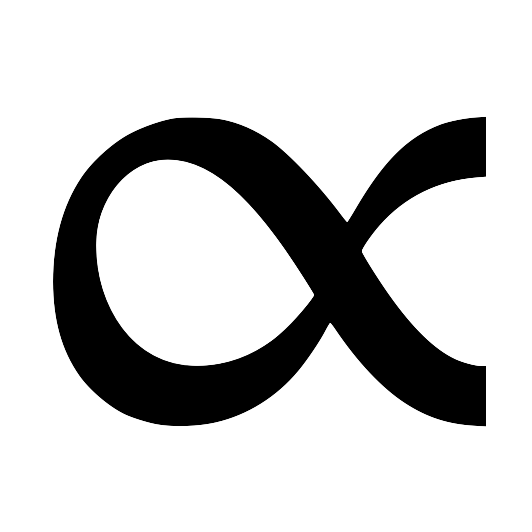
Large transformer-based models are able to perform in-context few-shot learning, without being explicitly trained for it. This observation raises the question: what aspects of the training regime lead to this emergent behavior? Here, we show that this behavior is driven by the distributions of the training data itself. In-context learning emerges when the training data exhibits particular distributional properties such as burstiness (items appear in clusters rather than being uniformly distributed over time) and having large numbers of rarely occurring classes. In-context learning also emerges more strongly when item meanings or interpretations are dynamic rather than fixed. These properties are exemplified by natural language, but are also inherent to naturalistic data in a wide range of other domains. They also depart significantly from the uniform, i.i.d. training distributions typically used for standard supervised learning. In our initial experiments, we found that in-context learning traded off against more conventional weight-based learning, and models were unable to achieve both simultaneously. However, our later experiments uncovered that the two modes of learning could co-exist in a single model when it was trained on data following a skewed Zipfian distribution -- another common property of naturalistic data, including language. In further experiments, we found that naturalistic data distributions were only able to elicit in-context learning in transformers, and not in recurrent models. In sum, our findings indicate how the transformer architecture works together with particular properties of the training data to drive the intriguing emergent in-context learning behaviour of large language models, and how future work might encourage both in-context and in-weights learning in domains beyond language.
Distribution-Aware Prompt Tuning for Vision-Language Models
Pre-trained vision-language models (VLMs) have shown impressive performance on various downstream tasks by utilizing knowledge learned from large data. In general, the performance of VLMs on target tasks can be further improved by prompt tuning, which adds context to the input image or text. By leveraging data from target tasks, various prompt-tuning methods have been studied in the literature. A key to prompt tuning is the feature space alignment between two modalities via learnable vectors with model parameters fixed. We observed that the alignment becomes more effective when embeddings of each modality are `well-arranged' in the latent space. Inspired by this observation, we proposed distribution-aware prompt tuning (DAPT) for vision-language models, which is simple yet effective. Specifically, the prompts are learned by maximizing inter-dispersion, the distance between classes, as well as minimizing the intra-dispersion measured by the distance between embeddings from the same class. Our extensive experiments on 11 benchmark datasets demonstrate that our method significantly improves generalizability. The code is available at https://github.com/mlvlab/DAPT.

IXPE Observation of the Low-Synchrotron Peaked Blazar S4 0954+65 During An Optical-X-ray Flare
The X-ray polarization observations made possible with the Imaging X-ray Polarimetry Explorer (IXPE) offer new ways of probing high-energy emission processes in astrophysical jets from blazars. Here we report on the first X-ray polarization observation of the blazar S4 0954+65 in a high optical and X-ray state. During our multi-wavelength campaign on the source, we detected an optical flare whose peak coincided with the peak of an X-ray flare. This optical-X-ray flare most likely took place in a feature moving along the parsec-scale jet, imaged at 43 GHz by the Very Long Baseline Array. The 43 GHz polarization angle of the moving component underwent a rotation near the time of the flare. In the optical band, prior to the IXPE observation, we measured the polarization angle to be aligned with the jet axis. In contrast, during the optical flare the optical polarization angle was perpendicular to the jet axis; after the flare, it reverted to being parallel to the jet axis. Due to the smooth behavior of the optical polarization angle during the flare, we favor shocks as the main acceleration mechanism. We also infer that the ambient magnetic field lines in the jet were parallel to the jet position angle. The average degree of optical polarization during the IXPE observation was (14.3pm4.1)%. Despite the flare, we only detected an upper limit of 14% (at 3sigma level) on the X-ray polarization degree; although a reasonable assumption on the X-ray polarization angle results in an upper limit of 8.8% (3sigma). We model the spectral energy distribution (SED) and spectral polarization distribution (SPD) of S4 0954+65 with leptonic (synchrotron self-Compton) and hadronic (proton and pair synchrotron) models. The constraints we obtain with our combined multi-wavelength polarization observations and SED modeling tentatively disfavor hadronic models for the X-ray emission in S4 0954+65.
Deep Label Distribution Learning with Label Ambiguity
Convolutional Neural Networks (ConvNets) have achieved excellent recognition performance in various visual recognition tasks. A large labeled training set is one of the most important factors for its success. However, it is difficult to collect sufficient training images with precise labels in some domains such as apparent age estimation, head pose estimation, multi-label classification and semantic segmentation. Fortunately, there is ambiguous information among labels, which makes these tasks different from traditional classification. Based on this observation, we convert the label of each image into a discrete label distribution, and learn the label distribution by minimizing a Kullback-Leibler divergence between the predicted and ground-truth label distributions using deep ConvNets. The proposed DLDL (Deep Label Distribution Learning) method effectively utilizes the label ambiguity in both feature learning and classifier learning, which help prevent the network from over-fitting even when the training set is small. Experimental results show that the proposed approach produces significantly better results than state-of-the-art methods for age estimation and head pose estimation. At the same time, it also improves recognition performance for multi-label classification and semantic segmentation tasks.
ViM: Out-Of-Distribution with Virtual-logit Matching
Most of the existing Out-Of-Distribution (OOD) detection algorithms depend on single input source: the feature, the logit, or the softmax probability. However, the immense diversity of the OOD examples makes such methods fragile. There are OOD samples that are easy to identify in the feature space while hard to distinguish in the logit space and vice versa. Motivated by this observation, we propose a novel OOD scoring method named Virtual-logit Matching (ViM), which combines the class-agnostic score from feature space and the In-Distribution (ID) class-dependent logits. Specifically, an additional logit representing the virtual OOD class is generated from the residual of the feature against the principal space, and then matched with the original logits by a constant scaling. The probability of this virtual logit after softmax is the indicator of OOD-ness. To facilitate the evaluation of large-scale OOD detection in academia, we create a new OOD dataset for ImageNet-1K, which is human-annotated and is 8.8x the size of existing datasets. We conducted extensive experiments, including CNNs and vision transformers, to demonstrate the effectiveness of the proposed ViM score. In particular, using the BiT-S model, our method gets an average AUROC 90.91% on four difficult OOD benchmarks, which is 4% ahead of the best baseline. Code and dataset are available at https://github.com/haoqiwang/vim.

MultiOOD: Scaling Out-of-Distribution Detection for Multiple Modalities
Detecting out-of-distribution (OOD) samples is important for deploying machine learning models in safety-critical applications such as autonomous driving and robot-assisted surgery. Existing research has mainly focused on unimodal scenarios on image data. However, real-world applications are inherently multimodal, which makes it essential to leverage information from multiple modalities to enhance the efficacy of OOD detection. To establish a foundation for more realistic Multimodal OOD Detection, we introduce the first-of-its-kind benchmark, MultiOOD, characterized by diverse dataset sizes and varying modality combinations. We first evaluate existing unimodal OOD detection algorithms on MultiOOD, observing that the mere inclusion of additional modalities yields substantial improvements. This underscores the importance of utilizing multiple modalities for OOD detection. Based on the observation of Modality Prediction Discrepancy between in-distribution (ID) and OOD data, and its strong correlation with OOD performance, we propose the Agree-to-Disagree (A2D) algorithm to encourage such discrepancy during training. Moreover, we introduce a novel outlier synthesis method, NP-Mix, which explores broader feature spaces by leveraging the information from nearest neighbor classes and complements A2D to strengthen OOD detection performance. Extensive experiments on MultiOOD demonstrate that training with A2D and NP-Mix improves existing OOD detection algorithms by a large margin. Our source code and MultiOOD benchmark are available at https://github.com/donghao51/MultiOOD.

Changing the Training Data Distribution to Reduce Simplicity Bias Improves In-distribution Generalization
Can we modify the training data distribution to encourage the underlying optimization method toward finding solutions with superior generalization performance on in-distribution data? In this work, we approach this question for the first time by comparing the inductive bias of gradient descent (GD) with that of sharpness-aware minimization (SAM). By studying a two-layer CNN, we rigorously prove that SAM learns different features more uniformly, particularly in early epochs. That is, SAM is less susceptible to simplicity bias compared to GD. We also show that examples containing features that are learned early are separable from the rest based on the model's output. Based on this observation, we propose a method that (i) clusters examples based on the network output early in training, (ii) identifies a cluster of examples with similar network output, and (iii) upsamples the rest of examples only once to alleviate the simplicity bias. We show empirically that USEFUL effectively improves the generalization performance on the original data distribution when training with various gradient methods, including (S)GD and SAM. Notably, we demonstrate that our method can be combined with SAM variants and existing data augmentation strategies to achieve, to the best of our knowledge, state-of-the-art performance for training ResNet18 on CIFAR10, STL10, CINIC10, Tiny-ImageNet; ResNet34 on CIFAR100; and VGG19 and DenseNet121 on CIFAR10.

DOS: Diverse Outlier Sampling for Out-of-Distribution Detection
Modern neural networks are known to give overconfident prediction for out-of-distribution inputs when deployed in the open world. It is common practice to leverage a surrogate outlier dataset to regularize the model during training, and recent studies emphasize the role of uncertainty in designing the sampling strategy for outlier dataset. However, the OOD samples selected solely based on predictive uncertainty can be biased towards certain types, which may fail to capture the full outlier distribution. In this work, we empirically show that diversity is critical in sampling outliers for OOD detection performance. Motivated by the observation, we propose a straightforward and novel sampling strategy named DOS (Diverse Outlier Sampling) to select diverse and informative outliers. Specifically, we cluster the normalized features at each iteration, and the most informative outlier from each cluster is selected for model training with absent category loss. With DOS, the sampled outliers efficiently shape a globally compact decision boundary between ID and OOD data. Extensive experiments demonstrate the superiority of DOS, reducing the average FPR95 by up to 25.79% on CIFAR-100 with TI-300K.
Playing the Fool: Jailbreaking LLMs and Multimodal LLMs with Out-of-Distribution Strategy
Despite the remarkable versatility of Large Language Models (LLMs) and Multimodal LLMs (MLLMs) to generalize across both language and vision tasks, LLMs and MLLMs have shown vulnerability to jailbreaking, generating textual outputs that undermine safety, ethical, and bias standards when exposed to harmful or sensitive inputs. With the recent advancement of safety alignment via preference-tuning from human feedback, LLMs and MLLMs have been equipped with safety guardrails to yield safe, ethical, and fair responses with regard to harmful inputs. However, despite the significance of safety alignment, research on the vulnerabilities remains largely underexplored. In this paper, we investigate the unexplored vulnerability of the safety alignment, examining its ability to consistently provide safety guarantees for out-of-distribution(OOD)-ifying harmful inputs that may fall outside the aligned data distribution. Our key observation is that OOD-ifying the vanilla harmful inputs highly increases the uncertainty of the model to discern the malicious intent within the input, leading to a higher chance of being jailbroken. Exploiting this vulnerability, we propose JOOD, a new Jailbreak framework via OOD-ifying inputs beyond the safety alignment. We explore various off-the-shelf visual and textual transformation techniques for OOD-ifying the harmful inputs. Notably, we observe that even simple mixing-based techniques such as image mixup prove highly effective in increasing the uncertainty of the model, thereby facilitating the bypass of the safety alignment. Experiments across diverse jailbreak scenarios demonstrate that JOOD effectively jailbreaks recent proprietary LLMs and MLLMs such as GPT-4 and o1 with high attack success rate, which previous attack approaches have consistently struggled to jailbreak. Code is available at https://github.com/naver-ai/JOOD.
Learning the Distribution of Errors in Stereo Matching for Joint Disparity and Uncertainty Estimation
We present a new loss function for joint disparity and uncertainty estimation in deep stereo matching. Our work is motivated by the need for precise uncertainty estimates and the observation that multi-task learning often leads to improved performance in all tasks. We show that this can be achieved by requiring the distribution of uncertainty to match the distribution of disparity errors via a KL divergence term in the network's loss function. A differentiable soft-histogramming technique is used to approximate the distributions so that they can be used in the loss. We experimentally assess the effectiveness of our approach and observe significant improvements in both disparity and uncertainty prediction on large datasets.

Bootstrapped Q-learning with Context Relevant Observation Pruning to Generalize in Text-based Games
We show that Reinforcement Learning (RL) methods for solving Text-Based Games (TBGs) often fail to generalize on unseen games, especially in small data regimes. To address this issue, we propose Context Relevant Episodic State Truncation (CREST) for irrelevant token removal in observation text for improved generalization. Our method first trains a base model using Q-learning, which typically overfits the training games. The base model's action token distribution is used to perform observation pruning that removes irrelevant tokens. A second bootstrapped model is then retrained on the pruned observation text. Our bootstrapped agent shows improved generalization in solving unseen TextWorld games, using 10x-20x fewer training games compared to previous state-of-the-art methods despite requiring less number of training episodes.
The Many Faces of Robustness: A Critical Analysis of Out-of-Distribution Generalization
We introduce four new real-world distribution shift datasets consisting of changes in image style, image blurriness, geographic location, camera operation, and more. With our new datasets, we take stock of previously proposed methods for improving out-of-distribution robustness and put them to the test. We find that using larger models and artificial data augmentations can improve robustness on real-world distribution shifts, contrary to claims in prior work. We find improvements in artificial robustness benchmarks can transfer to real-world distribution shifts, contrary to claims in prior work. Motivated by our observation that data augmentations can help with real-world distribution shifts, we also introduce a new data augmentation method which advances the state-of-the-art and outperforms models pretrained with 1000 times more labeled data. Overall we find that some methods consistently help with distribution shifts in texture and local image statistics, but these methods do not help with some other distribution shifts like geographic changes. Our results show that future research must study multiple distribution shifts simultaneously, as we demonstrate that no evaluated method consistently improves robustness.

Enhancing The Reliability of Out-of-distribution Image Detection in Neural Networks
We consider the problem of detecting out-of-distribution images in neural networks. We propose ODIN, a simple and effective method that does not require any change to a pre-trained neural network. Our method is based on the observation that using temperature scaling and adding small perturbations to the input can separate the softmax score distributions between in- and out-of-distribution images, allowing for more effective detection. We show in a series of experiments that ODIN is compatible with diverse network architectures and datasets. It consistently outperforms the baseline approach by a large margin, establishing a new state-of-the-art performance on this task. For example, ODIN reduces the false positive rate from the baseline 34.7% to 4.3% on the DenseNet (applied to CIFAR-10) when the true positive rate is 95%.
M3LEO: A Multi-Modal, Multi-Label Earth Observation Dataset Integrating Interferometric SAR and Multispectral Data
Satellite-based remote sensing has revolutionised the way we address global challenges. Huge quantities of Earth Observation (EO) data are generated by satellite sensors daily, but processing these large datasets for use in ML pipelines is technically and computationally challenging. While some preprocessed Earth observation datasets exist, their content is often limited to optical or near-optical wavelength data, which is ineffective at night or in adverse weather conditions. Synthetic Aperture Radar (SAR), an active sensing technique based on microwave length radiation, offers a viable alternative. However, the application of machine learning to SAR has been limited due to a lack of ML-ready data and pipelines, particularly for the full diversity of SAR data, including polarimetry, coherence and interferometry. In this work, we introduce M3LEO, a multi-modal, multi-label Earth observation dataset that includes polarimetric, interferometric, and coherence SAR data derived from Sentinel-1, alongside multispectral Sentinel-2 imagery and auxiliary data describing terrain properties such as land use. M3LEO spans approximately 17M 4x4 km data chips from six diverse geographic regions. The dataset is complemented by a flexible PyTorch Lightning framework configured using Hydra to accommodate its use across diverse ML applications in Earth observation. We provide tools to process any dataset available on popular platforms such as Google Earth Engine for seamless integration with our framework. We show that the distribution shift in self-supervised embeddings is substantial across geographic regions, even when controlling for terrain properties. Data: huggingface.co/M3LEO, Code: github.com/spaceml-org/M3LEO.
DASO: Distribution-Aware Semantics-Oriented Pseudo-label for Imbalanced Semi-Supervised Learning
The capability of the traditional semi-supervised learning (SSL) methods is far from real-world application due to severely biased pseudo-labels caused by (1) class imbalance and (2) class distribution mismatch between labeled and unlabeled data. This paper addresses such a relatively under-explored problem. First, we propose a general pseudo-labeling framework that class-adaptively blends the semantic pseudo-label from a similarity-based classifier to the linear one from the linear classifier, after making the observation that both types of pseudo-labels have complementary properties in terms of bias. We further introduce a novel semantic alignment loss to establish balanced feature representation to reduce the biased predictions from the classifier. We term the whole framework as Distribution-Aware Semantics-Oriented (DASO) Pseudo-label. We conduct extensive experiments in a wide range of imbalanced benchmarks: CIFAR10/100-LT, STL10-LT, and large-scale long-tailed Semi-Aves with open-set class, and demonstrate that, the proposed DASO framework reliably improves SSL learners with unlabeled data especially when both (1) class imbalance and (2) distribution mismatch dominate.

The Milky Way stellar halo is twisted and doubly broken: insights from DESI DR2 Milky Way Survey observation
Using K giants from the second data release (DR2) of the Dark Energy Spectroscopic Instrument (DESI) Milky Way (MW) Survey, we measure the shape, orientation, radial profile, and density anisotropies of the MW stellar halo over 8 kpc<r_GC<200 kpc. We identify a triaxial stellar halo (axes ratio 10:8:7), 43 degrees tilted from the disk, showing two break radii at sim16 kpc and sim76 kpc, likely associated with Gaia-Sausage/Enceladus (GSE) and Large Magellanic Cloud (LMC), respectively. The inner stellar halo (<30 kpc) is oblate and aligned with the disk, whereas the outer stellar halo becomes prolate and perpendicular to the disk, consistent with the Vast Polar Structure of MW satellites. The twisted halo may arise from the disk-halo angular momentum shift triggered by the infall of a massive satellite. The anisotropic density distribution of the stellar halo is also measured, with successful re-identification of the Hercules-Aquila Cloud South/North (HAC-N/-S) and Virgo overdensities (VOD). Break radii are found at 15/30 kpc for VOD/HAC-N(-S). We identify the LMC transient density wake with a break radius at 60 kpc in the Pisces overdensity region. We also find new observational evidence of the LMC collective density wake, by showing a break radius at sim100 kpc in the northern Galactic cap with a clear density peak at 90 kpc. In the end, we found that more metal-poor halo stars are more radially extended. Our results provide important clues to the assembly and evolution of the MW stellar halo under the standard cosmic structure formation framework.
SelfReflect: Can LLMs Communicate Their Internal Answer Distribution?
The common approach to communicate a large language model's (LLM) uncertainty is to add a percentage number or a hedging word to its response. But is this all we can do? Instead of generating a single answer and then hedging it, an LLM that is fully transparent to the user needs to be able to reflect on its internal belief distribution and output a summary of all options it deems possible, and how likely they are. To test whether LLMs possess this capability, we develop the SelfReflect metric, an information-theoretic distance between a given summary and a distribution over answers. In interventional and human studies, we find that SelfReflect indicates even slight deviations, yielding a fine measure of faithfulness between a summary string and an LLM's actual internal distribution over answers. With SelfReflect, we make a resounding negative observation: modern LLMs are, across the board, incapable of revealing what they are uncertain about, neither through reasoning, nor chains-of-thoughts, nor explicit finetuning. However, we do find that LLMs are able to generate faithful summaries of their uncertainties if we help them by sampling multiple outputs and feeding them back into the context. This simple approach shines a light at the universal way of communicating LLM uncertainties whose future development the SelfReflect score enables.
DivShift: Exploring Domain-Specific Distribution Shift in Volunteer-Collected Biodiversity Datasets
Climate change is negatively impacting the world's biodiversity. To build automated systems to monitor these negative biodiversity impacts, large-scale, volunteer-collected datasets like iNaturalist are built from community-identified, natural imagery. However, such volunteer-based data are opportunistic and lack a structured sampling strategy, resulting in geographic, temporal, observation quality, and socioeconomic, biases that stymie uptake of these models for downstream biodiversity monitoring tasks. Here we introduce DivShift North American West Coast (DivShift-NAWC), a curated dataset of almost 8 million iNaturalist plant images across the western coast of North America, for exploring the effects of these biases on deep learning model performance. We compare model performance across four known biases and observe that they indeed confound model performance. We suggest practical strategies for curating datasets to train deep learning models for monitoring climate change's impacts on the world's biodiversity.
Offline RL with Observation Histories: Analyzing and Improving Sample Complexity
Offline reinforcement learning (RL) can in principle synthesize more optimal behavior from a dataset consisting only of suboptimal trials. One way that this can happen is by "stitching" together the best parts of otherwise suboptimal trajectories that overlap on similar states, to create new behaviors where each individual state is in-distribution, but the overall returns are higher. However, in many interesting and complex applications, such as autonomous navigation and dialogue systems, the state is partially observed. Even worse, the state representation is unknown or not easy to define. In such cases, policies and value functions are often conditioned on observation histories instead of states. In these cases, it is not clear if the same kind of "stitching" is feasible at the level of observation histories, since two different trajectories would always have different histories, and thus "similar states" that might lead to effective stitching cannot be leveraged. Theoretically, we show that standard offline RL algorithms conditioned on observation histories suffer from poor sample complexity, in accordance with the above intuition. We then identify sufficient conditions under which offline RL can still be efficient -- intuitively, it needs to learn a compact representation of history comprising only features relevant for action selection. We introduce a bisimulation loss that captures the extent to which this happens, and propose that offline RL can explicitly optimize this loss to aid worst-case sample complexity. Empirically, we show that across a variety of tasks either our proposed loss improves performance, or the value of this loss is already minimized as a consequence of standard offline RL, indicating that it correlates well with good performance.
Efficient Self-Supervised Learning for Earth Observation via Dynamic Dataset Curation
Self-supervised learning (SSL) has enabled the development of vision foundation models for Earth Observation (EO), demonstrating strong transferability across diverse remote sensing tasks. While prior work has focused on network architectures and training strategies, the role of dataset curation, especially in balancing and diversifying pre-training datasets, remains underexplored. In EO, this challenge is amplified by the redundancy and heavy-tailed distributions common in satellite imagery, which can lead to biased representations and inefficient training. In this work, we propose a dynamic dataset pruning strategy designed to improve SSL pre-training by maximizing dataset diversity and balance. Our method iteratively refines the training set without requiring a pre-existing feature extractor, making it well-suited for domains where curated datasets are limited or unavailable. We demonstrate our approach on the Sentinel-1 Wave Mode (WV) Synthetic Aperture Radar (SAR) archive, a challenging dataset dominated by ocean observations. We train models from scratch on the entire Sentinel-1 WV archive spanning 10 years. Across three downstream tasks, our results show that dynamic pruning improves both computational efficiency and representation quality, leading to stronger transferability. We also release the weights of Nereus-SAR-1, the first model in the Nereus family, a series of foundation models for ocean observation and analysis using SAR imagery, at github.com/galeio-research/nereus-sar-models/.
DiffusionPDE: Generative PDE-Solving Under Partial Observation
We introduce a general framework for solving partial differential equations (PDEs) using generative diffusion models. In particular, we focus on the scenarios where we do not have the full knowledge of the scene necessary to apply classical solvers. Most existing forward or inverse PDE approaches perform poorly when the observations on the data or the underlying coefficients are incomplete, which is a common assumption for real-world measurements. In this work, we propose DiffusionPDE that can simultaneously fill in the missing information and solve a PDE by modeling the joint distribution of the solution and coefficient spaces. We show that the learned generative priors lead to a versatile framework for accurately solving a wide range of PDEs under partial observation, significantly outperforming the state-of-the-art methods for both forward and inverse directions.


An Analysis of Temporal Dropout in Earth Observation Time Series for Regression Tasks
Missing instances in time series data impose a significant challenge to deep learning models, particularly in regression tasks. In the Earth Observation field, satellite failure or cloud occlusion frequently results in missing time-steps, introducing uncertainties in the predicted output and causing a decline in predictive performance. While many studies address missing time-steps through data augmentation to improve model robustness, the uncertainty arising at the input level is commonly overlooked. To address this gap, we introduce Monte Carlo Temporal Dropout (MC-TD), a method that explicitly accounts for input-level uncertainty by randomly dropping time-steps during inference using a predefined dropout ratio, thereby simulating the effect of missing data. To bypass the need for costly searches for the optimal dropout ratio, we extend this approach with Monte Carlo Concrete Temporal Dropout (MC-ConcTD), a method that learns the optimal dropout distribution directly. Both MC-TD and MC-ConcTD are applied during inference, leveraging Monte Carlo sampling for uncertainty quantification. Experiments on three EO time-series datasets demonstrate that MC-ConcTD improves predictive performance and uncertainty calibration compared to existing approaches. Additionally, we highlight the advantages of adaptive dropout tuning over manual selection, making uncertainty quantification more robust and accessible for EO applications.

Memory-Based Meta-Learning on Non-Stationary Distributions
Memory-based meta-learning is a technique for approximating Bayes-optimal predictors. Under fairly general conditions, minimizing sequential prediction error, measured by the log loss, leads to implicit meta-learning. The goal of this work is to investigate how far this interpretation can be realized by current sequence prediction models and training regimes. The focus is on piecewise stationary sources with unobserved switching-points, which arguably capture an important characteristic of natural language and action-observation sequences in partially observable environments. We show that various types of memory-based neural models, including Transformers, LSTMs, and RNNs can learn to accurately approximate known Bayes-optimal algorithms and behave as if performing Bayesian inference over the latent switching-points and the latent parameters governing the data distribution within each segment.

A Comparative Study on Generative Models for High Resolution Solar Observation Imaging
Solar activity is one of the main drivers of variability in our solar system and the key source of space weather phenomena that affect Earth and near Earth space. The extensive record of high resolution extreme ultraviolet (EUV) observations from the Solar Dynamics Observatory (SDO) offers an unprecedented, very large dataset of solar images. In this work, we make use of this comprehensive dataset to investigate capabilities of current state-of-the-art generative models to accurately capture the data distribution behind the observed solar activity states. Starting from StyleGAN-based methods, we uncover severe deficits of this model family in handling fine-scale details of solar images when training on high resolution samples, contrary to training on natural face images. When switching to the diffusion based generative model family, we observe strong improvements of fine-scale detail generation. For the GAN family, we are able to achieve similar improvements in fine-scale generation when turning to ProjectedGANs, which uses multi-scale discriminators with a pre-trained frozen feature extractor. We conduct ablation studies to clarify mechanisms responsible for proper fine-scale handling. Using distributed training on supercomputers, we are able to train generative models for up to 1024x1024 resolution that produce high quality samples indistinguishable to human experts, as suggested by the evaluation we conduct. We make all code, models and workflows used in this study publicly available at https://github.com/SLAMPAI/generative-models-for-highres-solar-images.


TerraFM: A Scalable Foundation Model for Unified Multisensor Earth Observation
Modern Earth observation (EO) increasingly leverages deep learning to harness the scale and diversity of satellite imagery across sensors and regions. While recent foundation models have demonstrated promising generalization across EO tasks, many remain limited by the scale, geographical coverage, and spectral diversity of their training data, factors critical for learning globally transferable representations. In this work, we introduce TerraFM, a scalable self-supervised learning model that leverages globally distributed Sentinel-1 and Sentinel-2 imagery, combined with large spatial tiles and land-cover aware sampling to enrich spatial and semantic coverage. By treating sensing modalities as natural augmentations in our self-supervised approach, we unify radar and optical inputs via modality-specific patch embeddings and adaptive cross-attention fusion. Our training strategy integrates local-global contrastive learning and introduces a dual-centering mechanism that incorporates class-frequency-aware regularization to address long-tailed distributions in land cover.TerraFM achieves strong generalization on both classification and segmentation tasks, outperforming prior models on GEO-Bench and Copernicus-Bench. Our code and pretrained models are publicly available at: https://github.com/mbzuai-oryx/TerraFM .
Prediction Algorithms Achieving Bayesian Decision Theoretical Optimality Based on Decision Trees as Data Observation Processes
In the field of decision trees, most previous studies have difficulty ensuring the statistical optimality of a prediction of new data and suffer from overfitting because trees are usually used only to represent prediction functions to be constructed from given data. In contrast, some studies, including this paper, used the trees to represent stochastic data observation processes behind given data. Moreover, they derived the statistically optimal prediction, which is robust against overfitting, based on the Bayesian decision theory by assuming a prior distribution for the trees. However, these studies still have a problem in computing this Bayes optimal prediction because it involves an infeasible summation for all division patterns of a feature space, which is represented by the trees and some parameters. In particular, an open problem is a summation with respect to combinations of division axes, i.e., the assignment of features to inner nodes of the tree. We solve this by a Markov chain Monte Carlo method, whose step size is adaptively tuned according to a posterior distribution for the trees.
InterHandGen: Two-Hand Interaction Generation via Cascaded Reverse Diffusion
We present InterHandGen, a novel framework that learns the generative prior of two-hand interaction. Sampling from our model yields plausible and diverse two-hand shapes in close interaction with or without an object. Our prior can be incorporated into any optimization or learning methods to reduce ambiguity in an ill-posed setup. Our key observation is that directly modeling the joint distribution of multiple instances imposes high learning complexity due to its combinatorial nature. Thus, we propose to decompose the modeling of joint distribution into the modeling of factored unconditional and conditional single instance distribution. In particular, we introduce a diffusion model that learns the single-hand distribution unconditional and conditional to another hand via conditioning dropout. For sampling, we combine anti-penetration and classifier-free guidance to enable plausible generation. Furthermore, we establish the rigorous evaluation protocol of two-hand synthesis, where our method significantly outperforms baseline generative models in terms of plausibility and diversity. We also demonstrate that our diffusion prior can boost the performance of two-hand reconstruction from monocular in-the-wild images, achieving new state-of-the-art accuracy.

Unlocking Continual Learning Abilities in Language Models
Language models (LMs) exhibit impressive performance and generalization capabilities. However, LMs struggle with the persistent challenge of catastrophic forgetting, which undermines their long-term sustainability in continual learning (CL). Existing approaches usually address the issue by incorporating old task data or task-wise inductive bias into LMs. However, old data and accurate task information are often unavailable or costly to collect, hindering the availability of current CL approaches for LMs. To address this limitation, we introduce MIGU (MagnItude-based Gradient Updating for continual learning), a rehearsal-free and task-label-free method that only updates the model parameters with large magnitudes of output in LMs' linear layers. MIGU is based on our observation that the L1-normalized magnitude distribution of the output in LMs' linear layers is different when the LM models deal with different task data. By imposing this simple constraint on the gradient update process, we can leverage the inherent behaviors of LMs, thereby unlocking their innate CL abilities. Our experiments demonstrate that MIGU is universally applicable to all three LM architectures (T5, RoBERTa, and Llama2), delivering state-of-the-art or on-par performance across continual finetuning and continual pre-training settings on four CL benchmarks. For example, MIGU brings a 15.2% average accuracy improvement over conventional parameter-efficient finetuning baselines in a 15-task CL benchmark. MIGU can also seamlessly integrate with all three existing CL types to further enhance performance. Code is available at https://github.com/wenyudu/MIGU{this https URL}.





Norm Tweaking: High-performance Low-bit Quantization of Large Language Models
As the size of large language models (LLMs) continues to grow, model compression without sacrificing accuracy has become a crucial challenge for deployment. While some quantization methods, such as GPTQ, have made progress in achieving acceptable 4-bit weight-only quantization, attempts at lower bit quantization often result in severe performance degradation. In this paper, we introduce a technique called norm tweaking, which can be used as a plugin in current PTQ methods to achieve high precision while being cost-efficient. Our approach is inspired by the observation that rectifying the quantized activation distribution to match its float counterpart can readily restore accuracy for LLMs. To achieve this, we carefully design a tweaking strategy that includes calibration data generation and channel-wise distance constraint to update the weights of normalization layers for better generalization. We conduct extensive experiments on various datasets using several open-sourced LLMs. Our method demonstrates significant improvements in both weight-only quantization and joint quantization of weights and activations, surpassing existing PTQ methods. On GLM-130B and OPT-66B, our method even achieves the same level of accuracy at 2-bit quantization as their float ones. Our simple and effective approach makes it more practical for real-world applications.

Matrix approach to generalized ensemble theory
We provide a concise framework for generalized ensemble theory through a matrix-based approach. By introducing an observation matrix, any discrete probability distribution, including those for non-equilibrium steady states, can be expressed as a generalized Boltzmann distribution, with observables and conjugate variables as the basis and coordinates in a linear space. In this framework, we identify the minimal sufficient statistics required for inferring the Boltzmann distribution. Furthermore, we show that the Hadamard and Vandermonde matrices are suitable observation matrices for spin systems and random walks. In master equation systems, the probability flux observation matrix facilitates the identification of detailed balance violations. Our findings provide a new approach to developing generalized ensemble theory for non-equilibrium steady-state systems.
Bold but Cautious: Unlocking the Potential of Personalized Federated Learning through Cautiously Aggressive Collaboration
Personalized federated learning (PFL) reduces the impact of non-independent and identically distributed (non-IID) data among clients by allowing each client to train a personalized model when collaborating with others. A key question in PFL is to decide which parameters of a client should be localized or shared with others. In current mainstream approaches, all layers that are sensitive to non-IID data (such as classifier layers) are generally personalized. The reasoning behind this approach is understandable, as localizing parameters that are easily influenced by non-IID data can prevent the potential negative effect of collaboration. However, we believe that this approach is too conservative for collaboration. For example, for a certain client, even if its parameters are easily influenced by non-IID data, it can still benefit by sharing these parameters with clients having similar data distribution. This observation emphasizes the importance of considering not only the sensitivity to non-IID data but also the similarity of data distribution when determining which parameters should be localized in PFL. This paper introduces a novel guideline for client collaboration in PFL. Unlike existing approaches that prohibit all collaboration of sensitive parameters, our guideline allows clients to share more parameters with others, leading to improved model performance. Additionally, we propose a new PFL method named FedCAC, which employs a quantitative metric to evaluate each parameter's sensitivity to non-IID data and carefully selects collaborators based on this evaluation. Experimental results demonstrate that FedCAC enables clients to share more parameters with others, resulting in superior performance compared to state-of-the-art methods, particularly in scenarios where clients have diverse distributions.
Language Models Optimized to Fool Detectors Still Have a Distinct Style (And How to Change It)
Despite considerable progress in the development of machine-text detectors, it has been suggested that the problem is inherently hard, and therefore, that stakeholders should proceed under the assumption that machine-generated text cannot be reliably detected as such. We examine a recent such claim by Nicks et al. (2024) regarding the ease with which language models can be optimized to degrade the performance of machine-text detectors, including detectors not specifically optimized against. We identify a feature spacex2013the stylistic feature spacex2013that is robust to such optimization, and show that it may be used to reliably detect samples from language models optimized to prevent detection. Furthermore, we show that even when models are explicitly optimized against stylistic detectors, detection performance remains surprisingly unaffected. We then seek to understand if stylistic detectors are inherently more robust. To study this question, we explore a new paraphrasing approach that simultaneously aims to close the gap between human writing and machine writing in stylistic feature space while avoiding detection using traditional features. We show that when only a single sample is available for detection, this attack is universally effective across all detectors considered, including those that use writing style. However, as the number of samples available for detection grows, the human and machine distributions become distinguishable. This observation encourages us to introduce AURA, a metric that estimates the overlap between human and machine-generated distributions by analyzing how detector performance improves as more samples become available. Overall, our findings underscore previous recommendations to avoid reliance on machine-text detection.

Specialization after Generalization: Towards Understanding Test-Time Training in Foundation Models
Recent empirical studies have explored the idea of continuing to train a model at test-time for a given task, known as test-time training (TTT), and have found it to yield significant performance improvements. However, there is limited understanding of why and when TTT is effective. Earlier explanations mostly focused on the observation that TTT may help when applied to out-of-distribution adaptation or used with privileged data. However, the growing scale of foundation models with most test data being in-distribution questions these explanations. We instead posit that foundation models remain globally underparameterized, with TTT providing a mechanism for specialization after generalization, focusing capacity on concepts relevant to the test task. Specifically, under the linear representation hypothesis, we propose a model in which TTT achieves a substantially smaller in-distribution test error than global training. We empirically validate our model's key assumptions by training a sparse autoencoder on ImageNet, showing that semantically related data points are explained by only a few shared concepts. Finally, we perform scaling studies across image and language tasks that confirm the practical implications of our model, identifying the regimes where specialization is most effective.

Detecting Data Contamination from Reinforcement Learning Post-training for Large Language Models
Data contamination poses a significant threat to the reliable evaluation of Large Language Models (LLMs). This issue arises when benchmark samples may inadvertently appear in training sets, compromising the validity of reported performance. While detection methods have been developed for the pre-training and Supervised Fine-Tuning stages, a critical research gap exists for the increasingly significant phase of Reinforcement Learning (RL) post-training. As RL post-training becomes pivotal for advancing LLM reasoning, the absence of specialized contamination detection methods in this paradigm presents a critical vulnerability. To address this, we conduct the first systematic study of data detection within RL post-training scenario and propose Self-Critique. Our method is motivated by a key observation: after RL phase, the output entropy distribution of LLMs tends to collapse into highly specific and sparse modes. Self-Critique probes for the underlying policy collapse, i.e., the model's convergence to a narrow reasoning path, which causes this entropy reduction. To facilitate this research, we also introduce RL-MIA, a benchmark constructed to simulate this specific contamination scenario. Extensive experiments show that Self-Critique significantly outperforms baseline methods across multiple models and contamination tasks, achieving an AUC improvement of up to 30%. Whereas existing methods are close to a random guess for RL-phase contamination, our method makes detection possible.
Entropy Controllable Direct Preference Optimization
In the post-training of large language models (LLMs), Reinforcement Learning from Human Feedback (RLHF) is an effective approach to achieve generation aligned with human preferences. Direct Preference Optimization (DPO) allows for policy training with a simple binary cross-entropy loss without a reward model. The objective of DPO is regularized by reverse KL divergence that encourages mode-seeking fitting to the reference policy. Nonetheless, we indicate that minimizing reverse KL divergence could fail to capture a mode of the reference distribution, which may hurt the policy's performance. Based on this observation, we propose a simple modification to DPO, H-DPO, which allows for control over the entropy of the resulting policy, enhancing the distribution's sharpness and thereby enabling mode-seeking fitting more effectively. In our experiments, we show that H-DPO outperformed DPO across various tasks, demonstrating superior results in pass@k evaluations for mathematical tasks. Moreover, H-DPO is simple to implement, requiring only minor modifications to the loss calculation of DPO, which makes it highly practical and promising for wide-ranging applications in the training of LLMs.
A Robust and Efficient Boundary Point Detection Method by Measuring Local Direction Dispersion
Boundary point detection aims to outline the external contour structure of clusters and enhance the inter-cluster discrimination, thus bolstering the performance of the downstream classification and clustering tasks. However, existing boundary point detectors are sensitive to density heterogeneity or cannot identify boundary points in concave structures and high-dimensional manifolds. In this work, we propose a robust and efficient boundary point detection method based on Local Direction Dispersion (LoDD). The core of boundary point detection lies in measuring the difference between boundary points and internal points. It is a common observation that an internal point is surrounded by its neighbors in all directions, while the neighbors of a boundary point tend to be distributed only in a certain directional range. By considering this observation, we adopt density-independent K-Nearest Neighbors (KNN) method to determine neighboring points and design a centrality metric LoDD using the eigenvalues of the covariance matrix to depict the distribution uniformity of KNN. We also develop a grid-structure assumption of data distribution to determine the parameters adaptively. The effectiveness of LoDD is demonstrated on synthetic datasets, real-world benchmarks, and application of training set split for deep learning model and hole detection on point cloud data. The datasets and toolkit are available at: https://github.com/ZPGuiGroupWhu/lodd.

Annealing Self-Distillation Rectification Improves Adversarial Training
In standard adversarial training, models are optimized to fit one-hot labels within allowable adversarial perturbation budgets. However, the ignorance of underlying distribution shifts brought by perturbations causes the problem of robust overfitting. To address this issue and enhance adversarial robustness, we analyze the characteristics of robust models and identify that robust models tend to produce smoother and well-calibrated outputs. Based on the observation, we propose a simple yet effective method, Annealing Self-Distillation Rectification (ADR), which generates soft labels as a better guidance mechanism that accurately reflects the distribution shift under attack during adversarial training. By utilizing ADR, we can obtain rectified distributions that significantly improve model robustness without the need for pre-trained models or extensive extra computation. Moreover, our method facilitates seamless plug-and-play integration with other adversarial training techniques by replacing the hard labels in their objectives. We demonstrate the efficacy of ADR through extensive experiments and strong performances across datasets.
CAFA: Class-Aware Feature Alignment for Test-Time Adaptation
Despite recent advancements in deep learning, deep neural networks continue to suffer from performance degradation when applied to new data that differs from training data. Test-time adaptation (TTA) aims to address this challenge by adapting a model to unlabeled data at test time. TTA can be applied to pretrained networks without modifying their training procedures, enabling them to utilize a well-formed source distribution for adaptation. One possible approach is to align the representation space of test samples to the source distribution (i.e., feature alignment). However, performing feature alignment in TTA is especially challenging in that access to labeled source data is restricted during adaptation. That is, a model does not have a chance to learn test data in a class-discriminative manner, which was feasible in other adaptation tasks (e.g., unsupervised domain adaptation) via supervised losses on the source data. Based on this observation, we propose a simple yet effective feature alignment loss, termed as Class-Aware Feature Alignment (CAFA), which simultaneously 1) encourages a model to learn target representations in a class-discriminative manner and 2) effectively mitigates the distribution shifts at test time. Our method does not require any hyper-parameters or additional losses, which are required in previous approaches. We conduct extensive experiments on 6 different datasets and show our proposed method consistently outperforms existing baselines.
Model Reveals What to Cache: Profiling-Based Feature Reuse for Video Diffusion Models
Recent advances in diffusion models have demonstrated remarkable capabilities in video generation. However, the computational intensity remains a significant challenge for practical applications. While feature caching has been proposed to reduce the computational burden of diffusion models, existing methods typically overlook the heterogeneous significance of individual blocks, resulting in suboptimal reuse and degraded output quality. To this end, we address this gap by introducing ProfilingDiT, a novel adaptive caching strategy that explicitly disentangles foreground and background-focused blocks. Through a systematic analysis of attention distributions in diffusion models, we reveal a key observation: 1) Most layers exhibit a consistent preference for either foreground or background regions. 2) Predicted noise shows low inter-step similarity initially, which stabilizes as denoising progresses. This finding inspires us to formulate a selective caching strategy that preserves full computation for dynamic foreground elements while efficiently caching static background features. Our approach substantially reduces computational overhead while preserving visual fidelity. Extensive experiments demonstrate that our framework achieves significant acceleration (e.g., 2.01 times speedup for Wan2.1) while maintaining visual fidelity across comprehensive quality metrics, establishing a viable method for efficient video generation.

Understanding Catastrophic Forgetting in Language Models via Implicit Inference
Fine-tuning (via methods such as instruction-tuning or reinforcement learning from human feedback) is a crucial step in training language models to robustly carry out tasks of interest. However, we lack a systematic understanding of the effects of fine-tuning, particularly on tasks outside the narrow fine-tuning distribution. In a simplified scenario, we demonstrate that improving performance on tasks within the fine-tuning data distribution comes at the expense of suppressing model capabilities on other tasks. This degradation is especially pronounced for tasks "closest" to the fine-tuning distribution. We hypothesize that language models implicitly infer the task of the prompt corresponds, and the fine-tuning process predominantly skews this task inference towards tasks in the fine-tuning distribution. To test this hypothesis, we propose Conjugate Prompting to see if we can recover pretrained capabilities. Conjugate prompting artificially makes the task look farther from the fine-tuning distribution while requiring the same capability. We find that conjugate prompting systematically recovers some of the pretraining capabilities on our synthetic setup. We then apply conjugate prompting to real-world LLMs using the observation that fine-tuning distributions are typically heavily skewed towards English. We find that simply translating the prompts to different languages can cause the fine-tuned models to respond like their pretrained counterparts instead. This allows us to recover the in-context learning abilities lost via instruction tuning, and more concerningly, to recover harmful content generation suppressed by safety fine-tuning in chatbots like ChatGPT.
Active Learning for Domain Adaptation: An Energy-Based Approach
Unsupervised domain adaptation has recently emerged as an effective paradigm for generalizing deep neural networks to new target domains. However, there is still enormous potential to be tapped to reach the fully supervised performance. In this paper, we present a novel active learning strategy to assist knowledge transfer in the target domain, dubbed active domain adaptation. We start from an observation that energy-based models exhibit free energy biases when training (source) and test (target) data come from different distributions. Inspired by this inherent mechanism, we empirically reveal that a simple yet efficient energy-based sampling strategy sheds light on selecting the most valuable target samples than existing approaches requiring particular architectures or computation of the distances. Our algorithm, Energy-based Active Domain Adaptation (EADA), queries groups of target data that incorporate both domain characteristic and instance uncertainty into every selection round. Meanwhile, by aligning the free energy of target data compact around the source domain via a regularization term, domain gap can be implicitly diminished. Through extensive experiments, we show that EADA surpasses state-of-the-art methods on well-known challenging benchmarks with substantial improvements, making it a useful option in the open world. Code is available at https://github.com/BIT-DA/EADA.

An accurate detection is not all you need to combat label noise in web-noisy datasets
Training a classifier on web-crawled data demands learning algorithms that are robust to annotation errors and irrelevant examples. This paper builds upon the recent empirical observation that applying unsupervised contrastive learning to noisy, web-crawled datasets yields a feature representation under which the in-distribution (ID) and out-of-distribution (OOD) samples are linearly separable. We show that direct estimation of the separating hyperplane can indeed offer an accurate detection of OOD samples, and yet, surprisingly, this detection does not translate into gains in classification accuracy. Digging deeper into this phenomenon, we discover that the near-perfect detection misses a type of clean examples that are valuable for supervised learning. These examples often represent visually simple images, which are relatively easy to identify as clean examples using standard loss- or distance-based methods despite being poorly separated from the OOD distribution using unsupervised learning. Because we further observe a low correlation with SOTA metrics, this urges us to propose a hybrid solution that alternates between noise detection using linear separation and a state-of-the-art (SOTA) small-loss approach. When combined with the SOTA algorithm PLS, we substantially improve SOTA results for real-world image classification in the presence of web noise github.com/PaulAlbert31/LSA


FreqKV: Frequency Domain Key-Value Compression for Efficient Context Window Extension
Frequency-domain compression has proven effective in reducing redundancies for spatial signals. In this work, we propose FreqKV, a novel frequency domain key-value (KV) compression technique that enables efficient context window extension for decoder-only large language models (LLMs). Our approach is motivated by a key observation that, in the frequency domain, the energy distribution of the KV cache is predominantly concentrated in low-frequency components. By discarding high-frequency components, we achieve efficient compression of the KV cache with minimal information loss. FreqKV iteratively compresses the increasing KV cache to a fixed size in the frequency domain, allowing models to process lengthy contexts efficiently. Introducing no additional parameters or architectural modifications, FreqKV is applicable to both fine-tuning and inference. With minimal fine-tuning, LLMs can learn to leverage the limited cache that is compressed in the frequency domain and extend the context window. Experiments on a range of long context language modeling and understanding tasks demonstrate the efficiency and effectiveness of the proposed method.


QMambaBSR: Burst Image Super-Resolution with Query State Space Model
Burst super-resolution aims to reconstruct high-resolution images with higher quality and richer details by fusing the sub-pixel information from multiple burst low-resolution frames. In BusrtSR, the key challenge lies in extracting the base frame's content complementary sub-pixel details while simultaneously suppressing high-frequency noise disturbance. Existing methods attempt to extract sub-pixels by modeling inter-frame relationships frame by frame while overlooking the mutual correlations among multi-current frames and neglecting the intra-frame interactions, leading to inaccurate and noisy sub-pixels for base frame super-resolution. Further, existing methods mainly employ static upsampling with fixed parameters to improve spatial resolution for all scenes, failing to perceive the sub-pixel distribution difference across multiple frames and cannot balance the fusion weights of different frames, resulting in over-smoothed details and artifacts. To address these limitations, we introduce a novel Query Mamba Burst Super-Resolution (QMambaBSR) network, which incorporates a Query State Space Model (QSSM) and Adaptive Up-sampling module (AdaUp). Specifically, based on the observation that sub-pixels have consistent spatial distribution while random noise is inconsistently distributed, a novel QSSM is proposed to efficiently extract sub-pixels through inter-frame querying and intra-frame scanning while mitigating noise interference in a single step. Moreover, AdaUp is designed to dynamically adjust the upsampling kernel based on the spatial distribution of multi-frame sub-pixel information in the different burst scenes, thereby facilitating the reconstruction of the spatial arrangement of high-resolution details. Extensive experiments on four popular synthetic and real-world benchmarks demonstrate that our method achieves a new state-of-the-art performance.
Cascade R-CNN: Delving into High Quality Object Detection
In object detection, an intersection over union (IoU) threshold is required to define positives and negatives. An object detector, trained with low IoU threshold, e.g. 0.5, usually produces noisy detections. However, detection performance tends to degrade with increasing the IoU thresholds. Two main factors are responsible for this: 1) overfitting during training, due to exponentially vanishing positive samples, and 2) inference-time mismatch between the IoUs for which the detector is optimal and those of the input hypotheses. A multi-stage object detection architecture, the Cascade R-CNN, is proposed to address these problems. It consists of a sequence of detectors trained with increasing IoU thresholds, to be sequentially more selective against close false positives. The detectors are trained stage by stage, leveraging the observation that the output of a detector is a good distribution for training the next higher quality detector. The resampling of progressively improved hypotheses guarantees that all detectors have a positive set of examples of equivalent size, reducing the overfitting problem. The same cascade procedure is applied at inference, enabling a closer match between the hypotheses and the detector quality of each stage. A simple implementation of the Cascade R-CNN is shown to surpass all single-model object detectors on the challenging COCO dataset. Experiments also show that the Cascade R-CNN is widely applicable across detector architectures, achieving consistent gains independently of the baseline detector strength. The code will be made available at https://github.com/zhaoweicai/cascade-rcnn.
AvatarArtist: Open-Domain 4D Avatarization
This work focuses on open-domain 4D avatarization, with the purpose of creating a 4D avatar from a portrait image in an arbitrary style. We select parametric triplanes as the intermediate 4D representation and propose a practical training paradigm that takes advantage of both generative adversarial networks (GANs) and diffusion models. Our design stems from the observation that 4D GANs excel at bridging images and triplanes without supervision yet usually face challenges in handling diverse data distributions. A robust 2D diffusion prior emerges as the solution, assisting the GAN in transferring its expertise across various domains. The synergy between these experts permits the construction of a multi-domain image-triplane dataset, which drives the development of a general 4D avatar creator. Extensive experiments suggest that our model, AvatarArtist, is capable of producing high-quality 4D avatars with strong robustness to various source image domains. The code, the data, and the models will be made publicly available to facilitate future studies..

Augmented Sliced Wasserstein Distances
While theoretically appealing, the application of the Wasserstein distance to large-scale machine learning problems has been hampered by its prohibitive computational cost. The sliced Wasserstein distance and its variants improve the computational efficiency through the random projection, yet they suffer from low accuracy if the number of projections is not sufficiently large, because the majority of projections result in trivially small values. In this work, we propose a new family of distance metrics, called augmented sliced Wasserstein distances (ASWDs), constructed by first mapping samples to higher-dimensional hypersurfaces parameterized by neural networks. It is derived from a key observation that (random) linear projections of samples residing on these hypersurfaces would translate to much more flexible nonlinear projections in the original sample space, so they can capture complex structures of the data distribution. We show that the hypersurfaces can be optimized by gradient ascent efficiently. We provide the condition under which the ASWD is a valid metric and show that this can be obtained by an injective neural network architecture. Numerical results demonstrate that the ASWD significantly outperforms other Wasserstein variants for both synthetic and real-world problems.
What Fundamental Structure in Reward Functions Enables Efficient Sparse-Reward Learning?
What fundamental properties of reward functions enable efficient sparse-reward reinforcement learning? We address this question through the lens of low-rank structure in reward matrices, showing that such structure induces a sharp transition from exponential to polynomial sample complexity, the first result of this kind for sparse-reward RL. We introduce Policy-Aware Matrix Completion (PAMC), which connects matrix completion theory with reinforcement learning via a new analysis of policy-dependent sampling. Our framework provides: (i) impossibility results for general sparse reward observation, (ii) reward-free representation learning from dynamics, (iii) distribution-free confidence sets via conformal prediction, and (iv) robust completion guarantees that degrade gracefully when low-rank structure is only approximate. Empirically, we conduct a pre-registered evaluation across 100 systematically sampled domains, finding exploitable structure in over half. PAMC improves sample efficiency by factors between 1.6 and 2.1 compared to strong exploration, structured, and representation-learning baselines, while adding only about 20 percent computational overhead.These results establish structural reward learning as a promising new paradigm, with immediate implications for robotics, healthcare, and other safety-critical, sample-expensive applications.
Facial Appearance Capture at Home with Patch-Level Reflectance Prior
Existing facial appearance capture methods can reconstruct plausible facial reflectance from smartphone-recorded videos. However, the reconstruction quality is still far behind the ones based on studio recordings. This paper fills the gap by developing a novel daily-used solution with a co-located smartphone and flashlight video capture setting in a dim room. To enhance the quality, our key observation is to solve facial reflectance maps within the data distribution of studio-scanned ones. Specifically, we first learn a diffusion prior over the Light Stage scans and then steer it to produce the reflectance map that best matches the captured images. We propose to train the diffusion prior at the patch level to improve generalization ability and training stability, as current Light Stage datasets are in ultra-high resolution but limited in data size. Tailored to this prior, we propose a patch-level posterior sampling technique to sample seamless full-resolution reflectance maps from this patch-level diffusion model. Experiments demonstrate our method closes the quality gap between low-cost and studio recordings by a large margin, opening the door for everyday users to clone themselves to the digital world. Our code will be released at https://github.com/yxuhan/DoRA.
Foundation Inference Models for Markov Jump Processes
Markov jump processes are continuous-time stochastic processes which describe dynamical systems evolving in discrete state spaces. These processes find wide application in the natural sciences and machine learning, but their inference is known to be far from trivial. In this work we introduce a methodology for zero-shot inference of Markov jump processes (MJPs), on bounded state spaces, from noisy and sparse observations, which consists of two components. First, a broad probability distribution over families of MJPs, as well as over possible observation times and noise mechanisms, with which we simulate a synthetic dataset of hidden MJPs and their noisy observation process. Second, a neural network model that processes subsets of the simulated observations, and that is trained to output the initial condition and rate matrix of the target MJP in a supervised way. We empirically demonstrate that one and the same (pretrained) model can infer, in a zero-shot fashion, hidden MJPs evolving in state spaces of different dimensionalities. Specifically, we infer MJPs which describe (i) discrete flashing ratchet systems, which are a type of Brownian motors, and the conformational dynamics in (ii) molecular simulations, (iii) experimental ion channel data and (iv) simple protein folding models. What is more, we show that our model performs on par with state-of-the-art models which are finetuned to the target datasets.
Nonparametric Generative Modeling with Conditional Sliced-Wasserstein Flows
Sliced-Wasserstein Flow (SWF) is a promising approach to nonparametric generative modeling but has not been widely adopted due to its suboptimal generative quality and lack of conditional modeling capabilities. In this work, we make two major contributions to bridging this gap. First, based on a pleasant observation that (under certain conditions) the SWF of joint distributions coincides with those of conditional distributions, we propose Conditional Sliced-Wasserstein Flow (CSWF), a simple yet effective extension of SWF that enables nonparametric conditional modeling. Second, we introduce appropriate inductive biases of images into SWF with two techniques inspired by local connectivity and multiscale representation in vision research, which greatly improve the efficiency and quality of modeling images. With all the improvements, we achieve generative performance comparable with many deep parametric generative models on both conditional and unconditional tasks in a purely nonparametric fashion, demonstrating its great potential.


Nonparametric Deconvolution Models
We describe nonparametric deconvolution models (NDMs), a family of Bayesian nonparametric models for collections of data in which each observation is the average over the features from heterogeneous particles. For example, these types of data are found in elections, where we observe precinct-level vote tallies (observations) of individual citizens' votes (particles) across each of the candidates or ballot measures (features), where each voter is part of a specific voter cohort or demographic (factor). Like the hierarchical Dirichlet process, NDMs rely on two tiers of Dirichlet processes to explain the data with an unknown number of latent factors; each observation is modeled as a weighted average of these latent factors. Unlike existing models, NDMs recover how factor distributions vary locally for each observation. This uniquely allows NDMs both to deconvolve each observation into its constituent factors, and also to describe how the factor distributions specific to each observation vary across observations and deviate from the corresponding global factors. We present variational inference techniques for this family of models and study its performance on simulated data and voting data from California. We show that including local factors improves estimates of global factors and provides a novel scaffold for exploring data.
A Discriminative Approach to Bayesian Filtering with Applications to Human Neural Decoding
Given a stationary state-space model that relates a sequence of hidden states and corresponding measurements or observations, Bayesian filtering provides a principled statistical framework for inferring the posterior distribution of the current state given all measurements up to the present time. For example, the Apollo lunar module implemented a Kalman filter to infer its location from a sequence of earth-based radar measurements and land safely on the moon. To perform Bayesian filtering, we require a measurement model that describes the conditional distribution of each observation given state. The Kalman filter takes this measurement model to be linear, Gaussian. Here we show how a nonlinear, Gaussian approximation to the distribution of state given observation can be used in conjunction with Bayes' rule to build a nonlinear, non-Gaussian measurement model. The resulting approach, called the Discriminative Kalman Filter (DKF), retains fast closed-form updates for the posterior. We argue there are many cases where the distribution of state given measurement is better-approximated as Gaussian, especially when the dimensionality of measurements far exceeds that of states and the Bernstein-von Mises theorem applies. Online neural decoding for brain-computer interfaces provides a motivating example, where filtering incorporates increasingly detailed measurements of neural activity to provide users control over external devices. Within the BrainGate2 clinical trial, the DKF successfully enabled three volunteers with quadriplegia to control an on-screen cursor in real-time using mental imagery alone. Participant "T9" used the DKF to type out messages on a tablet PC.

Text Generation Beyond Discrete Token Sampling
In standard autoregressive generation, an LLM predicts the next-token distribution, samples a discrete token, and then discards the distribution, passing only the sampled token as new input. To preserve this distribution's rich information, we propose Mixture of Inputs (MoI), a training-free method for autoregressive generation. After generating a token following the standard paradigm, we construct a new input that blends the generated discrete token with the previously discarded token distribution. Specifically, we employ a Bayesian estimation method that treats the token distribution as the prior, the sampled token as the observation, and replaces the conventional one-hot vector with the continuous posterior expectation as the new model input. MoI allows the model to maintain a richer internal representation throughout the generation process, resulting in improved text quality and reasoning capabilities. On mathematical reasoning, code generation, and PhD-level QA tasks, MoI consistently improves performance across multiple models including QwQ-32B, Nemotron-Super-49B, Gemma-3-27B, and DAPO-Qwen-32B, with no additional training and negligible computational overhead.

In-Context Learning Strategies Emerge Rationally
Recent work analyzing in-context learning (ICL) has identified a broad set of strategies that describe model behavior in different experimental conditions. We aim to unify these findings by asking why a model learns these disparate strategies in the first place. Specifically, we start with the observation that when trained to learn a mixture of tasks, as is popular in the literature, the strategies learned by a model for performing ICL can be captured by a family of Bayesian predictors: a memorizing predictor, which assumes a discrete prior on the set of seen tasks, and a generalizing predictor, where the prior matches the underlying task distribution. Adopting the normative lens of rational analysis, where a learner's behavior is explained as an optimal adaptation to data given computational constraints, we develop a hierarchical Bayesian framework that almost perfectly predicts Transformer next-token predictions throughout training -- without assuming access to its weights. Under this framework, pretraining is viewed as a process of updating the posterior probability of different strategies, and inference-time behavior as a posterior-weighted average over these strategies' predictions. Our framework draws on common assumptions about neural network learning dynamics, which make explicit a tradeoff between loss and complexity among candidate strategies: beyond how well it explains the data, a model's preference towards implementing a strategy is dictated by its complexity. This helps explain well-known ICL phenomena, while offering novel predictions: e.g., we show a superlinear trend in the timescale for transitioning from generalization to memorization as task diversity increases. Overall, our work advances an explanatory and predictive account of ICL grounded in tradeoffs between strategy loss and complexity.

SNIPS: Solving Noisy Inverse Problems Stochastically
In this work we introduce a novel stochastic algorithm dubbed SNIPS, which draws samples from the posterior distribution of any linear inverse problem, where the observation is assumed to be contaminated by additive white Gaussian noise. Our solution incorporates ideas from Langevin dynamics and Newton's method, and exploits a pre-trained minimum mean squared error (MMSE) Gaussian denoiser. The proposed approach relies on an intricate derivation of the posterior score function that includes a singular value decomposition (SVD) of the degradation operator, in order to obtain a tractable iterative algorithm for the desired sampling. Due to its stochasticity, the algorithm can produce multiple high perceptual quality samples for the same noisy observation. We demonstrate the abilities of the proposed paradigm for image deblurring, super-resolution, and compressive sensing. We show that the samples produced are sharp, detailed and consistent with the given measurements, and their diversity exposes the inherent uncertainty in the inverse problem being solved.

Personalized Denoising Implicit Feedback for Robust Recommender System
While implicit feedback is foundational to modern recommender systems, factors such as human error, uncertainty, and ambiguity in user behavior inevitably introduce significant noise into this feedback, adversely affecting the accuracy and robustness of recommendations. To address this issue, existing methods typically aim to reduce the training weight of noisy feedback or discard it entirely, based on the observation that noisy interactions often exhibit higher losses in the overall loss distribution. However, we identify two key issues: (1) there is a significant overlap between normal and noisy interactions in the overall loss distribution, and (2) this overlap becomes even more pronounced when transitioning from pointwise loss functions (e.g., BCE loss) to pairwise loss functions (e.g., BPR loss). This overlap leads traditional methods to misclassify noisy interactions as normal, and vice versa. To tackle these challenges, we further investigate the loss overlap and find that for a given user, there is a clear distinction between normal and noisy interactions in the user's personal loss distribution. Based on this insight, we propose a resampling strategy to Denoise using the user's Personal Loss distribution, named PLD, which reduces the probability of noisy interactions being optimized. Specifically, during each optimization iteration, we create a candidate item pool for each user and resample the items from this pool based on the user's personal loss distribution, prioritizing normal interactions. Additionally, we conduct a theoretical analysis to validate PLD's effectiveness and suggest ways to further enhance its performance. Extensive experiments conducted on three datasets with varying noise ratios demonstrate PLD's efficacy and robustness.

From Intention to Execution: Probing the Generalization Boundaries of Vision-Language-Action Models
One promise that Vision-Language-Action (VLA) models hold over traditional imitation learning for robotics is to leverage the broad generalization capabilities of large Vision-Language Models (VLMs) to produce versatile, "generalist" robot policies. However, current evaluations of VLAs remain insufficient. Traditional imitation learning benchmarks are unsuitable due to the lack of language instructions. Emerging benchmarks for VLAs that incorporate language often come with limited evaluation tasks and do not intend to investigate how much VLM pretraining truly contributes to the generalization capabilities of the downstream robotic policy. Meanwhile, much research relies on real-world robot setups designed in isolation by different institutions, which creates a barrier for reproducibility and accessibility. To address this gap, we introduce a unified probing suite of 50 simulation-based tasks across 10 subcategories spanning language instruction, vision, and objects. We systematically evaluate several state-of-the-art VLA architectures on this suite to understand their generalization capability. Our results show that while VLM backbones endow VLAs with robust perceptual understanding and high level planning, which we refer to as good intentions, this does not reliably translate into precise motor execution: when faced with out-of-distribution observations, policies often exhibit coherent intentions, but falter in action execution. Moreover, finetuning on action data can erode the original VLM's generalist reasoning abilities. We release our task suite and evaluation code to serve as a standardized benchmark for future VLAs and to drive research on closing the perception-to-action gap. More information, including the source code, can be found at https://ai4ce.github.io/INT-ACT/

Failure Prediction at Runtime for Generative Robot Policies
Imitation learning (IL) with generative models, such as diffusion and flow matching, has enabled robots to perform complex, long-horizon tasks. However, distribution shifts from unseen environments or compounding action errors can still cause unpredictable and unsafe behavior, leading to task failure. Early failure prediction during runtime is therefore essential for deploying robots in human-centered and safety-critical environments. We propose FIPER, a general framework for Failure Prediction at Runtime for generative IL policies that does not require failure data. FIPER identifies two key indicators of impending failure: (i) out-of-distribution (OOD) observations detected via random network distillation in the policy's embedding space, and (ii) high uncertainty in generated actions measured by a novel action-chunk entropy score. Both failure prediction scores are calibrated using a small set of successful rollouts via conformal prediction. A failure alarm is triggered when both indicators, aggregated over short time windows, exceed their thresholds. We evaluate FIPER across five simulation and real-world environments involving diverse failure modes. Our results demonstrate that FIPER better distinguishes actual failures from benign OOD situations and predicts failures more accurately and earlier than existing methods. We thus consider this work an important step towards more interpretable and safer generative robot policies. Code, data and videos are available at https://tum-lsy.github.io/fiper_website.


Lensing in the Blue II: Estimating the Sensitivity of Stratospheric Balloons to Weak Gravitational Lensing
The Superpressure Balloon-borne Imaging Telescope (SuperBIT) is a diffraction-limited, wide-field, 0.5 m, near-infrared to near-ultraviolet observatory designed to exploit the stratosphere's space-like conditions. SuperBIT's 2023 science flight will deliver deep, blue imaging of galaxy clusters for gravitational lensing analysis. In preparation, we have developed a weak lensing measurement pipeline with modern algorithms for PSF characterization, shape measurement, and shear calibration. We validate our pipeline and forecast SuperBIT survey properties with simulated galaxy cluster observations in SuperBIT's near-UV and blue bandpasses. We predict imaging depth, galaxy number (source) density, and redshift distribution for observations in SuperBIT's three bluest filters; the effect of lensing sample selections is also considered. We find that in three hours of on-sky integration, SuperBIT can attain a depth of b = 26 mag and a total source density exceeding 40 galaxies per square arcminute. Even with the application of lensing-analysis catalog selections, we find b-band source densities between 25 and 30 galaxies per square arcminute with a median redshift of z = 1.1. Our analysis confirms SuperBIT's capability for weak gravitational lensing measurements in the blue.

Causal de Finetti: On the Identification of Invariant Causal Structure in Exchangeable Data
Learning causal structure from observational data often assumes that we observe independent and identically distributed (i.\,i.\,d) data. The traditional approach aims to find a graphical representation that encodes the same set of conditional independence relationships as those present in the observed distribution. It is known that under i.\,i.\,d assumption, even with infinite data, there is a limit to how fine-grained a causal structure we can identify. To overcome this limitation, recent work has explored using data originating from different, related environments to learn richer causal structure. These approaches implicitly rely on the independent causal mechanisms (ICM) principle, which postulates that the mechanism giving rise to an effect given its causes and the mechanism which generates the causes do not inform or influence each other. Thus, components of the causal model can independently change from environment to environment. Despite its wide application in machine learning and causal inference, there is a lack of statistical formalization of the ICM principle and how it enables identification of richer causal structures from grouped data. Here we present new causal de Finetti theorems which offer a first statistical formalization of ICM principle and show how causal structure identification is possible from exchangeable data. Our work provides theoretical justification for a broad range of techniques leveraging multi-environment data to learn causal structure.
Repairing without Retraining: Avoiding Disparate Impact with Counterfactual Distributions
When the performance of a machine learning model varies over groups defined by sensitive attributes (e.g., gender or ethnicity), the performance disparity can be expressed in terms of the probability distributions of the input and output variables over each group. In this paper, we exploit this fact to reduce the disparate impact of a fixed classification model over a population of interest. Given a black-box classifier, we aim to eliminate the performance gap by perturbing the distribution of input variables for the disadvantaged group. We refer to the perturbed distribution as a counterfactual distribution, and characterize its properties for common fairness criteria. We introduce a descent algorithm to learn a counterfactual distribution from data. We then discuss how the estimated distribution can be used to build a data preprocessor that can reduce disparate impact without training a new model. We validate our approach through experiments on real-world datasets, showing that it can repair different forms of disparity without a significant drop in accuracy.
Regression Discontinuity Design with Distribution-Valued Outcomes
This article introduces Regression Discontinuity Design (RDD) with Distribution-Valued Outcomes (R3D), extending the standard RDD framework to settings where the outcome is a distribution rather than a scalar. Such settings arise when treatment is assigned at a higher level of aggregation than the outcome-for example, when a subsidy is allocated based on a firm-level revenue cutoff while the outcome of interest is the distribution of employee wages within the firm. Since standard RDD methods cannot accommodate such two-level randomness, I propose a novel approach based on random distributions. The target estimand is a "local average quantile treatment effect", which averages across random quantiles. To estimate this target, I introduce two related approaches: one that extends local polynomial regression to random quantiles and another based on local Fr\'echet regression, a form of functional regression. For both estimators, I establish asymptotic normality and develop uniform, debiased confidence bands together with a data-driven bandwidth selection procedure. Simulations validate these theoretical properties and show existing methods to be biased and inconsistent in this setting. I then apply the proposed methods to study the effects of gubernatorial party control on within-state income distributions in the US, using a close-election design. The results suggest a classic equality-efficiency tradeoff under Democratic governorship, driven by reductions in income at the top of the distribution.

Geometry of Sample Spaces
In statistics, independent, identically distributed random samples do not carry a natural ordering, and their statistics are typically invariant with respect to permutations of their order. Thus, an n-sample in a space M can be considered as an element of the quotient space of M^n modulo the permutation group. The present paper takes this definition of sample space and the related concept of orbit types as a starting point for developing a geometric perspective on statistics. We aim at deriving a general mathematical setting for studying the behavior of empirical and population means in spaces ranging from smooth Riemannian manifolds to general stratified spaces. We fully describe the orbifold and path-metric structure of the sample space when M is a manifold or path-metric space, respectively. These results are non-trivial even when M is Euclidean. We show that the infinite sample space exists in a Gromov-Hausdorff type sense and coincides with the Wasserstein space of probability distributions on M. We exhibit Fr\'echet means and k-means as metric projections onto 1-skeleta or k-skeleta in Wasserstein space, and we define a new and more general notion of polymeans. This geometric characterization via metric projections applies equally to sample and population means, and we use it to establish asymptotic properties of polymeans such as consistency and asymptotic normality.
Prior and Posterior Networks: A Survey on Evidential Deep Learning Methods For Uncertainty Estimation
Popular approaches for quantifying predictive uncertainty in deep neural networks often involve distributions over weights or multiple models, for instance via Markov Chain sampling, ensembling, or Monte Carlo dropout. These techniques usually incur overhead by having to train multiple model instances or do not produce very diverse predictions. This comprehensive and extensive survey aims to familiarize the reader with an alternative class of models based on the concept of Evidential Deep Learning: For unfamiliar data, they aim to admit "what they don't know", and fall back onto a prior belief. Furthermore, they allow uncertainty estimation in a single model and forward pass by parameterizing distributions over distributions. This survey recapitulates existing works, focusing on the implementation in a classification setting, before surveying the application of the same paradigm to regression. We also reflect on the strengths and weaknesses compared to other existing methods and provide the most fundamental derivations using a unified notation to aid future research.

Weighted least-squares approximation with determinantal point processes and generalized volume sampling
We consider the problem of approximating a function from L^2 by an element of a given m-dimensional space V_m, associated with some feature map varphi, using evaluations of the function at random points x_1,dots,x_n. After recalling some results on optimal weighted least-squares using independent and identically distributed points, we consider weighted least-squares using projection determinantal point processes (DPP) or volume sampling. These distributions introduce dependence between the points that promotes diversity in the selected features varphi(x_i). We first provide a generalized version of volume-rescaled sampling yielding quasi-optimality results in expectation with a number of samples n = O(mlog(m)), that means that the expected L^2 error is bounded by a constant times the best approximation error in L^2. Also, further assuming that the function is in some normed vector space H continuously embedded in L^2, we further prove that the approximation is almost surely bounded by the best approximation error measured in the H-norm. This includes the cases of functions from L^infty or reproducing kernel Hilbert spaces. Finally, we present an alternative strategy consisting in using independent repetitions of projection DPP (or volume sampling), yielding similar error bounds as with i.i.d. or volume sampling, but in practice with a much lower number of samples. Numerical experiments illustrate the performance of the different strategies.
Interpreting the extremely diffuse stellar distribution of Nube galaxy through fuzzy dark matter
Recent observations have revealed an unusual stellar distribution within the almost dark dwarf galaxy Nube. The galaxy exhibits a remarkably flat stellar distribution, with an effective radius of approximately 6.9 kpc, exceeding the typical size of dwarf galaxies and even surpassing that of ultra-diffuse galaxies (UDGs) with similar stellar masses. The dynamical heating effect of fuzzy dark matter (FDM) may offer an explanation for this extremely diffuse stellar distribution in Nube. In this research, we utilize simulation techniques to investigate this issue and find that a particle mass O (1)times 10^{-23} eV offers a plausible explanation for this peculiar stellar distribution anomaly.
Diffusion Models Learn Low-Dimensional Distributions via Subspace Clustering
Recent empirical studies have demonstrated that diffusion models can effectively learn the image distribution and generate new samples. Remarkably, these models can achieve this even with a small number of training samples despite a large image dimension, circumventing the curse of dimensionality. In this work, we provide theoretical insights into this phenomenon by leveraging key empirical observations: (i) the low intrinsic dimensionality of image data, (ii) a union of manifold structure of image data, and (iii) the low-rank property of the denoising autoencoder in trained diffusion models. These observations motivate us to assume the underlying data distribution of image data as a mixture of low-rank Gaussians and to parameterize the denoising autoencoder as a low-rank model according to the score function of the assumed distribution. With these setups, we rigorously show that optimizing the training loss of diffusion models is equivalent to solving the canonical subspace clustering problem over the training samples. Based on this equivalence, we further show that the minimal number of samples required to learn the underlying distribution scales linearly with the intrinsic dimensions under the above data and model assumptions. This insight sheds light on why diffusion models can break the curse of dimensionality and exhibit the phase transition in learning distributions. Moreover, we empirically establish a correspondence between the subspaces and the semantic representations of image data, facilitating image editing. We validate these results with corroborated experimental results on both simulated distributions and image datasets.

Understanding and Mitigating Distribution Shifts For Machine Learning Force Fields
Machine Learning Force Fields (MLFFs) are a promising alternative to expensive ab initio quantum mechanical molecular simulations. Given the diversity of chemical spaces that are of interest and the cost of generating new data, it is important to understand how MLFFs generalize beyond their training distributions. In order to characterize and better understand distribution shifts in MLFFs, we conduct diagnostic experiments on chemical datasets, revealing common shifts that pose significant challenges, even for large foundation models trained on extensive data. Based on these observations, we hypothesize that current supervised training methods inadequately regularize MLFFs, resulting in overfitting and learning poor representations of out-of-distribution systems. We then propose two new methods as initial steps for mitigating distribution shifts for MLFFs. Our methods focus on test-time refinement strategies that incur minimal computational cost and do not use expensive ab initio reference labels. The first strategy, based on spectral graph theory, modifies the edges of test graphs to align with graph structures seen during training. Our second strategy improves representations for out-of-distribution systems at test-time by taking gradient steps using an auxiliary objective, such as a cheap physical prior. Our test-time refinement strategies significantly reduce errors on out-of-distribution systems, suggesting that MLFFs are capable of and can move towards modeling diverse chemical spaces, but are not being effectively trained to do so. Our experiments establish clear benchmarks for evaluating the generalization capabilities of the next generation of MLFFs. Our code is available at https://tkreiman.github.io/projects/mlff_distribution_shifts/.


A Coupled Flow Approach to Imitation Learning
In reinforcement learning and imitation learning, an object of central importance is the state distribution induced by the policy. It plays a crucial role in the policy gradient theorem, and references to it--along with the related state-action distribution--can be found all across the literature. Despite its importance, the state distribution is mostly discussed indirectly and theoretically, rather than being modeled explicitly. The reason being an absence of appropriate density estimation tools. In this work, we investigate applications of a normalizing flow-based model for the aforementioned distributions. In particular, we use a pair of flows coupled through the optimality point of the Donsker-Varadhan representation of the Kullback-Leibler (KL) divergence, for distribution matching based imitation learning. Our algorithm, Coupled Flow Imitation Learning (CFIL), achieves state-of-the-art performance on benchmark tasks with a single expert trajectory and extends naturally to a variety of other settings, including the subsampled and state-only regimes.



Simulating Brown Dwarf Observations for Various Mass Functions, Birthrates, and Low-mass Cutoffs
After decades of brown dwarf discovery and follow-up, we can now infer the functional form of the mass distribution within 20 parsecs, which serves as a constraint on star formation theory at the lowest masses. Unlike objects on the main sequence that have a clear luminosity-to-mass correlation, brown dwarfs lack a correlation between an observable parameter (luminosity, spectral type, or color) and mass. A measurement of the brown dwarf mass function must therefore be procured through proxy measurements and theoretical models. We utilize various assumed forms of the mass function, together with a variety of birthrate functions, low-mass cutoffs, and theoretical evolutionary models, to build predicted forms of the effective temperature distribution. We then determine the best fit of the observed effective temperature distribution to these predictions, which in turn reveals the most likely mass function. We find that a simple power law (dN/dM propto M^{-α}) with αapprox 0.5 is optimal. Additionally, we conclude that the low-mass cutoff for star formation is lesssim0.005M_{odot}. We corroborate the findings of Burgasser (2004) which state that the birthrate has a far lesser impact than the mass function on the form of the temperature distribution, but we note that our alternate birthrates tend to favor slightly smaller values of α than the constant birthrate. Our code for simulating these distributions is publicly available. As another use case for this code, we present findings on the width and location of the subdwarf temperature gap by simulating distributions of very old (8-10 Gyr) brown dwarfs.
Diverse Projection Ensembles for Distributional Reinforcement Learning
In contrast to classical reinforcement learning, distributional reinforcement learning algorithms aim to learn the distribution of returns rather than their expected value. Since the nature of the return distribution is generally unknown a priori or arbitrarily complex, a common approach finds approximations within a set of representable, parametric distributions. Typically, this involves a projection of the unconstrained distribution onto the set of simplified distributions. We argue that this projection step entails a strong inductive bias when coupled with neural networks and gradient descent, thereby profoundly impacting the generalization behavior of learned models. In order to facilitate reliable uncertainty estimation through diversity, this work studies the combination of several different projections and representations in a distributional ensemble. We establish theoretical properties of such projection ensembles and derive an algorithm that uses ensemble disagreement, measured by the average 1-Wasserstein distance, as a bonus for deep exploration. We evaluate our algorithm on the behavior suite benchmark and find that diverse projection ensembles lead to significant performance improvements over existing methods on a wide variety of tasks with the most pronounced gains in directed exploration problems.
JWST observations of photodissociation regions III. Dust modelling at the illuminated edge of the Horsehead PDR
Carbonaceous nano-grains are a significant component of interstellar dust and dominate the mid-infrared emission of photodissociation regions (PDRs). We study the evolution of nano-grains across the illuminated edge of the Horsehead PDR, especially their abundance and size properties. This work is part of the Physics and Chemistry of PDR Fronts program studying dust and gas in PDRs with JWST. We use NIRCam+MIRI photometric bands and NIRSpec+MRS spectroscopy to map the illuminated edge. We model dust emission using the THEMIS dust model with the SOC radiative transfer code. Detailed modeling of high angular resolution JWST data allows us to obtain constraints on nano-grain properties. We find that diffuse ISM dust cannot account for the observed data, requiring evolved grains. A sharp density increase is observed at the illuminated edge, consistent with ALMA observations revealing a sharp transition between molecular and ionized gas. Although the PDR length could not be directly determined, we estimate an upper limit of approximately 0.015 pc. This implies a lower limit on small grain abundance (greater than 0.003), showing small grains are not depleted at the Horsehead edge, unlike in the Orion Bar. Our findings indicate a high-density environment and less steep size distribution for nano-grains at the illuminated edge versus the diffuse ISM. This implies nano-grain destruction mechanisms might be less efficient in the Horsehead's moderate-UV field than in more intense PDRs. These results support a model where nano-grain population recovery is slower in moderate-UV environments, leading to a unique dust size distribution at the edge of the Horsehead Nebula.
Learning Neural Constitutive Laws From Motion Observations for Generalizable PDE Dynamics
We propose a hybrid neural network (NN) and PDE approach for learning generalizable PDE dynamics from motion observations. Many NN approaches learn an end-to-end model that implicitly models both the governing PDE and constitutive models (or material models). Without explicit PDE knowledge, these approaches cannot guarantee physical correctness and have limited generalizability. We argue that the governing PDEs are often well-known and should be explicitly enforced rather than learned. Instead, constitutive models are particularly suitable for learning due to their data-fitting nature. To this end, we introduce a new framework termed "Neural Constitutive Laws" (NCLaw), which utilizes a network architecture that strictly guarantees standard constitutive priors, including rotation equivariance and undeformed state equilibrium. We embed this network inside a differentiable simulation and train the model by minimizing a loss function based on the difference between the simulation and the motion observation. We validate NCLaw on various large-deformation dynamical systems, ranging from solids to fluids. After training on a single motion trajectory, our method generalizes to new geometries, initial/boundary conditions, temporal ranges, and even multi-physics systems. On these extremely out-of-distribution generalization tasks, NCLaw is orders-of-magnitude more accurate than previous NN approaches. Real-world experiments demonstrate our method's ability to learn constitutive laws from videos.

A Distributional Lens for Multi-Aspect Controllable Text Generation
Multi-aspect controllable text generation is a more challenging and practical task than single-aspect control. Existing methods achieve complex multi-aspect control by fusing multiple controllers learned from single-aspect, but suffer from attribute degeneration caused by the mutual interference of these controllers. To address this, we provide observations on attribute fusion from a distributional perspective and propose to directly search for the intersection areas of multiple attribute distributions as their combination for generation. Our method first estimates the attribute space with an autoencoder structure. Afterward, we iteratively approach the intersections by jointly minimizing distances to points representing different attributes. Finally, we map them to attribute-relevant sentences with a prefix-tuning-based decoder. Experiments on the three-aspect control task, including sentiment, topic, and detoxification aspects, reveal that our method outperforms several strong baselines on attribute relevance and text quality and achieves the SOTA. Further analysis also supplies some explanatory support for the effectiveness of our approach.
Learning Fair Representation via Distributional Contrastive Disentanglement
Learning fair representation is crucial for achieving fairness or debiasing sensitive information. Most existing works rely on adversarial representation learning to inject some invariance into representation. However, adversarial learning methods are known to suffer from relatively unstable training, and this might harm the balance between fairness and predictiveness of representation. We propose a new approach, learning FAir Representation via distributional CONtrastive Variational AutoEncoder (FarconVAE), which induces the latent space to be disentangled into sensitive and nonsensitive parts. We first construct the pair of observations with different sensitive attributes but with the same labels. Then, FarconVAE enforces each non-sensitive latent to be closer, while sensitive latents to be far from each other and also far from the non-sensitive latent by contrasting their distributions. We provide a new type of contrastive loss motivated by Gaussian and Student-t kernels for distributional contrastive learning with theoretical analysis. Besides, we adopt a new swap-reconstruction loss to boost the disentanglement further. FarconVAE shows superior performance on fairness, pretrained model debiasing, and domain generalization tasks from various modalities, including tabular, image, and text.


New Radio Observations of the Supernova Remnant CTA 1
We present new radio images of the supernova remnant (SNR) CTA 1 at 1420 and 408 MHz, and in the 21 cm line of H I observed with the Dominion Radio Astrophysical Observatory Synthesis Telescope and at 1420 MHz observed with the Effelsberg 100 m telescope. We confirm previously described continuum features and elaborate further on filamentary features identified using the high-resolution (1') maps from these new observations. We investigate the abrupt change in sign of rotation measure (RM) across the SNR, using the linear polarization observations in the four bands around 1420 MHz. Following X. H. Sun et al.'s (2011) investigation, we both confirm that the distribution of signs of the RMs for extragalactic sources in the area appears to match that of the shell, as well as combine the data from the four bands to estimate the relative depolarization and the intrinsic rotation measure of the SNR. We do not conclusively reject X. H. Sun et al.'s (2011) claim of a Faraday screen in the foreground causing the distribution of RMs that we observe; however, we do suggest an alternative explanation of a swept-up stellar wind from the progenitor star with a toroidal magnetic field. Finally, we expand on the analysis of the H I observations by applying the Rolling Hough Transform to isolate filamentary structure and better identify H I emission with the SNR. Further constraining the H I velocity channels associated with CTA 1, we use more recent Galactic rotation curves to calculate an updated kinematic distance of 1.09 +/- 0.2 kpc.
Probing X-ray Timing and Spectral Variability in the Blazar PKS 2155-304 Over a Decade of XMM-Newton Observations
Blazars, a class of active galactic nuclei (AGN) powered by supermassive black holes, are known for their remarkable variability across multiple timescales and wavelengths. With advancements in both ground- and space-based telescopes, our understanding of AGN central engines has significantly improved. However, the mechanisms driving this variability remain elusive, and continue to fascinate both theorists and observers alike. The primary objective of this study is to constrain the X-ray variability properties of the TeV blazar PKS 2155-304. We conduct a comprehensive X-ray spectral and timing analysis, focusing on both long-term and intra-day variability. This analysis uses data from 22 epochs of XMM-Newton EPIC-pn observations, collected over 15 years (2000-2014). To investigate the variability of the source, we applied both timing and spectral analyses. For the timing analysis, we estimated fractional variability, variability amplitude, minimum variability timescales, flux distribution, and power spectral density (PSD). In the spectral analysis, we fitted the X-ray spectra using power-law, log-parabola, and broken power-law (BPL) models to determine the best-fitting parameters. Additionally, we studied the hardness ratio (HR). We observed moderate intra-day variability in most of the light curves. Seven out of the twenty-two observations showed a clear bimodal flux distribution, indicating the presence of two distinct flux states. Our analysis revealed a variable power-law PSD slope. Most HR plots did not show significant variation with flux, except for one observation (OBSID 0124930501), where HR increased with flux (Count/s). The fitted X-ray spectra favored the BPL model for the majority of observations. The findings of this work shed light on the intraday variability of blazars, providing insights into the non-thermal jet processes that drive the observed flux variations.
What Regularized Auto-Encoders Learn from the Data Generating Distribution
What do auto-encoders learn about the underlying data generating distribution? Recent work suggests that some auto-encoder variants do a good job of capturing the local manifold structure of data. This paper clarifies some of these previous observations by showing that minimizing a particular form of regularized reconstruction error yields a reconstruction function that locally characterizes the shape of the data generating density. We show that the auto-encoder captures the score (derivative of the log-density with respect to the input). It contradicts previous interpretations of reconstruction error as an energy function. Unlike previous results, the theorems provided here are completely generic and do not depend on the parametrization of the auto-encoder: they show what the auto-encoder would tend to if given enough capacity and examples. These results are for a contractive training criterion we show to be similar to the denoising auto-encoder training criterion with small corruption noise, but with contraction applied on the whole reconstruction function rather than just encoder. Similarly to score matching, one can consider the proposed training criterion as a convenient alternative to maximum likelihood because it does not involve a partition function. Finally, we show how an approximate Metropolis-Hastings MCMC can be setup to recover samples from the estimated distribution, and this is confirmed in sampling experiments.
Unsupervised Imaging Inverse Problems with Diffusion Distribution Matching
This work addresses image restoration tasks through the lens of inverse problems using unpaired datasets. In contrast to traditional approaches -- which typically assume full knowledge of the forward model or access to paired degraded and ground-truth images -- the proposed method operates under minimal assumptions and relies only on small, unpaired datasets. This makes it particularly well-suited for real-world scenarios, where the forward model is often unknown or misspecified, and collecting paired data is costly or infeasible. The method leverages conditional flow matching to model the distribution of degraded observations, while simultaneously learning the forward model via a distribution-matching loss that arises naturally from the framework. Empirically, it outperforms both single-image blind and unsupervised approaches on deblurring and non-uniform point spread function (PSF) calibration tasks. It also matches state-of-the-art performance on blind super-resolution. We also showcase the effectiveness of our method with a proof of concept for lens calibration: a real-world application traditionally requiring time-consuming experiments and specialized equipment. In contrast, our approach achieves this with minimal data acquisition effort.
Sample-Efficient Learning of POMDPs with Multiple Observations In Hindsight
This paper studies the sample-efficiency of learning in Partially Observable Markov Decision Processes (POMDPs), a challenging problem in reinforcement learning that is known to be exponentially hard in the worst-case. Motivated by real-world settings such as loading in game playing, we propose an enhanced feedback model called ``multiple observations in hindsight'', where after each episode of interaction with the POMDP, the learner may collect multiple additional observations emitted from the encountered latent states, but may not observe the latent states themselves. We show that sample-efficient learning under this feedback model is possible for two new subclasses of POMDPs: multi-observation revealing POMDPs and distinguishable POMDPs. Both subclasses generalize and substantially relax revealing POMDPs -- a widely studied subclass for which sample-efficient learning is possible under standard trajectory feedback. Notably, distinguishable POMDPs only require the emission distributions from different latent states to be different instead of linearly independent as required in revealing POMDPs.

Cosmic Evolution Early Release Science (CEERS) survey: The colour evolution of galaxies in the distant Universe
The wavelength-coverage and sensitivity of JWST now enables us to probe the rest-frame UV - optical spectral energy distributions (SEDs) of galaxies at high-redshift (z>4). From these SEDs it is, in principle, through SED fitting possible to infer key physical properties, including stellar masses, star formation rates, and dust attenuation. These in turn can be compared with the predictions of galaxy formation simulations allowing us to validate and refine the incorporated physics. However, the inference of physical properties, particularly from photometry alone, can lead to large uncertainties and potential biases. Instead, it is now possible, and common, for simulations to be forward-modelled to yield synthetic observations that can be compared directly to real observations. In this work, we measure the JWST broadband fluxes and colours of a robust sample of 5<z<10 galaxies using the Cosmic Evolution Early Release Science (CEERS) Survey. We then analyse predictions from a variety of models using the same methodology and compare the NIRCam/F277W magnitude distribution and NIRCam colours with observations. We find that the predicted and observed magnitude distributions are similar, at least at 5<z<8. At z>8 the distributions differ somewhat, though our observed sample size is small and thus susceptible to statistical fluctuations. Likewise, the predicted and observed colour evolution show broad agreement, at least at 5<z<8. There is however some disagreement between the observed and modelled strength of the strong line contribution. In particular all the models fails to reproduce the F410M-F444W colour at z>8, though, again, the sample size is small here.

Dynamic Network Model from Partial Observations
Can evolving networks be inferred and modeled without directly observing their nodes and edges? In many applications, the edges of a dynamic network might not be observed, but one can observe the dynamics of stochastic cascading processes (e.g., information diffusion, virus propagation) occurring over the unobserved network. While there have been efforts to infer networks based on such data, providing a generative probabilistic model that is able to identify the underlying time-varying network remains an open question. Here we consider the problem of inferring generative dynamic network models based on network cascade diffusion data. We propose a novel framework for providing a non-parametric dynamic network model--based on a mixture of coupled hierarchical Dirichlet processes-- based on data capturing cascade node infection times. Our approach allows us to infer the evolving community structure in networks and to obtain an explicit predictive distribution over the edges of the underlying network--including those that were not involved in transmission of any cascade, or are likely to appear in the future. We show the effectiveness of our approach using extensive experiments on synthetic as well as real-world networks.
The Slepian model based independent interval approximation of persistency and zero-level exceedance distributions
In physics and engineering literature, the distribution of the excursion-above-zero time distribution (exceedance distribution) for a stationary Gaussian process has been approximated by a stationary switching process with independently distributed switching times. The approach matched the covariance of the clipped Gaussian process with the one for the stationary switching process and the distribution of the latter was used as the so-called independent interval approximation (IIA). The approach successfully assessed the persistency exponent for many physically important processes but left an unanswered question when such an approach leads to a mathematically meaningful and proper exceedance distribution. Here we address this question by proposing an alternative matching of the expected values of the clipped Slepian process and the corresponding switched process initiated at the origin. The method has allowed resolving the mathematical correctness of the matching method for a large subclass of the Gaussian processes with monotonic covariance, for which we provide a sufficient condition for the validity of the IIA. Within this class, the IIA produces a valid distribution for the excursion time and is represented in an explicit stochastic form that connects directly to the covariance of the underlying Gaussian process. We compare the excursion level distributions as well as the corresponding persistency exponents obtained through the IIA method with numerically computed exact distributions, and the simulated distribution for several important Gaussian models. We also argue that for stationary Gaussian processes with a non-monotonic covariance, the IIA fails and should not be used.
Generative Causal Representation Learning for Out-of-Distribution Motion Forecasting
Conventional supervised learning methods typically assume i.i.d samples and are found to be sensitive to out-of-distribution (OOD) data. We propose Generative Causal Representation Learning (GCRL) which leverages causality to facilitate knowledge transfer under distribution shifts. While we evaluate the effectiveness of our proposed method in human trajectory prediction models, GCRL can be applied to other domains as well. First, we propose a novel causal model that explains the generative factors in motion forecasting datasets using features that are common across all environments and with features that are specific to each environment. Selection variables are used to determine which parts of the model can be directly transferred to a new environment without fine-tuning. Second, we propose an end-to-end variational learning paradigm to learn the causal mechanisms that generate observations from features. GCRL is supported by strong theoretical results that imply identifiability of the causal model under certain assumptions. Experimental results on synthetic and real-world motion forecasting datasets show the robustness and effectiveness of our proposed method for knowledge transfer under zero-shot and low-shot settings by substantially outperforming the prior motion forecasting models on out-of-distribution prediction. Our code is available at https://github.com/sshirahmad/GCRL.


Beyond monoculture: Polydisperse moment methods for sub-stellar atmosphere cloud microphysics II. A three-moment gamma distribution formulation for GCM applications
Context. Understanding how the shape of cloud particle size distributions affects the atmospheric properties of sub-stellar atmospheres is a key area to explore, particularly in the JWST era of broad wavelength coverage, where observations are sensitive to particle size distributions. It is therefore important to elucidate how underlying cloud microphysical processes influence the size distribution, in order to better understand how clouds affect observed atmospheric properties. Aims. In this follow-up paper, we aim to extend our sub-stellar atmosphere microphysical cloud formation framework from Paper I to include effects of assuming a polydisperse gamma particle size distribution, requiring a three-moment solution set of equations. Methods. We develop a three-moment framework for sub-stellar mineral cloud particle microphysical nucleation, condensation, evaporation and collisional growth assuming a gamma distribution. As in the previous paper, we demonstrate the effects of polydispersity using a simple one-dimensional Y-dwarf KCl cloud formation scenario, and compare the results with the monodisperse case. Results. Our three-moment scheme provides a generalised framework applicable to any size distribution with a defined moment generation expression. In our test case, we show that the gamma distribution evolves with altitude, initially broad at the cloud base and narrowing at lower pressures. We find that differences between the gamma and monodisperse cloud structures can be significant, depending on the surface gravity of the atmosphere. Conclusions. We present a self-consistent framework for including the effects of polydispersity for sub-stellar microphysical cloud studies using the moment method.
Stratified Avatar Generation from Sparse Observations
Estimating 3D full-body avatars from AR/VR devices is essential for creating immersive experiences in AR/VR applications. This task is challenging due to the limited input from Head Mounted Devices, which capture only sparse observations from the head and hands. Predicting the full-body avatars, particularly the lower body, from these sparse observations presents significant difficulties. In this paper, we are inspired by the inherent property of the kinematic tree defined in the Skinned Multi-Person Linear (SMPL) model, where the upper body and lower body share only one common ancestor node, bringing the potential of decoupled reconstruction. We propose a stratified approach to decouple the conventional full-body avatar reconstruction pipeline into two stages, with the reconstruction of the upper body first and a subsequent reconstruction of the lower body conditioned on the previous stage. To implement this straightforward idea, we leverage the latent diffusion model as a powerful probabilistic generator, and train it to follow the latent distribution of decoupled motions explored by a VQ-VAE encoder-decoder model. Extensive experiments on AMASS mocap dataset demonstrate our state-of-the-art performance in the reconstruction of full-body motions.

Benchmarking Low-Shot Robustness to Natural Distribution Shifts
Robustness to natural distribution shifts has seen remarkable progress thanks to recent pre-training strategies combined with better fine-tuning methods. However, such fine-tuning assumes access to large amounts of labelled data, and the extent to which the observations hold when the amount of training data is not as high remains unknown. We address this gap by performing the first in-depth study of robustness to various natural distribution shifts in different low-shot regimes: spanning datasets, architectures, pre-trained initializations, and state-of-the-art robustness interventions. Most importantly, we find that there is no single model of choice that is often more robust than others, and existing interventions can fail to improve robustness on some datasets even if they do so in the full-shot regime. We hope that our work will motivate the community to focus on this problem of practical importance.

FLAG: Flow-based 3D Avatar Generation from Sparse Observations
To represent people in mixed reality applications for collaboration and communication, we need to generate realistic and faithful avatar poses. However, the signal streams that can be applied for this task from head-mounted devices (HMDs) are typically limited to head pose and hand pose estimates. While these signals are valuable, they are an incomplete representation of the human body, making it challenging to generate a faithful full-body avatar. We address this challenge by developing a flow-based generative model of the 3D human body from sparse observations, wherein we learn not only a conditional distribution of 3D human pose, but also a probabilistic mapping from observations to the latent space from which we can generate a plausible pose along with uncertainty estimates for the joints. We show that our approach is not only a strong predictive model, but can also act as an efficient pose prior in different optimization settings where a good initial latent code plays a major role.

Challenges and Opportunities in Offline Reinforcement Learning from Visual Observations
Offline reinforcement learning has shown great promise in leveraging large pre-collected datasets for policy learning, allowing agents to forgo often-expensive online data collection. However, to date, offline reinforcement learning from visual observations with continuous action spaces has been relatively under-explored, and there is a lack of understanding of where the remaining challenges lie. In this paper, we seek to establish simple baselines for continuous control in the visual domain. We show that simple modifications to two state-of-the-art vision-based online reinforcement learning algorithms, DreamerV2 and DrQ-v2, suffice to outperform prior work and establish a competitive baseline. We rigorously evaluate these algorithms on both existing offline datasets and a new testbed for offline reinforcement learning from visual observations that better represents the data distributions present in real-world offline RL problems, and open-source our code and data to facilitate progress in this important domain. Finally, we present and analyze several key desiderata unique to offline RL from visual observations, including visual distractions and visually identifiable changes in dynamics.

Causal Inference by String Diagram Surgery
Extracting causal relationships from observed correlations is a growing area in probabilistic reasoning, originating with the seminal work of Pearl and others from the early 1990s. This paper develops a new, categorically oriented view based on a clear distinction between syntax (string diagrams) and semantics (stochastic matrices), connected via interpretations as structure-preserving functors. A key notion in the identification of causal effects is that of an intervention, whereby a variable is forcefully set to a particular value independent of any prior propensities. We represent the effect of such an intervention as an endofunctor which performs `string diagram surgery' within the syntactic category of string diagrams. This diagram surgery in turn yields a new, interventional distribution via the interpretation functor. While in general there is no way to compute interventional distributions purely from observed data, we show that this is possible in certain special cases using a calculational tool called comb disintegration. We demonstrate the use of this technique on a well-known toy example, where we predict the causal effect of smoking on cancer in the presence of a confounding common cause. After developing this specific example, we show this technique provides simple sufficient conditions for computing interventions which apply to a wide variety of situations considered in the causal inference literature.
EPOCHS Paper V. The dependence of galaxy formation on galaxy structure at z < 7 from JWST observations
We measure the broad impact of galaxy structure on galaxy formation by examining the ongoing star formation and integrated star formation history as revealed through the stellar masses of galaxies at z < 7 based on JWST CEERS data from the Extended Groth Strip (EGS). Using the morphological catalog of 3965 visually classified JWST galaxies from Ferreira et al. (2023), we investigate the evolution of stars, and when they form, as a function of morphological type as well as galaxies classified as passive and starburst through spectral energy distributions. Although disk galaxies dominate the structures of galaxies at z < 7, we find that these disks are in general either `passive', or on the main-sequence of star formation, and do not contain a large population of starburst galaxies. We also find no significant correlation between morphological type and the star formation rate or colours of galaxies at z < 7. In fact, we find that the morphologically classified `spheroids' tend to be blue and are not found to be predominately passive systems at z > 1.5. We also find that the stellar mass function for disk galaxies does not evolve significantly during this time, whereas other galaxy types, such as the peculiar population, evolve dramatically, declining at lower redshifts. This indicates that massive peculiars are more common at higher redshifts. We further find that up to z sim 7, the specific star formation rate (sSFR) does not vary with visual morphology, but strongly depends on stellar mass and internal galaxy mass density. This demonstrates that at early epochs galaxy assembly is a mass-driven, rather than a morphologically-driven, process. Quenching of star formation is therefore a mass-dominated process throughout the universe's history, likely due to the presence of supermassive black holes.
A likelihood approach to nonparametric estimation of a singular distribution using deep generative models
We investigate statistical properties of a likelihood approach to nonparametric estimation of a singular distribution using deep generative models. More specifically, a deep generative model is used to model high-dimensional data that are assumed to concentrate around some low-dimensional structure. Estimating the distribution supported on this low-dimensional structure, such as a low-dimensional manifold, is challenging due to its singularity with respect to the Lebesgue measure in the ambient space. In the considered model, a usual likelihood approach can fail to estimate the target distribution consistently due to the singularity. We prove that a novel and effective solution exists by perturbing the data with an instance noise, which leads to consistent estimation of the underlying distribution with desirable convergence rates. We also characterize the class of distributions that can be efficiently estimated via deep generative models. This class is sufficiently general to contain various structured distributions such as product distributions, classically smooth distributions and distributions supported on a low-dimensional manifold. Our analysis provides some insights on how deep generative models can avoid the curse of dimensionality for nonparametric distribution estimation. We conduct a thorough simulation study and real data analysis to empirically demonstrate that the proposed data perturbation technique improves the estimation performance significantly.
Two-parameter superposable S-curves
Straight line equation y=mx with slope m, when singularly perturbed as ay^3+y=mx with a positive parameter a, results in S-shaped curves or S-curves on a real plane. As arightarrow 0, we get back y=mx which is a cumulative distribution function of a continuous uniform distribution that describes the occurrence of every event in an interval to be equally probable. As arightarrowinfty, the derivative of y has finite support only at y=0 resembling a degenerate distribution. Based on these arguments, in this work, we propose that these S-curves can represent maximum entropy uniform distribution to a zero entropy single value. We also argue that these S-curves are superposable as they are only parametrically nonlinear but fundamentally linear. So far, the superposed forms have been used to capture the patterns of natural systems such as nonlinear dynamics of biological growth and kinetics of enzyme reactions. Here, we attempt to use the S-curve and its superposed form as statistical models. We fit the models on a classical dataset containing flower measurements of iris plants and analyze their usefulness in pattern recognition. Based on these models, we claim that any non-uniform pattern can be represented as a singular perturbation to uniform distribution. However, our parametric estimation procedure have some limitations such as sensitivity to initial conditions depending on the data at hand.
Identifying and bounding the probability of necessity for causes of effects with ordinal outcomes
Although the existing causal inference literature focuses on the forward-looking perspective by estimating effects of causes, the backward-looking perspective can provide insights into causes of effects. In backward-looking causal inference, the probability of necessity measures the probability that a certain event is caused by the treatment given the observed treatment and outcome. Most existing results focus on binary outcomes. Motivated by applications with ordinal outcomes, we propose a general definition of the probability of necessity. However, identifying the probability of necessity is challenging because it involves the joint distribution of the potential outcomes. We propose a novel assumption of monotonic incremental treatment effect to identify the probability of necessity with ordinal outcomes. We also discuss the testable implications of this key identification assumption. When it fails, we derive explicit formulas of the sharp large-sample bounds on the probability of necessity.
Formalizing and Estimating Distribution Inference Risks
Distribution inference, sometimes called property inference, infers statistical properties about a training set from access to a model trained on that data. Distribution inference attacks can pose serious risks when models are trained on private data, but are difficult to distinguish from the intrinsic purpose of statistical machine learning -- namely, to produce models that capture statistical properties about a distribution. Motivated by Yeom et al.'s membership inference framework, we propose a formal definition of distribution inference attacks that is general enough to describe a broad class of attacks distinguishing between possible training distributions. We show how our definition captures previous ratio-based property inference attacks as well as new kinds of attack including revealing the average node degree or clustering coefficient of a training graph. To understand distribution inference risks, we introduce a metric that quantifies observed leakage by relating it to the leakage that would occur if samples from the training distribution were provided directly to the adversary. We report on a series of experiments across a range of different distributions using both novel black-box attacks and improved versions of the state-of-the-art white-box attacks. Our results show that inexpensive attacks are often as effective as expensive meta-classifier attacks, and that there are surprising asymmetries in the effectiveness of attacks. Code is available at https://github.com/iamgroot42/FormEstDistRisks


Accounting For Informative Sampling When Learning to Forecast Treatment Outcomes Over Time
Machine learning (ML) holds great potential for accurately forecasting treatment outcomes over time, which could ultimately enable the adoption of more individualized treatment strategies in many practical applications. However, a significant challenge that has been largely overlooked by the ML literature on this topic is the presence of informative sampling in observational data. When instances are observed irregularly over time, sampling times are typically not random, but rather informative -- depending on the instance's characteristics, past outcomes, and administered treatments. In this work, we formalize informative sampling as a covariate shift problem and show that it can prohibit accurate estimation of treatment outcomes if not properly accounted for. To overcome this challenge, we present a general framework for learning treatment outcomes in the presence of informative sampling using inverse intensity-weighting, and propose a novel method, TESAR-CDE, that instantiates this framework using Neural CDEs. Using a simulation environment based on a clinical use case, we demonstrate the effectiveness of our approach in learning under informative sampling.
Preserving Statistical Validity in Adaptive Data Analysis
A great deal of effort has been devoted to reducing the risk of spurious scientific discoveries, from the use of sophisticated validation techniques, to deep statistical methods for controlling the false discovery rate in multiple hypothesis testing. However, there is a fundamental disconnect between the theoretical results and the practice of data analysis: the theory of statistical inference assumes a fixed collection of hypotheses to be tested, or learning algorithms to be applied, selected non-adaptively before the data are gathered, whereas in practice data is shared and reused with hypotheses and new analyses being generated on the basis of data exploration and the outcomes of previous analyses. In this work we initiate a principled study of how to guarantee the validity of statistical inference in adaptive data analysis. As an instance of this problem, we propose and investigate the question of estimating the expectations of m adaptively chosen functions on an unknown distribution given n random samples. We show that, surprisingly, there is a way to estimate an exponential in n number of expectations accurately even if the functions are chosen adaptively. This gives an exponential improvement over standard empirical estimators that are limited to a linear number of estimates. Our result follows from a general technique that counter-intuitively involves actively perturbing and coordinating the estimates, using techniques developed for privacy preservation. We give additional applications of this technique to our question.
LLM as Dataset Analyst: Subpopulation Structure Discovery with Large Language Model
The distribution of subpopulations is an important property hidden within a dataset. Uncovering and analyzing the subpopulation distribution within datasets provides a comprehensive understanding of the datasets, standing as a powerful tool beneficial to various downstream tasks, including Dataset Subpopulation Organization, Subpopulation Shift, and Slice Discovery. Despite its importance, there has been no work that systematically explores the subpopulation distribution of datasets to our knowledge. To address the limitation and solve all the mentioned tasks in a unified way, we introduce a novel concept of subpopulation structures to represent, analyze, and utilize subpopulation distributions within datasets. To characterize the structures in an interpretable manner, we propose the Subpopulation Structure Discovery with Large Language Models (SSD-LLM) framework, which employs world knowledge and instruction-following capabilities of Large Language Models (LLMs) to linguistically analyze informative image captions and summarize the structures. Furthermore, we propose complete workflows to address downstream tasks, named Task-specific Tuning, showcasing the application of the discovered structure to a spectrum of subpopulation-related tasks, including dataset subpopulation organization, subpopulation shift, and slice discovery. Furthermore, we propose complete workflows to address downstream tasks, named Task-specific Tuning, showcasing the application of the discovered structure to a spectrum of subpopulation-related tasks, including dataset subpopulation organization, subpopulation shift, and slice discovery.

A Distributional Perspective on Reinforcement Learning
In this paper we argue for the fundamental importance of the value distribution: the distribution of the random return received by a reinforcement learning agent. This is in contrast to the common approach to reinforcement learning which models the expectation of this return, or value. Although there is an established body of literature studying the value distribution, thus far it has always been used for a specific purpose such as implementing risk-aware behaviour. We begin with theoretical results in both the policy evaluation and control settings, exposing a significant distributional instability in the latter. We then use the distributional perspective to design a new algorithm which applies Bellman's equation to the learning of approximate value distributions. We evaluate our algorithm using the suite of games from the Arcade Learning Environment. We obtain both state-of-the-art results and anecdotal evidence demonstrating the importance of the value distribution in approximate reinforcement learning. Finally, we combine theoretical and empirical evidence to highlight the ways in which the value distribution impacts learning in the approximate setting.
TESS Discovers a Second System of Transiting Exocomets in the Extreme Debris Disk of RZ Psc
We present the TESS discovery of only the second system of transiting exocomets with a sufficient number of events to measure the size distribution in the RZ Psc system, enabling comparisons with the beta Pictoris and Solar System size distributions. Twenty-four transits with absorption depths (AD) of 1--20\% were observed across three TESS sectors of the 20-50 Myr K0V star, detected as part of our TESS survey of extreme debris disks identified by their IR excess. We discover that the ADs (and hence exocomet radii) follow a broken power-law cumulative frequency distribution not previously seen in extrasolar contexts but similar to that observed in Solar System Kuiper Belt Object sizes, with power-law slopes above and below the break of gamma_AD>break=2.32pm0.12 and gamma_AD<break=0.11pm0.04, respectively. We derive size distributions of 1--7~km from two independent lines of evidence. We use the RZ Psc exocomet rate to predict exocomet yields for the Early eVolution Explorer (EVE) NASA astrophysics Small Explorer (SMEX) mission concept to obtain simultaneous photometry of 10^4 young stars in NUV, optical, and NIR bands. Assuming occurrence rates scaled from RZ Psc, EVE would detect 590 exocomets from approx70 young systems in the optical band, with approx120 simultaneous 5sigma detections in all three bands. These data would enable grain sizes of 200--700~nm and graphite--olivine compositions of dozens of events to be distinguished at 2.5--3sigma, as well as a 4sigma determination of the accuracy of the Herschel-derived M-debris disk fraction.
Abstract Reward Processes: Leveraging State Abstraction for Consistent Off-Policy Evaluation
Evaluating policies using off-policy data is crucial for applying reinforcement learning to real-world problems such as healthcare and autonomous driving. Previous methods for off-policy evaluation (OPE) generally suffer from high variance or irreducible bias, leading to unacceptably high prediction errors. In this work, we introduce STAR, a framework for OPE that encompasses a broad range of estimators -- which include existing OPE methods as special cases -- that achieve lower mean squared prediction errors. STAR leverages state abstraction to distill complex, potentially continuous problems into compact, discrete models which we call abstract reward processes (ARPs). Predictions from ARPs estimated from off-policy data are provably consistent (asymptotically correct). Rather than proposing a specific estimator, we present a new framework for OPE and empirically demonstrate that estimators within STAR outperform existing methods. The best STAR estimator outperforms baselines in all twelve cases studied, and even the median STAR estimator surpasses the baselines in seven out of the twelve cases.
Extraneousness-Aware Imitation Learning
Visual imitation learning provides an effective framework to learn skills from demonstrations. However, the quality of the provided demonstrations usually significantly affects the ability of an agent to acquire desired skills. Therefore, the standard visual imitation learning assumes near-optimal demonstrations, which are expensive or sometimes prohibitive to collect. Previous works propose to learn from noisy demonstrations; however, the noise is usually assumed to follow a context-independent distribution such as a uniform or gaussian distribution. In this paper, we consider another crucial yet underexplored setting -- imitation learning with task-irrelevant yet locally consistent segments in the demonstrations (e.g., wiping sweat while cutting potatoes in a cooking tutorial). We argue that such noise is common in real world data and term them "extraneous" segments. To tackle this problem, we introduce Extraneousness-Aware Imitation Learning (EIL), a self-supervised approach that learns visuomotor policies from third-person demonstrations with extraneous subsequences. EIL learns action-conditioned observation embeddings in a self-supervised manner and retrieves task-relevant observations across visual demonstrations while excluding the extraneous ones. Experimental results show that EIL outperforms strong baselines and achieves comparable policies to those trained with perfect demonstration on both simulated and real-world robot control tasks. The project page can be found at https://sites.google.com/view/eil-website.

Integrating Earth Observation Data into Causal Inference: Challenges and Opportunities
Observational studies require adjustment for confounding factors that are correlated with both the treatment and outcome. In the setting where the observed variables are tabular quantities such as average income in a neighborhood, tools have been developed for addressing such confounding. However, in many parts of the developing world, features about local communities may be scarce. In this context, satellite imagery can play an important role, serving as a proxy for the confounding variables otherwise unobserved. In this paper, we study confounder adjustment in this non-tabular setting, where patterns or objects found in satellite images contribute to the confounder bias. Using the evaluation of anti-poverty aid programs in Africa as our running example, we formalize the challenge of performing causal adjustment with such unstructured data -- what conditions are sufficient to identify causal effects, how to perform estimation, and how to quantify the ways in which certain aspects of the unstructured image object are most predictive of the treatment decision. Via simulation, we also explore the sensitivity of satellite image-based observational inference to image resolution and to misspecification of the image-associated confounder. Finally, we apply these tools in estimating the effect of anti-poverty interventions in African communities from satellite imagery.

Cluster-Specific Predictions with Multi-Task Gaussian Processes
A model involving Gaussian processes (GPs) is introduced to simultaneously handle multi-task learning, clustering, and prediction for multiple functional data. This procedure acts as a model-based clustering method for functional data as well as a learning step for subsequent predictions for new tasks. The model is instantiated as a mixture of multi-task GPs with common mean processes. A variational EM algorithm is derived for dealing with the optimisation of the hyper-parameters along with the hyper-posteriors' estimation of latent variables and processes. We establish explicit formulas for integrating the mean processes and the latent clustering variables within a predictive distribution, accounting for uncertainty on both aspects. This distribution is defined as a mixture of cluster-specific GP predictions, which enhances the performances when dealing with group-structured data. The model handles irregular grid of observations and offers different hypotheses on the covariance structure for sharing additional information across tasks. The performances on both clustering and prediction tasks are assessed through various simulated scenarios and real datasets. The overall algorithm, called MagmaClust, is publicly available as an R package.

OptDist: Learning Optimal Distribution for Customer Lifetime Value Prediction
Customer Lifetime Value (CLTV) prediction is a critical task in business applications. Accurately predicting CLTV is challenging in real-world business scenarios, as the distribution of CLTV is complex and mutable. Firstly, there is a large number of users without any consumption consisting of a long-tailed part that is too complex to fit. Secondly, the small set of high-value users spent orders of magnitude more than a typical user leading to a wide range of the CLTV distribution which is hard to capture in a single distribution. Existing approaches for CLTV estimation either assume a prior probability distribution and fit a single group of distribution-related parameters for all samples, or directly learn from the posterior distribution with manually predefined buckets in a heuristic manner. However, all these methods fail to handle complex and mutable distributions. In this paper, we propose a novel optimal distribution selection model OptDist for CLTV prediction, which utilizes an adaptive optimal sub-distribution selection mechanism to improve the accuracy of complex distribution modeling. Specifically, OptDist trains several candidate sub-distribution networks in the distribution learning module (DLM) for modeling the probability distribution of CLTV. Then, a distribution selection module (DSM) is proposed to select the sub-distribution for each sample, thus making the selection automatically and adaptively. Besides, we design an alignment mechanism that connects both modules, which effectively guides the optimization. We conduct extensive experiments on both two public and one private dataset to verify that OptDist outperforms state-of-the-art baselines. Furthermore, OptDist has been deployed on a large-scale financial platform for customer acquisition marketing campaigns and the online experiments also demonstrate the effectiveness of OptDist.
First Light and Reionisation Epoch Simulations (FLARES) X: Environmental Galaxy Bias and Survey Variance at High Redshift
Upcoming deep galaxy surveys with JWST will probe galaxy evolution during the epoch of reionisation (EoR, 5leq zleq10) over relatively compact areas (e.g. sim 300\,arcmin^2 for the JADES GTO survey). It is therefore imperative that we understand the degree of survey variance, to evaluate how representative the galaxy populations in these studies will be. We use the First Light And Reionisation Epoch Simulations (FLARES) to measure the galaxy bias of various tracers over an unprecedentedly large range in overdensity for a hydrodynamic simulation, and use these relations to assess the impact of bias and clustering on survey variance in the EoR. Star formation is highly biased relative to the underlying dark matter distribution, with the mean ratio of the stellar to dark matter density varying by a factor of 100 between regions of low and high matter overdensity (smoothed on a scale of 14,h^{-1}cMpc). This is reflected in the galaxy distribution --the most massive galaxies are found solely in regions of high overdensity. As a consequence of the above, galaxies in the EoR are highly clustered, which can lead to large variance in survey number counts. For mean number counts Nlesssim 100 (1000), in a unit redshift slice of angular area 300\,arcmin^2 (1.4\,deg^2), the 2-sigma range in N is roughly a factor of four (two). We present relations between the expected variance and survey area for different survey geometries; these relations will be of use to observers wishing to understand the impact of survey variance on their results.
Intensity statistics inside an open wave-chaotic cavity with broken time-reversal invariance
Using the supersymmetric method of random matrix theory within the Heidelberg approach framework we provide statistical description of stationary intensity sampled in locations inside an open wave-chaotic cavity, assuming that the time-reversal invariance inside the cavity is fully broken. In particular, we show that when incoming waves are fed via a finite number M of open channels the probability density {cal P}(I) for the single-point intensity I decays as a power law for large intensities: {cal P}(I)sim I^{-(M+2)}, provided there is no internal losses. This behaviour is in marked difference with the Rayleigh law {cal P}(I)sim exp(-I/I) which turns out to be valid only in the limit Mto infty. We also find the joint probability density of intensities I_1, ldots, I_L in L>1 observation points, and then extract the corresponding statistics for the maximal intensity in the observation pattern. For Lto infty the resulting limiting extreme value statistics (EVS) turns out to be different from the classical EVS distributions.
How Far is Video Generation from World Model: A Physical Law Perspective
OpenAI's Sora highlights the potential of video generation for developing world models that adhere to fundamental physical laws. However, the ability of video generation models to discover such laws purely from visual data without human priors can be questioned. A world model learning the true law should give predictions robust to nuances and correctly extrapolate on unseen scenarios. In this work, we evaluate across three key scenarios: in-distribution, out-of-distribution, and combinatorial generalization. We developed a 2D simulation testbed for object movement and collisions to generate videos deterministically governed by one or more classical mechanics laws. This provides an unlimited supply of data for large-scale experimentation and enables quantitative evaluation of whether the generated videos adhere to physical laws. We trained diffusion-based video generation models to predict object movements based on initial frames. Our scaling experiments show perfect generalization within the distribution, measurable scaling behavior for combinatorial generalization, but failure in out-of-distribution scenarios. Further experiments reveal two key insights about the generalization mechanisms of these models: (1) the models fail to abstract general physical rules and instead exhibit "case-based" generalization behavior, i.e., mimicking the closest training example; (2) when generalizing to new cases, models are observed to prioritize different factors when referencing training data: color > size > velocity > shape. Our study suggests that scaling alone is insufficient for video generation models to uncover fundamental physical laws, despite its role in Sora's broader success. See our project page at https://phyworld.github.io




Extracting the gamma-ray source-count distribution below the Fermi-LAT detection limit with deep learning
We reconstruct the extra-galactic gamma-ray source-count distribution, or dN/dS, of resolved and unresolved sources by adopting machine learning techniques. Specifically, we train a convolutional neural network on synthetic 2-dimensional sky-maps, which are built by varying parameters of underlying source-counts models and incorporate the Fermi-LAT instrumental response functions. The trained neural network is then applied to the Fermi-LAT data, from which we estimate the source count distribution down to flux levels a factor of 50 below the Fermi-LAT threshold. We perform our analysis using 14 years of data collected in the (1,10) GeV energy range. The results we obtain show a source count distribution which, in the resolved regime, is in excellent agreement with the one derived from catalogued sources, and then extends as dN/dS sim S^{-2} in the unresolved regime, down to fluxes of 5 cdot 10^{-12} cm^{-2} s^{-1}. The neural network architecture and the devised methodology have the flexibility to enable future analyses to study the energy dependence of the source-count distribution.
ID and OOD Performance Are Sometimes Inversely Correlated on Real-world Datasets
Several studies have compared the in-distribution (ID) and out-of-distribution (OOD) performance of models in computer vision and NLP. They report a frequent positive correlation and some surprisingly never even observe an inverse correlation indicative of a necessary trade-off. The possibility of inverse patterns is important to determine whether ID performance can serve as a proxy for OOD generalization capabilities. This paper shows with multiple datasets that inverse correlations between ID and OOD performance do happen in real-world data - not only in theoretical worst-case settings. We also explain theoretically how these cases can arise even in a minimal linear setting, and why past studies could miss such cases due to a biased selection of models. Our observations lead to recommendations that contradict those found in much of the current literature. - High OOD performance sometimes requires trading off ID performance. - Focusing on ID performance alone may not lead to optimal OOD performance. It may produce diminishing (eventually negative) returns in OOD performance. - In these cases, studies on OOD generalization that use ID performance for model selection (a common recommended practice) will necessarily miss the best-performing models, making these studies blind to a whole range of phenomena.

Sharp Deviations Bounds for Dirichlet Weighted Sums with Application to analysis of Bayesian algorithms
In this work, we derive sharp non-asymptotic deviation bounds for weighted sums of Dirichlet random variables. These bounds are based on a novel integral representation of the density of a weighted Dirichlet sum. This representation allows us to obtain a Gaussian-like approximation for the sum distribution using geometry and complex analysis methods. Our results generalize similar bounds for the Beta distribution obtained in the seminal paper Alfers and Dinges [1984]. Additionally, our results can be considered a sharp non-asymptotic version of the inverse of Sanov's theorem studied by Ganesh and O'Connell [1999] in the Bayesian setting. Based on these results, we derive new deviation bounds for the Dirichlet process posterior means with application to Bayesian bootstrap. Finally, we apply our estimates to the analysis of the Multinomial Thompson Sampling (TS) algorithm in multi-armed bandits and significantly sharpen the existing regret bounds by making them independent of the size of the arms distribution support.

Posterior Sampling Based on Gradient Flows of the MMD with Negative Distance Kernel
We propose conditional flows of the maximum mean discrepancy (MMD) with the negative distance kernel for posterior sampling and conditional generative modeling. This MMD, which is also known as energy distance, has several advantageous properties like efficient computation via slicing and sorting. We approximate the joint distribution of the ground truth and the observations using discrete Wasserstein gradient flows and establish an error bound for the posterior distributions. Further, we prove that our particle flow is indeed a Wasserstein gradient flow of an appropriate functional. The power of our method is demonstrated by numerical examples including conditional image generation and inverse problems like superresolution, inpainting and computed tomography in low-dose and limited-angle settings.
Conditional Quantile Estimation for Uncertain Watch Time in Short-Video Recommendation
Accurately predicting watch time is crucial for optimizing recommendations and user experience in short video platforms. However, existing methods that estimate a single average watch time often fail to capture the inherent uncertainty in user engagement patterns. In this paper, we propose Conditional Quantile Estimation (CQE) to model the entire conditional distribution of watch time. Using quantile regression, CQE characterizes the complex watch-time distribution for each user-video pair, providing a flexible and comprehensive approach to understanding user behavior. We further design multiple strategies to combine the quantile estimates, adapting to different recommendation scenarios and user preferences. Extensive offline experiments and online A/B tests demonstrate the superiority of CQE in watch-time prediction and user engagement modeling. Specifically, deploying CQE online on a large-scale platform with hundreds of millions of daily active users has led to substantial gains in key evaluation metrics, including active days, engagement time, and video views. These results highlight the practical impact of our proposed approach in enhancing the user experience and overall performance of the short video recommendation system. The code will be released https://github.com/justopit/CQE.
