
Get trending papers in your email inbox once a day!
Get trending papers in your email inbox!
Subscribe
Beyond Film Subtitles: Is YouTube the Best Approximation of Spoken Vocabulary?
Word frequency is a key variable in psycholinguistics, useful for modeling human familiarity with words even in the era of large language models (LLMs). Frequency in film subtitles has proved to be a particularly good approximation of everyday language exposure. For many languages, however, film subtitles are not easily available, or are overwhelmingly translated from English. We demonstrate that frequencies extracted from carefully processed YouTube subtitles provide an approximation comparable to, and often better than, the best currently available resources. Moreover, they are available for languages for which a high-quality subtitle or speech corpus does not exist. We use YouTube subtitles to construct frequency norms for five diverse languages, Chinese, English, Indonesian, Japanese, and Spanish, and evaluate their correlation with lexical decision time, word familiarity, and lexical complexity. In addition to being strongly correlated with two psycholinguistic variables, a simple linear regression on the new frequencies achieves a new high score on a lexical complexity prediction task in English and Japanese, surpassing both models trained on film subtitle frequencies and the LLM GPT-4. Our code, the frequency lists, fastText word embeddings, and statistical language models are freely available at https://github.com/naist-nlp/tubelex.

Direct Speech Translation for Automatic Subtitling
Automatic subtitling is the task of automatically translating the speech of audiovisual content into short pieces of timed text, i.e. subtitles and their corresponding timestamps. The generated subtitles need to conform to space and time requirements, while being synchronised with the speech and segmented in a way that facilitates comprehension. Given its considerable complexity, the task has so far been addressed through a pipeline of components that separately deal with transcribing, translating, and segmenting text into subtitles, as well as predicting timestamps. In this paper, we propose the first direct ST model for automatic subtitling that generates subtitles in the target language along with their timestamps with a single model. Our experiments on 7 language pairs show that our approach outperforms a cascade system in the same data condition, also being competitive with production tools on both in-domain and newly-released out-domain benchmarks covering new scenarios.



Open Subtitles Paraphrase Corpus for Six Languages
This paper accompanies the release of Opusparcus, a new paraphrase corpus for six European languages: German, English, Finnish, French, Russian, and Swedish. The corpus consists of paraphrases, that is, pairs of sentences in the same language that mean approximately the same thing. The paraphrases are extracted from the OpenSubtitles2016 corpus, which contains subtitles from movies and TV shows. The informal and colloquial genre that occurs in subtitles makes such data a very interesting language resource, for instance, from the perspective of computer assisted language learning. For each target language, the Opusparcus data have been partitioned into three types of data sets: training, development and test sets. The training sets are large, consisting of millions of sentence pairs, and have been compiled automatically, with the help of probabilistic ranking functions. The development and test sets consist of sentence pairs that have been checked manually; each set contains approximately 1000 sentence pairs that have been verified to be acceptable paraphrases by two annotators.

Leveraging Broadcast Media Subtitle Transcripts for Automatic Speech Recognition and Subtitling
The recent advancement of speech recognition technology has been driven by large-scale datasets and attention-based architectures, but many challenges still remain, especially for low-resource languages and dialects. This paper explores the integration of weakly supervised transcripts from TV subtitles into automatic speech recognition (ASR) systems, aiming to improve both verbatim transcriptions and automatically generated subtitles. To this end, verbatim data and subtitles are regarded as different domains or languages, due to their distinct characteristics. We propose and compare several end-to-end architectures that are designed to jointly model both modalities with separate or shared encoders and decoders. The proposed methods are able to jointly generate a verbatim transcription and a subtitle. Evaluation on Flemish (Belgian Dutch) demonstrates that a model with cascaded encoders and separate decoders allows to represent the differences between the two data types most efficiently while improving on both domains. Despite differences in domain and linguistic variations, combining verbatim transcripts with subtitle data leads to notable ASR improvements without the need for extensive preprocessing. Additionally, experiments with a large-scale subtitle dataset show the scalability of the proposed approach. The methods not only improve ASR accuracy but also generate subtitles that closely match standard written text, offering several potential applications.
Direct Models for Simultaneous Translation and Automatic Subtitling: FBK@IWSLT2023
This paper describes the FBK's participation in the Simultaneous Translation and Automatic Subtitling tracks of the IWSLT 2023 Evaluation Campaign. Our submission focused on the use of direct architectures to perform both tasks: for the simultaneous one, we leveraged the knowledge already acquired by offline-trained models and directly applied a policy to obtain the real-time inference; for the subtitling one, we adapted the direct ST model to produce well-formed subtitles and exploited the same architecture to produce timestamps needed for the subtitle synchronization with audiovisual content. Our English-German SimulST system shows a reduced computational-aware latency compared to the one achieved by the top-ranked systems in the 2021 and 2022 rounds of the task, with gains of up to 3.5 BLEU. Our automatic subtitling system outperforms the only existing solution based on a direct system by 3.7 and 1.7 SubER in English-German and English-Spanish respectively.
SBAAM! Eliminating Transcript Dependency in Automatic Subtitling
Subtitling plays a crucial role in enhancing the accessibility of audiovisual content and encompasses three primary subtasks: translating spoken dialogue, segmenting translations into concise textual units, and estimating timestamps that govern their on-screen duration. Past attempts to automate this process rely, to varying degrees, on automatic transcripts, employed diversely for the three subtasks. In response to the acknowledged limitations associated with this reliance on transcripts, recent research has shifted towards transcription-free solutions for translation and segmentation, leaving the direct generation of timestamps as uncharted territory. To fill this gap, we introduce the first direct model capable of producing automatic subtitles, entirely eliminating any dependence on intermediate transcripts also for timestamp prediction. Experimental results, backed by manual evaluation, showcase our solution's new state-of-the-art performance across multiple language pairs and diverse conditions.

Automatic Creative Selection with Cross-Modal Matching
Application developers advertise their Apps by creating product pages with App images, and bidding on search terms. It is then crucial for App images to be highly relevant with the search terms. Solutions to this problem require an image-text matching model to predict the quality of the match between the chosen image and the search terms. In this work, we present a novel approach to matching an App image to search terms based on fine-tuning a pre-trained LXMERT model. We show that compared to the CLIP model and a baseline using a Transformer model for search terms, and a ResNet model for images, we significantly improve the matching accuracy. We evaluate our approach using two sets of labels: advertiser associated (image, search term) pairs for a given application, and human ratings for the relevance between (image, search term) pairs. Our approach achieves 0.96 AUC score for advertiser associated ground truth, outperforming the transformer+ResNet baseline and the fine-tuned CLIP model by 8% and 14%. For human labeled ground truth, our approach achieves 0.95 AUC score, outperforming the transformer+ResNet baseline and the fine-tuned CLIP model by 16% and 17%.



Neural Passage Quality Estimation for Static Pruning
Neural networks -- especially those that use large, pre-trained language models -- have improved search engines in various ways. Most prominently, they can estimate the relevance of a passage or document to a user's query. In this work, we depart from this direction by exploring whether neural networks can effectively predict which of a document's passages are unlikely to be relevant to any query submitted to the search engine. We refer to this query-agnostic estimation of passage relevance as a passage's quality. We find that our novel methods for estimating passage quality allow passage corpora to be pruned considerably while maintaining statistically equivalent effectiveness; our best methods can consistently prune >25% of passages in a corpora, across various retrieval pipelines. Such substantial pruning reduces the operating costs of neural search engines in terms of computing resources, power usage, and carbon footprint -- both when processing queries (thanks to a smaller index size) and when indexing (lightweight models can prune low-quality passages prior to the costly dense or learned sparse encoding step). This work sets the stage for developing more advanced neural "learning-what-to-index" methods.
Multitask learning in Audio Captioning: a sentence embedding regression loss acts as a regularizer
In this work, we propose to study the performance of a model trained with a sentence embedding regression loss component for the Automated Audio Captioning task. This task aims to build systems that can describe audio content with a single sentence written in natural language. Most systems are trained with the standard Cross-Entropy loss, which does not take into account the semantic closeness of the sentence. We found that adding a sentence embedding loss term reduces overfitting, but also increased SPIDEr from 0.397 to 0.418 in our first setting on the AudioCaps corpus. When we increased the weight decay value, we found our model to be much closer to the current state-of-the-art methods, with a SPIDEr score up to 0.444 compared to a 0.475 score. Moreover, this model uses eight times less trainable parameters. In this training setting, the sentence embedding loss has no more impact on the model performance.


TVR: A Large-Scale Dataset for Video-Subtitle Moment Retrieval
We introduce TV show Retrieval (TVR), a new multimodal retrieval dataset. TVR requires systems to understand both videos and their associated subtitle (dialogue) texts, making it more realistic. The dataset contains 109K queries collected on 21.8K videos from 6 TV shows of diverse genres, where each query is associated with a tight temporal window. The queries are also labeled with query types that indicate whether each of them is more related to video or subtitle or both, allowing for in-depth analysis of the dataset and the methods that built on top of it. Strict qualification and post-annotation verification tests are applied to ensure the quality of the collected data. Further, we present several baselines and a novel Cross-modal Moment Localization (XML ) network for multimodal moment retrieval tasks. The proposed XML model uses a late fusion design with a novel Convolutional Start-End detector (ConvSE), surpassing baselines by a large margin and with better efficiency, providing a strong starting point for future work. We have also collected additional descriptions for each annotated moment in TVR to form a new multimodal captioning dataset with 262K captions, named TV show Caption (TVC). Both datasets are publicly available. TVR: https://tvr.cs.unc.edu, TVC: https://tvr.cs.unc.edu/tvc.html.
Beyond Labels: Leveraging Deep Learning and LLMs for Content Metadata
Content metadata plays a very important role in movie recommender systems as it provides valuable information about various aspects of a movie such as genre, cast, plot synopsis, box office summary, etc. Analyzing the metadata can help understand the user preferences to generate personalized recommendations and item cold starting. In this talk, we will focus on one particular type of metadata - genre labels. Genre labels associated with a movie or a TV series help categorize a collection of titles into different themes and correspondingly setting up the audience expectation. We present some of the challenges associated with using genre label information and propose a new way of examining the genre information that we call as the Genre Spectrum. The Genre Spectrum helps capture the various nuanced genres in a title and our offline and online experiments corroborate the effectiveness of the approach. Furthermore, we also talk about applications of LLMs in augmenting content metadata which could eventually be used to achieve effective organization of recommendations in user's 2-D home-grid.



Dodging the Data Bottleneck: Automatic Subtitling with Automatically Segmented ST Corpora
Speech translation for subtitling (SubST) is the task of automatically translating speech data into well-formed subtitles by inserting subtitle breaks compliant to specific displaying guidelines. Similar to speech translation (ST), model training requires parallel data comprising audio inputs paired with their textual translations. In SubST, however, the text has to be also annotated with subtitle breaks. So far, this requirement has represented a bottleneck for system development, as confirmed by the dearth of publicly available SubST corpora. To fill this gap, we propose a method to convert existing ST corpora into SubST resources without human intervention. We build a segmenter model that automatically segments texts into proper subtitles by exploiting audio and text in a multimodal fashion, achieving high segmentation quality in zero-shot conditions. Comparative experiments with SubST systems respectively trained on manual and automatic segmentations result in similar performance, showing the effectiveness of our approach.

CREPE: Open-Domain Question Answering with False Presuppositions
Information seeking users often pose questions with false presuppositions, especially when asking about unfamiliar topics. Most existing question answering (QA) datasets, in contrast, assume all questions have well defined answers. We introduce CREPE, a QA dataset containing a natural distribution of presupposition failures from online information-seeking forums. We find that 25% of questions contain false presuppositions, and provide annotations for these presuppositions and their corrections. Through extensive baseline experiments, we show that adaptations of existing open-domain QA models can find presuppositions moderately well, but struggle when predicting whether a presupposition is factually correct. This is in large part due to difficulty in retrieving relevant evidence passages from a large text corpus. CREPE provides a benchmark to study question answering in the wild, and our analyses provide avenues for future work in better modeling and further studying the task.

Musical Audio Similarity with Self-supervised Convolutional Neural Networks
We have built a music similarity search engine that lets video producers search by listenable music excerpts, as a complement to traditional full-text search. Our system suggests similar sounding track segments in a large music catalog by training a self-supervised convolutional neural network with triplet loss terms and musical transformations. Semi-structured user interviews demonstrate that we can successfully impress professional video producers with the quality of the search experience, and perceived similarities to query tracks averaged 7.8/10 in user testing. We believe this search tool will make for a more natural search experience that is easier to find music to soundtrack videos with.

Promptriever: Instruction-Trained Retrievers Can Be Prompted Like Language Models
Instruction-tuned language models (LM) are able to respond to imperative commands, providing a more natural user interface compared to their base counterparts. In this work, we present Promptriever, the first retrieval model able to be prompted like an LM. To train Promptriever, we curate and release a new instance-level instruction training set from MS MARCO, spanning nearly 500k instances. Promptriever not only achieves strong performance on standard retrieval tasks, but also follows instructions. We observe: (1) large gains (reaching SoTA) on following detailed relevance instructions (+14.3 p-MRR / +3.1 nDCG on FollowIR), (2) significantly increased robustness to lexical choices/phrasing in the query+instruction (+12.9 Robustness@10 on InstructIR), and (3) the ability to perform hyperparameter search via prompting to reliably improve retrieval performance (+1.4 average increase on BEIR). Promptriever demonstrates that retrieval models can be controlled with prompts on a per-query basis, setting the stage for future work aligning LM prompting techniques with information retrieval.

Dealing with Typos for BERT-based Passage Retrieval and Ranking
Passage retrieval and ranking is a key task in open-domain question answering and information retrieval. Current effective approaches mostly rely on pre-trained deep language model-based retrievers and rankers. These methods have been shown to effectively model the semantic matching between queries and passages, also in presence of keyword mismatch, i.e. passages that are relevant to a query but do not contain important query keywords. In this paper we consider the Dense Retriever (DR), a passage retrieval method, and the BERT re-ranker, a popular passage re-ranking method. In this context, we formally investigate how these models respond and adapt to a specific type of keyword mismatch -- that caused by keyword typos occurring in queries. Through empirical investigation, we find that typos can lead to a significant drop in retrieval and ranking effectiveness. We then propose a simple typos-aware training framework for DR and BERT re-ranker to address this issue. Our experimental results on the MS MARCO passage ranking dataset show that, with our proposed typos-aware training, DR and BERT re-ranker can become robust to typos in queries, resulting in significantly improved effectiveness compared to models trained without appropriately accounting for typos.


Movie Description
Audio Description (AD) provides linguistic descriptions of movies and allows visually impaired people to follow a movie along with their peers. Such descriptions are by design mainly visual and thus naturally form an interesting data source for computer vision and computational linguistics. In this work we propose a novel dataset which contains transcribed ADs, which are temporally aligned to full length movies. In addition we also collected and aligned movie scripts used in prior work and compare the two sources of descriptions. In total the Large Scale Movie Description Challenge (LSMDC) contains a parallel corpus of 118,114 sentences and video clips from 202 movies. First we characterize the dataset by benchmarking different approaches for generating video descriptions. Comparing ADs to scripts, we find that ADs are indeed more visual and describe precisely what is shown rather than what should happen according to the scripts created prior to movie production. Furthermore, we present and compare the results of several teams who participated in a challenge organized in the context of the workshop "Describing and Understanding Video & The Large Scale Movie Description Challenge (LSMDC)", at ICCV 2015.
Flaw or Artifact? Rethinking Prompt Sensitivity in Evaluating LLMs
Prompt sensitivity, referring to the phenomenon where paraphrasing (i.e., repeating something written or spoken using different words) leads to significant changes in large language model (LLM) performance, has been widely accepted as a core limitation of LLMs. In this work, we revisit this issue and ask: Is the widely reported high prompt sensitivity truly an inherent weakness of LLMs, or is it largely an artifact of evaluation processes? To answer this question, we systematically evaluate 7 LLMs (e.g., GPT and Gemini family) across 6 benchmarks, including both multiple-choice and open-ended tasks on 12 diverse prompt templates. We find that much of the prompt sensitivity stems from heuristic evaluation methods, including log-likelihood scoring and rigid answer matching, which often overlook semantically correct responses expressed through alternative phrasings, such as synonyms or paraphrases. When we adopt LLM-as-a-Judge evaluations, we observe a substantial reduction in performance variance and a consistently higher correlation in model rankings across prompts. Our findings suggest that modern LLMs are more robust to prompt templates than previously believed, and that prompt sensitivity may be more an artifact of evaluation than a flaw in the models.

Temperature-scaling surprisal estimates improve fit to human reading times -- but does it do so for the "right reasons"?
A wide body of evidence shows that human language processing difficulty is predicted by the information-theoretic measure surprisal, a word's negative log probability in context. However, it is still unclear how to best estimate these probabilities needed for predicting human processing difficulty -- while a long-standing belief held that models with lower perplexity would provide more accurate estimates of word predictability, and therefore lead to better reading time predictions, recent work has shown that for very large models, psycholinguistic predictive power decreases. One reason could be that language models might be more confident of their predictions than humans, because they have had exposure to several magnitudes more data. In this paper, we test what effect temperature-scaling of large language model (LLM) predictions has on surprisal estimates and their predictive power of reading times of English texts. Firstly, we show that calibration of large language models typically improves with model size, i.e. poorer calibration cannot account for poorer fit to reading times. Secondly, we find that temperature-scaling probabilities lead to a systematically better fit to reading times (up to 89% improvement in delta log likelihood), across several reading time corpora. Finally, we show that this improvement in fit is chiefly driven by words that are composed of multiple subword tokens.

Beyond English-Only Reading Comprehension: Experiments in Zero-Shot Multilingual Transfer for Bulgarian
Recently, reading comprehension models achieved near-human performance on large-scale datasets such as SQuAD, CoQA, MS Macro, RACE, etc. This is largely due to the release of pre-trained contextualized representations such as BERT and ELMo, which can be fine-tuned for the target task. Despite those advances and the creation of more challenging datasets, most of the work is still done for English. Here, we study the effectiveness of multilingual BERT fine-tuned on large-scale English datasets for reading comprehension (e.g., for RACE), and we apply it to Bulgarian multiple-choice reading comprehension. We propose a new dataset containing 2,221 questions from matriculation exams for twelfth grade in various subjects -history, biology, geography and philosophy-, and 412 additional questions from online quizzes in history. While the quiz authors gave no relevant context, we incorporate knowledge from Wikipedia, retrieving documents matching the combination of question + each answer option. Moreover, we experiment with different indexing and pre-training strategies. The evaluation results show accuracy of 42.23%, which is well above the baseline of 24.89%.

NTIRE 2021 Challenge on Quality Enhancement of Compressed Video: Methods and Results
This paper reviews the first NTIRE challenge on quality enhancement of compressed video, with a focus on the proposed methods and results. In this challenge, the new Large-scale Diverse Video (LDV) dataset is employed. The challenge has three tracks. Tracks 1 and 2 aim at enhancing the videos compressed by HEVC at a fixed QP, while Track 3 is designed for enhancing the videos compressed by x265 at a fixed bit-rate. Besides, the quality enhancement of Tracks 1 and 3 targets at improving the fidelity (PSNR), and Track 2 targets at enhancing the perceptual quality. The three tracks totally attract 482 registrations. In the test phase, 12 teams, 8 teams and 11 teams submitted the final results of Tracks 1, 2 and 3, respectively. The proposed methods and solutions gauge the state-of-the-art of video quality enhancement. The homepage of the challenge: https://github.com/RenYang-home/NTIRE21_VEnh


Simultaneous Speech Translation for Live Subtitling: from Delay to Display
With the increased audiovisualisation of communication, the need for live subtitles in multilingual events is more relevant than ever. In an attempt to automatise the process, we aim at exploring the feasibility of simultaneous speech translation (SimulST) for live subtitling. However, the word-for-word rate of generation of SimulST systems is not optimal for displaying the subtitles in a comprehensible and readable way. In this work, we adapt SimulST systems to predict subtitle breaks along with the translation. We then propose a display mode that exploits the predicted break structure by presenting the subtitles in scrolling lines. We compare our proposed mode with a display 1) word-for-word and 2) in blocks, in terms of reading speed and delay. Experiments on three language pairs (enrightarrowit, de, fr) show that scrolling lines is the only mode achieving an acceptable reading speed while keeping delay close to a 4-second threshold. We argue that simultaneous translation for readable live subtitles still faces challenges, the main one being poor translation quality, and propose directions for steering future research.
Scaling up COMETKIWI: Unbabel-IST 2023 Submission for the Quality Estimation Shared Task
We present the joint contribution of Unbabel and Instituto Superior T\'ecnico to the WMT 2023 Shared Task on Quality Estimation (QE). Our team participated on all tasks: sentence- and word-level quality prediction (task 1) and fine-grained error span detection (task 2). For all tasks, we build on the COMETKIWI-22 model (Rei et al., 2022b). Our multilingual approaches are ranked first for all tasks, reaching state-of-the-art performance for quality estimation at word-, span- and sentence-level granularity. Compared to the previous state-of-the-art COMETKIWI-22, we show large improvements in correlation with human judgements (up to 10 Spearman points). Moreover, we surpass the second-best multilingual submission to the shared-task with up to 3.8 absolute points.



A Compass for Navigating the World of Sentence Embeddings for the Telecom Domain
A plethora of sentence embedding models makes it challenging to choose one, especially for domains such as telecom, rich with specialized vocabulary. We evaluate multiple embeddings obtained from publicly available models and their domain-adapted variants, on both point retrieval accuracies as well as their (95\%) confidence intervals. We establish a systematic method to obtain thresholds for similarity scores for different embeddings. We observe that fine-tuning improves mean bootstrapped accuracies as well as tightens confidence intervals. The pre-training combined with fine-tuning makes confidence intervals even tighter. To understand these variations, we analyse and report significant correlations between the distributional overlap between top-K, correct and random sentence similarities with retrieval accuracies and similarity thresholds. Following current literature, we analyze if retrieval accuracy variations can be attributed to isotropy of embeddings. Our conclusions are that isotropy of embeddings (as measured by two independent state-of-the-art isotropy metric definitions) cannot be attributed to better retrieval performance. However, domain adaptation which improves retrieval accuracies also improves isotropy. We establish that domain adaptation moves domain specific embeddings further away from general domain embeddings.

Assessing the Sensitivity and Alignment of FOL Closeness Metrics
The recent successful paradigm of solving logical reasoning problems with tool-augmented large language models (LLMs) leverages translation of natural language (NL) statements into First-Order Logic~(FOL) and external theorem provers. However, the correctness of FOL statements, comprising operators and text, often go unverified due to the lack of a reliable evaluation metric for comparing generated and ground-truth FOLs. In this paper, we conduct a comprehensive study on the sensitivity of existing NL-, FOL-, and graph-based metrics to capture differences between a sampled FOL and its corresponding ground-truth. We then measure the alignment between a metric-based ranking of FOL outputs and a strong LLM as-a-judge. To do this, we first apply operator and text-based perturbations to ground-truth FOL statements to assess metric sensitivity. We then evaluate metric robustness by comparing the metrics against LLMs judgment. Our empirical findings highlight a clear oversensitivity in the n-gram metric BLEU for text perturbations. The operator perturbation affects the semantic graph metric Smatch++ for structural changes, and the FOL metric for specific operator changes. We observe a closer alignment between BertScore and LLM judgement, proving the importance of semantic evaluation. Additionally, we show that combining metrics enhances both robustness and sensitivity compared to using individual metrics.

Sub-Sentence Encoder: Contrastive Learning of Propositional Semantic Representations
We introduce sub-sentence encoder, a contrastively-learned contextual embedding model for fine-grained semantic representation of text. In contrast to the standard practice with sentence embeddings, where the meaning of an entire sequence of text is encoded into a fixed-length vector, the sub-sentence encoder learns to produce distinct contextual embeddings corresponding to different atomic propositions, i.e. atomic units of meaning expressed within a text sequence. The sub-sentence embeddings are contrastively learned to recognize (inferred) semantic equivalence between propositions across different text sequences. Our experiments show the effectiveness of sub-sentence encoders in applications, such as retrieving supporting facts for fine-grained text attribution or recognizing the conditional semantic similarity between texts. In practice, we demonstrate that sub-sentence encoders keep the same level of inference cost and space complexity compared to sentence encoders.

INSTRUCTIR: A Benchmark for Instruction Following of Information Retrieval Models
Despite the critical need to align search targets with users' intention, retrievers often only prioritize query information without delving into the users' intended search context. Enhancing the capability of retrievers to understand intentions and preferences of users, akin to language model instructions, has the potential to yield more aligned search targets. Prior studies restrict the application of instructions in information retrieval to a task description format, neglecting the broader context of diverse and evolving search scenarios. Furthermore, the prevailing benchmarks utilized for evaluation lack explicit tailoring to assess instruction-following ability, thereby hindering progress in this field. In response to these limitations, we propose a novel benchmark,INSTRUCTIR, specifically designed to evaluate instruction-following ability in information retrieval tasks. Our approach focuses on user-aligned instructions tailored to each query instance, reflecting the diverse characteristics inherent in real-world search scenarios. Through experimental analysis, we observe that retrievers fine-tuned to follow task-style instructions, such as INSTRUCTOR, can underperform compared to their non-instruction-tuned counterparts. This underscores potential overfitting issues inherent in constructing retrievers trained on existing instruction-aware retrieval datasets.

IF-VidCap: Can Video Caption Models Follow Instructions?
Although Multimodal Large Language Models (MLLMs) have demonstrated proficiency in video captioning, practical applications require captions that follow specific user instructions rather than generating exhaustive, unconstrained descriptions. Current benchmarks, however, primarily assess descriptive comprehensiveness while largely overlooking instruction-following capabilities. To address this gap, we introduce IF-VidCap, a new benchmark for evaluating controllable video captioning, which contains 1,400 high-quality samples. Distinct from existing video captioning or general instruction-following benchmarks, IF-VidCap incorporates a systematic framework that assesses captions on two dimensions: format correctness and content correctness. Our comprehensive evaluation of over 20 prominent models reveals a nuanced landscape: despite the continued dominance of proprietary models, the performance gap is closing, with top-tier open-source solutions now achieving near-parity. Furthermore, we find that models specialized for dense captioning underperform general-purpose MLLMs on complex instructions, indicating that future work should simultaneously advance both descriptive richness and instruction-following fidelity.

EVE: Towards End-to-End Video Subtitle Extraction with Vision-Language Models
The advent of Large Vision-Language Models (LVLMs) has advanced the video-based tasks, such as video captioning and video understanding. Some previous research indicates that taking texts in videos as input can further improve the performance of video understanding. As a type of indispensable information in short videos or movies, subtitles can assist LVLMs to better understand videos. Most existing methods for video subtitle extraction are based on a multi-stage framework, handling each frame independently. They can hardly exploit the temporal information of videos. Although some LVLMs exhibit the robust OCR capability, predicting accurate timestamps for subtitle texts is still challenging. In this paper, we propose an End-to-end Video Subtitle Extraction method, called EVE, which consists of three modules: a vision encoder, an adapter module, and a large language model. To effectively compress the visual tokens from the vision encoder, we propose a novel adapter InterleavedVT to interleave two modalities. It contains a visual compressor and a textual region compressor. The proposed InterleavedVT exploits both the merits of average pooling and Q-Former in token compression. Taking the temporal information of videos into account, we introduce a sliding-window mechanism in the textual region compressor. To benchmark the video subtitle extraction task, we propose a large dataset ViSa including 2.5M videos. Extensive experiments on ViSa demonstrate that the proposed EVE can outperform existing open-sourced tools and LVLMs.
HowToCaption: Prompting LLMs to Transform Video Annotations at Scale
Instructional videos are an excellent source for learning multimodal representations by leveraging video-subtitle pairs extracted with automatic speech recognition systems (ASR) from the audio signal in the videos. However, in contrast to human-annotated captions, both speech and subtitles naturally differ from the visual content of the videos and thus provide only noisy supervision for multimodal learning. As a result, large-scale annotation-free web video training data remains sub-optimal for training text-video models. In this work, we propose to leverage the capability of large language models (LLMs) to obtain fine-grained video descriptions aligned with videos. Specifically, we prompt an LLM to create plausible video descriptions based on ASR narrations of the video for a large-scale instructional video dataset. To this end, we introduce a prompting method that is able to take into account a longer text of subtitles, allowing us to capture context beyond a single sentence. To align the captions to the video temporally, we prompt the LLM to generate timestamps for each produced caption based on the subtitles. In this way, we obtain human-style video captions at scale without human supervision. We apply our method to the subtitles of the HowTo100M dataset, creating a new large-scale dataset, HowToCaption. Our evaluation shows that the resulting captions not only significantly improve the performance over many different benchmark datasets for text-video retrieval but also lead to a disentangling of textual narration from the audio, boosting performance in text-video-audio tasks.
Do VSR Models Generalize Beyond LRS3?
The Lip Reading Sentences-3 (LRS3) benchmark has primarily been the focus of intense research in visual speech recognition (VSR) during the last few years. As a result, there is an increased risk of overfitting to its excessively used test set, which is only one hour duration. To alleviate this issue, we build a new VSR test set named WildVSR, by closely following the LRS3 dataset creation processes. We then evaluate and analyse the extent to which the current VSR models generalize to the new test data. We evaluate a broad range of publicly available VSR models and find significant drops in performance on our test set, compared to their corresponding LRS3 results. Our results suggest that the increase in word error rates is caused by the models inability to generalize to slightly harder and in the wild lip sequences than those found in the LRS3 test set. Our new test benchmark is made public in order to enable future research towards more robust VSR models.
VacancySBERT: the approach for representation of titles and skills for semantic similarity search in the recruitment domain
The paper focuses on deep learning semantic search algorithms applied in the HR domain. The aim of the article is developing a novel approach to training a Siamese network to link the skills mentioned in the job ad with the title. It has been shown that the title normalization process can be based either on classification or similarity comparison approaches. While classification algorithms strive to classify a sample into predefined set of categories, similarity search algorithms take a more flexible approach, since they are designed to find samples that are similar to a given query sample, without requiring pre-defined classes and labels. In this article semantic similarity search to find candidates for title normalization has been used. A pre-trained language model has been adapted while teaching it to match titles and skills based on co-occurrence information. For the purpose of this research fifty billion title-descriptions pairs had been collected for training the model and thirty three thousand title-description-normalized title triplets, where normalized job title was picked up manually by job ad creator for testing purposes. As baselines FastText, BERT, SentenceBert and JobBert have been used. As a metric of the accuracy of the designed algorithm is Recall in top one, five and ten model's suggestions. It has been shown that the novel training objective lets it achieve significant improvement in comparison to other generic and specific text encoders. Two settings with treating titles as standalone strings, and with included skills as additional features during inference have been used and the results have been compared in this article. Improvements by 10% and 21.5% have been achieved using VacancySBERT and VacancySBERT (with skills) respectively. The benchmark has been developed as open-source to foster further research in the area.
Unify word-level and span-level tasks: NJUNLP's Participation for the WMT2023 Quality Estimation Shared Task
We introduce the submissions of the NJUNLP team to the WMT 2023 Quality Estimation (QE) shared task. Our team submitted predictions for the English-German language pair on all two sub-tasks: (i) sentence- and word-level quality prediction; and (ii) fine-grained error span detection. This year, we further explore pseudo data methods for QE based on NJUQE framework (https://github.com/NJUNLP/njuqe). We generate pseudo MQM data using parallel data from the WMT translation task. We pre-train the XLMR large model on pseudo QE data, then fine-tune it on real QE data. At both stages, we jointly learn sentence-level scores and word-level tags. Empirically, we conduct experiments to find the key hyper-parameters that improve the performance. Technically, we propose a simple method that covert the word-level outputs to fine-grained error span results. Overall, our models achieved the best results in English-German for both word-level and fine-grained error span detection sub-tasks by a considerable margin.

Improving the Quality of Neural Machine Translation Through Proper Translation of Name Entities
In this paper, we have shown a method of improving the quality of neural machine translation by translating/transliterating name entities as a preprocessing step. Through experiments we have shown the performance gain of our system. For evaluation we considered three types of name entities viz person names, location names and organization names. The system was able to correctly translate mostly all the name entities. For person names the accuracy was 99.86%, for location names the accuracy was 99.63% and for organization names the accuracy was 99.05%. Overall, the accuracy of the system was 99.52%

T2Ranking: A large-scale Chinese Benchmark for Passage Ranking
Passage ranking involves two stages: passage retrieval and passage re-ranking, which are important and challenging topics for both academics and industries in the area of Information Retrieval (IR). However, the commonly-used datasets for passage ranking usually focus on the English language. For non-English scenarios, such as Chinese, the existing datasets are limited in terms of data scale, fine-grained relevance annotation and false negative issues. To address this problem, we introduce T2Ranking, a large-scale Chinese benchmark for passage ranking. T2Ranking comprises more than 300K queries and over 2M unique passages from real-world search engines. Expert annotators are recruited to provide 4-level graded relevance scores (fine-grained) for query-passage pairs instead of binary relevance judgments (coarse-grained). To ease the false negative issues, more passages with higher diversities are considered when performing relevance annotations, especially in the test set, to ensure a more accurate evaluation. Apart from the textual query and passage data, other auxiliary resources are also provided, such as query types and XML files of documents which passages are generated from, to facilitate further studies. To evaluate the dataset, commonly used ranking models are implemented and tested on T2Ranking as baselines. The experimental results show that T2Ranking is challenging and there is still scope for improvement. The full data and all codes are available at https://github.com/THUIR/T2Ranking/
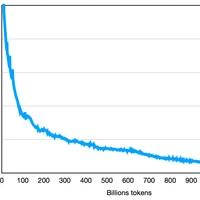

Detecting Pretraining Data from Large Language Models
Although large language models (LLMs) are widely deployed, the data used to train them is rarely disclosed. Given the incredible scale of this data, up to trillions of tokens, it is all but certain that it includes potentially problematic text such as copyrighted materials, personally identifiable information, and test data for widely reported reference benchmarks. However, we currently have no way to know which data of these types is included or in what proportions. In this paper, we study the pretraining data detection problem: given a piece of text and black-box access to an LLM without knowing the pretraining data, can we determine if the model was trained on the provided text? To facilitate this study, we introduce a dynamic benchmark WIKIMIA that uses data created before and after model training to support gold truth detection. We also introduce a new detection method Min-K% Prob based on a simple hypothesis: an unseen example is likely to contain a few outlier words with low probabilities under the LLM, while a seen example is less likely to have words with such low probabilities. Min-K% Prob can be applied without any knowledge about the pretraining corpus or any additional training, departing from previous detection methods that require training a reference model on data that is similar to the pretraining data. Moreover, our experiments demonstrate that Min-K% Prob achieves a 7.4% improvement on WIKIMIA over these previous methods. We apply Min-K% Prob to two real-world scenarios, copyrighted book detection, and contaminated downstream example detection, and find it a consistently effective solution.





Fine-grained Czech News Article Dataset: An Interdisciplinary Approach to Trustworthiness Analysis
We present the Verifee Dataset: a novel dataset of news articles with fine-grained trustworthiness annotations. We develop a detailed methodology that assesses the texts based on their parameters encompassing editorial transparency, journalist conventions, and objective reporting while penalizing manipulative techniques. We bring aboard a diverse set of researchers from social, media, and computer sciences to overcome barriers and limited framing of this interdisciplinary problem. We collect over 10,000 unique articles from almost 60 Czech online news sources. These are categorized into one of the 4 classes across the credibility spectrum we propose, raging from entirely trustworthy articles all the way to the manipulative ones. We produce detailed statistics and study trends emerging throughout the set. Lastly, we fine-tune multiple popular sequence-to-sequence language models using our dataset on the trustworthiness classification task and report the best testing F-1 score of 0.52. We open-source the dataset, annotation methodology, and annotators' instructions in full length at https://verifee.ai/research to enable easy build-up work. We believe similar methods can help prevent disinformation and educate in the realm of media literacy.
VIOLIN: A Large-Scale Dataset for Video-and-Language Inference
We introduce a new task, Video-and-Language Inference, for joint multimodal understanding of video and text. Given a video clip with aligned subtitles as premise, paired with a natural language hypothesis based on the video content, a model needs to infer whether the hypothesis is entailed or contradicted by the given video clip. A new large-scale dataset, named Violin (VIdeO-and-Language INference), is introduced for this task, which consists of 95,322 video-hypothesis pairs from 15,887 video clips, spanning over 582 hours of video. These video clips contain rich content with diverse temporal dynamics, event shifts, and people interactions, collected from two sources: (i) popular TV shows, and (ii) movie clips from YouTube channels. In order to address our new multimodal inference task, a model is required to possess sophisticated reasoning skills, from surface-level grounding (e.g., identifying objects and characters in the video) to in-depth commonsense reasoning (e.g., inferring causal relations of events in the video). We present a detailed analysis of the dataset and an extensive evaluation over many strong baselines, providing valuable insights on the challenges of this new task.

Evaluating Correctness and Faithfulness of Instruction-Following Models for Question Answering
Retriever-augmented instruction-following models are attractive alternatives to fine-tuned approaches for information-seeking tasks such as question answering (QA). By simply prepending retrieved documents in its input along with an instruction, these models can be adapted to various information domains and tasks without additional fine-tuning. While the model responses tend to be natural and fluent, the additional verbosity makes traditional QA evaluation metrics such as exact match (EM) and F1 unreliable for accurately quantifying model performance. In this work, we investigate the performance of instruction-following models across three information-seeking QA tasks. We use both automatic and human evaluation to evaluate these models along two dimensions: 1) how well they satisfy the user's information need (correctness), and 2) whether they produce a response based on the provided knowledge (faithfulness). Guided by human evaluation and analysis, we highlight the shortcomings of traditional metrics for both correctness and faithfulness. We then propose simple token-overlap based and model-based metrics that reflect the true performance of these models. Our analysis reveals that instruction-following models are competitive, and sometimes even outperform fine-tuned models for correctness. However, these models struggle to stick to the provided knowledge and often hallucinate in their responses. We hope our work encourages a more holistic evaluation of instruction-following models for QA. Our code and data is available at https://github.com/McGill-NLP/instruct-qa


PROP: Pre-training with Representative Words Prediction for Ad-hoc Retrieval
Recently pre-trained language representation models such as BERT have shown great success when fine-tuned on downstream tasks including information retrieval (IR). However, pre-training objectives tailored for ad-hoc retrieval have not been well explored. In this paper, we propose Pre-training with Representative wOrds Prediction (PROP) for ad-hoc retrieval. PROP is inspired by the classical statistical language model for IR, specifically the query likelihood model, which assumes that the query is generated as the piece of text representative of the "ideal" document. Based on this idea, we construct the representative words prediction (ROP) task for pre-training. Given an input document, we sample a pair of word sets according to the document language model, where the set with higher likelihood is deemed as more representative of the document. We then pre-train the Transformer model to predict the pairwise preference between the two word sets, jointly with the Masked Language Model (MLM) objective. By further fine-tuning on a variety of representative downstream ad-hoc retrieval tasks, PROP achieves significant improvements over baselines without pre-training or with other pre-training methods. We also show that PROP can achieve exciting performance under both the zero- and low-resource IR settings. The code and pre-trained models are available at https://github.com/Albert-Ma/PROP.

Zero-Shot Translation Quality Estimation with Explicit Cross-Lingual Patterns
This paper describes our submission of the WMT 2020 Shared Task on Sentence Level Direct Assessment, Quality Estimation (QE). In this study, we empirically reveal the mismatching issue when directly adopting BERTScore to QE. Specifically, there exist lots of mismatching errors between the source sentence and translated candidate sentence with token pairwise similarity. In response to this issue, we propose to expose explicit cross-lingual patterns, e.g. word alignments and generation score, to our proposed zero-shot models. Experiments show that our proposed QE model with explicit cross-lingual patterns could alleviate the mismatching issue, thereby improving the performance. Encouragingly, our zero-shot QE method could achieve comparable performance with supervised QE method, and even outperforms the supervised counterpart on 2 out of 6 directions. We expect our work could shed light on the zero-shot QE model improvement.

CLUE: A Chinese Language Understanding Evaluation Benchmark
The advent of natural language understanding (NLU) benchmarks for English, such as GLUE and SuperGLUE allows new NLU models to be evaluated across a diverse set of tasks. These comprehensive benchmarks have facilitated a broad range of research and applications in natural language processing (NLP). The problem, however, is that most such benchmarks are limited to English, which has made it difficult to replicate many of the successes in English NLU for other languages. To help remedy this issue, we introduce the first large-scale Chinese Language Understanding Evaluation (CLUE) benchmark. CLUE is an open-ended, community-driven project that brings together 9 tasks spanning several well-established single-sentence/sentence-pair classification tasks, as well as machine reading comprehension, all on original Chinese text. To establish results on these tasks, we report scores using an exhaustive set of current state-of-the-art pre-trained Chinese models (9 in total). We also introduce a number of supplementary datasets and additional tools to help facilitate further progress on Chinese NLU. Our benchmark is released at https://www.CLUEbenchmarks.com

FRMT: A Benchmark for Few-Shot Region-Aware Machine Translation
We present FRMT, a new dataset and evaluation benchmark for Few-shot Region-aware Machine Translation, a type of style-targeted translation. The dataset consists of professional translations from English into two regional variants each of Portuguese and Mandarin Chinese. Source documents are selected to enable detailed analysis of phenomena of interest, including lexically distinct terms and distractor terms. We explore automatic evaluation metrics for FRMT and validate their correlation with expert human evaluation across both region-matched and mismatched rating scenarios. Finally, we present a number of baseline models for this task, and offer guidelines for how researchers can train, evaluate, and compare their own models. Our dataset and evaluation code are publicly available: https://bit.ly/frmt-task
Fact, Fetch, and Reason: A Unified Evaluation of Retrieval-Augmented Generation
Large Language Models (LLMs) have demonstrated significant performance improvements across various cognitive tasks. An emerging application is using LLMs to enhance retrieval-augmented generation (RAG) capabilities. These systems require LLMs to understand user queries, retrieve relevant information, and synthesize coherent and accurate responses. Given the increasing real-world deployment of such systems, comprehensive evaluation becomes crucial. To this end, we propose FRAMES (Factuality, Retrieval, And reasoning MEasurement Set), a high-quality evaluation dataset designed to test LLMs' ability to provide factual responses, assess retrieval capabilities, and evaluate the reasoning required to generate final answers. While previous work has provided datasets and benchmarks to evaluate these abilities in isolation, FRAMES offers a unified framework that provides a clearer picture of LLM performance in end-to-end RAG scenarios. Our dataset comprises challenging multi-hop questions that require the integration of information from multiple sources. We present baseline results demonstrating that even state-of-the-art LLMs struggle with this task, achieving 0.40 accuracy with no retrieval. The accuracy is significantly improved with our proposed multi-step retrieval pipeline, achieving an accuracy of 0.66 (>50% improvement). We hope our work will help bridge evaluation gaps and assist in developing more robust and capable RAG systems.


No Detail Left Behind: Revisiting Self-Retrieval for Fine-Grained Image Captioning
Image captioning systems are unable to generate fine-grained captions as they are trained on data that is either noisy (alt-text) or generic (human annotations). This is further exacerbated by maximum likelihood training that encourages generation of frequently occurring phrases. Previous works have tried to address this limitation by fine-tuning captioners with a self-retrieval (SR) reward. However, we find that SR fine-tuning has a tendency to reduce caption faithfulness and even hallucinate. In this work, we circumvent this bottleneck by improving the MLE initialization of the captioning system and designing a curriculum for the SR fine-tuning process. To this extent, we present (1) Visual Caption Boosting, a novel framework to instill fine-grainedness in generic image captioning datasets while remaining anchored in human annotations; and (2) BagCurri, a carefully designed training curriculum that more optimally leverages the contrastive nature of the self-retrieval reward. Jointly, they enable the captioner to describe fine-grained aspects in the image while preserving faithfulness to ground-truth captions. Our approach outperforms previous work by +8.9% on SR against 99 random distractors (RD100) (Dessi et al., 2023); and +7.6% on ImageCoDe. Additionally, existing metrics to evaluate captioning systems fail to reward diversity or evaluate a model's fine-grained understanding ability. Our third contribution addresses this by proposing self-retrieval from the lens of evaluation. We introduce TrueMatch, a benchmark comprising bags of highly similar images that uses SR to assess the captioner's ability to capture subtle visual distinctions. We evaluate and compare several state-of-the-art open-source MLLMs on TrueMatch, and find that our SR approach outperforms them all by a significant margin (e.g. +4.8% - 7.1% over Cambrian) while having 1-2 orders of magnitude fewer parameters.

AGB-DE: A Corpus for the Automated Legal Assessment of Clauses in German Consumer Contracts
Legal tasks and datasets are often used as benchmarks for the capabilities of language models. However, openly available annotated datasets are rare. In this paper, we introduce AGB-DE, a corpus of 3,764 clauses from German consumer contracts that have been annotated and legally assessed by legal experts. Together with the data, we present a first baseline for the task of detecting potentially void clauses, comparing the performance of an SVM baseline with three fine-tuned open language models and the performance of GPT-3.5. Our results show the challenging nature of the task, with no approach exceeding an F1-score of 0.54. While the fine-tuned models often performed better with regard to precision, GPT-3.5 outperformed the other approaches with regard to recall. An analysis of the errors indicates that one of the main challenges could be the correct interpretation of complex clauses, rather than the decision boundaries of what is permissible and what is not.
PiC: A Phrase-in-Context Dataset for Phrase Understanding and Semantic Search
While contextualized word embeddings have been a de-facto standard, learning contextualized phrase embeddings is less explored and being hindered by the lack of a human-annotated benchmark that tests machine understanding of phrase semantics given a context sentence or paragraph (instead of phrases alone). To fill this gap, we propose PiC -- a dataset of ~28K of noun phrases accompanied by their contextual Wikipedia pages and a suite of three tasks for training and evaluating phrase embeddings. Training on PiC improves ranking models' accuracy and remarkably pushes span-selection (SS) models (i.e., predicting the start and end index of the target phrase) near-human accuracy, which is 95% Exact Match (EM) on semantic search given a query phrase and a passage. Interestingly, we find evidence that such impressive performance is because the SS models learn to better capture the common meaning of a phrase regardless of its actual context. SotA models perform poorly in distinguishing two senses of the same phrase in two contexts (~60% EM) and in estimating the similarity between two different phrases in the same context (~70% EM).



ACES: Translation Accuracy Challenge Sets for Evaluating Machine Translation Metrics
As machine translation (MT) metrics improve their correlation with human judgement every year, it is crucial to understand the limitations of such metrics at the segment level. Specifically, it is important to investigate metric behaviour when facing accuracy errors in MT because these can have dangerous consequences in certain contexts (e.g., legal, medical). We curate ACES, a translation accuracy challenge set, consisting of 68 phenomena ranging from simple perturbations at the word/character level to more complex errors based on discourse and real-world knowledge. We use ACES to evaluate a wide range of MT metrics including the submissions to the WMT 2022 metrics shared task and perform several analyses leading to general recommendations for metric developers. We recommend: a) combining metrics with different strengths, b) developing metrics that give more weight to the source and less to surface-level overlap with the reference and c) explicitly modelling additional language-specific information beyond what is available via multilingual embeddings.
Copyright Traps for Large Language Models
Questions of fair use of copyright-protected content to train Large Language Models (LLMs) are being very actively debated. Document-level inference has been proposed as a new task: inferring from black-box access to the trained model whether a piece of content has been seen during training. SOTA methods however rely on naturally occurring memorization of (part of) the content. While very effective against models that memorize a lot, we hypothesize--and later confirm--that they will not work against models that do not naturally memorize, e.g. medium-size 1B models. We here propose to use copyright traps, the inclusion of fictitious entries in original content, to detect the use of copyrighted materials in LLMs with a focus on models where memorization does not naturally occur. We carefully design an experimental setup, randomly inserting traps into original content (books) and train a 1.3B LLM. We first validate that the use of content in our target model would be undetectable using existing methods. We then show, contrary to intuition, that even medium-length trap sentences repeated a significant number of times (100) are not detectable using existing methods. However, we show that longer sequences repeated a large number of times can be reliably detected (AUC=0.75) and used as copyright traps. We further improve these results by studying how the number of times a sequence is seen improves detectability, how sequences with higher perplexity tend to be memorized more, and how taking context into account further improves detectability.


Do LVLMs Understand Charts? Analyzing and Correcting Factual Errors in Chart Captioning
Recent advancements in large vision-language models (LVLMs) have led to significant progress in generating natural language descriptions for visual content and thus enhancing various applications. One issue with these powerful models is that they sometimes produce texts that are factually inconsistent with the visual input. While there has been some effort to mitigate such inconsistencies in natural image captioning, the factuality of generated captions for structured document images, such as charts, has not received as much scrutiny, posing a potential threat to information reliability in critical applications. This work delves into the factuality aspect by introducing a comprehensive typology of factual errors in generated chart captions. A large-scale human annotation effort provides insight into the error patterns and frequencies in captions crafted by various chart captioning models, ultimately forming the foundation of a novel dataset, CHOCOLATE. Our analysis reveals that even state-of-the-art models, including GPT-4V, frequently produce captions laced with factual inaccuracies. In response to this challenge, we establish the new task of Chart Caption Factual Error Correction and introduce CHARTVE, a model for visual entailment that outperforms proprietary and open-source LVLMs in evaluating factual consistency. Furthermore, we propose C2TFEC, an interpretable two-stage framework that excels at correcting factual errors. This work inaugurates a new domain in factual error correction for chart captions, presenting a novel evaluation mechanism, and demonstrating an effective approach to ensuring the factuality of generated chart captions.


More efficient manual review of automatically transcribed tabular data
Machine learning methods have proven useful in transcribing historical data. However, results from even highly accurate methods require manual verification and correction. Such manual review can be time-consuming and expensive, therefore the objective of this paper was to make it more efficient. Previously, we used machine learning to transcribe 2.3 million handwritten occupation codes from the Norwegian 1950 census with high accuracy (97%). We manually reviewed the 90,000 (3%) codes with the lowest model confidence. We allocated those 90,000 codes to human reviewers, who used our annotation tool to review the codes. To assess reviewer agreement, some codes were assigned to multiple reviewers. We then analyzed the review results to understand the relationship between accuracy improvements and effort. Additionally, we interviewed the reviewers to improve the workflow. The reviewers corrected 62.8% of the labels and agreed with the model label in 31.9% of cases. About 0.2% of the images could not be assigned a label, while for 5.1% the reviewers were uncertain, or they assigned an invalid label. 9,000 images were independently reviewed by multiple reviewers, resulting in an agreement of 86.43% and disagreement of 8.96%. We learned that our automatic transcription is biased towards the most frequent codes, with a higher degree of misclassification for the lowest frequency codes. Our interview findings show that the reviewers did internal quality control and found our custom tool well-suited. So, only one reviewer is needed, but they should report uncertainty.
MovieQA: Understanding Stories in Movies through Question-Answering
We introduce the MovieQA dataset which aims to evaluate automatic story comprehension from both video and text. The dataset consists of 14,944 questions about 408 movies with high semantic diversity. The questions range from simpler "Who" did "What" to "Whom", to "Why" and "How" certain events occurred. Each question comes with a set of five possible answers; a correct one and four deceiving answers provided by human annotators. Our dataset is unique in that it contains multiple sources of information -- video clips, plots, subtitles, scripts, and DVS. We analyze our data through various statistics and methods. We further extend existing QA techniques to show that question-answering with such open-ended semantics is hard. We make this data set public along with an evaluation benchmark to encourage inspiring work in this challenging domain.
MISMATCH: Fine-grained Evaluation of Machine-generated Text with Mismatch Error Types
With the growing interest in large language models, the need for evaluating the quality of machine text compared to reference (typically human-generated) text has become focal attention. Most recent works focus either on task-specific evaluation metrics or study the properties of machine-generated text captured by the existing metrics. In this work, we propose a new evaluation scheme to model human judgments in 7 NLP tasks, based on the fine-grained mismatches between a pair of texts. Inspired by the recent efforts in several NLP tasks for fine-grained evaluation, we introduce a set of 13 mismatch error types such as spatial/geographic errors, entity errors, etc, to guide the model for better prediction of human judgments. We propose a neural framework for evaluating machine texts that uses these mismatch error types as auxiliary tasks and re-purposes the existing single-number evaluation metrics as additional scalar features, in addition to textual features extracted from the machine and reference texts. Our experiments reveal key insights about the existing metrics via the mismatch errors. We show that the mismatch errors between the sentence pairs on the held-out datasets from 7 NLP tasks align well with the human evaluation.


Lost in Translation? Translation Errors and Challenges for Fair Assessment of Text-to-Image Models on Multilingual Concepts
Benchmarks of the multilingual capabilities of text-to-image (T2I) models compare generated images prompted in a test language to an expected image distribution over a concept set. One such benchmark, "Conceptual Coverage Across Languages" (CoCo-CroLa), assesses the tangible noun inventory of T2I models by prompting them to generate pictures from a concept list translated to seven languages and comparing the output image populations. Unfortunately, we find that this benchmark contains translation errors of varying severity in Spanish, Japanese, and Chinese. We provide corrections for these errors and analyze how impactful they are on the utility and validity of CoCo-CroLa as a benchmark. We reassess multiple baseline T2I models with the revisions, compare the outputs elicited under the new translations to those conditioned on the old, and show that a correction's impactfulness on the image-domain benchmark results can be predicted in the text domain with similarity scores. Our findings will guide the future development of T2I multilinguality metrics by providing analytical tools for practical translation decisions.


Revisiting Metric Reliability for Fine-grained Evaluation of Machine Translation and Summarization in Indian Languages
While automatic metrics drive progress in Machine Translation (MT) and Text Summarization (TS), existing metrics have been developed and validated almost exclusively for English and other high-resource languages. This narrow focus leaves Indian languages, spoken by over 1.5 billion people, largely overlooked, casting doubt on the universality of current evaluation practices. To address this gap, we introduce ITEM, a large-scale benchmark that systematically evaluates the alignment of 26 automatic metrics with human judgments across six major Indian languages, enriched with fine-grained annotations. Our extensive evaluation, covering agreement with human judgments, sensitivity to outliers, language-specific reliability, inter-metric correlations, and resilience to controlled perturbations, reveals four central findings: (1) LLM-based evaluators show the strongest alignment with human judgments at both segment and system levels; (2) outliers exert a significant impact on metric-human agreement; (3) in TS, metrics are more effective at capturing content fidelity, whereas in MT, they better reflect fluency; and (4) metrics differ in their robustness and sensitivity when subjected to diverse perturbations. Collectively, these findings offer critical guidance for advancing metric design and evaluation in Indian languages.
JESC: Japanese-English Subtitle Corpus
In this paper we describe the Japanese-English Subtitle Corpus (JESC). JESC is a large Japanese-English parallel corpus covering the underrepresented domain of conversational dialogue. It consists of more than 3.2 million examples, making it the largest freely available dataset of its kind. The corpus was assembled by crawling and aligning subtitles found on the web. The assembly process incorporates a number of novel preprocessing elements to ensure high monolingual fluency and accurate bilingual alignments. We summarize its contents and evaluate its quality using human experts and baseline machine translation (MT) systems.
TransEvalnia: Reasoning-based Evaluation and Ranking of Translations
We present TransEvalnia, a prompting-based translation evaluation and ranking system that uses reasoning in performing its evaluations and ranking. This system presents fine-grained evaluations based on a subset of the Multidimensional Quality Metrics (https://themqm.org/), returns an assessment of which translation it deems the best, and provides numerical scores for the various dimensions and for the overall translation. We show that TransEvalnia performs as well as or better than the state-of-the-art MT-Ranker (Moosa et al. 2024) on our own English-Japanese data as well as several language pairs from various WMT shared tasks. Using Anthropic's Claude-3.5-Sonnet and Qwen-2.5-72B-Instruct as the evaluation LLMs, we show that the evaluations returned are deemed highly acceptable to human raters, and that the scores assigned to the translations by Sonnet, as well as other LLMs, correlate well with scores assigned by the human raters. We also note the sensitivity of our system -- as well as MT-Ranker -- to the order in which the translations are presented, and we propose methods to address this position bias. All data, including the system's evaluation and reasoning, human assessments, as well as code is released.

The Gutenberg Dialogue Dataset
Large datasets are essential for neural modeling of many NLP tasks. Current publicly available open-domain dialogue datasets offer a trade-off between quality (e.g., DailyDialog) and size (e.g., Opensubtitles). We narrow this gap by building a high-quality dataset of 14.8M utterances in English, and smaller datasets in German, Dutch, Spanish, Portuguese, Italian, and Hungarian. We extract and process dialogues from public-domain books made available by Project Gutenberg. We describe our dialogue extraction pipeline, analyze the effects of the various heuristics used, and present an error analysis of extracted dialogues. Finally, we conduct experiments showing that better response quality can be achieved in zero-shot and finetuning settings by training on our data than on the larger but much noisier Opensubtitles dataset. Our open-source pipeline (https://github.com/ricsinaruto/gutenberg-dialog) can be extended to further languages with little additional effort. Researchers can also build their versions of existing datasets by adjusting various trade-off parameters. We also built a web demo for interacting with our models: https://ricsinaruto.github.io/chatbot.html.
Evaluating Large Language Models for Health-related Queries with Presuppositions
As corporations rush to integrate large language models (LLMs) to their search offerings, it is critical that they provide factually accurate information that is robust to any presuppositions that a user may express. In this work, we introduce UPHILL, a dataset consisting of health-related queries with varying degrees of presuppositions. Using UPHILL, we evaluate the factual accuracy and consistency of InstructGPT, ChatGPT, and BingChat models. We find that while model responses rarely disagree with true health claims (posed as questions), they often fail to challenge false claims: responses from InstructGPT agree with 32% of the false claims, ChatGPT 26% and BingChat 23%. As we increase the extent of presupposition in input queries, the responses from InstructGPT and ChatGPT agree with the claim considerably more often, regardless of its veracity. Responses from BingChat, which rely on retrieved webpages, are not as susceptible. Given the moderate factual accuracy, and the inability of models to consistently correct false assumptions, our work calls for a careful assessment of current LLMs for use in high-stakes scenarios.

AIS 2024 Challenge on Video Quality Assessment of User-Generated Content: Methods and Results
This paper reviews the AIS 2024 Video Quality Assessment (VQA) Challenge, focused on User-Generated Content (UGC). The aim of this challenge is to gather deep learning-based methods capable of estimating the perceptual quality of UGC videos. The user-generated videos from the YouTube UGC Dataset include diverse content (sports, games, lyrics, anime, etc.), quality and resolutions. The proposed methods must process 30 FHD frames under 1 second. In the challenge, a total of 102 participants registered, and 15 submitted code and models. The performance of the top-5 submissions is reviewed and provided here as a survey of diverse deep models for efficient video quality assessment of user-generated content.


GUIDE: A Guideline-Guided Dataset for Instructional Video Comprehension
There are substantial instructional videos on the Internet, which provide us tutorials for completing various tasks. Existing instructional video datasets only focus on specific steps at the video level, lacking experiential guidelines at the task level, which can lead to beginners struggling to learn new tasks due to the lack of relevant experience. Moreover, the specific steps without guidelines are trivial and unsystematic, making it difficult to provide a clear tutorial. To address these problems, we present the GUIDE (Guideline-Guided) dataset, which contains 3.5K videos of 560 instructional tasks in 8 domains related to our daily life. Specifically, we annotate each instructional task with a guideline, representing a common pattern shared by all task-related videos. On this basis, we annotate systematic specific steps, including their associated guideline steps, specific step descriptions and timestamps. Our proposed benchmark consists of three sub-tasks to evaluate comprehension ability of models: (1) Step Captioning: models have to generate captions for specific steps from videos. (2) Guideline Summarization: models have to mine the common pattern in task-related videos and summarize a guideline from them. (3) Guideline-Guided Captioning: models have to generate captions for specific steps under the guide of guideline. We evaluate plenty of foundation models with GUIDE and perform in-depth analysis. Given the diversity and practicality of GUIDE, we believe that it can be used as a better benchmark for instructional video comprehension.

Precise Zero-Shot Dense Retrieval without Relevance Labels
While dense retrieval has been shown effective and efficient across tasks and languages, it remains difficult to create effective fully zero-shot dense retrieval systems when no relevance label is available. In this paper, we recognize the difficulty of zero-shot learning and encoding relevance. Instead, we propose to pivot through Hypothetical Document Embeddings~(HyDE). Given a query, HyDE first zero-shot instructs an instruction-following language model (e.g. InstructGPT) to generate a hypothetical document. The document captures relevance patterns but is unreal and may contain false details. Then, an unsupervised contrastively learned encoder~(e.g. Contriever) encodes the document into an embedding vector. This vector identifies a neighborhood in the corpus embedding space, where similar real documents are retrieved based on vector similarity. This second step ground the generated document to the actual corpus, with the encoder's dense bottleneck filtering out the incorrect details. Our experiments show that HyDE significantly outperforms the state-of-the-art unsupervised dense retriever Contriever and shows strong performance comparable to fine-tuned retrievers, across various tasks (e.g. web search, QA, fact verification) and languages~(e.g. sw, ko, ja).

SemEval-2020 Task 11: Detection of Propaganda Techniques in News Articles
We present the results and the main findings of SemEval-2020 Task 11 on Detection of Propaganda Techniques in News Articles. The task featured two subtasks. Subtask SI is about Span Identification: given a plain-text document, spot the specific text fragments containing propaganda. Subtask TC is about Technique Classification: given a specific text fragment, in the context of a full document, determine the propaganda technique it uses, choosing from an inventory of 14 possible propaganda techniques. The task attracted a large number of participants: 250 teams signed up to participate and 44 made a submission on the test set. In this paper, we present the task, analyze the results, and discuss the system submissions and the methods they used. For both subtasks, the best systems used pre-trained Transformers and ensembles.
Machine Translation Meta Evaluation through Translation Accuracy Challenge Sets
Recent machine translation (MT) metrics calibrate their effectiveness by correlating with human judgement but without any insights about their behaviour across different error types. Challenge sets are used to probe specific dimensions of metric behaviour but there are very few such datasets and they either focus on a limited number of phenomena or a limited number of language pairs. We introduce ACES, a contrastive challenge set spanning 146 language pairs, aimed at discovering whether metrics can identify 68 translation accuracy errors. These phenomena range from simple alterations at the word/character level to more complex errors based on discourse and real-world knowledge. We conduct a large-scale study by benchmarking ACES on 50 metrics submitted to the WMT 2022 and 2023 metrics shared tasks. We benchmark metric performance, assess their incremental performance over successive campaigns, and measure their sensitivity to a range of linguistic phenomena. We also investigate claims that Large Language Models (LLMs) are effective as MT evaluators by evaluating on ACES. Our results demonstrate that different metric families struggle with different phenomena and that LLM-based methods fail to demonstrate reliable performance. Our analyses indicate that most metrics ignore the source sentence, tend to prefer surface-level overlap and end up incorporating properties of base models which are not always beneficial. We expand ACES to include error span annotations, denoted as SPAN-ACES and we use this dataset to evaluate span-based error metrics showing these metrics also need considerable improvement. Finally, we provide a set of recommendations for building better MT metrics, including focusing on error labels instead of scores, ensembling, designing strategies to explicitly focus on the source sentence, focusing on semantic content and choosing the right base model for representations.
BoolQ: Exploring the Surprising Difficulty of Natural Yes/No Questions
In this paper we study yes/no questions that are naturally occurring --- meaning that they are generated in unprompted and unconstrained settings. We build a reading comprehension dataset, BoolQ, of such questions, and show that they are unexpectedly challenging. They often query for complex, non-factoid information, and require difficult entailment-like inference to solve. We also explore the effectiveness of a range of transfer learning baselines. We find that transferring from entailment data is more effective than transferring from paraphrase or extractive QA data, and that it, surprisingly, continues to be very beneficial even when starting from massive pre-trained language models such as BERT. Our best method trains BERT on MultiNLI and then re-trains it on our train set. It achieves 80.4% accuracy compared to 90% accuracy of human annotators (and 62% majority-baseline), leaving a significant gap for future work.
VideoSET: Video Summary Evaluation through Text
In this paper we present VideoSET, a method for Video Summary Evaluation through Text that can evaluate how well a video summary is able to retain the semantic information contained in its original video. We observe that semantics is most easily expressed in words, and develop a text-based approach for the evaluation. Given a video summary, a text representation of the video summary is first generated, and an NLP-based metric is then used to measure its semantic distance to ground-truth text summaries written by humans. We show that our technique has higher agreement with human judgment than pixel-based distance metrics. We also release text annotations and ground-truth text summaries for a number of publicly available video datasets, for use by the computer vision community.
Benchmarks Underestimate the Readiness of Multi-lingual Dialogue Agents
Creating multilingual task-oriented dialogue (TOD) agents is challenging due to the high cost of training data acquisition. Following the research trend of improving training data efficiency, we show for the first time, that in-context learning is sufficient to tackle multilingual TOD. To handle the challenging dialogue state tracking (DST) subtask, we break it down to simpler steps that are more compatible with in-context learning where only a handful of few-shot examples are used. We test our approach on the multilingual TOD dataset X-RiSAWOZ, which has 12 domains in Chinese, English, French, Korean, Hindi, and code-mixed Hindi-English. Our turn-by-turn DST accuracy on the 6 languages range from 55.6% to 80.3%, seemingly worse than the SOTA results from fine-tuned models that achieve from 60.7% to 82.8%; our BLEU scores in the response generation (RG) subtask are also significantly lower than SOTA. However, after manual evaluation of the validation set, we find that by correcting gold label errors and improving dataset annotation schema, GPT-4 with our prompts can achieve (1) 89.6%-96.8% accuracy in DST, and (2) more than 99% correct response generation across different languages. This leads us to conclude that current automatic metrics heavily underestimate the effectiveness of in-context learning.



Evaluating Semantic Accuracy of Data-to-Text Generation with Natural Language Inference
A major challenge in evaluating data-to-text (D2T) generation is measuring the semantic accuracy of the generated text, i.e. checking if the output text contains all and only facts supported by the input data. We propose a new metric for evaluating the semantic accuracy of D2T generation based on a neural model pretrained for natural language inference (NLI). We use the NLI model to check textual entailment between the input data and the output text in both directions, allowing us to reveal omissions or hallucinations. Input data are converted to text for NLI using trivial templates. Our experiments on two recent D2T datasets show that our metric can achieve high accuracy in identifying erroneous system outputs.

SIFT: Grounding LLM Reasoning in Contexts via Stickers
This paper identifies the misinterpretation of the context can be a significant issue during the reasoning process of large language models, spanning from smaller models like Llama3.2-3B-Instruct to cutting-edge ones like DeepSeek-R1. For example, in the phrase "10 dollars per kilo," LLMs might not recognize that "per" means "for each," leading to calculation errors. We introduce a novel, post-training approach called **Stick to the Facts (SIFT)** to tackle this. SIFT leverages increasing inference-time compute to ground LLM reasoning in contexts. At the core of SIFT lies the *Sticker*, which is generated by the model itself to explicitly emphasize the key information within the context. Given the curated Sticker, SIFT generates two predictions -- one from the original query and one from the query augmented with the Sticker. If they differ, the Sticker is sequentially refined via *forward* optimization (to better align the extracted facts with the query) and *inverse* generation (to conform with the model's inherent tendencies) for more faithful reasoning outcomes. Studies across diverse models (from 3B to 100B+) and benchmarks (e.g., GSM8K, MATH-500) reveal consistent performance improvements. Notably, SIFT improves the pass@1 accuracy of DeepSeek-R1 on AIME2024 from 78.33% to **85.67**%, establishing a new state-of-the-art in the open-source community. The code is available at https://github.com/zhijie-group/SIFT.


LCS: A Language Converter Strategy for Zero-Shot Neural Machine Translation
Multilingual neural machine translation models generally distinguish translation directions by the language tag (LT) in front of the source or target sentences. However, current LT strategies cannot indicate the desired target language as expected on zero-shot translation, i.e., the off-target issue. Our analysis reveals that the indication of the target language is sensitive to the placement of the target LT. For example, when placing the target LT on the decoder side, the indication would rapidly degrade along with decoding steps, while placing the target LT on the encoder side would lead to copying or paraphrasing the source input. To address the above issues, we propose a simple yet effective strategy named Language Converter Strategy (LCS). By introducing the target language embedding into the top encoder layers, LCS mitigates confusion in the encoder and ensures stable language indication for the decoder. Experimental results on MultiUN, TED, and OPUS-100 datasets demonstrate that LCS could significantly mitigate the off-target issue, with language accuracy up to 95.28%, 96.21%, and 85.35% meanwhile outperforming the vanilla LT strategy by 3.07, 3,3, and 7.93 BLEU scores on zero-shot translation, respectively.
Estimating Machine Translation Difficulty
Machine translation quality has steadily improved over the years, achieving near-perfect translations in recent benchmarks. These high-quality outputs make it difficult to distinguish between state-of-the-art models and to identify areas for future improvement. In this context, automatically identifying texts where machine translation systems struggle holds promise for developing more discriminative evaluations and guiding future research. In this work, we address this gap by formalizing the task of translation difficulty estimation, defining a text's difficulty based on the expected quality of its translations. We introduce a new metric to evaluate difficulty estimators and use it to assess both baselines and novel approaches. Finally, we demonstrate the practical utility of difficulty estimators by using them to construct more challenging benchmarks for machine translation. Our results show that dedicated models outperform both heuristic-based methods and LLM-as-a-judge approaches, with Sentinel-src achieving the best performance. Thus, we release two improved models for difficulty estimation, Sentinel-src-24 and Sentinel-src-25, which can be used to scan large collections of texts and select those most likely to challenge contemporary machine translation systems.

Content-Rich AIGC Video Quality Assessment via Intricate Text Alignment and Motion-Aware Consistency
The advent of next-generation video generation models like Sora poses challenges for AI-generated content (AIGC) video quality assessment (VQA). These models substantially mitigate flickering artifacts prevalent in prior models, enable longer and complex text prompts and generate longer videos with intricate, diverse motion patterns. Conventional VQA methods designed for simple text and basic motion patterns struggle to evaluate these content-rich videos. To this end, we propose CRAVE (Content-Rich AIGC Video Evaluator), specifically for the evaluation of Sora-era AIGC videos. CRAVE proposes the multi-granularity text-temporal fusion that aligns long-form complex textual semantics with video dynamics. Additionally, CRAVE leverages the hybrid motion-fidelity modeling to assess temporal artifacts. Furthermore, given the straightforward prompts and content in current AIGC VQA datasets, we introduce CRAVE-DB, a benchmark featuring content-rich videos from next-generation models paired with elaborate prompts. Extensive experiments have shown that the proposed CRAVE achieves excellent results on multiple AIGC VQA benchmarks, demonstrating a high degree of alignment with human perception. All data and code will be publicly available at https://github.com/littlespray/CRAVE.
BaRDa: A Belief and Reasoning Dataset that Separates Factual Accuracy and Reasoning Ability
While there are numerous benchmarks comparing the performance of modern language models (LMs), end-task evaluations often conflate notions of *factual accuracy* ("truth") and *reasoning ability* ("rationality", or "honesty" in the sense of correctly reporting implications of beliefs). Our goal is a dataset that clearly distinguishes these two notions. Our approach is to leverage and extend a collection of human-annotated *entailment trees*, engineered to express both good and bad chains of reasoning, and using a mixture of true and false facts, in particular including counterfactual examples, to avoid belief bias (also known as the "content effect"). The resulting dataset, called BaRDa, contains 3000 entailments (1787 valid, 1213 invalid), using 6681 true and 2319 false statements. Testing on four GPT-series models, GPT3(curie)/GPT3(davinici)/3.5/4, we find factual accuracy (truth) scores of 74.1/80.6/82.6/87.1 and reasoning accuracy scores of 63.1/78.0/71.8/79.2. This shows the clear progression of models towards improved factual accuracy and entailment reasoning, and the dataset provides a new benchmark that more cleanly separates and quantifies these two notions.

Supervised Topical Key Phrase Extraction of News Stories using Crowdsourcing, Light Filtering and Co-reference Normalization
Fast and effective automated indexing is critical for search and personalized services. Key phrases that consist of one or more words and represent the main concepts of the document are often used for the purpose of indexing. In this paper, we investigate the use of additional semantic features and pre-processing steps to improve automatic key phrase extraction. These features include the use of signal words and freebase categories. Some of these features lead to significant improvements in the accuracy of the results. We also experimented with 2 forms of document pre-processing that we call light filtering and co-reference normalization. Light filtering removes sentences from the document, which are judged peripheral to its main content. Co-reference normalization unifies several written forms of the same named entity into a unique form. We also needed a "Gold Standard" - a set of labeled documents for training and evaluation. While the subjective nature of key phrase selection precludes a true "Gold Standard", we used Amazon's Mechanical Turk service to obtain a useful approximation. Our data indicates that the biggest improvements in performance were due to shallow semantic features, news categories, and rhetorical signals (nDCG 78.47% vs. 68.93%). The inclusion of deeper semantic features such as Freebase sub-categories was not beneficial by itself, but in combination with pre-processing, did cause slight improvements in the nDCG scores.
Limitations of Automatic Relevance Assessments with Large Language Models for Fair and Reliable Retrieval Evaluation
Offline evaluation of search systems depends on test collections. These benchmarks provide the researchers with a corpus of documents, topics and relevance judgements indicating which documents are relevant for each topic. While test collections are an integral part of Information Retrieval (IR) research, their creation involves significant efforts in manual annotation. Large language models (LLMs) are gaining much attention as tools for automatic relevance assessment. Recent research has shown that LLM-based assessments yield high systems ranking correlation with human-made judgements. These correlations are helpful in large-scale experiments but less informative if we want to focus on top-performing systems. Moreover, these correlations ignore whether and how LLM-based judgements impact the statistically significant differences among systems with respect to human assessments. In this work, we look at how LLM-generated judgements preserve ranking differences among top-performing systems and also how they preserve pairwise significance evaluation as human judgements. Our results show that LLM-based judgements are unfair at ranking top-performing systems. Moreover, we observe an exceedingly high rate of false positives regarding statistical differences. Our work represents a step forward in the evaluation of the reliability of using LLMs-based judgements for IR evaluation. We hope this will serve as a basis for other researchers to develop more reliable models for automatic relevance assessment.

ColBERT's [MASK]-based Query Augmentation: Effects of Quadrupling the Query Input Length
A unique aspect of ColBERT is its use of [MASK] tokens in queries to score documents (query augmentation). Prior work shows [MASK] tokens weighting non-[MASK] query terms, emphasizing certain tokens over others , rather than introducing whole new terms as initially proposed. We begin by demonstrating that a term weighting behavior previously reported for [MASK] tokens in ColBERTv1 holds for ColBERTv2. We then examine the effect of changing the number of [MASK] tokens from zero to up to four times past the query input length used in training, both for first stage retrieval, and for scoring candidates, observing an initial decrease in performance with few [MASK]s, a large increase when enough [MASK]s are added to pad queries to an average length of 32, then a plateau in performance afterwards. Additionally, we compare baseline performance to performance when the query length is extended to 128 tokens, and find that differences are small (e.g., within 1% on various metrics) and generally statistically insignificant, indicating performance does not collapse if ColBERT is presented with more [MASK] tokens than expected.
Goldfish: Vision-Language Understanding of Arbitrarily Long Videos
Most current LLM-based models for video understanding can process videos within minutes. However, they struggle with lengthy videos due to challenges such as "noise and redundancy", as well as "memory and computation" constraints. In this paper, we present Goldfish, a methodology tailored for comprehending videos of arbitrary lengths. We also introduce the TVQA-long benchmark, specifically designed to evaluate models' capabilities in understanding long videos with questions in both vision and text content. Goldfish approaches these challenges with an efficient retrieval mechanism that initially gathers the top-k video clips relevant to the instruction before proceeding to provide the desired response. This design of the retrieval mechanism enables the Goldfish to efficiently process arbitrarily long video sequences, facilitating its application in contexts such as movies or television series. To facilitate the retrieval process, we developed MiniGPT4-Video that generates detailed descriptions for the video clips. In addressing the scarcity of benchmarks for long video evaluation, we adapted the TVQA short video benchmark for extended content analysis by aggregating questions from entire episodes, thereby shifting the evaluation from partial to full episode comprehension. We attained a 41.78% accuracy rate on the TVQA-long benchmark, surpassing previous methods by 14.94%. Our MiniGPT4-Video also shows exceptional performance in short video comprehension, exceeding existing state-of-the-art methods by 3.23%, 2.03%, 16.5% and 23.59% on the MSVD, MSRVTT, TGIF, and TVQA short video benchmarks, respectively. These results indicate that our models have significant improvements in both long and short-video understanding. Our models and code have been made publicly available at https://vision-cair.github.io/Goldfish_website/

Right for the Wrong Reasons: Diagnosing Syntactic Heuristics in Natural Language Inference
A machine learning system can score well on a given test set by relying on heuristics that are effective for frequent example types but break down in more challenging cases. We study this issue within natural language inference (NLI), the task of determining whether one sentence entails another. We hypothesize that statistical NLI models may adopt three fallible syntactic heuristics: the lexical overlap heuristic, the subsequence heuristic, and the constituent heuristic. To determine whether models have adopted these heuristics, we introduce a controlled evaluation set called HANS (Heuristic Analysis for NLI Systems), which contains many examples where the heuristics fail. We find that models trained on MNLI, including BERT, a state-of-the-art model, perform very poorly on HANS, suggesting that they have indeed adopted these heuristics. We conclude that there is substantial room for improvement in NLI systems, and that the HANS dataset can motivate and measure progress in this area
Constructing Datasets for Multi-hop Reading Comprehension Across Documents
Most Reading Comprehension methods limit themselves to queries which can be answered using a single sentence, paragraph, or document. Enabling models to combine disjoint pieces of textual evidence would extend the scope of machine comprehension methods, but currently there exist no resources to train and test this capability. We propose a novel task to encourage the development of models for text understanding across multiple documents and to investigate the limits of existing methods. In our task, a model learns to seek and combine evidence - effectively performing multi-hop (alias multi-step) inference. We devise a methodology to produce datasets for this task, given a collection of query-answer pairs and thematically linked documents. Two datasets from different domains are induced, and we identify potential pitfalls and devise circumvention strategies. We evaluate two previously proposed competitive models and find that one can integrate information across documents. However, both models struggle to select relevant information, as providing documents guaranteed to be relevant greatly improves their performance. While the models outperform several strong baselines, their best accuracy reaches 42.9% compared to human performance at 74.0% - leaving ample room for improvement.
LLMJudge: LLMs for Relevance Judgments
The LLMJudge challenge is organized as part of the LLM4Eval workshop at SIGIR 2024. Test collections are essential for evaluating information retrieval (IR) systems. The evaluation and tuning of a search system is largely based on relevance labels, which indicate whether a document is useful for a specific search and user. However, collecting relevance judgments on a large scale is costly and resource-intensive. Consequently, typical experiments rely on third-party labelers who may not always produce accurate annotations. The LLMJudge challenge aims to explore an alternative approach by using LLMs to generate relevance judgments. Recent studies have shown that LLMs can generate reliable relevance judgments for search systems. However, it remains unclear which LLMs can match the accuracy of human labelers, which prompts are most effective, how fine-tuned open-source LLMs compare to closed-source LLMs like GPT-4, whether there are biases in synthetically generated data, and if data leakage affects the quality of generated labels. This challenge will investigate these questions, and the collected data will be released as a package to support automatic relevance judgment research in information retrieval and search.

Making Short-Form Videos Accessible with Hierarchical Video Summaries
Short videos on platforms such as TikTok, Instagram Reels, and YouTube Shorts (i.e. short-form videos) have become a primary source of information and entertainment. Many short-form videos are inaccessible to blind and low vision (BLV) viewers due to their rapid visual changes, on-screen text, and music or meme-audio overlays. In our formative study, 7 BLV viewers who regularly watched short-form videos reported frequently skipping such inaccessible content. We present ShortScribe, a system that provides hierarchical visual summaries of short-form videos at three levels of detail to support BLV viewers in selecting and understanding short-form videos. ShortScribe allows BLV users to navigate between video descriptions based on their level of interest. To evaluate ShortScribe, we assessed description accuracy and conducted a user study with 10 BLV participants comparing ShortScribe to a baseline interface. When using ShortScribe, participants reported higher comprehension and provided more accurate summaries of video content.

Evaluating the Zero-shot Robustness of Instruction-tuned Language Models
Instruction fine-tuning has recently emerged as a promising approach for improving the zero-shot capabilities of Large Language Models (LLMs) on new tasks. This technique has shown particular strength in improving the performance of modestly sized LLMs, sometimes inducing performance competitive with much larger model variants. In this paper we ask two questions: (1) How sensitive are instruction-tuned models to the particular phrasings of instructions, and, (2) How can we make them more robust to such natural language variation? To answer the former, we collect a set of 319 instructions manually written by NLP practitioners for over 80 unique tasks included in widely used benchmarks, and we evaluate the variance and average performance of these instructions as compared to instruction phrasings observed during instruction fine-tuning. We find that using novel (unobserved) but appropriate instruction phrasings consistently degrades model performance, sometimes substantially so. Further, such natural instructions yield a wide variance in downstream performance, despite their semantic equivalence. Put another way, instruction-tuned models are not especially robust to instruction re-phrasings. We propose a simple method to mitigate this issue by introducing ``soft prompt'' embedding parameters and optimizing these to maximize the similarity between representations of semantically equivalent instructions. We show that this method consistently improves the robustness of instruction-tuned models.

Improving Automatic VQA Evaluation Using Large Language Models
8 years after the visual question answering (VQA) task was proposed, accuracy remains the primary metric for automatic evaluation. VQA Accuracy has been effective so far in the IID evaluation setting. However, our community is undergoing a shift towards open-ended generative models and OOD evaluation. In this new paradigm, the existing VQA Accuracy metric is overly stringent and underestimates the performance of VQA systems. Thus, there is a need to develop more robust automatic VQA metrics that serve as a proxy for human judgment. In this work, we propose to leverage the in-context learning capabilities of instruction-tuned large language models (LLMs) to build a better VQA metric. We formulate VQA evaluation as an answer-rating task where the LLM is instructed to score the accuracy of a candidate answer given a set of reference answers. We demonstrate the proposed metric better correlates with human judgment compared to existing metrics across several VQA models and benchmarks. We hope wide adoption of our metric will contribute to better estimating the research progress on the VQA task. We plan to release the evaluation code and collected human judgments.


Hierarchical Video-Moment Retrieval and Step-Captioning
There is growing interest in searching for information from large video corpora. Prior works have studied relevant tasks, such as text-based video retrieval, moment retrieval, video summarization, and video captioning in isolation, without an end-to-end setup that can jointly search from video corpora and generate summaries. Such an end-to-end setup would allow for many interesting applications, e.g., a text-based search that finds a relevant video from a video corpus, extracts the most relevant moment from that video, and segments the moment into important steps with captions. To address this, we present the HiREST (HIerarchical REtrieval and STep-captioning) dataset and propose a new benchmark that covers hierarchical information retrieval and visual/textual stepwise summarization from an instructional video corpus. HiREST consists of 3.4K text-video pairs from an instructional video dataset, where 1.1K videos have annotations of moment spans relevant to text query and breakdown of each moment into key instruction steps with caption and timestamps (totaling 8.6K step captions). Our hierarchical benchmark consists of video retrieval, moment retrieval, and two novel moment segmentation and step captioning tasks. In moment segmentation, models break down a video moment into instruction steps and identify start-end boundaries. In step captioning, models generate a textual summary for each step. We also present starting point task-specific and end-to-end joint baseline models for our new benchmark. While the baseline models show some promising results, there still exists large room for future improvement by the community. Project website: https://hirest-cvpr2023.github.io

Improving Human Text Comprehension through Semi-Markov CRF-based Neural Section Title Generation
Titles of short sections within long documents support readers by guiding their focus towards relevant passages and by providing anchor-points that help to understand the progression of the document. The positive effects of section titles are even more pronounced when measured on readers with less developed reading abilities, for example in communities with limited labeled text resources. We, therefore, aim to develop techniques to generate section titles in low-resource environments. In particular, we present an extractive pipeline for section title generation by first selecting the most salient sentence and then applying deletion-based compression. Our compression approach is based on a Semi-Markov Conditional Random Field that leverages unsupervised word-representations such as ELMo or BERT, eliminating the need for a complex encoder-decoder architecture. The results show that this approach leads to competitive performance with sequence-to-sequence models with high resources, while strongly outperforming it with low resources. In a human-subject study across subjects with varying reading abilities, we find that our section titles improve the speed of completing comprehension tasks while retaining similar accuracy.

Revisiting Low-Resource Neural Machine Translation: A Case Study
It has been shown that the performance of neural machine translation (NMT) drops starkly in low-resource conditions, underperforming phrase-based statistical machine translation (PBSMT) and requiring large amounts of auxiliary data to achieve competitive results. In this paper, we re-assess the validity of these results, arguing that they are the result of lack of system adaptation to low-resource settings. We discuss some pitfalls to be aware of when training low-resource NMT systems, and recent techniques that have shown to be especially helpful in low-resource settings, resulting in a set of best practices for low-resource NMT. In our experiments on German--English with different amounts of IWSLT14 training data, we show that, without the use of any auxiliary monolingual or multilingual data, an optimized NMT system can outperform PBSMT with far less data than previously claimed. We also apply these techniques to a low-resource Korean-English dataset, surpassing previously reported results by 4 BLEU.

SealQA: Raising the Bar for Reasoning in Search-Augmented Language Models
We introduce SealQA, a new challenge benchmark for evaluating SEarch-Augmented Language models on fact-seeking questions where web search yields conflicting, noisy, or unhelpful results. SealQA comes in three flavors: (1) Seal-0 (main) and (2) Seal-Hard, which assess factual accuracy and reasoning capabilities, with Seal-0 focusing on the most challenging questions where chat models (e.g., GPT-4.1) typically achieve near-zero accuracy; and (3) LongSeal, which extends SealQA to test long-context, multi-document reasoning in "needle-in-a-haystack" settings. Our evaluation reveals critical limitations in current models: Even frontier LLMs perform poorly across all SealQA flavors. On Seal-0, frontier agentic models equipped with tools like o3 and o4-mini achieve only 17.1% and 6.3% accuracy, respectively, at their best reasoning efforts. We find that advanced reasoning models such as DeepSeek-R1-671B and o3-mini are highly vulnerable to noisy search results. Notably, increasing test-time compute does not yield reliable gains across o3-mini, o4-mini, and o3, with performance often plateauing or even declining early. Additionally, while recent models are less affected by the "lost-in-the-middle" issue, they still fail to reliably identify relevant documents in LongSeal when faced with numerous distractors. To facilitate future work, we release SealQA at huggingface.co/datasets/vtllms/sealqa.


Rephrasing natural text data with different languages and quality levels for Large Language Model pre-training
Recently published work on rephrasing natural text data for pre-training LLMs has shown promising results when combining the original dataset with the synthetically rephrased data. We build upon previous work by replicating existing results on C4 and extending them with our optimized rephrasing pipeline to the English, German, Italian, and Spanish Oscar subsets of CulturaX. Our pipeline leads to increased performance on standard evaluation benchmarks in both the mono- and multilingual setup. In addition, we provide a detailed study of our pipeline, investigating the choice of the base dataset and LLM for the rephrasing, as well as the relationship between the model size and the performance after pre-training. By exploring data with different perceived quality levels, we show that gains decrease with higher quality. Furthermore, we find the difference in performance between model families to be bigger than between different model sizes. This highlights the necessity for detailed tests before choosing an LLM to rephrase large amounts of data. Moreover, we investigate the effect of pre-training with synthetic data on supervised fine-tuning. Here, we find increasing but inconclusive results that highly depend on the used benchmark. These results (again) highlight the need for better benchmarking setups. In summary, we show that rephrasing multilingual and low-quality data is a very promising direction to extend LLM pre-training data.


A Picture is Worth a Thousand Words: Principled Recaptioning Improves Image Generation
Text-to-image diffusion models achieved a remarkable leap in capabilities over the last few years, enabling high-quality and diverse synthesis of images from a textual prompt. However, even the most advanced models often struggle to precisely follow all of the directions in their prompts. The vast majority of these models are trained on datasets consisting of (image, caption) pairs where the images often come from the web, and the captions are their HTML alternate text. A notable example is the LAION dataset, used by Stable Diffusion and other models. In this work we observe that these captions are often of low quality, and argue that this significantly affects the model's capability to understand nuanced semantics in the textual prompts. We show that by relabeling the corpus with a specialized automatic captioning model and training a text-to-image model on the recaptioned dataset, the model benefits substantially across the board. First, in overall image quality: e.g. FID 14.84 vs. the baseline of 17.87, and 64.3% improvement in faithful image generation according to human evaluation. Second, in semantic alignment, e.g. semantic object accuracy 84.34 vs. 78.90, counting alignment errors 1.32 vs. 1.44 and positional alignment 62.42 vs. 57.60. We analyze various ways to relabel the corpus and provide evidence that this technique, which we call RECAP, both reduces the train-inference discrepancy and provides the model with more information per example, increasing sample efficiency and allowing the model to better understand the relations between captions and images.


In-Context Example Selection via Similarity Search Improves Low-Resource Machine Translation
The ability of generative large language models (LLMs) to perform in-context learning has given rise to a large body of research into how best to prompt models for various natural language processing tasks. In this paper, we focus on machine translation (MT), a task that has been shown to benefit from in-context translation examples. However no systematic studies have been published on how best to select examples, and mixed results have been reported on the usefulness of similarity-based selection over random selection. We provide a study covering multiple LLMs and multiple in-context example retrieval strategies, comparing multilingual sentence embeddings. We cover several language directions, representing different levels of language resourcedness (English into French, German, Swahili and Wolof). Contrarily to previously published results, we find that sentence embedding similarity can improve MT, especially for low-resource language directions, and discuss the balance between selection pool diversity and quality. We also highlight potential problems with the evaluation of LLM-based MT and suggest a more appropriate evaluation protocol, adapting the COMET metric to the evaluation of LLMs. Code and outputs are freely available at https://github.com/ArmelRandy/ICL-MT.



Improving Query Representations for Dense Retrieval with Pseudo Relevance Feedback: A Reproducibility Study
Pseudo-Relevance Feedback (PRF) utilises the relevance signals from the top-k passages from the first round of retrieval to perform a second round of retrieval aiming to improve search effectiveness. A recent research direction has been the study and development of PRF methods for deep language models based rankers, and in particular in the context of dense retrievers. Dense retrievers, compared to more complex neural rankers, provide a trade-off between effectiveness, which is often reduced compared to more complex neural rankers, and query latency, which also is reduced making the retrieval pipeline more efficient. The introduction of PRF methods for dense retrievers has been motivated as an attempt to further improve their effectiveness. In this paper, we reproduce and study a recent method for PRF with dense retrievers, called ANCE-PRF. This method concatenates the query text and that of the top-k feedback passages to form a new query input, which is then encoded into a dense representation using a newly trained query encoder based on the original dense retriever used for the first round of retrieval. While the method can potentially be applied to any of the existing dense retrievers, prior work has studied it only in the context of the ANCE dense retriever. We study the reproducibility of ANCE-PRF in terms of both its training (encoding of the PRF signal) and inference (ranking) steps. We further extend the empirical analysis provided in the original work to investigate the effect of the hyper-parameters that govern the training process and the robustness of the method across these different settings. Finally, we contribute a study of the generalisability of the ANCE-PRF method when dense retrievers other than ANCE are used for the first round of retrieval and for encoding the PRF signal.

REBUS: A Robust Evaluation Benchmark of Understanding Symbols
We propose a new benchmark evaluating the performance of multimodal large language models on rebus puzzles. The dataset covers 333 original examples of image-based wordplay, cluing 13 categories such as movies, composers, major cities, and food. To achieve good performance on the benchmark of identifying the clued word or phrase, models must combine image recognition and string manipulation with hypothesis testing, multi-step reasoning, and an understanding of human cognition, making for a complex, multimodal evaluation of capabilities. We find that proprietary models such as GPT-4V and Gemini Pro significantly outperform all other tested models. However, even the best model has a final accuracy of just 24%, highlighting the need for substantial improvements in reasoning. Further, models rarely understand all parts of a puzzle, and are almost always incapable of retroactively explaining the correct answer. Our benchmark can therefore be used to identify major shortcomings in the knowledge and reasoning of multimodal large language models.


Towards Multiple References Era -- Addressing Data Leakage and Limited Reference Diversity in NLG Evaluation
N-gram matching-based evaluation metrics, such as BLEU and chrF, are widely utilized across a range of natural language generation (NLG) tasks. However, recent studies have revealed a weak correlation between these matching-based metrics and human evaluations, especially when compared with neural-based metrics like BLEURT. In this paper, we conjecture that the performance bottleneck in matching-based metrics may be caused by the limited diversity of references. To address this issue, we propose to utilize multiple references to enhance the consistency between these metrics and human evaluations. Within the WMT Metrics benchmarks, we observe that the multi-references F200spBLEU surpasses the conventional single-reference one by an accuracy improvement of 7.2\%. Remarkably, it also exceeds the neural-based BERTscore by an accuracy enhancement of 3.9\%. Moreover, we observe that the data leakage issue in large language models (LLMs) can be mitigated to a large extent by our multi-reference metric. We release the code and data at https://github.com/SefaZeng/LLM-Ref
Natural Language Inference over Interaction Space: ICLR 2018 Reproducibility Report
We have tried to reproduce the results of the paper "Natural Language Inference over Interaction Space" submitted to ICLR 2018 conference as part of the ICLR 2018 Reproducibility Challenge. Initially, we were not aware that the code was available, so we started to implement the network from scratch. We have evaluated our version of the model on Stanford NLI dataset and reached 86.38% accuracy on the test set, while the paper claims 88.0% accuracy. The main difference, as we understand it, comes from the optimizers and the way model selection is performed.

Reasoning or Simply Next Token Prediction? A Benchmark for Stress-Testing Large Language Models
We propose MMLU-SR, a novel dataset designed to measure the true comprehension abilities of Large Language Models (LLMs) by challenging their performance in question-answering tasks with modified terms. We reasoned that an agent that ``truly'' understands a concept can still evaluate it when key terms are replaced by suitably defined alternate terms, and sought to differentiate such comprehension from mere text replacement. In our study, we modified standardized test questions by replacing a key term with a dummy word along with its definition. The key term could be in the context of questions, answers, or both questions and answers. Notwithstanding the high scores achieved by recent popular LLMs on the MMLU leaderboard, we found a substantial reduction in model performance after such replacement, suggesting poor comprehension. This new benchmark provides a rigorous benchmark for testing true model comprehension, and poses a challenge to the broader scientific community.
ParaNMT-50M: Pushing the Limits of Paraphrastic Sentence Embeddings with Millions of Machine Translations
We describe PARANMT-50M, a dataset of more than 50 million English-English sentential paraphrase pairs. We generated the pairs automatically by using neural machine translation to translate the non-English side of a large parallel corpus, following Wieting et al. (2017). Our hope is that ParaNMT-50M can be a valuable resource for paraphrase generation and can provide a rich source of semantic knowledge to improve downstream natural language understanding tasks. To show its utility, we use ParaNMT-50M to train paraphrastic sentence embeddings that outperform all supervised systems on every SemEval semantic textual similarity competition, in addition to showing how it can be used for paraphrase generation.
Perspectives on Large Language Models for Relevance Judgment
When asked, current large language models (LLMs) like ChatGPT claim that they can assist us with relevance judgments. Many researchers think this would not lead to credible IR research. In this perspective paper, we discuss possible ways for LLMs to assist human experts along with concerns and issues that arise. We devise a human-machine collaboration spectrum that allows categorizing different relevance judgment strategies, based on how much the human relies on the machine. For the extreme point of "fully automated assessment", we further include a pilot experiment on whether LLM-based relevance judgments correlate with judgments from trained human assessors. We conclude the paper by providing two opposing perspectives - for and against the use of LLMs for automatic relevance judgments - and a compromise perspective, informed by our analyses of the literature, our preliminary experimental evidence, and our experience as IR researchers. We hope to start a constructive discussion within the community to avoid a stale-mate during review, where work is dammed if is uses LLMs for evaluation and dammed if it doesn't.

SemViQA: A Semantic Question Answering System for Vietnamese Information Fact-Checking
The rise of misinformation, exacerbated by Large Language Models (LLMs) like GPT and Gemini, demands robust fact-checking solutions, especially for low-resource languages like Vietnamese. Existing methods struggle with semantic ambiguity, homonyms, and complex linguistic structures, often trading accuracy for efficiency. We introduce SemViQA, a novel Vietnamese fact-checking framework integrating Semantic-based Evidence Retrieval (SER) and Two-step Verdict Classification (TVC). Our approach balances precision and speed, achieving state-of-the-art results with 78.97\% strict accuracy on ISE-DSC01 and 80.82\% on ViWikiFC, securing 1st place in the UIT Data Science Challenge. Additionally, SemViQA Faster improves inference speed 7x while maintaining competitive accuracy. SemViQA sets a new benchmark for Vietnamese fact verification, advancing the fight against misinformation. The source code is available at: https://github.com/DAVID-NGUYEN-S16/SemViQA.


FACTOID: FACtual enTailment fOr hallucInation Detection
The widespread adoption of Large Language Models (LLMs) has facilitated numerous benefits. However, hallucination is a significant concern. In response, Retrieval Augmented Generation (RAG) has emerged as a highly promising paradigm to improve LLM outputs by grounding them in factual information. RAG relies on textual entailment (TE) or similar methods to check if the text produced by LLMs is supported or contradicted, compared to retrieved documents. This paper argues that conventional TE methods are inadequate for spotting hallucinations in content generated by LLMs. For instance, consider a prompt about the 'USA's stance on the Ukraine war''. The AI-generated text states, ...U.S. President Barack Obama says the U.S. will not put troops in Ukraine...'' However, during the war the U.S. president is Joe Biden which contradicts factual reality. Moreover, current TE systems are unable to accurately annotate the given text and identify the exact portion that is contradicted. To address this, we introduces a new type of TE called ``Factual Entailment (FE).'', aims to detect factual inaccuracies in content generated by LLMs while also highlighting the specific text segment that contradicts reality. We present FACTOID (FACTual enTAILment for hallucInation Detection), a benchmark dataset for FE. We propose a multi-task learning (MTL) framework for FE, incorporating state-of-the-art (SoTA) long text embeddings such as e5-mistral-7b-instruct, along with GPT-3, SpanBERT, and RoFormer. The proposed MTL architecture for FE achieves an avg. 40\% improvement in accuracy on the FACTOID benchmark compared to SoTA TE methods. As FE automatically detects hallucinations, we assessed 15 modern LLMs and ranked them using our proposed Auto Hallucination Vulnerability Index (HVI_auto). This index quantifies and offers a comparative scale to evaluate and rank LLMs according to their hallucinations.


AutoAD: Movie Description in Context
The objective of this paper is an automatic Audio Description (AD) model that ingests movies and outputs AD in text form. Generating high-quality movie AD is challenging due to the dependency of the descriptions on context, and the limited amount of training data available. In this work, we leverage the power of pretrained foundation models, such as GPT and CLIP, and only train a mapping network that bridges the two models for visually-conditioned text generation. In order to obtain high-quality AD, we make the following four contributions: (i) we incorporate context from the movie clip, AD from previous clips, as well as the subtitles; (ii) we address the lack of training data by pretraining on large-scale datasets, where visual or contextual information is unavailable, e.g. text-only AD without movies or visual captioning datasets without context; (iii) we improve on the currently available AD datasets, by removing label noise in the MAD dataset, and adding character naming information; and (iv) we obtain strong results on the movie AD task compared with previous methods.
Paragraph-based Transformer Pre-training for Multi-Sentence Inference
Inference tasks such as answer sentence selection (AS2) or fact verification are typically solved by fine-tuning transformer-based models as individual sentence-pair classifiers. Recent studies show that these tasks benefit from modeling dependencies across multiple candidate sentences jointly. In this paper, we first show that popular pre-trained transformers perform poorly when used for fine-tuning on multi-candidate inference tasks. We then propose a new pre-training objective that models the paragraph-level semantics across multiple input sentences. Our evaluation on three AS2 and one fact verification datasets demonstrates the superiority of our pre-training technique over the traditional ones for transformers used as joint models for multi-candidate inference tasks, as well as when used as cross-encoders for sentence-pair formulations of these tasks. Our code and pre-trained models are released at https://github.com/amazon-research/wqa-multi-sentence-inference .


Evaluation of Multilingual Image Captioning: How far can we get with CLIP models?
The evaluation of image captions, looking at both linguistic fluency and semantic correspondence to visual contents, has witnessed a significant effort. Still, despite advancements such as the CLIPScore metric, multilingual captioning evaluation has remained relatively unexplored. This work presents several strategies, and extensive experiments, related to evaluating CLIPScore variants in multilingual settings. To address the lack of multilingual test data, we consider two different strategies: (1) using quality aware machine-translated datasets with human judgements, and (2) re-purposing multilingual datasets that target semantic inference and reasoning. Our results highlight the potential of finetuned multilingual models to generalize across languages and to handle complex linguistic challenges. Tests with machine-translated data show that multilingual CLIPScore models can maintain a high correlation with human judgements across different languages, and additional tests with natively multilingual and multicultural data further attest to the high-quality assessments.
How Large Language Models are Transforming Machine-Paraphrased Plagiarism
The recent success of large language models for text generation poses a severe threat to academic integrity, as plagiarists can generate realistic paraphrases indistinguishable from original work. However, the role of large autoregressive transformers in generating machine-paraphrased plagiarism and their detection is still developing in the literature. This work explores T5 and GPT-3 for machine-paraphrase generation on scientific articles from arXiv, student theses, and Wikipedia. We evaluate the detection performance of six automated solutions and one commercial plagiarism detection software and perform a human study with 105 participants regarding their detection performance and the quality of generated examples. Our results suggest that large models can rewrite text humans have difficulty identifying as machine-paraphrased (53% mean acc.). Human experts rate the quality of paraphrases generated by GPT-3 as high as original texts (clarity 4.0/5, fluency 4.2/5, coherence 3.8/5). The best-performing detection model (GPT-3) achieves a 66% F1-score in detecting paraphrases.

A Thorough Examination of the CNN/Daily Mail Reading Comprehension Task
Enabling a computer to understand a document so that it can answer comprehension questions is a central, yet unsolved goal of NLP. A key factor impeding its solution by machine learned systems is the limited availability of human-annotated data. Hermann et al. (2015) seek to solve this problem by creating over a million training examples by pairing CNN and Daily Mail news articles with their summarized bullet points, and show that a neural network can then be trained to give good performance on this task. In this paper, we conduct a thorough examination of this new reading comprehension task. Our primary aim is to understand what depth of language understanding is required to do well on this task. We approach this from one side by doing a careful hand-analysis of a small subset of the problems and from the other by showing that simple, carefully designed systems can obtain accuracies of 73.6% and 76.6% on these two datasets, exceeding current state-of-the-art results by 7-10% and approaching what we believe is the ceiling for performance on this task.
Increasing the Robustness of the Fine-tuned Multilingual Machine-Generated Text Detectors
Since the proliferation of LLMs, there have been concerns about their misuse for harmful content creation and spreading. Recent studies justify such fears, providing evidence of LLM vulnerabilities and high potential of their misuse. Humans are no longer able to distinguish between high-quality machine-generated and authentic human-written texts. Therefore, it is crucial to develop automated means to accurately detect machine-generated content. It would enable to identify such content in online information space, thus providing an additional information about its credibility. This work addresses the problem by proposing a robust fine-tuning process of LLMs for the detection task, making the detectors more robust against obfuscation and more generalizable to out-of-distribution data.
How You Prompt Matters! Even Task-Oriented Constraints in Instructions Affect LLM-Generated Text Detection
To combat the misuse of Large Language Models (LLMs), many recent studies have presented LLM-generated-text detectors with promising performance. When users instruct LLMs to generate texts, the instruction can include different constraints depending on the user's need. However, most recent studies do not cover such diverse instruction patterns when creating datasets for LLM detection. In this paper, we reveal that even task-oriented constraints -- constraints that would naturally be included in an instruction and are not related to detection-evasion -- cause existing powerful detectors to have a large variance in detection performance. We focus on student essay writing as a realistic domain and manually create task-oriented constraints based on several factors for essay quality. Our experiments show that the standard deviation (SD) of current detector performance on texts generated by an instruction with such a constraint is significantly larger (up to an SD of 14.4 F1-score) than that by generating texts multiple times or paraphrasing the instruction. We also observe an overall trend where the constraints can make LLM detection more challenging than without them. Finally, our analysis indicates that the high instruction-following ability of LLMs fosters the large impact of such constraints on detection performance.

BERTs of a feather do not generalize together: Large variability in generalization across models with similar test set performance
If the same neural network architecture is trained multiple times on the same dataset, will it make similar linguistic generalizations across runs? To study this question, we fine-tuned 100 instances of BERT on the Multi-genre Natural Language Inference (MNLI) dataset and evaluated them on the HANS dataset, which evaluates syntactic generalization in natural language inference. On the MNLI development set, the behavior of all instances was remarkably consistent, with accuracy ranging between 83.6% and 84.8%. In stark contrast, the same models varied widely in their generalization performance. For example, on the simple case of subject-object swap (e.g., determining that "the doctor visited the lawyer" does not entail "the lawyer visited the doctor"), accuracy ranged from 0.00% to 66.2%. Such variation is likely due to the presence of many local minima that are equally attractive to a low-bias learner such as a neural network; decreasing the variability may therefore require models with stronger inductive biases.

COCO-Urdu: A Large-Scale Urdu Image-Caption Dataset with Multimodal Quality Estimation
Urdu, spoken by over 250 million people, remains critically under-served in multimodal and vision-language research. The absence of large-scale, high-quality datasets has limited the development of Urdu-capable systems and reinforced biases in multilingual vision-language models trained primarily on high-resource languages. To address this gap, we present COCO-Urdu, a large-scale image-caption dataset derived from MS COCO, containing 59,000 images and 319,000 Urdu captions selected through stratified sampling to preserve the original distribution. Captions were translated using SeamlessM4T v2 and validated with a hybrid multimodal quality estimation framework that integrates COMET-Kiwi for translation quality, CLIP-based similarity for visual grounding, and BERTScore with back-translation for semantic consistency; low-scoring captions were iteratively refined using open-source large language models. We further benchmark COCO-Urdu on BLEU, SacreBLEU, and chrF, reporting consistently strong results. To the best of our knowledge, COCO-Urdu is the largest publicly available Urdu captioning dataset. By releasing both the dataset and the quality estimation pipeline, we aim to reduce language bias in multimodal research and establish a foundation for inclusive vision-language systems.

A Picture is Worth More Than 77 Text Tokens: Evaluating CLIP-Style Models on Dense Captions
Curation methods for massive vision-language datasets trade off between dataset size and quality. However, even the highest quality of available curated captions are far too short to capture the rich visual detail in an image. To show the value of dense and highly-aligned image-text pairs, we collect the Densely Captioned Images (DCI) dataset, containing 8012 natural images human-annotated with mask-aligned descriptions averaging above 1000 words each. With precise and reliable captions associated with specific parts of an image, we can evaluate vision-language models' (VLMs) understanding of image content with a novel task that matches each caption with its corresponding subcrop. As current models are often limited to 77 text tokens, we also introduce a summarized version (sDCI) in which each caption length is limited. We show that modern techniques that make progress on standard benchmarks do not correspond with significant improvement on our sDCI based benchmark. Lastly, we finetune CLIP using sDCI and show significant improvements over the baseline despite a small training set. By releasing the first human annotated dense image captioning dataset, we hope to enable the development of new benchmarks or fine-tuning recipes for the next generation of VLMs to come.




A Closer Look into Automatic Evaluation Using Large Language Models
Using large language models (LLMs) to evaluate text quality has recently gained popularity. Some prior works explore the idea of using LLMs for evaluation, while they differ in some details of the evaluation process. In this paper, we analyze LLM evaluation (Chiang and Lee, 2023) and G-Eval (Liu et al., 2023), and we discuss how those details in the evaluation process change how well the ratings given by LLMs correlate with human ratings. We find that the auto Chain-of-Thought (CoT) used in G-Eval does not always make G-Eval more aligned with human ratings. We also show that forcing the LLM to output only a numeric rating, as in G-Eval, is suboptimal. Last, we reveal that asking the LLM to explain its own ratings consistently improves the correlation between the ChatGPT and human ratings and pushes state-of-the-art (SoTA) correlations on two meta-evaluation datasets.

Movie101: A New Movie Understanding Benchmark
To help the visually impaired enjoy movies, automatic movie narrating systems are expected to narrate accurate, coherent, and role-aware plots when there are no speaking lines of actors. Existing works benchmark this challenge as a normal video captioning task via some simplifications, such as removing role names and evaluating narrations with ngram-based metrics, which makes it difficult for automatic systems to meet the needs of real application scenarios. To narrow this gap, we construct a large-scale Chinese movie benchmark, named Movie101. Closer to real scenarios, the Movie Clip Narrating (MCN) task in our benchmark asks models to generate role-aware narration paragraphs for complete movie clips where no actors are speaking. External knowledge, such as role information and movie genres, is also provided for better movie understanding. Besides, we propose a new metric called Movie Narration Score (MNScore) for movie narrating evaluation, which achieves the best correlation with human evaluation. Our benchmark also supports the Temporal Narration Grounding (TNG) task to investigate clip localization given text descriptions. For both two tasks, our proposed methods well leverage external knowledge and outperform carefully designed baselines. The dataset and codes are released at https://github.com/yuezih/Movie101.

UMBCLU at SemEval-2024 Task 1A and 1C: Semantic Textual Relatedness with and without machine translation
This paper describes the system we developed for SemEval-2024 Task 1, "Semantic Textual Relatedness for African and Asian Languages." The aim of the task is to build a model that can identify semantic textual relatedness (STR) between two sentences of a target language belonging to a collection of African and Asian languages. We participated in Subtasks A and C and explored supervised and cross-lingual training leveraging large language models (LLMs). Pre-trained large language models have been extensively used for machine translation and semantic similarity. Using a combination of machine translation and sentence embedding LLMs, we developed a unified STR model, TranSem, for subtask A and fine-tuned the T5 family of models on the STR data, FineSem, for use in subtask C. Our model results for 7 languages in subtask A were better than the official baseline for 3 languages and on par with the baseline for the remaining 4 languages. Our model results for the 12 languages in subtask C resulted in 1st place for Africaans, 2nd place for Indonesian, and 3rd place for English with low performance for the remaining 9 languages.

Paraphrase Detection: Human vs. Machine Content
The growing prominence of large language models, such as GPT-4 and ChatGPT, has led to increased concerns over academic integrity due to the potential for machine-generated content and paraphrasing. Although studies have explored the detection of human- and machine-paraphrased content, the comparison between these types of content remains underexplored. In this paper, we conduct a comprehensive analysis of various datasets commonly employed for paraphrase detection tasks and evaluate an array of detection methods. Our findings highlight the strengths and limitations of different detection methods in terms of performance on individual datasets, revealing a lack of suitable machine-generated datasets that can be aligned with human expectations. Our main finding is that human-authored paraphrases exceed machine-generated ones in terms of difficulty, diversity, and similarity implying that automatically generated texts are not yet on par with human-level performance. Transformers emerged as the most effective method across datasets with TF-IDF excelling on semantically diverse corpora. Additionally, we identify four datasets as the most diverse and challenging for paraphrase detection.

Dubbing in Practice: A Large Scale Study of Human Localization With Insights for Automatic Dubbing
We investigate how humans perform the task of dubbing video content from one language into another, leveraging a novel corpus of 319.57 hours of video from 54 professionally produced titles. This is the first such large-scale study we are aware of. The results challenge a number of assumptions commonly made in both qualitative literature on human dubbing and machine-learning literature on automatic dubbing, arguing for the importance of vocal naturalness and translation quality over commonly emphasized isometric (character length) and lip-sync constraints, and for a more qualified view of the importance of isochronic (timing) constraints. We also find substantial influence of the source-side audio on human dubs through channels other than the words of the translation, pointing to the need for research on ways to preserve speech characteristics, as well as semantic transfer such as emphasis/emotion, in automatic dubbing systems.


Retrieving Texts based on Abstract Descriptions
In this work, we aim to connect two research areas: instruction models and retrieval-based models. While instruction-tuned Large Language Models (LLMs) excel at extracting information from text, they are not suitable for semantic retrieval. Similarity search over embedding vectors allows to index and query vectors, but the similarity reflected in the embedding is sub-optimal for many use cases. We identify the task of retrieving sentences based on abstract descriptions of their content. We demonstrate the inadequacy of current text embeddings and propose an alternative model that significantly improves when used in standard nearest neighbor search. The model is trained using positive and negative pairs sourced through prompting an a large language model (LLM). While it is easy to source the training material from an LLM, the retrieval task cannot be performed by the LLM directly. This demonstrates that data from LLMs can be used not only for distilling more efficient specialized models than the original LLM, but also for creating new capabilities not immediately possible using the original model.


InstUPR : Instruction-based Unsupervised Passage Reranking with Large Language Models
This paper introduces InstUPR, an unsupervised passage reranking method based on large language models (LLMs). Different from existing approaches that rely on extensive training with query-document pairs or retrieval-specific instructions, our method leverages the instruction-following capabilities of instruction-tuned LLMs for passage reranking without any additional fine-tuning. To achieve this, we introduce a soft score aggregation technique and employ pairwise reranking for unsupervised passage reranking. Experiments on the BEIR benchmark demonstrate that InstUPR outperforms unsupervised baselines as well as an instruction-tuned reranker, highlighting its effectiveness and superiority. Source code to reproduce all experiments is open-sourced at https://github.com/MiuLab/InstUPR

Protecting Copyrighted Material with Unique Identifiers in Large Language Model Training
A primary concern regarding training large language models (LLMs) is whether they abuse copyrighted online text. With the increasing training data scale and the prevalence of LLMs in daily lives, two problems arise: 1) false positive membership inference results misled by similar examples; 2) membership inference methods are usually too complex for end users to understand and use. To address these issues, we propose an alternative insert-and-detect methodology, advocating that web users and content platforms employ \textit{unique identifiers} for reliable and independent membership inference. Users and platforms can create their identifiers, embed them in copyrighted text, and independently detect them in future LLMs. As an initial demonstration, we introduce \textbf{ghost sentences} and a user-friendly last-k words test, allowing end users to chat with LLMs for membership inference. Ghost sentences consist primarily of unique passphrases of random natural words, which can come with customized elements to bypass possible filter rules. The last-k words test requires a significant repetition time of ghost sentences~(ge10). For cases with fewer repetitions, we designed an extra perplexity test, as LLMs exhibit high perplexity when encountering unnatural passphrases. We also conduct a comprehensive study on the memorization and membership inference of ghost sentences, examining factors such as training data scales, model sizes, repetition times, insertion positions, wordlist of passphrases, alignment, etc. Our study shows the possibility of applying ghost sentences in real scenarios and provides instructions for the potential application.

Why Not Simply Translate? A First Swedish Evaluation Benchmark for Semantic Similarity
This paper presents the first Swedish evaluation benchmark for textual semantic similarity. The benchmark is compiled by simply running the English STS-B dataset through the Google machine translation API. This paper discusses potential problems with using such a simple approach to compile a Swedish evaluation benchmark, including translation errors, vocabulary variation, and productive compounding. Despite some obvious problems with the resulting dataset, we use the benchmark to compare the majority of the currently existing Swedish text representations, demonstrating that native models outperform multilingual ones, and that simple bag of words performs remarkably well.
What Evidence Do Language Models Find Convincing?
Retrieval-augmented language models are being increasingly tasked with subjective, contentious, and conflicting queries such as "is aspartame linked to cancer". To resolve these ambiguous queries, one must search through a large range of websites and consider "which, if any, of this evidence do I find convincing?". In this work, we study how LLMs answer this question. In particular, we construct ConflictingQA, a dataset that pairs controversial queries with a series of real-world evidence documents that contain different facts (e.g., quantitative results), argument styles (e.g., appeals to authority), and answers (Yes or No). We use this dataset to perform sensitivity and counterfactual analyses to explore which text features most affect LLM predictions. Overall, we find that current models rely heavily on the relevance of a website to the query, while largely ignoring stylistic features that humans find important such as whether a text contains scientific references or is written with a neutral tone. Taken together, these results highlight the importance of RAG corpus quality (e.g., the need to filter misinformation), and possibly even a shift in how LLMs are trained to better align with human judgements.