
Get trending papers in your email inbox once a day!
Get trending papers in your email inbox!
Subscribe


Revela: Dense Retriever Learning via Language Modeling
Dense retrievers play a vital role in accessing external and specialized knowledge to augment language models (LMs). Training dense retrievers typically requires annotated query-document pairs, which are costly to create and scarce in specialized domains (e.g., code) or in complex settings (e.g., requiring reasoning). These practical challenges have sparked growing interest in self-supervised retriever learning. Since LMs are trained to capture token-level dependencies through a self-supervised learning objective (i.e., next token prediction), we can analogously cast retrieval as learning dependencies among chunks of tokens. This analogy naturally leads to the question: How can we adapt self-supervised learning objectives in the spirit of language modeling to train retrievers? To answer this question, we introduce Revela, a unified and scalable training framework for self-supervised retriever learning via language modeling. Revela models semantic dependencies among documents by conditioning next token prediction on local and cross-document context through an in-batch attention mechanism. This attention is weighted by retriever-computed similarity scores, enabling the retriever to be optimized as part of language modeling. We evaluate Revela on domain-specific (CoIR), reasoning-intensive (BRIGHT), and general-domain (BEIR) benchmarks across various retriever backbones. Without annotated or synthetic query-document pairs, Revela surpasses larger supervised models and proprietary APIs on CoIR and matches them on BRIGHT. It achieves BEIR's unsupervised SoTA with ~ 1000x less training data and 10x less compute. Performance increases with batch size and model size, highlighting Revela's scalability and its promise for self-supervised retriever learning.
Document Expansion by Query Prediction
One technique to improve the retrieval effectiveness of a search engine is to expand documents with terms that are related or representative of the documents' content.From the perspective of a question answering system, this might comprise questions the document can potentially answer. Following this observation, we propose a simple method that predicts which queries will be issued for a given document and then expands it with those predictions with a vanilla sequence-to-sequence model, trained using datasets consisting of pairs of query and relevant documents. By combining our method with a highly-effective re-ranking component, we achieve the state of the art in two retrieval tasks. In a latency-critical regime, retrieval results alone (without re-ranking) approach the effectiveness of more computationally expensive neural re-rankers but are much faster.
Unsupervised Document Expansion for Information Retrieval with Stochastic Text Generation
One of the challenges in information retrieval (IR) is the vocabulary mismatch problem, which happens when the terms between queries and documents are lexically different but semantically similar. While recent work has proposed to expand the queries or documents by enriching their representations with additional relevant terms to address this challenge, they usually require a large volume of query-document pairs to train an expansion model. In this paper, we propose an Unsupervised Document Expansion with Generation (UDEG) framework with a pre-trained language model, which generates diverse supplementary sentences for the original document without using labels on query-document pairs for training. For generating sentences, we further stochastically perturb their embeddings to generate more diverse sentences for document expansion. We validate our framework on two standard IR benchmark datasets. The results show that our framework significantly outperforms relevant expansion baselines for IR.


QUEST: A Retrieval Dataset of Entity-Seeking Queries with Implicit Set Operations
Formulating selective information needs results in queries that implicitly specify set operations, such as intersection, union, and difference. For instance, one might search for "shorebirds that are not sandpipers" or "science-fiction films shot in England". To study the ability of retrieval systems to meet such information needs, we construct QUEST, a dataset of 3357 natural language queries with implicit set operations, that map to a set of entities corresponding to Wikipedia documents. The dataset challenges models to match multiple constraints mentioned in queries with corresponding evidence in documents and correctly perform various set operations. The dataset is constructed semi-automatically using Wikipedia category names. Queries are automatically composed from individual categories, then paraphrased and further validated for naturalness and fluency by crowdworkers. Crowdworkers also assess the relevance of entities based on their documents and highlight attribution of query constraints to spans of document text. We analyze several modern retrieval systems, finding that they often struggle on such queries. Queries involving negation and conjunction are particularly challenging and systems are further challenged with combinations of these operations.


MILL: Mutual Verification with Large Language Models for Zero-Shot Query Expansion
Query expansion, pivotal in search engines, enhances the representation of user information needs with additional terms. While existing methods expand queries using retrieved or generated contextual documents, each approach has notable limitations. Retrieval-based methods often fail to accurately capture search intent, particularly with brief or ambiguous queries. Generation-based methods, utilizing large language models (LLMs), generally lack corpus-specific knowledge and entail high fine-tuning costs. To address these gaps, we propose a novel zero-shot query expansion framework utilizing LLMs for mutual verification. Specifically, we first design a query-query-document generation method, leveraging LLMs' zero-shot reasoning ability to produce diverse sub-queries and corresponding documents. Then, a mutual verification process synergizes generated and retrieved documents for optimal expansion. Our proposed method is fully zero-shot, and extensive experiments on three public benchmark datasets are conducted to demonstrate its effectiveness over existing methods. Our code is available online at https://github.com/Applied-Machine-Learning-Lab/MILL to ease reproduction.


Query-as-context Pre-training for Dense Passage Retrieval
Recently, methods have been developed to improve the performance of dense passage retrieval by using context-supervised pre-training. These methods simply consider two passages from the same document to be relevant, without taking into account the possibility of weakly correlated pairs. Thus, this paper proposes query-as-context pre-training, a simple yet effective pre-training technique to alleviate the issue. Query-as-context pre-training assumes that the query derived from a passage is more likely to be relevant to that passage and forms a passage-query pair. These passage-query pairs are then used in contrastive or generative context-supervised pre-training. The pre-trained models are evaluated on large-scale passage retrieval benchmarks and out-of-domain zero-shot benchmarks. Experimental results show that query-as-context pre-training brings considerable gains and meanwhile speeds up training, demonstrating its effectiveness and efficiency. Our code will be available at https://github.com/caskcsg/ir/tree/main/cotmae-qc .
How Does Generative Retrieval Scale to Millions of Passages?
Popularized by the Differentiable Search Index, the emerging paradigm of generative retrieval re-frames the classic information retrieval problem into a sequence-to-sequence modeling task, forgoing external indices and encoding an entire document corpus within a single Transformer. Although many different approaches have been proposed to improve the effectiveness of generative retrieval, they have only been evaluated on document corpora on the order of 100k in size. We conduct the first empirical study of generative retrieval techniques across various corpus scales, ultimately scaling up to the entire MS MARCO passage ranking task with a corpus of 8.8M passages and evaluating model sizes up to 11B parameters. We uncover several findings about scaling generative retrieval to millions of passages; notably, the central importance of using synthetic queries as document representations during indexing, the ineffectiveness of existing proposed architecture modifications when accounting for compute cost, and the limits of naively scaling model parameters with respect to retrieval performance. While we find that generative retrieval is competitive with state-of-the-art dual encoders on small corpora, scaling to millions of passages remains an important and unsolved challenge. We believe these findings will be valuable for the community to clarify the current state of generative retrieval, highlight the unique challenges, and inspire new research directions.


Exploring the Viability of Synthetic Query Generation for Relevance Prediction
Query-document relevance prediction is a critical problem in Information Retrieval systems. This problem has increasingly been tackled using (pretrained) transformer-based models which are finetuned using large collections of labeled data. However, in specialized domains such as e-commerce and healthcare, the viability of this approach is limited by the dearth of large in-domain data. To address this paucity, recent methods leverage these powerful models to generate high-quality task and domain-specific synthetic data. Prior work has largely explored synthetic data generation or query generation (QGen) for Question-Answering (QA) and binary (yes/no) relevance prediction, where for instance, the QGen models are given a document, and trained to generate a query relevant to that document. However in many problems, we have a more fine-grained notion of relevance than a simple yes/no label. Thus, in this work, we conduct a detailed study into how QGen approaches can be leveraged for nuanced relevance prediction. We demonstrate that -- contrary to claims from prior works -- current QGen approaches fall short of the more conventional cross-domain transfer-learning approaches. Via empirical studies spanning 3 public e-commerce benchmarks, we identify new shortcomings of existing QGen approaches -- including their inability to distinguish between different grades of relevance. To address this, we introduce label-conditioned QGen models which incorporates knowledge about the different relevance. While our experiments demonstrate that these modifications help improve performance of QGen techniques, we also find that QGen approaches struggle to capture the full nuance of the relevance label space and as a result the generated queries are not faithful to the desired relevance label.


Query Expansion by Prompting Large Language Models
Query expansion is a widely used technique to improve the recall of search systems. In this paper, we propose an approach to query expansion that leverages the generative abilities of Large Language Models (LLMs). Unlike traditional query expansion approaches such as Pseudo-Relevance Feedback (PRF) that relies on retrieving a good set of pseudo-relevant documents to expand queries, we rely on the generative and creative abilities of an LLM and leverage the knowledge inherent in the model. We study a variety of different prompts, including zero-shot, few-shot and Chain-of-Thought (CoT). We find that CoT prompts are especially useful for query expansion as these prompts instruct the model to break queries down step-by-step and can provide a large number of terms related to the original query. Experimental results on MS-MARCO and BEIR demonstrate that query expansions generated by LLMs can be more powerful than traditional query expansion methods.


Teaching Dense Retrieval Models to Specialize with Listwise Distillation and LLM Data Augmentation
While the current state-of-the-art dense retrieval models exhibit strong out-of-domain generalization, they might fail to capture nuanced domain-specific knowledge. In principle, fine-tuning these models for specialized retrieval tasks should yield higher effectiveness than relying on a one-size-fits-all model, but in practice, results can disappoint. We show that standard fine-tuning methods using an InfoNCE loss can unexpectedly degrade effectiveness rather than improve it, even for domain-specific scenarios. This holds true even when applying widely adopted techniques such as hard-negative mining and negative de-noising. To address this, we explore a training strategy that uses listwise distillation from a teacher cross-encoder, leveraging rich relevance signals to fine-tune the retriever. We further explore synthetic query generation using large language models. Through listwise distillation and training with a diverse set of queries ranging from natural user searches and factual claims to keyword-based queries, we achieve consistent effectiveness gains across multiple datasets. Our results also reveal that synthetic queries can rival human-written queries in training utility. However, we also identify limitations, particularly in the effectiveness of cross-encoder teachers as a bottleneck. We release our code and scripts to encourage further research.


LongMagpie: A Self-synthesis Method for Generating Large-scale Long-context Instructions
High-quality long-context instruction data is essential for aligning long-context large language models (LLMs). Despite the public release of models like Qwen and Llama, their long-context instruction data remains proprietary. Human annotation is costly and challenging, while template-based synthesis methods limit scale, diversity, and quality. We introduce LongMagpie, a self-synthesis framework that automatically generates large-scale long-context instruction data. Our key insight is that aligned long-context LLMs, when presented with a document followed by special tokens preceding a user turn, auto-regressively generate contextually relevant queries. By harvesting these document-query pairs and the model's responses, LongMagpie produces high-quality instructions without human effort. Experiments on HELMET, RULER, and Longbench v2 demonstrate that LongMagpie achieves leading performance on long-context tasks while maintaining competitive performance on short-context tasks, establishing it as a simple and effective approach for open, diverse, and scalable long-context instruction data synthesis.
Large Language Models are Built-in Autoregressive Search Engines
Document retrieval is a key stage of standard Web search engines. Existing dual-encoder dense retrievers obtain representations for questions and documents independently, allowing for only shallow interactions between them. To overcome this limitation, recent autoregressive search engines replace the dual-encoder architecture by directly generating identifiers for relevant documents in the candidate pool. However, the training cost of such autoregressive search engines rises sharply as the number of candidate documents increases. In this paper, we find that large language models (LLMs) can follow human instructions to directly generate URLs for document retrieval. Surprisingly, when providing a few {Query-URL} pairs as in-context demonstrations, LLMs can generate Web URLs where nearly 90\% of the corresponding documents contain correct answers to open-domain questions. In this way, LLMs can be thought of as built-in search engines, since they have not been explicitly trained to map questions to document identifiers. Experiments demonstrate that our method can consistently achieve better retrieval performance than existing retrieval approaches by a significant margin on three open-domain question answering benchmarks, under both zero and few-shot settings. The code for this work can be found at https://github.com/Ziems/llm-url.


A Hierarchical Recurrent Encoder-Decoder For Generative Context-Aware Query Suggestion
Users may strive to formulate an adequate textual query for their information need. Search engines assist the users by presenting query suggestions. To preserve the original search intent, suggestions should be context-aware and account for the previous queries issued by the user. Achieving context awareness is challenging due to data sparsity. We present a probabilistic suggestion model that is able to account for sequences of previous queries of arbitrary lengths. Our novel hierarchical recurrent encoder-decoder architecture allows the model to be sensitive to the order of queries in the context while avoiding data sparsity. Additionally, our model can suggest for rare, or long-tail, queries. The produced suggestions are synthetic and are sampled one word at a time, using computationally cheap decoding techniques. This is in contrast to current synthetic suggestion models relying upon machine learning pipelines and hand-engineered feature sets. Results show that it outperforms existing context-aware approaches in a next query prediction setting. In addition to query suggestion, our model is general enough to be used in a variety of other applications.
Structure and Semantics Preserving Document Representations
Retrieving relevant documents from a corpus is typically based on the semantic similarity between the document content and query text. The inclusion of structural relationship between documents can benefit the retrieval mechanism by addressing semantic gaps. However, incorporating these relationships requires tractable mechanisms that balance structure with semantics and take advantage of the prevalent pre-train/fine-tune paradigm. We propose here a holistic approach to learning document representations by integrating intra-document content with inter-document relations. Our deep metric learning solution analyzes the complex neighborhood structure in the relationship network to efficiently sample similar/dissimilar document pairs and defines a novel quintuplet loss function that simultaneously encourages document pairs that are semantically relevant to be closer and structurally unrelated to be far apart in the representation space. Furthermore, the separation margins between the documents are varied flexibly to encode the heterogeneity in relationship strengths. The model is fully fine-tunable and natively supports query projection during inference. We demonstrate that it outperforms competing methods on multiple datasets for document retrieval tasks.
Beyond Contrastive Learning: Synthetic Data Enables List-wise Training with Multiple Levels of Relevance
Recent advancements in large language models (LLMs) have allowed the augmentation of information retrieval (IR) pipelines with synthetic data in various ways. Yet, the main training paradigm remains: contrastive learning with binary relevance labels and the InfoNCE loss, where one positive document is compared against one or more negatives. This objective treats all documents that are not explicitly annotated as relevant on an equally negative footing, regardless of their actual degree of relevance, thus (a) missing subtle nuances that are useful for ranking and (b) being susceptible to annotation noise. To overcome this limitation, in this work we forgo real training documents and annotations altogether and use open-source LLMs to directly generate synthetic documents that answer real user queries according to several different levels of relevance. This fully synthetic ranking context of graduated relevance, together with an appropriate list-wise loss (Wasserstein distance), enables us to train dense retrievers in a way that better captures the ranking task. Experiments on various IR datasets show that our proposed approach outperforms conventional training with InfoNCE by a large margin. Without using any real documents for training, our dense retriever significantly outperforms the same retriever trained through self-supervision. More importantly, it matches the performance of the same retriever trained on real, labeled training documents of the same dataset, while being more robust to distribution shift and clearly outperforming it when evaluated zero-shot on the BEIR dataset collection.

Learning Diverse Document Representations with Deep Query Interactions for Dense Retrieval
In this paper, we propose a new dense retrieval model which learns diverse document representations with deep query interactions. Our model encodes each document with a set of generated pseudo-queries to get query-informed, multi-view document representations. It not only enjoys high inference efficiency like the vanilla dual-encoder models, but also enables deep query-document interactions in document encoding and provides multi-faceted representations to better match different queries. Experiments on several benchmarks demonstrate the effectiveness of the proposed method, out-performing strong dual encoder baselines.The code is available at \url{https://github.com/jordane95/dual-cross-encoder


On the Theoretical Limitations of Embedding-Based Retrieval
Vector embeddings have been tasked with an ever-increasing set of retrieval tasks over the years, with a nascent rise in using them for reasoning, instruction-following, coding, and more. These new benchmarks push embeddings to work for any query and any notion of relevance that could be given. While prior works have pointed out theoretical limitations of vector embeddings, there is a common assumption that these difficulties are exclusively due to unrealistic queries, and those that are not can be overcome with better training data and larger models. In this work, we demonstrate that we may encounter these theoretical limitations in realistic settings with extremely simple queries. We connect known results in learning theory, showing that the number of top-k subsets of documents capable of being returned as the result of some query is limited by the dimension of the embedding. We empirically show that this holds true even if we restrict to k=2, and directly optimize on the test set with free parameterized embeddings. We then create a realistic dataset called LIMIT that stress tests models based on these theoretical results, and observe that even state-of-the-art models fail on this dataset despite the simple nature of the task. Our work shows the limits of embedding models under the existing single vector paradigm and calls for future research to develop methods that can resolve this fundamental limitation.


Conventional Contrastive Learning Often Falls Short: Improving Dense Retrieval with Cross-Encoder Listwise Distillation and Synthetic Data
We investigate improving the retrieval effectiveness of embedding models through the lens of corpus-specific fine-tuning. Prior work has shown that fine-tuning with queries generated using a dataset's retrieval corpus can boost retrieval effectiveness for the dataset. However, we find that surprisingly, fine-tuning using the conventional InfoNCE contrastive loss often reduces effectiveness in state-of-the-art models. To overcome this, we revisit cross-encoder listwise distillation and demonstrate that, unlike using contrastive learning alone, listwise distillation can help more consistently improve retrieval effectiveness across multiple datasets. Additionally, we show that synthesizing more training data using diverse query types (such as claims, keywords, and questions) yields greater effectiveness than using any single query type alone, regardless of the query type used in evaluation. Our findings further indicate that synthetic queries offer comparable utility to human-written queries for training. We use our approach to train an embedding model that achieves state-of-the-art effectiveness among BERT embedding models. We release our model and both query generation and training code to facilitate further research.
Query Understanding via Intent Description Generation
Query understanding is a fundamental problem in information retrieval (IR), which has attracted continuous attention through the past decades. Many different tasks have been proposed for understanding users' search queries, e.g., query classification or query clustering. However, it is not that precise to understand a search query at the intent class/cluster level due to the loss of many detailed information. As we may find in many benchmark datasets, e.g., TREC and SemEval, queries are often associated with a detailed description provided by human annotators which clearly describes its intent to help evaluate the relevance of the documents. If a system could automatically generate a detailed and precise intent description for a search query, like human annotators, that would indicate much better query understanding has been achieved. In this paper, therefore, we propose a novel Query-to-Intent-Description (Q2ID) task for query understanding. Unlike those existing ranking tasks which leverage the query and its description to compute the relevance of documents, Q2ID is a reverse task which aims to generate a natural language intent description based on both relevant and irrelevant documents of a given query. To address this new task, we propose a novel Contrastive Generation model, namely CtrsGen for short, to generate the intent description by contrasting the relevant documents with the irrelevant documents given a query. We demonstrate the effectiveness of our model by comparing with several state-of-the-art generation models on the Q2ID task. We discuss the potential usage of such Q2ID technique through an example application.
Query2doc: Query Expansion with Large Language Models
This paper introduces a simple yet effective query expansion approach, denoted as query2doc, to improve both sparse and dense retrieval systems. The proposed method first generates pseudo-documents by few-shot prompting large language models (LLMs), and then expands the query with generated pseudo-documents. LLMs are trained on web-scale text corpora and are adept at knowledge memorization. The pseudo-documents from LLMs often contain highly relevant information that can aid in query disambiguation and guide the retrievers. Experimental results demonstrate that query2doc boosts the performance of BM25 by 3% to 15% on ad-hoc IR datasets, such as MS-MARCO and TREC DL, without any model fine-tuning. Furthermore, our method also benefits state-of-the-art dense retrievers in terms of both in-domain and out-of-domain results.
Prompts as Auto-Optimized Training Hyperparameters: Training Best-in-Class IR Models from Scratch with 10 Gold Labels
We develop a method for training small-scale (under 100M parameter) neural information retrieval models with as few as 10 gold relevance labels. The method depends on generating synthetic queries for documents using a language model (LM), and the key step is that we automatically optimize the LM prompt that is used to generate these queries based on training quality. In experiments with the BIRCO benchmark, we find that models trained with our method outperform RankZephyr and are competitive with RankLLama, both of which are 7B parameter models trained on over 100K labels. These findings point to the power of automatic prompt optimization for synthetic dataset generation.
STaRK: Benchmarking LLM Retrieval on Textual and Relational Knowledge Bases
Answering real-world user queries, such as product search, often requires accurate retrieval of information from semi-structured knowledge bases or databases that involve blend of unstructured (e.g., textual descriptions of products) and structured (e.g., entity relations of products) information. However, previous works have mostly studied textual and relational retrieval tasks as separate topics. To address the gap, we develop STARK, a large-scale Semi-structure retrieval benchmark on Textual and Relational Knowledge Bases. We design a novel pipeline to synthesize natural and realistic user queries that integrate diverse relational information and complex textual properties, as well as their ground-truth answers. Moreover, we rigorously conduct human evaluation to validate the quality of our benchmark, which covers a variety of practical applications, including product recommendations, academic paper searches, and precision medicine inquiries. Our benchmark serves as a comprehensive testbed for evaluating the performance of retrieval systems, with an emphasis on retrieval approaches driven by large language models (LLMs). Our experiments suggest that the STARK datasets present significant challenges to the current retrieval and LLM systems, indicating the demand for building more capable retrieval systems that can handle both textual and relational aspects.


Improving Embedding Accuracy for Document Retrieval Using Entity Relationship Maps and Model-Aware Contrastive Sampling
In this paper we present APEX-Embedding-7B (Advanced Processing for Epistemic eXtraction), a 7-billion parameter decoder-only text Feature Extraction Model, specifically designed for Document Retrieval-Augmented Generation (RAG) tasks. Our approach employs two training techniques that yield an emergent improvement in factual focus: (1) Pre-convergence interrupted fine-tuning using Structured Entity Relationship Maps as training data input: designed to shift the model's attention and create a bias towards factual content rather than semantic style - this enhances plain text performance despite not being directly trained for it; and (2) Model-Aware Contrastive Sampling, creating a balanced and evenly distributed collation map of hard and soft negatives directly informed by the base model's competency. This combined methodology yields significant improvements, enhancing plain text query/document pair retrieval to achieve an absolute rank@1 accuracy of 90.86% (an increase of 6.26% compared to the next leading model) in our evaluation, and reducing training data input context size by an average of 37.71% compared to plain text for both queries and document texts. Based on our evaluations, our model establishes a new state-of-the-art standard in text feature extraction for longer context document retrieval tasks.

UDAPDR: Unsupervised Domain Adaptation via LLM Prompting and Distillation of Rerankers
Many information retrieval tasks require large labeled datasets for fine-tuning. However, such datasets are often unavailable, and their utility for real-world applications can diminish quickly due to domain shifts. To address this challenge, we develop and motivate a method for using large language models (LLMs) to generate large numbers of synthetic queries cheaply. The method begins by generating a small number of synthetic queries using an expensive LLM. After that, a much less expensive one is used to create large numbers of synthetic queries, which are used to fine-tune a family of reranker models. These rerankers are then distilled into a single efficient retriever for use in the target domain. We show that this technique boosts zero-shot accuracy in long-tail domains, even where only 2K synthetic queries are used for fine-tuning, and that it achieves substantially lower latency than standard reranking methods. We make our end-to-end approach, including our synthetic datasets and replication code, publicly available on Github: https://github.com/primeqa/primeqa.
Meta Knowledge for Retrieval Augmented Large Language Models
Retrieval Augmented Generation (RAG) is a technique used to augment Large Language Models (LLMs) with contextually relevant, time-critical, or domain-specific information without altering the underlying model parameters. However, constructing RAG systems that can effectively synthesize information from large and diverse set of documents remains a significant challenge. We introduce a novel data-centric RAG workflow for LLMs, transforming the traditional retrieve-then-read system into a more advanced prepare-then-rewrite-then-retrieve-then-read framework, to achieve higher domain expert-level understanding of the knowledge base. Our methodology relies on generating metadata and synthetic Questions and Answers (QA) for each document, as well as introducing the new concept of Meta Knowledge Summary (MK Summary) for metadata-based clusters of documents. The proposed innovations enable personalized user-query augmentation and in-depth information retrieval across the knowledge base. Our research makes two significant contributions: using LLMs as evaluators and employing new comparative performance metrics, we demonstrate that (1) using augmented queries with synthetic question matching significantly outperforms traditional RAG pipelines that rely on document chunking (p < 0.01), and (2) meta knowledge-augmented queries additionally significantly improve retrieval precision and recall, as well as the final answers breadth, depth, relevancy, and specificity. Our methodology is cost-effective, costing less than $20 per 2000 research papers using Claude 3 Haiku, and can be adapted with any fine-tuning of either the language or embedding models to further enhance the performance of end-to-end RAG pipelines.


Zero-shot Neural Passage Retrieval via Domain-targeted Synthetic Question Generation
A major obstacle to the wide-spread adoption of neural retrieval models is that they require large supervised training sets to surpass traditional term-based techniques, which are constructed from raw corpora. In this paper, we propose an approach to zero-shot learning for passage retrieval that uses synthetic question generation to close this gap. The question generation system is trained on general domain data, but is applied to documents in the targeted domain. This allows us to create arbitrarily large, yet noisy, question-passage relevance pairs that are domain specific. Furthermore, when this is coupled with a simple hybrid term-neural model, first-stage retrieval performance can be improved further. Empirically, we show that this is an effective strategy for building neural passage retrieval models in the absence of large training corpora. Depending on the domain, this technique can even approach the accuracy of supervised models.
Let Multimodal Embedders Learn When to Augment Query via Adaptive Query Augmentation
Query augmentation makes queries more meaningful by appending further information to the queries to find relevant documents. Current studies have proposed Large Language Model (LLM)-based embedders, which learn representation for embedding and generation for query augmentation in a multi-task manner by leveraging the generative capabilities of LLM. During inference, these jointly trained embedders have conducted query augmentation followed by embedding, showing effective results. However, augmenting every query leads to substantial embedding latency and query augmentation can be detrimental to performance for some queries. Also, previous methods have not been explored in multimodal environments. To tackle these problems, we propose M-Solomon, a universal multimodal embedder that can adaptively determine when to augment queries. Our approach first divides the queries of the training datasets into two groups at the dataset level. One includes queries that require augmentation and the other includes queries that do not. Then, we introduces a synthesis process that generates appropriate augmentations for queries that require them by leveraging a powerful Multimodal LLM (MLLM). Next, we present adaptive query augmentation. Through this step, M-Solomon can conduct query augmentation only when necessary by learning to generate synthetic augmentations with the prefix /augment for queries that demand them and to generate the simple string /embed for others. Experimental results showed that M-Solomon not only surpassed the baseline without augmentation by a large margin but also outperformed the baseline that always used augmentation, providing much faster embedding latency.


Doc2Query--: When Less is More
Doc2Query -- the process of expanding the content of a document before indexing using a sequence-to-sequence model -- has emerged as a prominent technique for improving the first-stage retrieval effectiveness of search engines. However, sequence-to-sequence models are known to be prone to "hallucinating" content that is not present in the source text. We argue that Doc2Query is indeed prone to hallucination, which ultimately harms retrieval effectiveness and inflates the index size. In this work, we explore techniques for filtering out these harmful queries prior to indexing. We find that using a relevance model to remove poor-quality queries can improve the retrieval effectiveness of Doc2Query by up to 16%, while simultaneously reducing mean query execution time by 23% and cutting the index size by 33%. We release the code, data, and a live demonstration to facilitate reproduction and further exploration at https://github.com/terrierteam/pyterrier_doc2query.
Generative Query Reformulation Using Ensemble Prompting, Document Fusion, and Relevance Feedback
Query Reformulation (QR) is a set of techniques used to transform a user's original search query to a text that better aligns with the user's intent and improves their search experience. Recently, zero-shot QR has been a promising approach due to its ability to exploit knowledge inherent in large language models. Inspired by the success of ensemble prompting strategies which have benefited other tasks, we investigate if they can improve query reformulation. In this context, we propose two ensemble-based prompting techniques, GenQREnsemble and GenQRFusion which leverage paraphrases of a zero-shot instruction to generate multiple sets of keywords to improve retrieval performance ultimately. We further introduce their post-retrieval variants to incorporate relevance feedback from a variety of sources, including an oracle simulating a human user and a "critic" LLM. We demonstrate that an ensemble of query reformulations can improve retrieval effectiveness by up to 18% on nDCG@10 in pre-retrieval settings and 9% on post-retrieval settings on multiple benchmarks, outperforming all previously reported SOTA results. We perform subsequent analyses to investigate the effects of feedback documents, incorporate domain-specific instructions, filter reformulations, and generate fluent reformulations that might be more beneficial to human searchers. Together, the techniques and the results presented in this paper establish a new state of the art in automated query reformulation for retrieval and suggest promising directions for future research.

Constructing Datasets for Multi-hop Reading Comprehension Across Documents
Most Reading Comprehension methods limit themselves to queries which can be answered using a single sentence, paragraph, or document. Enabling models to combine disjoint pieces of textual evidence would extend the scope of machine comprehension methods, but currently there exist no resources to train and test this capability. We propose a novel task to encourage the development of models for text understanding across multiple documents and to investigate the limits of existing methods. In our task, a model learns to seek and combine evidence - effectively performing multi-hop (alias multi-step) inference. We devise a methodology to produce datasets for this task, given a collection of query-answer pairs and thematically linked documents. Two datasets from different domains are induced, and we identify potential pitfalls and devise circumvention strategies. We evaluate two previously proposed competitive models and find that one can integrate information across documents. However, both models struggle to select relevant information, as providing documents guaranteed to be relevant greatly improves their performance. While the models outperform several strong baselines, their best accuracy reaches 42.9% compared to human performance at 74.0% - leaving ample room for improvement.
KTRL+F: Knowledge-Augmented In-Document Search
We introduce a new problem KTRL+F, a knowledge-augmented in-document search task that necessitates real-time identification of all semantic targets within a document with the awareness of external sources through a single natural query. This task addresses following unique challenges for in-document search: 1) utilizing knowledge outside the document for extended use of additional information about targets to bridge the semantic gap between the query and the targets, and 2) balancing between real-time applicability with the performance. We analyze various baselines in KTRL+F and find there are limitations of existing models, such as hallucinations, low latency, or difficulties in leveraging external knowledge. Therefore we propose a Knowledge-Augmented Phrase Retrieval model that shows a promising balance between speed and performance by simply augmenting external knowledge embedding in phrase embedding. Additionally, we conduct a user study to verify whether solving KTRL+F can enhance search experience of users. It demonstrates that even with our simple model users can reduce the time for searching with less queries and reduced extra visits to other sources for collecting evidence. We encourage the research community to work on KTRL+F to enhance more efficient in-document information access.

Crafting the Path: Robust Query Rewriting for Information Retrieval
Query rewriting aims to generate a new query that can complement the original query to improve the information retrieval system. Recent studies on query rewriting, such as query2doc (Q2D), query2expand (Q2E) and querey2cot (Q2C), rely on the internal knowledge of Large Language Models (LLMs) to generate a relevant passage to add information to the query. Nevertheless, the efficacy of these methodologies may markedly decline in instances where the requisite knowledge is not encapsulated within the model's intrinsic parameters. In this paper, we propose a novel structured query rewriting method called Crafting the Path tailored for retrieval systems. Crafting the Path involves a three-step process that crafts query-related information necessary for finding the passages to be searched in each step. Specifically, the Crafting the Path begins with Query Concept Comprehension, proceeds to Query Type Identification, and finally conducts Expected Answer Extraction. Experimental results show that our method outperforms previous rewriting methods, especially in less familiar domains for LLMs. We demonstrate that our method is less dependent on the internal parameter knowledge of the model and generates queries with fewer factual inaccuracies. Furthermore, we observe that Crafting the Path has less latency compared to the baselines.

PAIR: Leveraging Passage-Centric Similarity Relation for Improving Dense Passage Retrieval
Recently, dense passage retrieval has become a mainstream approach to finding relevant information in various natural language processing tasks. A number of studies have been devoted to improving the widely adopted dual-encoder architecture. However, most of the previous studies only consider query-centric similarity relation when learning the dual-encoder retriever. In order to capture more comprehensive similarity relations, we propose a novel approach that leverages both query-centric and PAssage-centric sImilarity Relations (called PAIR) for dense passage retrieval. To implement our approach, we make three major technical contributions by introducing formal formulations of the two kinds of similarity relations, generating high-quality pseudo labeled data via knowledge distillation, and designing an effective two-stage training procedure that incorporates passage-centric similarity relation constraint. Extensive experiments show that our approach significantly outperforms previous state-of-the-art models on both MSMARCO and Natural Questions datasets.
Zero-Shot Dense Retrieval with Embeddings from Relevance Feedback
Building effective dense retrieval systems remains difficult when relevance supervision is not available. Recent work has looked to overcome this challenge by using a Large Language Model (LLM) to generate hypothetical documents that can be used to find the closest real document. However, this approach relies solely on the LLM to have domain-specific knowledge relevant to the query, which may not be practical. Furthermore, generating hypothetical documents can be inefficient as it requires the LLM to generate a large number of tokens for each query. To address these challenges, we introduce Real Document Embeddings from Relevance Feedback (ReDE-RF). Inspired by relevance feedback, ReDE-RF proposes to re-frame hypothetical document generation as a relevance estimation task, using an LLM to select which documents should be used for nearest neighbor search. Through this re-framing, the LLM no longer needs domain-specific knowledge but only needs to judge what is relevant. Additionally, relevance estimation only requires the LLM to output a single token, thereby improving search latency. Our experiments show that ReDE-RF consistently surpasses state-of-the-art zero-shot dense retrieval methods across a wide range of low-resource retrieval datasets while also making significant improvements in latency per-query.


Large Language Models are Strong Zero-Shot Retriever
In this work, we propose a simple method that applies a large language model (LLM) to large-scale retrieval in zero-shot scenarios. Our method, the Language language model as Retriever (LameR), is built upon no other neural models but an LLM, while breaking brute-force combinations of retrievers with LLMs and lifting the performance of zero-shot retrieval to be very competitive on benchmark datasets. Essentially, we propose to augment a query with its potential answers by prompting LLMs with a composition of the query and the query's in-domain candidates. The candidates, regardless of correct or wrong, are obtained by a vanilla retrieval procedure on the target collection. As a part of the prompts, they are likely to help LLM generate more precise answers by pattern imitation or candidate summarization. Even if all the candidates are wrong, the prompts at least make LLM aware of in-collection patterns and genres. Moreover, due to the low performance of a self-supervised retriever, the LLM-based query augmentation becomes less effective as the retriever bottlenecks the whole pipeline. Therefore, we propose to leverage a non-parametric lexicon-based method (e.g., BM25) as the retrieval module to capture query-document overlap in a literal fashion. As such, LameR makes the retrieval procedure transparent to the LLM, thus circumventing the performance bottleneck.


Corpus-Steered Query Expansion with Large Language Models
Recent studies demonstrate that query expansions generated by large language models (LLMs) can considerably enhance information retrieval systems by generating hypothetical documents that answer the queries as expansions. However, challenges arise from misalignments between the expansions and the retrieval corpus, resulting in issues like hallucinations and outdated information due to the limited intrinsic knowledge of LLMs. Inspired by Pseudo Relevance Feedback (PRF), we introduce Corpus-Steered Query Expansion (CSQE) to promote the incorporation of knowledge embedded within the corpus. CSQE utilizes the relevance assessing capability of LLMs to systematically identify pivotal sentences in the initially-retrieved documents. These corpus-originated texts are subsequently used to expand the query together with LLM-knowledge empowered expansions, improving the relevance prediction between the query and the target documents. Extensive experiments reveal that CSQE exhibits strong performance without necessitating any training, especially with queries for which LLMs lack knowledge.
Q-PEFT: Query-dependent Parameter Efficient Fine-tuning for Text Reranking with Large Language Models
Parameter Efficient Fine-Tuning (PEFT) methods have been extensively utilized in Large Language Models (LLMs) to improve the down-streaming tasks without the cost of fine-tuing the whole LLMs. Recent studies have shown how to effectively use PEFT for fine-tuning LLMs in ranking tasks with convincing performance; there are some limitations, including the learned prompt being fixed for different documents, overfitting to specific tasks, and low adaptation ability. In this paper, we introduce a query-dependent parameter efficient fine-tuning (Q-PEFT) approach for text reranking to leak the information of the true queries to LLMs and then make the generation of true queries from input documents much easier. Specifically, we utilize the query to extract the top-k tokens from concatenated documents, serving as contextual clues. We further augment Q-PEFT by substituting the retrieval mechanism with a multi-head attention layer to achieve end-to-end training and cover all the tokens in the documents, guiding the LLMs to generate more document-specific synthetic queries, thereby further improving the reranking performance. Extensive experiments are conducted on four public datasets, demonstrating the effectiveness of our proposed approach.

RARe: Retrieval Augmented Retrieval with In-Context Examples
We investigate whether in-context examples, widely used in decoder-only language models (LLMs), can improve embedding model performance in retrieval tasks. Unlike in LLMs, naively prepending in-context examples (query-document pairs) to the target query at inference time does not work out of the box. We introduce a simple approach to enable retrievers to use in-context examples. Our approach, RARe, finetunes a pre-trained model with in-context examples whose query is semantically similar to the target query. This can be applied to adapt various base architectures (i.e., decoder-only language models, retriever models) and consistently achieves performance gains of up to +2.72% nDCG across various open-domain retrieval datasets (BeIR, RAR-b). In particular, we find RARe exhibits stronger out-of-domain generalization compared to models using queries without in-context examples, similar to what is seen for in-context learning in LLMs. We further provide analysis on the design choices of in-context example augmentation and lay the foundation for future work in this space.

Exploring the Best Practices of Query Expansion with Large Language Models
Large Language Models (LLMs) are foundational in language technologies, particularly in information retrieval (IR). Previous studies have utilized LLMs for query expansion, achieving notable improvements in IR. In this paper, we thoroughly explore the best practice of leveraging LLMs for query expansion. To this end, we introduce a training-free, straightforward yet effective framework called Multi-Text Generation Integration (MuGI). It leverages LLMs to generate multiple pseudo-references, integrating them with queries to enhance both sparse and dense retrievers. Our empirical findings reveal that: (1) Increasing the number of samples from LLMs benefits IR systems; (2) A balance between the query and pseudo-documents, and an effective integration strategy, is critical for high performance; (3) Contextual information from LLMs is essential, even boost a 23M model to outperform a 7B baseline model; (4) Pseudo relevance feedback can further calibrate queries for improved performance; and (5) Query expansion is widely applicable and versatile, consistently enhancing models ranging from 23M to 7B parameters. Our code and all generated references are made available at https://github.com/lezhang7/Retrieval_MuGI

Blended RAG: Improving RAG (Retriever-Augmented Generation) Accuracy with Semantic Search and Hybrid Query-Based Retrievers
Retrieval-Augmented Generation (RAG) is a prevalent approach to infuse a private knowledge base of documents with Large Language Models (LLM) to build Generative Q\&A (Question-Answering) systems. However, RAG accuracy becomes increasingly challenging as the corpus of documents scales up, with Retrievers playing an outsized role in the overall RAG accuracy by extracting the most relevant document from the corpus to provide context to the LLM. In this paper, we propose the 'Blended RAG' method of leveraging semantic search techniques, such as Dense Vector indexes and Sparse Encoder indexes, blended with hybrid query strategies. Our study achieves better retrieval results and sets new benchmarks for IR (Information Retrieval) datasets like NQ and TREC-COVID datasets. We further extend such a 'Blended Retriever' to the RAG system to demonstrate far superior results on Generative Q\&A datasets like SQUAD, even surpassing fine-tuning performance.

Decomposing Complex Queries for Tip-of-the-tongue Retrieval
When re-finding items, users who forget or are uncertain about identifying details often rely on creative strategies for expressing their information needs -- complex queries that describe content elements (e.g., book characters or events), information beyond the document text (e.g., descriptions of book covers), or personal context (e.g., when they read a book). This retrieval setting, called tip of the tongue (TOT), is especially challenging for models heavily reliant on lexical and semantic overlap between query and document text. In this work, we introduce a simple yet effective framework for handling such complex queries by decomposing the query into individual clues, routing those as sub-queries to specialized retrievers, and ensembling the results. This approach allows us to take advantage of off-the-shelf retrievers (e.g., CLIP for retrieving images of book covers) or incorporate retriever-specific logic (e.g., date constraints). We show that our framework incorportating query decompositions into retrievers can improve gold book recall up to 7% relative again for Recall@5 on a new collection of 14,441 real-world query-book pairs from an online community for resolving TOT inquiries.

CRAFT Your Dataset: Task-Specific Synthetic Dataset Generation Through Corpus Retrieval and Augmentation
Building high-quality datasets for specialized tasks is a time-consuming and resource-intensive process that often requires specialized domain knowledge. We propose Corpus Retrieval and Augmentation for Fine-Tuning (CRAFT), a method for generating synthetic datasets, given a small number of user-written few-shots that demonstrate the task to be performed. Given the few-shot examples, we use large-scale public web-crawled corpora and similarity-based document retrieval to find other relevant human-written documents. Lastly, instruction-tuned large language models (LLMs) augment the retrieved documents into custom-formatted task samples, which then can be used for fine-tuning. We demonstrate that CRAFT can efficiently generate large-scale task-specific training datasets for four diverse tasks: biology question-answering (QA), medicine QA and commonsense QA as well as summarization. Our experiments show that CRAFT-based models outperform or achieve comparable performance to general LLMs for QA tasks, while CRAFT-based summarization models outperform models trained on human-curated data by 46 preference points.


SearchQA: A New Q&A Dataset Augmented with Context from a Search Engine
We publicly release a new large-scale dataset, called SearchQA, for machine comprehension, or question-answering. Unlike recently released datasets, such as DeepMind CNN/DailyMail and SQuAD, the proposed SearchQA was constructed to reflect a full pipeline of general question-answering. That is, we start not from an existing article and generate a question-answer pair, but start from an existing question-answer pair, crawled from J! Archive, and augment it with text snippets retrieved by Google. Following this approach, we built SearchQA, which consists of more than 140k question-answer pairs with each pair having 49.6 snippets on average. Each question-answer-context tuple of the SearchQA comes with additional meta-data such as the snippet's URL, which we believe will be valuable resources for future research. We conduct human evaluation as well as test two baseline methods, one simple word selection and the other deep learning based, on the SearchQA. We show that there is a meaningful gap between the human and machine performances. This suggests that the proposed dataset could well serve as a benchmark for question-answering.
Query Drift Compensation: Enabling Compatibility in Continual Learning of Retrieval Embedding Models
Text embedding models enable semantic search, powering several NLP applications like Retrieval Augmented Generation by efficient information retrieval (IR). However, text embedding models are commonly studied in scenarios where the training data is static, thus limiting its applications to dynamic scenarios where new training data emerges over time. IR methods generally encode a huge corpus of documents to low-dimensional embeddings and store them in a database index. During retrieval, a semantic search over the corpus is performed and the document whose embedding is most similar to the query embedding is returned. When updating an embedding model with new training data, using the already indexed corpus is suboptimal due to the non-compatibility issue, since the model which was used to obtain the embeddings of the corpus has changed. While re-indexing of old corpus documents using the updated model enables compatibility, it requires much higher computation and time. Thus, it is critical to study how the already indexed corpus can still be effectively used without the need of re-indexing. In this work, we establish a continual learning benchmark with large-scale datasets and continually train dense retrieval embedding models on query-document pairs from new datasets in each task and observe forgetting on old tasks due to significant drift of embeddings. We employ embedding distillation on both query and document embeddings to maintain stability and propose a novel query drift compensation method during retrieval to project new model query embeddings to the old embedding space. This enables compatibility with previously indexed corpus embeddings extracted using the old model and thus reduces the forgetting. We show that the proposed method significantly improves performance without any re-indexing. Code is available at https://github.com/dipamgoswami/QDC.
Contrastive Learning of User Behavior Sequence for Context-Aware Document Ranking
Context information in search sessions has proven to be useful for capturing user search intent. Existing studies explored user behavior sequences in sessions in different ways to enhance query suggestion or document ranking. However, a user behavior sequence has often been viewed as a definite and exact signal reflecting a user's behavior. In reality, it is highly variable: user's queries for the same intent can vary, and different documents can be clicked. To learn a more robust representation of the user behavior sequence, we propose a method based on contrastive learning, which takes into account the possible variations in user's behavior sequences. Specifically, we propose three data augmentation strategies to generate similar variants of user behavior sequences and contrast them with other sequences. In so doing, the model is forced to be more robust regarding the possible variations. The optimized sequence representation is incorporated into document ranking. Experiments on two real query log datasets show that our proposed model outperforms the state-of-the-art methods significantly, which demonstrates the effectiveness of our method for context-aware document ranking.



End-to-End Retrieval in Continuous Space
Most text-based information retrieval (IR) systems index objects by words or phrases. These discrete systems have been augmented by models that use embeddings to measure similarity in continuous space. But continuous-space models are typically used just to re-rank the top candidates. We consider the problem of end-to-end continuous retrieval, where standard approximate nearest neighbor (ANN) search replaces the usual discrete inverted index, and rely entirely on distances between learned embeddings. By training simple models specifically for retrieval, with an appropriate model architecture, we improve on a discrete baseline by 8% and 26% (MAP) on two similar-question retrieval tasks. We also discuss the problem of evaluation for retrieval systems, and show how to modify existing pairwise similarity datasets for this purpose.
DMQR-RAG: Diverse Multi-Query Rewriting for RAG
Large language models often encounter challenges with static knowledge and hallucinations, which undermine their reliability. Retrieval-augmented generation (RAG) mitigates these issues by incorporating external information. However, user queries frequently contain noise and intent deviations, necessitating query rewriting to improve the relevance of retrieved documents. In this paper, we introduce DMQR-RAG, a Diverse Multi-Query Rewriting framework designed to improve the performance of both document retrieval and final responses in RAG. Specifically, we investigate how queries with varying information quantities can retrieve a diverse array of documents, presenting four rewriting strategies that operate at different levels of information to enhance the performance of baseline approaches. Additionally, we propose an adaptive strategy selection method that minimizes the number of rewrites while optimizing overall performance. Our methods have been rigorously validated through extensive experiments conducted in both academic and industry settings.
Overview of the TREC 2023 deep learning track
This is the fifth year of the TREC Deep Learning track. As in previous years, we leverage the MS MARCO datasets that made hundreds of thousands of human-annotated training labels available for both passage and document ranking tasks. We mostly repeated last year's design, to get another matching test set, based on the larger, cleaner, less-biased v2 passage and document set, with passage ranking as primary and document ranking as a secondary task (using labels inferred from passage). As we did last year, we sample from MS MARCO queries that were completely held out, unused in corpus construction, unlike the test queries in the first three years. This approach yields a more difficult test with more headroom for improvement. Alongside the usual MS MARCO (human) queries from MS MARCO, this year we generated synthetic queries using a fine-tuned T5 model and using a GPT-4 prompt. The new headline result this year is that runs using Large Language Model (LLM) prompting in some way outperformed runs that use the "nnlm" approach, which was the best approach in the previous four years. Since this is the last year of the track, future iterations of prompt-based ranking can happen in other tracks. Human relevance assessments were applied to all query types, not just human MS MARCO queries. Evaluation using synthetic queries gave similar results to human queries, with system ordering agreement of τ=0.8487. However, human effort was needed to select a subset of the synthetic queries that were usable. We did not see clear evidence of bias, where runs using GPT-4 were favored when evaluated using synthetic GPT-4 queries, or where runs using T5 were favored when evaluated on synthetic T5 queries.
Task-aware Retrieval with Instructions
We study the problem of retrieval with instructions, where users of a retrieval system explicitly describe their intent along with their queries. We aim to develop a general-purpose task-aware retrieval system using multi-task instruction tuning, which can follow human-written instructions to find the best documents for a given query. We introduce the first large-scale collection of approximately 40 retrieval datasets with instructions, BERRI, and present TART, a multi-task retrieval system trained on BERRI with instructions. TART shows strong capabilities to adapt to a new retrieval task via instructions and advances the state of the art on two zero-shot retrieval benchmarks, BEIR and LOTTE, outperforming models up to three times larger. We further introduce a new evaluation setup, X^2-Retrieval to better reflect real-world scenarios, where diverse domains and tasks are pooled and a system needs to find documents aligning users' intents. In this setup, TART significantly outperforms competitive baselines, further demonstrating the effectiveness of guiding retrieval with instructions.


Precise Zero-Shot Dense Retrieval without Relevance Labels
While dense retrieval has been shown effective and efficient across tasks and languages, it remains difficult to create effective fully zero-shot dense retrieval systems when no relevance label is available. In this paper, we recognize the difficulty of zero-shot learning and encoding relevance. Instead, we propose to pivot through Hypothetical Document Embeddings~(HyDE). Given a query, HyDE first zero-shot instructs an instruction-following language model (e.g. InstructGPT) to generate a hypothetical document. The document captures relevance patterns but is unreal and may contain false details. Then, an unsupervised contrastively learned encoder~(e.g. Contriever) encodes the document into an embedding vector. This vector identifies a neighborhood in the corpus embedding space, where similar real documents are retrieved based on vector similarity. This second step ground the generated document to the actual corpus, with the encoder's dense bottleneck filtering out the incorrect details. Our experiments show that HyDE significantly outperforms the state-of-the-art unsupervised dense retriever Contriever and shows strong performance comparable to fine-tuned retrievers, across various tasks (e.g. web search, QA, fact verification) and languages~(e.g. sw, ko, ja).

Benchmarking Information Retrieval Models on Complex Retrieval Tasks
Large language models (LLMs) are incredible and versatile tools for text-based tasks that have enabled countless, previously unimaginable, applications. Retrieval models, in contrast, have not yet seen such capable general-purpose models emerge. To achieve this goal, retrieval models must be able to perform complex retrieval tasks, where queries contain multiple parts, constraints, or requirements in natural language. These tasks represent a natural progression from the simple, single-aspect queries that are used in the vast majority of existing, commonly used evaluation sets. Complex queries naturally arise as people expect search systems to handle more specific and often ambitious information requests, as is demonstrated by how people use LLM-based information systems. Despite the growing desire for retrieval models to expand their capabilities in complex retrieval tasks, there exist limited resources to assess the ability of retrieval models on a comprehensive set of diverse complex tasks. The few resources that do exist feature a limited scope and often lack realistic settings making it hard to know the true capabilities of retrieval models on complex real-world retrieval tasks. To address this shortcoming and spur innovation in next-generation retrieval models, we construct a diverse and realistic set of complex retrieval tasks and benchmark a representative set of state-of-the-art retrieval models. Additionally, we explore the impact of LLM-based query expansion and rewriting on retrieval quality. Our results show that even the best models struggle to produce high-quality retrieval results with the highest average nDCG@10 of only 0.346 and R@100 of only 0.587 across all tasks. Although LLM augmentation can help weaker models, the strongest model has decreased performance across all metrics with all rewriting techniques.

BRIGHT: A Realistic and Challenging Benchmark for Reasoning-Intensive Retrieval
Existing retrieval benchmarks primarily consist of information-seeking queries (e.g., aggregated questions from search engines) where keyword or semantic-based retrieval is usually sufficient. However, many complex real-world queries require in-depth reasoning to identify relevant documents that go beyond surface form matching. For example, finding documentation for a coding question requires understanding the logic and syntax of the functions involved. To better benchmark retrieval on such challenging queries, we introduce BRIGHT, the first text retrieval benchmark that requires intensive reasoning to retrieve relevant documents. BRIGHT is constructed from the 1,398 real-world queries collected from diverse domains (such as economics, psychology, robotics, software engineering, earth sciences, etc.), sourced from naturally occurring or carefully curated human data. Extensive evaluation reveals that even state-of-the-art retrieval models perform poorly on BRIGHT. The leading model on the MTEB leaderboard [38 ], which achieves a score of 59.0 nDCG@10,2 produces a score of nDCG@10 of 18.0 on BRIGHT. We further demonstrate that augmenting queries with Chain-of-Thought reasoning generated by large language models (LLMs) improves performance by up to 12.2 points. Moreover, BRIGHT is robust against data leakage during pretraining of the benchmarked models as we validate by showing similar performance even when documents from the benchmark are included in the training data. We believe that BRIGHT paves the way for future research on retrieval systems in more realistic and challenging settings. Our code and data are available at https://brightbenchmark.github.io.


Synthetic Query Generation using Large Language Models for Virtual Assistants
Virtual Assistants (VAs) are important Information Retrieval platforms that help users accomplish various tasks through spoken commands. The speech recognition system (speech-to-text) uses query priors, trained solely on text, to distinguish between phonetically confusing alternatives. Hence, the generation of synthetic queries that are similar to existing VA usage can greatly improve upon the VA's abilities -- especially for use-cases that do not (yet) occur in paired audio/text data. In this paper, we provide a preliminary exploration of the use of Large Language Models (LLMs) to generate synthetic queries that are complementary to template-based methods. We investigate whether the methods (a) generate queries that are similar to randomly sampled, representative, and anonymized user queries from a popular VA, and (b) whether the generated queries are specific. We find that LLMs generate more verbose queries, compared to template-based methods, and reference aspects specific to the entity. The generated queries are similar to VA user queries, and are specific enough to retrieve the relevant entity. We conclude that queries generated by LLMs and templates are complementary.
Importance of Synthesizing High-quality Data for Text-to-SQL Parsing
Recently, there has been increasing interest in synthesizing data to improve downstream text-to-SQL tasks. In this paper, we first examined the existing synthesized datasets and discovered that state-of-the-art text-to-SQL algorithms did not further improve on popular benchmarks when trained with augmented synthetic data. We observed two shortcomings: illogical synthetic SQL queries from independent column sampling and arbitrary table joins. To address these issues, we propose a novel synthesis framework that incorporates key relationships from schema, imposes strong typing, and conducts schema-distance-weighted column sampling. We also adopt an intermediate representation (IR) for the SQL-to-text task to further improve the quality of the generated natural language questions. When existing powerful semantic parsers are pre-finetuned on our high-quality synthesized data, our experiments show that these models have significant accuracy boosts on popular benchmarks, including new state-of-the-art performance on Spider.
Pre-training Tasks for Embedding-based Large-scale Retrieval
We consider the large-scale query-document retrieval problem: given a query (e.g., a question), return the set of relevant documents (e.g., paragraphs containing the answer) from a large document corpus. This problem is often solved in two steps. The retrieval phase first reduces the solution space, returning a subset of candidate documents. The scoring phase then re-ranks the documents. Critically, the retrieval algorithm not only desires high recall but also requires to be highly efficient, returning candidates in time sublinear to the number of documents. Unlike the scoring phase witnessing significant advances recently due to the BERT-style pre-training tasks on cross-attention models, the retrieval phase remains less well studied. Most previous works rely on classic Information Retrieval (IR) methods such as BM-25 (token matching + TF-IDF weights). These models only accept sparse handcrafted features and can not be optimized for different downstream tasks of interest. In this paper, we conduct a comprehensive study on the embedding-based retrieval models. We show that the key ingredient of learning a strong embedding-based Transformer model is the set of pre-training tasks. With adequately designed paragraph-level pre-training tasks, the Transformer models can remarkably improve over the widely-used BM-25 as well as embedding models without Transformers. The paragraph-level pre-training tasks we studied are Inverse Cloze Task (ICT), Body First Selection (BFS), Wiki Link Prediction (WLP), and the combination of all three.
ARAGOG: Advanced RAG Output Grading
Retrieval-Augmented Generation (RAG) is essential for integrating external knowledge into Large Language Model (LLM) outputs. While the literature on RAG is growing, it primarily focuses on systematic reviews and comparisons of new state-of-the-art (SoTA) techniques against their predecessors, with a gap in extensive experimental comparisons. This study begins to address this gap by assessing various RAG methods' impacts on retrieval precision and answer similarity. We found that Hypothetical Document Embedding (HyDE) and LLM reranking significantly enhance retrieval precision. However, Maximal Marginal Relevance (MMR) and Cohere rerank did not exhibit notable advantages over a baseline Naive RAG system, and Multi-query approaches underperformed. Sentence Window Retrieval emerged as the most effective for retrieval precision, despite its variable performance on answer similarity. The study confirms the potential of the Document Summary Index as a competent retrieval approach. All resources related to this research are publicly accessible for further investigation through our GitHub repository ARAGOG (https://github.com/predlico/ARAGOG). We welcome the community to further this exploratory study in RAG systems.


Understanding the User: An Intent-Based Ranking Dataset
As information retrieval systems continue to evolve, accurate evaluation and benchmarking of these systems become pivotal. Web search datasets, such as MS MARCO, primarily provide short keyword queries without accompanying intent or descriptions, posing a challenge in comprehending the underlying information need. This paper proposes an approach to augmenting such datasets to annotate informative query descriptions, with a focus on two prominent benchmark datasets: TREC-DL-21 and TREC-DL-22. Our methodology involves utilizing state-of-the-art LLMs to analyze and comprehend the implicit intent within individual queries from benchmark datasets. By extracting key semantic elements, we construct detailed and contextually rich descriptions for these queries. To validate the generated query descriptions, we employ crowdsourcing as a reliable means of obtaining diverse human perspectives on the accuracy and informativeness of the descriptions. This information can be used as an evaluation set for tasks such as ranking, query rewriting, or others.
Context Aware Query Rewriting for Text Rankers using LLM
Query rewriting refers to an established family of approaches that are applied to underspecified and ambiguous queries to overcome the vocabulary mismatch problem in document ranking. Queries are typically rewritten during query processing time for better query modelling for the downstream ranker. With the advent of large-language models (LLMs), there have been initial investigations into using generative approaches to generate pseudo documents to tackle this inherent vocabulary gap. In this work, we analyze the utility of LLMs for improved query rewriting for text ranking tasks. We find that there are two inherent limitations of using LLMs as query re-writers -- concept drift when using only queries as prompts and large inference costs during query processing. We adopt a simple, yet surprisingly effective, approach called context aware query rewriting (CAR) to leverage the benefits of LLMs for query understanding. Firstly, we rewrite ambiguous training queries by context-aware prompting of LLMs, where we use only relevant documents as context.Unlike existing approaches, we use LLM-based query rewriting only during the training phase. Eventually, a ranker is fine-tuned on the rewritten queries instead of the original queries during training. In our extensive experiments, we find that fine-tuning a ranker using re-written queries offers a significant improvement of up to 33% on the passage ranking task and up to 28% on the document ranking task when compared to the baseline performance of using original queries.
Boosting Search Engines with Interactive Agents
This paper presents first successful steps in designing search agents that learn meta-strategies for iterative query refinement in information-seeking tasks. Our approach uses machine reading to guide the selection of refinement terms from aggregated search results. Agents are then empowered with simple but effective search operators to exert fine-grained and transparent control over queries and search results. We develop a novel way of generating synthetic search sessions, which leverages the power of transformer-based language models through (self-)supervised learning. We also present a reinforcement learning agent with dynamically constrained actions that learns interactive search strategies from scratch. Our search agents obtain retrieval and answer quality performance comparable to recent neural methods, using only a traditional term-based BM25 ranking function and interpretable discrete reranking and filtering actions.

Are We on the Right Way for Assessing Document Retrieval-Augmented Generation?
Retrieval-Augmented Generation (RAG) systems using Multimodal Large Language Models (MLLMs) show great promise for complex document understanding, yet their development is critically hampered by inadequate evaluation. Current benchmarks often focus on specific part of document RAG system and use synthetic data with incomplete ground truth and evidence labels, therefore failing to reflect real-world bottlenecks and challenges. To overcome these limitations, we introduce Double-Bench: a new large-scale, multilingual, and multimodal evaluation system that is able to produce fine-grained assessment to each component within document RAG systems. It comprises 3,276 documents (72,880 pages) and 5,168 single- and multi-hop queries across 6 languages and 4 document types with streamlined dynamic update support for potential data contamination issues. Queries are grounded in exhaustively scanned evidence pages and verified by human experts to ensure maximum quality and completeness. Our comprehensive experiments across 9 state-of-the-art embedding models, 4 MLLMs and 4 end-to-end document RAG frameworks demonstrate the gap between text and visual embedding models is narrowing, highlighting the need in building stronger document retrieval models. Our findings also reveal the over-confidence dilemma within current document RAG frameworks that tend to provide answer even without evidence support. We hope our fully open-source Double-Bench provide a rigorous foundation for future research in advanced document RAG systems. We plan to retrieve timely corpus and release new benchmarks on an annual basis.
QuOTE: Question-Oriented Text Embeddings
We present QuOTE (Question-Oriented Text Embeddings), a novel enhancement to retrieval-augmented generation (RAG) systems, aimed at improving document representation for accurate and nuanced retrieval. Unlike traditional RAG pipelines, which rely on embedding raw text chunks, QuOTE augments chunks with hypothetical questions that the chunk can potentially answer, enriching the representation space. This better aligns document embeddings with user query semantics, and helps address issues such as ambiguity and context-dependent relevance. Through extensive experiments across diverse benchmarks, we demonstrate that QuOTE significantly enhances retrieval accuracy, including in multi-hop question-answering tasks. Our findings highlight the versatility of question generation as a fundamental indexing strategy, opening new avenues for integrating question generation into retrieval-based AI pipelines.

MagicLens: Self-Supervised Image Retrieval with Open-Ended Instructions
Image retrieval, i.e., finding desired images given a reference image, inherently encompasses rich, multi-faceted search intents that are difficult to capture solely using image-based measures. Recent work leverages text instructions to allow users to more freely express their search intents. However, existing work primarily focuses on image pairs that are visually similar and/or can be characterized by a small set of pre-defined relations. The core thesis of this paper is that text instructions can enable retrieving images with richer relations beyond visual similarity. To show this, we introduce MagicLens, a series of self-supervised image retrieval models that support open-ended instructions. MagicLens is built on a key novel insight: image pairs that naturally occur on the same web pages contain a wide range of implicit relations (e.g., inside view of), and we can bring those implicit relations explicit by synthesizing instructions via large multimodal models (LMMs) and large language models (LLMs). Trained on 36.7M (query image, instruction, target image) triplets with rich semantic relations mined from the web, MagicLens achieves comparable or better results on eight benchmarks of various image retrieval tasks than prior state-of-the-art (SOTA) methods. Remarkably, it outperforms previous SOTA but with a 50X smaller model size on multiple benchmarks. Additional human analyses on a 1.4M-image unseen corpus further demonstrate the diversity of search intents supported by MagicLens.


Synthetic continued pretraining
Pretraining on large-scale, unstructured internet text has enabled language models to acquire a significant amount of world knowledge. However, this knowledge acquisition is data-inefficient -- to learn a given fact, models must be trained on hundreds to thousands of diverse representations of it. This poses a challenge when adapting a pretrained model to a small corpus of domain-specific documents, where each fact may appear rarely or only once. We propose to bridge this gap with synthetic continued pretraining: using the small domain-specific corpus to synthesize a large corpus more amenable to learning, and then performing continued pretraining on the synthesized corpus. We instantiate this proposal with EntiGraph, a synthetic data augmentation algorithm that extracts salient entities from the source documents and then generates diverse text by drawing connections between the sampled entities. Synthetic continued pretraining using EntiGraph enables a language model to answer questions and follow generic instructions related to the source documents without access to them. If instead, the source documents are available at inference time, we show that the knowledge acquired through our approach compounds with retrieval-augmented generation. To better understand these results, we build a simple mathematical model of EntiGraph, and show how synthetic data augmentation can "rearrange" knowledge to enable more data-efficient learning.

QAEncoder: Towards Aligned Representation Learning in Question Answering System
Modern QA systems entail retrieval-augmented generation (RAG) for accurate and trustworthy responses. However, the inherent gap between user queries and relevant documents hinders precise matching. We introduce QAEncoder, a training-free approach to bridge this gap. Specifically, QAEncoder estimates the expectation of potential queries in the embedding space as a robust surrogate for the document embedding, and attaches document fingerprints to effectively distinguish these embeddings. Extensive experiments across diverse datasets, languages, and embedding models confirmed QAEncoder's alignment capability, which offers a simple-yet-effective solution with zero additional index storage, retrieval latency, training costs, or catastrophic forgetting and hallucination issues. The repository is publicly available at https://github.com/IAAR-Shanghai/QAEncoder.
REAL-MM-RAG: A Real-World Multi-Modal Retrieval Benchmark
Accurate multi-modal document retrieval is crucial for Retrieval-Augmented Generation (RAG), yet existing benchmarks do not fully capture real-world challenges with their current design. We introduce REAL-MM-RAG, an automatically generated benchmark designed to address four key properties essential for real-world retrieval: (i) multi-modal documents, (ii) enhanced difficulty, (iii) Realistic-RAG queries and (iv) accurate labeling. Additionally, we propose a multi-difficulty-level scheme based on query rephrasing to evaluate models' semantic understanding beyond keyword matching. Our benchmark reveals significant model weaknesses, particularly in handling table-heavy documents and robustness to query rephrasing. To mitigate these shortcomings, we curate a rephrased training set and introduce a new finance-focused, table-heavy dataset. Fine-tuning on these datasets enables models to achieve state-of-the-art retrieval performance on REAL-MM-RAG benchmark. Our work offers a better way to evaluate and improve retrieval in multi-modal RAG systems while also providing training data and models that address current limitations.

PRISM: Fine-Grained Paper-to-Paper Retrieval with Multi-Aspect-Aware Query Optimization
Scientific paper retrieval, particularly framed as document-to-document retrieval, aims to identify relevant papers in response to a long-form query paper, rather than a short query string. Previous approaches to this task have focused on abstracts, embedding them into dense vectors as surrogates for full documents and calculating similarity across them, although abstracts provide only sparse and high-level summaries. To address this, we propose PRISM, a novel document-to-document retrieval method that introduces multiple, fine-grained representations for both the query and candidate papers. In particular, each query paper is decomposed into multiple aspect-specific views and individually embedded, which are then matched against candidate papers similarity segmented to consider their multifaceted dimensions. Moreover, we present SciFullBench, a novel benchmark in which the complete and segmented context of full papers for both queries and candidates is available. Then, experimental results show that PRISM improves performance by an average of 4.3% over existing retrieval baselines.
DAPR: A Benchmark on Document-Aware Passage Retrieval
Recent neural retrieval mainly focuses on ranking short texts and is challenged with long documents. Existing work mainly evaluates either ranking passages or whole documents. However, there are many cases where the users want to find a relevant passage within a long document from a huge corpus, e.g. legal cases, research papers, etc. In this scenario, the passage often provides little document context and thus challenges the current approaches to finding the correct document and returning accurate results. To fill this gap, we propose and name this task Document-Aware Passage Retrieval (DAPR) and build a benchmark including multiple datasets from various domains, covering both DAPR and whole-document retrieval. In experiments, we extend the state-of-the-art neural passage retrievers with document-level context via different approaches including prepending document summary, pooling over passage representations, and hybrid retrieval with BM25. The hybrid-retrieval systems, the overall best, can only improve on the DAPR tasks marginally while significantly improving on the document-retrieval tasks. This motivates further research in developing better retrieval systems for the new task. The code and the data are available at https://github.com/kwang2049/dapr
LLM-QE: Improving Query Expansion by Aligning Large Language Models with Ranking Preferences
Query expansion plays a crucial role in information retrieval, which aims to bridge the semantic gap between queries and documents to improve matching performance. This paper introduces LLM-QE, a novel approach that leverages Large Language Models (LLMs) to generate document-based query expansions, thereby enhancing dense retrieval models. Unlike traditional methods, LLM-QE designs both rank-based and answer-based rewards and uses these reward models to optimize LLMs to align with the ranking preferences of both retrievers and LLMs, thus mitigating the hallucination of LLMs during query expansion. Our experiments on the zero-shot dense retrieval model, Contriever, demonstrate the effectiveness of LLM-QE, achieving an improvement of over 8%. Furthermore, by incorporating answer-based reward modeling, LLM-QE generates more relevant and precise information related to the documents, rather than simply producing redundant tokens to maximize rank-based rewards. Notably, LLM-QE also improves the training process of dense retrievers, achieving a more than 5% improvement after fine-tuning. All codes are available at https://github.com/NEUIR/LLM-QE.


Soft Prompt Tuning for Augmenting Dense Retrieval with Large Language Models
Dense retrieval (DR) converts queries and documents into dense embeddings and measures the similarity between queries and documents in vector space. One of the challenges in DR is the lack of domain-specific training data. While DR models can learn from large-scale public datasets like MS MARCO through transfer learning, evidence shows that not all DR models and domains can benefit from transfer learning equally. Recently, some researchers have resorted to large language models (LLMs) to improve the zero-shot and few-shot DR models. However, the hard prompts or human-written prompts utilized in these works cannot guarantee the good quality of generated weak queries. To tackle this, we propose soft prompt tuning for augmenting DR (SPTAR): For each task, we leverage soft prompt-tuning to optimize a task-specific soft prompt on limited ground truth data and then prompt the LLMs to tag unlabeled documents with weak queries, yielding enough weak document-query pairs to train task-specific dense retrievers. We design a filter to select high-quality example document-query pairs in the prompt to further improve the quality of weak tagged queries. To the best of our knowledge, there is no prior work utilizing soft prompt tuning to augment DR models. The experiments demonstrate that SPTAR outperforms the unsupervised baselines BM25 and the recently proposed LLMs-based augmentation method for DR.
Doc2Query++: Topic-Coverage based Document Expansion and its Application to Dense Retrieval via Dual-Index Fusion
Document expansion (DE) via query generation tackles vocabulary mismatch in sparse retrieval, yet faces limitations: uncontrolled generation producing hallucinated or redundant queries with low diversity; poor generalization from in-domain training (e.g., MS MARCO) to out-of-domain data like BEIR; and noise from concatenation harming dense retrieval. While Large Language Models (LLMs) enable cross-domain query generation, basic prompting lacks control, and taxonomy-based methods rely on domain-specific structures, limiting applicability. To address these challenges, we introduce Doc2Query++, a DE framework that structures query generation by first inferring a document's latent topics via unsupervised topic modeling for cross-domain applicability, then using hybrid keyword selection to create a diverse and relevant keyword set per document. This guides LLM not only to leverage keywords, which ensure comprehensive topic representation, but also to reduce redundancy through diverse, relevant terms. To prevent noise from query appending in dense retrieval, we propose Dual-Index Fusion strategy that isolates text and query signals, boosting performance in dense settings. Extensive experiments show Doc2Query++ significantly outperforms state-of-the-art baselines, achieving substantial gains in MAP, nDCG@10 and Recall@100 across diverse datasets on both sparse and dense retrieval.
Dense X Retrieval: What Retrieval Granularity Should We Use?
Dense retrieval has become a prominent method to obtain relevant context or world knowledge in open-domain NLP tasks. When we use a learned dense retriever on a retrieval corpus at inference time, an often-overlooked design choice is the retrieval unit in which the corpus is indexed, e.g. document, passage, or sentence. We discover that the retrieval unit choice significantly impacts the performance of both retrieval and downstream tasks. Distinct from the typical approach of using passages or sentences, we introduce a novel retrieval unit, proposition, for dense retrieval. Propositions are defined as atomic expressions within text, each encapsulating a distinct factoid and presented in a concise, self-contained natural language format. We conduct an empirical comparison of different retrieval granularity. Our results reveal that proposition-based retrieval significantly outperforms traditional passage or sentence-based methods in dense retrieval. Moreover, retrieval by proposition also enhances the performance of downstream QA tasks, since the retrieved texts are more condensed with question-relevant information, reducing the need for lengthy input tokens and minimizing the inclusion of extraneous, irrelevant information.
ATLANTIC: Structure-Aware Retrieval-Augmented Language Model for Interdisciplinary Science
Large language models record impressive performance on many natural language processing tasks. However, their knowledge capacity is limited to the pretraining corpus. Retrieval augmentation offers an effective solution by retrieving context from external knowledge sources to complement the language model. However, existing retrieval augmentation techniques ignore the structural relationships between these documents. Furthermore, retrieval models are not explored much in scientific tasks, especially in regard to the faithfulness of retrieved documents. In this paper, we propose a novel structure-aware retrieval augmented language model that accommodates document structure during retrieval augmentation. We create a heterogeneous document graph capturing multiple types of relationships (e.g., citation, co-authorship, etc.) that connect documents from more than 15 scientific disciplines (e.g., Physics, Medicine, Chemistry, etc.). We train a graph neural network on the curated document graph to act as a structural encoder for the corresponding passages retrieved during the model pretraining. Particularly, along with text embeddings of the retrieved passages, we obtain structural embeddings of the documents (passages) and fuse them together before feeding them to the language model. We evaluate our model extensively on various scientific benchmarks that include science question-answering and scientific document classification tasks. Experimental results demonstrate that structure-aware retrieval improves retrieving more coherent, faithful and contextually relevant passages, while showing a comparable performance in the overall accuracy.
Ragnarök: A Reusable RAG Framework and Baselines for TREC 2024 Retrieval-Augmented Generation Track
Did you try out the new Bing Search? Or maybe you fiddled around with Google AI~Overviews? These might sound familiar because the modern-day search stack has recently evolved to include retrieval-augmented generation (RAG) systems. They allow searching and incorporating real-time data into large language models (LLMs) to provide a well-informed, attributed, concise summary in contrast to the traditional search paradigm that relies on displaying a ranked list of documents. Therefore, given these recent advancements, it is crucial to have an arena to build, test, visualize, and systematically evaluate RAG-based search systems. With this in mind, we propose the TREC 2024 RAG Track to foster innovation in evaluating RAG systems. In our work, we lay out the steps we've made towards making this track a reality -- we describe the details of our reusable framework, Ragnar\"ok, explain the curation of the new MS MARCO V2.1 collection choice, release the development topics for the track, and standardize the I/O definitions which assist the end user. Next, using Ragnar\"ok, we identify and provide key industrial baselines such as OpenAI's GPT-4o or Cohere's Command R+. Further, we introduce a web-based user interface for an interactive arena allowing benchmarking pairwise RAG systems by crowdsourcing. We open-source our Ragnar\"ok framework and baselines to achieve a unified standard for future RAG systems.

Benchmarking Deep Search over Heterogeneous Enterprise Data
We present a new benchmark for evaluating Deep Search--a realistic and complex form of retrieval-augmented generation (RAG) that requires source-aware, multi-hop reasoning over diverse, sparsed, but related sources. These include documents, meeting transcripts, Slack messages, GitHub, and URLs, which vary in structure and often contain human-to-human interactions. We build it using a synthetic data pipeline that simulates business workflows across product planning, development, and support stages, generating interconnected content with realistic noise and multi-hop questions with guaranteed ground-truth answers. We release our benchmark with both answerable and unanswerable queries, and retrieval pool of 39,190 enterprise artifacts, enabling fine-grained evaluation of long-context LLM and RAG systems. Our experiments reveal that even the best-performing agentic RAG methods achieve an average performance score of 32.96 on our benchmark. With further analysis, we highlight retrieval as the main bottleneck: existing methods struggle to conduct deep searches and retrieve all necessary evidence. Consequently, they often reason over partial context, leading to significant performance degradation.

Pre-training for Ad-hoc Retrieval: Hyperlink is Also You Need
Designing pre-training objectives that more closely resemble the downstream tasks for pre-trained language models can lead to better performance at the fine-tuning stage, especially in the ad-hoc retrieval area. Existing pre-training approaches tailored for IR tried to incorporate weak supervised signals, such as query-likelihood based sampling, to construct pseudo query-document pairs from the raw textual corpus. However, these signals rely heavily on the sampling method. For example, the query likelihood model may lead to much noise in the constructed pre-training data. dagger This work was done during an internship at Huawei. In this paper, we propose to leverage the large-scale hyperlinks and anchor texts to pre-train the language model for ad-hoc retrieval. Since the anchor texts are created by webmasters and can usually summarize the target document, it can help to build more accurate and reliable pre-training samples than a specific algorithm. Considering different views of the downstream ad-hoc retrieval, we devise four pre-training tasks based on the hyperlinks. We then pre-train the Transformer model to predict the pair-wise preference, jointly with the Masked Language Model objective. Experimental results on two large-scale ad-hoc retrieval datasets show the significant improvement of our model compared with the existing methods.
Maybe you are looking for CroQS: Cross-modal Query Suggestion for Text-to-Image Retrieval
Query suggestion, a technique widely adopted in information retrieval, enhances system interactivity and the browsing experience of document collections. In cross-modal retrieval, many works have focused on retrieving relevant items from natural language queries, while few have explored query suggestion solutions. In this work, we address query suggestion in cross-modal retrieval, introducing a novel task that focuses on suggesting minimal textual modifications needed to explore visually consistent subsets of the collection, following the premise of ''Maybe you are looking for''. To facilitate the evaluation and development of methods, we present a tailored benchmark named CroQS. This dataset comprises initial queries, grouped result sets, and human-defined suggested queries for each group. We establish dedicated metrics to rigorously evaluate the performance of various methods on this task, measuring representativeness, cluster specificity, and similarity of the suggested queries to the original ones. Baseline methods from related fields, such as image captioning and content summarization, are adapted for this task to provide reference performance scores. Although relatively far from human performance, our experiments reveal that both LLM-based and captioning-based methods achieve competitive results on CroQS, improving the recall on cluster specificity by more than 115% and representativeness mAP by more than 52% with respect to the initial query. The dataset, the implementation of the baseline methods and the notebooks containing our experiments are available here: https://paciosoft.com/CroQS-benchmark/


Multi-Head RAG: Solving Multi-Aspect Problems with LLMs
Retrieval Augmented Generation (RAG) enhances the abilities of Large Language Models (LLMs) by enabling the retrieval of documents into the LLM context to provide more accurate and relevant responses. Existing RAG solutions do not focus on queries that may require fetching multiple documents with substantially different contents. Such queries occur frequently, but are challenging because the embeddings of these documents may be distant in the embedding space, making it hard to retrieve them all. This paper introduces Multi-Head RAG (MRAG), a novel scheme designed to address this gap with a simple yet powerful idea: leveraging activations of Transformer's multi-head attention layer, instead of the decoder layer, as keys for fetching multi-aspect documents. The driving motivation is that different attention heads can learn to capture different data aspects. Harnessing the corresponding activations results in embeddings that represent various facets of data items and queries, improving the retrieval accuracy for complex queries. We provide an evaluation methodology and metrics, synthetic datasets, and real-world use cases to demonstrate MRAG's effectiveness, showing improvements of up to 20% in relevance over standard RAG baselines. MRAG can be seamlessly integrated with existing RAG frameworks and benchmarking tools like RAGAS as well as different classes of data stores.
FrugalRAG: Learning to retrieve and reason for multi-hop QA
We consider the problem of answering complex questions, given access to a large unstructured document corpus. The de facto approach to solving the problem is to leverage language models that (iteratively) retrieve and reason through the retrieved documents, until the model has sufficient information to generate an answer. Attempts at improving this approach focus on retrieval-augmented generation (RAG) metrics such as accuracy and recall and can be categorized into two types: (a) fine-tuning on large question answering (QA) datasets augmented with chain-of-thought traces, and (b) leveraging RL-based fine-tuning techniques that rely on question-document relevance signals. However, efficiency in the number of retrieval searches is an equally important metric, which has received less attention. In this work, we show that: (1) Large-scale fine-tuning is not needed to improve RAG metrics, contrary to popular claims in recent literature. Specifically, a standard ReAct pipeline with improved prompts can outperform state-of-the-art methods on benchmarks such as HotPotQA. (2) Supervised and RL-based fine-tuning can help RAG from the perspective of frugality, i.e., the latency due to number of searches at inference time. For example, we show that we can achieve competitive RAG metrics at nearly half the cost (in terms of number of searches) on popular RAG benchmarks, using the same base model, and at a small training cost (1000 examples).

MixGR: Enhancing Retriever Generalization for Scientific Domain through Complementary Granularity
Recent studies show the growing significance of document retrieval in the generation of LLMs, i.e., RAG, within the scientific domain by bridging their knowledge gap. However, dense retrievers often struggle with domain-specific retrieval and complex query-document relationships, particularly when query segments correspond to various parts of a document. To alleviate such prevalent challenges, this paper introduces MixGR, which improves dense retrievers' awareness of query-document matching across various levels of granularity in queries and documents using a zero-shot approach. MixGR fuses various metrics based on these granularities to a united score that reflects a comprehensive query-document similarity. Our experiments demonstrate that MixGR outperforms previous document retrieval by 24.7%, 9.8%, and 6.9% on nDCG@5 with unsupervised, supervised, and LLM-based retrievers, respectively, averaged on queries containing multiple subqueries from five scientific retrieval datasets. Moreover, the efficacy of two downstream scientific question-answering tasks highlights the advantage of MixGR to boost the application of LLMs in the scientific domain. The code and experimental datasets are available.
Summarization-Based Document IDs for Generative Retrieval with Language Models
Generative retrieval (Wang et al., 2022; Tay et al., 2022) is a popular approach for end-to-end document retrieval that directly generates document identifiers given an input query. We introduce summarization-based document IDs, in which each document's ID is composed of an extractive summary or abstractive keyphrases generated by a language model, rather than an integer ID sequence or bags of n-grams as proposed in past work. We find that abstractive, content-based IDs (ACID) and an ID based on the first 30 tokens are very effective in direct comparisons with previous approaches to ID creation. We show that using ACID improves top-10 and top-20 recall by 15.6% and 14.4% (relative) respectively versus the cluster-based integer ID baseline on the MSMARCO 100k retrieval task, and 9.8% and 9.9% respectively on the Wikipedia-based NQ 100k retrieval task. Our results demonstrate the effectiveness of human-readable, natural-language IDs created through summarization for generative retrieval. We also observed that extractive IDs outperformed abstractive IDs on Wikipedia articles in NQ but not the snippets in MSMARCO, which suggests that document characteristics affect generative retrieval performance.
Generative Relevance Feedback with Large Language Models
Current query expansion models use pseudo-relevance feedback to improve first-pass retrieval effectiveness; however, this fails when the initial results are not relevant. Instead of building a language model from retrieved results, we propose Generative Relevance Feedback (GRF) that builds probabilistic feedback models from long-form text generated from Large Language Models. We study the effective methods for generating text by varying the zero-shot generation subtasks: queries, entities, facts, news articles, documents, and essays. We evaluate GRF on document retrieval benchmarks covering a diverse set of queries and document collections, and the results show that GRF methods significantly outperform previous PRF methods. Specifically, we improve MAP between 5-19% and NDCG@10 17-24% compared to RM3 expansion, and achieve the best R@1k effectiveness on all datasets compared to state-of-the-art sparse, dense, and expansion models.
JurisTCU: A Brazilian Portuguese Information Retrieval Dataset with Query Relevance Judgments
This paper introduces JurisTCU, a Brazilian Portuguese dataset for legal information retrieval (LIR). The dataset is freely available and consists of 16,045 jurisprudential documents from the Brazilian Federal Court of Accounts, along with 150 queries annotated with relevance judgments. It addresses the scarcity of Portuguese-language LIR datasets with query relevance annotations. The queries are organized into three groups: real user keyword-based queries, synthetic keyword-based queries, and synthetic question-based queries. Relevance judgments were produced through a hybrid approach combining LLM-based scoring with expert domain validation. We used JurisTCU in 14 experiments using lexical search (document expansion methods) and semantic search (BERT-based and OpenAI embeddings). We show that the document expansion methods significantly improve the performance of standard BM25 search on this dataset, with improvements exceeding 45% in P@10, R@10, and nDCG@10 metrics when evaluating short keyword-based queries. Among the embedding models, the OpenAI models produced the best results, with improvements of approximately 70% in P@10, R@10, and nDCG@10 metrics for short keyword-based queries, suggesting that these dense embeddings capture semantic relationships in this domain, surpassing the reliance on lexical terms. Besides offering a dataset for the Portuguese-language IR research community, suitable for evaluating search systems, the results also contribute to enhancing a search system highly relevant to Brazilian citizens.



PairDistill: Pairwise Relevance Distillation for Dense Retrieval
Effective information retrieval (IR) from vast datasets relies on advanced techniques to extract relevant information in response to queries. Recent advancements in dense retrieval have showcased remarkable efficacy compared to traditional sparse retrieval methods. To further enhance retrieval performance, knowledge distillation techniques, often leveraging robust cross-encoder rerankers, have been extensively explored. However, existing approaches primarily distill knowledge from pointwise rerankers, which assign absolute relevance scores to documents, thus facing challenges related to inconsistent comparisons. This paper introduces Pairwise Relevance Distillation (PairDistill) to leverage pairwise reranking, offering fine-grained distinctions between similarly relevant documents to enrich the training of dense retrieval models. Our experiments demonstrate that PairDistill outperforms existing methods, achieving new state-of-the-art results across multiple benchmarks. This highlights the potential of PairDistill in advancing dense retrieval techniques effectively. Our source code and trained models are released at https://github.com/MiuLab/PairDistill
Augmenting Document Representations for Dense Retrieval with Interpolation and Perturbation
Dense retrieval models, which aim at retrieving the most relevant document for an input query on a dense representation space, have gained considerable attention for their remarkable success. Yet, dense models require a vast amount of labeled training data for notable performance, whereas it is often challenging to acquire query-document pairs annotated by humans. To tackle this problem, we propose a simple but effective Document Augmentation for dense Retrieval (DAR) framework, which augments the representations of documents with their interpolation and perturbation. We validate the performance of DAR on retrieval tasks with two benchmark datasets, showing that the proposed DAR significantly outperforms relevant baselines on the dense retrieval of both the labeled and unlabeled documents.

Incorporating Relevance Feedback for Information-Seeking Retrieval using Few-Shot Document Re-Ranking
Pairing a lexical retriever with a neural re-ranking model has set state-of-the-art performance on large-scale information retrieval datasets. This pipeline covers scenarios like question answering or navigational queries, however, for information-seeking scenarios, users often provide information on whether a document is relevant to their query in form of clicks or explicit feedback. Therefore, in this work, we explore how relevance feedback can be directly integrated into neural re-ranking models by adopting few-shot and parameter-efficient learning techniques. Specifically, we introduce a kNN approach that re-ranks documents based on their similarity with the query and the documents the user considers relevant. Further, we explore Cross-Encoder models that we pre-train using meta-learning and subsequently fine-tune for each query, training only on the feedback documents. To evaluate our different integration strategies, we transform four existing information retrieval datasets into the relevance feedback scenario. Extensive experiments demonstrate that integrating relevance feedback directly in neural re-ranking models improves their performance, and fusing lexical ranking with our best performing neural re-ranker outperforms all other methods by 5.2 nDCG@20.

UniGen: A Unified Generative Framework for Retrieval and Question Answering with Large Language Models
Generative information retrieval, encompassing two major tasks of Generative Document Retrieval (GDR) and Grounded Answer Generation (GAR), has gained significant attention in the area of information retrieval and natural language processing. Existing methods for GDR and GAR rely on separate retrieval and reader modules, which hinder simultaneous optimization. To overcome this, we present UniGen, a Unified Generative framework for retrieval and question answering that integrates both tasks into a single generative model leveraging the capabilities of large language models. UniGen employs a shared encoder and two distinct decoders for generative retrieval and question answering. To facilitate the learning of both tasks, we introduce connectors, generated by large language models, to bridge the gaps between query inputs and generation targets, as well as between document identifiers and answers. Furthermore, we propose an iterative enhancement strategy that leverages generated answers and retrieved documents to iteratively improve both tasks. Through extensive experiments on the MS MARCO and NQ datasets, we demonstrate the effectiveness of UniGen, showcasing its superior performance in both the retrieval and the question answering tasks.

ReasonIR: Training Retrievers for Reasoning Tasks
We present ReasonIR-8B, the first retriever specifically trained for general reasoning tasks. Existing retrievers have shown limited gains on reasoning tasks, in part because existing training datasets focus on short factual queries tied to documents that straightforwardly answer them. We develop a synthetic data generation pipeline that, for each document, our pipeline creates a challenging and relevant query, along with a plausibly related but ultimately unhelpful hard negative. By training on a mixture of our synthetic data and existing public data, ReasonIR-8B achieves a new state-of-the-art of 29.9 nDCG@10 without reranker and 36.9 nDCG@10 with reranker on BRIGHT, a widely-used reasoning-intensive information retrieval (IR) benchmark. When applied to RAG tasks, ReasonIR-8B improves MMLU and GPQA performance by 6.4% and 22.6% respectively, relative to the closed-book baseline, outperforming other retrievers and search engines. In addition, ReasonIR-8B uses test-time compute more effectively: on BRIGHT, its performance consistently increases with longer and more information-rich rewritten queries; it continues to outperform other retrievers when combined with an LLM reranker. Our training recipe is general and can be easily extended to future LLMs; to this end, we open-source our code, data, and model.


ImpliRet: Benchmarking the Implicit Fact Retrieval Challenge
Retrieval systems are central to many NLP pipelines, but often rely on surface-level cues such as keyword overlap and lexical semantic similarity. To evaluate retrieval beyond these shallow signals, recent benchmarks introduce reasoning-heavy queries; however, they primarily shift the burden to query-side processing techniques -- like prompting or multi-hop retrieval -- that can help resolve complexity. In contrast, we present ImpliRet, a benchmark that shifts the reasoning challenge to document-side processing: The queries are simple, but relevance depends on facts stated implicitly in documents through temporal (e.g., resolving "two days ago"), arithmetic, and world knowledge relationships. We evaluate a range of sparse and dense retrievers, all of which struggle in this setting: the best nDCG@10 is only 15.07%. We also test whether long-context models can overcome this limitation. But even with a short context of only ten documents, including the positive document, GPT-4.1 scores only 35.06%, showing that document-side reasoning remains a challenge. Our codes are available at github.com/ZeinabTaghavi/IMPLIRET.Contribution.

MODE: Mixture of Document Experts for RAG
Retrieval-Augmented Generation (RAG) often relies on large vector databases and cross-encoders tuned for large-scale corpora, which can be excessive for small, domain-specific collections. We present MODE (Mixture of Document Experts), a lightweight alternative that replaces fine-grained nearest-neighbor search with cluster-and-route retrieval. Documents are embedded, grouped into semantically coherent clusters, and represented by cached centroids. At query time, we route to the top centroid(s) and retrieve context only within those clusters, eliminating external vector-database infrastructure and reranking while keeping latency low. On HotpotQA and SQuAD corpora with 100-500 chunks, MODE matches or exceeds a dense-retrieval baseline in answer quality while reducing end-to-end retrieval time. Ablations show that cluster granularity and multi-cluster routing control the recall/precision trade-off, and that tighter clusters improve downstream accuracy. MODE offers a practical recipe for small and medium corpora where simplicity, speed, and topical focus matter.

A Modern Perspective on Query Likelihood with Deep Generative Retrieval Models
Existing neural ranking models follow the text matching paradigm, where document-to-query relevance is estimated through predicting the matching score. Drawing from the rich literature of classical generative retrieval models, we introduce and formalize the paradigm of deep generative retrieval models defined via the cumulative probabilities of generating query terms. This paradigm offers a grounded probabilistic view on relevance estimation while still enabling the use of modern neural architectures. In contrast to the matching paradigm, the probabilistic nature of generative rankers readily offers a fine-grained measure of uncertainty. We adopt several current neural generative models in our framework and introduce a novel generative ranker (T-PGN), which combines the encoding capacity of Transformers with the Pointer Generator Network model. We conduct an extensive set of evaluation experiments on passage retrieval, leveraging the MS MARCO Passage Re-ranking and TREC Deep Learning 2019 Passage Re-ranking collections. Our results show the significantly higher performance of the T-PGN model when compared with other generative models. Lastly, we demonstrate that exploiting the uncertainty information of deep generative rankers opens new perspectives to query/collection understanding, and significantly improves the cut-off prediction task.


Progressive Query Expansion for Retrieval Over Cost-constrained Data Sources
Query expansion has been employed for a long time to improve the accuracy of query retrievers. Earlier works relied on pseudo-relevance feedback (PRF) techniques, which augment a query with terms extracted from documents retrieved in a first stage. However, the documents may be noisy hindering the effectiveness of the ranking. To avoid this, recent studies have instead used Large Language Models (LLMs) to generate additional content to expand a query. These techniques are prone to hallucination and also focus on the LLM usage cost. However, the cost may be dominated by the retrieval in several important practical scenarios, where the corpus is only available via APIs which charge a fee per retrieved document. We propose combining classic PRF techniques with LLMs and create a progressive query expansion algorithm ProQE that iteratively expands the query as it retrieves more documents. ProQE is compatible with both sparse and dense retrieval systems. Our experimental results on four retrieval datasets show that ProQE outperforms state-of-the-art baselines by 37% and is the most cost-effective.
CoLLM: A Large Language Model for Composed Image Retrieval
Composed Image Retrieval (CIR) is a complex task that aims to retrieve images based on a multimodal query. Typical training data consists of triplets containing a reference image, a textual description of desired modifications, and the target image, which are expensive and time-consuming to acquire. The scarcity of CIR datasets has led to zero-shot approaches utilizing synthetic triplets or leveraging vision-language models (VLMs) with ubiquitous web-crawled image-caption pairs. However, these methods have significant limitations: synthetic triplets suffer from limited scale, lack of diversity, and unnatural modification text, while image-caption pairs hinder joint embedding learning of the multimodal query due to the absence of triplet data. Moreover, existing approaches struggle with complex and nuanced modification texts that demand sophisticated fusion and understanding of vision and language modalities. We present CoLLM, a one-stop framework that effectively addresses these limitations. Our approach generates triplets on-the-fly from image-caption pairs, enabling supervised training without manual annotation. We leverage Large Language Models (LLMs) to generate joint embeddings of reference images and modification texts, facilitating deeper multimodal fusion. Additionally, we introduce Multi-Text CIR (MTCIR), a large-scale dataset comprising 3.4M samples, and refine existing CIR benchmarks (CIRR and Fashion-IQ) to enhance evaluation reliability. Experimental results demonstrate that CoLLM achieves state-of-the-art performance across multiple CIR benchmarks and settings. MTCIR yields competitive results, with up to 15% performance improvement. Our refined benchmarks provide more reliable evaluation metrics for CIR models, contributing to the advancement of this important field.

Fine Tuning LLM for Enterprise: Practical Guidelines and Recommendations
There is a compelling necessity from enterprises for fine tuning LLMs (Large Language Models) o get them trained on proprietary domain knowledge. The challenge is to imbibe the LLMs with domain specific knowledge using the most optimial resource and cost and in the best possible time. Many enterprises rely on RAG (Retrieval Augmented Generation) which does not need LLMs to be ine-tuned but they are limited by the quality of vector databases and their retrieval capabilities rather than the intrinsic capabilities of the LLMs themselves. In our current work we focus on fine tuning LLaMA, an open source LLM using proprietary documents and code from an enterprise repository and use the fine tuned models to evaluate the quality of responses. As part of this work, we aim to guide beginners on how to start with fine tuning an LLM for documentation and code by making educated guesses on size of GPU required and options that are available for formatting the data. We also propose pre processing recipes for both documentation and code to prepare dataset in different formats. The proposed methods of data preparation for document datasets are forming paragraph chunks, forming question and answer pairs and forming keyword and paragraph chunk pairs. For code dataset we propose forming summary and function pairs. Further, we qualitatively evaluate the results of the models for domain specific queries. Finally, we also propose practical guidelines and recommendations for fine tuning LLMs.


QueryExplorer: An Interactive Query Generation Assistant for Search and Exploration
Formulating effective search queries remains a challenging task, particularly when users lack expertise in a specific domain or are not proficient in the language of the content. Providing example documents of interest might be easier for a user. However, such query-by-example scenarios are prone to concept drift, and the retrieval effectiveness is highly sensitive to the query generation method, without a clear way to incorporate user feedback. To enable exploration and to support Human-In-The-Loop experiments we propose QueryExplorer -- an interactive query generation, reformulation, and retrieval interface with support for HuggingFace generation models and PyTerrier's retrieval pipelines and datasets, and extensive logging of human feedback. To allow users to create and modify effective queries, our demo supports complementary approaches of using LLMs interactively, assisting the user with edits and feedback at multiple stages of the query formulation process. With support for recording fine-grained interactions and user annotations, QueryExplorer can serve as a valuable experimental and research platform for annotation, qualitative evaluation, and conducting Human-in-the-Loop (HITL) experiments for complex search tasks where users struggle to formulate queries.

Conversational Query Reformulation with the Guidance of Retrieved Documents
Conversational search seeks to retrieve relevant passages for the given questions in Conversational QA (ConvQA). Questions in ConvQA face challenges such as omissions and coreferences, making it difficult to obtain desired search results. Conversational Query Reformulation (CQR) transforms these current queries into de-contextualized forms to resolve these issues. However, existing CQR methods focus on rewriting human-friendly queries, which may not always yield optimal search results for the retriever. To overcome this challenge, we introduce GuideCQR, a framework that utilizes guided documents to refine queries, ensuring that they are optimal for retrievers. Specifically, we augment keywords, generate expected answers from the re-ranked documents, and unify them with the filtering process. Experimental results show that queries enhanced by guided documents outperform previous CQR methods. Especially, GuideCQR surpasses the performance of Large Language Model (LLM) prompt-powered approaches and demonstrates the importance of the guided documents in formulating retriever-friendly queries across diverse setups.
QUILL: Query Intent with Large Language Models using Retrieval Augmentation and Multi-stage Distillation
Large Language Models (LLMs) have shown impressive results on a variety of text understanding tasks. Search queries though pose a unique challenge, given their short-length and lack of nuance or context. Complicated feature engineering efforts do not always lead to downstream improvements as their performance benefits may be offset by increased complexity of knowledge distillation. Thus, in this paper we make the following contributions: (1) We demonstrate that Retrieval Augmentation of queries provides LLMs with valuable additional context enabling improved understanding. While Retrieval Augmentation typically increases latency of LMs (thus hurting distillation efficacy), (2) we provide a practical and effective way of distilling Retrieval Augmentation LLMs. Specifically, we use a novel two-stage distillation approach that allows us to carry over the gains of retrieval augmentation, without suffering the increased compute typically associated with it. (3) We demonstrate the benefits of the proposed approach (QUILL) on a billion-scale, real-world query understanding system resulting in huge gains. Via extensive experiments, including on public benchmarks, we believe this work offers a recipe for practical use of retrieval-augmented query understanding.

Faster Learned Sparse Retrieval with Block-Max Pruning
Learned sparse retrieval systems aim to combine the effectiveness of contextualized language models with the scalability of conventional data structures such as inverted indexes. Nevertheless, the indexes generated by these systems exhibit significant deviations from the ones that use traditional retrieval models, leading to a discrepancy in the performance of existing query optimizations that were specifically developed for traditional structures. These disparities arise from structural variations in query and document statistics, including sub-word tokenization, leading to longer queries, smaller vocabularies, and different score distributions within posting lists. This paper introduces Block-Max Pruning (BMP), an innovative dynamic pruning strategy tailored for indexes arising in learned sparse retrieval environments. BMP employs a block filtering mechanism to divide the document space into small, consecutive document ranges, which are then aggregated and sorted on the fly, and fully processed only as necessary, guided by a defined safe early termination criterion or based on approximate retrieval requirements. Through rigorous experimentation, we show that BMP substantially outperforms existing dynamic pruning strategies, offering unparalleled efficiency in safe retrieval contexts and improved tradeoffs between precision and efficiency in approximate retrieval tasks.

Multi-Document Grounded Multi-Turn Synthetic Dialog Generation
We introduce a technique for multi-document grounded multi-turn synthetic dialog generation that incorporates three main ideas. First, we control the overall dialog flow using taxonomy-driven user queries that are generated with Chain-of-Thought (CoT) prompting. Second, we support the generation of multi-document grounded dialogs by mimicking real-world use of retrievers to update the grounding documents after every user-turn in the dialog. Third, we apply LLM-as-a-Judge to filter out queries with incorrect answers. Human evaluation of the synthetic dialog data suggests that the data is diverse, coherent, and includes mostly correct answers. Both human and automatic evaluations of answerable queries indicate that models fine-tuned on synthetic dialogs consistently out-perform those fine-tuned on existing human generated training data across four publicly available multi-turn document grounded benchmark test sets.

CRUSH4SQL: Collective Retrieval Using Schema Hallucination For Text2SQL
Existing Text-to-SQL generators require the entire schema to be encoded with the user text. This is expensive or impractical for large databases with tens of thousands of columns. Standard dense retrieval techniques are inadequate for schema subsetting of a large structured database, where the correct semantics of retrieval demands that we rank sets of schema elements rather than individual elements. In response, we propose a two-stage process for effective coverage during retrieval. First, we instruct an LLM to hallucinate a minimal DB schema deemed adequate to answer the query. We use the hallucinated schema to retrieve a subset of the actual schema, by composing the results from multiple dense retrievals. Remarkably, hallucination x2013 generally considered a nuisance x2013 turns out to be actually useful as a bridging mechanism. Since no existing benchmarks exist for schema subsetting on large databases, we introduce three benchmarks. Two semi-synthetic datasets are derived from the union of schemas in two well-known datasets, SPIDER and BIRD, resulting in 4502 and 798 schema elements respectively. A real-life benchmark called SocialDB is sourced from an actual large data warehouse comprising 17844 schema elements. We show that our method1 leads to significantly higher recall than SOTA retrieval-based augmentation methods.
BERT-QE: Contextualized Query Expansion for Document Re-ranking
Query expansion aims to mitigate the mismatch between the language used in a query and in a document. However, query expansion methods can suffer from introducing non-relevant information when expanding the query. To bridge this gap, inspired by recent advances in applying contextualized models like BERT to the document retrieval task, this paper proposes a novel query expansion model that leverages the strength of the BERT model to select relevant document chunks for expansion. In evaluation on the standard TREC Robust04 and GOV2 test collections, the proposed BERT-QE model significantly outperforms BERT-Large models.


Corrective Retrieval Augmented Generation
Large language models (LLMs) inevitably exhibit hallucinations since the accuracy of generated texts cannot be secured solely by the parametric knowledge they encapsulate. Although retrieval-augmented generation (RAG) is a practicable complement to LLMs, it relies heavily on the relevance of retrieved documents, raising concerns about how the model behaves if retrieval goes wrong. To this end, we propose the Corrective Retrieval Augmented Generation (CRAG) to improve the robustness of generation. Specifically, a lightweight retrieval evaluator is designed to assess the overall quality of retrieved documents for a query, returning a confidence degree based on which different knowledge retrieval actions can be triggered. Since retrieval from static and limited corpora can only return sub-optimal documents, large-scale web searches are utilized as an extension for augmenting the retrieval results. Besides, a decompose-then-recompose algorithm is designed for retrieved documents to selectively focus on key information and filter out irrelevant information in them. CRAG is plug-and-play and can be seamlessly coupled with various RAG-based approaches. Experiments on four datasets covering short- and long-form generation tasks show that CRAG can significantly improve the performance of RAG-based approaches.

E^2Rank: Your Text Embedding can Also be an Effective and Efficient Listwise Reranker
Text embedding models serve as a fundamental component in real-world search applications. By mapping queries and documents into a shared embedding space, they deliver competitive retrieval performance with high efficiency. However, their ranking fidelity remains limited compared to dedicated rerankers, especially recent LLM-based listwise rerankers, which capture fine-grained query-document and document-document interactions. In this paper, we propose a simple yet effective unified framework E^2Rank, means Efficient Embedding-based Ranking (also means Embedding-to-Rank), which extends a single text embedding model to perform both high-quality retrieval and listwise reranking through continued training under a listwise ranking objective, thereby achieving strong effectiveness with remarkable efficiency. By applying cosine similarity between the query and document embeddings as a unified ranking function, the listwise ranking prompt, which is constructed from the original query and its candidate documents, serves as an enhanced query enriched with signals from the top-K documents, akin to pseudo-relevance feedback (PRF) in traditional retrieval models. This design preserves the efficiency and representational quality of the base embedding model while significantly improving its reranking performance. Empirically, E^2Rank achieves state-of-the-art results on the BEIR reranking benchmark and demonstrates competitive performance on the reasoning-intensive BRIGHT benchmark, with very low reranking latency. We also show that the ranking training process improves embedding performance on the MTEB benchmark. Our findings indicate that a single embedding model can effectively unify retrieval and reranking, offering both computational efficiency and competitive ranking accuracy.

Transforming Questions and Documents for Semantically Aligned Retrieval-Augmented Generation
We introduce a novel retrieval-augmented generation (RAG) framework tailored for multihop question answering. First, our system uses large language model (LLM) to decompose complex multihop questions into a sequence of single-hop subquestions that guide document retrieval. This decomposition mitigates the ambiguity inherent in multi-hop queries by clearly targeting distinct knowledge facets. Second, instead of embedding raw or chunked documents directly, we generate answerable questions from each document chunk using Qwen3-8B, embed these generated questions, and retrieve relevant chunks via question-question embedding similarity. During inference, the retrieved chunks are then fed along with the original question into the RAG pipeline. We evaluate on three multihop question datasets (MuSiQue, 2WikiMultiHopQa, HotpotQA) from LongBench. Our method improves RAG performacne compared to baseline systems. Our contributions highlight the benefits of using answerable-question embeddings for RAG, and the effectiveness of LLM-based query decomposition for multihop scenarios.
Retrieving Texts based on Abstract Descriptions
In this work, we aim to connect two research areas: instruction models and retrieval-based models. While instruction-tuned Large Language Models (LLMs) excel at extracting information from text, they are not suitable for semantic retrieval. Similarity search over embedding vectors allows to index and query vectors, but the similarity reflected in the embedding is sub-optimal for many use cases. We identify the task of retrieving sentences based on abstract descriptions of their content. We demonstrate the inadequacy of current text embeddings and propose an alternative model that significantly improves when used in standard nearest neighbor search. The model is trained using positive and negative pairs sourced through prompting an a large language model (LLM). While it is easy to source the training material from an LLM, the retrieval task cannot be performed by the LLM directly. This demonstrates that data from LLMs can be used not only for distilling more efficient specialized models than the original LLM, but also for creating new capabilities not immediately possible using the original model.


PreQRAG -- Classify and Rewrite for Enhanced RAG
This paper presents the submission of the UDInfo team to the SIGIR 2025 LiveRAG Challenge. We introduce PreQRAG, a Retrieval Augmented Generation (RAG) architecture designed to improve retrieval and generation quality through targeted question preprocessing. PreQRAG incorporates a pipeline that first classifies each input question as either single-document or multi-document type. For single-document questions, we employ question rewriting techniques to improve retrieval precision and generation relevance. For multi-document questions, we decompose complex queries into focused sub-questions that can be processed more effectively by downstream components. This classification and rewriting strategy improves the RAG performance. Experimental evaluation of the LiveRAG Challenge dataset demonstrates the effectiveness of our question-type-aware architecture, with PreQRAG achieving the preliminary second place in Session 2 of the LiveRAG challenge.
Adaptive Document Retrieval for Deep Question Answering
State-of-the-art systems in deep question answering proceed as follows: (1) an initial document retrieval selects relevant documents, which (2) are then processed by a neural network in order to extract the final answer. Yet the exact interplay between both components is poorly understood, especially concerning the number of candidate documents that should be retrieved. We show that choosing a static number of documents -- as used in prior research -- suffers from a noise-information trade-off and yields suboptimal results. As a remedy, we propose an adaptive document retrieval model. This learns the optimal candidate number for document retrieval, conditional on the size of the corpus and the query. We report extensive experimental results showing that our adaptive approach outperforms state-of-the-art methods on multiple benchmark datasets, as well as in the context of corpora with variable sizes.
T2Ranking: A large-scale Chinese Benchmark for Passage Ranking
Passage ranking involves two stages: passage retrieval and passage re-ranking, which are important and challenging topics for both academics and industries in the area of Information Retrieval (IR). However, the commonly-used datasets for passage ranking usually focus on the English language. For non-English scenarios, such as Chinese, the existing datasets are limited in terms of data scale, fine-grained relevance annotation and false negative issues. To address this problem, we introduce T2Ranking, a large-scale Chinese benchmark for passage ranking. T2Ranking comprises more than 300K queries and over 2M unique passages from real-world search engines. Expert annotators are recruited to provide 4-level graded relevance scores (fine-grained) for query-passage pairs instead of binary relevance judgments (coarse-grained). To ease the false negative issues, more passages with higher diversities are considered when performing relevance annotations, especially in the test set, to ensure a more accurate evaluation. Apart from the textual query and passage data, other auxiliary resources are also provided, such as query types and XML files of documents which passages are generated from, to facilitate further studies. To evaluate the dataset, commonly used ranking models are implemented and tested on T2Ranking as baselines. The experimental results show that T2Ranking is challenging and there is still scope for improvement. The full data and all codes are available at https://github.com/THUIR/T2Ranking/
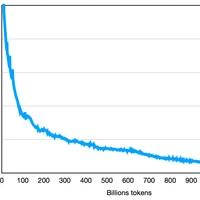

TreeHop: Generate and Filter Next Query Embeddings Efficiently for Multi-hop Question Answering
Retrieval-augmented generation (RAG) systems face significant challenges in multi-hop question answering (MHQA), where complex queries require synthesizing information across multiple document chunks. Existing approaches typically rely on iterative LLM-based query rewriting and routing, resulting in high computational costs due to repeated LLM invocations and multi-stage processes. To address these limitations, we propose TreeHop, an embedding-level framework without the need for LLMs in query refinement. TreeHop dynamically updates query embeddings by fusing semantic information from prior queries and retrieved documents, enabling iterative retrieval through embedding-space operations alone. This method replaces the traditional "Retrieve-Rewrite-Vectorize-Retrieve" cycle with a streamlined "Retrieve-Embed-Retrieve" loop, significantly reducing computational overhead. Moreover, a rule-based stop criterion is introduced to further prune redundant retrievals, balancing efficiency and recall rate. Experimental results show that TreeHop rivals advanced RAG methods across three open-domain MHQA datasets, achieving comparable performance with only 5\%-0.4\% of the model parameter size and reducing the query latency by approximately 99\% compared to concurrent approaches. This makes TreeHop a faster and more cost-effective solution for deployment in a range of knowledge-intensive applications. For reproducibility purposes, codes and data are available here: https://github.com/allen-li1231/TreeHop.


Science Checker Reloaded: A Bidirectional Paradigm for Transparency and Logical Reasoning
Information retrieval is a rapidly evolving field. However it still faces significant limitations in the scientific and industrial vast amounts of information, such as semantic divergence and vocabulary gaps in sparse retrieval, low precision and lack of interpretability in semantic search, or hallucination and outdated information in generative models. In this paper, we introduce a two-block approach to tackle these hurdles for long documents. The first block enhances language understanding in sparse retrieval by query expansion to retrieve relevant documents. The second block deepens the result by providing comprehensive and informative answers to the complex question using only the information spread in the long document, enabling bidirectional engagement. At various stages of the pipeline, intermediate results are presented to users to facilitate understanding of the system's reasoning. We believe this bidirectional approach brings significant advancements in terms of transparency, logical thinking, and comprehensive understanding in the field of scientific information retrieval.

MoLoRAG: Bootstrapping Document Understanding via Multi-modal Logic-aware Retrieval
Document Understanding is a foundational AI capability with broad applications, and Document Question Answering (DocQA) is a key evaluation task. Traditional methods convert the document into text for processing by Large Language Models (LLMs), but this process strips away critical multi-modal information like figures. While Large Vision-Language Models (LVLMs) address this limitation, their constrained input size makes multi-page document comprehension infeasible. Retrieval-augmented generation (RAG) methods mitigate this by selecting relevant pages, but they rely solely on semantic relevance, ignoring logical connections between pages and the query, which is essential for reasoning. To this end, we propose MoLoRAG, a logic-aware retrieval framework for multi-modal, multi-page document understanding. By constructing a page graph that captures contextual relationships between pages, a lightweight VLM performs graph traversal to retrieve relevant pages, including those with logical connections often overlooked. This approach combines semantic and logical relevance to deliver more accurate retrieval. After retrieval, the top-K pages are fed into arbitrary LVLMs for question answering. To enhance flexibility, MoLoRAG offers two variants: a training-free solution for easy deployment and a fine-tuned version to improve logical relevance checking. Experiments on four DocQA datasets demonstrate average improvements of 9.68% in accuracy over LVLM direct inference and 7.44% in retrieval precision over baselines. Codes and datasets are released at https://github.com/WxxShirley/MoLoRAG.

CoSQA+: Enhancing Code Search Dataset with Matching Code
Semantic code search, retrieving code that matches a given natural language query, is an important task to improve productivity in software engineering. Existing code search datasets are problematic: either using unrealistic queries, or with mismatched codes, and typically using one-to-one query-code pairing, which fails to reflect the reality that a query might have multiple valid code matches. This paper introduces CoSQA+, pairing high-quality queries (reused from CoSQA) with multiple suitable codes. We collect code candidates from diverse sources and form candidate pairs by pairing queries with these codes. Utilizing the power of large language models (LLMs), we automate pair annotation, filtering, and code generation for queries without suitable matches. Through extensive experiments, CoSQA+ has demonstrated superior quality over CoSQA. Models trained on CoSQA+ exhibit improved performance. Furthermore, we propose a new metric Mean Multi-choice Reciprocal Rank (MMRR), to assess one-to-N code search performance. We provide the code and data at https://github.com/DeepSoftwareAnalytics/CoSQA_Plus.
INTERS: Unlocking the Power of Large Language Models in Search with Instruction Tuning
Large language models (LLMs) have demonstrated impressive capabilities in various natural language processing tasks. Despite this, their application to information retrieval (IR) tasks is still challenging due to the infrequent occurrence of many IR-specific concepts in natural language. While prompt-based methods can provide task descriptions to LLMs, they often fall short in facilitating comprehensive understanding and execution of IR tasks, thereby limiting LLMs' applicability. To address this gap, in this work, we explore the potential of instruction tuning to enhance LLMs' proficiency in IR tasks. We introduce a novel instruction tuning dataset, INTERS, encompassing 21 tasks across three fundamental IR categories: query understanding, document understanding, and query-document relationship understanding. The data are derived from 43 distinct datasets with manually written templates. Our empirical results reveal that INTERS significantly boosts the performance of various publicly available LLMs, such as LLaMA, Mistral, and Phi, in search-related tasks. Furthermore, we conduct a comprehensive analysis to ascertain the effects of base model selection, instruction design, volume of instructions, and task variety on performance. We make our dataset and the models fine-tuned on it publicly accessible at https://github.com/DaoD/INTERS.




Blending Learning to Rank and Dense Representations for Efficient and Effective Cascades
We investigate the exploitation of both lexical and neural relevance signals for ad-hoc passage retrieval. Our exploration involves a large-scale training dataset in which dense neural representations of MS-MARCO queries and passages are complemented and integrated with 253 hand-crafted lexical features extracted from the same corpus. Blending of the relevance signals from the two different groups of features is learned by a classical Learning-to-Rank (LTR) model based on a forest of decision trees. To evaluate our solution, we employ a pipelined architecture where a dense neural retriever serves as the first stage and performs a nearest-neighbor search over the neural representations of the documents. Our LTR model acts instead as the second stage that re-ranks the set of candidates retrieved by the first stage to enhance effectiveness. The results of reproducible experiments conducted with state-of-the-art dense retrievers on publicly available resources show that the proposed solution significantly enhances the end-to-end ranking performance while relatively minimally impacting efficiency. Specifically, we achieve a boost in nDCG@10 of up to 11% with an increase in average query latency of only 4.3%. This confirms the advantage of seamlessly combining two distinct families of signals that mutually contribute to retrieval effectiveness.
Retrieval-augmented reasoning with lean language models
This technical report details a novel approach to combining reasoning and retrieval augmented generation (RAG) within a single, lean language model architecture. While existing RAG systems typically rely on large-scale models and external APIs, our work addresses the increasing demand for performant and privacy-preserving solutions deployable in resource-constrained or secure environments. Building on recent developments in test-time scaling and small-scale reasoning models, we develop a retrieval augmented conversational agent capable of interpreting complex, domain-specific queries using a lightweight backbone model. Our system integrates a dense retriever with fine-tuned Qwen2.5-Instruct models, using synthetic query generation and reasoning traces derived from frontier models (e.g., DeepSeek-R1) over a curated corpus, in this case, the NHS A-to-Z condition pages. We explore the impact of summarisation-based document compression, synthetic data design, and reasoning-aware fine-tuning on model performance. Evaluation against both non-reasoning and general-purpose lean models demonstrates that our domain-specific fine-tuning approach yields substantial gains in answer accuracy and consistency, approaching frontier-level performance while remaining feasible for local deployment. All implementation details and code are publicly released to support reproducibility and adaptation across domains.

MSRS: Evaluating Multi-Source Retrieval-Augmented Generation
Retrieval-augmented systems are typically evaluated in settings where information required to answer the query can be found within a single source or the answer is short-form or factoid-based. However, many real-world applications demand the ability to integrate and summarize information scattered across multiple sources, where no single source is sufficient to respond to the user's question. In such settings, the retrieval component of a RAG pipeline must recognize a variety of relevance signals, and the generation component must connect and synthesize information across multiple sources. We present a scalable framework for constructing evaluation benchmarks that challenge RAG systems to integrate information across distinct sources and generate long-form responses. Using our framework, we build two new benchmarks on Multi-Source Retrieval and Synthesis: MSRS-Story and MSRS-Meet, representing narrative synthesis and summarization tasks, respectively, that require retrieval from large collections. Our extensive experiments with various RAG pipelines -- including sparse and dense retrievers combined with frontier LLMs -- reveal that generation quality is highly dependent on retrieval effectiveness, which varies greatly by task. While multi-source synthesis proves challenging even in an oracle retrieval setting, we find that reasoning models significantly outperform standard LLMs at this distinct step.

Optimizing open-domain question answering with graph-based retrieval augmented generation
In this work, we benchmark various graph-based retrieval-augmented generation (RAG) systems across a broad spectrum of query types, including OLTP-style (fact-based) and OLAP-style (thematic) queries, to address the complex demands of open-domain question answering (QA). Traditional RAG methods often fall short in handling nuanced, multi-document synthesis tasks. By structuring knowledge as graphs, we can facilitate the retrieval of context that captures greater semantic depth and enhances language model operations. We explore graph-based RAG methodologies and introduce TREX, a novel, cost-effective alternative that combines graph-based and vector-based retrieval techniques. Our benchmarking across four diverse datasets highlights the strengths of different RAG methodologies, demonstrates TREX's ability to handle multiple open-domain QA types, and reveals the limitations of current evaluation methods. In a real-world technical support case study, we demonstrate how TREX solutions can surpass conventional vector-based RAG in efficiently synthesizing data from heterogeneous sources. Our findings underscore the potential of augmenting large language models with advanced retrieval and orchestration capabilities, advancing scalable, graph-based AI solutions.



Hypencoder: Hypernetworks for Information Retrieval
The vast majority of retrieval models depend on vector inner products to produce a relevance score between a query and a document. This naturally limits the expressiveness of the relevance score that can be employed. We propose a new paradigm, instead of producing a vector to represent the query we produce a small neural network which acts as a learned relevance function. This small neural network takes in a representation of the document, in this paper we use a single vector, and produces a scalar relevance score. To produce the little neural network we use a hypernetwork, a network that produce the weights of other networks, as our query encoder or as we call it a Hypencoder. Experiments on in-domain search tasks show that Hypencoder is able to significantly outperform strong dense retrieval models and has higher metrics then reranking models and models an order of magnitude larger. Hypencoder is also shown to generalize well to out-of-domain search tasks. To assess the extent of Hypencoder's capabilities, we evaluate on a set of hard retrieval tasks including tip-of-the-tongue retrieval and instruction-following retrieval tasks and find that the performance gap widens substantially compared to standard retrieval tasks. Furthermore, to demonstrate the practicality of our method we implement an approximate search algorithm and show that our model is able to search 8.8M documents in under 60ms.
Neural Passage Quality Estimation for Static Pruning
Neural networks -- especially those that use large, pre-trained language models -- have improved search engines in various ways. Most prominently, they can estimate the relevance of a passage or document to a user's query. In this work, we depart from this direction by exploring whether neural networks can effectively predict which of a document's passages are unlikely to be relevant to any query submitted to the search engine. We refer to this query-agnostic estimation of passage relevance as a passage's quality. We find that our novel methods for estimating passage quality allow passage corpora to be pruned considerably while maintaining statistically equivalent effectiveness; our best methods can consistently prune >25% of passages in a corpora, across various retrieval pipelines. Such substantial pruning reduces the operating costs of neural search engines in terms of computing resources, power usage, and carbon footprint -- both when processing queries (thanks to a smaller index size) and when indexing (lightweight models can prune low-quality passages prior to the costly dense or learned sparse encoding step). This work sets the stage for developing more advanced neural "learning-what-to-index" methods.
DocIE@XLLM25: In-Context Learning for Information Extraction using Fully Synthetic Demonstrations
Large, high-quality annotated corpora remain scarce in document-level entity and relation extraction in zero-shot or few-shot settings. In this paper, we present a fully automatic, LLM-based pipeline for synthetic data generation and in-context learning for document-level entity and relation extraction. In contrast to existing approaches that rely on manually annotated demonstrations or direct zero-shot inference, our method combines synthetic data generation with retrieval-based in-context learning, using a reasoning-optimized language model. This allows us to build a high-quality demonstration database without manual annotation and to dynamically retrieve relevant examples at inference time. Based on our approach we produce a synthetic dataset of over 5k Wikipedia abstracts with approximately 59k entities and 30k relation triples. Finally, we evaluate in-context learning performance on the DocIE shared task, extracting entities and relations from long documents in a zero-shot setting. We find that in-context joint entity and relation extraction at document-level remains a challenging task, even for state-of-the-art large language models.

