Get trending papers in your email inbox once a day!
Get trending papers in your email inbox!
Subscribe

Enhancing Semantic Similarity Understanding in Arabic NLP with Nested Embedding Learning
This work presents a novel framework for training Arabic nested embedding models through Matryoshka Embedding Learning, leveraging multilingual, Arabic-specific, and English-based models, to highlight the power of nested embeddings models in various Arabic NLP downstream tasks. Our innovative contribution includes the translation of various sentence similarity datasets into Arabic, enabling a comprehensive evaluation framework to compare these models across different dimensions. We trained several nested embedding models on the Arabic Natural Language Inference triplet dataset and assessed their performance using multiple evaluation metrics, including Pearson and Spearman correlations for cosine similarity, Manhattan distance, Euclidean distance, and dot product similarity. The results demonstrate the superior performance of the Matryoshka embedding models, particularly in capturing semantic nuances unique to the Arabic language. Results demonstrated that Arabic Matryoshka embedding models have superior performance in capturing semantic nuances unique to the Arabic language, significantly outperforming traditional models by up to 20-25\% across various similarity metrics. These results underscore the effectiveness of language-specific training and highlight the potential of Matryoshka models in enhancing semantic textual similarity tasks for Arabic NLP.

Evaluation of BERT and ALBERT Sentence Embedding Performance on Downstream NLP Tasks
Contextualized representations from a pre-trained language model are central to achieve a high performance on downstream NLP task. The pre-trained BERT and A Lite BERT (ALBERT) models can be fine-tuned to give state-ofthe-art results in sentence-pair regressions such as semantic textual similarity (STS) and natural language inference (NLI). Although BERT-based models yield the [CLS] token vector as a reasonable sentence embedding, the search for an optimal sentence embedding scheme remains an active research area in computational linguistics. This paper explores on sentence embedding models for BERT and ALBERT. In particular, we take a modified BERT network with siamese and triplet network structures called Sentence-BERT (SBERT) and replace BERT with ALBERT to create Sentence-ALBERT (SALBERT). We also experiment with an outer CNN sentence-embedding network for SBERT and SALBERT. We evaluate performances of all sentence-embedding models considered using the STS and NLI datasets. The empirical results indicate that our CNN architecture improves ALBERT models substantially more than BERT models for STS benchmark. Despite significantly fewer model parameters, ALBERT sentence embedding is highly competitive to BERT in downstream NLP evaluations.
Composition-contrastive Learning for Sentence Embeddings
Vector representations of natural language are ubiquitous in search applications. Recently, various methods based on contrastive learning have been proposed to learn textual representations from unlabelled data; by maximizing alignment between minimally-perturbed embeddings of the same text, and encouraging a uniform distribution of embeddings across a broader corpus. Differently, we propose maximizing alignment between texts and a composition of their phrasal constituents. We consider several realizations of this objective and elaborate the impact on representations in each case. Experimental results on semantic textual similarity tasks show improvements over baselines that are comparable with state-of-the-art approaches. Moreover, this work is the first to do so without incurring costs in auxiliary training objectives or additional network parameters.
Debiased Contrastive Learning of Unsupervised Sentence Representations
Recently, contrastive learning has been shown to be effective in improving pre-trained language models (PLM) to derive high-quality sentence representations. It aims to pull close positive examples to enhance the alignment while push apart irrelevant negatives for the uniformity of the whole representation space. However, previous works mostly adopt in-batch negatives or sample from training data at random. Such a way may cause the sampling bias that improper negatives (e.g. false negatives and anisotropy representations) are used to learn sentence representations, which will hurt the uniformity of the representation space. To address it, we present a new framework DCLR (Debiased Contrastive Learning of unsupervised sentence Representations) to alleviate the influence of these improper negatives. In DCLR, we design an instance weighting method to punish false negatives and generate noise-based negatives to guarantee the uniformity of the representation space. Experiments on seven semantic textual similarity tasks show that our approach is more effective than competitive baselines. Our code and data are publicly available at the link: blue{https://github.com/RUCAIBox/DCLR}.

Whitening-based Contrastive Learning of Sentence Embeddings
This paper presents a whitening-based contrastive learning method for sentence embedding learning (WhitenedCSE), which combines contrastive learning with a novel shuffled group whitening. Generally, contrastive learning pulls distortions of a single sample (i.e., positive samples) close and push negative samples far away, correspondingly facilitating the alignment and uniformity in the feature space. A popular alternative to the "pushing'' operation is whitening the feature space, which scatters all the samples for uniformity. Since the whitening and the contrastive learning have large redundancy w.r.t. the uniformity, they are usually used separately and do not easily work together. For the first time, this paper integrates whitening into the contrastive learning scheme and facilitates two benefits. 1) Better uniformity. We find that these two approaches are not totally redundant but actually have some complementarity due to different uniformity mechanism. 2) Better alignment. We randomly divide the feature into multiple groups along the channel axis and perform whitening independently within each group. By shuffling the group division, we derive multiple distortions of a single sample and thus increase the positive sample diversity. Consequently, using multiple positive samples with enhanced diversity further improves contrastive learning due to better alignment. Extensive experiments on seven semantic textual similarity tasks show our method achieves consistent improvement over the contrastive learning baseline and sets new states of the art, e.g., 78.78\% (+2.53\% based on BERT\ba) Spearman correlation on STS tasks.

MCSE: Multimodal Contrastive Learning of Sentence Embeddings
Learning semantically meaningful sentence embeddings is an open problem in natural language processing. In this work, we propose a sentence embedding learning approach that exploits both visual and textual information via a multimodal contrastive objective. Through experiments on a variety of semantic textual similarity tasks, we demonstrate that our approach consistently improves the performance across various datasets and pre-trained encoders. In particular, combining a small amount of multimodal data with a large text-only corpus, we improve the state-of-the-art average Spearman's correlation by 1.7%. By analyzing the properties of the textual embedding space, we show that our model excels in aligning semantically similar sentences, providing an explanation for its improved performance.
An Efficient Self-Supervised Cross-View Training For Sentence Embedding
Self-supervised sentence representation learning is the task of constructing an embedding space for sentences without relying on human annotation efforts. One straightforward approach is to finetune a pretrained language model (PLM) with a representation learning method such as contrastive learning. While this approach achieves impressive performance on larger PLMs, the performance rapidly degrades as the number of parameters decreases. In this paper, we propose a framework called Self-supervised Cross-View Training (SCT) to narrow the performance gap between large and small PLMs. To evaluate the effectiveness of SCT, we compare it to 5 baseline and state-of-the-art competitors on seven Semantic Textual Similarity (STS) benchmarks using 5 PLMs with the number of parameters ranging from 4M to 340M. The experimental results show that STC outperforms the competitors for PLMs with less than 100M parameters in 18 of 21 cases.

Investigating the Effects of Word Substitution Errors on Sentence Embeddings
A key initial step in several natural language processing (NLP) tasks involves embedding phrases of text to vectors of real numbers that preserve semantic meaning. To that end, several methods have been recently proposed with impressive results on semantic similarity tasks. However, all of these approaches assume that perfect transcripts are available when generating the embeddings. While this is a reasonable assumption for analysis of written text, it is limiting for analysis of transcribed text. In this paper we investigate the effects of word substitution errors, such as those coming from automatic speech recognition errors (ASR), on several state-of-the-art sentence embedding methods. To do this, we propose a new simulator that allows the experimenter to induce ASR-plausible word substitution errors in a corpus at a desired word error rate. We use this simulator to evaluate the robustness of several sentence embedding methods. Our results show that pre-trained neural sentence encoders are both robust to ASR errors and perform well on textual similarity tasks after errors are introduced. Meanwhile, unweighted averages of word vectors perform well with perfect transcriptions, but their performance degrades rapidly on textual similarity tasks for text with word substitution errors.

Redundancy, Isotropy, and Intrinsic Dimensionality of Prompt-based Text Embeddings
Prompt-based text embedding models, which generate task-specific embeddings upon receiving tailored prompts, have recently demonstrated remarkable performance. However, their resulting embeddings often have thousands of dimensions, leading to high storage costs and increased computational costs of embedding-based operations. In this paper, we investigate how post-hoc dimensionality reduction applied to the embeddings affects the performance of various tasks that leverage these embeddings, specifically classification, clustering, retrieval, and semantic textual similarity (STS) tasks. Our experiments show that even a naive dimensionality reduction, which keeps only the first 25% of the dimensions of the embeddings, results in a very slight performance degradation, indicating that these embeddings are highly redundant. Notably, for classification and clustering, even when embeddings are reduced to less than 0.5% of the original dimensionality the performance degradation is very small. To quantitatively analyze this redundancy, we perform an analysis based on the intrinsic dimensionality and isotropy of the embeddings. Our analysis reveals that embeddings for classification and clustering, which are considered to have very high dimensional redundancy, exhibit lower intrinsic dimensionality and less isotropy compared with those for retrieval and STS.

2D Matryoshka Sentence Embeddings
Common approaches rely on fixed-length embedding vectors from language models as sentence embeddings for downstream tasks such as semantic textual similarity (STS). Such methods are limited in their flexibility due to unknown computational constraints and budgets across various applications. Matryoshka Representation Learning (MRL) (Kusupati et al., 2022) encodes information at finer granularities, i.e., with lower embedding dimensions, to adaptively accommodate ad hoc tasks. Similar accuracy can be achieved with a smaller embedding size, leading to speedups in downstream tasks. Despite its improved efficiency, MRL still requires traversing all Transformer layers before obtaining the embedding, which remains the dominant factor in time and memory consumption. This prompts consideration of whether the fixed number of Transformer layers affects representation quality and whether using intermediate layers for sentence representation is feasible. In this paper, we introduce a novel sentence embedding model called Two-dimensional Matryoshka Sentence Embedding (2DMSE). It supports elastic settings for both embedding sizes and Transformer layers, offering greater flexibility and efficiency than MRL. We conduct extensive experiments on STS tasks and downstream applications. The experimental results demonstrate the effectiveness of our proposed model in dynamically supporting different embedding sizes and Transformer layers, allowing it to be highly adaptable to various scenarios.
AnglE-optimized Text Embeddings
High-quality text embedding is pivotal in improving semantic textual similarity (STS) tasks, which are crucial components in Large Language Model (LLM) applications. However, a common challenge existing text embedding models face is the problem of vanishing gradients, primarily due to their reliance on the cosine function in the optimization objective, which has saturation zones. To address this issue, this paper proposes a novel angle-optimized text embedding model called AnglE. The core idea of AnglE is to introduce angle optimization in a complex space. This novel approach effectively mitigates the adverse effects of the saturation zone in the cosine function, which can impede gradient and hinder optimization processes. To set up a comprehensive STS evaluation, we experimented on existing short-text STS datasets and a newly collected long-text STS dataset from GitHub Issues. Furthermore, we examine domain-specific STS scenarios with limited labeled data and explore how AnglE works with LLM-annotated data. Extensive experiments were conducted on various tasks including short-text STS, long-text STS, and domain-specific STS tasks. The results show that AnglE outperforms the state-of-the-art (SOTA) STS models that ignore the cosine saturation zone. These findings demonstrate the ability of AnglE to generate high-quality text embeddings and the usefulness of angle optimization in STS.
Fine-tuning CLIP Text Encoders with Two-step Paraphrasing
Contrastive language-image pre-training (CLIP) models have demonstrated considerable success across various vision-language tasks, such as text-to-image retrieval, where the model is required to effectively process natural language input to produce an accurate visual output. However, current models still face limitations in dealing with linguistic variations in input queries, such as paraphrases, making it challenging to handle a broad range of user queries in real-world applications. In this study, we introduce a straightforward fine-tuning approach to enhance the representations of CLIP models for paraphrases. Our approach involves a two-step paraphrase generation process, where we automatically create two categories of paraphrases from web-scale image captions by leveraging large language models. Subsequently, we fine-tune the CLIP text encoder using these generated paraphrases while freezing the image encoder. Our resulting model, which we call ParaCLIP, exhibits significant improvements over baseline CLIP models across various tasks, including paraphrased retrieval (with rank similarity scores improved by up to 2.0% and 5.6%), Visual Genome Relation and Attribution, as well as seven semantic textual similarity tasks.


Ditto: A Simple and Efficient Approach to Improve Sentence Embeddings
Prior studies diagnose the anisotropy problem in sentence representations from pre-trained language models, e.g., BERT, without fine-tuning. Our analysis reveals that the sentence embeddings from BERT suffer from a bias towards uninformative words, limiting the performance in semantic textual similarity (STS) tasks. To address this bias, we propose a simple and efficient unsupervised approach, Diagonal Attention Pooling (Ditto), which weights words with model-based importance estimations and computes the weighted average of word representations from pre-trained models as sentence embeddings. Ditto can be easily applied to any pre-trained language model as a postprocessing operation. Compared to prior sentence embedding approaches, Ditto does not add parameters nor requires any learning. Empirical evaluations demonstrate that our proposed Ditto can alleviate the anisotropy problem and improve various pre-trained models on STS tasks.

ConSERT: A Contrastive Framework for Self-Supervised Sentence Representation Transfer
Learning high-quality sentence representations benefits a wide range of natural language processing tasks. Though BERT-based pre-trained language models achieve high performance on many downstream tasks, the native derived sentence representations are proved to be collapsed and thus produce a poor performance on the semantic textual similarity (STS) tasks. In this paper, we present ConSERT, a Contrastive Framework for Self-Supervised Sentence Representation Transfer, that adopts contrastive learning to fine-tune BERT in an unsupervised and effective way. By making use of unlabeled texts, ConSERT solves the collapse issue of BERT-derived sentence representations and make them more applicable for downstream tasks. Experiments on STS datasets demonstrate that ConSERT achieves an 8\% relative improvement over the previous state-of-the-art, even comparable to the supervised SBERT-NLI. And when further incorporating NLI supervision, we achieve new state-of-the-art performance on STS tasks. Moreover, ConSERT obtains comparable results with only 1000 samples available, showing its robustness in data scarcity scenarios.
Sentence-T5: Scalable Sentence Encoders from Pre-trained Text-to-Text Models
We provide the first exploration of sentence embeddings from text-to-text transformers (T5). Sentence embeddings are broadly useful for language processing tasks. While T5 achieves impressive performance on language tasks cast as sequence-to-sequence mapping problems, it is unclear how to produce sentence embeddings from encoder-decoder models. We investigate three methods for extracting T5 sentence embeddings: two utilize only the T5 encoder and one uses the full T5 encoder-decoder model. To support our investigation, we establish a new sentence representation transfer benchmark, SentGLUE, which extends the SentEval toolkit to nine tasks from the GLUE benchmark. Our encoder-only models outperforms Sentence-BERT and SimCSE sentence embeddings on both SentEval and SentGLUE transfer tasks, including semantic textual similarity (STS). Scaling up T5 from millions to billions of parameters is found to produce consistent further improvements. Finally, our encoder-decoder method achieves a new state-of-the-art on STS when using sentence embeddings. Our models are released at https://tfhub.dev/google/collections/sentence-t5/1.

DiffCSE: Difference-based Contrastive Learning for Sentence Embeddings
We propose DiffCSE, an unsupervised contrastive learning framework for learning sentence embeddings. DiffCSE learns sentence embeddings that are sensitive to the difference between the original sentence and an edited sentence, where the edited sentence is obtained by stochastically masking out the original sentence and then sampling from a masked language model. We show that DiffSCE is an instance of equivariant contrastive learning (Dangovski et al., 2021), which generalizes contrastive learning and learns representations that are insensitive to certain types of augmentations and sensitive to other "harmful" types of augmentations. Our experiments show that DiffCSE achieves state-of-the-art results among unsupervised sentence representation learning methods, outperforming unsupervised SimCSE by 2.3 absolute points on semantic textual similarity tasks.



SGL: Symbolic Goal Learning in a Hybrid, Modular Framework for Human Instruction Following
This paper investigates robot manipulation based on human instruction with ambiguous requests. The intent is to compensate for imperfect natural language via visual observations. Early symbolic methods, based on manually defined symbols, built modular framework consist of semantic parsing and task planning for producing sequences of actions from natural language requests. Modern connectionist methods employ deep neural networks to automatically learn visual and linguistic features and map to a sequence of low-level actions, in an endto-end fashion. These two approaches are blended to create a hybrid, modular framework: it formulates instruction following as symbolic goal learning via deep neural networks followed by task planning via symbolic planners. Connectionist and symbolic modules are bridged with Planning Domain Definition Language. The vision-and-language learning network predicts its goal representation, which is sent to a planner for producing a task-completing action sequence. For improving the flexibility of natural language, we further incorporate implicit human intents with explicit human instructions. To learn generic features for vision and language, we propose to separately pretrain vision and language encoders on scene graph parsing and semantic textual similarity tasks. Benchmarking evaluates the impacts of different components of, or options for, the vision-and-language learning model and shows the effectiveness of pretraining strategies. Manipulation experiments conducted in the simulator AI2THOR show the robustness of the framework to novel scenarios.
NV-Embed: Improved Techniques for Training LLMs as Generalist Embedding Models
Decoder-only large language model (LLM)-based embedding models are beginning to outperform BERT or T5-based embedding models in general-purpose text embedding tasks, including dense vector-based retrieval. In this work, we introduce the NV-Embed model with a variety of architectural designs and training procedures to significantly enhance the performance of LLM as a versatile embedding model, while maintaining its simplicity and reproducibility. For model architecture, we propose a latent attention layer to obtain pooled embeddings, which consistently improves retrieval and downstream task accuracy compared to mean pooling or using the last <EOS> token embedding from LLMs. To enhance representation learning, we remove the causal attention mask of LLMs during contrastive training. For model training, we introduce a two-stage contrastive instruction-tuning method. It first applies contrastive training with instructions on retrieval datasets, utilizing in-batch negatives and curated hard negative examples. At stage-2, it blends various non-retrieval datasets into instruction tuning, which not only enhances non-retrieval task accuracy but also improves retrieval performance. Combining these techniques, our NV-Embed model, using only publicly available data, has achieved a record-high score of 69.32, ranking No. 1 on the Massive Text Embedding Benchmark (MTEB) (as of May 24, 2024), with 56 tasks, encompassing retrieval, reranking, classification, clustering, and semantic textual similarity tasks. Notably, our model also attains the highest score of 59.36 on 15 retrieval tasks in the MTEB benchmark (also known as BEIR). We will open-source the model at: https://huggingface.co/nvidia/NV-Embed-v1.





TurkEmbed: Turkish Embedding Model on NLI & STS Tasks
This paper introduces TurkEmbed, a novel Turkish language embedding model designed to outperform existing models, particularly in Natural Language Inference (NLI) and Semantic Textual Similarity (STS) tasks. Current Turkish embedding models often rely on machine-translated datasets, potentially limiting their accuracy and semantic understanding. TurkEmbed utilizes a combination of diverse datasets and advanced training techniques, including matryoshka representation learning, to achieve more robust and accurate embeddings. This approach enables the model to adapt to various resource-constrained environments, offering faster encoding capabilities. Our evaluation on the Turkish STS-b-TR dataset, using Pearson and Spearman correlation metrics, demonstrates significant improvements in semantic similarity tasks. Furthermore, TurkEmbed surpasses the current state-of-the-art model, Emrecan, on All-NLI-TR and STS-b-TR benchmarks, achieving a 1-4\% improvement. TurkEmbed promises to enhance the Turkish NLP ecosystem by providing a more nuanced understanding of language and facilitating advancements in downstream applications.

Clustering-Aware Negative Sampling for Unsupervised Sentence Representation
Contrastive learning has been widely studied in sentence representation learning. However, earlier works mainly focus on the construction of positive examples, while in-batch samples are often simply treated as negative examples. This approach overlooks the importance of selecting appropriate negative examples, potentially leading to a scarcity of hard negatives and the inclusion of false negatives. To address these issues, we propose ClusterNS (Clustering-aware Negative Sampling), a novel method that incorporates cluster information into contrastive learning for unsupervised sentence representation learning. We apply a modified K-means clustering algorithm to supply hard negatives and recognize in-batch false negatives during training, aiming to solve the two issues in one unified framework. Experiments on semantic textual similarity (STS) tasks demonstrate that our proposed ClusterNS compares favorably with baselines in unsupervised sentence representation learning. Our code has been made publicly available.

Contrastive Prompting Enhances Sentence Embeddings in LLMs through Inference-Time Steering
Extracting sentence embeddings from large language models (LLMs) is a practical direction, as it requires neither additional data nor fine-tuning. Previous studies usually focus on prompt engineering to guide LLMs to encode the core semantic information of the sentence into the embedding of the last token. However, the last token in these methods still encodes an excess of non-essential information, such as stop words, limiting its encoding capacity. To this end, we propose a Contrastive Prompting (CP) method that introduces an extra auxiliary prompt to elicit better sentence embedding. By contrasting with the auxiliary prompt, CP can steer existing prompts to encode the core semantics of the sentence, rather than non-essential information. CP is a plug-and-play inference-time intervention method that can be combined with various prompt-based methods. Extensive experiments on Semantic Textual Similarity (STS) tasks and downstream classification tasks demonstrate that our method can improve the performance of existing prompt-based methods across different LLMs. Our code will be released at https://github.com/zifengcheng/CP.

Token Prepending: A Training-Free Approach for Eliciting Better Sentence Embeddings from LLMs
Extracting sentence embeddings from large language models (LLMs) is a promising direction, as LLMs have demonstrated stronger semantic understanding capabilities. Previous studies typically focus on prompt engineering to elicit sentence embeddings from LLMs by prompting the model to encode sentence information into the embedding of the last token. However, LLMs are mostly decoder-only models with causal attention and the earlier tokens in the sentence cannot attend to the latter tokens, resulting in biased encoding of sentence information and cascading effects on the final decoded token. To this end, we propose a novel Token Prepending (TP) technique that prepends each layer's decoded sentence embedding to the beginning of the sentence in the next layer's input, allowing earlier tokens to attend to the complete sentence information under the causal attention mechanism. The proposed TP technique is a plug-and-play and training-free technique, which means it can be seamlessly integrated with various prompt-based sentence embedding methods and autoregressive LLMs. Extensive experiments on various Semantic Textual Similarity (STS) tasks and downstream classification tasks demonstrate that our proposed TP technique can significantly improve the performance of existing prompt-based sentence embedding methods across different LLMs, while incurring negligible additional inference cost.
BeLLM: Backward Dependency Enhanced Large Language Model for Sentence Embeddings
Sentence embeddings are crucial in measuring semantic similarity. Most recent studies employed large language models (LLMs) to learn sentence embeddings. Existing LLMs mainly adopted autoregressive architecture without explicit backward dependency modeling. Therefore, we examined the effects of backward dependencies in LLMs for semantic similarity measurements. Concretely, we propose a novel model: backward dependency enhanced large language model (BeLLM). It learns sentence embeddings via transforming specific attention layers from uni- to bi-directional. We extensively experiment across various semantic textual similarity (STS) tasks and downstream applications. BeLLM achieves state-of-the-art performance in varying scenarios. It shows that auto-regressive LLMs benefit from backward dependencies for sentence embeddings.
Improved Universal Sentence Embeddings with Prompt-based Contrastive Learning and Energy-based Learning
Contrastive learning has been demonstrated to be effective in enhancing pre-trained language models (PLMs) to derive superior universal sentence embeddings. However, existing contrastive methods still have two limitations. Firstly, previous works may acquire poor performance under domain shift settings, thus hindering the application of sentence representations in practice. We attribute this low performance to the over-parameterization of PLMs with millions of parameters. To alleviate it, we propose PromCSE (Prompt-based Contrastive Learning for Sentence Embeddings), which only trains small-scale Soft Prompt (i.e., a set of trainable vectors) while keeping PLMs fixed. Secondly, the commonly used NT-Xent loss function of contrastive learning does not fully exploit hard negatives in supervised learning settings. To this end, we propose to integrate an Energy-based Hinge loss to enhance the pairwise discriminative power, inspired by the connection between the NT-Xent loss and the Energy-based Learning paradigm. Empirical results on seven standard semantic textual similarity (STS) tasks and a domain-shifted STS task both show the effectiveness of our method compared with the current state-of-the-art sentence embedding models. Our code is publicly avaliable at https://github.com/YJiangcm/PromCSE

SimCSE: Simple Contrastive Learning of Sentence Embeddings
This paper presents SimCSE, a simple contrastive learning framework that greatly advances state-of-the-art sentence embeddings. We first describe an unsupervised approach, which takes an input sentence and predicts itself in a contrastive objective, with only standard dropout used as noise. This simple method works surprisingly well, performing on par with previous supervised counterparts. We find that dropout acts as minimal data augmentation, and removing it leads to a representation collapse. Then, we propose a supervised approach, which incorporates annotated pairs from natural language inference datasets into our contrastive learning framework by using "entailment" pairs as positives and "contradiction" pairs as hard negatives. We evaluate SimCSE on standard semantic textual similarity (STS) tasks, and our unsupervised and supervised models using BERT base achieve an average of 76.3% and 81.6% Spearman's correlation respectively, a 4.2% and 2.2% improvement compared to the previous best results. We also show -- both theoretically and empirically -- that the contrastive learning objective regularizes pre-trained embeddings' anisotropic space to be more uniform, and it better aligns positive pairs when supervised signals are available.
DefSent: Sentence Embeddings using Definition Sentences
Sentence embedding methods using natural language inference (NLI) datasets have been successfully applied to various tasks. However, these methods are only available for limited languages due to relying heavily on the large NLI datasets. In this paper, we propose DefSent, a sentence embedding method that uses definition sentences from a word dictionary, which performs comparably on unsupervised semantics textual similarity (STS) tasks and slightly better on SentEval tasks than conventional methods. Since dictionaries are available for many languages, DefSent is more broadly applicable than methods using NLI datasets without constructing additional datasets. We demonstrate that DefSent performs comparably on unsupervised semantics textual similarity (STS) tasks and slightly better on SentEval tasks to the methods using large NLI datasets. Our code is publicly available at https://github.com/hpprc/defsent .
Efficient Domain Adaptation of Sentence Embeddings using Adapters
Sentence embeddings enable us to capture the semantic similarity of short texts. Most sentence embedding models are trained for general semantic textual similarity (STS) tasks. Therefore, to use sentence embeddings in a particular domain, the model must be adapted to it in order to achieve good results. Usually, this is done by fine-tuning the entire sentence embedding model for the domain of interest. While this approach yields state-of-the-art results, all of the model's weights are updated during fine-tuning, making this method resource-intensive. Therefore, instead of fine-tuning entire sentence embedding models for each target domain individually, we propose to train lightweight adapters. These domain-specific adapters do not require fine-tuning all underlying sentence embedding model parameters. Instead, we only train a small number of additional parameters while keeping the weights of the underlying sentence embedding model fixed. Training domain-specific adapters allows always using the same base model and only exchanging the domain-specific adapters to adapt sentence embeddings to a specific domain. We show that using adapters for parameter-efficient domain adaptation of sentence embeddings yields competitive performance within 1% of a domain-adapted, entirely fine-tuned sentence embedding model while only training approximately 3.6% of the parameters.

Enhancing Unsupervised Sentence Embeddings via Knowledge-Driven Data Augmentation and Gaussian-Decayed Contrastive Learning
Recently, using large language models (LLMs) for data augmentation has led to considerable improvements in unsupervised sentence embedding models. However, existing methods encounter two primary challenges: limited data diversity and high data noise. Current approaches often neglect fine-grained knowledge, such as entities and quantities, leading to insufficient diversity. Additionally, unsupervised data frequently lacks discriminative information, and the generated synthetic samples may introduce noise. In this paper, we propose a pipeline-based data augmentation method via LLMs and introduce the Gaussian-decayed gradient-assisted Contrastive Sentence Embedding (GCSE) model to enhance unsupervised sentence embeddings. To tackle the issue of low data diversity, our pipeline utilizes knowledge graphs (KGs) to extract entities and quantities, enabling LLMs to generate more diverse, knowledge-enriched samples. To address high data noise, the GCSE model uses a Gaussian-decayed function to limit the impact of false hard negative samples, enhancing the model's discriminative capability. Experimental results show that our approach achieves state-of-the-art performance in semantic textual similarity (STS) tasks, using fewer data samples and smaller LLMs, demonstrating its efficiency and robustness across various models.
Comparison and Combination of Sentence Embeddings Derived from Different Supervision Signals
There have been many successful applications of sentence embedding methods. However, it has not been well understood what properties are captured in the resulting sentence embeddings depending on the supervision signals. In this paper, we focus on two types of sentence embedding methods with similar architectures and tasks: one fine-tunes pre-trained language models on the natural language inference task, and the other fine-tunes pre-trained language models on word prediction task from its definition sentence, and investigate their properties. Specifically, we compare their performances on semantic textual similarity (STS) tasks using STS datasets partitioned from two perspectives: 1) sentence source and 2) superficial similarity of the sentence pairs, and compare their performances on the downstream and probing tasks. Furthermore, we attempt to combine the two methods and demonstrate that combining the two methods yields substantially better performance than the respective methods on unsupervised STS tasks and downstream tasks.
DenoSent: A Denoising Objective for Self-Supervised Sentence Representation Learning
Contrastive-learning-based methods have dominated sentence representation learning. These methods regularize the representation space by pulling similar sentence representations closer and pushing away the dissimilar ones and have been proven effective in various NLP tasks, e.g., semantic textual similarity (STS) tasks. However, it is challenging for these methods to learn fine-grained semantics as they only learn from the inter-sentence perspective, i.e., their supervision signal comes from the relationship between data samples. In this work, we propose a novel denoising objective that inherits from another perspective, i.e., the intra-sentence perspective. By introducing both discrete and continuous noise, we generate noisy sentences and then train our model to restore them to their original form. Our empirical evaluations demonstrate that this approach delivers competitive results on both semantic textual similarity (STS) and a wide range of transfer tasks, standing up well in comparison to contrastive-learning-based methods. Notably, the proposed intra-sentence denoising objective complements existing inter-sentence contrastive methodologies and can be integrated with them to further enhance performance. Our code is available at https://github.com/xinghaow99/DenoSent.

TurkEmbed4Retrieval: Turkish Embedding Model for Retrieval Task
In this work, we introduce TurkEmbed4Retrieval, a retrieval specialized variant of the TurkEmbed model originally designed for Natural Language Inference (NLI) and Semantic Textual Similarity (STS) tasks. By fine-tuning the base model on the MS MARCO TR dataset using advanced training techniques, including Matryoshka representation learning and a tailored multiple negatives ranking loss, we achieve SOTA performance for Turkish retrieval tasks. Extensive experiments demonstrate that our model outperforms Turkish colBERT by 19,26% on key retrieval metrics for the Scifact TR dataset, thereby establishing a new benchmark for Turkish information retrieval.
Scaling Sentence Embeddings with Large Language Models
Large language models (LLMs) have recently garnered significant interest. With in-context learning, LLMs achieve impressive results in various natural language tasks. However, the application of LLMs to sentence embeddings remains an area of ongoing research. In this work, we propose an in-context learning-based method aimed at improving sentence embeddings performance. Our approach involves adapting the previous prompt-based representation method for autoregressive models, constructing a demonstration set that enables LLMs to perform in-context learning, and scaling up the LLMs to different model sizes. Through extensive experiments, in-context learning enables LLMs to generate high-quality sentence embeddings without any fine-tuning. It helps LLMs achieve performance comparable to current contrastive learning methods. By scaling model size, we find scaling to more than tens of billion parameters harms the performance on semantic textual similarity (STS) tasks. However, the largest model outperforms other counterparts and achieves the new state-of-the-art result on transfer tasks. We also fine-tune LLMs with current contrastive learning approach, and the 2.7B OPT model, incorporating our prompt-based method, surpasses the performance of 4.8B ST5, achieving the new state-of-the-art results on STS tasks. Our code is available at https://github.com/kongds/scaling_sentemb.

FinMTEB: Finance Massive Text Embedding Benchmark
Embedding models play a crucial role in representing and retrieving information across various NLP applications. Recent advances in large language models (LLMs) have further enhanced the performance of embedding models. While these models are often benchmarked on general-purpose datasets, real-world applications demand domain-specific evaluation. In this work, we introduce the Finance Massive Text Embedding Benchmark (FinMTEB), a specialized counterpart to MTEB designed for the financial domain. FinMTEB comprises 64 financial domain-specific embedding datasets across 7 tasks that cover diverse textual types in both Chinese and English, such as financial news articles, corporate annual reports, ESG reports, regulatory filings, and earnings call transcripts. We also develop a finance-adapted model, FinPersona-E5, using a persona-based data synthetic method to cover diverse financial embedding tasks for training. Through extensive evaluation of 15 embedding models, including FinPersona-E5, we show three key findings: (1) performance on general-purpose benchmarks shows limited correlation with financial domain tasks; (2) domain-adapted models consistently outperform their general-purpose counterparts; and (3) surprisingly, a simple Bag-of-Words (BoW) approach outperforms sophisticated dense embeddings in financial Semantic Textual Similarity (STS) tasks, underscoring current limitations in dense embedding techniques. Our work establishes a robust evaluation framework for financial NLP applications and provides crucial insights for developing domain-specific embedding models.

Multi-Vector Models with Textual Guidance for Fine-Grained Scientific Document Similarity
We present a new scientific document similarity model based on matching fine-grained aspects of texts. To train our model, we exploit a naturally-occurring source of supervision: sentences in the full-text of papers that cite multiple papers together (co-citations). Such co-citations not only reflect close paper relatedness, but also provide textual descriptions of how the co-cited papers are related. This novel form of textual supervision is used for learning to match aspects across papers. We develop multi-vector representations where vectors correspond to sentence-level aspects of documents, and present two methods for aspect matching: (1) A fast method that only matches single aspects, and (2) a method that makes sparse multiple matches with an Optimal Transport mechanism that computes an Earth Mover's Distance between aspects. Our approach improves performance on document similarity tasks in four datasets. Further, our fast single-match method achieves competitive results, paving the way for applying fine-grained similarity to large scientific corpora. Code, data, and models available at: https://github.com/allenai/aspire

Compositional Evaluation on Japanese Textual Entailment and Similarity
Natural Language Inference (NLI) and Semantic Textual Similarity (STS) are widely used benchmark tasks for compositional evaluation of pre-trained language models. Despite growing interest in linguistic universals, most NLI/STS studies have focused almost exclusively on English. In particular, there are no available multilingual NLI/STS datasets in Japanese, which is typologically different from English and can shed light on the currently controversial behavior of language models in matters such as sensitivity to word order and case particles. Against this background, we introduce JSICK, a Japanese NLI/STS dataset that was manually translated from the English dataset SICK. We also present a stress-test dataset for compositional inference, created by transforming syntactic structures of sentences in JSICK to investigate whether language models are sensitive to word order and case particles. We conduct baseline experiments on different pre-trained language models and compare the performance of multilingual models when applied to Japanese and other languages. The results of the stress-test experiments suggest that the current pre-trained language models are insensitive to word order and case marking.
CoDiEmb: A Collaborative yet Distinct Framework for Unified Representation Learning in Information Retrieval and Semantic Textual Similarity
Learning unified text embeddings that excel across diverse downstream tasks is a central goal in representation learning, yet negative transfer remains a persistent obstacle. This challenge is particularly pronounced when jointly training a single encoder for Information Retrieval (IR) and Semantic Textual Similarity (STS), two essential but fundamentally disparate tasks for which naive co-training typically yields steep performance trade-offs. We argue that resolving this conflict requires systematically decoupling task-specific learning signals throughout the training pipeline. To this end, we introduce CoDiEmb, a unified framework that reconciles the divergent requirements of IR and STS in a collaborative yet distinct manner. CoDiEmb integrates three key innovations for effective joint optimization: (1) Task-specialized objectives paired with a dynamic sampler that forms single-task batches and balances per-task updates, thereby preventing gradient interference. For IR, we employ a contrastive loss with multiple positives and hard negatives, augmented by cross-device sampling. For STS, we adopt order-aware objectives that directly optimize correlation and ranking consistency. (2) A delta-guided model fusion strategy that computes fine-grained merging weights for checkpoints by analyzing each parameter's deviation from its pre-trained initialization, proving more effective than traditional Model Soups. (3) An efficient, single-stage training pipeline that is simple to implement and converges stably. Extensive experiments on 15 standard IR and STS benchmarks across three base encoders validate CoDiEmb. Our results and analysis demonstrate that the framework not only mitigates cross-task trade-offs but also measurably improves the geometric properties of the embedding space.

GATE: General Arabic Text Embedding for Enhanced Semantic Textual Similarity with Matryoshka Representation Learning and Hybrid Loss Training
Semantic textual similarity (STS) is a critical task in natural language processing (NLP), enabling applications in retrieval, clustering, and understanding semantic relationships between texts. However, research in this area for the Arabic language remains limited due to the lack of high-quality datasets and pre-trained models. This scarcity of resources has restricted the accurate evaluation and advance of semantic similarity in Arabic text. This paper introduces General Arabic Text Embedding (GATE) models that achieve state-of-the-art performance on the Semantic Textual Similarity task within the MTEB benchmark. GATE leverages Matryoshka Representation Learning and a hybrid loss training approach with Arabic triplet datasets for Natural Language Inference, which are essential for enhancing model performance in tasks that demand fine-grained semantic understanding. GATE outperforms larger models, including OpenAI, with a 20-25% performance improvement on STS benchmarks, effectively capturing the unique semantic nuances of Arabic.
Llama-Embed-Nemotron-8B: A Universal Text Embedding Model for Multilingual and Cross-Lingual Tasks
We introduce llama-embed-nemotron-8b, an open-weights text embedding model that achieves state-of-the-art performance on the Multilingual Massive Text Embedding Benchmark (MMTEB) leaderboard as of October 21, 2025. While recent models show strong performance, their training data or methodologies are often not fully disclosed. We aim to address this by developing a fully open-source model, publicly releasing its weights and detailed ablation studies, and planning to share the curated training datasets. Our model demonstrates superior performance across all major embedding tasks -- including retrieval, classification and semantic textual similarity (STS) -- and excels in challenging multilingual scenarios, such as low-resource languages and cross-lingual setups. This state-of-the-art performance is driven by a novel data mix of 16.1 million query-document pairs, split between 7.7 million samples from public datasets and 8.4 million synthetically generated examples from various open-weight LLMs. One of our key contributions is a detailed ablation study analyzing core design choices, including a comparison of contrastive loss implementations, an evaluation of synthetic data generation (SDG) strategies, and the impact of model merging. The llama-embed-nemotron-8b is an instruction-aware model, supporting user-defined instructions to enhance performance for specific use-cases. This combination of top-tier performance, broad applicability, and user-driven flexibility enables it to serve as a universal text embedding solution.

UMBCLU at SemEval-2024 Task 1A and 1C: Semantic Textual Relatedness with and without machine translation
This paper describes the system we developed for SemEval-2024 Task 1, "Semantic Textual Relatedness for African and Asian Languages." The aim of the task is to build a model that can identify semantic textual relatedness (STR) between two sentences of a target language belonging to a collection of African and Asian languages. We participated in Subtasks A and C and explored supervised and cross-lingual training leveraging large language models (LLMs). Pre-trained large language models have been extensively used for machine translation and semantic similarity. Using a combination of machine translation and sentence embedding LLMs, we developed a unified STR model, TranSem, for subtask A and fine-tuned the T5 family of models on the STR data, FineSem, for use in subtask C. Our model results for 7 languages in subtask A were better than the official baseline for 3 languages and on par with the baseline for the remaining 4 languages. Our model results for the 12 languages in subtask C resulted in 1st place for Africaans, 2nd place for Indonesian, and 3rd place for English with low performance for the remaining 9 languages.

KorNLI and KorSTS: New Benchmark Datasets for Korean Natural Language Understanding
Natural language inference (NLI) and semantic textual similarity (STS) are key tasks in natural language understanding (NLU). Although several benchmark datasets for those tasks have been released in English and a few other languages, there are no publicly available NLI or STS datasets in the Korean language. Motivated by this, we construct and release new datasets for Korean NLI and STS, dubbed KorNLI and KorSTS, respectively. Following previous approaches, we machine-translate existing English training sets and manually translate development and test sets into Korean. To accelerate research on Korean NLU, we also establish baselines on KorNLI and KorSTS. Our datasets are publicly available at https://github.com/kakaobrain/KorNLUDatasets.
Improving General Text Embedding Model: Tackling Task Conflict and Data Imbalance through Model Merging
Text embeddings are vital for tasks such as text retrieval and semantic textual similarity (STS). Recently, the advent of pretrained language models, along with unified benchmarks like the Massive Text Embedding Benchmark (MTEB), has facilitated the development of versatile general-purpose text embedding models. Advanced embedding models are typically developed using large-scale multi-task data and joint training across multiple tasks. However, our experimental analysis reveals two significant drawbacks of joint training: 1) Task Conflict: Gradients from different tasks interfere with each other, leading to negative transfer. 2) Data Imbalance: Disproportionate data distribution introduces biases that negatively impact performance across tasks. To overcome these challenges, we explore model merging-a technique that combines independently trained models to mitigate gradient conflicts and balance data distribution. We introduce a novel method, Self Positioning, which efficiently searches for optimal model combinations within the interpolation space of task vectors using stochastic gradient descent. Our experiments demonstrate that Self Positioning significantly enhances multi-task performance on the MTEB dataset, achieving an absolute improvement of 0.7 points. It outperforms traditional resampling methods while reducing computational costs. This work offers a robust approach to building generalized text embedding models with superior performance across diverse embedding-related tasks.

The Russian-focused embedders' exploration: ruMTEB benchmark and Russian embedding model design
Embedding models play a crucial role in Natural Language Processing (NLP) by creating text embeddings used in various tasks such as information retrieval and assessing semantic text similarity. This paper focuses on research related to embedding models in the Russian language. It introduces a new Russian-focused embedding model called ru-en-RoSBERTa and the ruMTEB benchmark, the Russian version extending the Massive Text Embedding Benchmark (MTEB). Our benchmark includes seven categories of tasks, such as semantic textual similarity, text classification, reranking, and retrieval. The research also assesses a representative set of Russian and multilingual models on the proposed benchmark. The findings indicate that the new model achieves results that are on par with state-of-the-art models in Russian. We release the model ru-en-RoSBERTa, and the ruMTEB framework comes with open-source code, integration into the original framework and a public leaderboard.


MTEB: Massive Text Embedding Benchmark
Text embeddings are commonly evaluated on a small set of datasets from a single task not covering their possible applications to other tasks. It is unclear whether state-of-the-art embeddings on semantic textual similarity (STS) can be equally well applied to other tasks like clustering or reranking. This makes progress in the field difficult to track, as various models are constantly being proposed without proper evaluation. To solve this problem, we introduce the Massive Text Embedding Benchmark (MTEB). MTEB spans 8 embedding tasks covering a total of 58 datasets and 112 languages. Through the benchmarking of 33 models on MTEB, we establish the most comprehensive benchmark of text embeddings to date. We find that no particular text embedding method dominates across all tasks. This suggests that the field has yet to converge on a universal text embedding method and scale it up sufficiently to provide state-of-the-art results on all embedding tasks. MTEB comes with open-source code and a public leaderboard at https://github.com/embeddings-benchmark/mteb.




Multi-Task Contrastive Learning for 8192-Token Bilingual Text Embeddings
We introduce a novel suite of state-of-the-art bilingual text embedding models that are designed to support English and another target language. These models are capable of processing lengthy text inputs with up to 8192 tokens, making them highly versatile for a range of natural language processing tasks such as text retrieval, clustering, and semantic textual similarity (STS) calculations. By focusing on bilingual models and introducing a unique multi-task learning objective, we have significantly improved the model performance on STS tasks, which outperforms the capabilities of existing multilingual models in both target language understanding and cross-lingual evaluation tasks. Moreover, our bilingual models are more efficient, requiring fewer parameters and less memory due to their smaller vocabulary needs. Furthermore, we have expanded the Massive Text Embedding Benchmark (MTEB) to include benchmarks for German and Spanish embedding models. This integration aims to stimulate further research and advancement in text embedding technologies for these languages.

Compressing Sentence Representation for Semantic Retrieval via Homomorphic Projective Distillation
How to learn highly compact yet effective sentence representation? Pre-trained language models have been effective in many NLP tasks. However, these models are often huge and produce large sentence embeddings. Moreover, there is a big performance gap between large and small models. In this paper, we propose Homomorphic Projective Distillation (HPD) to learn compressed sentence embeddings. Our method augments a small Transformer encoder model with learnable projection layers to produce compact representations while mimicking a large pre-trained language model to retain the sentence representation quality. We evaluate our method with different model sizes on both semantic textual similarity (STS) and semantic retrieval (SR) tasks. Experiments show that our method achieves 2.7-4.5 points performance gain on STS tasks compared with previous best representations of the same size. In SR tasks, our method improves retrieval speed (8.2times) and memory usage (8.0times) compared with state-of-the-art large models.

UniBERTs: Adversarial Training for Language-Universal Representations
This paper presents UniBERT, a compact multilingual language model that leverages an innovative training framework integrating three components: masked language modeling, adversarial training, and knowledge distillation. Pre-trained on a meticulously curated Wikipedia corpus spanning 107 languages, UniBERT is designed to reduce the computational demands of large-scale models while maintaining competitive performance across various natural language processing tasks. Comprehensive evaluations on four tasks -- named entity recognition, natural language inference, question answering, and semantic textual similarity -- demonstrate that our multilingual training strategy enhanced by an adversarial objective significantly improves cross-lingual generalization. Specifically, UniBERT models show an average relative improvement of 7.72% over traditional baselines, which achieved an average relative improvement of only 1.17%, with statistical analysis confirming the significance of these gains (p-value = 0.0181). This work highlights the benefits of combining adversarial training and knowledge distillation to build scalable and robust language models, thereby advancing the field of multilingual and cross-lingual natural language processing.
Meta-Task Prompting Elicits Embedding from Large Language Models
In this work, we introduce a new unsupervised embedding method, Meta-Task Prompting with Explicit One-Word Limitation (MetaEOL), for generating high-quality sentence embeddings from Large Language Models (LLMs) without the need for model fine-tuning or task-specific engineering. Leveraging meta-task prompting, MetaEOL guides LLMs to produce embeddings through a series of carefully designed prompts that address multiple representational aspects. Our comprehensive experiments demonstrate that embeddings averaged from various meta-tasks yield competitive performance on Semantic Textual Similarity (STS) benchmarks and excel in downstream tasks, surpassing contrastive-trained models. Our findings suggest a new scaling law for embedding generation, offering a versatile, resource-efficient approach for embedding extraction across diverse sentence-centric scenarios.



One Embedder, Any Task: Instruction-Finetuned Text Embeddings
We introduce INSTRUCTOR, a new method for computing text embeddings given task instructions: every text input is embedded together with instructions explaining the use case (e.g., task and domain descriptions). Unlike encoders from prior work that are more specialized, INSTRUCTOR is a single embedder that can generate text embeddings tailored to different downstream tasks and domains, without any further training. We first annotate instructions for 330 diverse tasks and train INSTRUCTOR on this multitask mixture with a contrastive loss. We evaluate INSTRUCTOR on 70 embedding evaluation tasks (66 of which are unseen during training), ranging from classification and information retrieval to semantic textual similarity and text generation evaluation. INSTRUCTOR, while having an order of magnitude fewer parameters than the previous best model, achieves state-of-the-art performance, with an average improvement of 3.4% compared to the previous best results on the 70 diverse datasets. Our analysis suggests that INSTRUCTOR is robust to changes in instructions, and that instruction finetuning mitigates the challenge of training a single model on diverse datasets. Our model, code, and data are available at https://instructor-embedding.github.io.


Improving Contrastive Learning of Sentence Embeddings from AI Feedback
Contrastive learning has become a popular approach in natural language processing, particularly for the learning of sentence embeddings. However, the discrete nature of natural language makes it difficult to ensure the quality of positive and negative sample pairs generated through data augmentation methods. Although supervised contrastive learning can produce more accurate sample pairs with human feedback labels, it still lacks fine-grained training signals. In this paper, we propose to improve Contrastive Learning of sentence embeddings from AI Feedback (CLAIF). Our method utilizes AI feedback from large pre-trained language models (LLMs) to construct sample pairs with fine-grained sample similarity scores to improve contrastive learning. Besides, we combine human feedback and AI feedback to provide better supervision signals for supervised contrastive learning of sentence embeddings. Experimental results show that our method achieves state-of-the-art performance on several semantic textual similarity (STS) and transfer learning tasks compared to other unsupervised and supervised contrastive learning methods.

Parameter-Efficient Transformer Embeddings
Embedding layers in transformer-based NLP models typically account for the largest share of model parameters, scaling with vocabulary size but not yielding performance gains proportional to scale. We propose an alternative approach in which token embedding vectors are first generated deterministically, directly from the token IDs using a Fourier expansion of their normalized values, followed by a lightweight multilayer perceptron (MLP) that captures higher-order interactions. We train standard transformers and our architecture on natural language inference tasks (SNLI and MNLI), and evaluate zero-shot performance on sentence textual similarity (STS-B). Our results demonstrate that the proposed method achieves competitive performance using significantly fewer parameters, trains faster, and operates effectively without the need for dropout. This proof-of-concept study highlights the potential for scalable, memory-efficient language models and motivates further large-scale experimentation based on our findings.

Sentence-BERT: Sentence Embeddings using Siamese BERT-Networks
BERT (Devlin et al., 2018) and RoBERTa (Liu et al., 2019) has set a new state-of-the-art performance on sentence-pair regression tasks like semantic textual similarity (STS). However, it requires that both sentences are fed into the network, which causes a massive computational overhead: Finding the most similar pair in a collection of 10,000 sentences requires about 50 million inference computations (~65 hours) with BERT. The construction of BERT makes it unsuitable for semantic similarity search as well as for unsupervised tasks like clustering. In this publication, we present Sentence-BERT (SBERT), a modification of the pretrained BERT network that use siamese and triplet network structures to derive semantically meaningful sentence embeddings that can be compared using cosine-similarity. This reduces the effort for finding the most similar pair from 65 hours with BERT / RoBERTa to about 5 seconds with SBERT, while maintaining the accuracy from BERT. We evaluate SBERT and SRoBERTa on common STS tasks and transfer learning tasks, where it outperforms other state-of-the-art sentence embeddings methods.
LlaMaVAE: Guiding Large Language Model Generation via Continuous Latent Sentence Spaces
Deep generative neural networks, such as Variational AutoEncoders (VAEs), offer an opportunity to better understand and control language models from the perspective of sentence-level latent spaces. To combine the controllability of VAE latent spaces with the state-of-the-art performance of recent large language models (LLMs), we present in this work LlaMaVAE, which combines expressive encoder and decoder models (sentenceT5 and LlaMA) with a VAE architecture, aiming to provide better text generation control to LLMs. In addition, to conditionally guide the VAE generation, we investigate a new approach based on flow-based invertible neural networks (INNs) named Invertible CVAE. Experimental results reveal that LlaMaVAE can outperform the previous state-of-the-art VAE language model, Optimus, across various tasks, including language modelling, semantic textual similarity and definition modelling. Qualitative analysis on interpolation and traversal experiments also indicates an increased degree of semantic clustering and geometric consistency, which enables better generation control.

Exploiting Twitter as Source of Large Corpora of Weakly Similar Pairs for Semantic Sentence Embeddings
Semantic sentence embeddings are usually supervisedly built minimizing distances between pairs of embeddings of sentences labelled as semantically similar by annotators. Since big labelled datasets are rare, in particular for non-English languages, and expensive, recent studies focus on unsupervised approaches that require not-paired input sentences. We instead propose a language-independent approach to build large datasets of pairs of informal texts weakly similar, without manual human effort, exploiting Twitter's intrinsic powerful signals of relatedness: replies and quotes of tweets. We use the collected pairs to train a Transformer model with triplet-like structures, and we test the generated embeddings on Twitter NLP similarity tasks (PIT and TURL) and STSb. We also introduce four new sentence ranking evaluation benchmarks of informal texts, carefully extracted from the initial collections of tweets, proving not only that our best model learns classical Semantic Textual Similarity, but also excels on tasks where pairs of sentences are not exact paraphrases. Ablation studies reveal how increasing the corpus size influences positively the results, even at 2M samples, suggesting that bigger collections of Tweets still do not contain redundant information about semantic similarities.
Are Multilingual Models the Best Choice for Moderately Under-resourced Languages? A Comprehensive Assessment for Catalan
Multilingual language models have been a crucial breakthrough as they considerably reduce the need of data for under-resourced languages. Nevertheless, the superiority of language-specific models has already been proven for languages having access to large amounts of data. In this work, we focus on Catalan with the aim to explore to what extent a medium-sized monolingual language model is competitive with state-of-the-art large multilingual models. For this, we: (1) build a clean, high-quality textual Catalan corpus (CaText), the largest to date (but only a fraction of the usual size of the previous work in monolingual language models), (2) train a Transformer-based language model for Catalan (BERTa), and (3) devise a thorough evaluation in a diversity of settings, comprising a complete array of downstream tasks, namely, Part of Speech Tagging, Named Entity Recognition and Classification, Text Classification, Question Answering, and Semantic Textual Similarity, with most of the corresponding datasets being created ex novo. The result is a new benchmark, the Catalan Language Understanding Benchmark (CLUB), which we publish as an open resource, together with the clean textual corpus, the language model, and the cleaning pipeline. Using state-of-the-art multilingual models and a monolingual model trained only on Wikipedia as baselines, we consistently observe the superiority of our model across tasks and settings.

Distilling the Knowledge of Romanian BERTs Using Multiple Teachers
Running large-scale pre-trained language models in computationally constrained environments remains a challenging problem yet to be addressed, while transfer learning from these models has become prevalent in Natural Language Processing tasks. Several solutions, including knowledge distillation, network quantization, or network pruning have been previously proposed; however, these approaches focus mostly on the English language, thus widening the gap when considering low-resource languages. In this work, we introduce three light and fast versions of distilled BERT models for the Romanian language: Distil-BERT-base-ro, Distil-RoBERT-base, and DistilMulti-BERT-base-ro. The first two models resulted from the individual distillation of knowledge from two base versions of Romanian BERTs available in literature, while the last one was obtained by distilling their ensemble. To our knowledge, this is the first attempt to create publicly available Romanian distilled BERT models, which were thoroughly evaluated on five tasks: part-of-speech tagging, named entity recognition, sentiment analysis, semantic textual similarity, and dialect identification. Our experimental results argue that the three distilled models offer performance comparable to their teachers, while being twice as fast on a GPU and ~35% smaller. In addition, we further test the similarity between the predictions of our students versus their teachers by measuring their label and probability loyalty, together with regression loyalty - a new metric introduced in this work.


GatorTron: A Large Clinical Language Model to Unlock Patient Information from Unstructured Electronic Health Records
There is an increasing interest in developing artificial intelligence (AI) systems to process and interpret electronic health records (EHRs). Natural language processing (NLP) powered by pretrained language models is the key technology for medical AI systems utilizing clinical narratives. However, there are few clinical language models, the largest of which trained in the clinical domain is comparatively small at 110 million parameters (compared with billions of parameters in the general domain). It is not clear how large clinical language models with billions of parameters can help medical AI systems utilize unstructured EHRs. In this study, we develop from scratch a large clinical language model - GatorTron - using >90 billion words of text (including >82 billion words of de-identified clinical text) and systematically evaluate it on 5 clinical NLP tasks including clinical concept extraction, medical relation extraction, semantic textual similarity, natural language inference (NLI), and medical question answering (MQA). We examine how (1) scaling up the number of parameters and (2) scaling up the size of the training data could benefit these NLP tasks. GatorTron models scale up the clinical language model from 110 million to 8.9 billion parameters and improve 5 clinical NLP tasks (e.g., 9.6% and 9.5% improvement in accuracy for NLI and MQA), which can be applied to medical AI systems to improve healthcare delivery. The GatorTron models are publicly available at: https://catalog.ngc.nvidia.com/orgs/nvidia/teams/clara/models/gatortron_og.
StructBERT: Incorporating Language Structures into Pre-training for Deep Language Understanding
Recently, the pre-trained language model, BERT (and its robustly optimized version RoBERTa), has attracted a lot of attention in natural language understanding (NLU), and achieved state-of-the-art accuracy in various NLU tasks, such as sentiment classification, natural language inference, semantic textual similarity and question answering. Inspired by the linearization exploration work of Elman [8], we extend BERT to a new model, StructBERT, by incorporating language structures into pre-training. Specifically, we pre-train StructBERT with two auxiliary tasks to make the most of the sequential order of words and sentences, which leverage language structures at the word and sentence levels, respectively. As a result, the new model is adapted to different levels of language understanding required by downstream tasks. The StructBERT with structural pre-training gives surprisingly good empirical results on a variety of downstream tasks, including pushing the state-of-the-art on the GLUE benchmark to 89.0 (outperforming all published models), the F1 score on SQuAD v1.1 question answering to 93.0, the accuracy on SNLI to 91.7.

Lightweight Adaptation of Neural Language Models via Subspace Embedding
Traditional neural word embeddings are usually dependent on a richer diversity of vocabulary. However, the language models recline to cover major vocabularies via the word embedding parameters, in particular, for multilingual language models that generally cover a significant part of their overall learning parameters. In this work, we present a new compact embedding structure to reduce the memory footprint of the pre-trained language models with a sacrifice of up to 4% absolute accuracy. The embeddings vectors reconstruction follows a set of subspace embeddings and an assignment procedure via the contextual relationship among tokens from pre-trained language models. The subspace embedding structure calibrates to masked language models, to evaluate our compact embedding structure on similarity and textual entailment tasks, sentence and paraphrase tasks. Our experimental evaluation shows that the subspace embeddings achieve compression rates beyond 99.8% in comparison with the original embeddings for the language models on XNLI and GLUE benchmark suites.
What Would Elsa Do? Freezing Layers During Transformer Fine-Tuning
Pretrained transformer-based language models have achieved state of the art across countless tasks in natural language processing. These models are highly expressive, comprising at least a hundred million parameters and a dozen layers. Recent evidence suggests that only a few of the final layers need to be fine-tuned for high quality on downstream tasks. Naturally, a subsequent research question is, "how many of the last layers do we need to fine-tune?" In this paper, we precisely answer this question. We examine two recent pretrained language models, BERT and RoBERTa, across standard tasks in textual entailment, semantic similarity, sentiment analysis, and linguistic acceptability. We vary the number of final layers that are fine-tuned, then study the resulting change in task-specific effectiveness. We show that only a fourth of the final layers need to be fine-tuned to achieve 90% of the original quality. Surprisingly, we also find that fine-tuning all layers does not always help.
SemEval Task 1: Semantic Textual Relatedness for African and Asian Languages
We present the first shared task on Semantic Textual Relatedness (STR). While earlier shared tasks primarily focused on semantic similarity, we instead investigate the broader phenomenon of semantic relatedness across 14 languages: Afrikaans, Algerian Arabic, Amharic, English, Hausa, Hindi, Indonesian, Kinyarwanda, Marathi, Moroccan Arabic, Modern Standard Arabic, Punjabi, Spanish, and Telugu. These languages originate from five distinct language families and are predominantly spoken in Africa and Asia -- regions characterised by the relatively limited availability of NLP resources. Each instance in the datasets is a sentence pair associated with a score that represents the degree of semantic textual relatedness between the two sentences. Participating systems were asked to rank sentence pairs by their closeness in meaning (i.e., their degree of semantic relatedness) in the 14 languages in three main tracks: (a) supervised, (b) unsupervised, and (c) crosslingual. The task attracted 163 participants. We received 70 submissions in total (across all tasks) from 51 different teams, and 38 system description papers. We report on the best-performing systems as well as the most common and the most effective approaches for the three different tracks.


FACTUAL: A Benchmark for Faithful and Consistent Textual Scene Graph Parsing
Textual scene graph parsing has become increasingly important in various vision-language applications, including image caption evaluation and image retrieval. However, existing scene graph parsers that convert image captions into scene graphs often suffer from two types of errors. First, the generated scene graphs fail to capture the true semantics of the captions or the corresponding images, resulting in a lack of faithfulness. Second, the generated scene graphs have high inconsistency, with the same semantics represented by different annotations. To address these challenges, we propose a novel dataset, which involves re-annotating the captions in Visual Genome (VG) using a new intermediate representation called FACTUAL-MR. FACTUAL-MR can be directly converted into faithful and consistent scene graph annotations. Our experimental results clearly demonstrate that the parser trained on our dataset outperforms existing approaches in terms of faithfulness and consistency. This improvement leads to a significant performance boost in both image caption evaluation and zero-shot image retrieval tasks. Furthermore, we introduce a novel metric for measuring scene graph similarity, which, when combined with the improved scene graph parser, achieves state-of-the-art (SOTA) results on multiple benchmark datasets for the aforementioned tasks. The code and dataset are available at https://github.com/zhuang-li/FACTUAL .


Toward Interpretable Semantic Textual Similarity via Optimal Transport-based Contrastive Sentence Learning
Recently, finetuning a pretrained language model to capture the similarity between sentence embeddings has shown the state-of-the-art performance on the semantic textual similarity (STS) task. However, the absence of an interpretation method for the sentence similarity makes it difficult to explain the model output. In this work, we explicitly describe the sentence distance as the weighted sum of contextualized token distances on the basis of a transportation problem, and then present the optimal transport-based distance measure, named RCMD; it identifies and leverages semantically-aligned token pairs. In the end, we propose CLRCMD, a contrastive learning framework that optimizes RCMD of sentence pairs, which enhances the quality of sentence similarity and their interpretation. Extensive experiments demonstrate that our learning framework outperforms other baselines on both STS and interpretable-STS benchmarks, indicating that it computes effective sentence similarity and also provides interpretation consistent with human judgement. The code and checkpoint are publicly available at https://github.com/sh0416/clrcmd.

Learning semantic sentence representations from visually grounded language without lexical knowledge
Current approaches to learning semantic representations of sentences often use prior word-level knowledge. The current study aims to leverage visual information in order to capture sentence level semantics without the need for word embeddings. We use a multimodal sentence encoder trained on a corpus of images with matching text captions to produce visually grounded sentence embeddings. Deep Neural Networks are trained to map the two modalities to a common embedding space such that for an image the corresponding caption can be retrieved and vice versa. We show that our model achieves results comparable to the current state-of-the-art on two popular image-caption retrieval benchmark data sets: MSCOCO and Flickr8k. We evaluate the semantic content of the resulting sentence embeddings using the data from the Semantic Textual Similarity benchmark task and show that the multimodal embeddings correlate well with human semantic similarity judgements. The system achieves state-of-the-art results on several of these benchmarks, which shows that a system trained solely on multimodal data, without assuming any word representations, is able to capture sentence level semantics. Importantly, this result shows that we do not need prior knowledge of lexical level semantics in order to model sentence level semantics. These findings demonstrate the importance of visual information in semantics.
Annotating Training Data for Conditional Semantic Textual Similarity Measurement using Large Language Models
Semantic similarity between two sentences depends on the aspects considered between those sentences. To study this phenomenon, Deshpande et al. (2023) proposed the Conditional Semantic Textual Similarity (C-STS) task and annotated a human-rated similarity dataset containing pairs of sentences compared under two different conditions. However, Tu et al. (2024) found various annotation issues in this dataset and showed that manually re-annotating a small portion of it leads to more accurate C-STS models. Despite these pioneering efforts, the lack of large and accurately annotated C-STS datasets remains a blocker for making progress on this task as evidenced by the subpar performance of the C-STS models. To address this training data need, we resort to Large Language Models (LLMs) to correct the condition statements and similarity ratings in the original dataset proposed by Deshpande et al. (2023). Our proposed method is able to re-annotate a large training dataset for the C-STS task with minimal manual effort. Importantly, by training a supervised C-STS model on our cleaned and re-annotated dataset, we achieve a 5.4% statistically significant improvement in Spearman correlation. The re-annotated dataset is available at https://LivNLP.github.io/CSTS-reannotation.
SemEval-2017 Task 1: Semantic Textual Similarity - Multilingual and Cross-lingual Focused Evaluation
Semantic Textual Similarity (STS) measures the meaning similarity of sentences. Applications include machine translation (MT), summarization, generation, question answering (QA), short answer grading, semantic search, dialog and conversational systems. The STS shared task is a venue for assessing the current state-of-the-art. The 2017 task focuses on multilingual and cross-lingual pairs with one sub-track exploring MT quality estimation (MTQE) data. The task obtained strong participation from 31 teams, with 17 participating in all language tracks. We summarize performance and review a selection of well performing methods. Analysis highlights common errors, providing insight into the limitations of existing models. To support ongoing work on semantic representations, the STS Benchmark is introduced as a new shared training and evaluation set carefully selected from the corpus of English STS shared task data (2012-2017).

CSTS: Conditional Semantic Textual Similarity
Semantic textual similarity (STS) has been a cornerstone task in NLP that measures the degree of similarity between a pair of sentences, with applications in information retrieval, question answering, and embedding methods. However, it is an inherently ambiguous task, with the sentence similarity depending on the specific aspect of interest. We resolve this ambiguity by proposing a novel task called conditional STS (C-STS) which measures similarity conditioned on an aspect elucidated in natural language (hereon, condition). As an example, the similarity between the sentences "The NBA player shoots a three-pointer." and "A man throws a tennis ball into the air to serve." is higher for the condition "The motion of the ball." (both upward) and lower for "The size of the ball." (one large and one small). C-STS's advantages are two-fold: (1) it reduces the subjectivity and ambiguity of STS, and (2) enables fine-grained similarity evaluation using diverse conditions. C-STS contains almost 20,000 instances from diverse domains and we evaluate several state-of-the-art models to demonstrate that even the most performant fine-tuning and in-context learning models (GPT-4, Flan, SimCSE) find it challenging, with Spearman correlation scores of <50. We encourage the community to evaluate their models on C-STS to provide a more holistic view of semantic similarity and natural language understanding.


HUME: Measuring the Human-Model Performance Gap in Text Embedding Task
Comparing human and model performance offers a valuable perspective for understanding the strengths and limitations of embedding models, highlighting where they succeed and where they fail to capture meaning and nuance. However, such comparisons are rarely made, as human performance on embedding tasks is difficult to measure. To fill this gap, we introduce HUME: Human Evaluation Framework for Text Embeddings. While frameworks like MTEB provide broad model evaluation, they lack reliable estimates of human performance, limiting the interpretability of model scores. We measure human performance across 16 MTEB datasets spanning reranking, classification, clustering, and semantic textual similarity across linguistically diverse high- and low-resource languages. Humans achieve an average performance of 77.6% compared to 80.1% for the best embedding model, although variation is substantial: models reach near-ceiling performance on some datasets while struggling on others, suggesting dataset issues and revealing shortcomings in low-resource languages. We provide human performance baselines, insight into task difficulty patterns, and an extensible evaluation framework that enables a more meaningful interpretation of the model and informs the development of both models and benchmarks. Our code, dataset, and leaderboard are publicly available at https://github.com/embeddings-benchmark/mteb.

RAR-b: Reasoning as Retrieval Benchmark
Semantic textual similartiy (STS) and information retrieval tasks (IR) tasks have been the two major avenues to record the progress of embedding models in the past few years. Under the emerging Retrieval-augmented Generation (RAG) paradigm, we envision the need to evaluate next-level language understanding abilities of embedding models, and take a conscious look at the reasoning abilities stored in them. Addressing this, we pose the question: Can retrievers solve reasoning problems? By transforming reasoning tasks into retrieval tasks, we find that without specifically trained for reasoning-level language understanding, current state-of-the-art retriever models may still be far from being competent for playing the role of assisting LLMs, especially in reasoning-intensive tasks. Moreover, albeit trained to be aware of instructions, instruction-aware IR models are often better off without instructions in inference time for reasoning tasks, posing an overlooked retriever-LLM behavioral gap for the research community to align. However, recent decoder-based embedding models show great promise in narrowing the gap, highlighting the pathway for embedding models to achieve reasoning-level language understanding. We also show that, although current off-the-shelf re-ranker models fail on these tasks, injecting reasoning abilities into them through fine-tuning still appears easier than doing so to bi-encoders, and we are able to achieve state-of-the-art performance across all tasks by fine-tuning a reranking model. We release Reasoning as Retrieval Benchmark (RAR-b), a holistic suite of tasks and settings to evaluate the reasoning abilities stored in retriever models. RAR-b is available at https://github.com/gowitheflow-1998/RAR-b.
FaMTEB: Massive Text Embedding Benchmark in Persian Language
In this paper, we introduce a comprehensive benchmark for Persian (Farsi) text embeddings, built upon the Massive Text Embedding Benchmark (MTEB). Our benchmark includes 63 datasets spanning seven different tasks: classification, clustering, pair classification, reranking, retrieval, summary retrieval, and semantic textual similarity. The datasets are formed as a combination of existing, translated, and newly generated data, offering a diverse evaluation framework for Persian language models. Given the increasing use of text embedding models in chatbots, evaluation datasets are becoming inseparable ingredients in chatbot challenges and Retrieval-Augmented Generation systems. As a contribution, we include chatbot evaluation datasets in the MTEB benchmark for the first time. In addition, in this paper, we introduce the new task of summary retrieval which is not part of the tasks included in standard MTEB. Another contribution of this paper is the introduction of a substantial number of new Persian language NLP datasets suitable for training and evaluation, some of which have no previous counterparts in Persian. We evaluate the performance of several Persian and multilingual embedding models in a range of tasks. This work introduces an open-source benchmark with datasets, code and a public leaderboard.
Disentangling Likes and Dislikes in Personalized Generative Explainable Recommendation
Recent research on explainable recommendation generally frames the task as a standard text generation problem, and evaluates models simply based on the textual similarity between the predicted and ground-truth explanations. However, this approach fails to consider one crucial aspect of the systems: whether their outputs accurately reflect the users' (post-purchase) sentiments, i.e., whether and why they would like and/or dislike the recommended items. To shed light on this issue, we introduce new datasets and evaluation methods that focus on the users' sentiments. Specifically, we construct the datasets by explicitly extracting users' positive and negative opinions from their post-purchase reviews using an LLM, and propose to evaluate systems based on whether the generated explanations 1) align well with the users' sentiments, and 2) accurately identify both positive and negative opinions of users on the target items. We benchmark several recent models on our datasets and demonstrate that achieving strong performance on existing metrics does not ensure that the generated explanations align well with the users' sentiments. Lastly, we find that existing models can provide more sentiment-aware explanations when the users' (predicted) ratings for the target items are directly fed into the models as input. We will release our code and datasets upon acceptance.

TSDAE: Using Transformer-based Sequential Denoising Auto-Encoder for Unsupervised Sentence Embedding Learning
Learning sentence embeddings often requires a large amount of labeled data. However, for most tasks and domains, labeled data is seldom available and creating it is expensive. In this work, we present a new state-of-the-art unsupervised method based on pre-trained Transformers and Sequential Denoising Auto-Encoder (TSDAE) which outperforms previous approaches by up to 6.4 points. It can achieve up to 93.1% of the performance of in-domain supervised approaches. Further, we show that TSDAE is a strong domain adaptation and pre-training method for sentence embeddings, significantly outperforming other approaches like Masked Language Model. A crucial shortcoming of previous studies is the narrow evaluation: Most work mainly evaluates on the single task of Semantic Textual Similarity (STS), which does not require any domain knowledge. It is unclear if these proposed methods generalize to other domains and tasks. We fill this gap and evaluate TSDAE and other recent approaches on four different datasets from heterogeneous domains.
NextLevelBERT: Investigating Masked Language Modeling with Higher-Level Representations for Long Documents
While (large) language models have significantly improved over the last years, they still struggle to sensibly process long sequences found, e.g., in books, due to the quadratic scaling of the underlying attention mechanism. To address this, we propose NextLevelBERT, a Masked Language Model operating not on tokens, but on higher-level semantic representations in the form of text embeddings. We pretrain NextLevelBERT to predict the vector representation of entire masked text chunks and evaluate the effectiveness of the resulting document vectors on three task types: 1) Semantic Textual Similarity via zero-shot document embeddings, 2) Long document classification, 3) Multiple-choice question answering. We find that next level Masked Language Modeling is an effective technique to tackle long-document use cases and can outperform much larger embedding models as long as the required level of detail is not too high. We make model and code available.
A Comparative Study of Sentence Embedding Models for Assessing Semantic Variation
Analyzing the pattern of semantic variation in long real-world texts such as books or transcripts is interesting from the stylistic, cognitive, and linguistic perspectives. It is also useful for applications such as text segmentation, document summarization, and detection of semantic novelty. The recent emergence of several vector-space methods for sentence embedding has made such analysis feasible. However, this raises the issue of how consistent and meaningful the semantic representations produced by various methods are in themselves. In this paper, we compare several recent sentence embedding methods via time-series of semantic similarity between successive sentences and matrices of pairwise sentence similarity for multiple books of literature. In contrast to previous work using target tasks and curated datasets to compare sentence embedding methods, our approach provides an evaluation of the methods 'in the wild'. We find that most of the sentence embedding methods considered do infer highly correlated patterns of semantic similarity in a given document, but show interesting differences.

RELIC: Retrieving Evidence for Literary Claims
Humanities scholars commonly provide evidence for claims that they make about a work of literature (e.g., a novel) in the form of quotations from the work. We collect a large-scale dataset (RELiC) of 78K literary quotations and surrounding critical analysis and use it to formulate the novel task of literary evidence retrieval, in which models are given an excerpt of literary analysis surrounding a masked quotation and asked to retrieve the quoted passage from the set of all passages in the work. Solving this retrieval task requires a deep understanding of complex literary and linguistic phenomena, which proves challenging to methods that overwhelmingly rely on lexical and semantic similarity matching. We implement a RoBERTa-based dense passage retriever for this task that outperforms existing pretrained information retrieval baselines; however, experiments and analysis by human domain experts indicate that there is substantial room for improvement over our dense retriever.
Retrieving Texts based on Abstract Descriptions
In this work, we aim to connect two research areas: instruction models and retrieval-based models. While instruction-tuned Large Language Models (LLMs) excel at extracting information from text, they are not suitable for semantic retrieval. Similarity search over embedding vectors allows to index and query vectors, but the similarity reflected in the embedding is sub-optimal for many use cases. We identify the task of retrieving sentences based on abstract descriptions of their content. We demonstrate the inadequacy of current text embeddings and propose an alternative model that significantly improves when used in standard nearest neighbor search. The model is trained using positive and negative pairs sourced through prompting an a large language model (LLM). While it is easy to source the training material from an LLM, the retrieval task cannot be performed by the LLM directly. This demonstrates that data from LLMs can be used not only for distilling more efficient specialized models than the original LLM, but also for creating new capabilities not immediately possible using the original model.


A Massive Scale Semantic Similarity Dataset of Historical English
A diversity of tasks use language models trained on semantic similarity data. While there are a variety of datasets that capture semantic similarity, they are either constructed from modern web data or are relatively small datasets created in the past decade by human annotators. This study utilizes a novel source, newly digitized articles from off-copyright, local U.S. newspapers, to assemble a massive-scale semantic similarity dataset spanning 70 years from 1920 to 1989 and containing nearly 400M positive semantic similarity pairs. Historically, around half of articles in U.S. local newspapers came from newswires like the Associated Press. While local papers reproduced articles from the newswire, they wrote their own headlines, which form abstractive summaries of the associated articles. We associate articles and their headlines by exploiting document layouts and language understanding. We then use deep neural methods to detect which articles are from the same underlying source, in the presence of substantial noise and abridgement. The headlines of reproduced articles form positive semantic similarity pairs. The resulting publicly available HEADLINES dataset is significantly larger than most existing semantic similarity datasets and covers a much longer span of time. It will facilitate the application of contrastively trained semantic similarity models to a variety of tasks, including the study of semantic change across space and time.
What Makes Sentences Semantically Related: A Textual Relatedness Dataset and Empirical Study
The degree of semantic relatedness of two units of language has long been considered fundamental to understanding meaning. Additionally, automatically determining relatedness has many applications such as question answering and summarization. However, prior NLP work has largely focused on semantic similarity, a subset of relatedness, because of a lack of relatedness datasets. In this paper, we introduce a dataset for Semantic Textual Relatedness, STR-2022, that has 5,500 English sentence pairs manually annotated using a comparative annotation framework, resulting in fine-grained scores. We show that human intuition regarding relatedness of sentence pairs is highly reliable, with a repeat annotation correlation of 0.84. We use the dataset to explore questions on what makes sentences semantically related. We also show the utility of STR-2022 for evaluating automatic methods of sentence representation and for various downstream NLP tasks. Our dataset, data statement, and annotation questionnaire can be found at: https://doi.org/10.5281/zenodo.7599667
Aspect-based Document Similarity for Research Papers
Traditional document similarity measures provide a coarse-grained distinction between similar and dissimilar documents. Typically, they do not consider in what aspects two documents are similar. This limits the granularity of applications like recommender systems that rely on document similarity. In this paper, we extend similarity with aspect information by performing a pairwise document classification task. We evaluate our aspect-based document similarity for research papers. Paper citations indicate the aspect-based similarity, i.e., the section title in which a citation occurs acts as a label for the pair of citing and cited paper. We apply a series of Transformer models such as RoBERTa, ELECTRA, XLNet, and BERT variations and compare them to an LSTM baseline. We perform our experiments on two newly constructed datasets of 172,073 research paper pairs from the ACL Anthology and CORD-19 corpus. Our results show SciBERT as the best performing system. A qualitative examination validates our quantitative results. Our findings motivate future research of aspect-based document similarity and the development of a recommender system based on the evaluated techniques. We make our datasets, code, and trained models publicly available.

Why Not Simply Translate? A First Swedish Evaluation Benchmark for Semantic Similarity
This paper presents the first Swedish evaluation benchmark for textual semantic similarity. The benchmark is compiled by simply running the English STS-B dataset through the Google machine translation API. This paper discusses potential problems with using such a simple approach to compile a Swedish evaluation benchmark, including translation errors, vocabulary variation, and productive compounding. Despite some obvious problems with the resulting dataset, we use the benchmark to compare the majority of the currently existing Swedish text representations, demonstrating that native models outperform multilingual ones, and that simple bag of words performs remarkably well.

MIReAD: Simple Method for Learning High-quality Representations from Scientific Documents
Learning semantically meaningful representations from scientific documents can facilitate academic literature search and improve performance of recommendation systems. Pre-trained language models have been shown to learn rich textual representations, yet they cannot provide powerful document-level representations for scientific articles. We propose MIReAD, a simple method that learns high-quality representations of scientific papers by fine-tuning transformer model to predict the target journal class based on the abstract. We train MIReAD on more than 500,000 PubMed and arXiv abstracts across over 2,000 journal classes. We show that MIReAD produces representations that can be used for similar papers retrieval, topic categorization and literature search. Our proposed approach outperforms six existing models for representation learning on scientific documents across four evaluation standards.
L3Cube-MahaSTS: A Marathi Sentence Similarity Dataset and Models
We present MahaSTS, a human-annotated Sentence Textual Similarity (STS) dataset for Marathi, along with MahaSBERT-STS-v2, a fine-tuned Sentence-BERT model optimized for regression-based similarity scoring. The MahaSTS dataset consists of 16,860 Marathi sentence pairs labeled with continuous similarity scores in the range of 0-5. To ensure balanced supervision, the dataset is uniformly distributed across six score-based buckets spanning the full 0-5 range, thus reducing label bias and enhancing model stability. We fine-tune the MahaSBERT model on this dataset and benchmark its performance against other alternatives like MahaBERT, MuRIL, IndicBERT, and IndicSBERT. Our experiments demonstrate that MahaSTS enables effective training for sentence similarity tasks in Marathi, highlighting the impact of human-curated annotations, targeted fine-tuning, and structured supervision in low-resource settings. The dataset and model are publicly shared at https://github.com/l3cube-pune/MarathiNLP
Efficient Estimation of Word Representations in Vector Space
We propose two novel model architectures for computing continuous vector representations of words from very large data sets. The quality of these representations is measured in a word similarity task, and the results are compared to the previously best performing techniques based on different types of neural networks. We observe large improvements in accuracy at much lower computational cost, i.e. it takes less than a day to learn high quality word vectors from a 1.6 billion words data set. Furthermore, we show that these vectors provide state-of-the-art performance on our test set for measuring syntactic and semantic word similarities.
ParaNMT-50M: Pushing the Limits of Paraphrastic Sentence Embeddings with Millions of Machine Translations
We describe PARANMT-50M, a dataset of more than 50 million English-English sentential paraphrase pairs. We generated the pairs automatically by using neural machine translation to translate the non-English side of a large parallel corpus, following Wieting et al. (2017). Our hope is that ParaNMT-50M can be a valuable resource for paraphrase generation and can provide a rich source of semantic knowledge to improve downstream natural language understanding tasks. To show its utility, we use ParaNMT-50M to train paraphrastic sentence embeddings that outperform all supervised systems on every SemEval semantic textual similarity competition, in addition to showing how it can be used for paraphrase generation.
DAPR: A Benchmark on Document-Aware Passage Retrieval
Recent neural retrieval mainly focuses on ranking short texts and is challenged with long documents. Existing work mainly evaluates either ranking passages or whole documents. However, there are many cases where the users want to find a relevant passage within a long document from a huge corpus, e.g. legal cases, research papers, etc. In this scenario, the passage often provides little document context and thus challenges the current approaches to finding the correct document and returning accurate results. To fill this gap, we propose and name this task Document-Aware Passage Retrieval (DAPR) and build a benchmark including multiple datasets from various domains, covering both DAPR and whole-document retrieval. In experiments, we extend the state-of-the-art neural passage retrievers with document-level context via different approaches including prepending document summary, pooling over passage representations, and hybrid retrieval with BM25. The hybrid-retrieval systems, the overall best, can only improve on the DAPR tasks marginally while significantly improving on the document-retrieval tasks. This motivates further research in developing better retrieval systems for the new task. The code and the data are available at https://github.com/kwang2049/dapr
Comateformer: Combined Attention Transformer for Semantic Sentence Matching
The Transformer-based model have made significant strides in semantic matching tasks by capturing connections between phrase pairs. However, to assess the relevance of sentence pairs, it is insufficient to just examine the general similarity between the sentences. It is crucial to also consider the tiny subtleties that differentiate them from each other. Regrettably, attention softmax operations in transformers tend to miss these subtle differences. To this end, in this work, we propose a novel semantic sentence matching model named Combined Attention Network based on Transformer model (Comateformer). In Comateformer model, we design a novel transformer-based quasi-attention mechanism with compositional properties. Unlike traditional attention mechanisms that merely adjust the weights of input tokens, our proposed method learns how to combine, subtract, or resize specific vectors when building a representation. Moreover, our proposed approach builds on the intuition of similarity and dissimilarity (negative affinity) when calculating dual affinity scores. This allows for a more meaningful representation of relationships between sentences. To evaluate the performance of our proposed model, we conducted extensive experiments on ten public real-world datasets and robustness testing. Experimental results show that our method achieves consistent improvements.

SetCSE: Set Operations using Contrastive Learning of Sentence Embeddings
Taking inspiration from Set Theory, we introduce SetCSE, an innovative information retrieval framework. SetCSE employs sets to represent complex semantics and incorporates well-defined operations for structured information querying under the provided context. Within this framework, we introduce an inter-set contrastive learning objective to enhance comprehension of sentence embedding models concerning the given semantics. Furthermore, we present a suite of operations, including SetCSE intersection, difference, and operation series, that leverage sentence embeddings of the enhanced model for complex sentence retrieval tasks. Throughout this paper, we demonstrate that SetCSE adheres to the conventions of human language expressions regarding compounded semantics, provides a significant enhancement in the discriminatory capability of underlying sentence embedding models, and enables numerous information retrieval tasks involving convoluted and intricate prompts which cannot be achieved using existing querying methods.

Constructing Datasets for Multi-hop Reading Comprehension Across Documents
Most Reading Comprehension methods limit themselves to queries which can be answered using a single sentence, paragraph, or document. Enabling models to combine disjoint pieces of textual evidence would extend the scope of machine comprehension methods, but currently there exist no resources to train and test this capability. We propose a novel task to encourage the development of models for text understanding across multiple documents and to investigate the limits of existing methods. In our task, a model learns to seek and combine evidence - effectively performing multi-hop (alias multi-step) inference. We devise a methodology to produce datasets for this task, given a collection of query-answer pairs and thematically linked documents. Two datasets from different domains are induced, and we identify potential pitfalls and devise circumvention strategies. We evaluate two previously proposed competitive models and find that one can integrate information across documents. However, both models struggle to select relevant information, as providing documents guaranteed to be relevant greatly improves their performance. While the models outperform several strong baselines, their best accuracy reaches 42.9% compared to human performance at 74.0% - leaving ample room for improvement.
SimLM: Pre-training with Representation Bottleneck for Dense Passage Retrieval
In this paper, we propose SimLM (Similarity matching with Language Model pre-training), a simple yet effective pre-training method for dense passage retrieval. It employs a simple bottleneck architecture that learns to compress the passage information into a dense vector through self-supervised pre-training. We use a replaced language modeling objective, which is inspired by ELECTRA, to improve the sample efficiency and reduce the mismatch of the input distribution between pre-training and fine-tuning. SimLM only requires access to unlabeled corpus, and is more broadly applicable when there are no labeled data or queries. We conduct experiments on several large-scale passage retrieval datasets, and show substantial improvements over strong baselines under various settings. Remarkably, SimLM even outperforms multi-vector approaches such as ColBERTv2 which incurs significantly more storage cost.

A Simple Approach to Jointly Rank Passages and Select Relevant Sentences in the OBQA Context
In the open book question answering (OBQA) task, selecting the relevant passages and sentences from distracting information is crucial to reason the answer to a question. HotpotQA dataset is designed to teach and evaluate systems to do both passage ranking and sentence selection. Many existing frameworks use separate models to select relevant passages and sentences respectively. Such systems not only have high complexity in terms of the parameters of models but also fail to take the advantage of training these two tasks together since one task can be beneficial for the other one. In this work, we present a simple yet effective framework to address these limitations by jointly ranking passages and selecting sentences. Furthermore, we propose consistency and similarity constraints to promote the correlation and interaction between passage ranking and sentence selection.The experiments demonstrate that our framework can achieve competitive results with previous systems and outperform the baseline by 28\% in terms of exact matching of relevant sentences on the HotpotQA dataset.

Neural Passage Quality Estimation for Static Pruning
Neural networks -- especially those that use large, pre-trained language models -- have improved search engines in various ways. Most prominently, they can estimate the relevance of a passage or document to a user's query. In this work, we depart from this direction by exploring whether neural networks can effectively predict which of a document's passages are unlikely to be relevant to any query submitted to the search engine. We refer to this query-agnostic estimation of passage relevance as a passage's quality. We find that our novel methods for estimating passage quality allow passage corpora to be pruned considerably while maintaining statistically equivalent effectiveness; our best methods can consistently prune >25% of passages in a corpora, across various retrieval pipelines. Such substantial pruning reduces the operating costs of neural search engines in terms of computing resources, power usage, and carbon footprint -- both when processing queries (thanks to a smaller index size) and when indexing (lightweight models can prune low-quality passages prior to the costly dense or learned sparse encoding step). This work sets the stage for developing more advanced neural "learning-what-to-index" methods.
NS3: Neuro-Symbolic Semantic Code Search
Semantic code search is the task of retrieving a code snippet given a textual description of its functionality. Recent work has been focused on using similarity metrics between neural embeddings of text and code. However, current language models are known to struggle with longer, compositional text, and multi-step reasoning. To overcome this limitation, we propose supplementing the query sentence with a layout of its semantic structure. The semantic layout is used to break down the final reasoning decision into a series of lower-level decisions. We use a Neural Module Network architecture to implement this idea. We compare our model - NS3 (Neuro-Symbolic Semantic Search) - to a number of baselines, including state-of-the-art semantic code retrieval methods, and evaluate on two datasets - CodeSearchNet and Code Search and Question Answering. We demonstrate that our approach results in more precise code retrieval, and we study the effectiveness of our modular design when handling compositional queries.

Scalable Attentive Sentence-Pair Modeling via Distilled Sentence Embedding
Recent state-of-the-art natural language understanding models, such as BERT and XLNet, score a pair of sentences (A and B) using multiple cross-attention operations - a process in which each word in sentence A attends to all words in sentence B and vice versa. As a result, computing the similarity between a query sentence and a set of candidate sentences, requires the propagation of all query-candidate sentence-pairs throughout a stack of cross-attention layers. This exhaustive process becomes computationally prohibitive when the number of candidate sentences is large. In contrast, sentence embedding techniques learn a sentence-to-vector mapping and compute the similarity between the sentence vectors via simple elementary operations. In this paper, we introduce Distilled Sentence Embedding (DSE) - a model that is based on knowledge distillation from cross-attentive models, focusing on sentence-pair tasks. The outline of DSE is as follows: Given a cross-attentive teacher model (e.g. a fine-tuned BERT), we train a sentence embedding based student model to reconstruct the sentence-pair scores obtained by the teacher model. We empirically demonstrate the effectiveness of DSE on five GLUE sentence-pair tasks. DSE significantly outperforms several ELMO variants and other sentence embedding methods, while accelerating computation of the query-candidate sentence-pairs similarities by several orders of magnitude, with an average relative degradation of 4.6% compared to BERT. Furthermore, we show that DSE produces sentence embeddings that reach state-of-the-art performance on universal sentence representation benchmarks. Our code is made publicly available at https://github.com/microsoft/Distilled-Sentence-Embedding.
Blending Learning to Rank and Dense Representations for Efficient and Effective Cascades
We investigate the exploitation of both lexical and neural relevance signals for ad-hoc passage retrieval. Our exploration involves a large-scale training dataset in which dense neural representations of MS-MARCO queries and passages are complemented and integrated with 253 hand-crafted lexical features extracted from the same corpus. Blending of the relevance signals from the two different groups of features is learned by a classical Learning-to-Rank (LTR) model based on a forest of decision trees. To evaluate our solution, we employ a pipelined architecture where a dense neural retriever serves as the first stage and performs a nearest-neighbor search over the neural representations of the documents. Our LTR model acts instead as the second stage that re-ranks the set of candidates retrieved by the first stage to enhance effectiveness. The results of reproducible experiments conducted with state-of-the-art dense retrievers on publicly available resources show that the proposed solution significantly enhances the end-to-end ranking performance while relatively minimally impacting efficiency. Specifically, we achieve a boost in nDCG@10 of up to 11% with an increase in average query latency of only 4.3%. This confirms the advantage of seamlessly combining two distinct families of signals that mutually contribute to retrieval effectiveness.
MNet-Sim: A Multi-layered Semantic Similarity Network to Evaluate Sentence Similarity
Similarity is a comparative-subjective measure that varies with the domain within which it is considered. In several NLP applications such as document classification, pattern recognition, chatbot question-answering, sentiment analysis, etc., identifying an accurate similarity score for sentence pairs has become a crucial area of research. In the existing models that assess similarity, the limitation of effectively computing this similarity based on contextual comparisons, the localization due to the centering theory, and the lack of non-semantic textual comparisons have proven to be drawbacks. Hence, this paper presents a multi-layered semantic similarity network model built upon multiple similarity measures that render an overall sentence similarity score based on the principles of Network Science, neighboring weighted relational edges, and a proposed extended node similarity computation formula. The proposed multi-layered network model was evaluated and tested against established state-of-the-art models and is shown to have demonstrated better performance scores in assessing sentence similarity.
Joint Learning of Sentence Embeddings for Relevance and Entailment
We consider the problem of Recognizing Textual Entailment within an Information Retrieval context, where we must simultaneously determine the relevancy as well as degree of entailment for individual pieces of evidence to determine a yes/no answer to a binary natural language question. We compare several variants of neural networks for sentence embeddings in a setting of decision-making based on evidence of varying relevance. We propose a basic model to integrate evidence for entailment, show that joint training of the sentence embeddings to model relevance and entailment is feasible even with no explicit per-evidence supervision, and show the importance of evaluating strong baselines. We also demonstrate the benefit of carrying over text comprehension model trained on an unrelated task for our small datasets. Our research is motivated primarily by a new open dataset we introduce, consisting of binary questions and news-based evidence snippets. We also apply the proposed relevance-entailment model on a similar task of ranking multiple-choice test answers, evaluating it on a preliminary dataset of school test questions as well as the standard MCTest dataset, where we improve the neural model state-of-art.
Dense X Retrieval: What Retrieval Granularity Should We Use?
Dense retrieval has become a prominent method to obtain relevant context or world knowledge in open-domain NLP tasks. When we use a learned dense retriever on a retrieval corpus at inference time, an often-overlooked design choice is the retrieval unit in which the corpus is indexed, e.g. document, passage, or sentence. We discover that the retrieval unit choice significantly impacts the performance of both retrieval and downstream tasks. Distinct from the typical approach of using passages or sentences, we introduce a novel retrieval unit, proposition, for dense retrieval. Propositions are defined as atomic expressions within text, each encapsulating a distinct factoid and presented in a concise, self-contained natural language format. We conduct an empirical comparison of different retrieval granularity. Our results reveal that proposition-based retrieval significantly outperforms traditional passage or sentence-based methods in dense retrieval. Moreover, retrieval by proposition also enhances the performance of downstream QA tasks, since the retrieved texts are more condensed with question-relevant information, reducing the need for lengthy input tokens and minimizing the inclusion of extraneous, irrelevant information.

PAIR: Leveraging Passage-Centric Similarity Relation for Improving Dense Passage Retrieval
Recently, dense passage retrieval has become a mainstream approach to finding relevant information in various natural language processing tasks. A number of studies have been devoted to improving the widely adopted dual-encoder architecture. However, most of the previous studies only consider query-centric similarity relation when learning the dual-encoder retriever. In order to capture more comprehensive similarity relations, we propose a novel approach that leverages both query-centric and PAssage-centric sImilarity Relations (called PAIR) for dense passage retrieval. To implement our approach, we make three major technical contributions by introducing formal formulations of the two kinds of similarity relations, generating high-quality pseudo labeled data via knowledge distillation, and designing an effective two-stage training procedure that incorporates passage-centric similarity relation constraint. Extensive experiments show that our approach significantly outperforms previous state-of-the-art models on both MSMARCO and Natural Questions datasets.
Sub-Sentence Encoder: Contrastive Learning of Propositional Semantic Representations
We introduce sub-sentence encoder, a contrastively-learned contextual embedding model for fine-grained semantic representation of text. In contrast to the standard practice with sentence embeddings, where the meaning of an entire sequence of text is encoded into a fixed-length vector, the sub-sentence encoder learns to produce distinct contextual embeddings corresponding to different atomic propositions, i.e. atomic units of meaning expressed within a text sequence. The sub-sentence embeddings are contrastively learned to recognize (inferred) semantic equivalence between propositions across different text sequences. Our experiments show the effectiveness of sub-sentence encoders in applications, such as retrieving supporting facts for fine-grained text attribution or recognizing the conditional semantic similarity between texts. In practice, we demonstrate that sub-sentence encoders keep the same level of inference cost and space complexity compared to sentence encoders.

Just Rank: Rethinking Evaluation with Word and Sentence Similarities
Word and sentence embeddings are useful feature representations in natural language processing. However, intrinsic evaluation for embeddings lags far behind, and there has been no significant update since the past decade. Word and sentence similarity tasks have become the de facto evaluation method. It leads models to overfit to such evaluations, negatively impacting embedding models' development. This paper first points out the problems using semantic similarity as the gold standard for word and sentence embedding evaluations. Further, we propose a new intrinsic evaluation method called EvalRank, which shows a much stronger correlation with downstream tasks. Extensive experiments are conducted based on 60+ models and popular datasets to certify our judgments. Finally, the practical evaluation toolkit is released for future benchmarking purposes.

Probing Representations Learned by Multimodal Recurrent and Transformer Models
Recent literature shows that large-scale language modeling provides excellent reusable sentence representations with both recurrent and self-attentive architectures. However, there has been less clarity on the commonalities and differences in the representational properties induced by the two architectures. It also has been shown that visual information serves as one of the means for grounding sentence representations. In this paper, we present a meta-study assessing the representational quality of models where the training signal is obtained from different modalities, in particular, language modeling, image features prediction, and both textual and multimodal machine translation. We evaluate textual and visual features of sentence representations obtained using predominant approaches on image retrieval and semantic textual similarity. Our experiments reveal that on moderate-sized datasets, a sentence counterpart in a target language or visual modality provides much stronger training signal for sentence representation than language modeling. Importantly, we observe that while the Transformer models achieve superior machine translation quality, representations from the recurrent neural network based models perform significantly better over tasks focused on semantic relevance.

Paraphrase Types for Generation and Detection
Current approaches in paraphrase generation and detection heavily rely on a single general similarity score, ignoring the intricate linguistic properties of language. This paper introduces two new tasks to address this shortcoming by considering paraphrase types - specific linguistic perturbations at particular text positions. We name these tasks Paraphrase Type Generation and Paraphrase Type Detection. Our results suggest that while current techniques perform well in a binary classification scenario, i.e., paraphrased or not, the inclusion of fine-grained paraphrase types poses a significant challenge. While most approaches are good at generating and detecting general semantic similar content, they fail to understand the intrinsic linguistic variables they manipulate. Models trained in generating and identifying paraphrase types also show improvements in tasks without them. In addition, scaling these models further improves their ability to understand paraphrase types. We believe paraphrase types can unlock a new paradigm for developing paraphrase models and solving tasks in the future.

An efficient framework for learning sentence representations
In this work we propose a simple and efficient framework for learning sentence representations from unlabelled data. Drawing inspiration from the distributional hypothesis and recent work on learning sentence representations, we reformulate the problem of predicting the context in which a sentence appears as a classification problem. Given a sentence and its context, a classifier distinguishes context sentences from other contrastive sentences based on their vector representations. This allows us to efficiently learn different types of encoding functions, and we show that the model learns high-quality sentence representations. We demonstrate that our sentence representations outperform state-of-the-art unsupervised and supervised representation learning methods on several downstream NLP tasks that involve understanding sentence semantics while achieving an order of magnitude speedup in training time.
A comprehensive review of automatic text summarization techniques: method, data, evaluation and coding
We provide a literature review about Automatic Text Summarization (ATS) systems. We consider a citation-based approach. We start with some popular and well-known papers that we have in hand about each topic we want to cover and we have tracked the "backward citations" (papers that are cited by the set of papers we knew beforehand) and the "forward citations" (newer papers that cite the set of papers we knew beforehand). In order to organize the different methods, we present the diverse approaches to ATS guided by the mechanisms they use to generate a summary. Besides presenting the methods, we also present an extensive review of the datasets available for summarization tasks and the methods used to evaluate the quality of the summaries. Finally, we present an empirical exploration of these methods using the CNN Corpus dataset that provides golden summaries for extractive and abstractive methods.
The Short Text Matching Model Enhanced with Knowledge via Contrastive Learning
In recent years, short Text Matching tasks have been widely applied in the fields ofadvertising search and recommendation. The difficulty lies in the lack of semantic information and word ambiguity caused by the short length of the text. Previous works have introduced complement sentences or knowledge bases to provide additional feature information. However, these methods have not fully interacted between the original sentence and the complement sentence, and have not considered the noise issue that may arise from the introduction of external knowledge bases. Therefore, this paper proposes a short Text Matching model that combines contrastive learning and external knowledge. The model uses a generative model to generate corresponding complement sentences and uses the contrastive learning method to guide the model to obtain more semantically meaningful encoding of the original sentence. In addition, to avoid noise, we use keywords as the main semantics of the original sentence to retrieve corresponding knowledge words in the knowledge base, and construct a knowledge graph. The graph encoding model is used to integrate the knowledge base information into the model. Our designed model achieves state-of-the-art performance on two publicly available Chinese Text Matching datasets, demonstrating the effectiveness of our model.
Neural Code Search Evaluation Dataset
There has been an increase of interest in code search using natural language. Assessing the performance of such code search models can be difficult without a readily available evaluation suite. In this paper, we present an evaluation dataset consisting of natural language query and code snippet pairs, with the hope that future work in this area can use this dataset as a common benchmark. We also provide the results of two code search models ([1] and [6]) from recent work. The evaluation dataset is available at https://github.com/facebookresearch/Neural-Code-Search-Evaluation-Dataset
Supporting Sensemaking of Large Language Model Outputs at Scale
Large language models (LLMs) are capable of generating multiple responses to a single prompt, yet little effort has been expended to help end-users or system designers make use of this capability. In this paper, we explore how to present many LLM responses at once. We design five features, which include both pre-existing and novel methods for computing similarities and differences across textual documents, as well as how to render their outputs. We report on a controlled user study (n=24) and eight case studies evaluating these features and how they support users in different tasks. We find that the features support a wide variety of sensemaking tasks and even make tasks previously considered to be too difficult by our participants now tractable. Finally, we present design guidelines to inform future explorations of new LLM interfaces.
Unsupervised Matching of Data and Text
Entity resolution is a widely studied problem with several proposals to match records across relations. Matching textual content is a widespread task in many applications, such as question answering and search. While recent methods achieve promising results for these two tasks, there is no clear solution for the more general problem of matching textual content and structured data. We introduce a framework that supports this new task in an unsupervised setting for any pair of corpora, being relational tables or text documents. Our method builds a fine-grained graph over the content of the corpora and derives word embeddings to represent the objects to match in a low dimensional space. The learned representation enables effective and efficient matching at different granularity, from relational tuples to text sentences and paragraphs. Our flexible framework can exploit pre-trained resources, but it does not depends on their existence and achieves better quality performance in matching content when the vocabulary is domain specific. We also introduce optimizations in the graph creation process with an "expand and compress" approach that first identifies new valid relationships across elements, to improve matching, and then prunes nodes and edges, to reduce the graph size. Experiments on real use cases and public datasets show that our framework produces embeddings that outperform word embeddings and fine-tuned language models both in results' quality and in execution times.


Phrase-BERT: Improved Phrase Embeddings from BERT with an Application to Corpus Exploration
Phrase representations derived from BERT often do not exhibit complex phrasal compositionality, as the model relies instead on lexical similarity to determine semantic relatedness. In this paper, we propose a contrastive fine-tuning objective that enables BERT to produce more powerful phrase embeddings. Our approach (Phrase-BERT) relies on a dataset of diverse phrasal paraphrases, which is automatically generated using a paraphrase generation model, as well as a large-scale dataset of phrases in context mined from the Books3 corpus. Phrase-BERT outperforms baselines across a variety of phrase-level similarity tasks, while also demonstrating increased lexical diversity between nearest neighbors in the vector space. Finally, as a case study, we show that Phrase-BERT embeddings can be easily integrated with a simple autoencoder to build a phrase-based neural topic model that interprets topics as mixtures of words and phrases by performing a nearest neighbor search in the embedding space. Crowdsourced evaluations demonstrate that this phrase-based topic model produces more coherent and meaningful topics than baseline word and phrase-level topic models, further validating the utility of Phrase-BERT.
Specialized Document Embeddings for Aspect-based Similarity of Research Papers
Document embeddings and similarity measures underpin content-based recommender systems, whereby a document is commonly represented as a single generic embedding. However, similarity computed on single vector representations provides only one perspective on document similarity that ignores which aspects make two documents alike. To address this limitation, aspect-based similarity measures have been developed using document segmentation or pairwise multi-class document classification. While segmentation harms the document coherence, the pairwise classification approach scales poorly to large scale corpora. In this paper, we treat aspect-based similarity as a classical vector similarity problem in aspect-specific embedding spaces. We represent a document not as a single generic embedding but as multiple specialized embeddings. Our approach avoids document segmentation and scales linearly w.r.t.the corpus size. In an empirical study, we use the Papers with Code corpus containing 157,606 research papers and consider the task, method, and dataset of the respective research papers as their aspects. We compare and analyze three generic document embeddings, six specialized document embeddings and a pairwise classification baseline in the context of research paper recommendations. As generic document embeddings, we consider FastText, SciBERT, and SPECTER. To compute the specialized document embeddings, we compare three alternative methods inspired by retrofitting, fine-tuning, and Siamese networks. In our experiments, Siamese SciBERT achieved the highest scores. Additional analyses indicate an implicit bias of the generic document embeddings towards the dataset aspect and against the method aspect of each research paper. Our approach of aspect-based document embeddings mitigates potential risks arising from implicit biases by making them explicit.
Contrastive Learning and Mixture of Experts Enables Precise Vector Embeddings
The advancement of transformer neural networks has significantly elevated the capabilities of sentence similarity models, particularly in creating effective vector representations of natural language inputs. However, these models face notable challenges in domain-specific contexts, especially in highly specialized scientific sub-fields. Traditional methods often struggle in this regime, either overgeneralizing similarities within a niche or being overly sensitive to minor differences, resulting in inaccurate text classification and subpar vector representation. In an era where retrieval augmentation and search are increasingly crucial, precise and concise numerical representations are essential. In this paper, we target this issue by assembling niche datasets using co-citations as a similarity metric, focusing on biomedical domains. We employ two key strategies for fine-tuning state-of-the-art models: 1. Domain-specific Fine-Tuning, which tailors pretrained models to a single domain, and 2. Universal Applicability with Mixture of Experts (MoE), adapting pretrained models with enforced routing for multiple domains simultaneously. Our training approach emphasizes the use of abstracts for faster training, incorporating Multiple Negative Rankings loss for efficient contrastive learning. Notably, our MoE variants, equipped with N experts, achieve the efficacy of N individual models, heralding a new era of versatile, One-Size-Fits-All transformer networks for various tasks. This methodology marks significant advancements in scientific text classification metrics and holds promise for enhancing vector database search and compilation.

Distributed Representations of Words and Phrases and their Compositionality
The recently introduced continuous Skip-gram model is an efficient method for learning high-quality distributed vector representations that capture a large number of precise syntactic and semantic word relationships. In this paper we present several extensions that improve both the quality of the vectors and the training speed. By subsampling of the frequent words we obtain significant speedup and also learn more regular word representations. We also describe a simple alternative to the hierarchical softmax called negative sampling. An inherent limitation of word representations is their indifference to word order and their inability to represent idiomatic phrases. For example, the meanings of "Canada" and "Air" cannot be easily combined to obtain "Air Canada". Motivated by this example, we present a simple method for finding phrases in text, and show that learning good vector representations for millions of phrases is possible.
VacancySBERT: the approach for representation of titles and skills for semantic similarity search in the recruitment domain
The paper focuses on deep learning semantic search algorithms applied in the HR domain. The aim of the article is developing a novel approach to training a Siamese network to link the skills mentioned in the job ad with the title. It has been shown that the title normalization process can be based either on classification or similarity comparison approaches. While classification algorithms strive to classify a sample into predefined set of categories, similarity search algorithms take a more flexible approach, since they are designed to find samples that are similar to a given query sample, without requiring pre-defined classes and labels. In this article semantic similarity search to find candidates for title normalization has been used. A pre-trained language model has been adapted while teaching it to match titles and skills based on co-occurrence information. For the purpose of this research fifty billion title-descriptions pairs had been collected for training the model and thirty three thousand title-description-normalized title triplets, where normalized job title was picked up manually by job ad creator for testing purposes. As baselines FastText, BERT, SentenceBert and JobBert have been used. As a metric of the accuracy of the designed algorithm is Recall in top one, five and ten model's suggestions. It has been shown that the novel training objective lets it achieve significant improvement in comparison to other generic and specific text encoders. Two settings with treating titles as standalone strings, and with included skills as additional features during inference have been used and the results have been compared in this article. Improvements by 10% and 21.5% have been achieved using VacancySBERT and VacancySBERT (with skills) respectively. The benchmark has been developed as open-source to foster further research in the area.
T2Ranking: A large-scale Chinese Benchmark for Passage Ranking
Passage ranking involves two stages: passage retrieval and passage re-ranking, which are important and challenging topics for both academics and industries in the area of Information Retrieval (IR). However, the commonly-used datasets for passage ranking usually focus on the English language. For non-English scenarios, such as Chinese, the existing datasets are limited in terms of data scale, fine-grained relevance annotation and false negative issues. To address this problem, we introduce T2Ranking, a large-scale Chinese benchmark for passage ranking. T2Ranking comprises more than 300K queries and over 2M unique passages from real-world search engines. Expert annotators are recruited to provide 4-level graded relevance scores (fine-grained) for query-passage pairs instead of binary relevance judgments (coarse-grained). To ease the false negative issues, more passages with higher diversities are considered when performing relevance annotations, especially in the test set, to ensure a more accurate evaluation. Apart from the textual query and passage data, other auxiliary resources are also provided, such as query types and XML files of documents which passages are generated from, to facilitate further studies. To evaluate the dataset, commonly used ranking models are implemented and tested on T2Ranking as baselines. The experimental results show that T2Ranking is challenging and there is still scope for improvement. The full data and all codes are available at https://github.com/THUIR/T2Ranking/
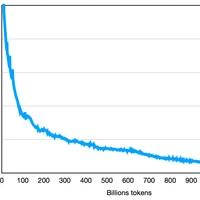

Hybrid and Collaborative Passage Reranking
In passage retrieval system, the initial passage retrieval results may be unsatisfactory, which can be refined by a reranking scheme. Existing solutions to passage reranking focus on enriching the interaction between query and each passage separately, neglecting the context among the top-ranked passages in the initial retrieval list. To tackle this problem, we propose a Hybrid and Collaborative Passage Reranking (HybRank) method, which leverages the substantial similarity measurements of upstream retrievers for passage collaboration and incorporates the lexical and semantic properties of sparse and dense retrievers for reranking. Besides, built on off-the-shelf retriever features, HybRank is a plug-in reranker capable of enhancing arbitrary passage lists including previously reranked ones. Extensive experiments demonstrate the stable improvements of performance over prevalent retrieval and reranking methods, and verify the effectiveness of the core components of HybRank.

A Compass for Navigating the World of Sentence Embeddings for the Telecom Domain
A plethora of sentence embedding models makes it challenging to choose one, especially for domains such as telecom, rich with specialized vocabulary. We evaluate multiple embeddings obtained from publicly available models and their domain-adapted variants, on both point retrieval accuracies as well as their (95\%) confidence intervals. We establish a systematic method to obtain thresholds for similarity scores for different embeddings. We observe that fine-tuning improves mean bootstrapped accuracies as well as tightens confidence intervals. The pre-training combined with fine-tuning makes confidence intervals even tighter. To understand these variations, we analyse and report significant correlations between the distributional overlap between top-K, correct and random sentence similarities with retrieval accuracies and similarity thresholds. Following current literature, we analyze if retrieval accuracy variations can be attributed to isotropy of embeddings. Our conclusions are that isotropy of embeddings (as measured by two independent state-of-the-art isotropy metric definitions) cannot be attributed to better retrieval performance. However, domain adaptation which improves retrieval accuracies also improves isotropy. We establish that domain adaptation moves domain specific embeddings further away from general domain embeddings.

Structural Text Segmentation of Legal Documents
The growing complexity of legal cases has lead to an increasing interest in legal information retrieval systems that can effectively satisfy user-specific information needs. However, such downstream systems typically require documents to be properly formatted and segmented, which is often done with relatively simple pre-processing steps, disregarding topical coherence of segments. Systems generally rely on representations of individual sentences or paragraphs, which may lack crucial context, or document-level representations, which are too long for meaningful search results. To address this issue, we propose a segmentation system that can predict topical coherence of sequential text segments spanning several paragraphs, effectively segmenting a document and providing a more balanced representation for downstream applications. We build our model on top of popular transformer networks and formulate structural text segmentation as topical change detection, by performing a series of independent classifications that allow for efficient fine-tuning on task-specific data. We crawl a novel dataset consisting of roughly 74,000 online Terms-of-Service documents, including hierarchical topic annotations, which we use for training. Results show that our proposed system significantly outperforms baselines, and adapts well to structural peculiarities of legal documents. We release both data and trained models to the research community for future work.https://github.com/dennlinger/TopicalChange
CoRT: Complementary Rankings from Transformers
Many recent approaches towards neural information retrieval mitigate their computational costs by using a multi-stage ranking pipeline. In the first stage, a number of potentially relevant candidates are retrieved using an efficient retrieval model such as BM25. Although BM25 has proven decent performance as a first-stage ranker, it tends to miss relevant passages. In this context we propose CoRT, a simple neural first-stage ranking model that leverages contextual representations from pretrained language models such as BERT to complement term-based ranking functions while causing no significant delay at query time. Using the MS MARCO dataset, we show that CoRT significantly increases the candidate recall by complementing BM25 with missing candidates. Consequently, we find subsequent re-rankers achieve superior results with less candidates. We further demonstrate that passage retrieval using CoRT can be realized with surprisingly low latencies.
Dense Text Retrieval based on Pretrained Language Models: A Survey
Text retrieval is a long-standing research topic on information seeking, where a system is required to return relevant information resources to user's queries in natural language. From classic retrieval methods to learning-based ranking functions, the underlying retrieval models have been continually evolved with the ever-lasting technical innovation. To design effective retrieval models, a key point lies in how to learn the text representation and model the relevance matching. The recent success of pretrained language models (PLMs) sheds light on developing more capable text retrieval approaches by leveraging the excellent modeling capacity of PLMs. With powerful PLMs, we can effectively learn the representations of queries and texts in the latent representation space, and further construct the semantic matching function between the dense vectors for relevance modeling. Such a retrieval approach is referred to as dense retrieval, since it employs dense vectors (a.k.a., embeddings) to represent the texts. Considering the rapid progress on dense retrieval, in this survey, we systematically review the recent advances on PLM-based dense retrieval. Different from previous surveys on dense retrieval, we take a new perspective to organize the related work by four major aspects, including architecture, training, indexing and integration, and summarize the mainstream techniques for each aspect. We thoroughly survey the literature, and include 300+ related reference papers on dense retrieval. To support our survey, we create a website for providing useful resources, and release a code repertory and toolkit for implementing dense retrieval models. This survey aims to provide a comprehensive, practical reference focused on the major progress for dense text retrieval.
TartuNLP @ AXOLOTL-24: Leveraging Classifier Output for New Sense Detection in Lexical Semantics
We present our submission to the AXOLOTL-24 shared task. The shared task comprises two subtasks: identifying new senses that words gain with time (when comparing newer and older time periods) and producing the definitions for the identified new senses. We implemented a conceptually simple and computationally inexpensive solution to both subtasks. We trained adapter-based binary classification models to match glosses with usage examples and leveraged the probability output of the models to identify novel senses. The same models were used to match examples of novel sense usages with Wiktionary definitions. Our submission attained third place on the first subtask and the first place on the second subtask.